

Interactive map
Explore Brazil by region
Click on a region to learn more
Rio de Janeiro · São Paulo · Minas Gerais · Espírito Santo
Southeast Rio, São Paulo and the colonial interior
The Southeast is where most Brazil trips begin. Rio and São Paulo are the two gateways almost every international flight lands in. Within a few hours of either, you can reach a colonial cobblestone street, a rainforest island, or a beach most Brazilians would rather keep to themselves.
- How long to stay
- Seven to ten nights covers Rio, the Costa Verde and one inland stop without rushing.
- Good for
- First-time visitors, city-and-beach trips, food and culture, and travelers who want to avoid long internal flights.

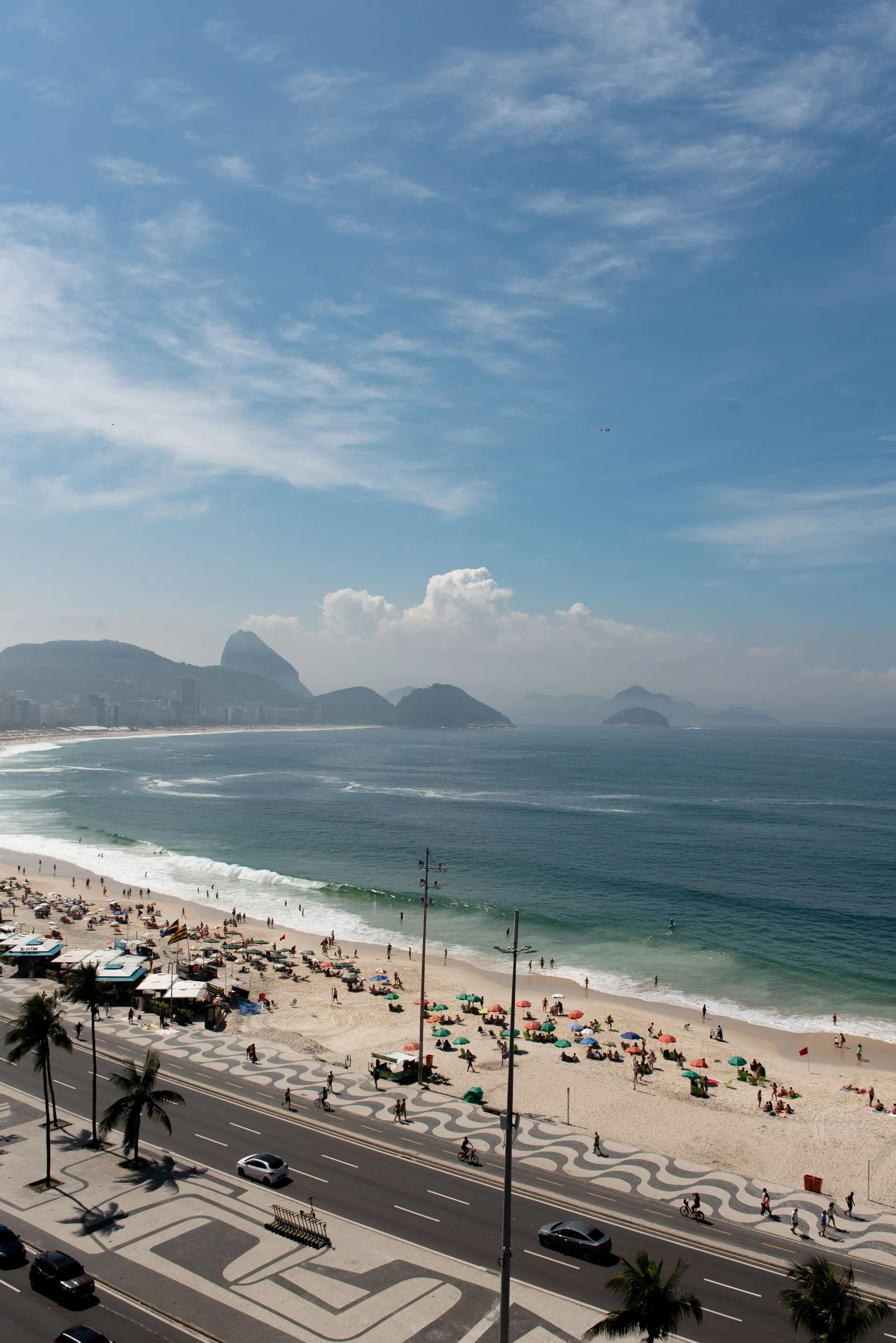
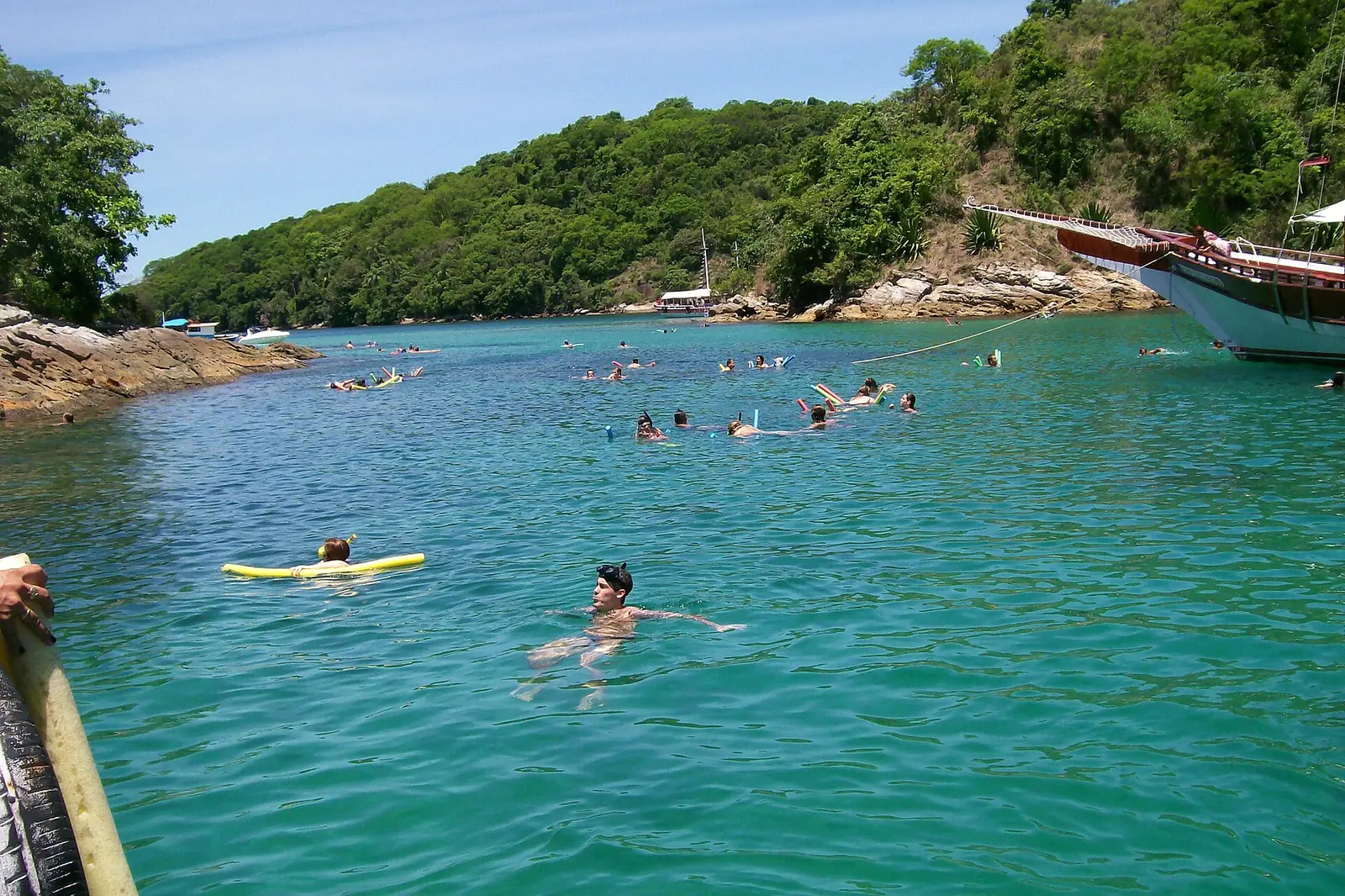
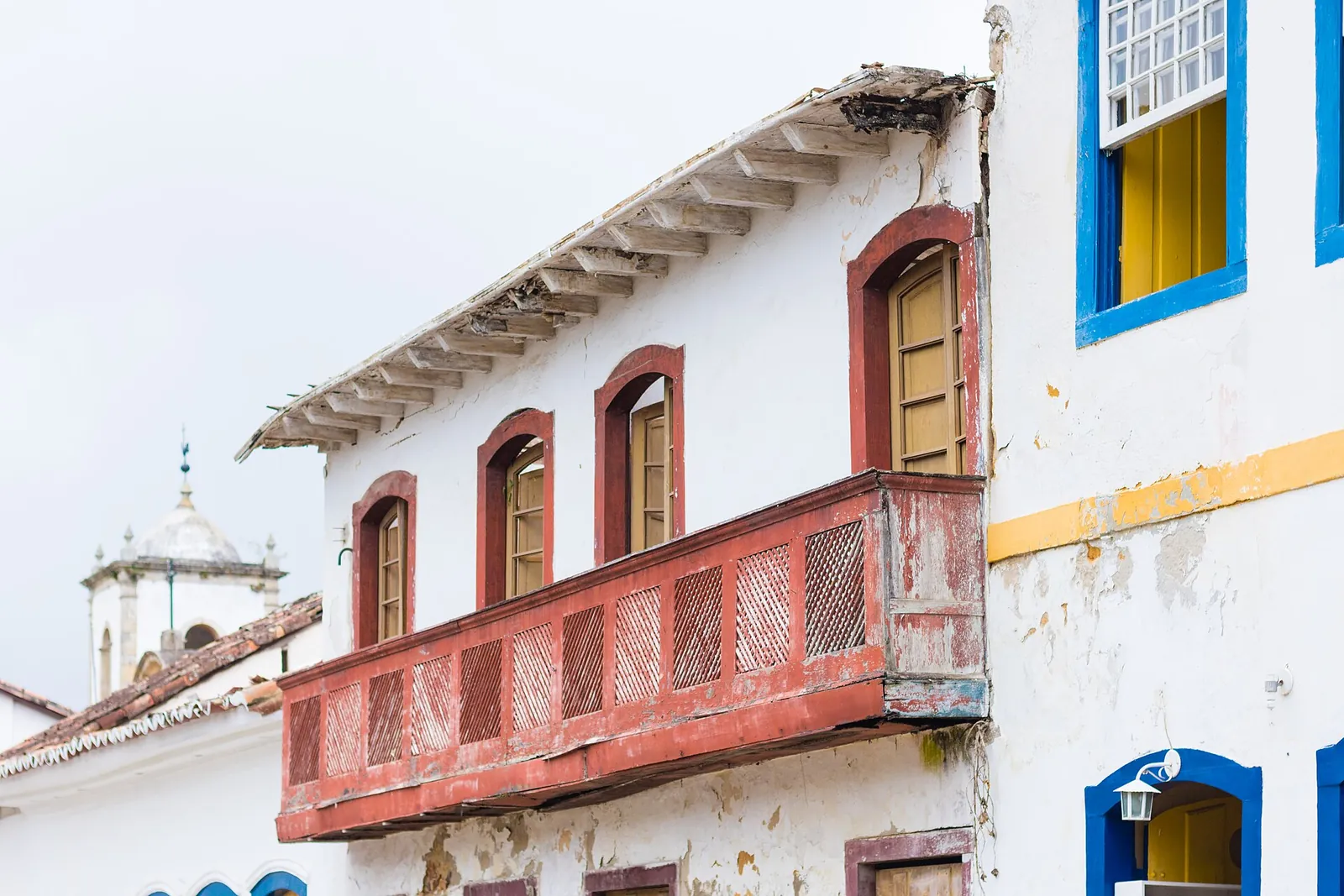
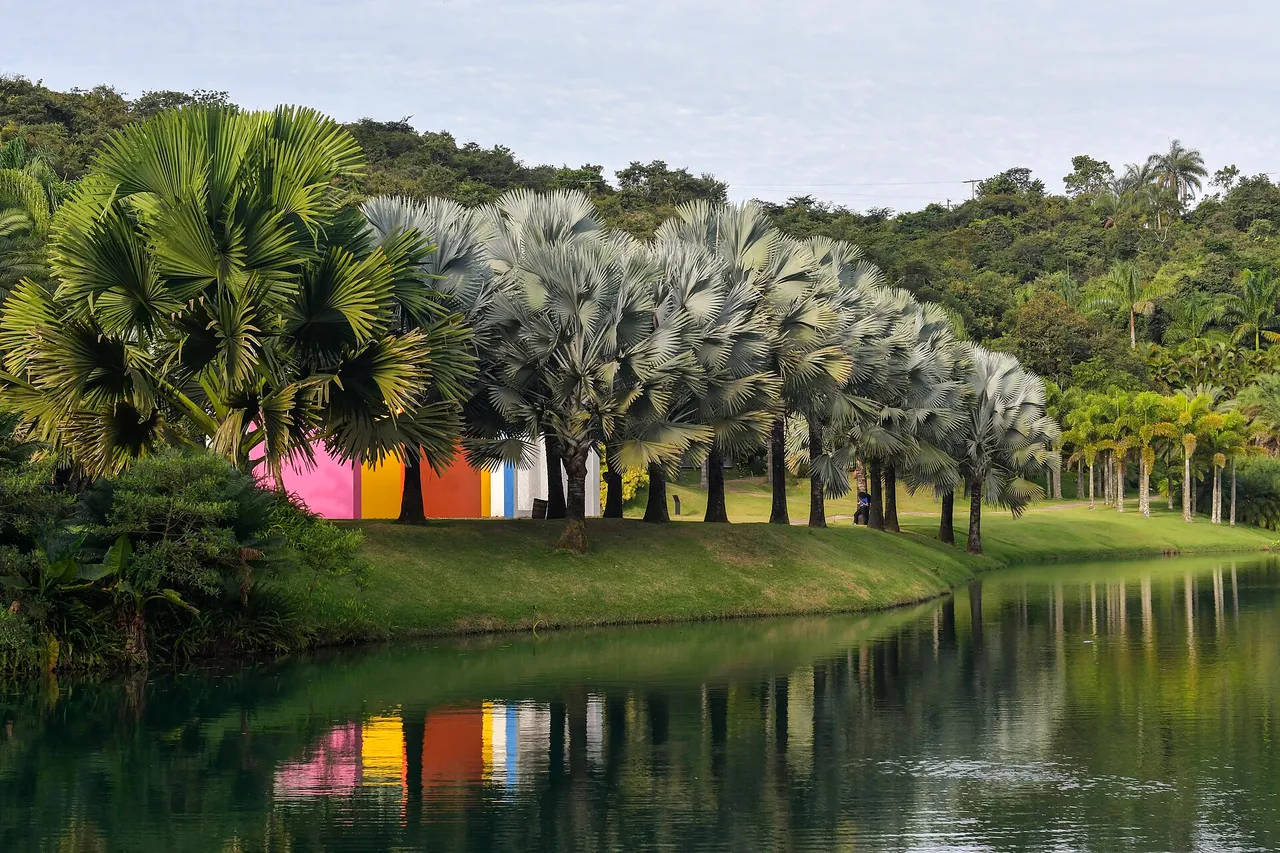
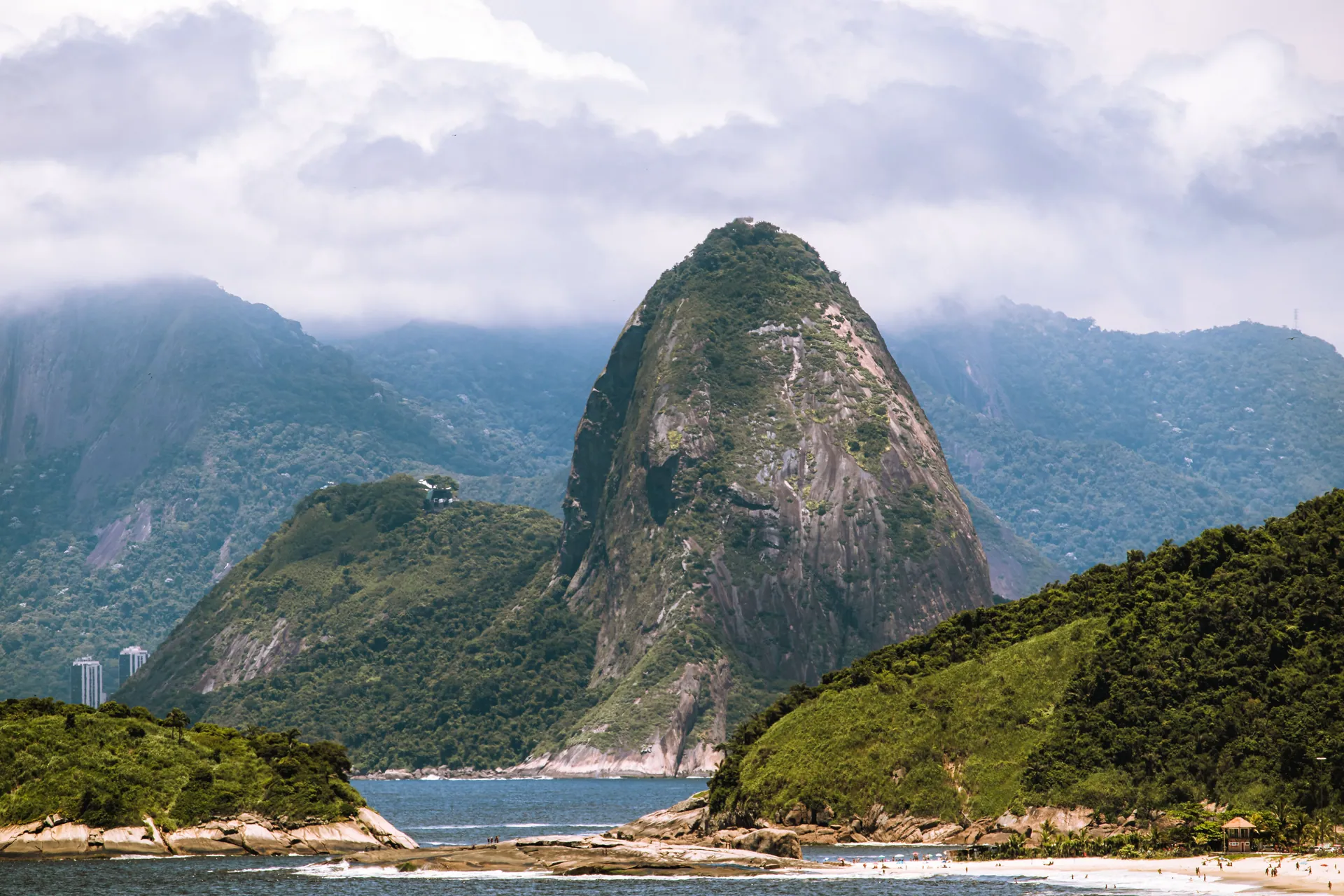

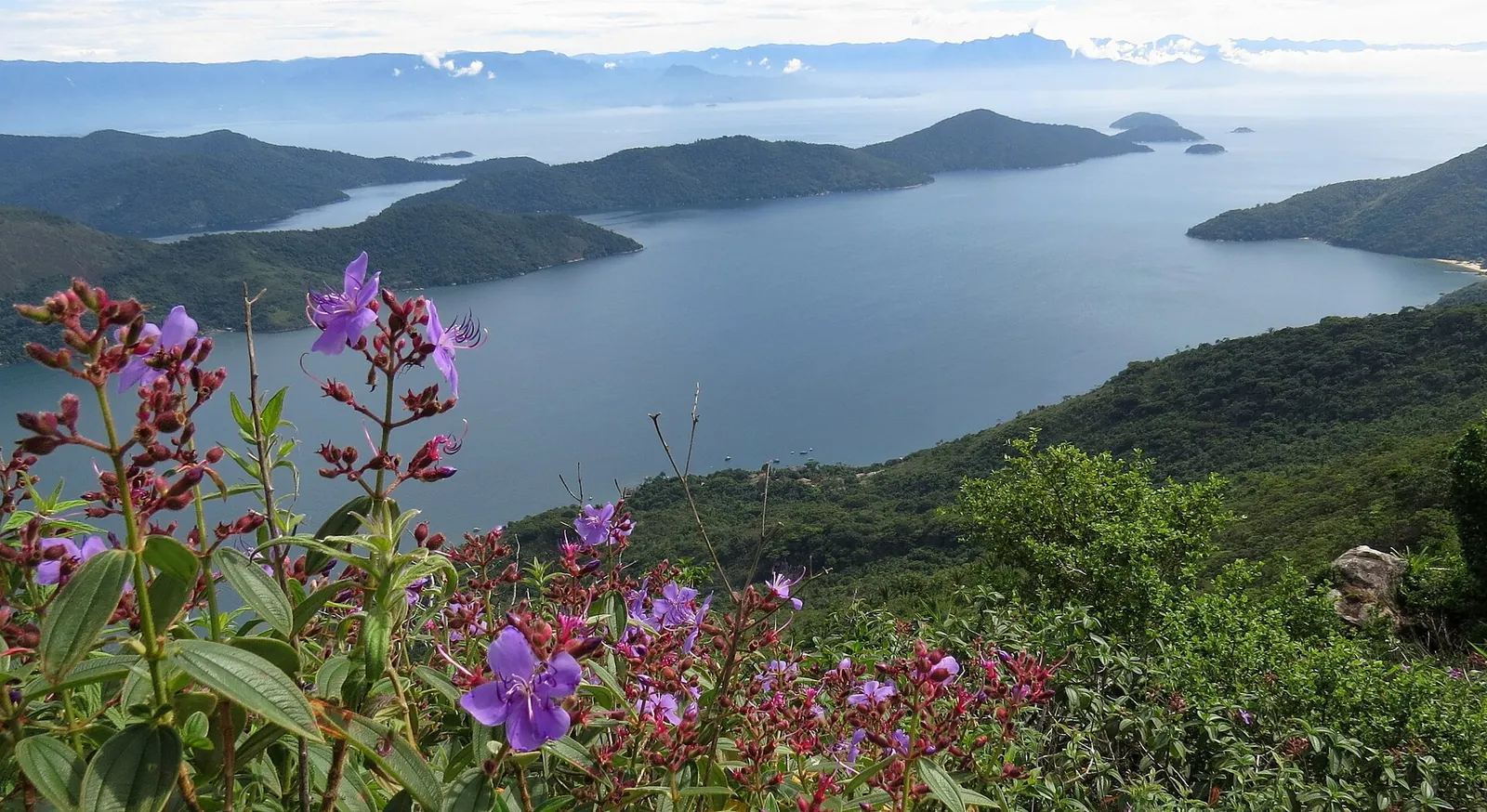
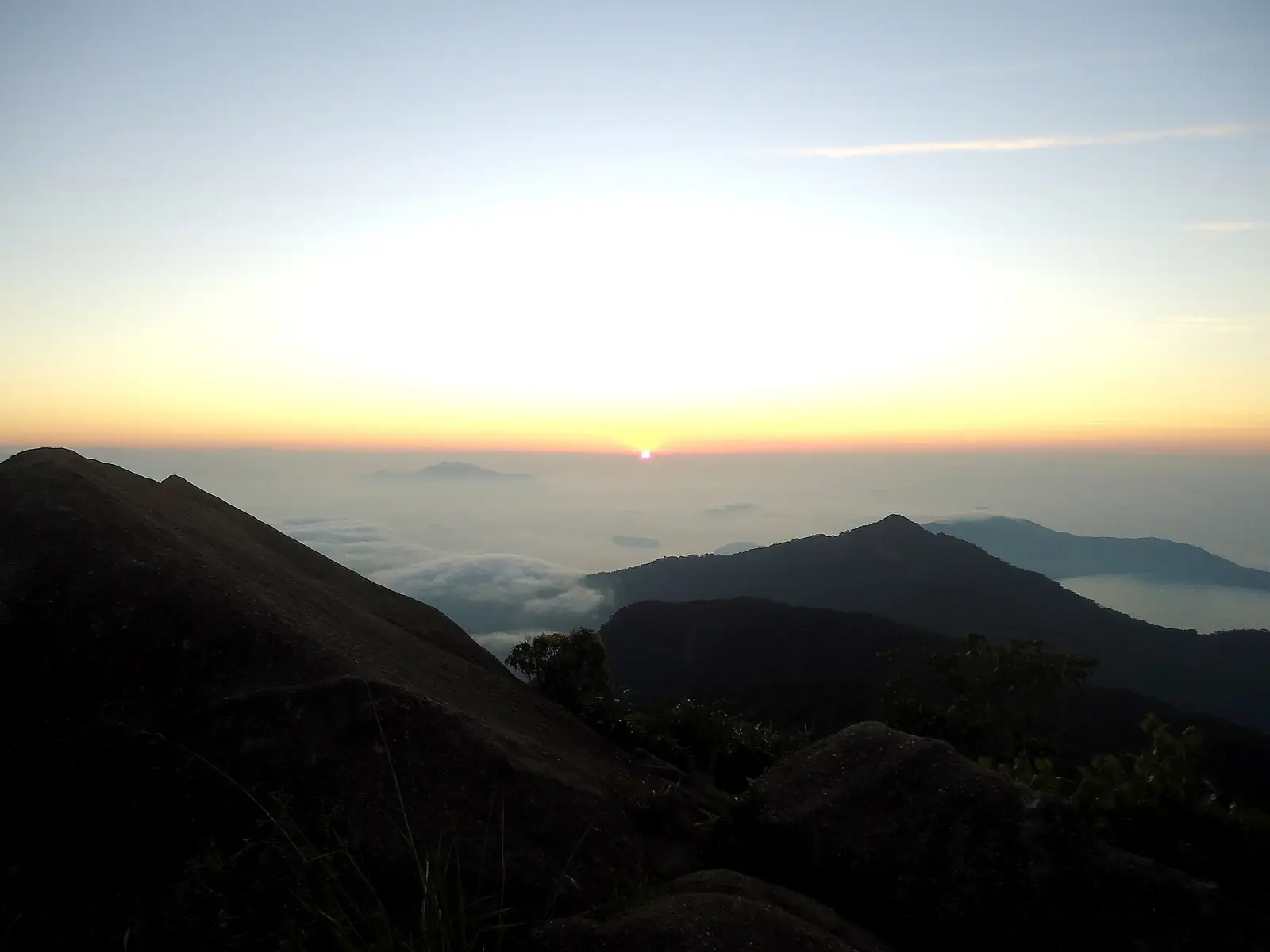
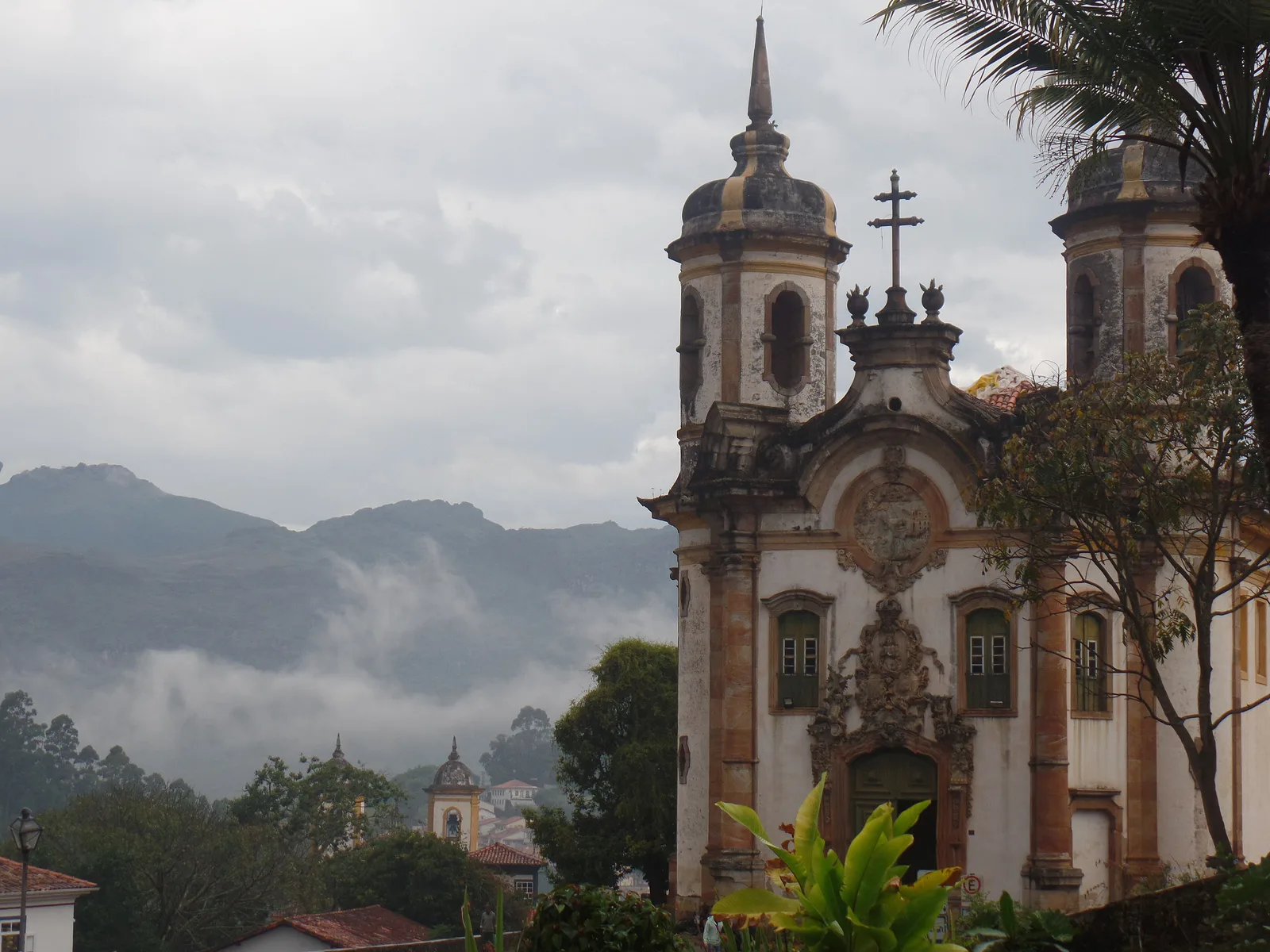

The smallest region, the biggest everything else. This is the smallest of Brazil's five regions by area, and by far the largest by population and economy: around 42% of the country lives here, and it produces more than half of Brazil's economic output. That density built a deep layer of things people made, not just landscape. Colonial gold towns, major museums, a strong restaurant scene, and some of the best-preserved Atlantic rainforest left anywhere.
Most first trips spend the most nights here. Rio earns three or four on its own. Add the Costa Verde, the green coast running southwest of the city toward Paraty and Ilha Grande, and you get a week that covers a great city, a colonial port, and a car-free island. None of it needs a flight.
Go inland and the trip changes shape entirely. Minas Gerais offers mountains, baroque churches, and food that most Brazilians will call the best in the country. São Paulo is where you go for restaurants, galleries and nightlife rather than views.
Where to go in the Southeast
-
Rio de Janeiro state · 3–4 nights
Page in progressRio de Janeiro
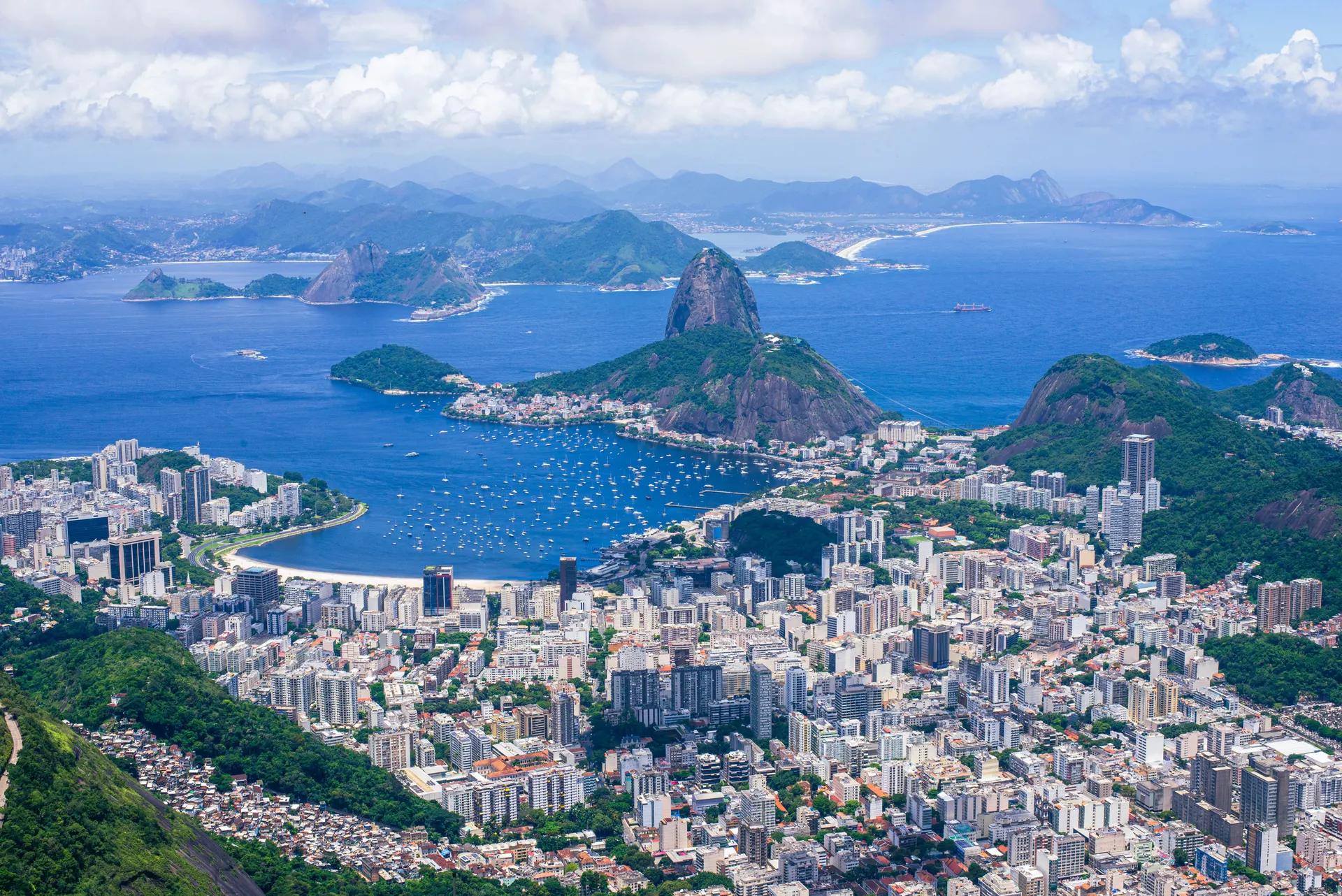
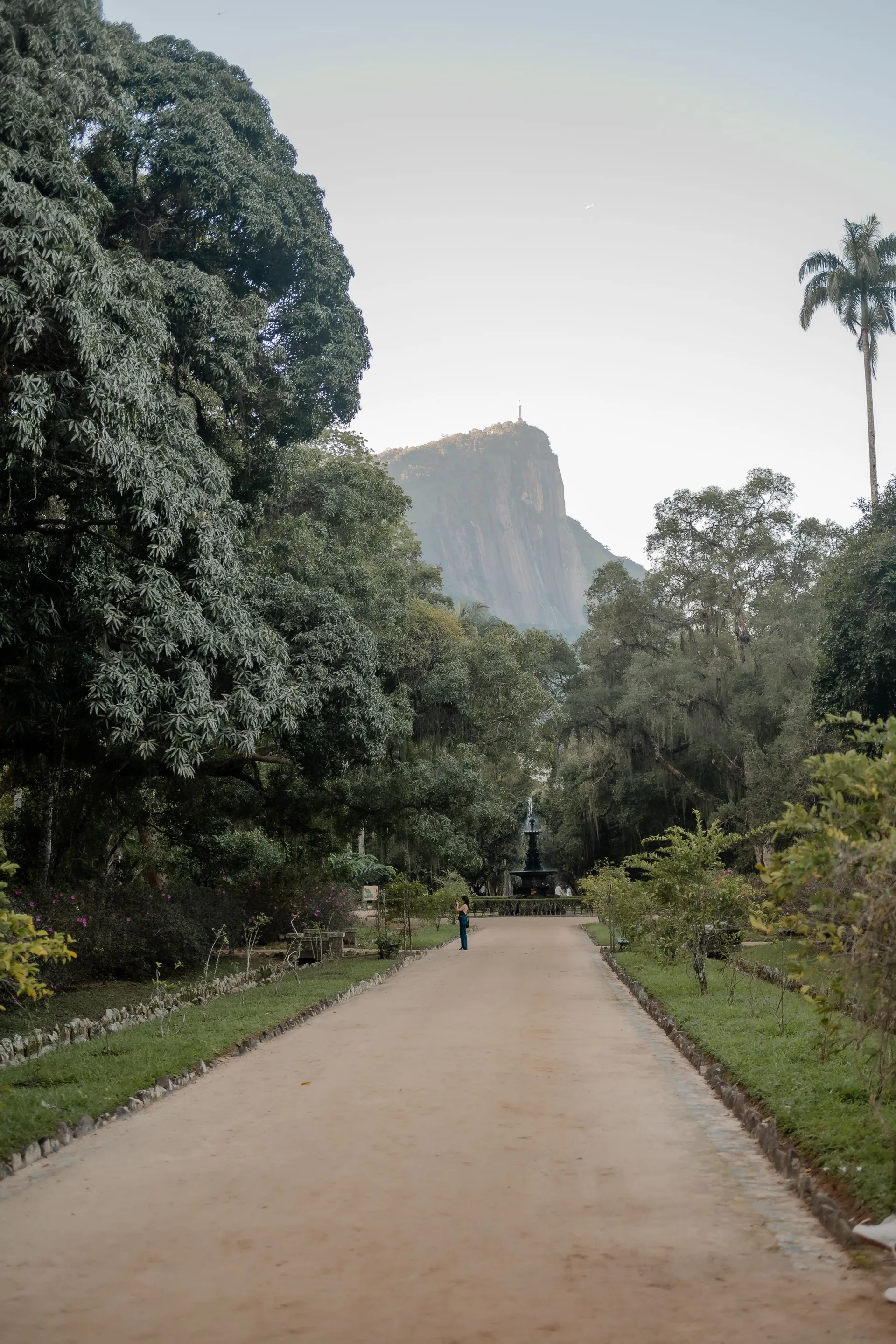
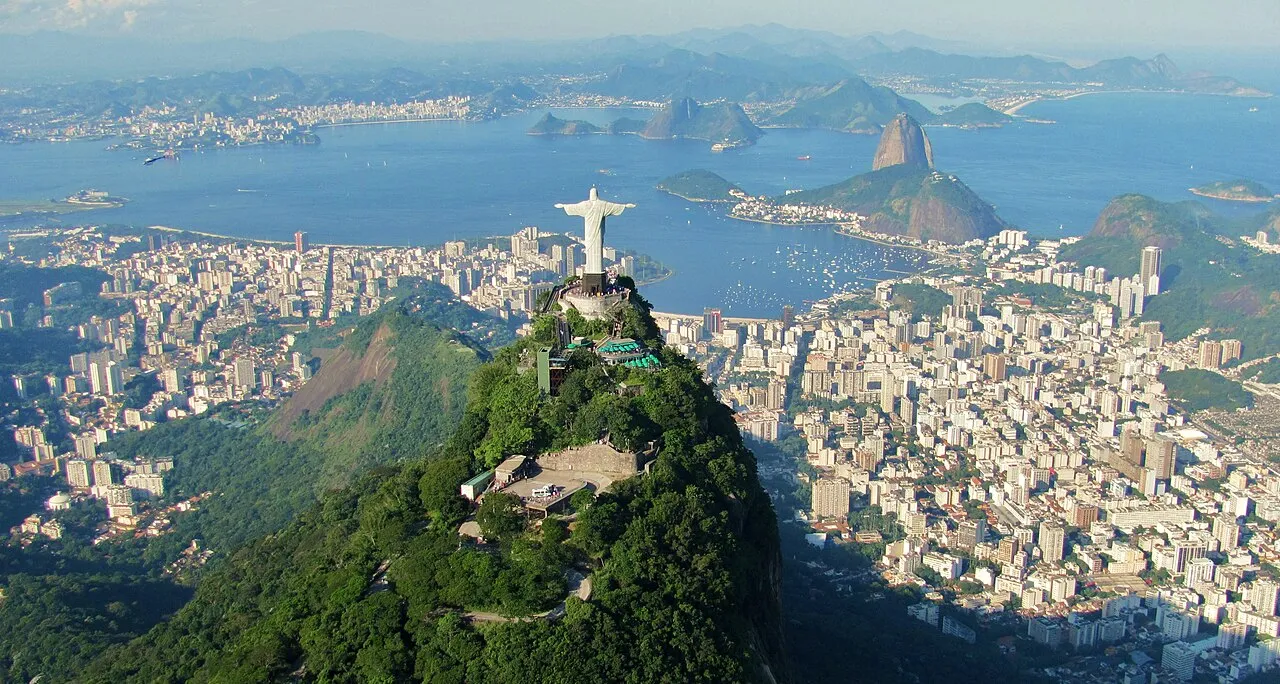
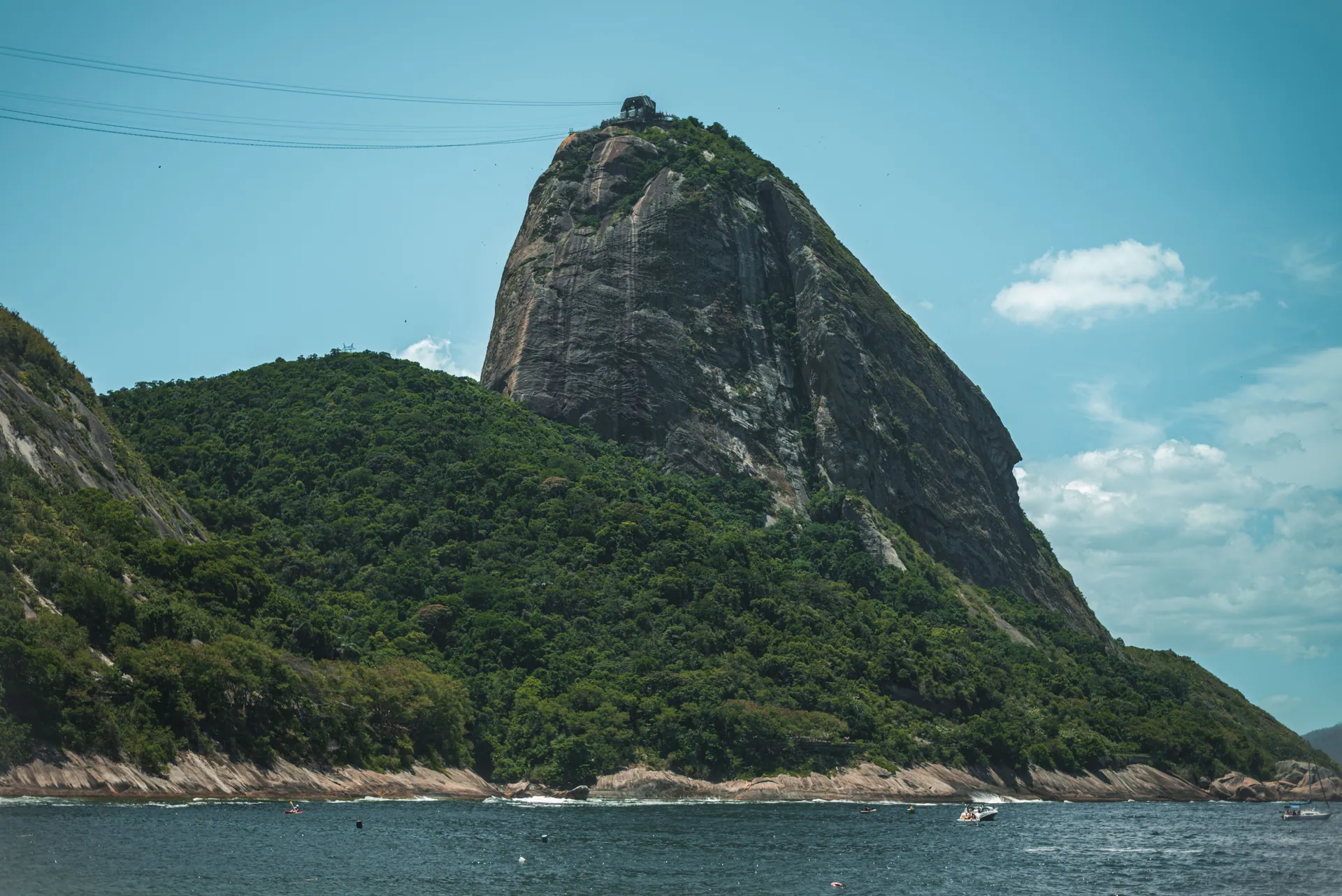
The city most people picture. Rio is the most famous city in Brazil, and it delivers on the picture in your head. Six million people live wrapped around granite peaks, rainforest and a string of beaches. You can see the whole layout in one glance from Corcovado or Sugarloaf.
Three days covers the list: Christ the Redeemer, Sugarloaf, Copacabana and Ipanema, and the restored port district around Praça Mauá. A fourth day turns a checklist into a trip. Hike up Pedra Bonita or Morro Dois Irmãos in the morning, spend the afternoon in the Jardim Botânico, catch sunset at Arpoador, and eat dinner in Santa Teresa or Lapa.
- Christ the Redeemer and Corcovado, best visited first thing before cloud sets in
- Sugarloaf at sunset: cable car up, walking trail down
- Ipanema and Leblon, plus the Arpoador rock between them
- Santa Teresa's hillside streets and the Selarón steps
- A guided visit to a favela community, arranged through local partners
-
São Paulo state · 2–3 nights
Page in progressSão Paulo
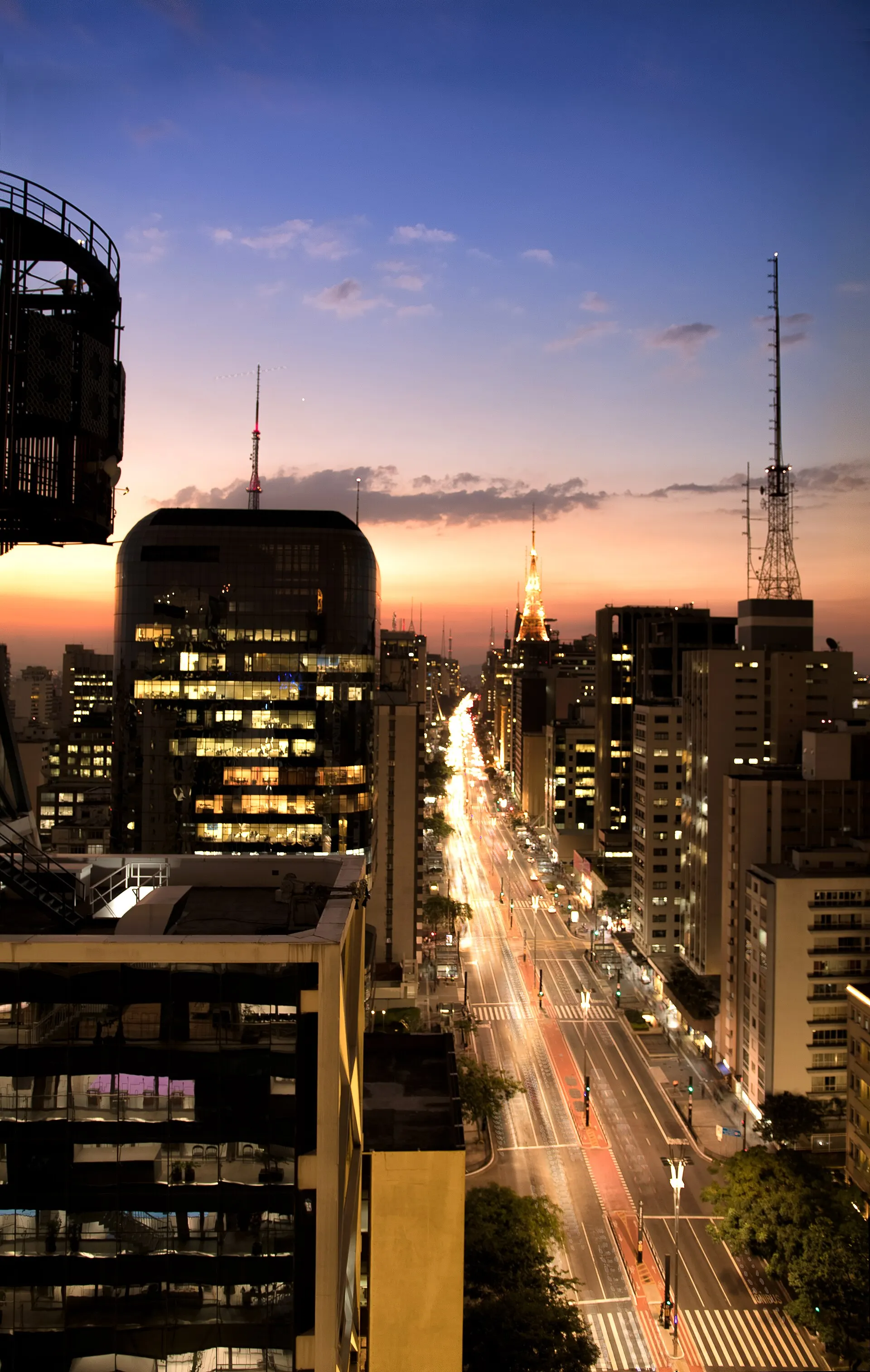
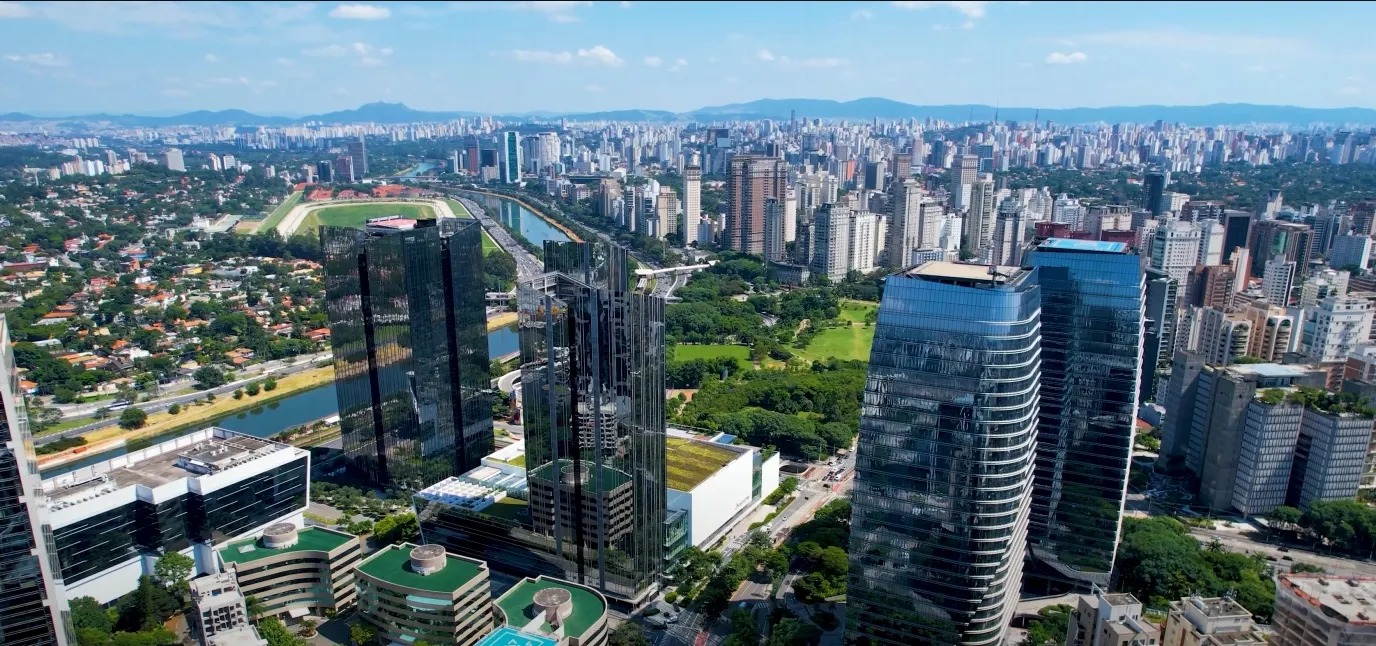
Not a pretty city. Nobody who lives in São Paulo will claim otherwise. It is, however, the most interesting city in South America. Twelve million people live in the city and twenty-two million in the metro area, built by waves of Italian, Japanese, Lebanese, Portuguese and northeastern Brazilian migration. All of it shows up on the plate.
Come here to eat, look at art, and go out. Walk Avenida Paulista on a Sunday when it closes to traffic and visit MASP. Spend a morning at the Mercado Municipal. See Liberdade, home to the largest Japanese diaspora community in the world, or Vila Madalena for street art and bars. It is also Brazil's main international hub, which makes two nights here an easy add rather than a detour.
- MASP and the Pinacoteca for Brazilian and European art
- Mercado Municipal, then a mortadella sandwich too big to finish
- Liberdade and a Japanese-Brazilian meal
- Beco do Batman and the Vila Madalena street-art alleys
- Ibirapuera Park and Niemeyer's pavilions
-
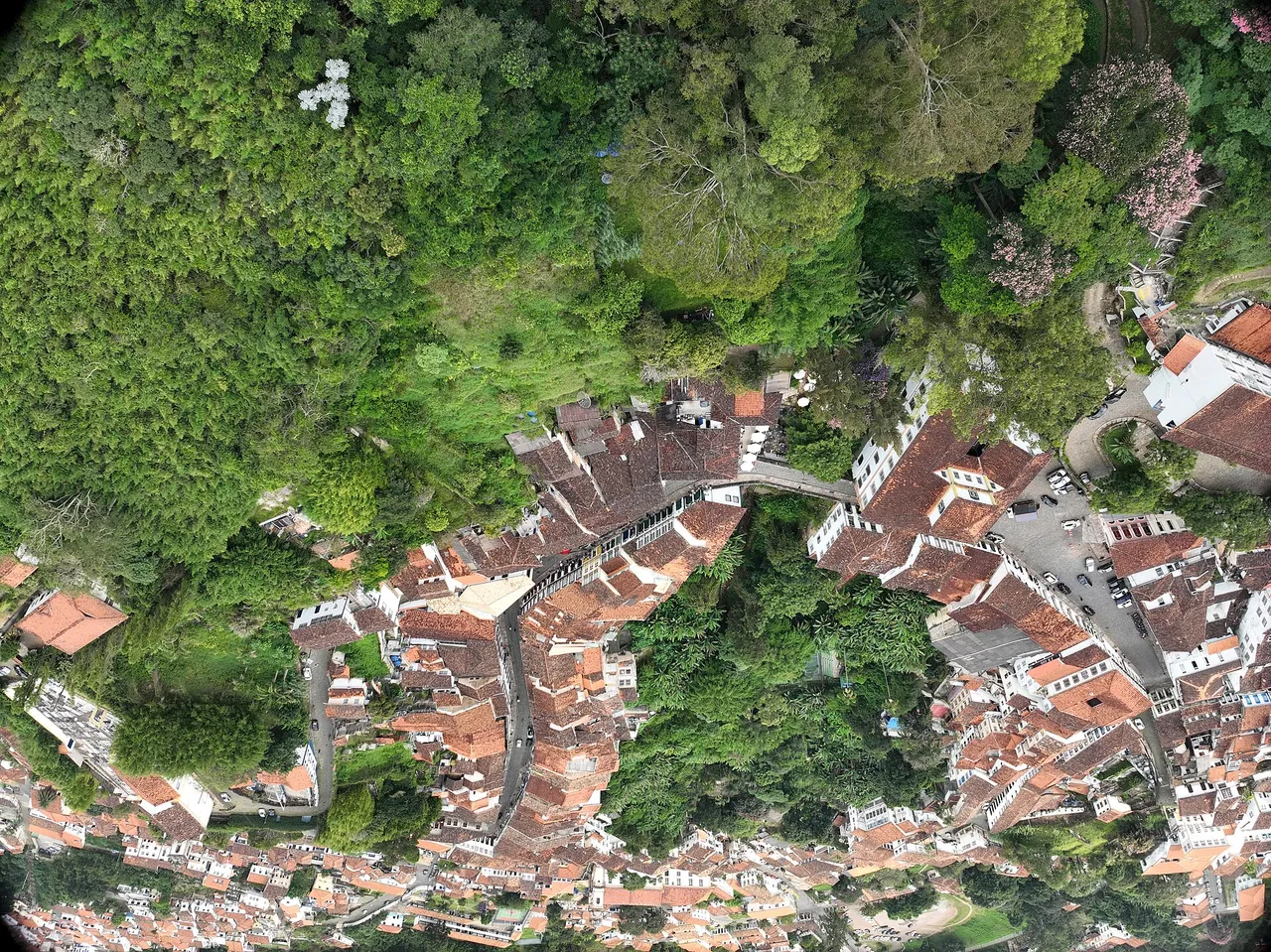
Minas Gerais · 3–4 nights
Page in progressMinas Gerais
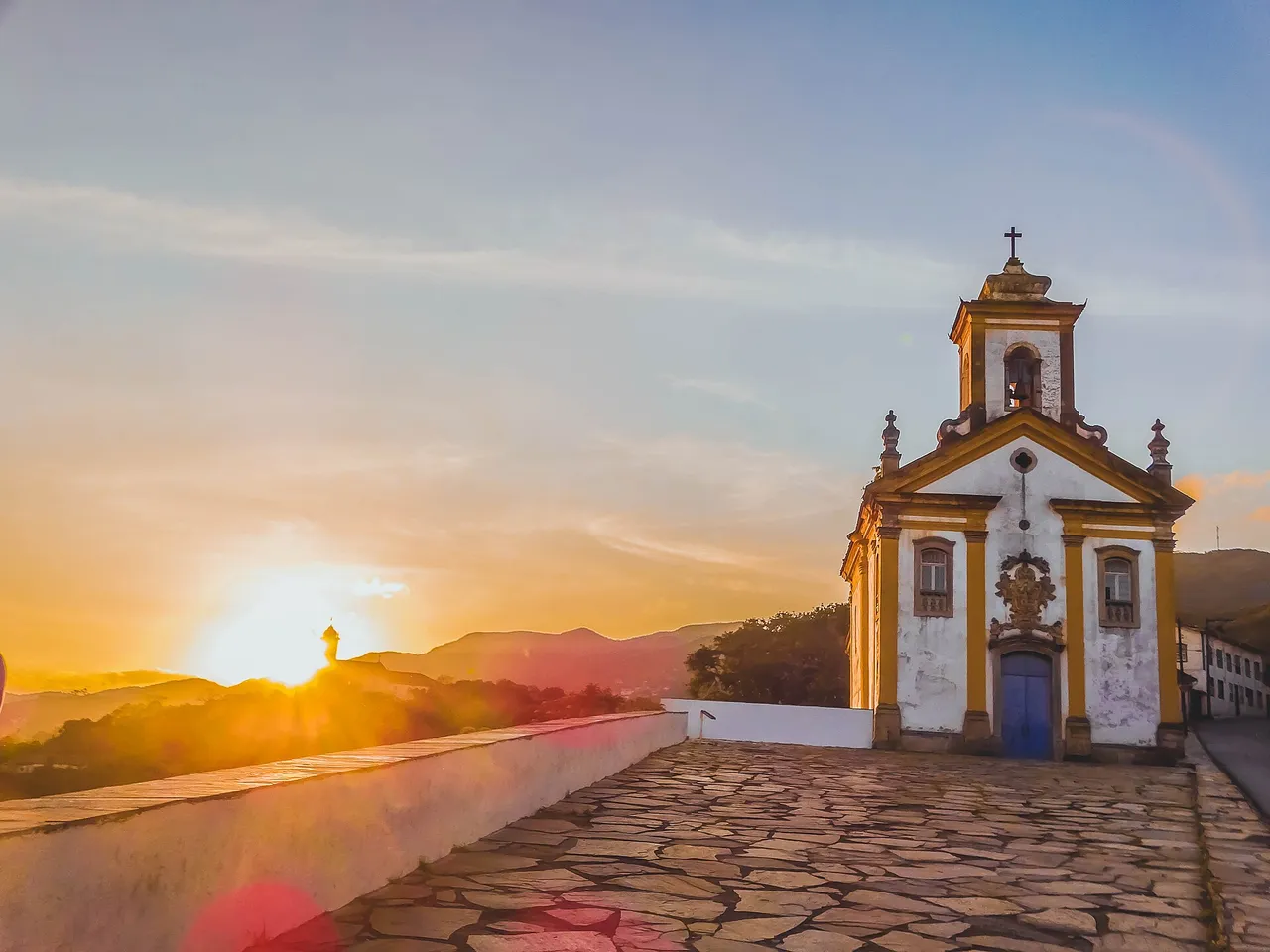
The Brazil most visitors skip. Minas is landlocked, mountainous, and built on an 18th-century gold rush. That history left behind a string of baroque towns: Ouro Preto, Tiradentes, São João del-Rei, Diamantina, Congonhas. Together they form one of the best-preserved colonial landscapes in the Americas.
It is also the country's food capital. Not fine dining: pão de queijo, feijão tropeiro, slow-cooked pork, cachaça from small stills, and coffee grown up the road. Add Inhotim, an open-air contemporary art museum set in a botanical garden, and Minas becomes a three-or-four-day loop that resets what you expect from this country.
- Ouro Preto, a UNESCO town of churches, hills and cobblestones
- Inhotim, contemporary art spread across 140 hectares of garden
- Tiradentes and the steam train to São João del-Rei
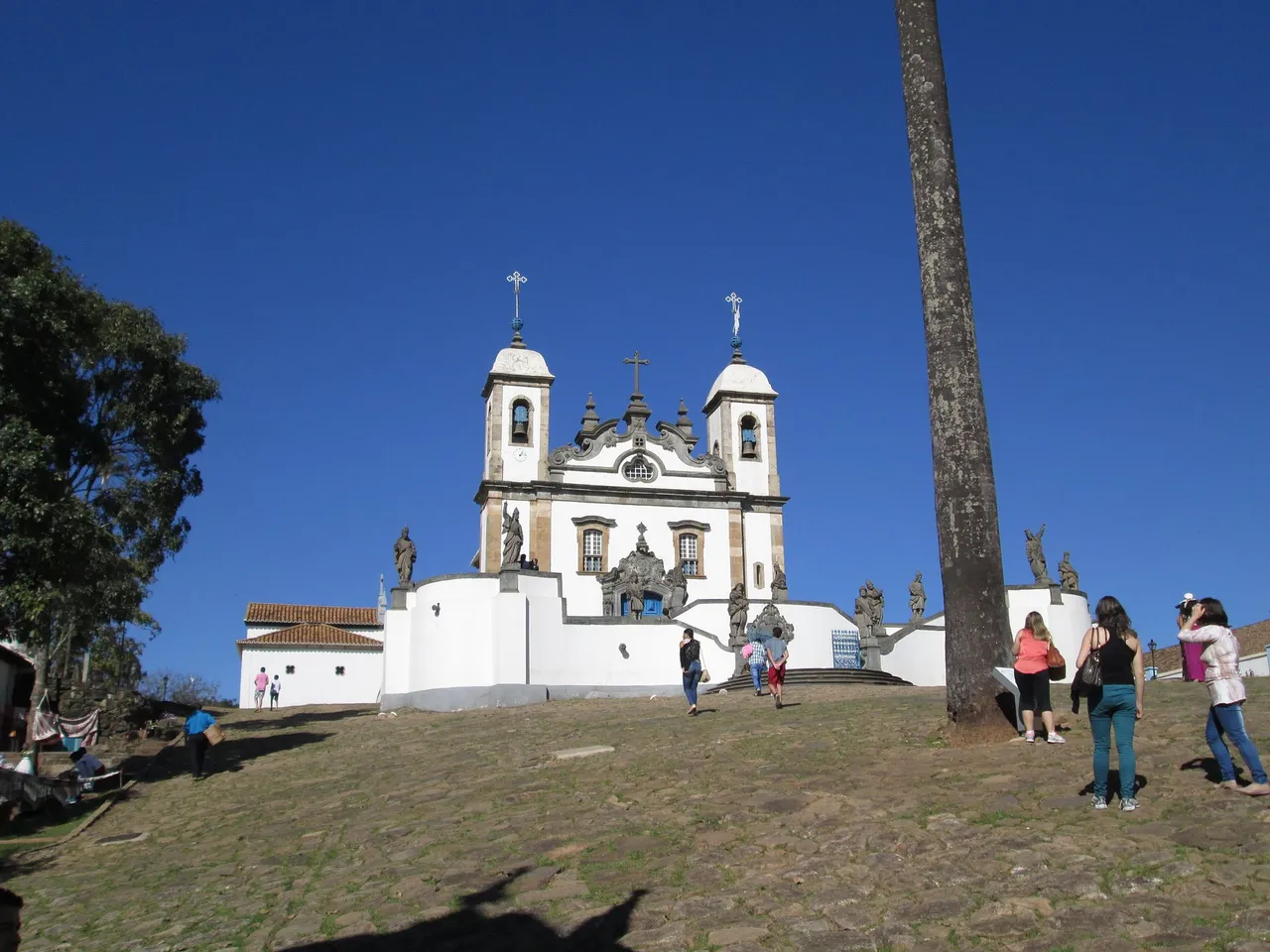
- Aleijadinho's twelve soapstone prophets at Congonhas
- A family-run restaurant off a town square: the real reason to come
-
Rio de Janeiro state · 2–3 nights
Page in progressParaty & the Costa Verde
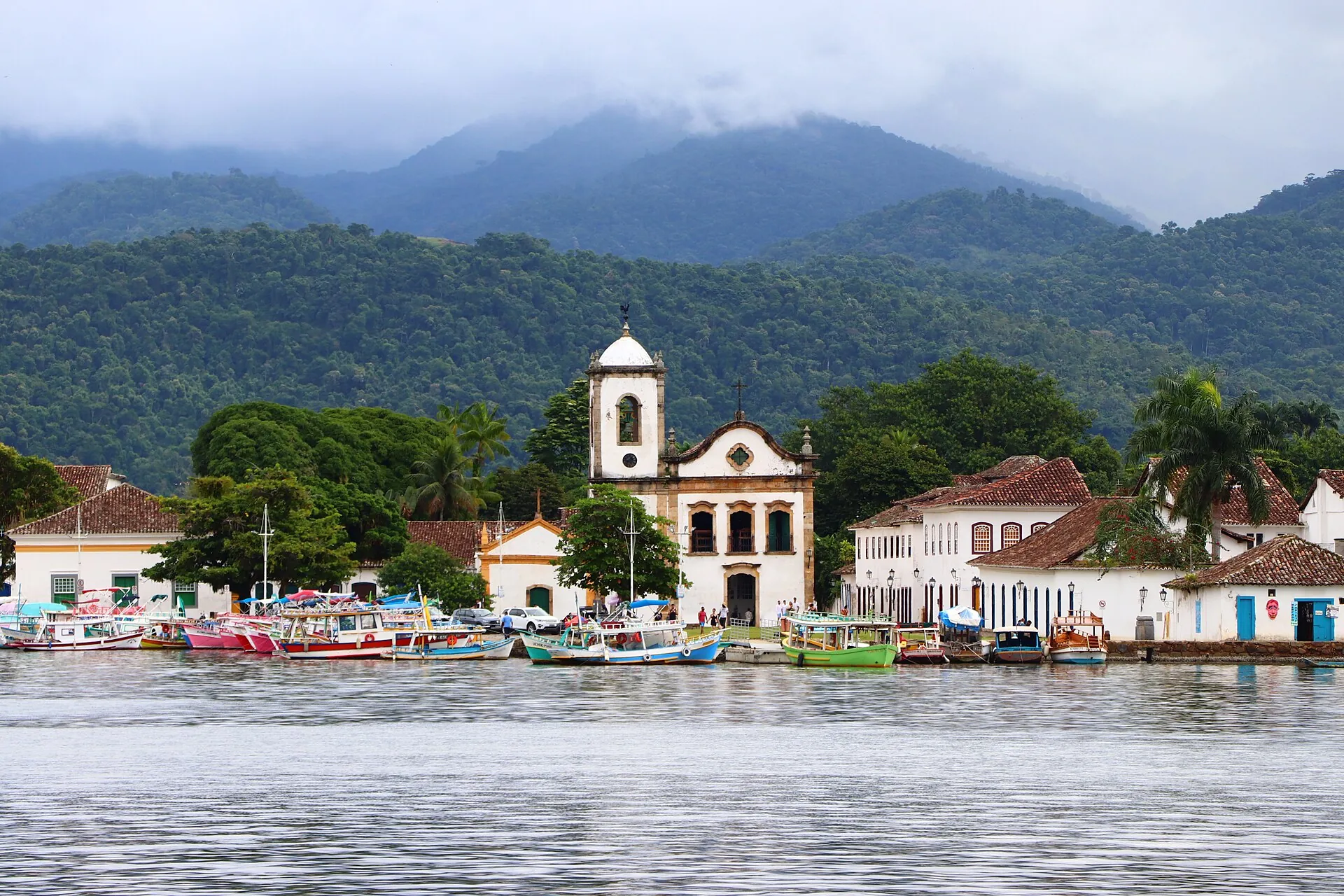
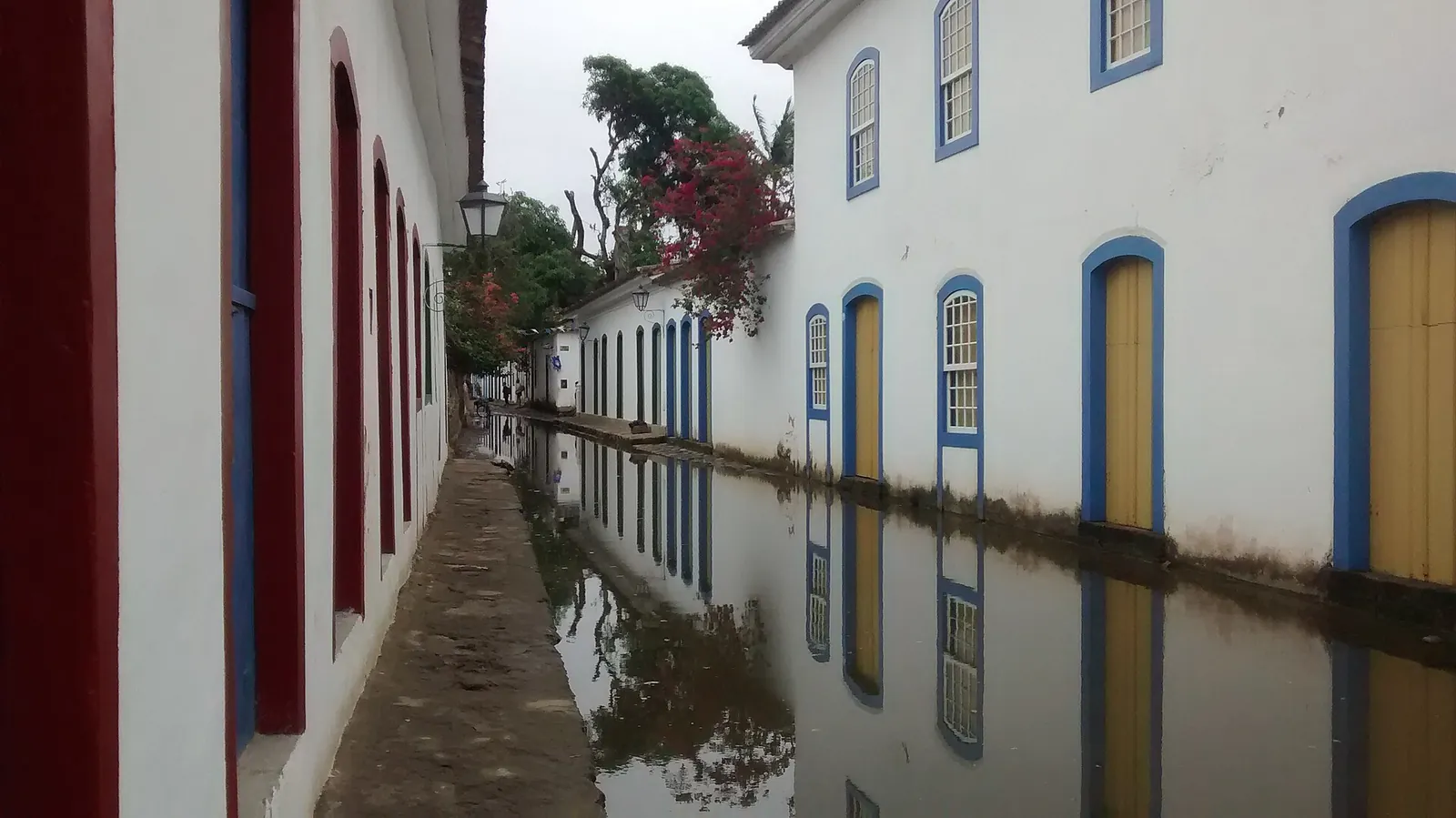
A port the gold trade built, then forgot. Paraty sits four hours down the coast from Rio, and being forgotten is exactly why it survived. The historic center bans cars and sits on irregular stone. Spring tides flood the streets and wash them clean, an 18th-century design that still works.
The town is the base. The bay is the reason to stay. Spend a day on a schooner between the islands and swimming beaches, a day on the Gold Trail through Atlantic rainforest, and a day at Saco do Mamanguá, a long narrow inlet often called Brazil's only tropical fjord.
- The car-free historic center and its flooded streets at high tide
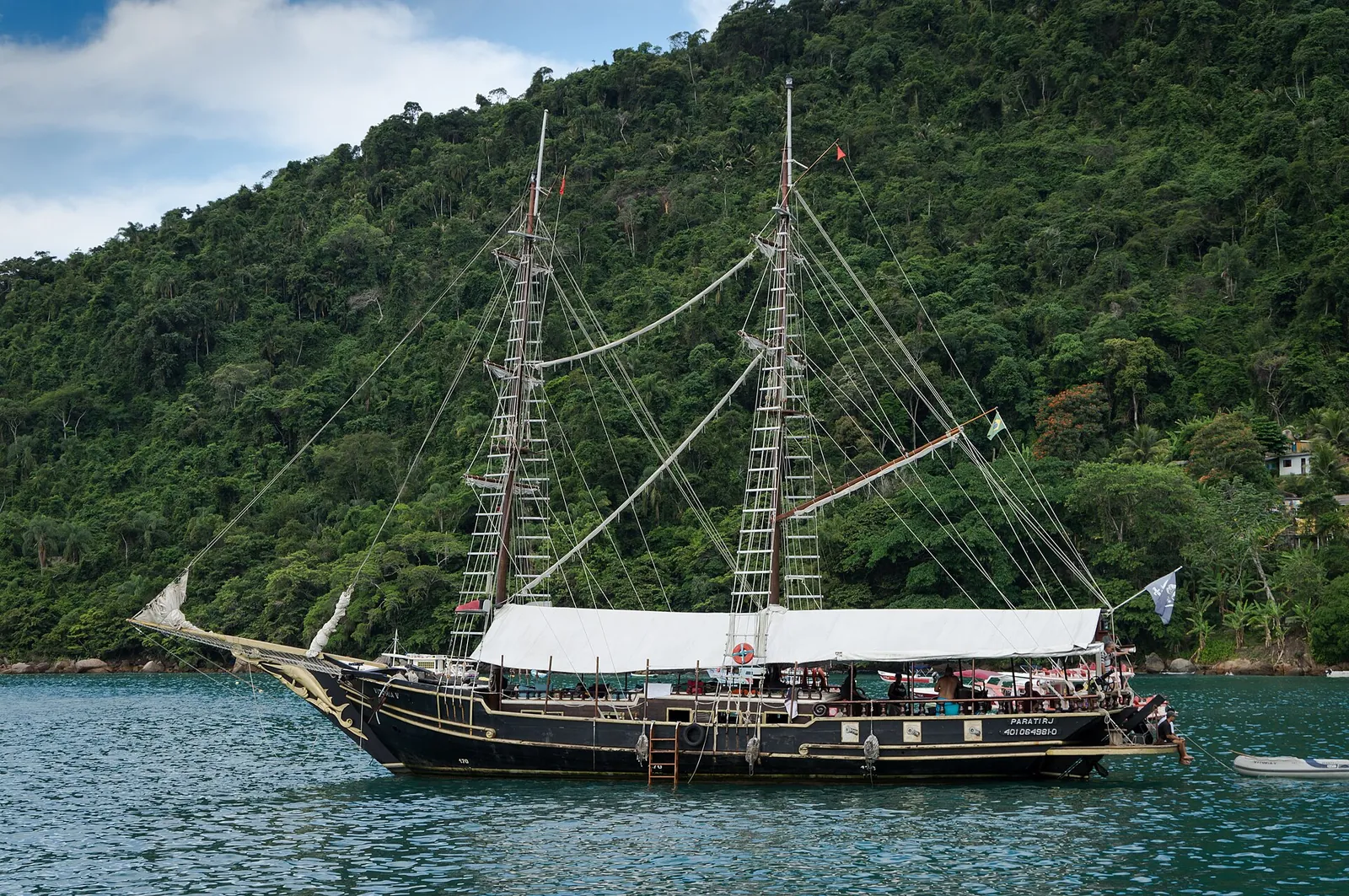
- A schooner day around the bay's islands and beaches
- The Caminho do Ouro, the old stone gold road into the mountains
- Saco do Mamanguá by boat or stand-up paddle
- Cachaça distilleries in the hills behind town
-
Rio de Janeiro state · 2–3 nights
Page in progressIlha Grande
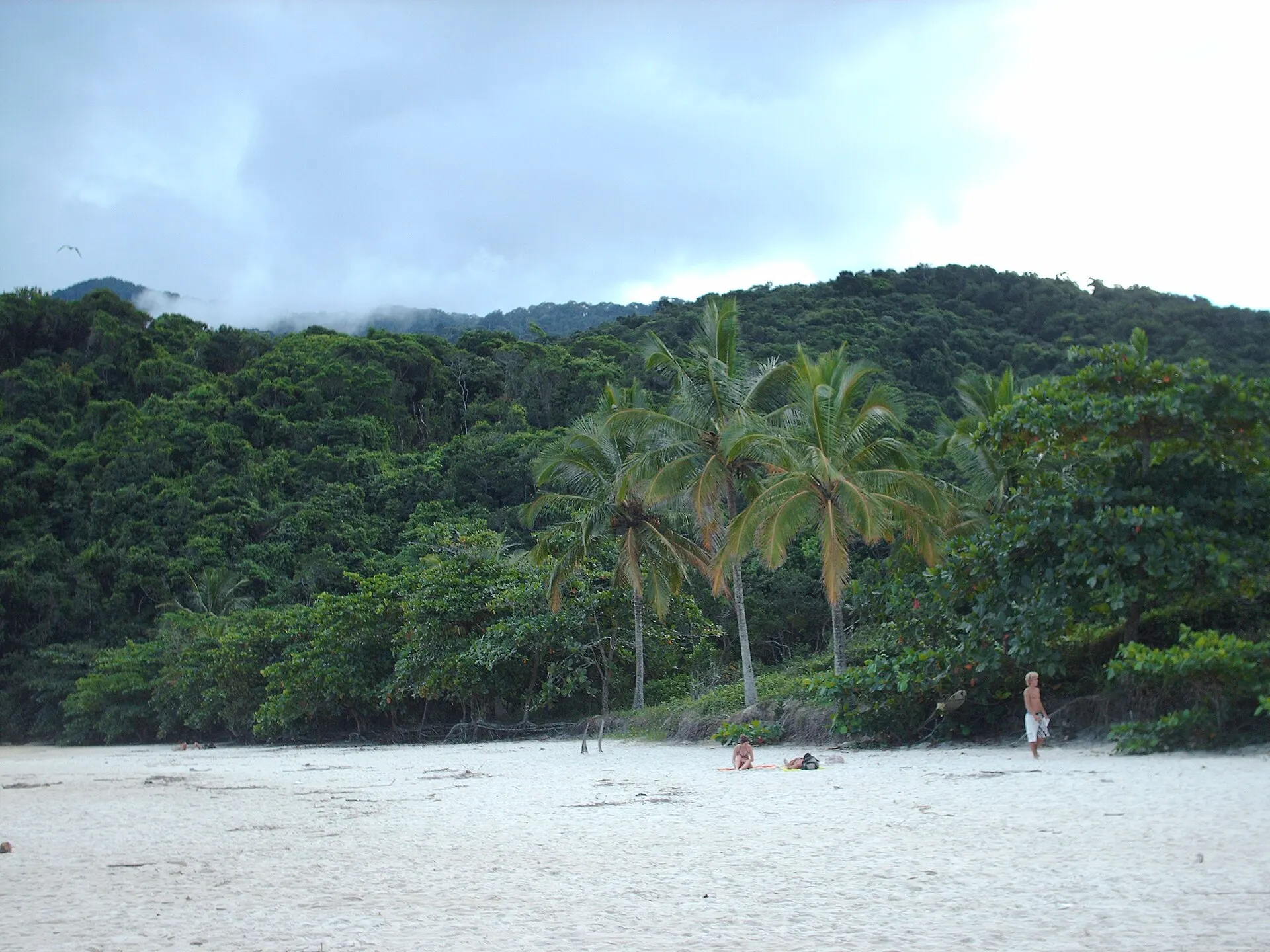
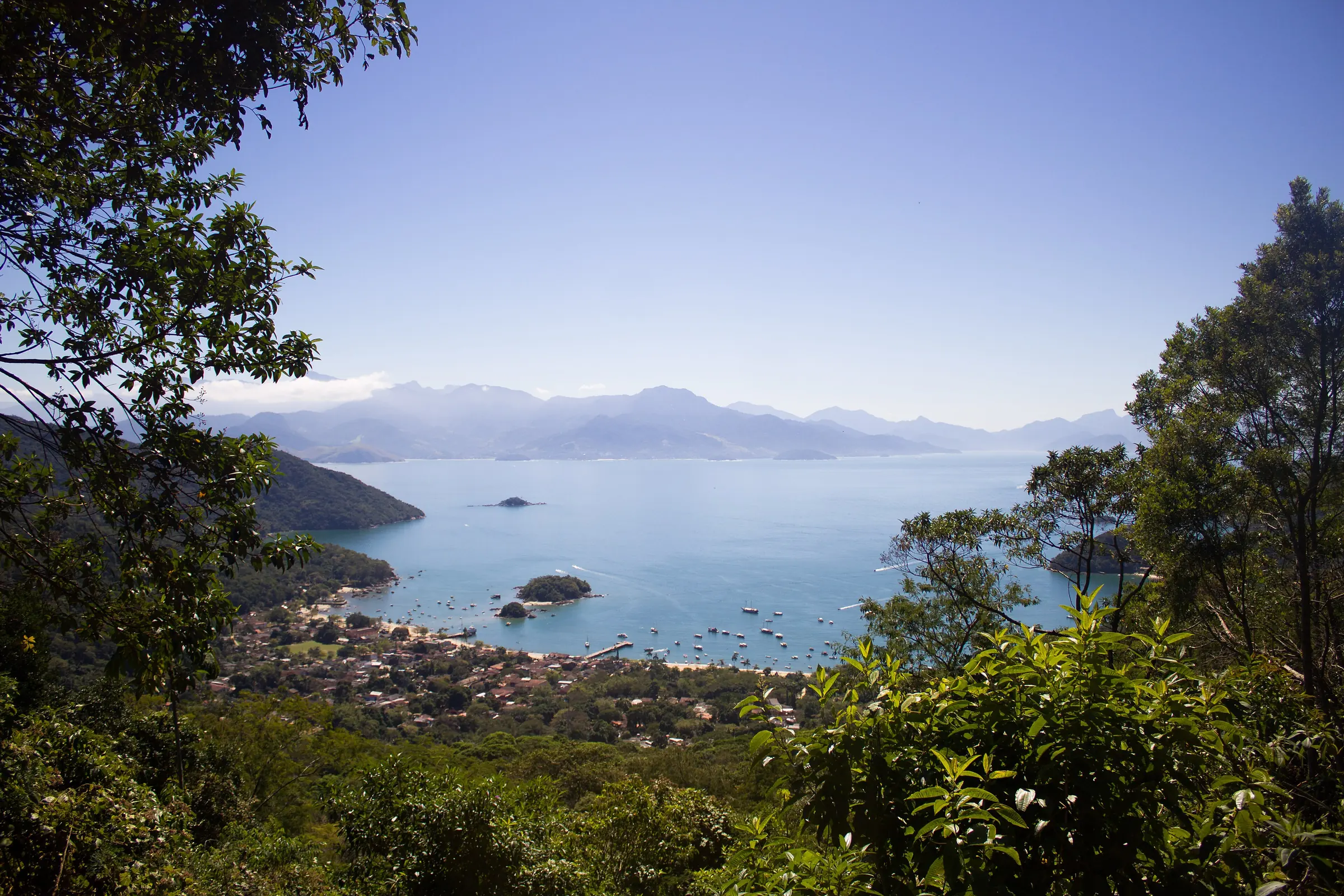
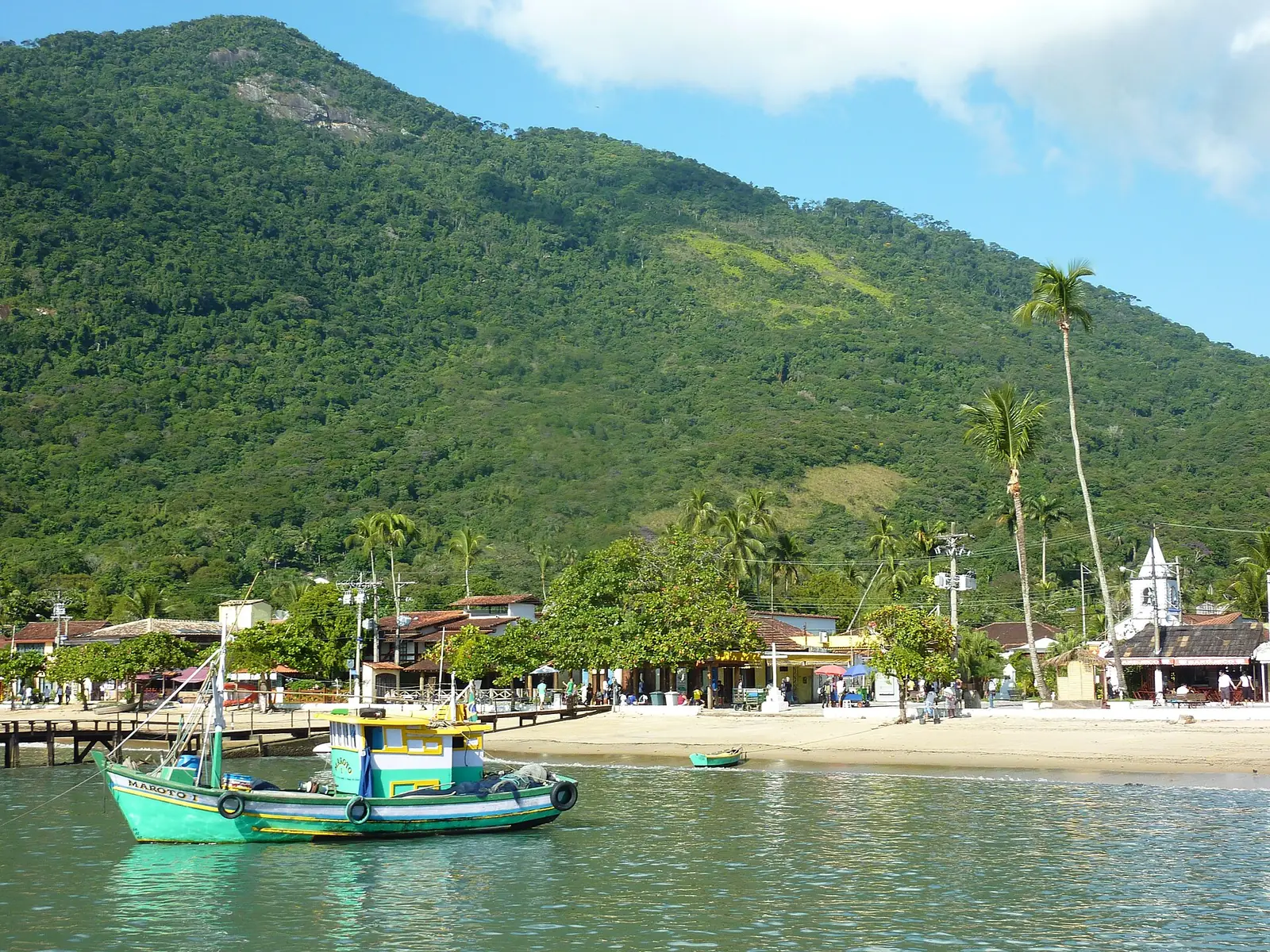
No cars, no roads, no ATMs. Ilha Grande sits an hour's boat ride off the Costa Verde. It was a leper colony, then a maximum-security prison, and that grim history is the reason the forest was never cleared. Most of the island is now protected parkland.
You arrive at Vila do Abraão and walk from there, or take a boat. Reach Lopes Mendes on foot through the forest, or by boat and a short walk. People regularly call it the best beach in Brazil, and it earns the claim.
- Lopes Mendes beach, two hours on foot through rainforest
- Lagoa Azul for snorkeling over clear water
- The pre-dawn climb up Pico do Papagaio for sunrise
- Praia do Aventureiro and its leaning palm
- Green turtles in the shallows, most reliable early in the day
More of the Southeast
When to go to the Southeast
The Southeast has two clear sweet spots either side of the summer. December to February is hot, humid, expensive and crowded; the shoulder months give you the same warmth without any of that.
- Best — Go now if you can
- Good — A solid choice
- Trade-offs — Fine, with a catch
- Jan
Peak summer. Hot, humid, expensive, and Rio is at its busiest. Wonderful beach energy if you can take the heat.
- Feb
Carnival month. Extraordinary if that is what you came for, brutal on prices and crowds if it is not.
- Mar
The heat starts to break and the crowds thin. Rain is heavier but usually arrives as a short afternoon storm.
- Apr
One of the two sweet spots. Warm, dry, uncrowded, and the sea is still warm enough to swim in.
- May
Clear mild days and low humidity. The best month of the year for walking Rio and for the Minas towns.
- Jun
Cooler but bright and dry. Festa Junina fills the Minas interior with bonfires, food and music.
- Jul
Brazilian school holidays fill the coast, but the weather is clear and cool. Strong for cities and inland.
- Aug
Dry and mild, with the year's best visibility from Sugarloaf and Corcovado. The sea is chilly.
- Sep
Spring. Warm days return without the summer humidity, and prices have not moved yet.
- Oct
The other sweet spot. Warm, green after the first rains, and quiet ahead of the summer season.
- Nov
Warm and increasingly humid, with afternoon rain building. Still good value.
- Dec
Hot and busy, and prices climb steeply toward New Year. Copacabana on the 31st is worth doing once.
Dates worth planning around
-
Carnival
5-10 February 2027
Rio's Sambadrome parades run 7-9 February. Book accommodation close to a year out and expect four-night minimums.
-
Réveillon
31 December
Two million people dressed in white on Copacabana beach for the midnight fireworks.
-
Festa Junina
Throughout June
At its best in the Minas Gerais towns: bonfires, quadrilha dancing and hot corn dishes.
Getting around the Southeast
The Southeast is the easiest part of Brazil to move around. Two major international airports, short hops between the highlights, and one long drive that is genuinely worth doing yourself.
Where to fly into
-
Rio de Janeiro - Galeão (GIG)
The main international gateway. Santos Dumont (SDU) handles domestic flights and sits right in the middle of the city.
-
São Paulo - Guarulhos (GRU)
Brazil's largest hub, where most long-haul flights connect. Congonhas (CGH) is the in-city domestic airport.
-
Belo Horizonte - Confins (CNF)
The way into Minas Gerais, on domestic connections from Rio or São Paulo.
Between the places on this list
- 4h
Rio to Paraty
The coastal BR-101, mountains on one side and islands on the other. Comfortable buses run it too.
- 1h
Rio to São Paulo
The shuttle route - flights leave Santos Dumont roughly every half hour. An overnight bus takes six.
- 1h
Rio to Belo Horizonte
Or seven hours by road. Fly, unless you are continuing through Minas by car.
- 1-2h
Paraty to Ilha Grande
Schooner or fast boat, also from Angra dos Reis. Check the last departure - they stop mid-afternoon.
- 8h
São Paulo to Ouro Preto
Long. Fly to Confins and pick up a car there instead.
Once you are there
-
Rio de Janeiro
The metro covers Copacabana, Ipanema and the center and is the fastest way across the Zona Sul. Use Uber or 99 after dark rather than hailing on the street.
-
São Paulo
The metro is excellent and the traffic is not. Plan around it - a six-kilometer crosstown trip can take an hour at rush hour.
-
The Minas towns
Ouro Preto, Tiradentes and Congonhas are steep and cobbled. Wear real shoes and expect to walk everywhere.
Should you rent a car?
For the Costa Verde, yes. For the cities, no.
The Rio-Paraty coast road is one of the great drives in Brazil and a car turns it into the trip rather than the transfer. In Rio and São Paulo a car is a liability: parking is expensive, traffic is punishing, and both cities are better served by metro and ride apps.
Rio, the Costa Verde and Minas most often end up in the same trip. Tell us which one draws you in, and we'll tell you honestly how many nights each is worth.
Start planningBahia · Pernambuco · Ceará · Maranhão · Rio Grande do Norte · Alagoas · Paraíba · Sergipe · Piauí
Northeast Beaches, dunes and Afro-Brazilian culture
Three thousand kilometers of coastline and the warmest sea in Brazil. This is also the cultural heart of the country. If Brazil's music, food and religion feel like they come from somewhere in particular, this is that somewhere.
- How long to stay
- Four to five nights for one hub, ten or more to combine the coast with Lençóis or Chapada Diamantina.
- Good for
- Beaches, culture and music, food, dramatic landscapes, and travelers who want warm sea in the northern winter.

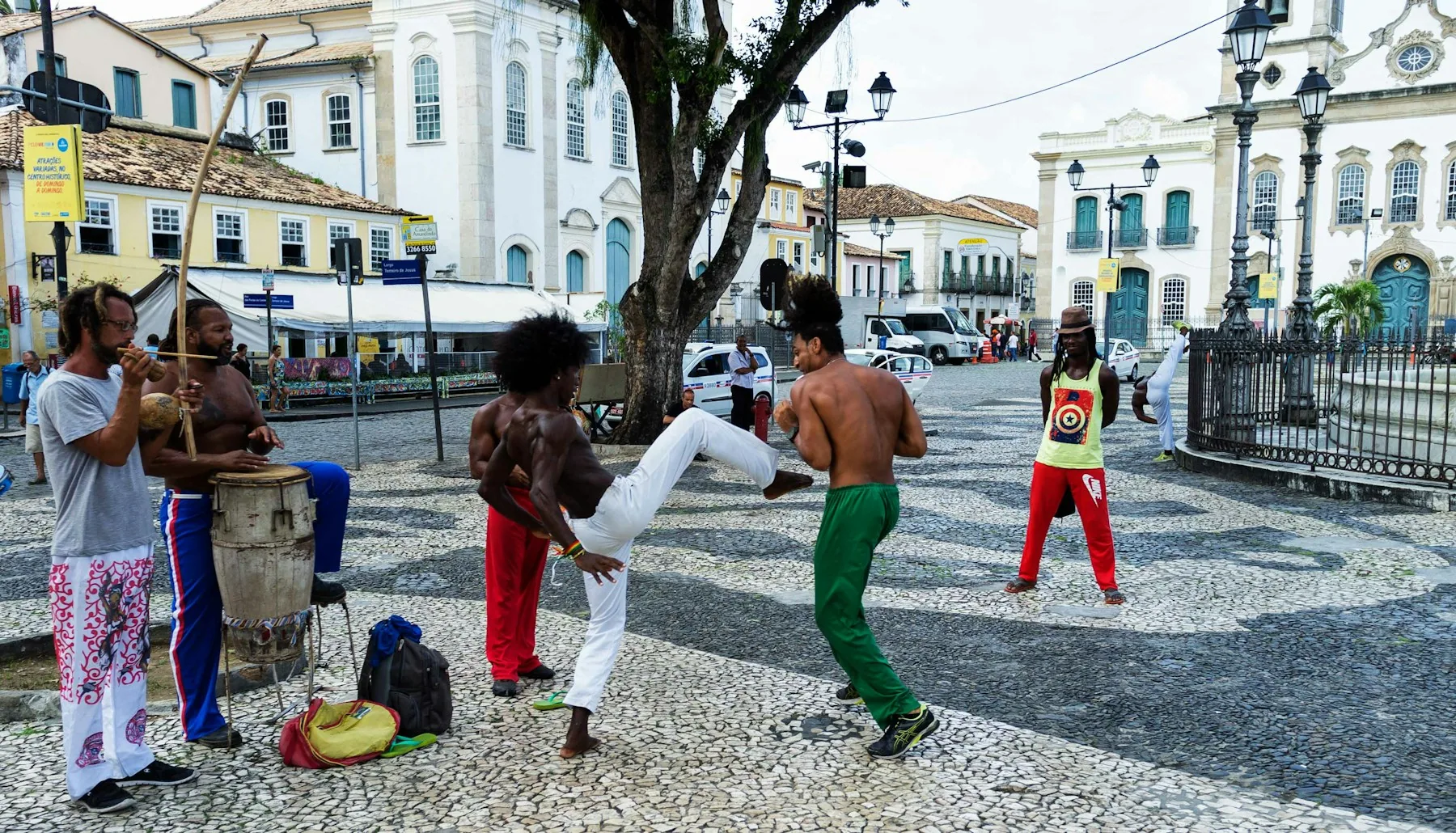
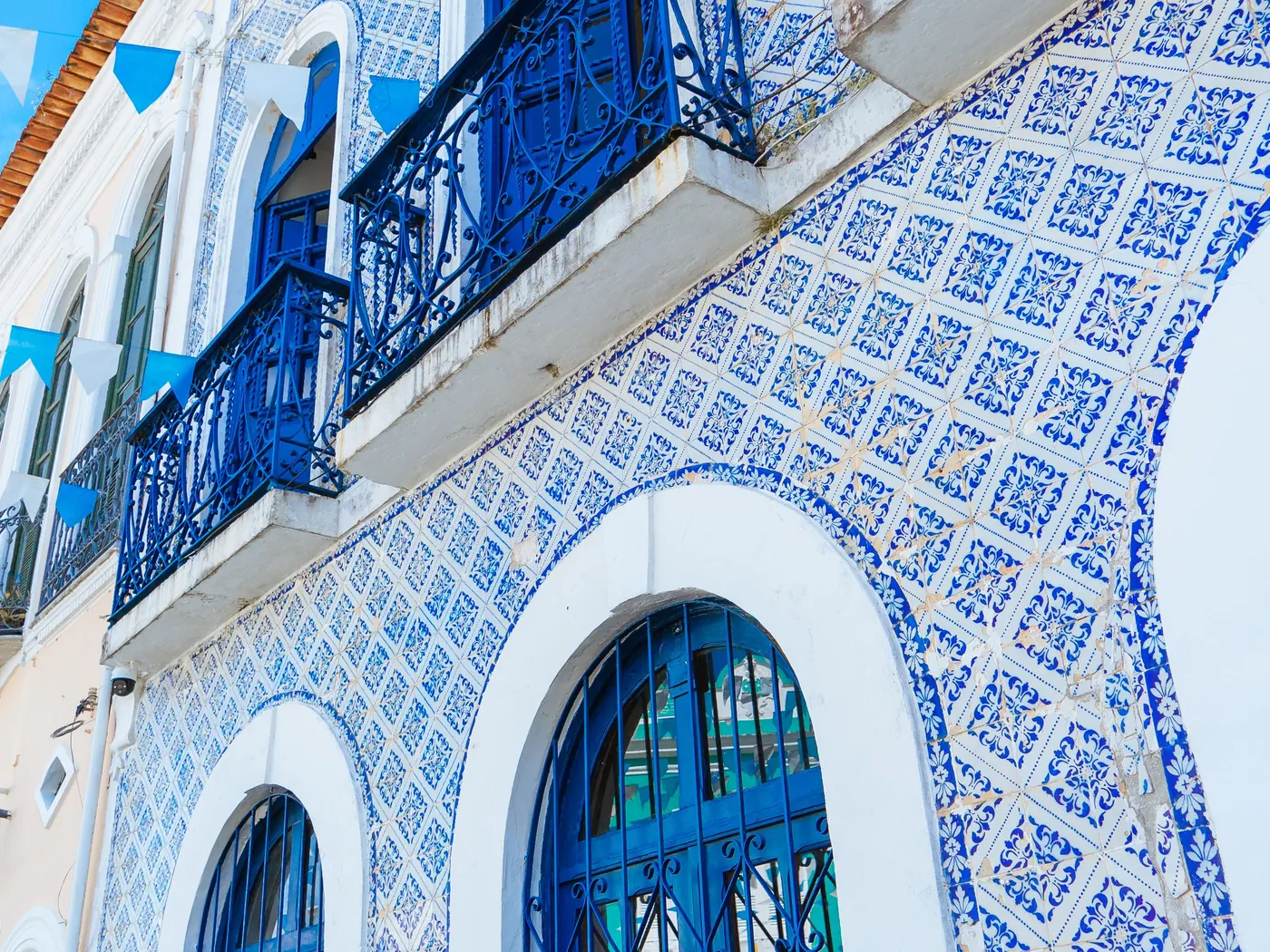
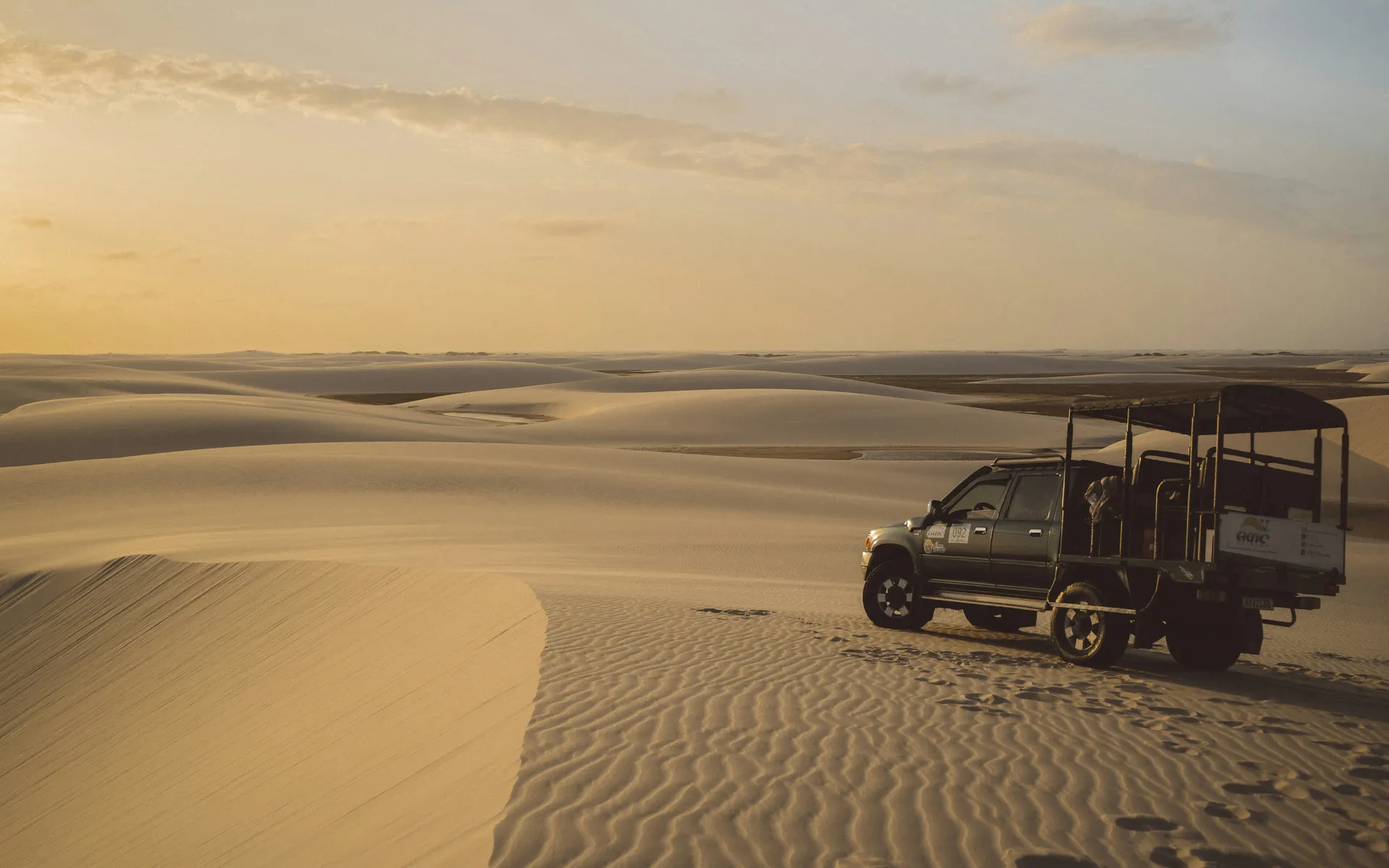
The first part of Brazil to be colonized. It was also the destination for most of the enslaved Africans brought to the Americas, far more than arrived in North America. That history built a culture that is its own: candomblé, capoeira, samba de roda, forró, and a cuisine built on dendê palm oil, coconut milk, seafood and West African technique.
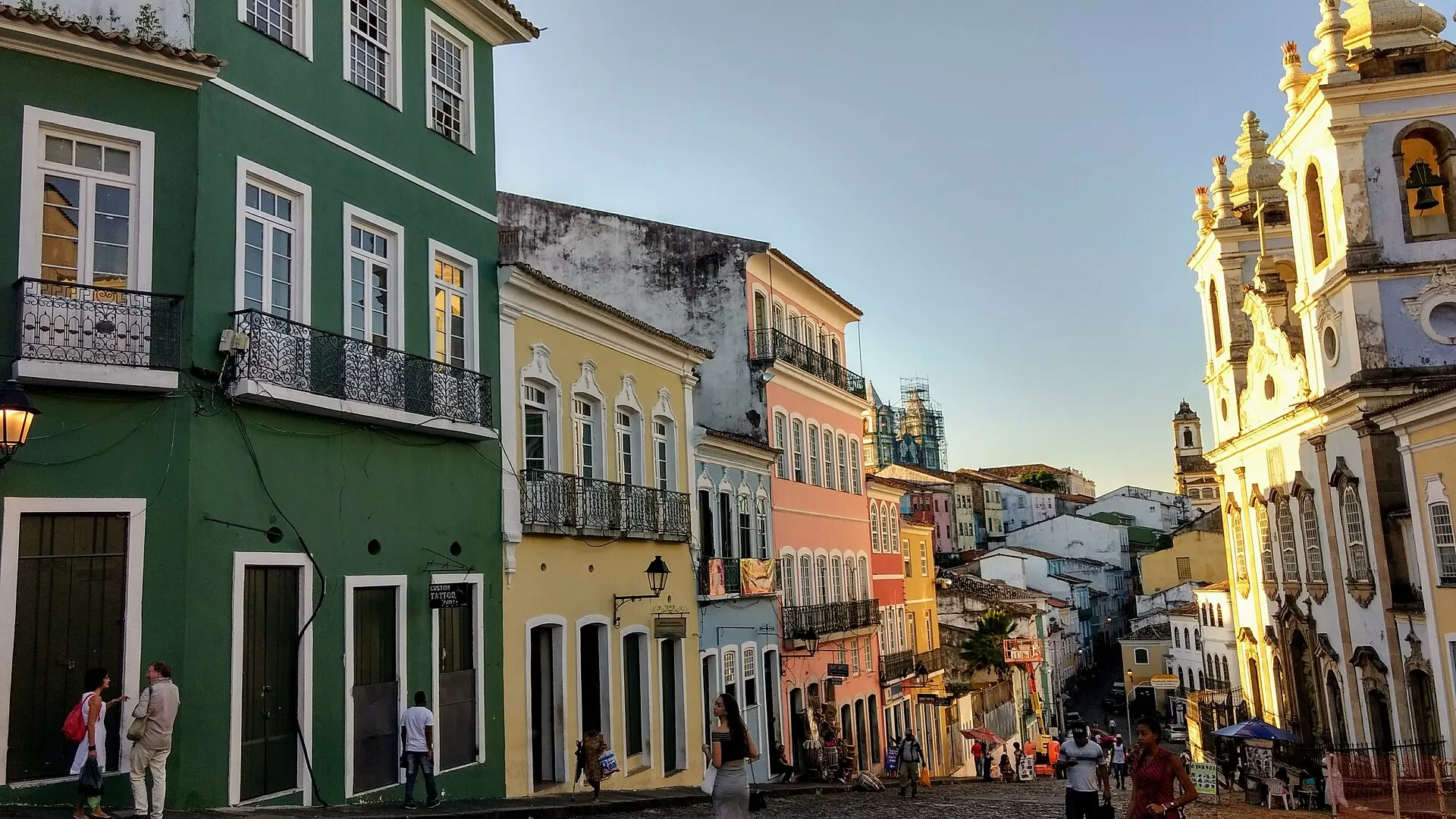
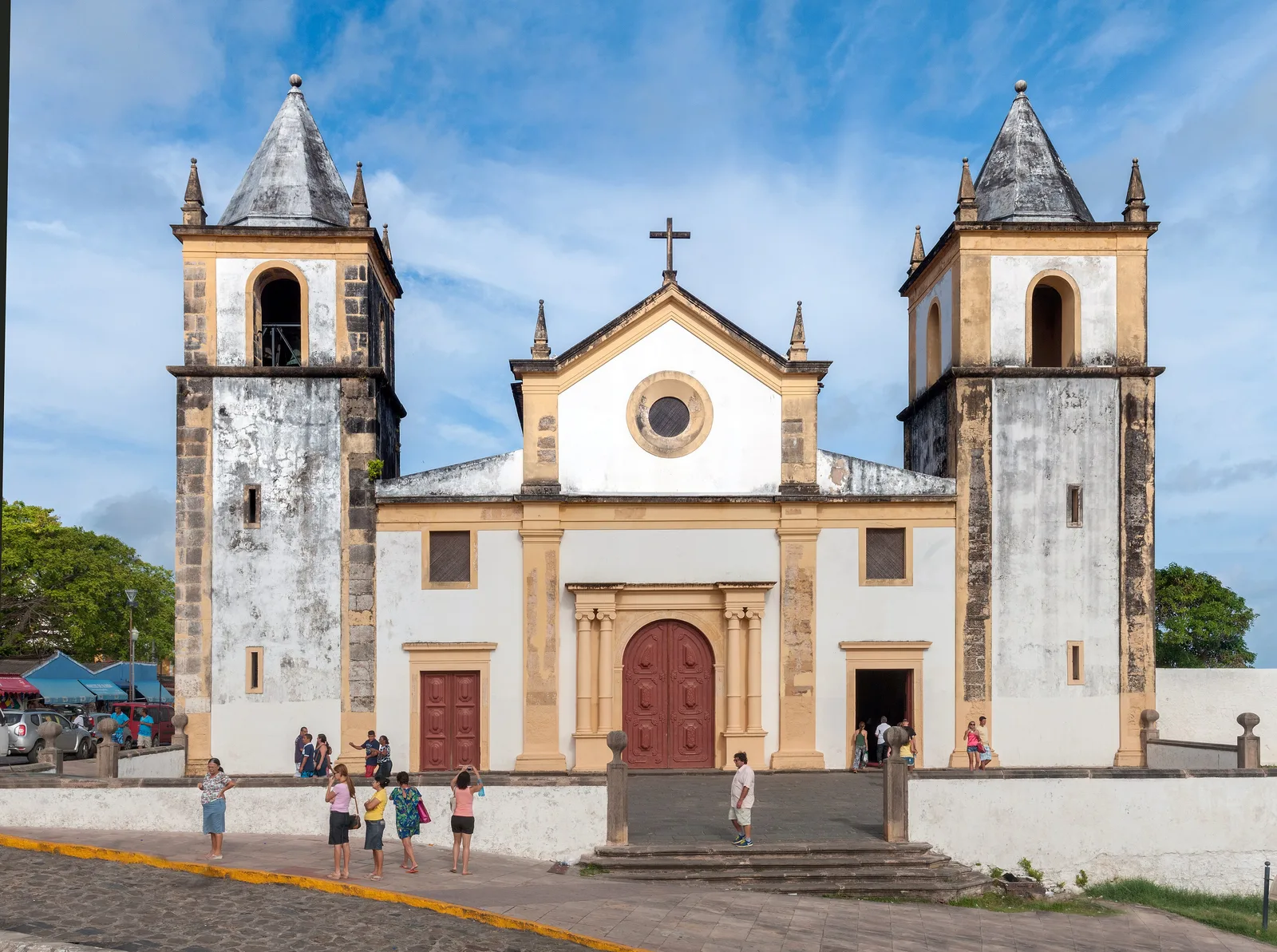
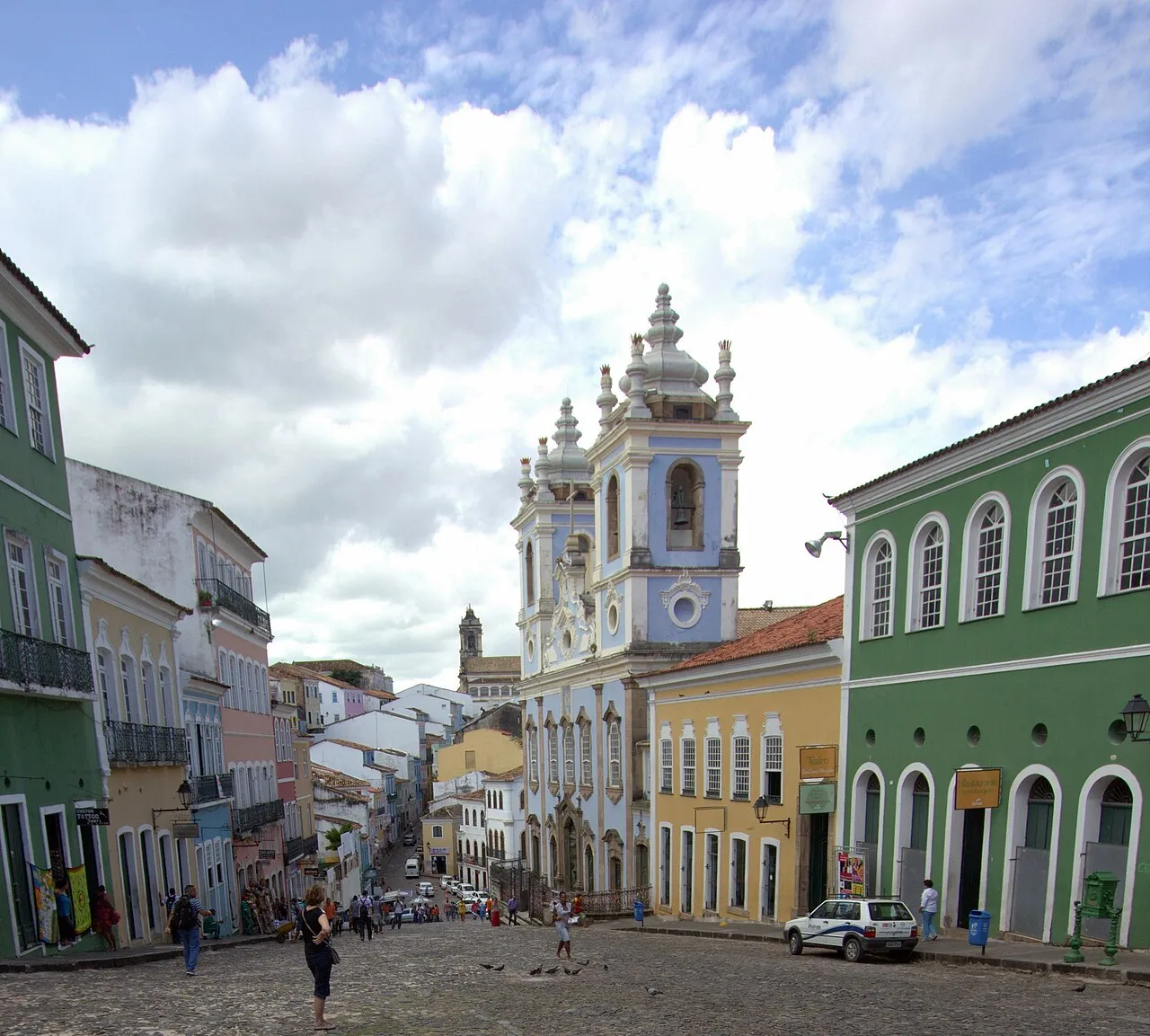
Salvador holds the most of it. It served as Brazil's capital for over two centuries, and its historic center, the Pelourinho, is a UNESCO site of pastel baroque churches on steep cobbled streets. It is a living city, not a museum. That's both its appeal and the reason it rewards a good local guide.
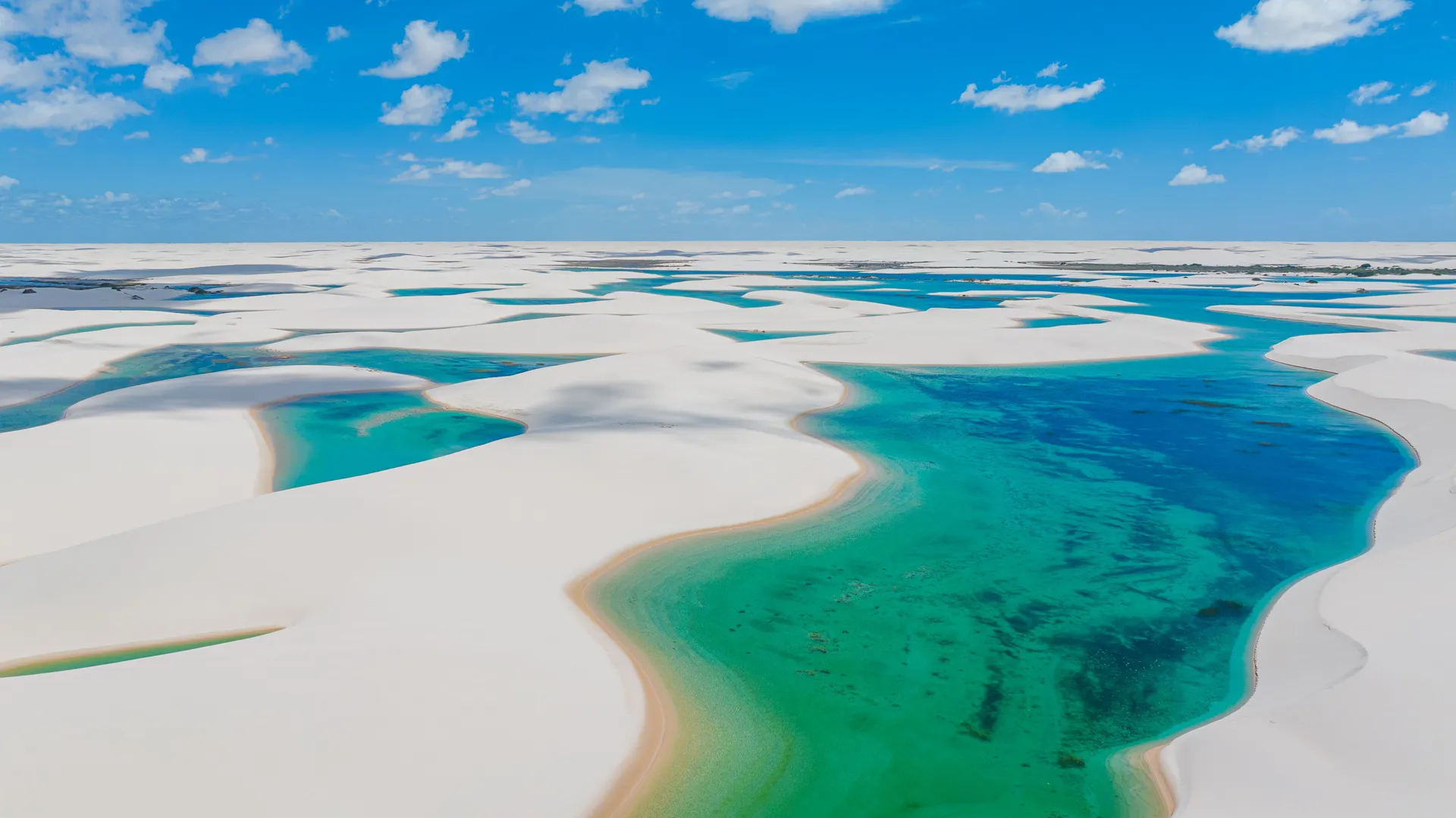
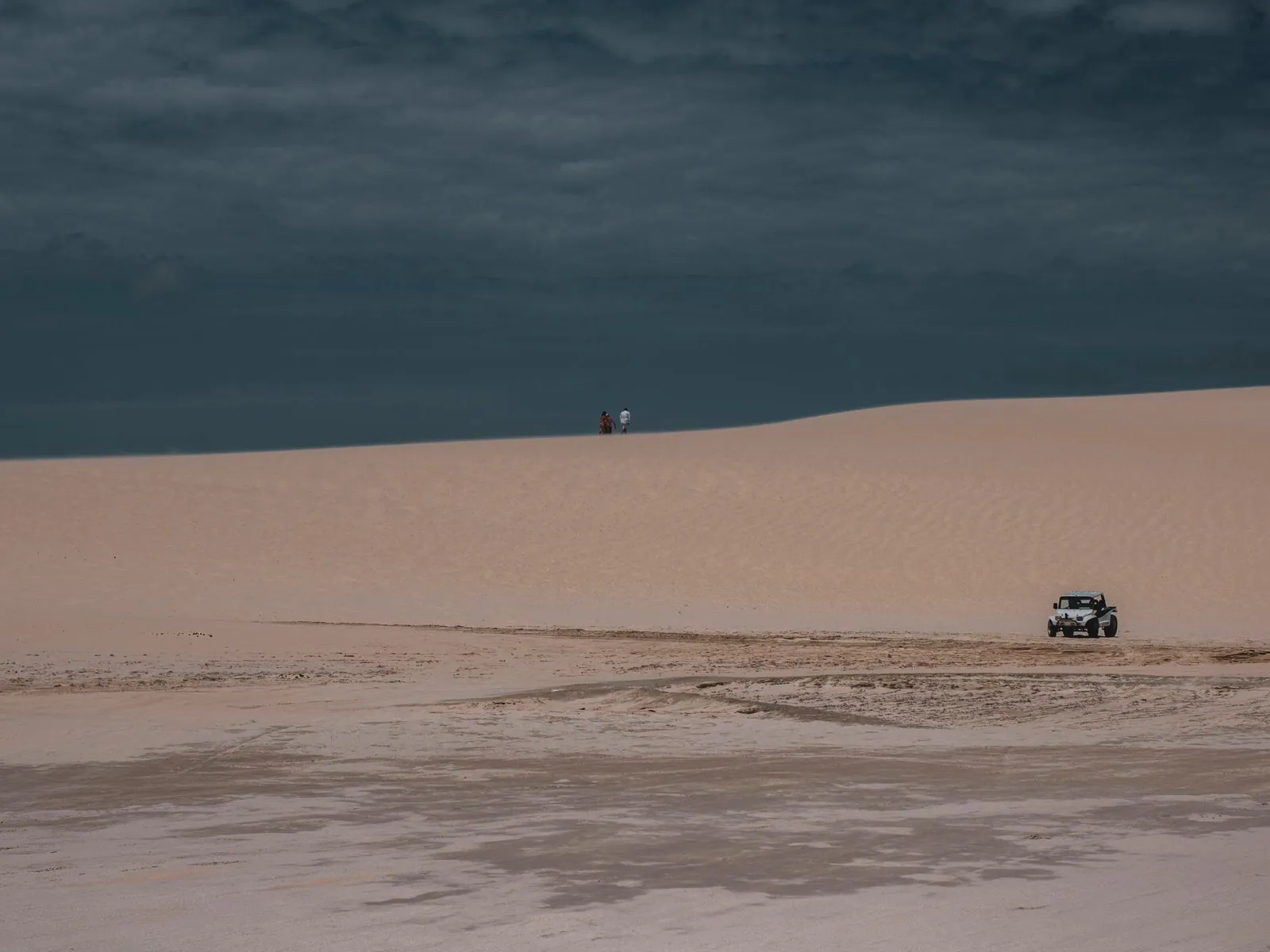
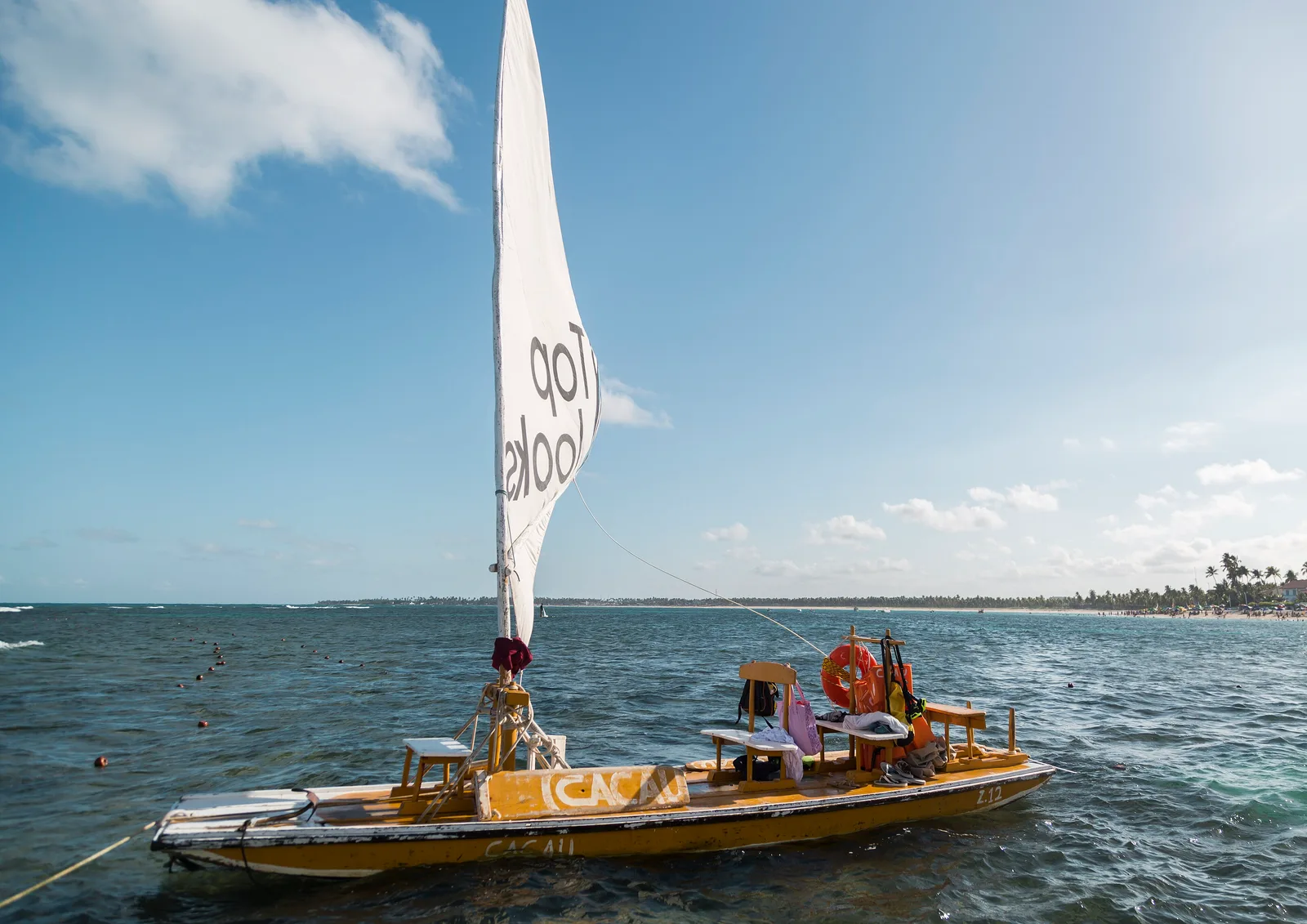
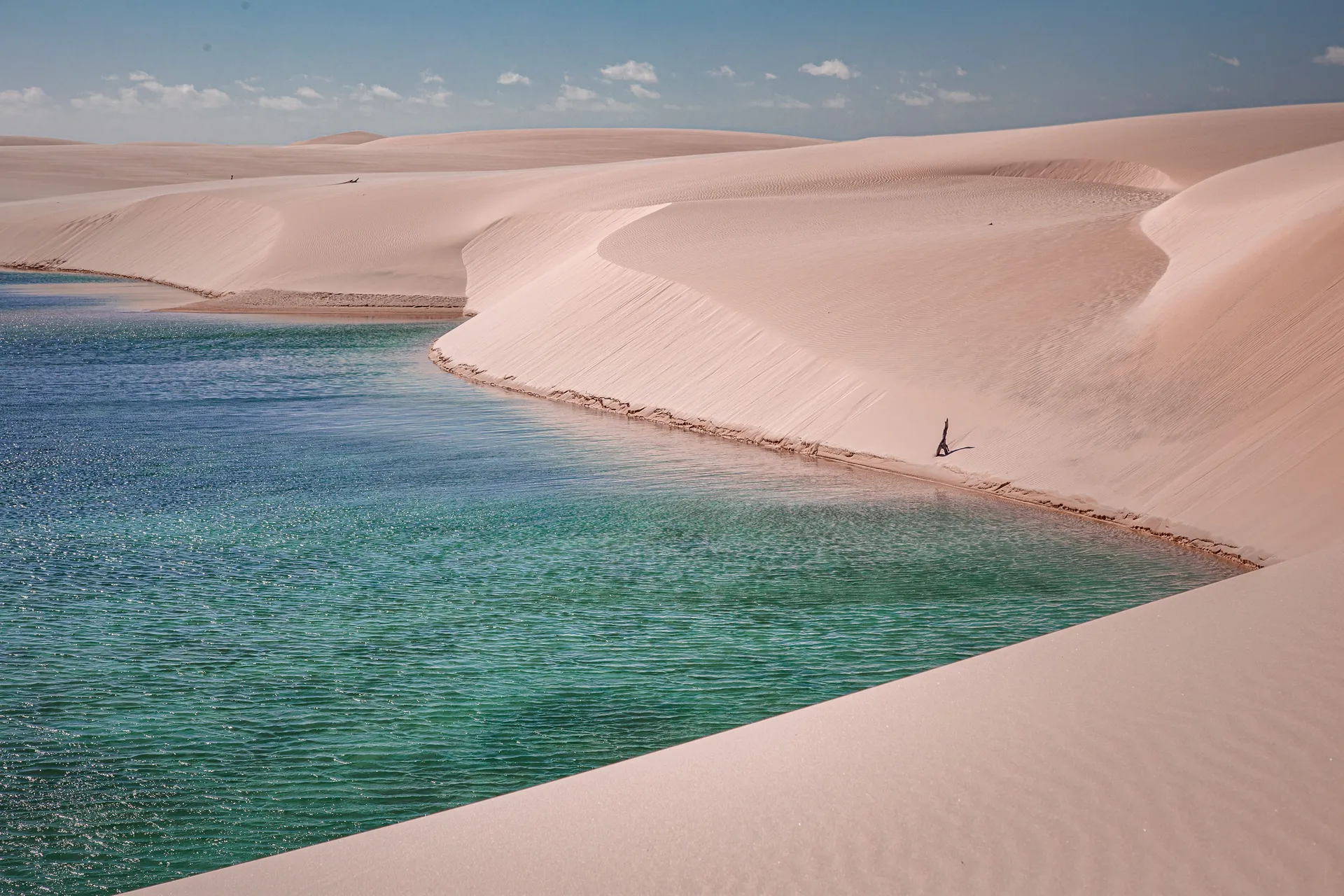
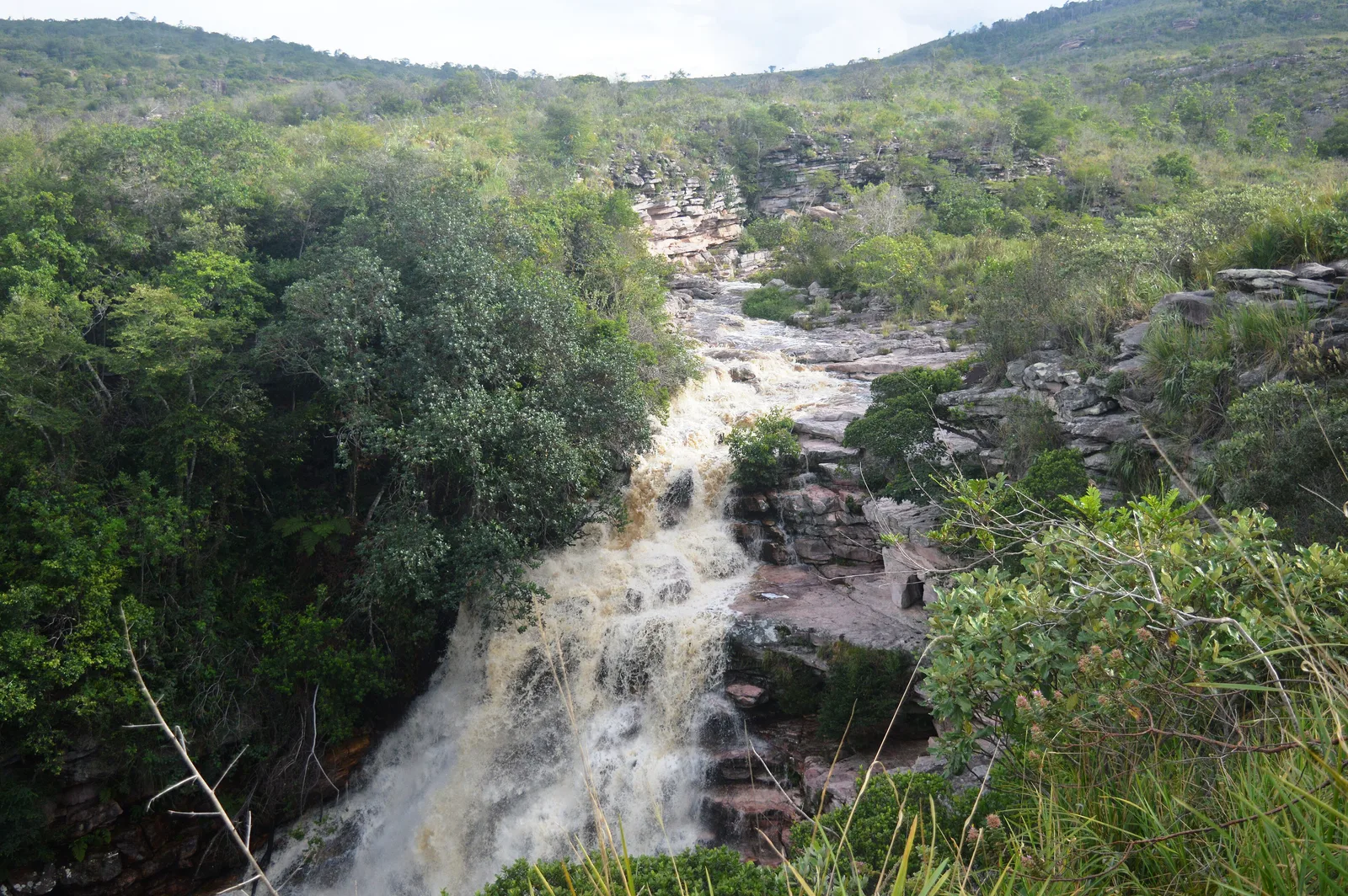
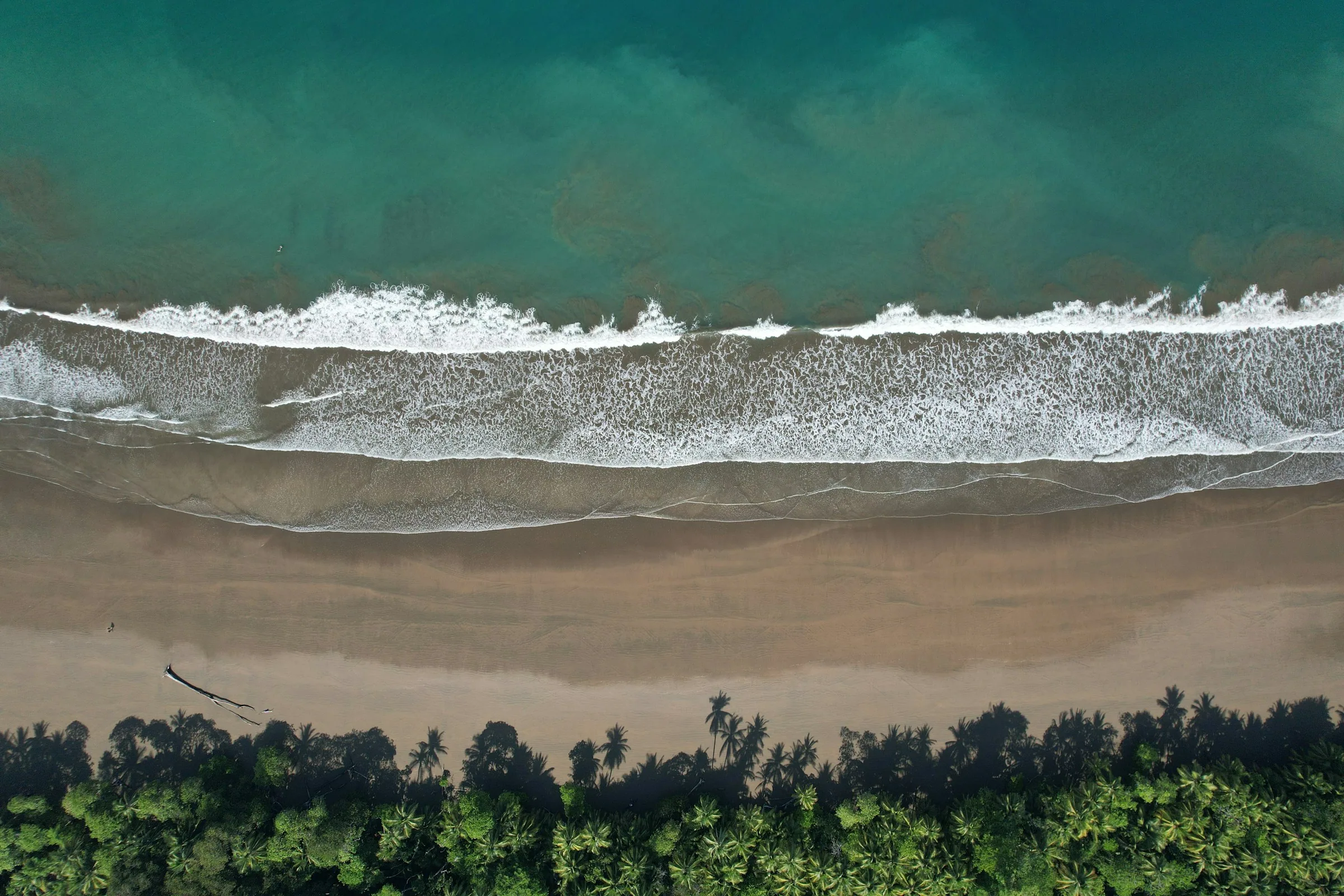
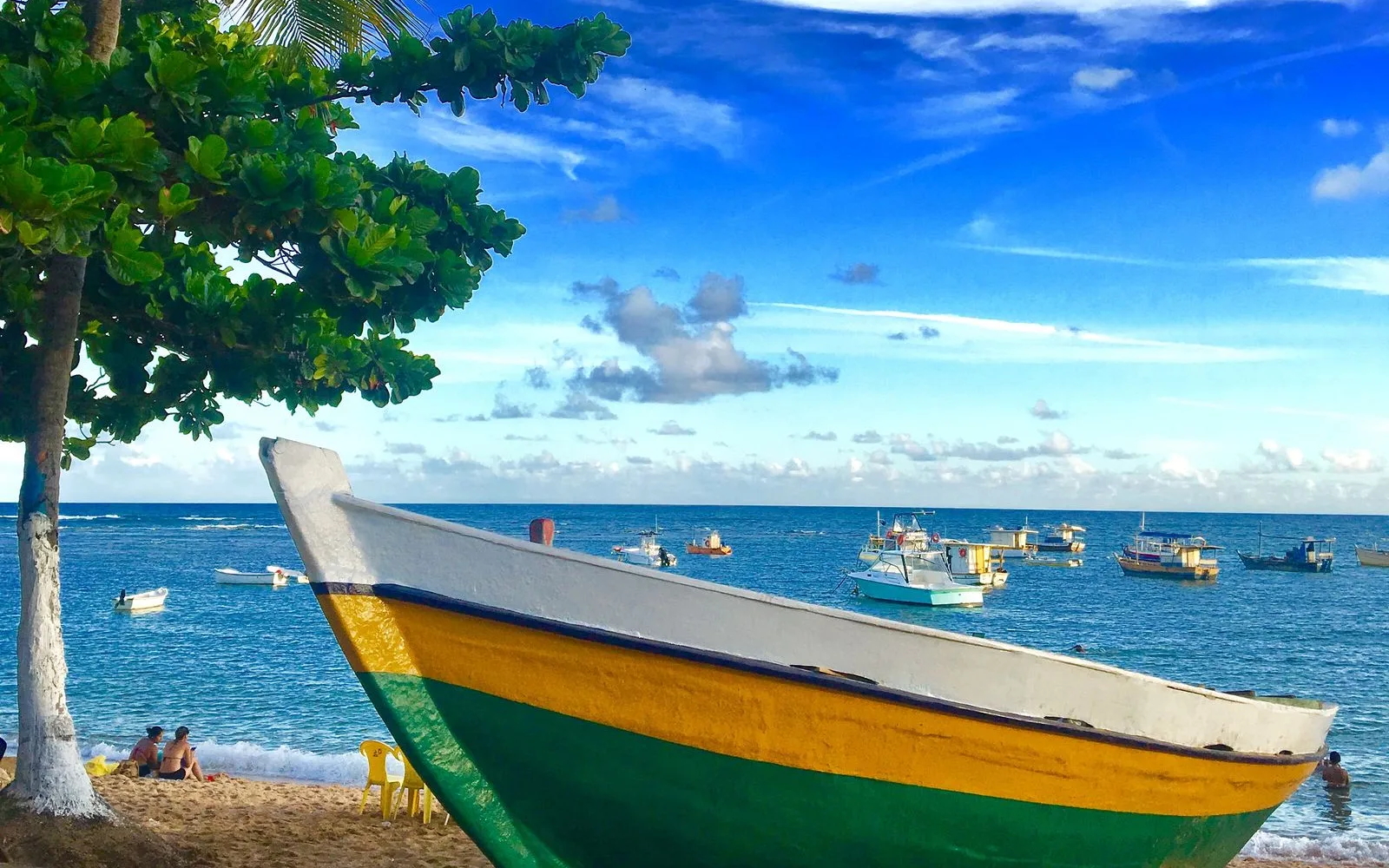
Then there's the coast. Warm water year-round, reef pools you can walk out to at low tide, and a string of beach towns from Praia do Forte and Porto de Galinhas up to Jericoacoara. Inland sit two landscapes that don't look like they belong on the same continent: the table mountains and waterfalls of the Chapada Diamantina, and the Lençóis Maranhenses, a field of white dunes that fills with thousands of freshwater lagoons every rainy season.
Where to go in the Northeast
-
Bahia · 3–4 nights
Page in progressSalvador & Bahia
Salvador served as the capital of Portuguese Brazil from 1549 to 1763, and its port handled more of the Atlantic slave trade than any other in the Americas. Its historic upper town, the Pelourinho, packs baroque churches and 17th- and 18th-century houses into a dense grid, painted in colors you wouldn't otherwise put together.
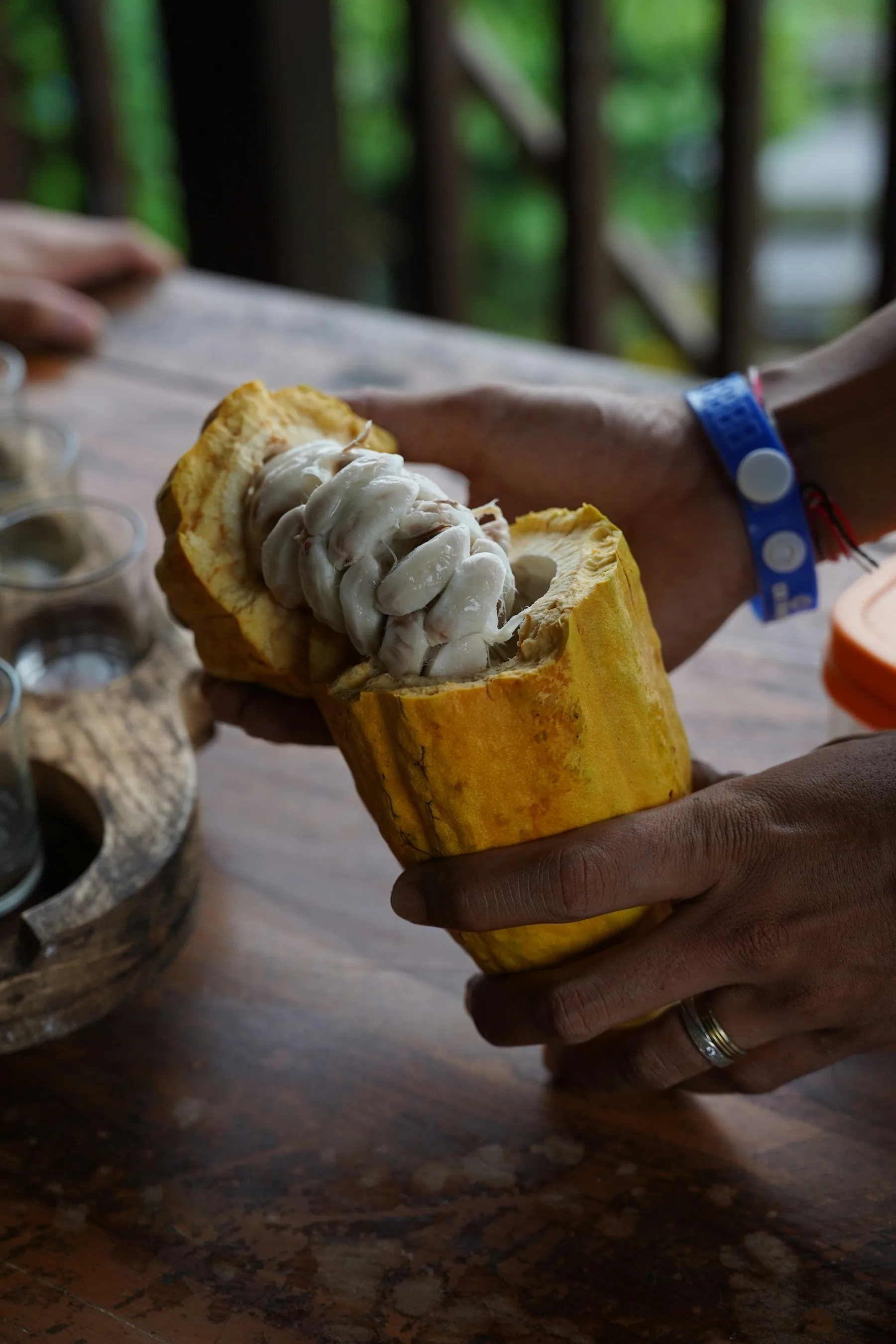
The culture here is not archived. Capoeira plays out in the squares, candomblé terreiros stay active, and Olodum drums through the streets on Tuesday nights. The food culture, acarajé, moqueca, vatapá, stands apart from anywhere else in Brazil. South of the city, the Bahian coast runs through Morro de São Paulo, Itacaré and the cacao country around Ilhéus.
- The Pelourinho and the gold-drenched interior of São Francisco church
- Acarajé from a baiana's stall, a religious offering as much as street food
- A candomblé or capoeira experience arranged through people who belong to it
- Moqueca and the dendê-based Bahian kitchen
- The cacao coast south toward Itacaré and Ilhéus
-
Maranhão · 3–4 nights
Page in progressLençóis Maranhenses
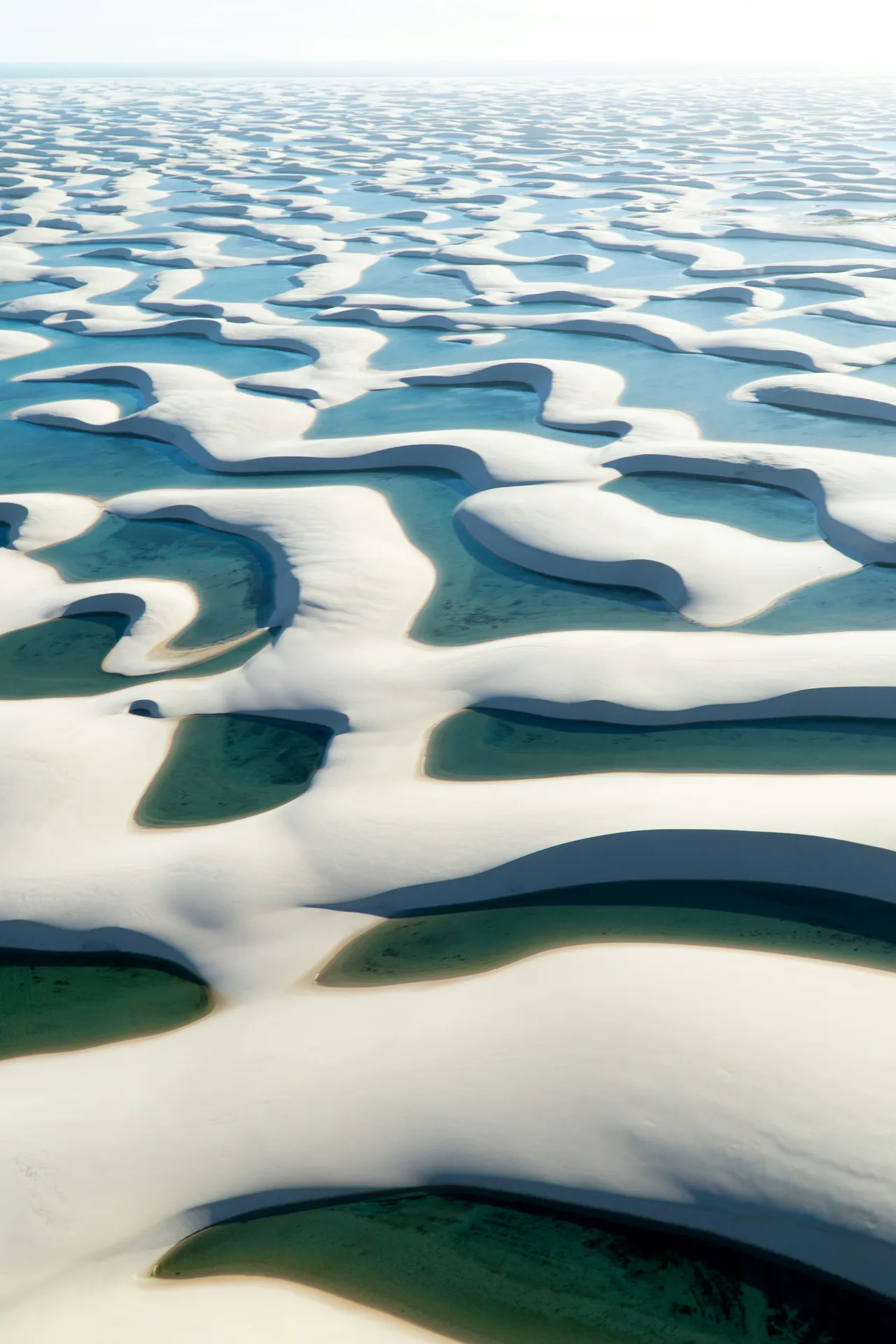
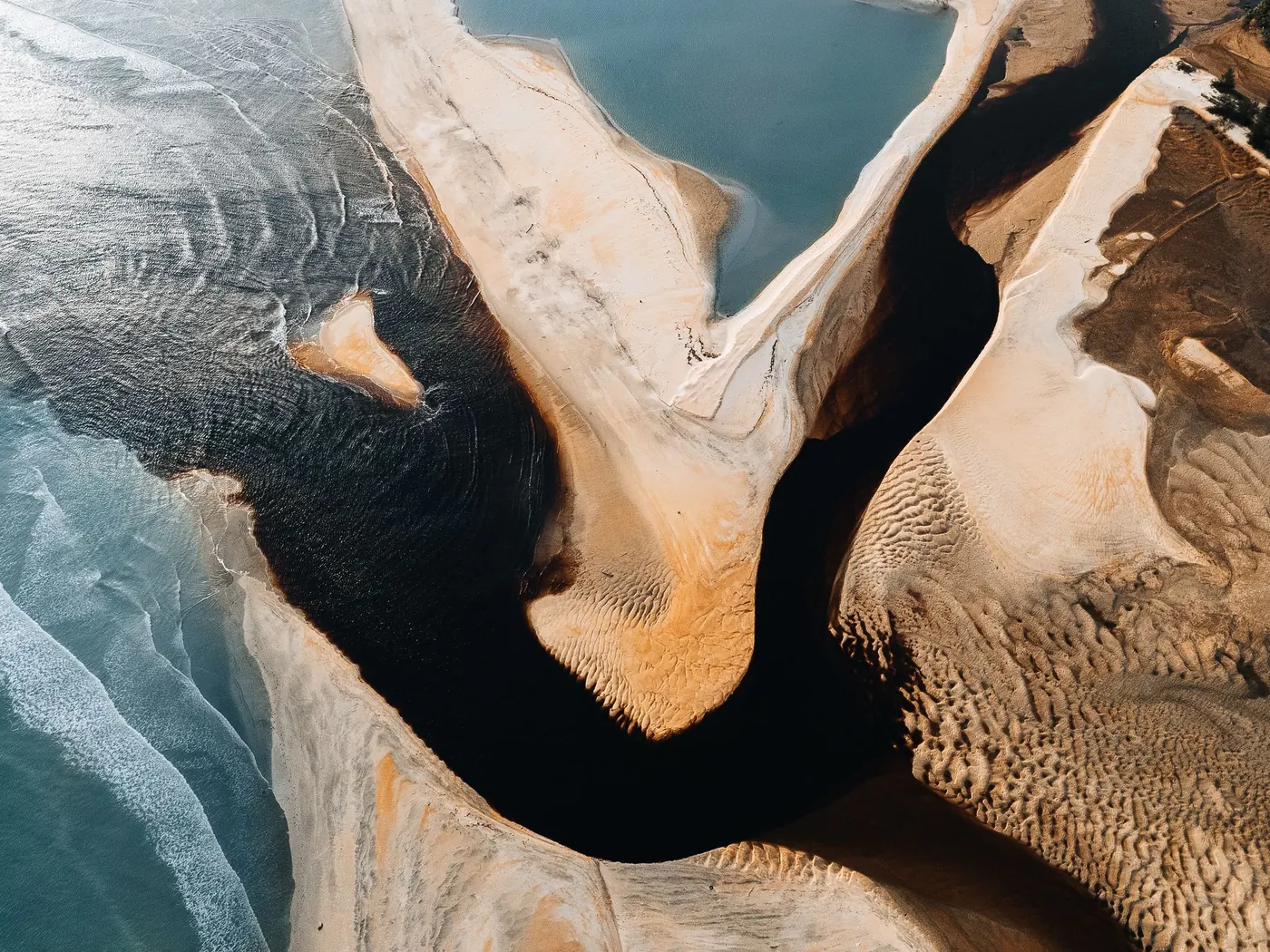
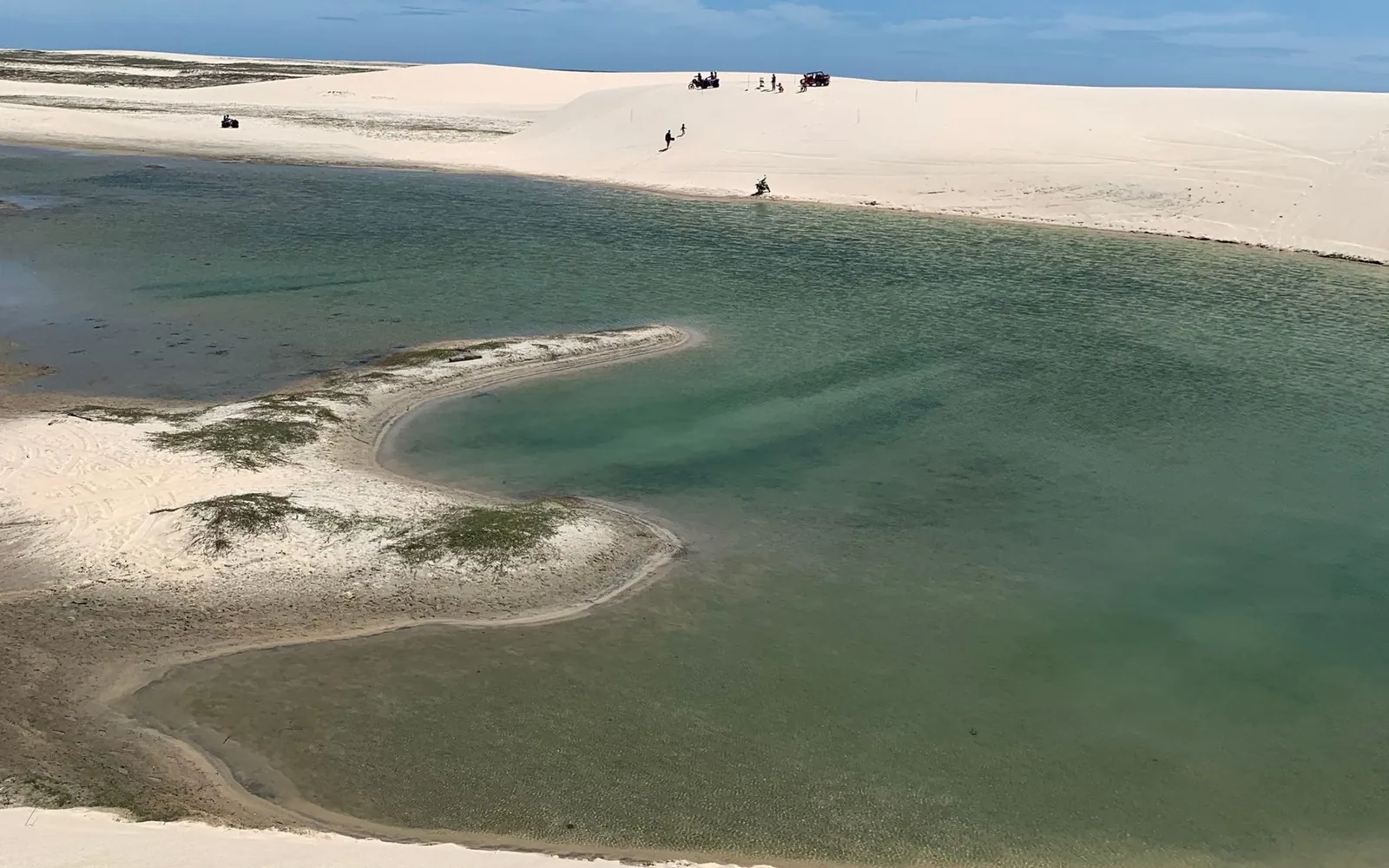
A 1,500 square kilometer field of white sand dunes, and it is not a desert. It gets around 1,600mm of rain a year, roughly three hundred times what falls on the Sahara. That rain collects in the valleys between the dunes, sitting on impermeable rock beneath the sand, and forms thousands of clear freshwater lagoons.
The lagoons fill from about June and peak in July and August, then dry down through November. Barreirinhas makes the easiest base. Atins and Santo Amaro suit quieter stays. The best version of a visit is the multi-day crossing on foot, sleeping in oasis settlements between the dunes.
- Swimming in dune lagoons with nothing else in sight
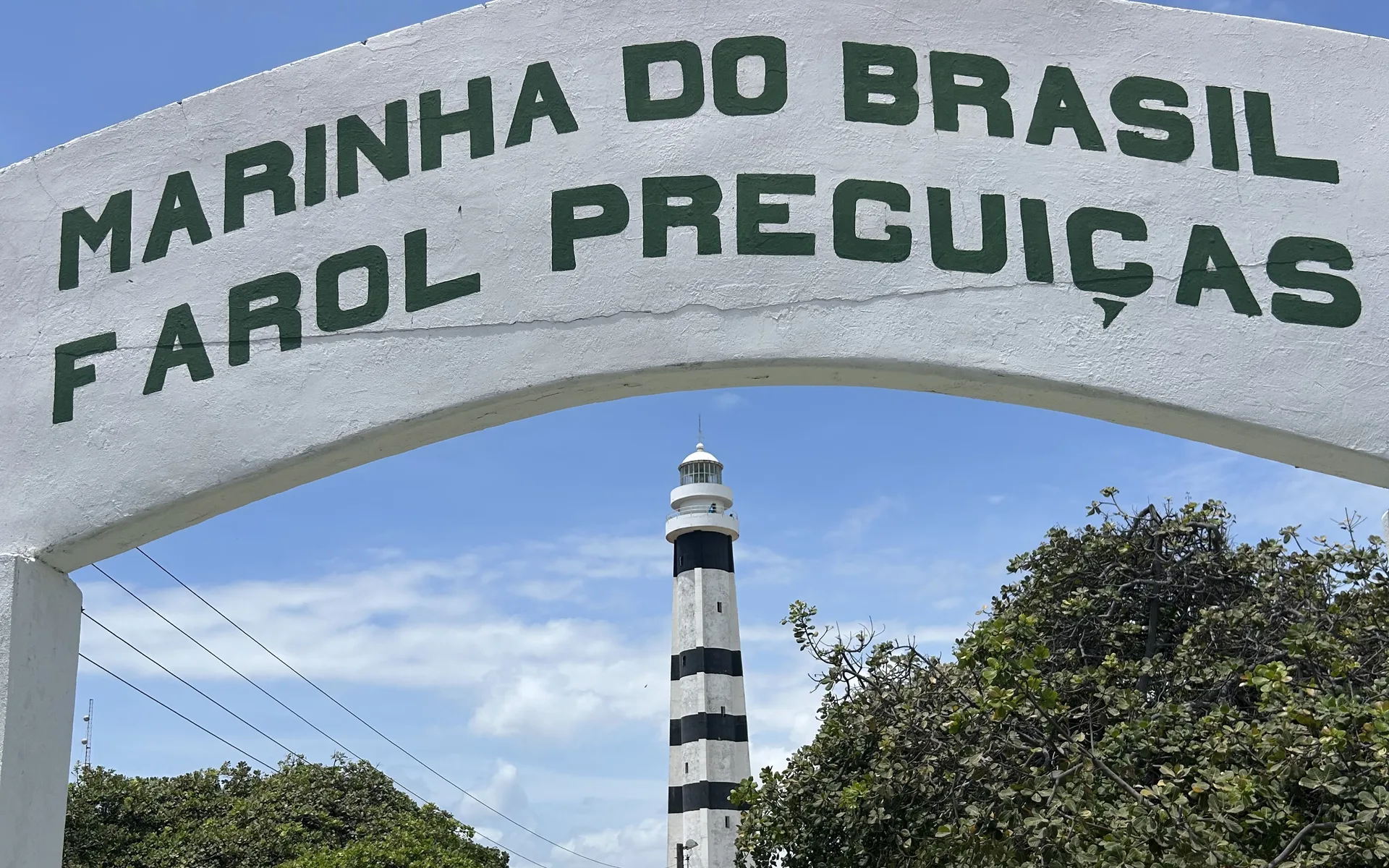
- The Rio Preguiças boat trip to Mandacaru lighthouse
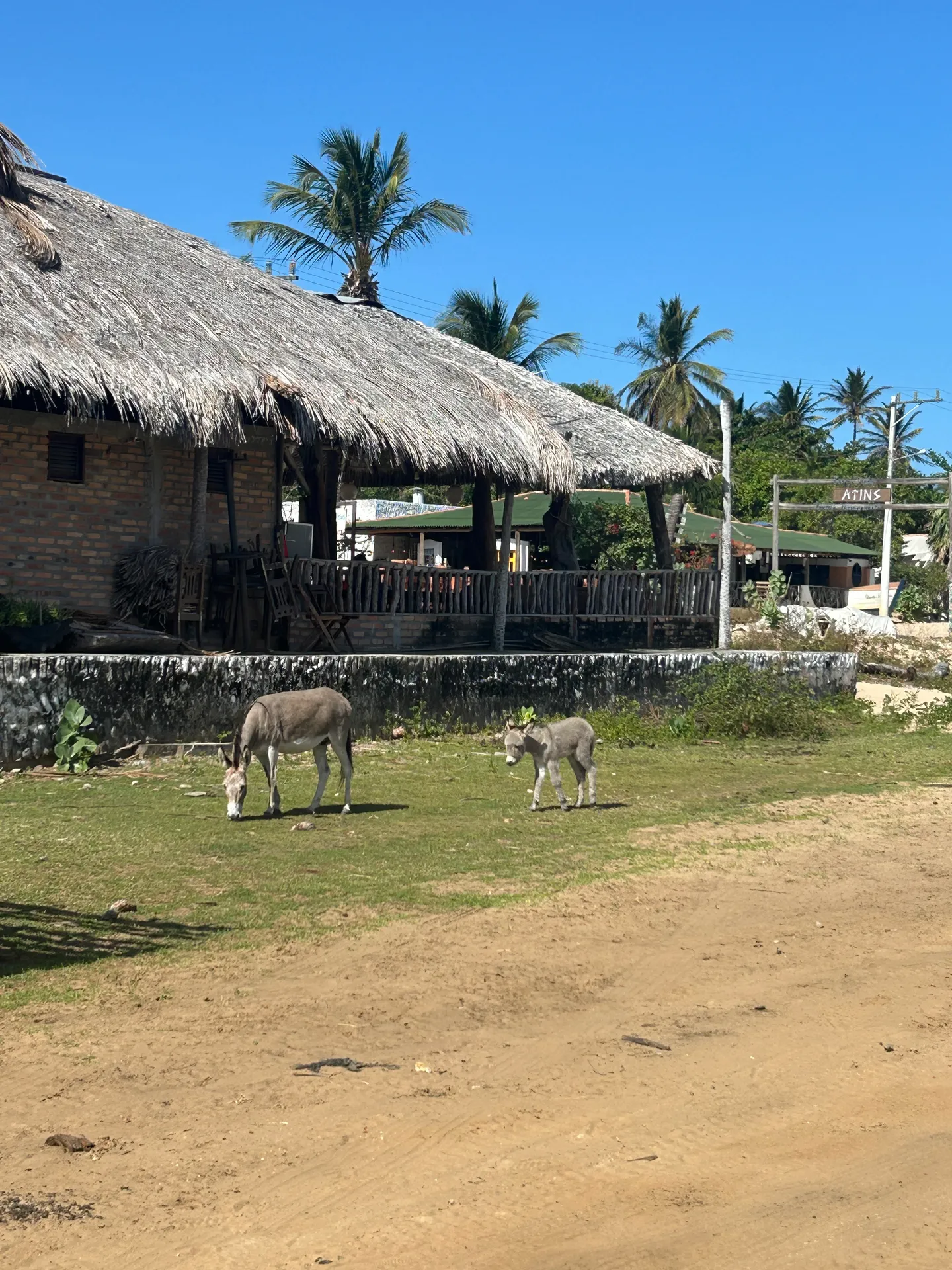
- Atins, a sand-street village at the meeting of river and sea
- The multi-day dune crossing, for the full version of the trip
- Flying over the dune field to see its full size
-
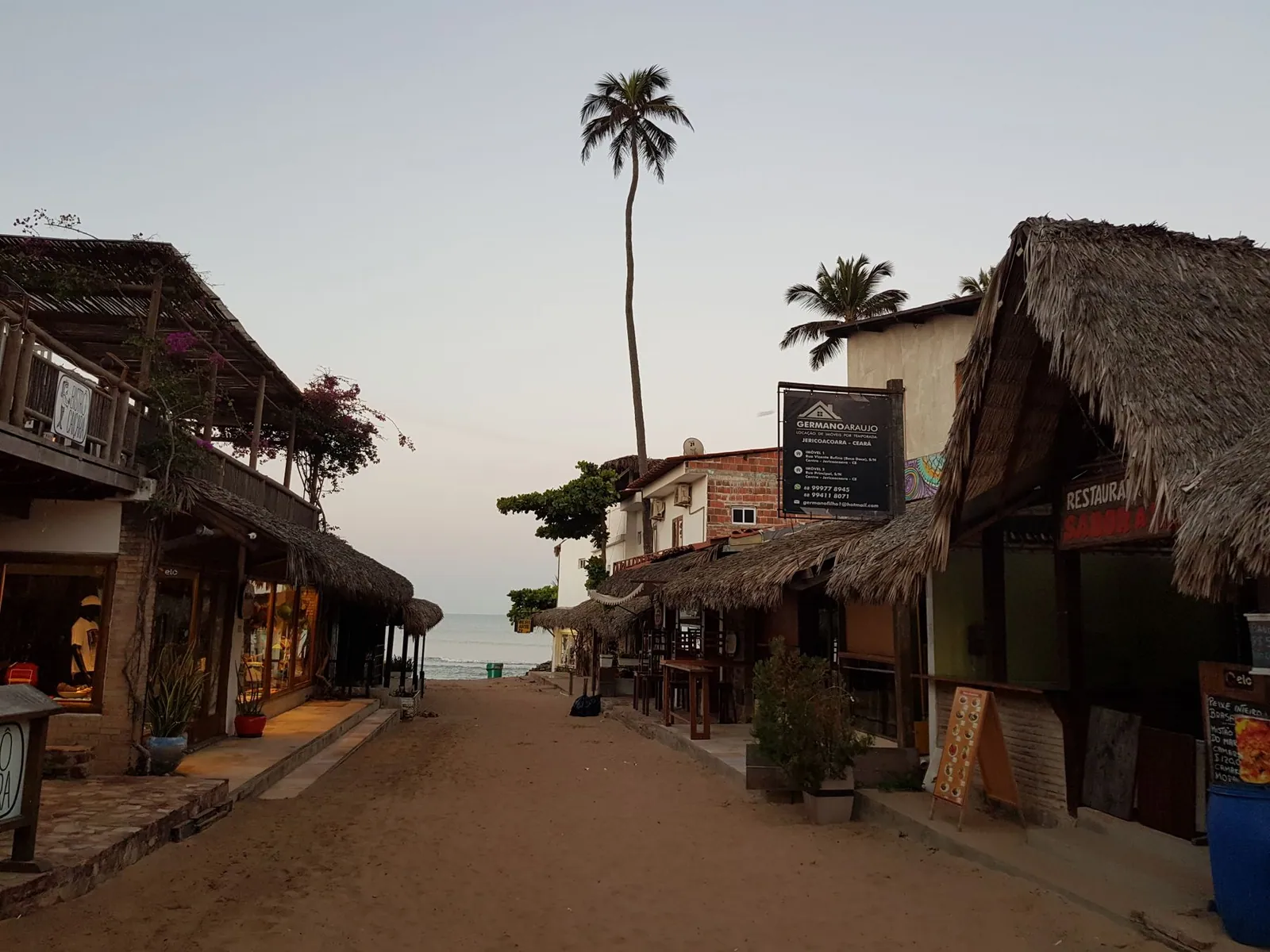
Ceará · 3–5 nights
Page in progressJericoacoara & the Rota das Emoções
Jericoacoara began as a fishing village inside a national park, with no paved roads, no street lights and, for a long time, no electricity. It still has sand streets, and everyone still walks up the big dune to watch the sunset. It's well-known now, but the protections have held, and it has aged better than most places that get discovered.
The Rota das Emoções strings Jeri together with the Delta do Parnaíba and the Lençóis Maranhenses by 4x4 and boat, crossing three states. It stands out as one of the more adventurous overland journeys in Brazil.
- Sunset from the Duna do Pôr do Sol, a nightly village ritual
- The Pedra Furada rock arch at low tide
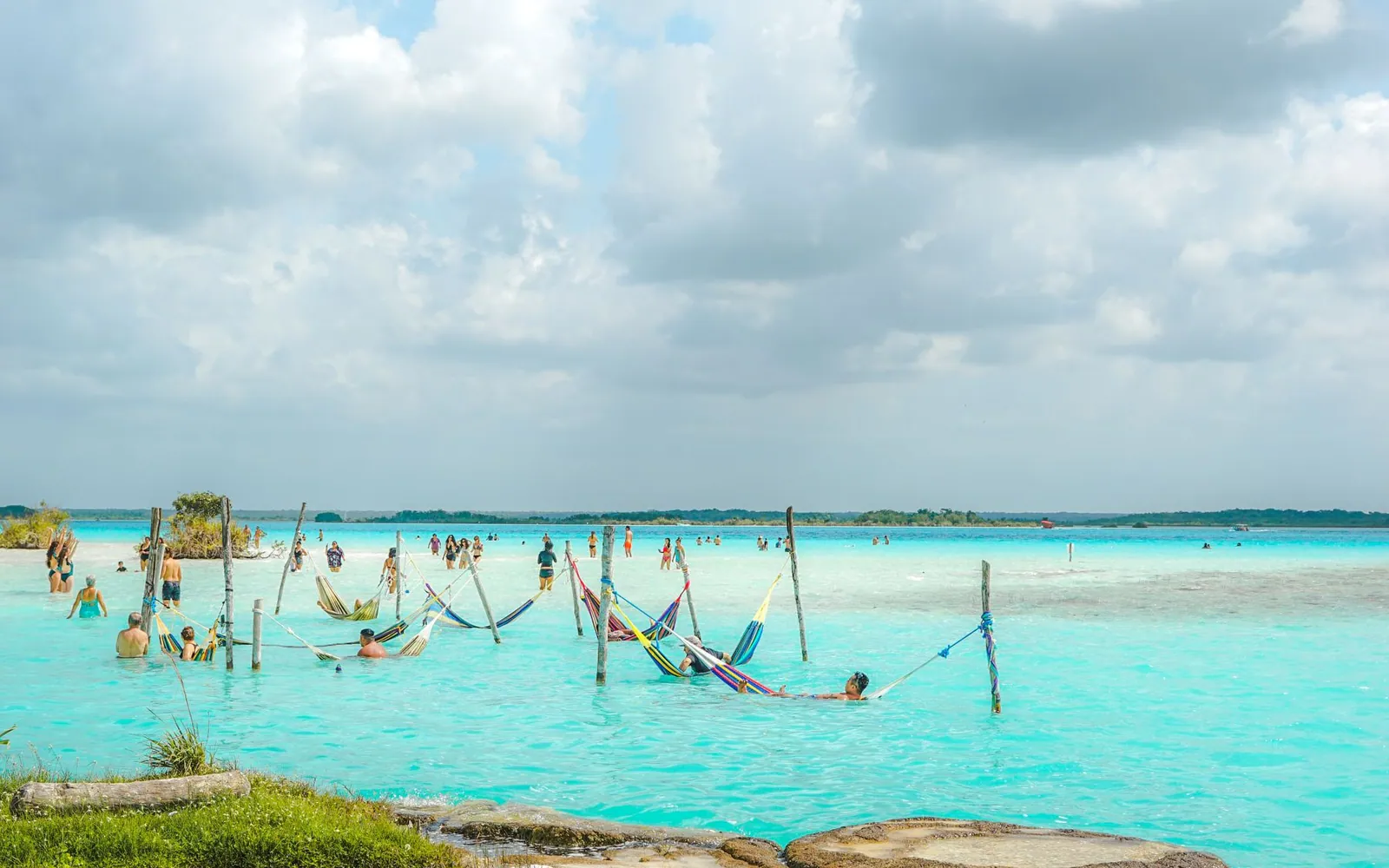
- Lagoa do Paraíso and its hammocks set in the water
- Kitesurfing, strong here from July to January
- The full Rota das Emoções crossing to the Lençóis
-
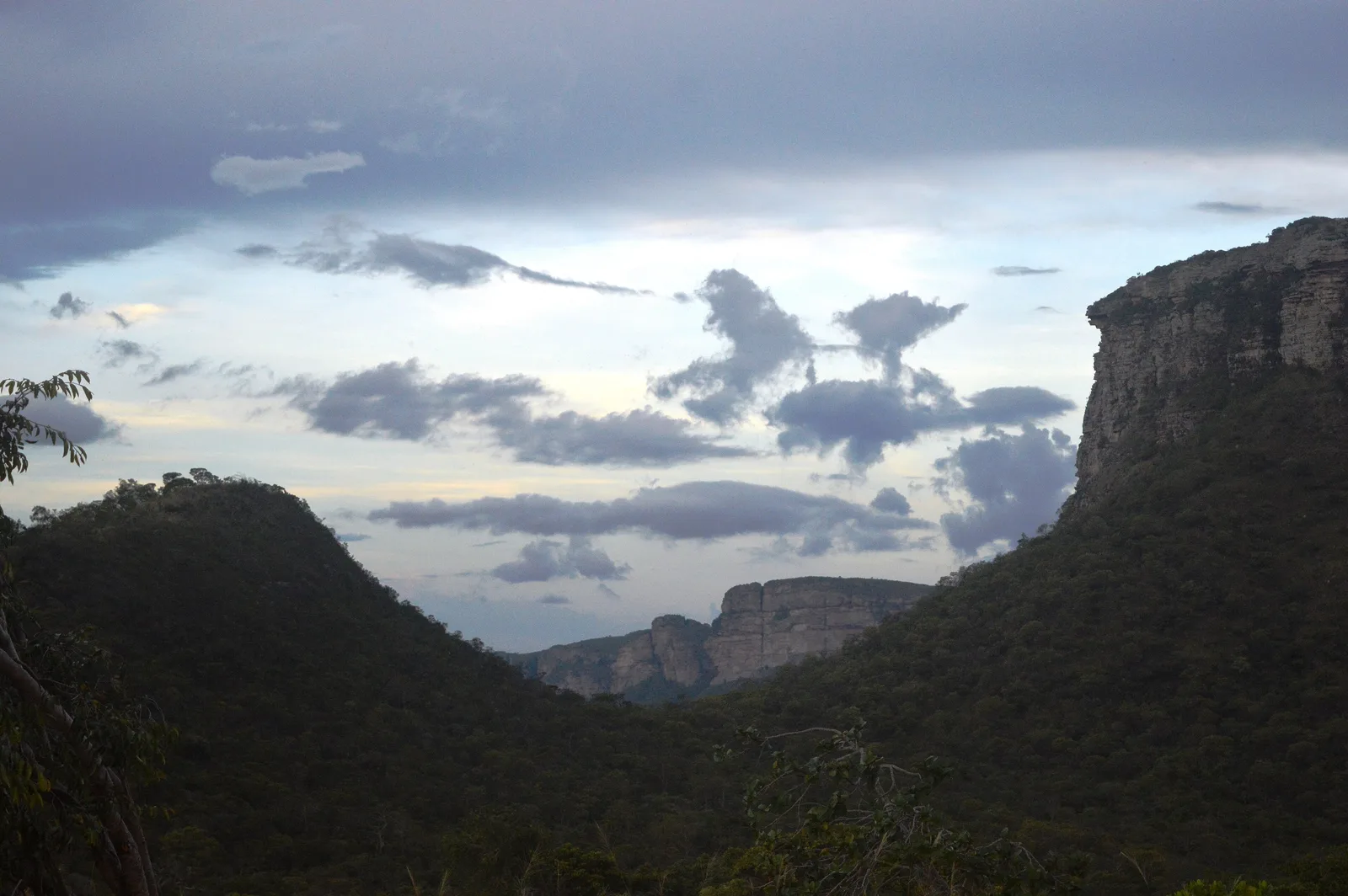
Bahia · 3–4 nights
Page in progressChapada Diamantina
Six hours inland from Salvador sits a national park of flat-topped mountains, canyons, caves and waterfalls, including Cachoeira da Fumaça, one of the tallest in Brazil at around 340 meters. Diamond mining built this region in the 19th century, and old towns like Lençóis and Mucugê survive from it.
This is the hiking half of Bahia. Take day walks to swimming holes and blue grottoes, or a multi-day traverse of the Vale do Pati. People often call it the best trek in the country, and it includes staying with families in the valley.
- The Vale do Pati traverse, three to five days with local hosts
- Cachoeira da Fumaça seen from the top of the drop
- Poço Encantado and Poço Azul, underground pools lit by shafts of light
- The old mining town of Lençóis as a base
- Morro do Pai Inácio at sunset
-
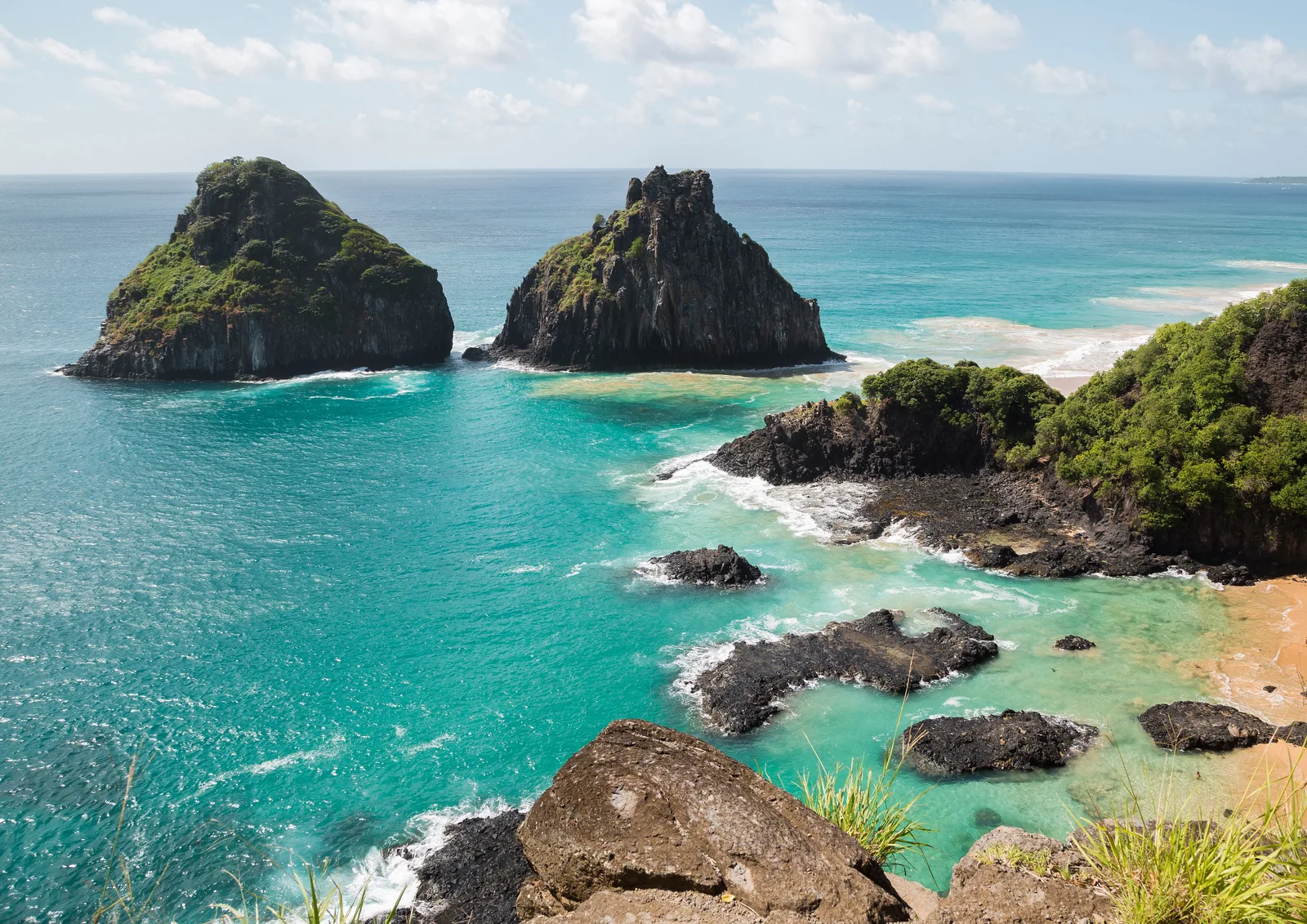
Pernambuco · 3–5 nights
Page in progressFernando de Noronha
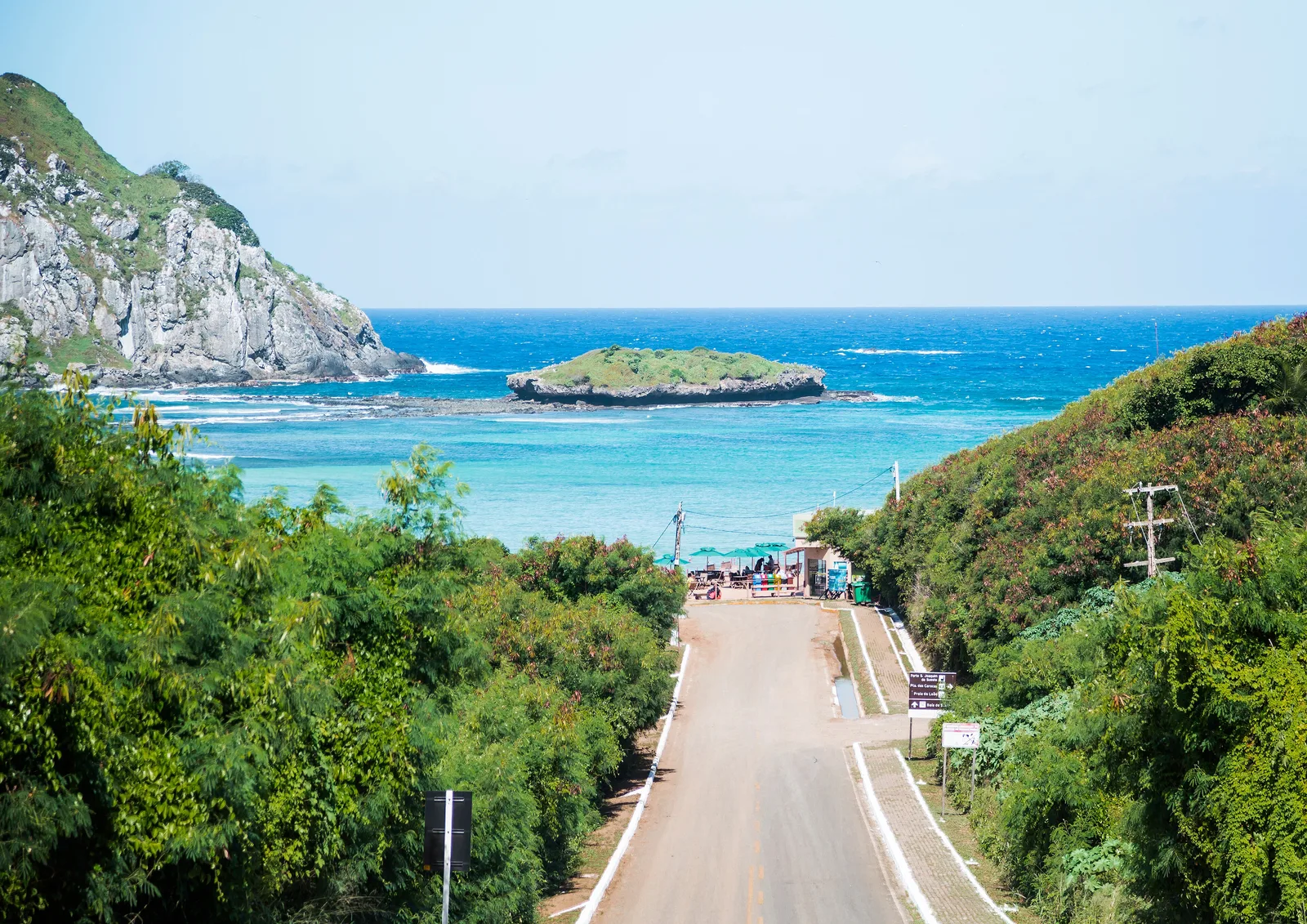
A volcanic archipelago 350 kilometers offshore, and a UNESCO site. It's also the most protected and most expensive place to travel in Brazil. Visitor numbers are capped, a daily environmental fee applies, and access to the marine park stays limited. That's exactly why the diving and snorkeling here rank as the best in the country.
Spinner dolphins arrive in the hundreds in Baía dos Golfinhos most mornings. Sea turtles live here year-round, and visibility routinely passes thirty meters. Beaches like Baía do Sancho regularly top global rankings.
- Baía do Sancho, reached by a ladder through a cleft in the cliff
- Spinner dolphins at dawn in Baía dos Golfinhos
- Diving in some of the clearest water in the Atlantic
- Baía dos Porcos and the view to Morro Dois Irmãos
- Sunset from Forte dos Remédios
-
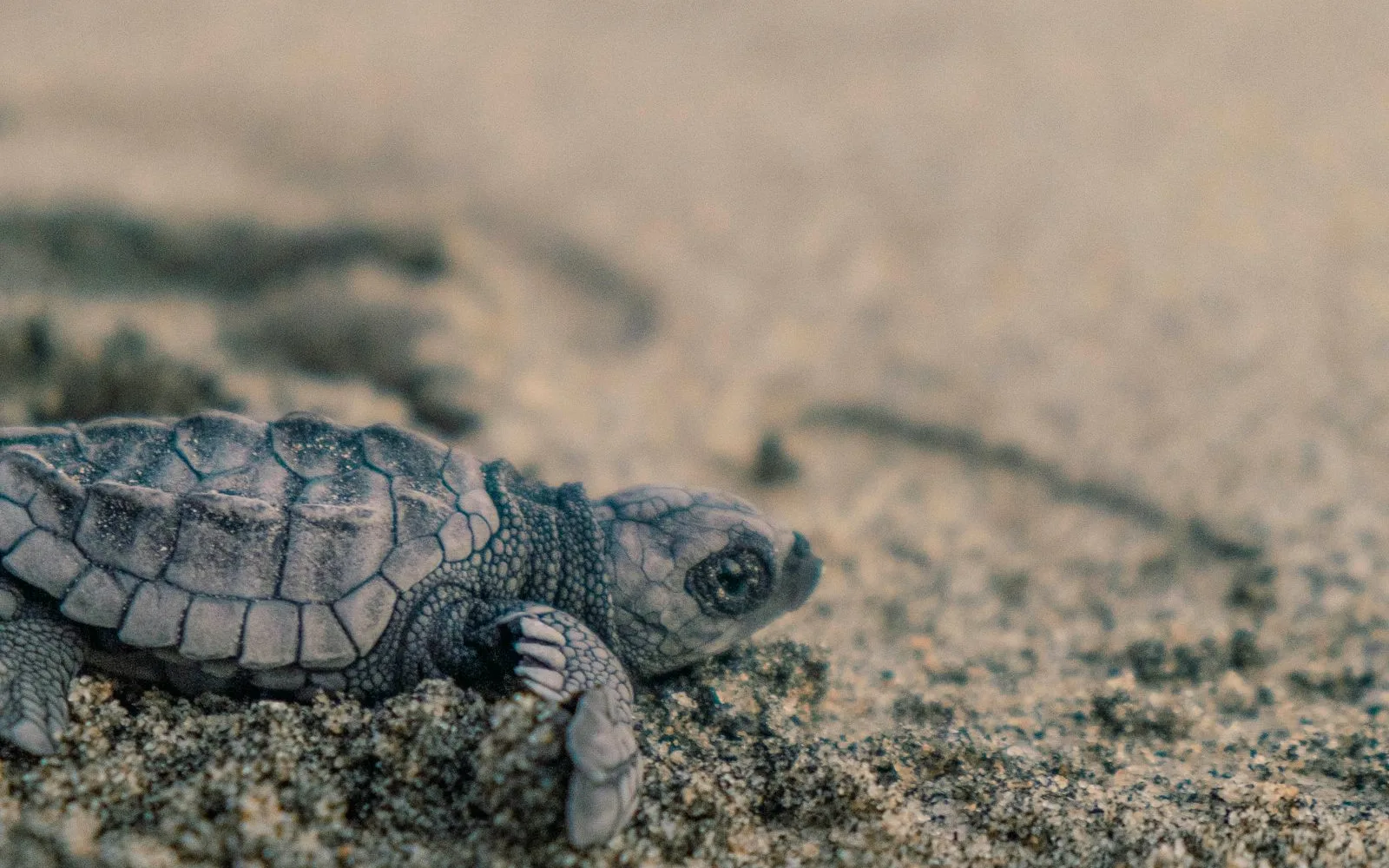
Bahia · 2–4 nights
Page in progressPraia do Forte & the Bahian coast
An hour north of Salvador, Praia do Forte offers the easiest beach base in the Northeast. It's a former fishing village with one pedestrian street, natural reef pools at low tide, and the headquarters of Projeto Tamar, Brazil's sea turtle conservation program.
It works well as a soft landing at either end of a busier trip, and as a base for the Costa dos Coqueiros running north toward Imbassaí and Mangue Seco.
- Reef pools that form at low tide, safe for any age
- Projeto Tamar and turtle hatchling releases in season
- Whale watching from July to October
- The Garcia D'Ávila castle ruins, the oldest in Brazil
- Quiet beaches north along the Costa dos Coqueiros
More of the Northeast

When to go to the Northeast
The Northeast is warm all year - the variable is rain, and it does not fall at the same time along the whole coast. Salvador and Recife are wettest from April to July; Ceará and Maranhão from January to June. The Lençóis lagoons run on their own clock, filling after those northern rains.
- Best — Go now if you can
- Good — A solid choice
- Trade-offs — Fine, with a catch
- Jan
Hot, dry and festive in Bahia, wet further north in Ceará and Maranhão. Peak Brazilian holiday season.
- Feb
Salvador's Carnival is the largest street party in the world. Sunny in Bahia, rain building in the north.
- Mar
Still warm and mostly dry in Bahia. The northern coast stays wet.
- Apr
Rain arrives on the Bahia and Pernambuco coast. Cheaper and quieter, with real sunshine between showers.
- May
The wettest stretch for Salvador and Recife. The Lençóis lagoons begin filling.
- Jun
Rain eases, Festa Junina takes over the interior, and the Lençóis lagoons come up.
- Jul
The Lençóis at their fullest, humpbacks off the Bahian coast, and dry weather from Ceará north. Brazilian holidays, so book ahead.
- Aug
The best all-round month. Full lagoons, whales, dry skies and steady wind for kitesurfing at Jericoacoara.
- Sep
Dry and clear almost everywhere, the crowds gone, and the lagoons still holding around Santo Amaro.
- Oct
Sunny, warm and quiet along the whole coast. Excellent value.
- Nov
Dry, hot and still uncrowded, right before the December rush.
- Dec
Bahia is glorious and filling up. Prices climb hard after the 20th.
Dates worth planning around
-
Salvador Carnival
5-10 February 2027
Two million people and the trios elétricos. There is no ticketed stadium - it happens in the street, and you either join a bloco or watch from a rented balcony.
-
Humpback whale season
July to October
Praia do Forte and the Abrolhos bank, with peak sightings in August and September.
-
Lençóis lagoon season
June to September
Fullest in July and August. The lagoons near Atins dry out first, Barreirinhas holds to late August, and Santo Amaro can last into September.
-
Festa Junina
Throughout June
Caruaru and Campina Grande run the biggest June festivals in the country.
Getting around the Northeast
Four coastal cities with airports, and a very sharp divide between them. Around Salvador the roads are good and a car sets you free. North of Fortaleza the route turns to sand and you want somebody else driving.
Where to fly into
-
Salvador (SSA)
The main gateway to Bahia, with some direct European routes and constant domestic connections.
-
Recife (REC)
For Pernambuco, and the only practical departure point for Fernando de Noronha.
-
Fortaleza (FOR)
For Ceará and the western end of the Rota das Emoções.
-
São Luís (SLZ)
The way into the Lençóis Maranhenses, via Barreirinhas or Santo Amaro.
Between the places on this list
- 1h15
Salvador to Praia do Forte
Straight up the Linha Verde coast road. Easy self-drive, or a fixed-price transfer.
- 6h
Salvador to Chapada Diamantina
To Lençóis town. There is also a short flight, and the overnight bus is a genuine option.
- 4h
São Luís to Barreirinhas
Paved the whole way. From there it is 4x4 into the dunes - you do not drive yourself inside the park.
- 4h30
Fortaleza to Jericoacoara
Paved to Jijoca, then sand. Jericoacoara also has its own small airport (JJD).
- 1h20
Recife to Fernando de Noronha
The only practical way in. Book early - seats are limited and there is an environmental fee on arrival.
- 6-9 days
São Luís to Fortaleza
The Rota das Emoções: the overland run linking the Lençóis, the Parnaíba delta and Jericoacoara by 4x4 and boat, done in stages with local drivers.
Once you are there
-
Salvador
Pelourinho is walkable and steep. Use Uber between neighborhoods and after dark, and take the Elevador Lacerda between the upper and lower city - it costs almost nothing.
-
The beach towns
Jericoacoara and Praia do Forte are car-free or close to it. You walk, or you take a buggy.
Should you rent a car?
Yes around Bahia. No in the far north.
The Linha Verde and the roads out of Salvador are well surfaced and signposted, and a car buys you beaches that tour buses never reach. North and west of Fortaleza the tracks are sand, unmarked and tidal in places - that is exactly what the Rota das Emoções operators exist for, and it is not a drive to improvise.
The Northeast is big. Trying to see all of it in one trip is the most common mistake people make. Two hubs and one inland landscape is usually the right shape, and we'll help you pick which.
Start planningAmazonas · Pará · Acre · Rondônia · Roraima · Amapá · Tocantins
North The Amazon
The North is the Amazon, and the Amazon is close to half of Brazil. It covers nearly 45% of the country's landmass and holds under 9% of its people. Its river system carries about a fifth of all the fresh water that reaches the world's oceans.
- How long to stay
- Four nights minimum, five or six to justify the travel time. Fewer than three and you spend most of it in transit.
- Good for
- Wildlife, rivers, indigenous and riverine culture, and travelers who want somewhere remote.

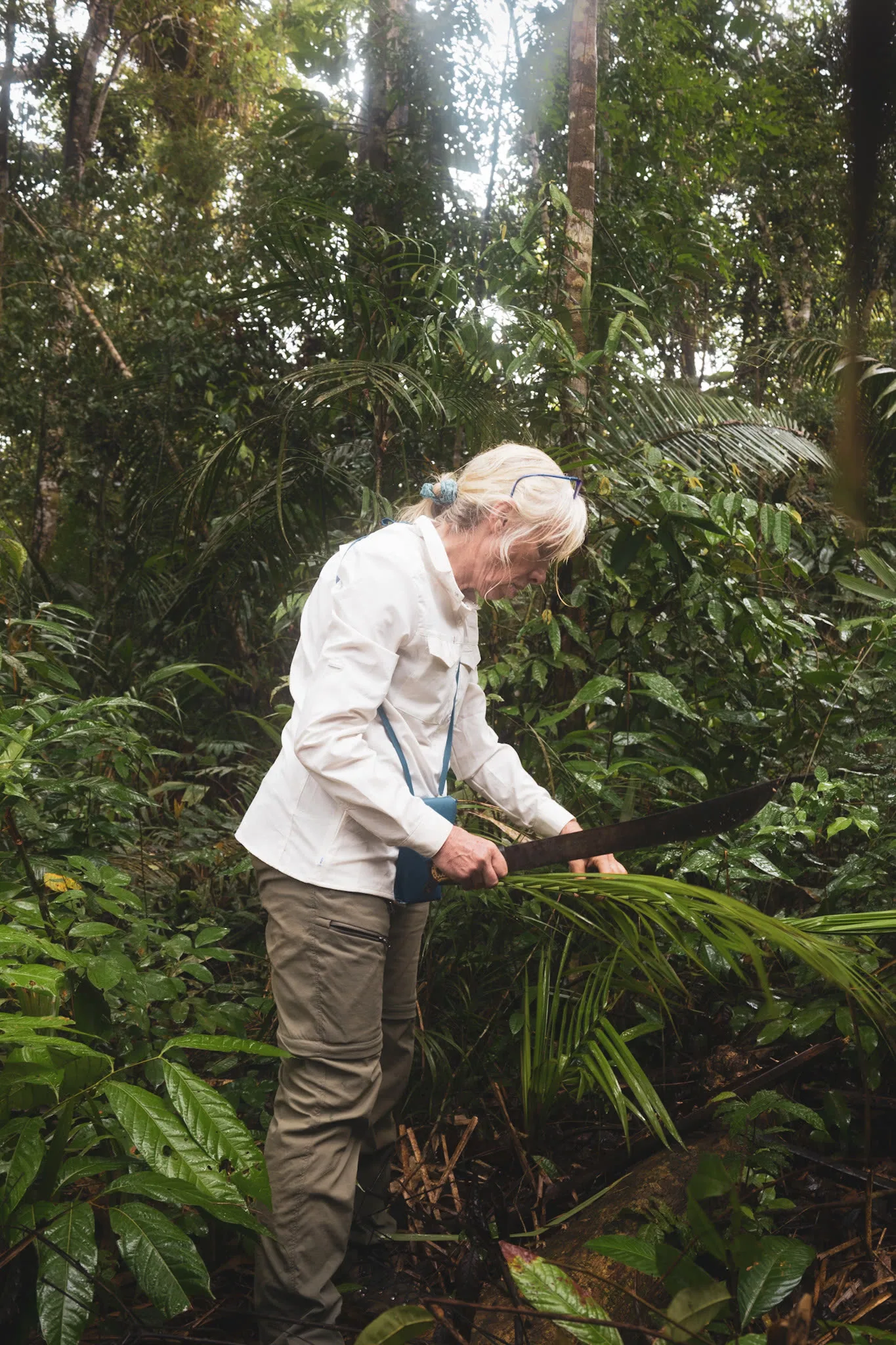
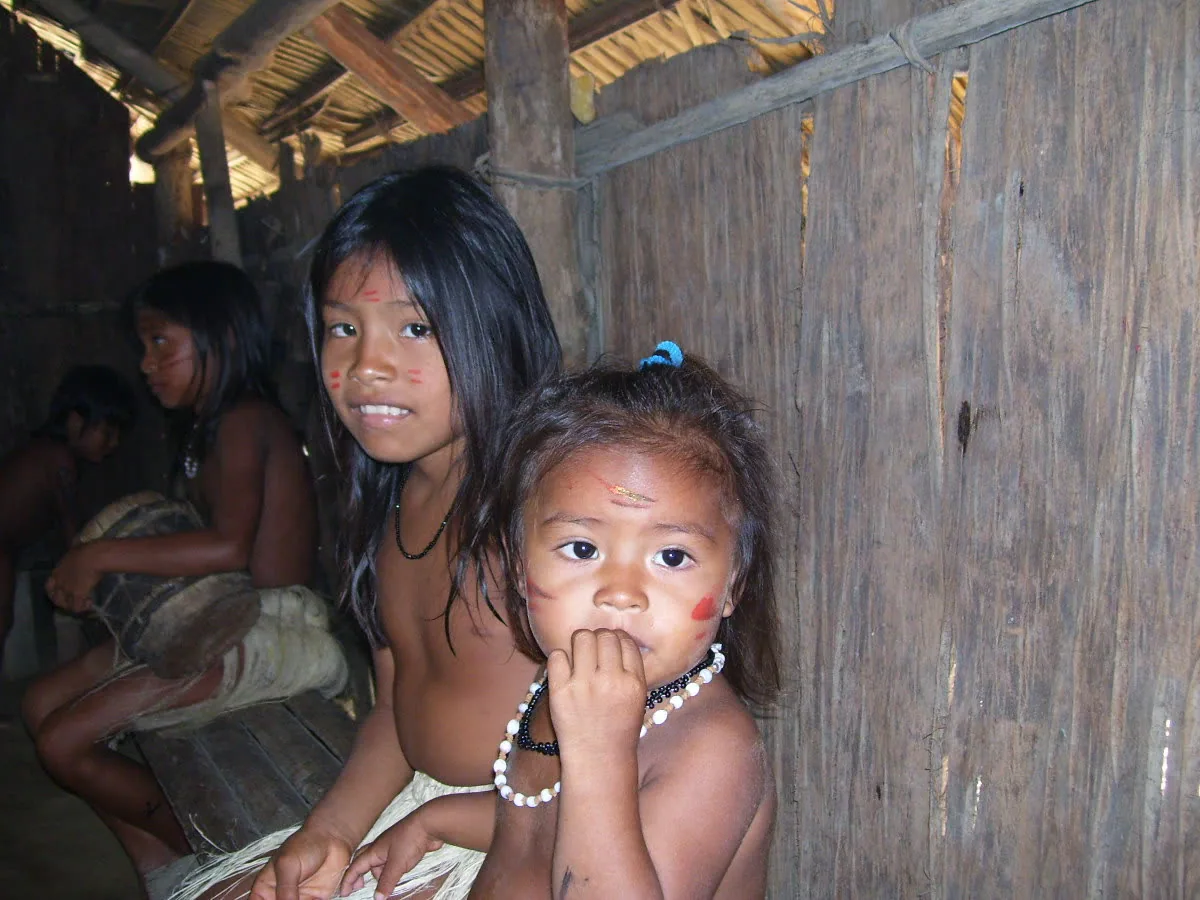

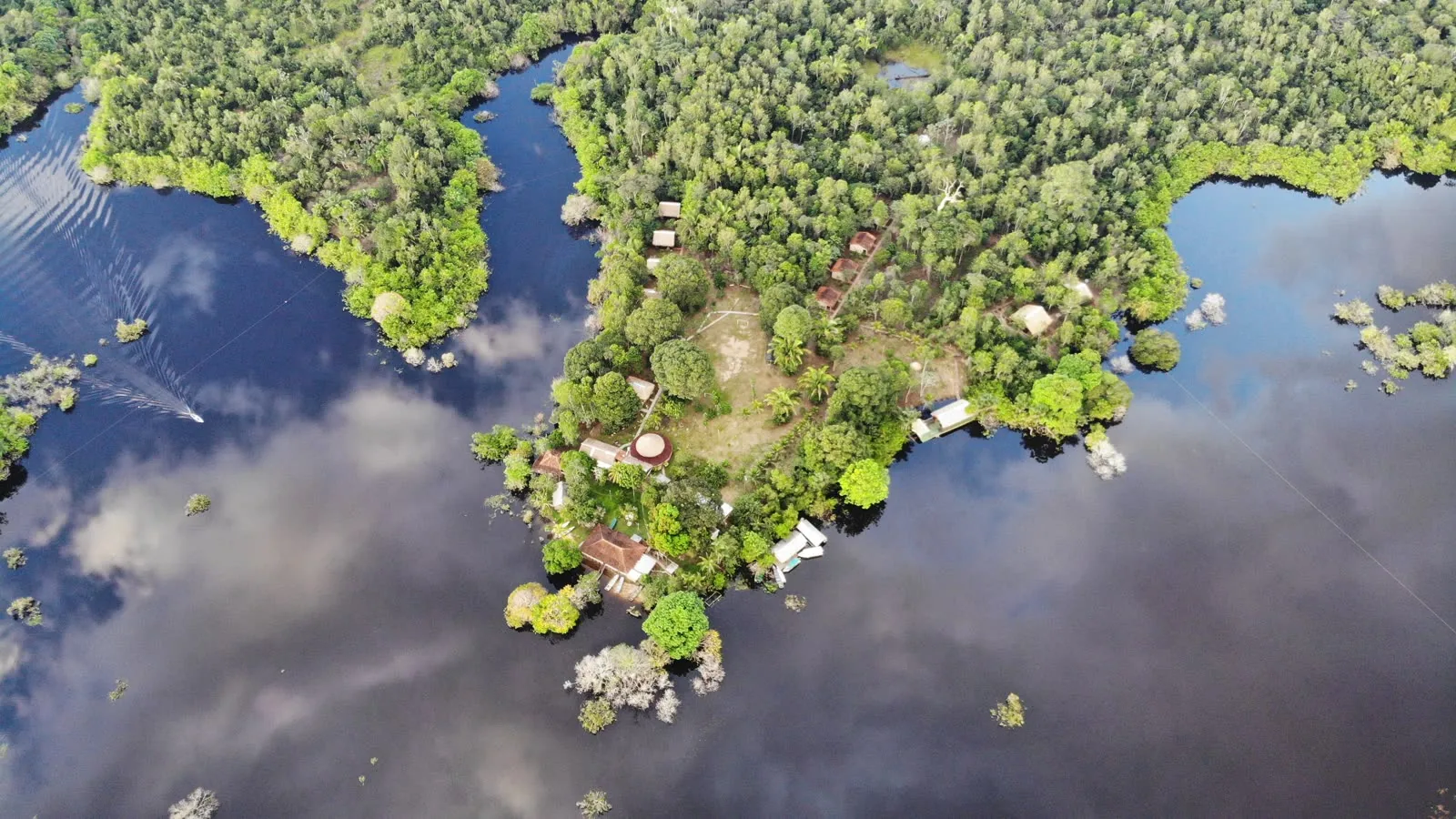
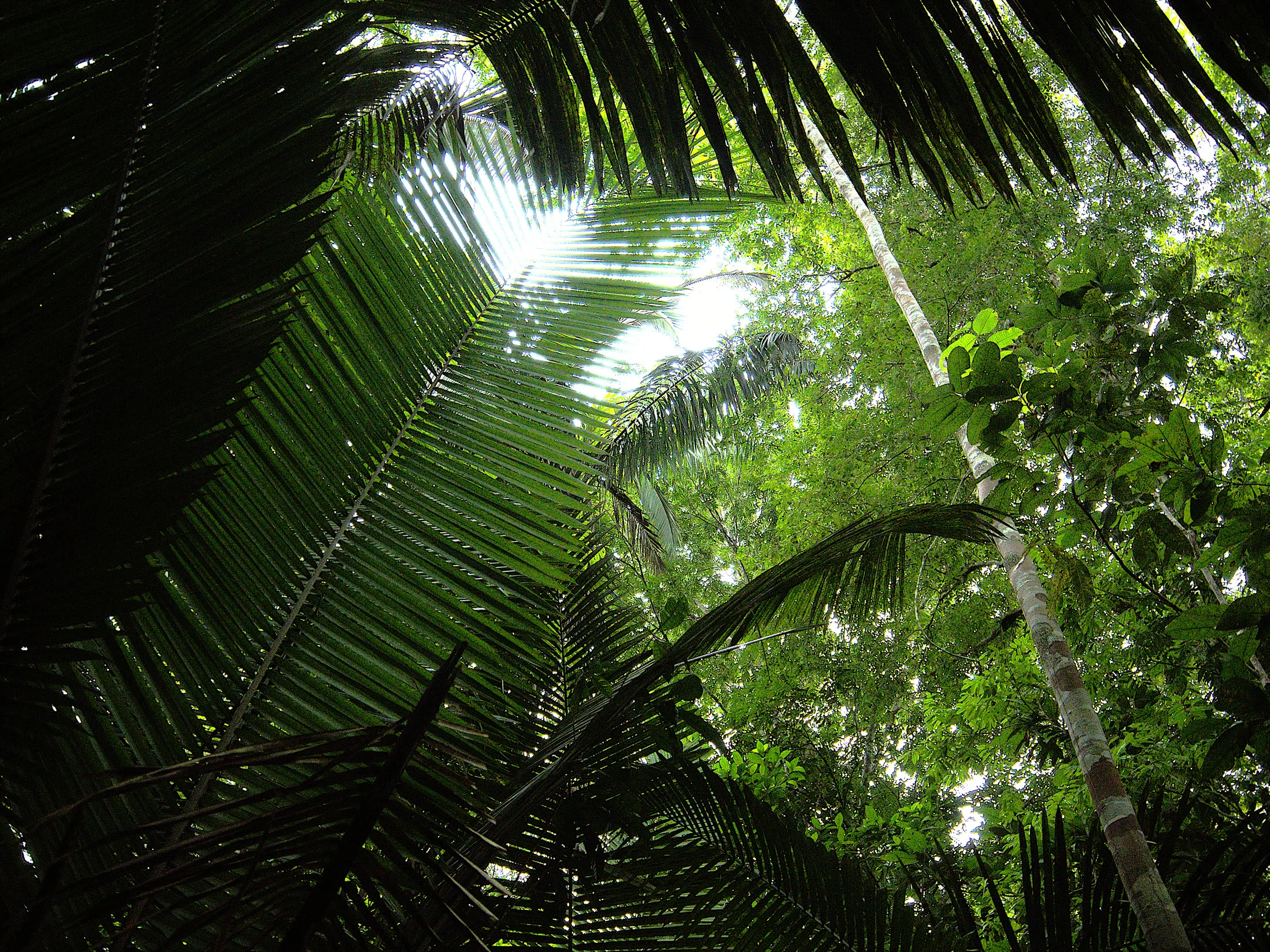
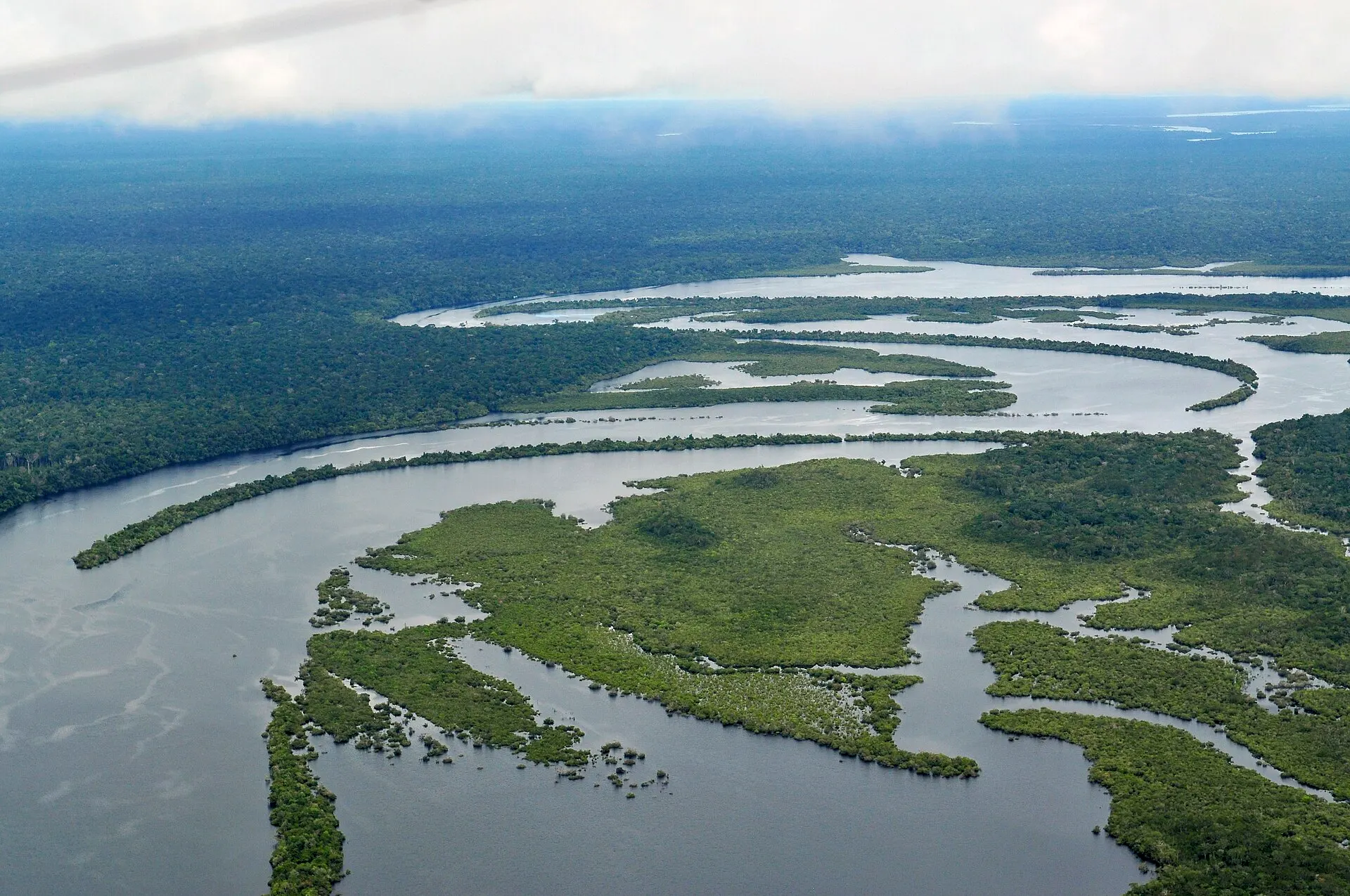
Scale is the hardest thing to convey. The Amazon basin in Brazil alone is larger than the European Union. The river runs over 6,000 kilometers long and more than 20 kilometers wide in places during the wet season. It runs deep enough that ocean-going ships dock at Manaus, 1,500 kilometers inland. There are no roads to most of it. The rivers are the roads.
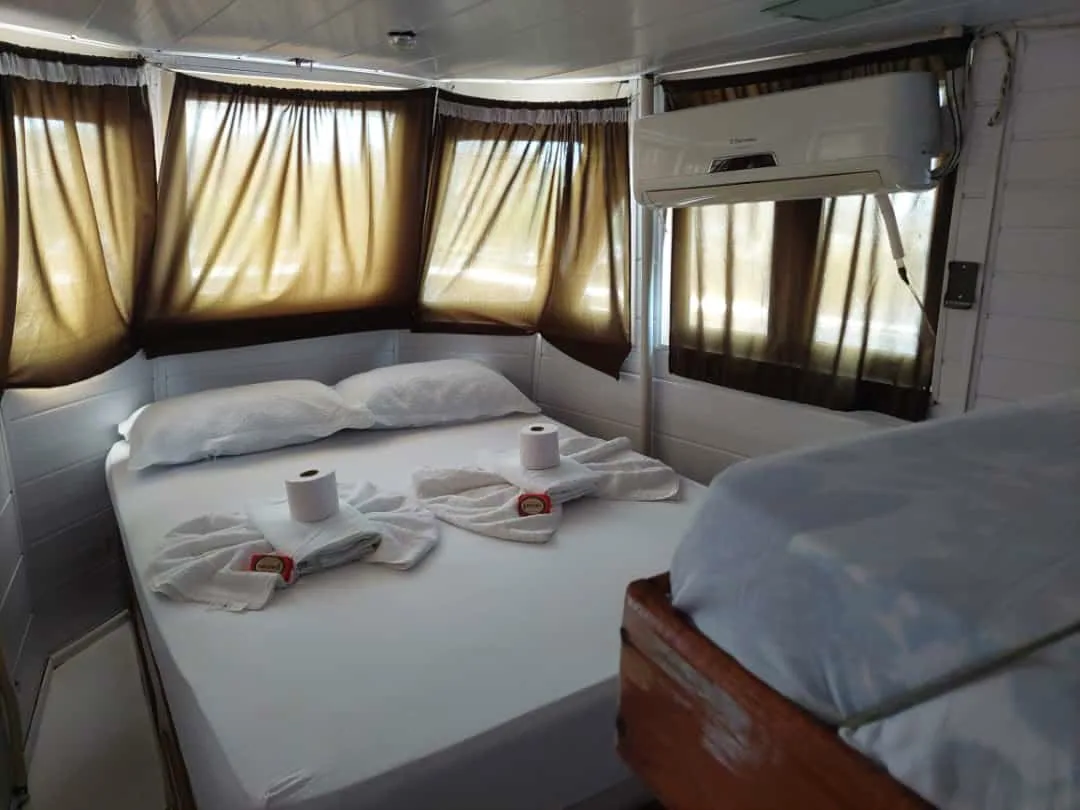
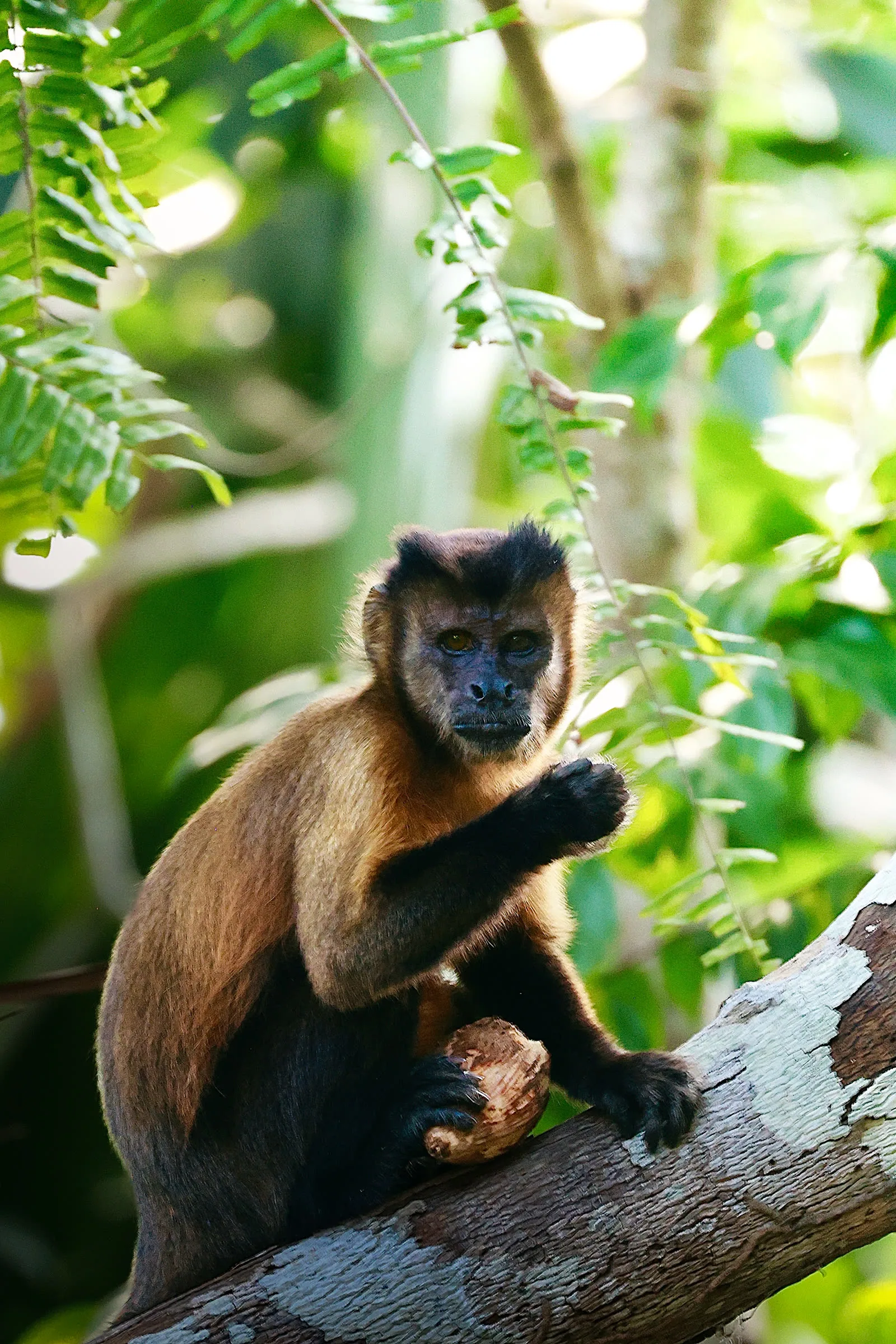
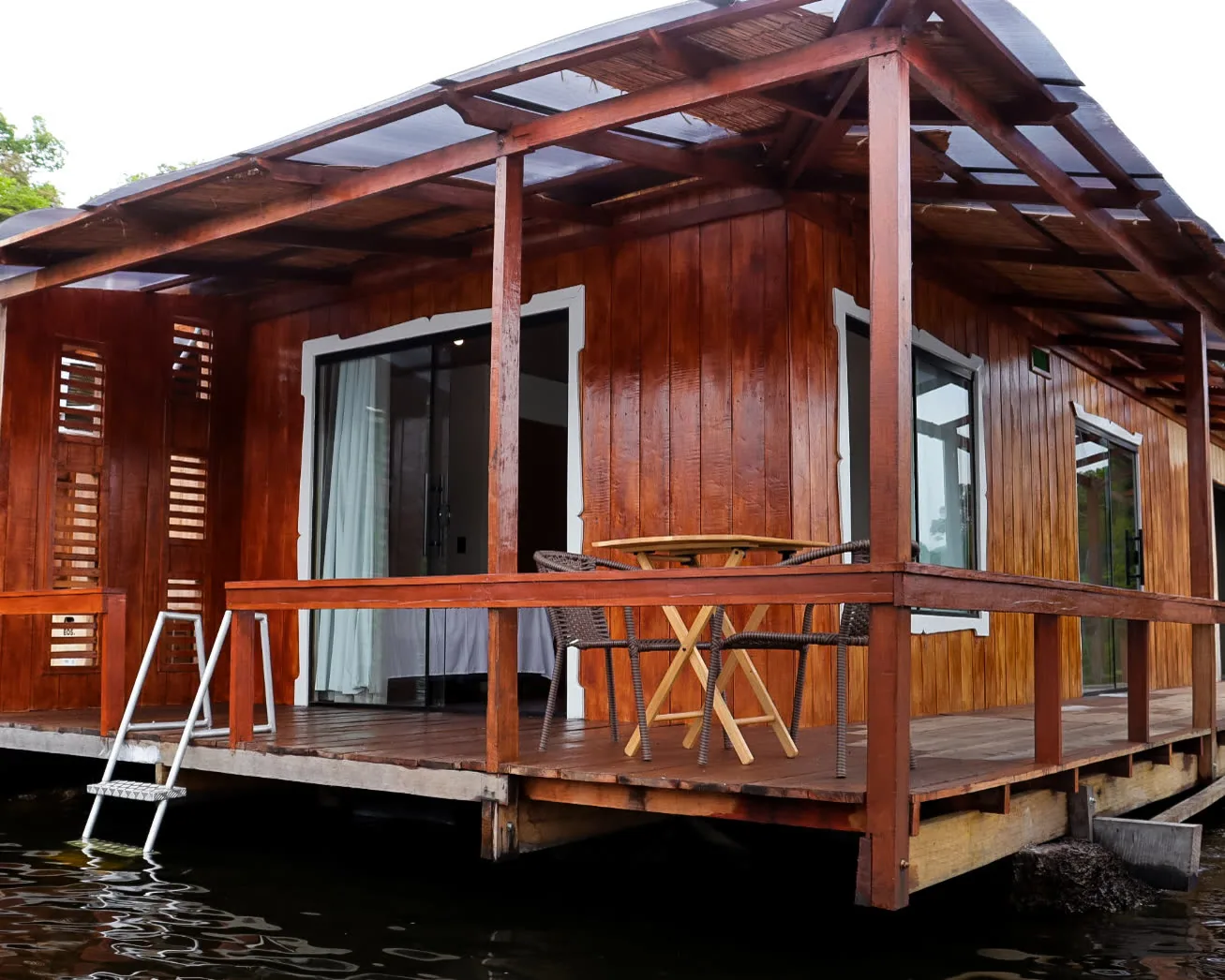
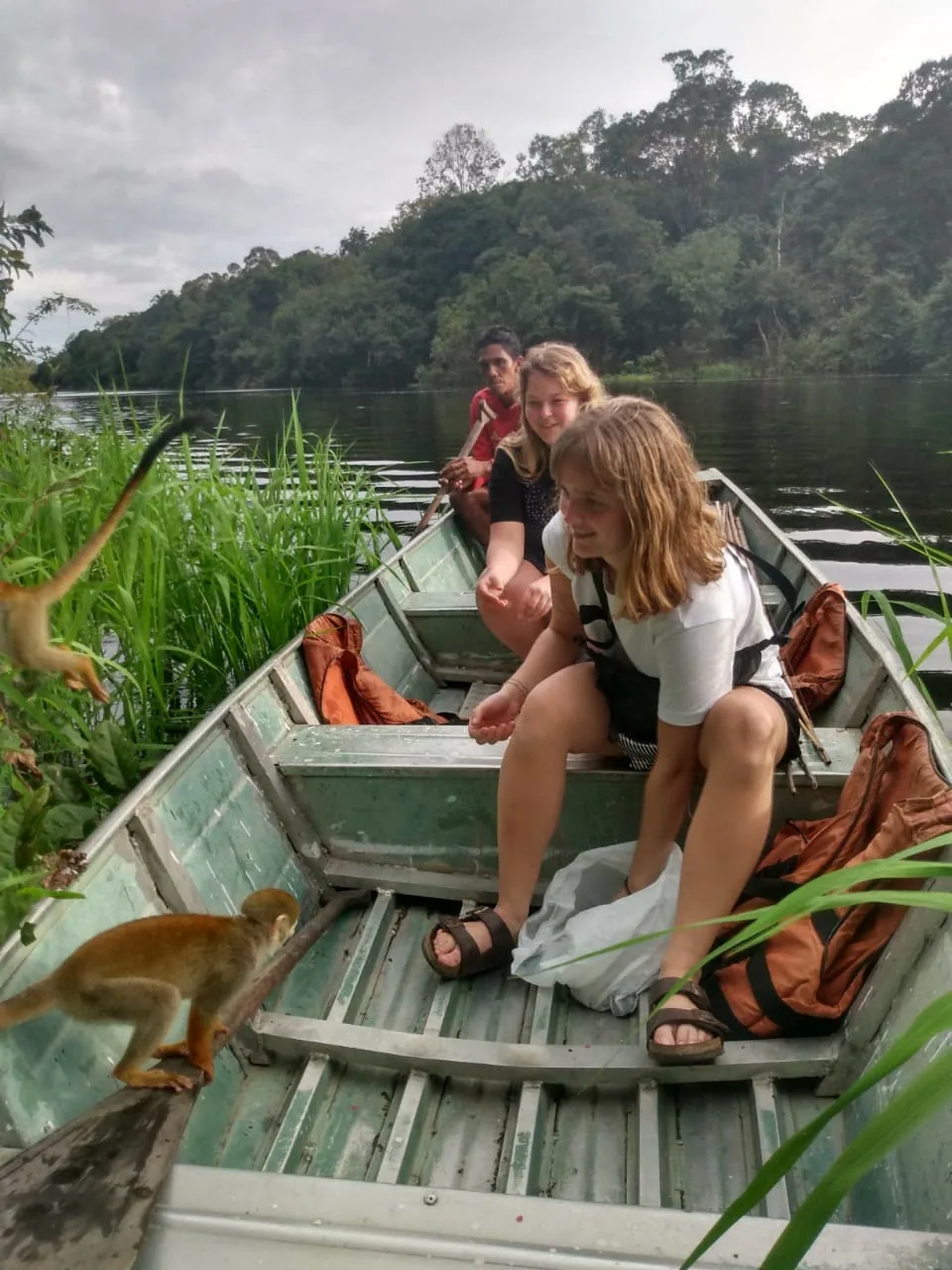
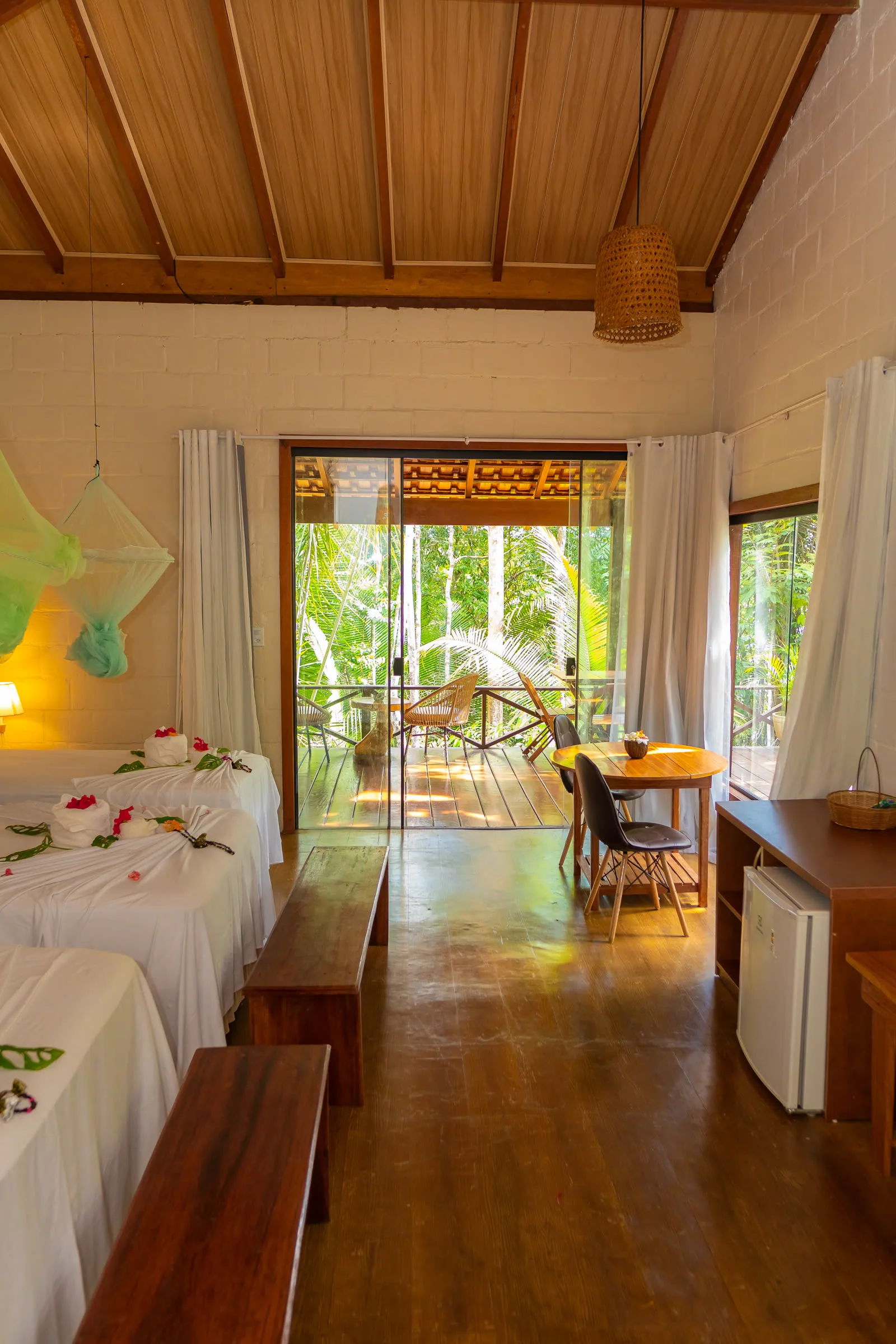
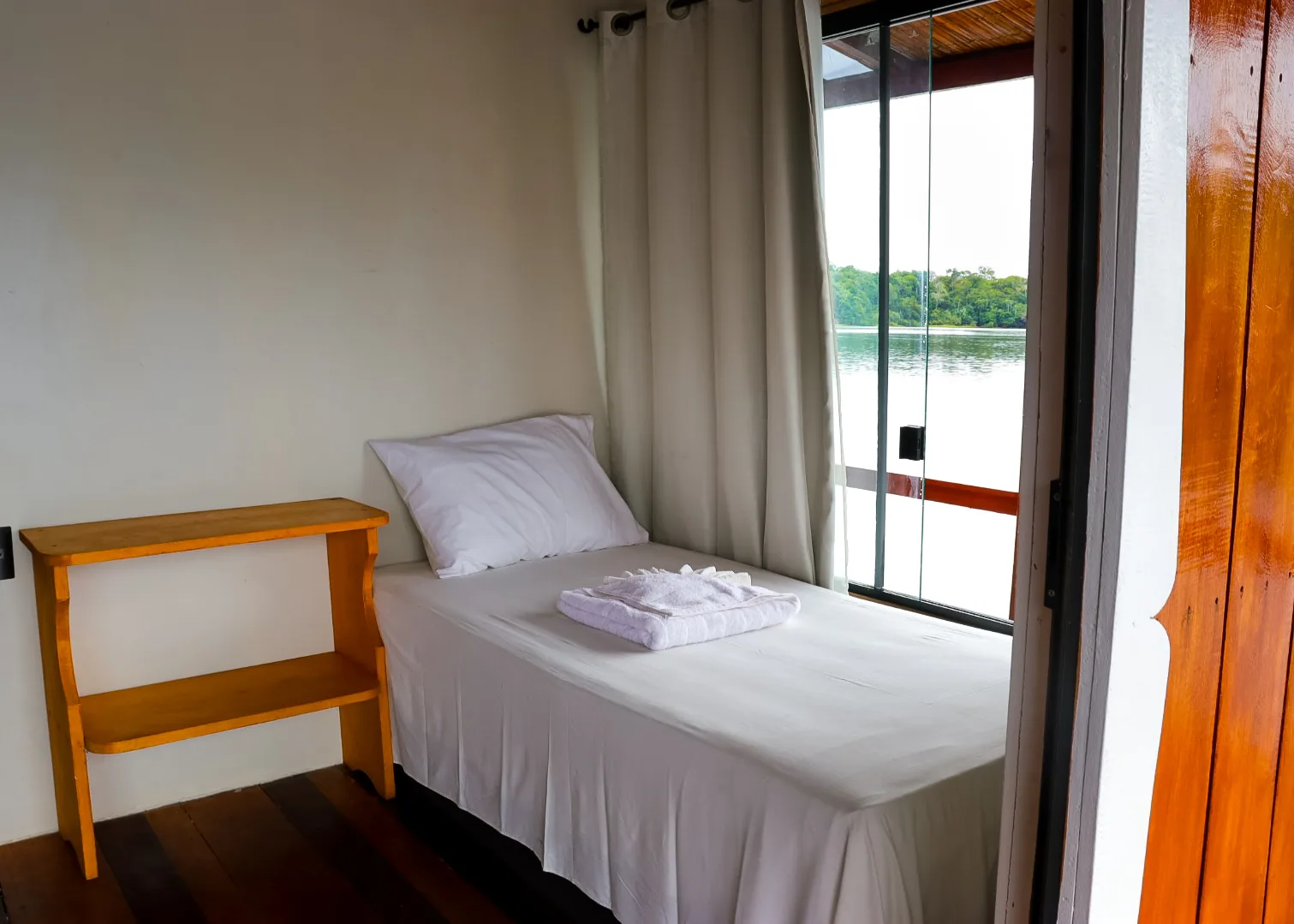
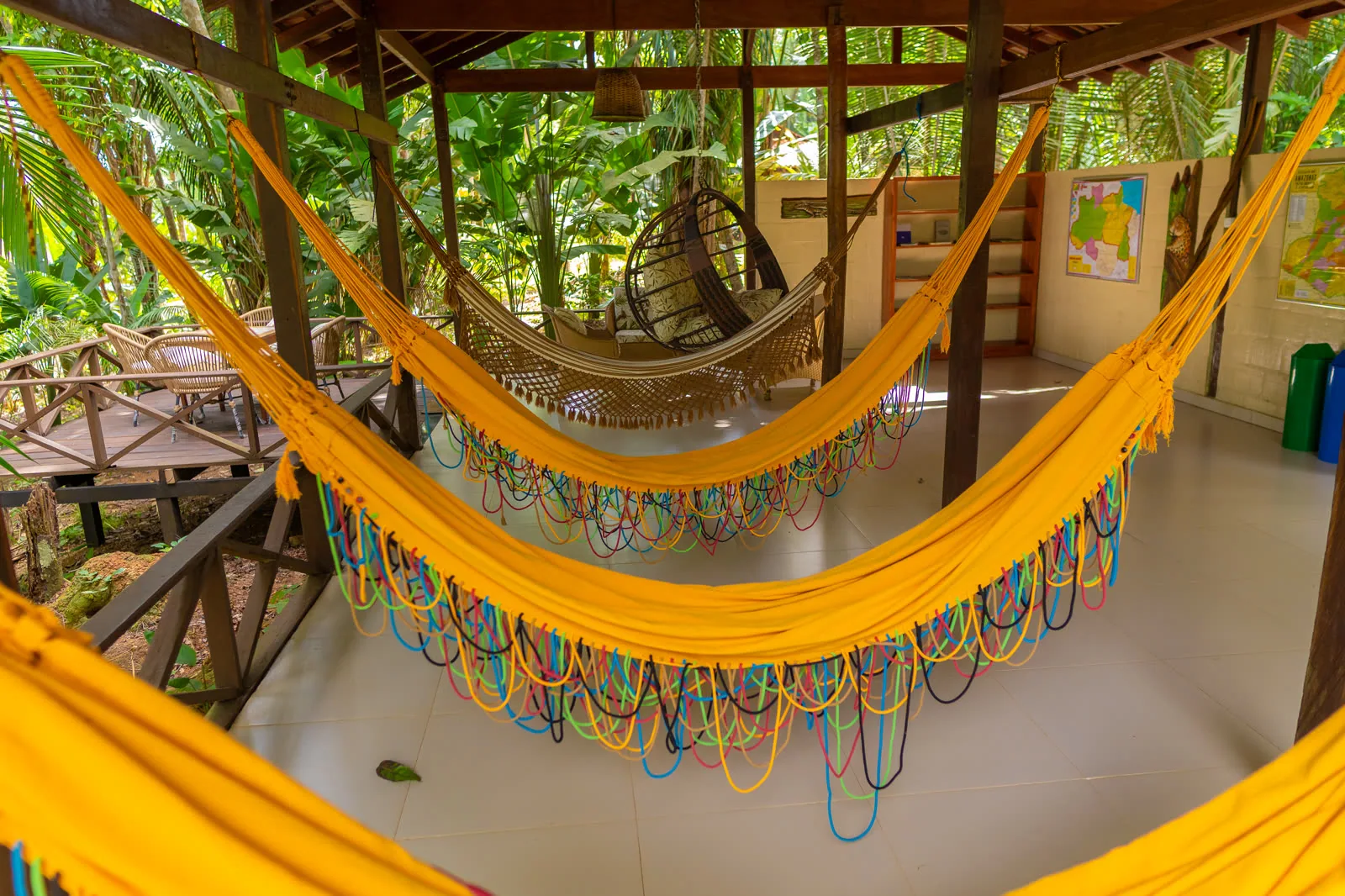
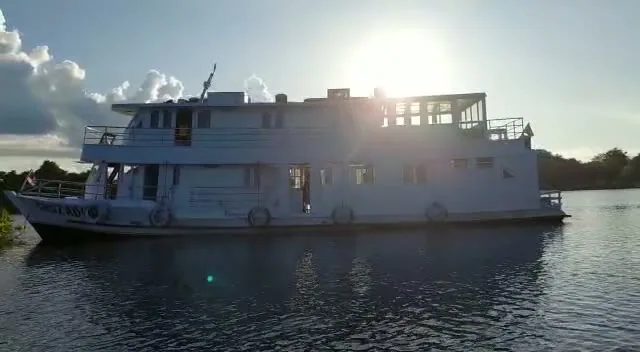
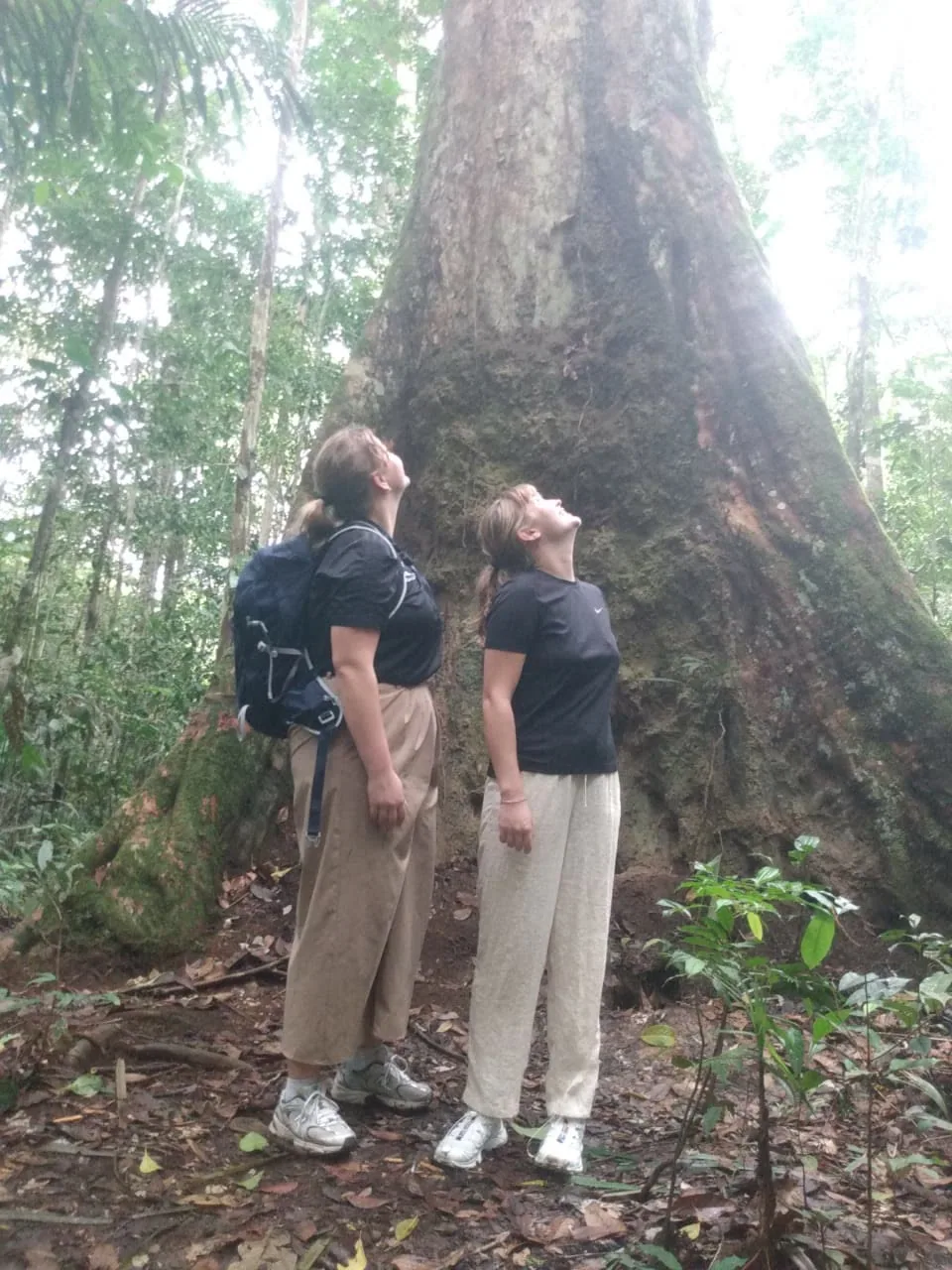
It is not one destination. A river cruise, a jungle lodge and a trekking expedition are three different trips. A comfortable lodge a few hours from Manaus gives you canopy walkways, night safaris by canoe, pink river dolphins and a bed with a mosquito net. A boat expedition takes you into flooded forest and side channels, where the wildlife is denser and the nearest town sits a day away. A trek is the hard version, and the best one if you want to get far from other people.
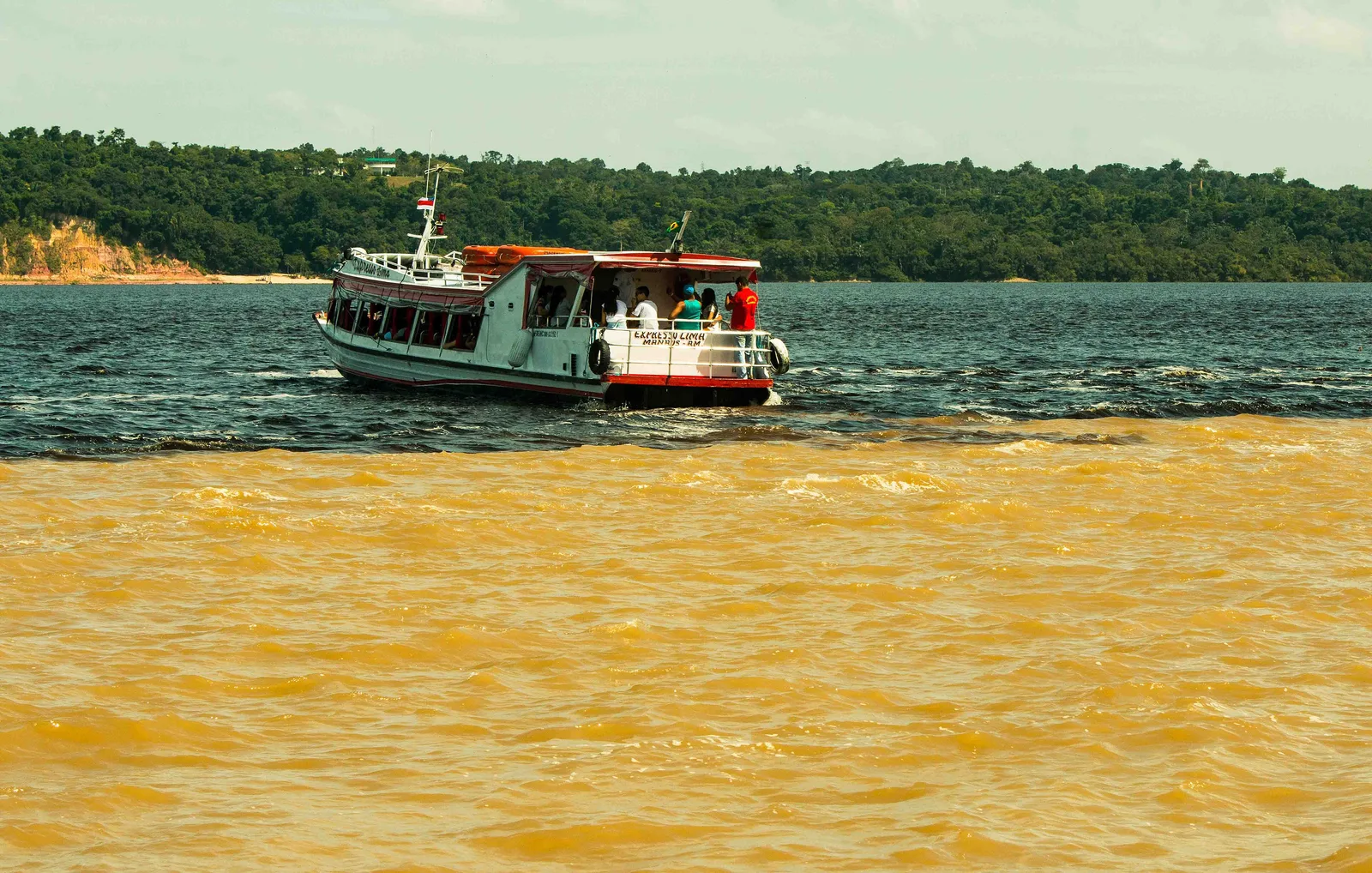
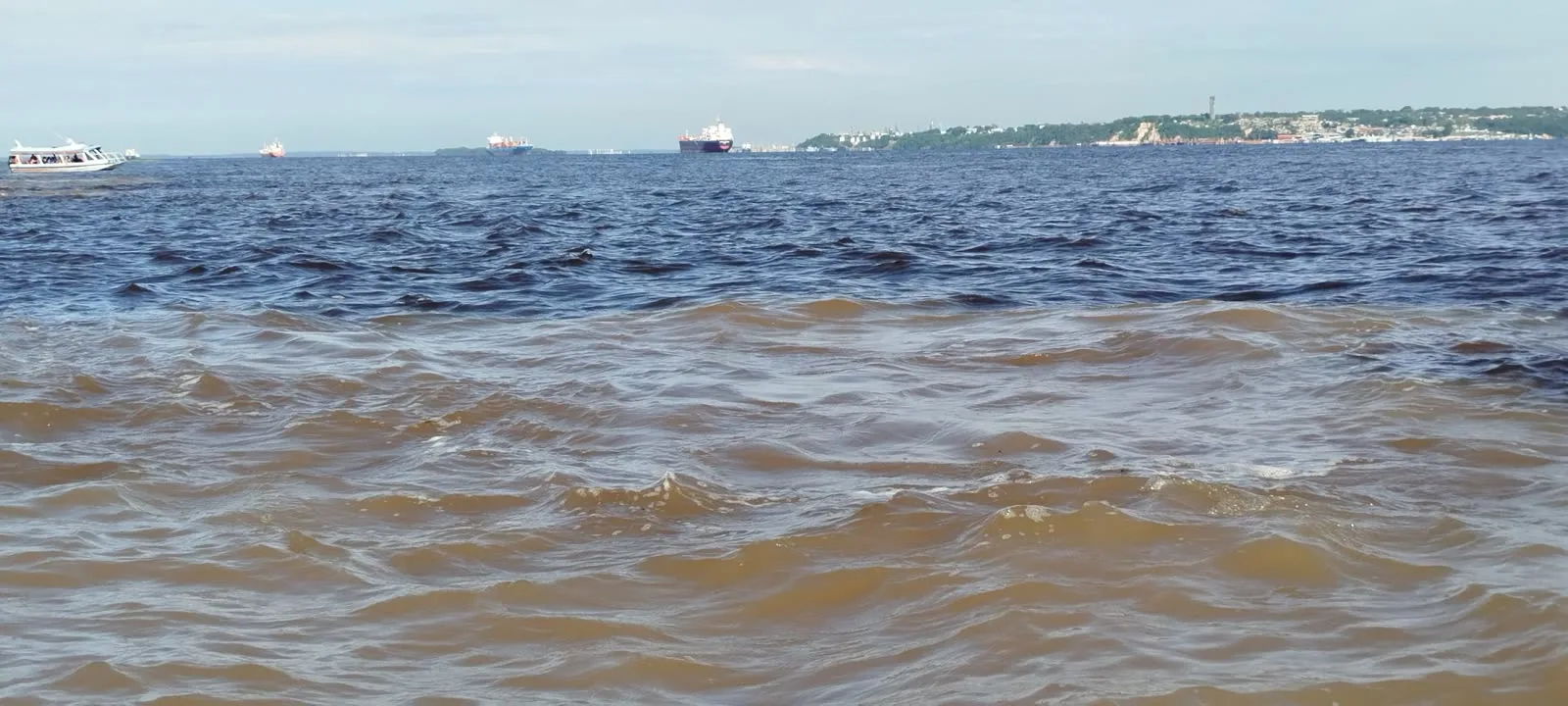
Manaus is the gateway. It has an opera house built with rubber money in the middle of the rainforest, and the Meeting of the Waters just downstream, where the black Rio Negro and the sandy-brown Solimões run side by side for six kilometers without mixing. Belém, at the river's mouth, is the other entry point, and a different kind of city: Amazonian food, the Ver-o-Peso market, and a growing restaurant scene.
Where to go in the North
-
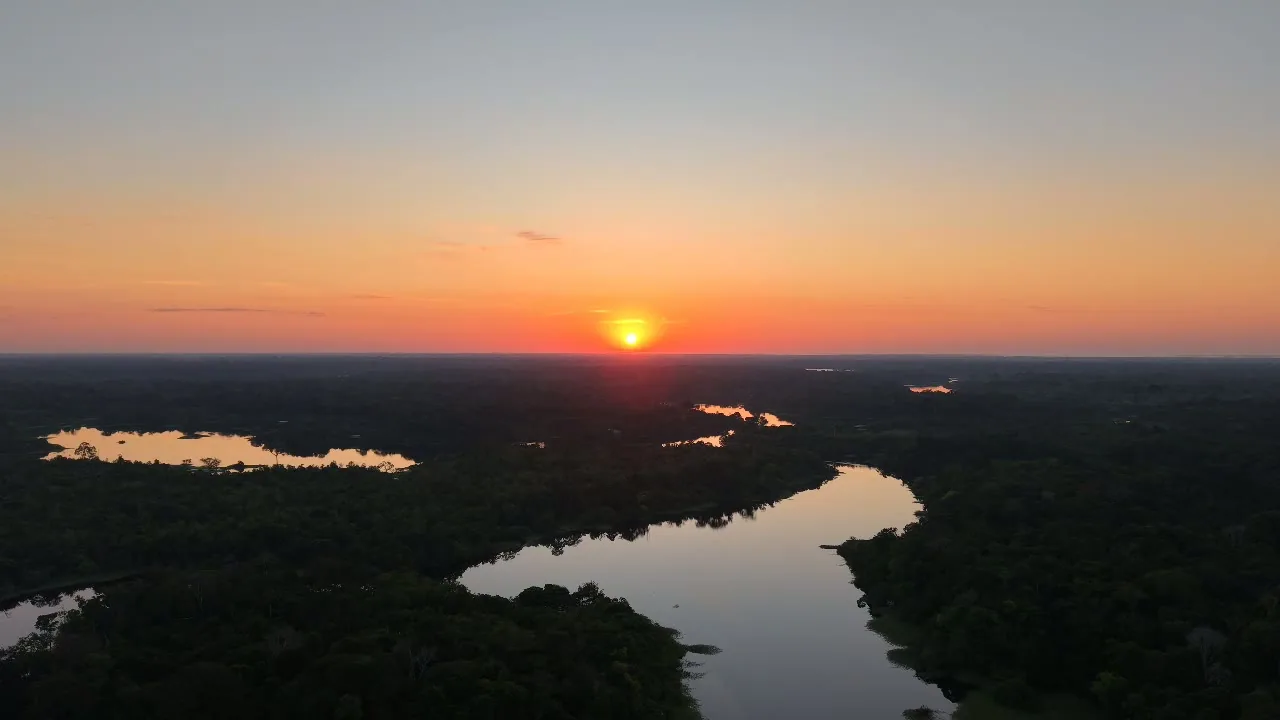
Amazonas · 4–6 nights
Page in progressThe Amazon & Manaus
Almost every Amazon trip starts here. Manaus is a strange, compelling city of two million people with no road connection to the rest of Brazil. It has an ornate 1896 opera house built at the height of the rubber boom, and a floating port that rises and falls fourteen meters a year with the river.
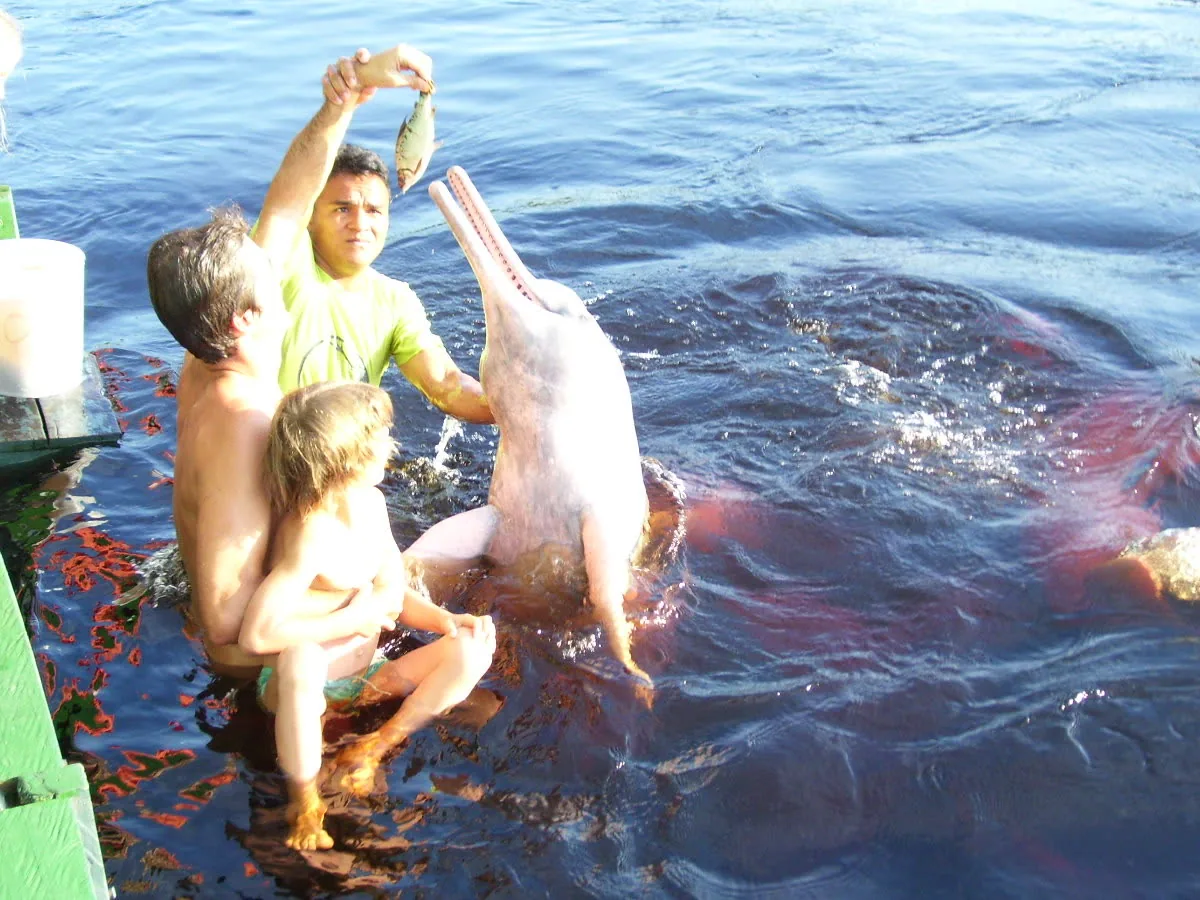
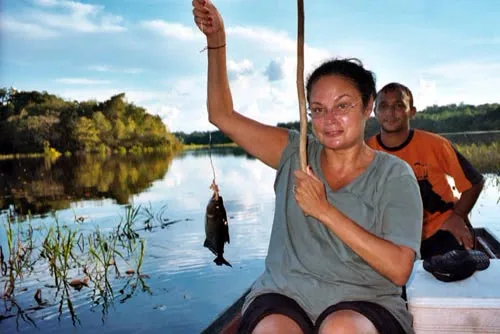
From here you choose your Amazon. Lodges on the Rio Negro, two to four hours out, are the most common and the easiest. They offer canopy towers, night canoe safaris, piranha fishing, pink river dolphins, and visits to riverine communities. Go further, to the Anavilhanas archipelago or the Mamirauá reserve, and both the wildlife and the sense of remoteness increase sharply.
- The Meeting of the Waters, six kilometers of two rivers that never mix
- Teatro Amazonas, an opera house in the middle of the rainforest
- Night safari by canoe, when the forest wakes up
- Pink and gray river dolphins on the Rio Negro
- Anavilhanas, the world's largest river archipelago
-
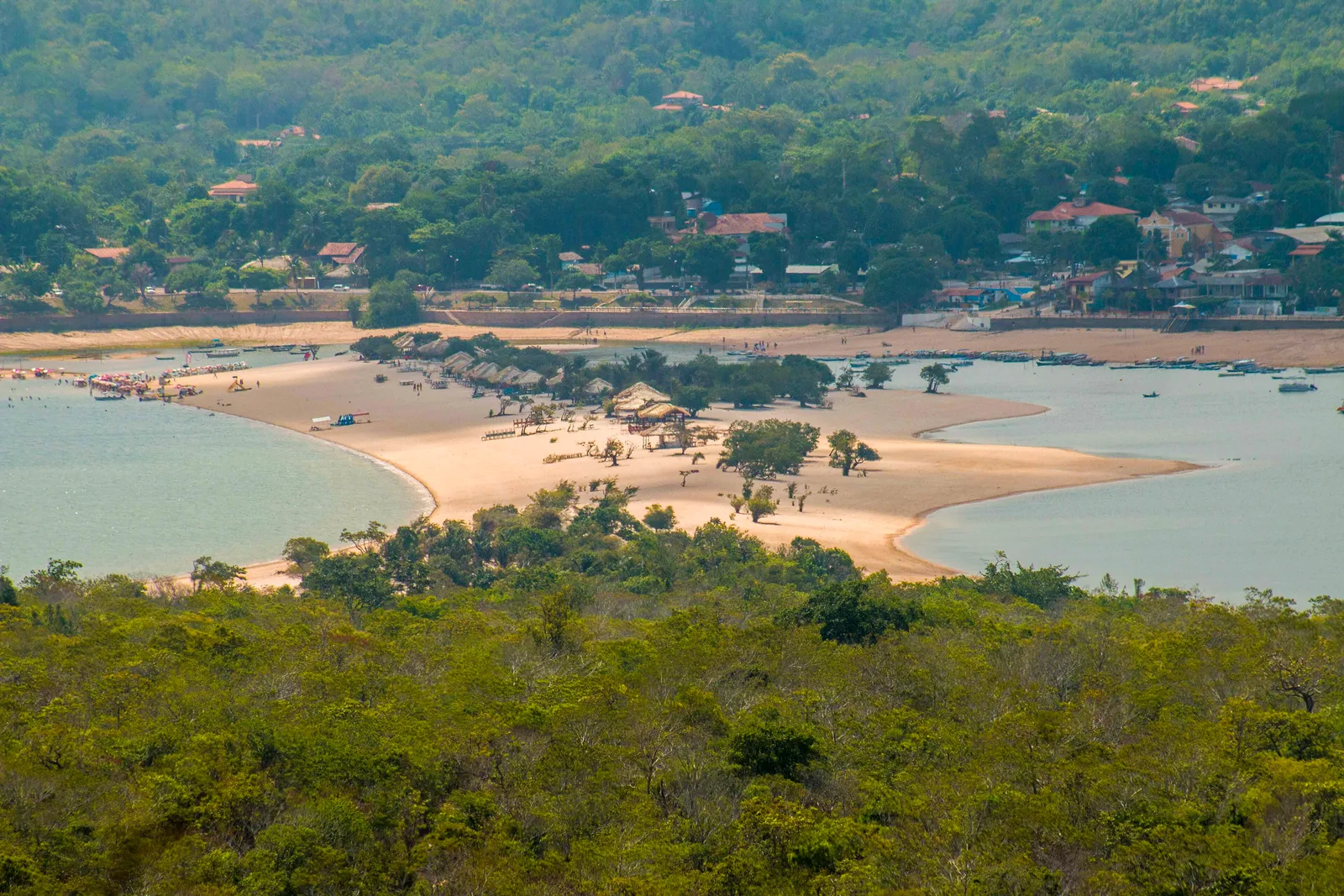
Pará · 3–4 nights
Page in progressAlter do Chão & the Tapajós
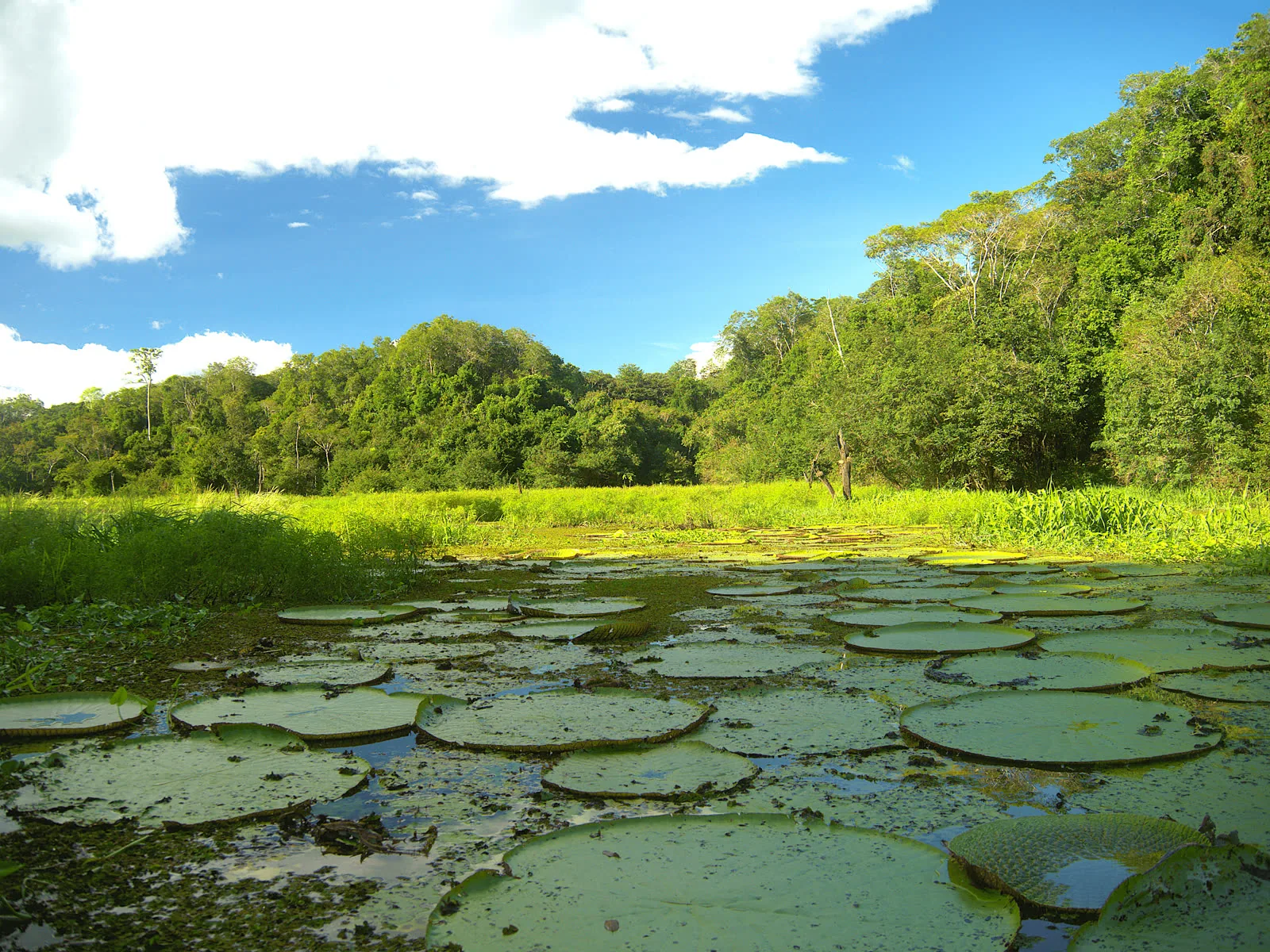
People call it the Caribbean of the Amazon. See it once and you'll understand why. When the Tapajós drops between August and December, it exposes long white sandbars and clear green water in the middle of the rainforest, hundreds of kilometers from any ocean.
The village of Alter do Chão sits an hour from Santarém, about halfway between Manaus and Belém. It has become the Amazon's most relaxed base, a place people go to swim and stay put rather than tick off a lodge itinerary.
- Ilha do Amor, the sandbar you wade across to reach
- Clear-water swimming, rare almost anywhere else in the basin
- Lago Verde and the flooded igapó forest by canoe
- The Tapajós National Forest and its communities
-
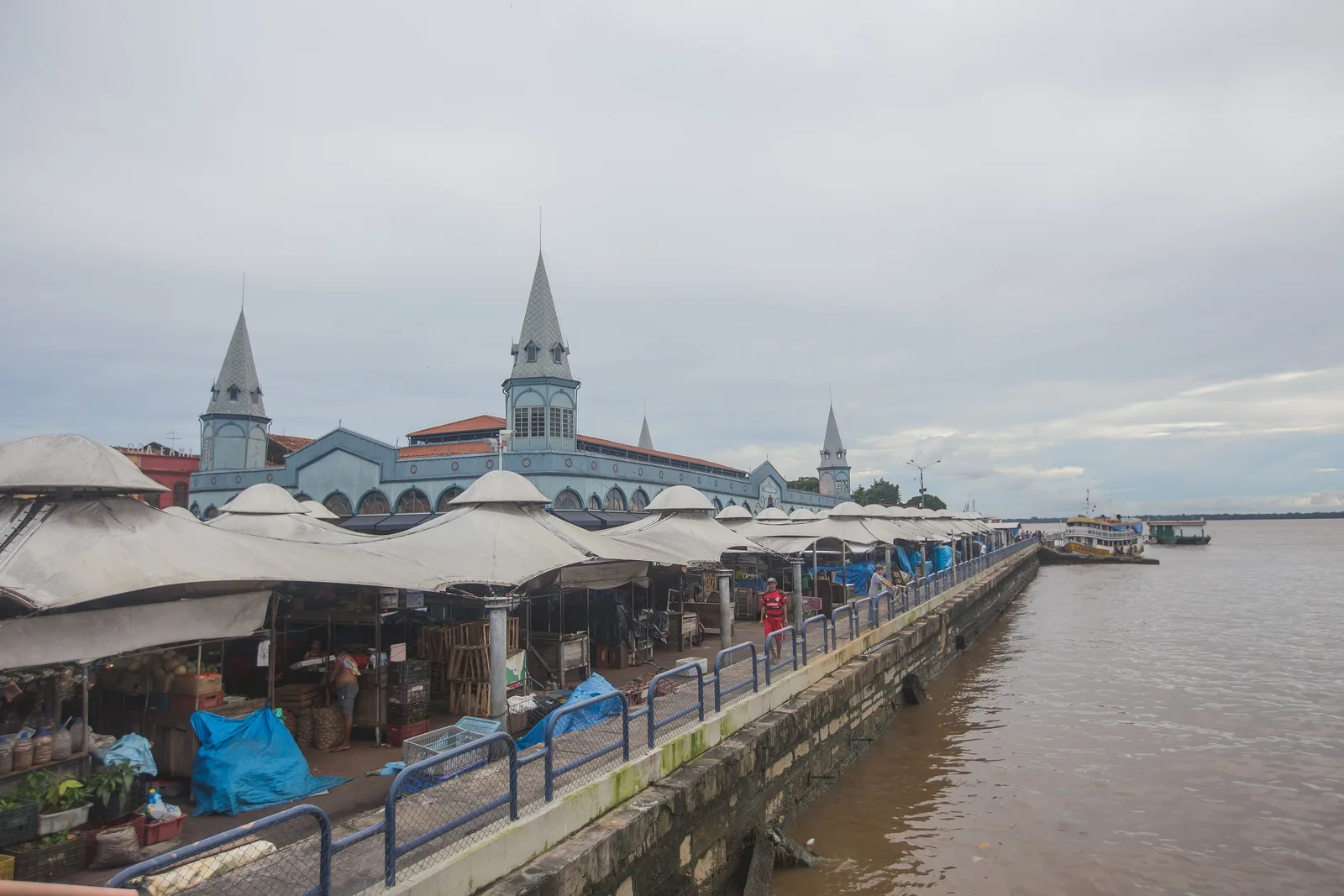
Pará · 2–3 nights
Page in progressBelém & the river mouth
Belém sits where the Amazon reaches the Atlantic, and it's the best place in Brazil to eat Amazonian food. Try tucupi, jambu, tacacá, and açaí served the way it's eaten here: savory, with fish, not as a smoothie bowl.
The Ver-o-Peso market has run for over 400 years and remains the largest open-air market in Latin America. Nearby, Marajó island sits at the river mouth. It's bigger than Switzerland, has more water buffalo than people, and stays almost entirely off the tourist map.
- Ver-o-Peso market at dawn, when the fishing boats unload
- Estação das Docas and the city's restaurant scene
- Real açaí, which won't taste like what you've had before
- Marajó island, buffalo, and beaches at the mouth of the Amazon
More of the North
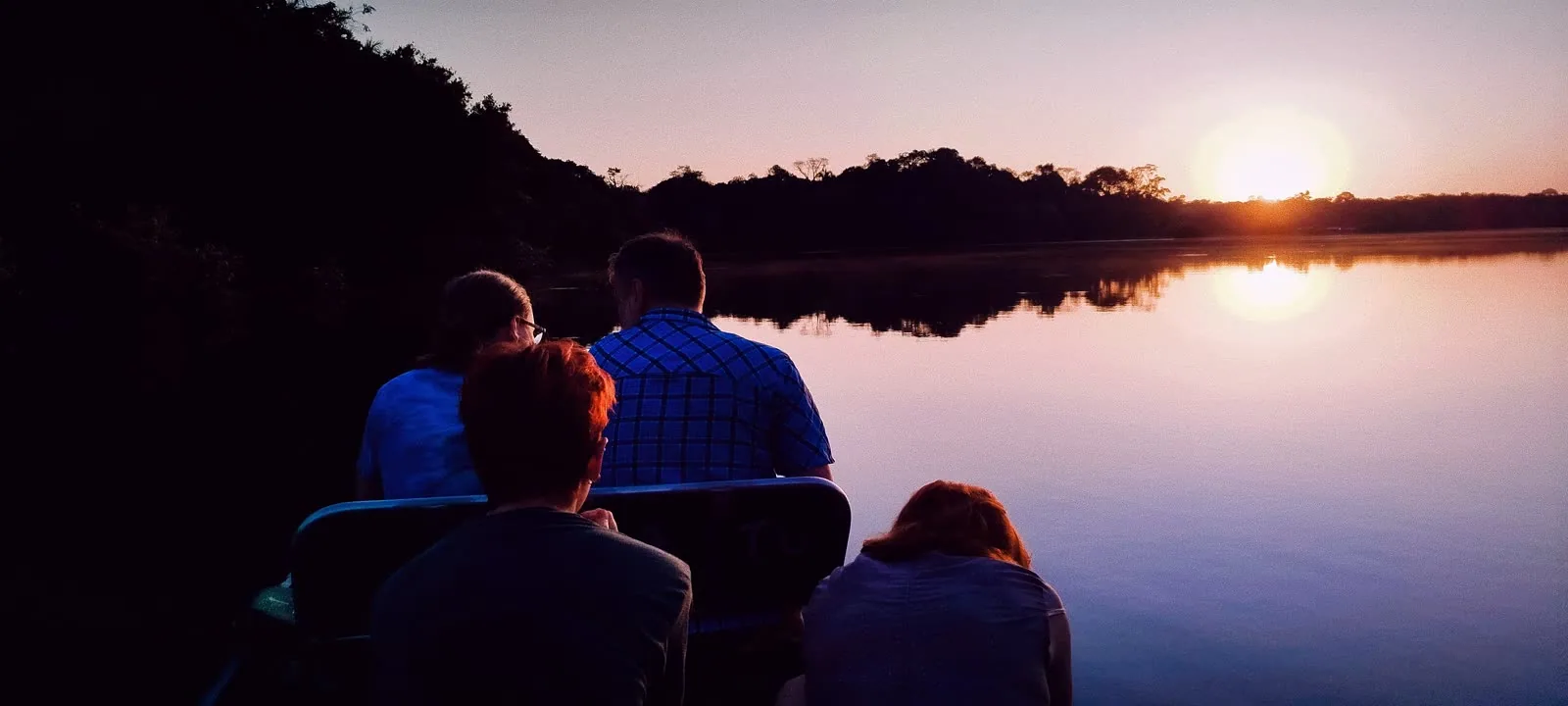
When to go to the North
The Amazon has no bad season, only two different trips. High water floods the forest and you travel by canoe among the treetops; low water exposes river beaches and forest trails and pushes wildlife down to the banks. It rains in both - this is a rainforest.
- Best — Go now if you can
- Good — A solid choice
- Trade-offs — Fine, with a catch
- Jan
Rain at its heaviest and the river climbing. Green, dramatic and very quiet, but expect to get wet daily.
- Feb
High water begins. The Meeting of the Waters at Manaus is at its most photogenic.
- Mar
Deep in the flooded season. Canoes run far into the igapó forest, over ground you could walk in September.
- Apr
Peak high water most years. The best month for boat-based exploring and for birds.
- May
The river holds high, the rain starts easing, and the forest is at its greenest.
- Jun
The turn of the season: water still high, rain dropping away, humidity manageable. A strong all-round month.
- Jul
Dry, warm and bright. Trails open as the water falls. Brazilian holidays fill the lodges, so book ahead.
- Aug
The driest stretch. River beaches appear at Alter do Chão and wildlife concentrates along the banks.
- Sep
Low water at its best. Clear skies, far fewer mosquitoes, excellent for walking and fishing.
- Oct
Still low and dry, and the Tapajós beaches are at their widest.
- Nov
Low water ending. The rain returns in the second half of the month.
- Dec
The wet season sets in and the river starts climbing. Hot, humid and heavily green.
Dates worth planning around
-
Festival de Parintins
Last weekend of June
A stadium-scale folk opera on an island in the middle of the Amazon, staged by two rival groups. One of the strangest and best things in Brazil.
-
Círio de Nazaré
Second Sunday of October
Two million people process through Belém - one of the largest religious gatherings on earth.
-
Meeting of the Waters
Sharpest February to April
Visible from Manaus year-round, but the line between the black Rio Negro and the sandy Solimões is starkest at high water.
Getting around the North
There are almost no roads in the North. You fly in, and after that you travel by boat and small aircraft - which is the point of the region, not an inconvenience to work around.
Where to fly into
-
Manaus (MAO)
The gateway to the Amazonas lodges, usually connecting through São Paulo, Brasília or Rio.
-
Belém (BEL)
The river mouth, and the way into Pará and Ilha do Marajó.
-
Santarém (STM)
The airport for Alter do Chão and the Tapajós beaches.
Between the places on this list
- 1-4h
Manaus to Jungle lodge
Every lodge runs its own transfer, usually a speedboat down the Rio Negro. How far out you go is roughly how much wildlife you will see.
- 1h15
Manaus to Santarém
Or three to four days downstream on a riverboat, if you have the time and want the experience more than the destination.
- 45min
Santarém to Alter do Chão
A short paved run. Taxis and vans go constantly.
- 3h
Belém to Ilha do Marajó
Vehicle ferry from Icoaraci, a couple of times a day. Check the schedule the night before.
- 4-5 days
Manaus to Belém
The classic slow passage downriver in a hammock. Pay for a cabin if you want to sleep.
Once you are there
-
Manaus
The center is compact - the Teatro Amazonas, the Mercado Adolpho Lisboa and the floating port are all walkable. Use ride apps for anything beyond that.
-
On the river
Hammock space on a public riverboat is cheap and sociable. A cabin costs several times more and is worth it on anything over two nights.
Should you rent a car?
No. There is nowhere useful to drive.
The BR-319 between Manaus and Porto Velho is impassable for much of the year and is not a tourist route under any circumstances. Budget instead for internal flights and boat transfers - those are the real cost of the North, and they are what makes the distances work at all.
The Amazon rewards being specific. Tell us whether you want comfort, dense wildlife, or real remoteness, and the right version of this trip usually becomes obvious in one conversation.
Start planningMato Grosso · Mato Grosso do Sul · Goiás · Distrito Federal
Central-West The Pantanal, the cerrado and Brasília
For wildlife in Brazil, come here rather than the Amazon. The Pantanal is the largest tropical wetland on earth, and the single best place in the Americas to see a jaguar in the wild.
- How long to stay
- Four nights in the Pantanal gives you a fair shot at seeing a jaguar. Add three for Bonito or Chapada dos Veadeiros.
- Good for
- Wildlife and photography above all. Also good for anyone who found the Amazon underwhelming for animal sightings.
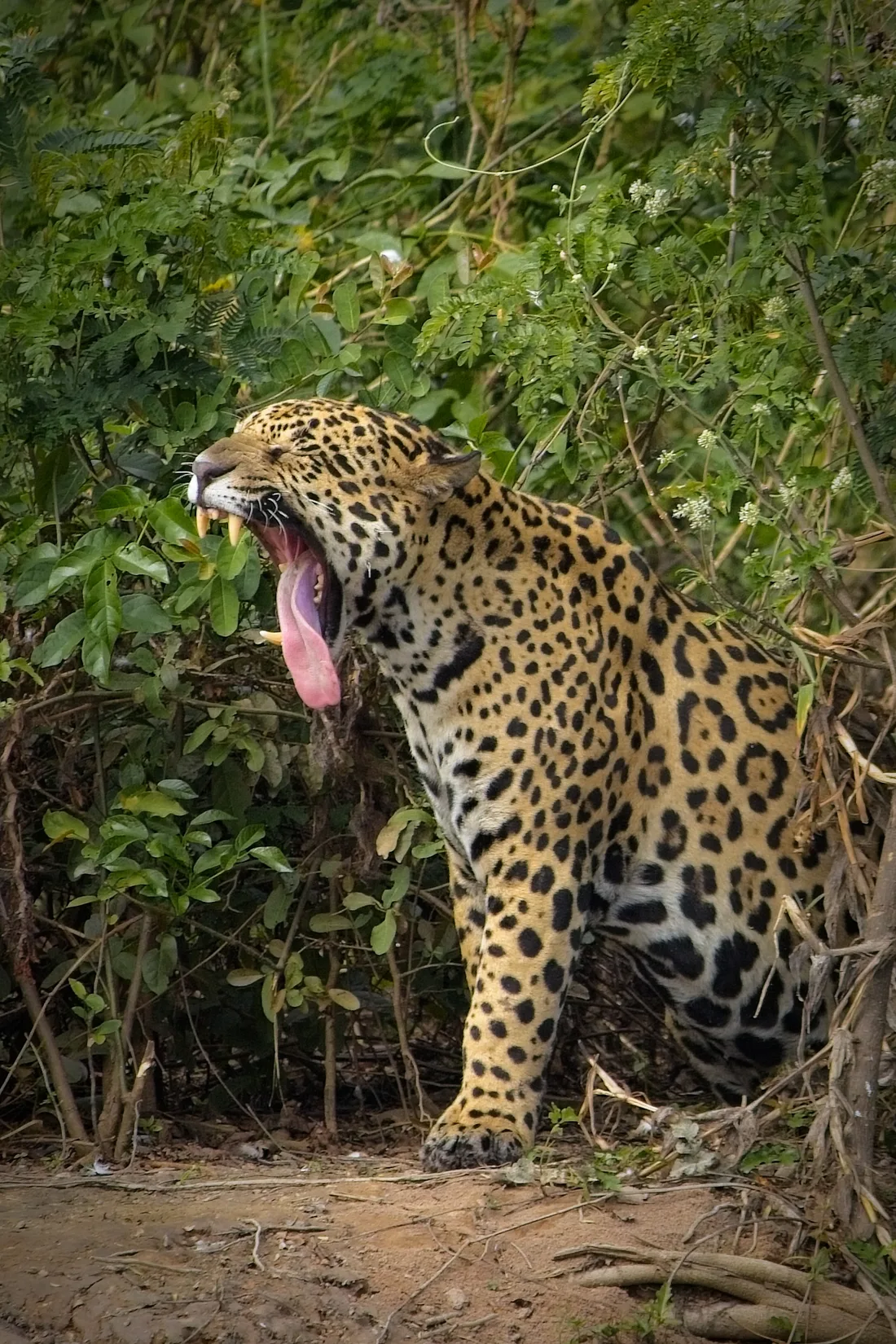
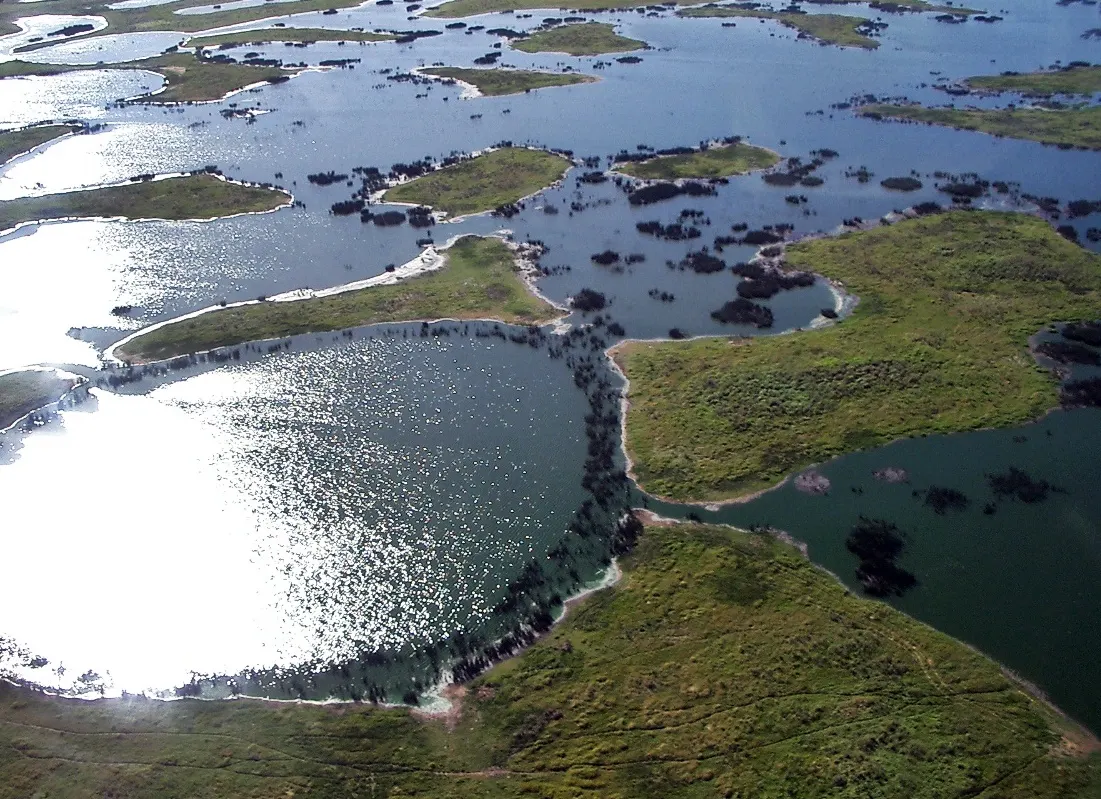

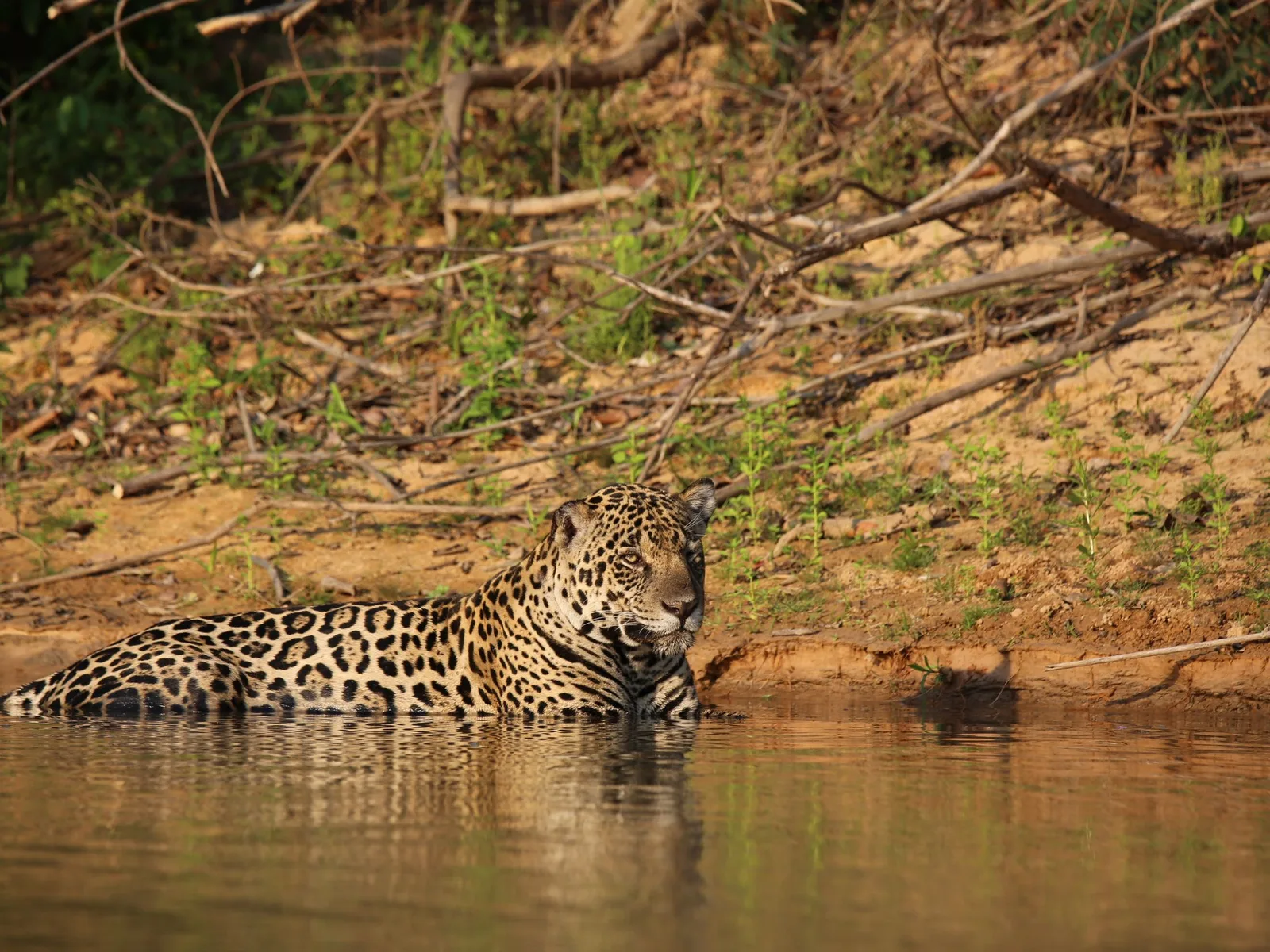

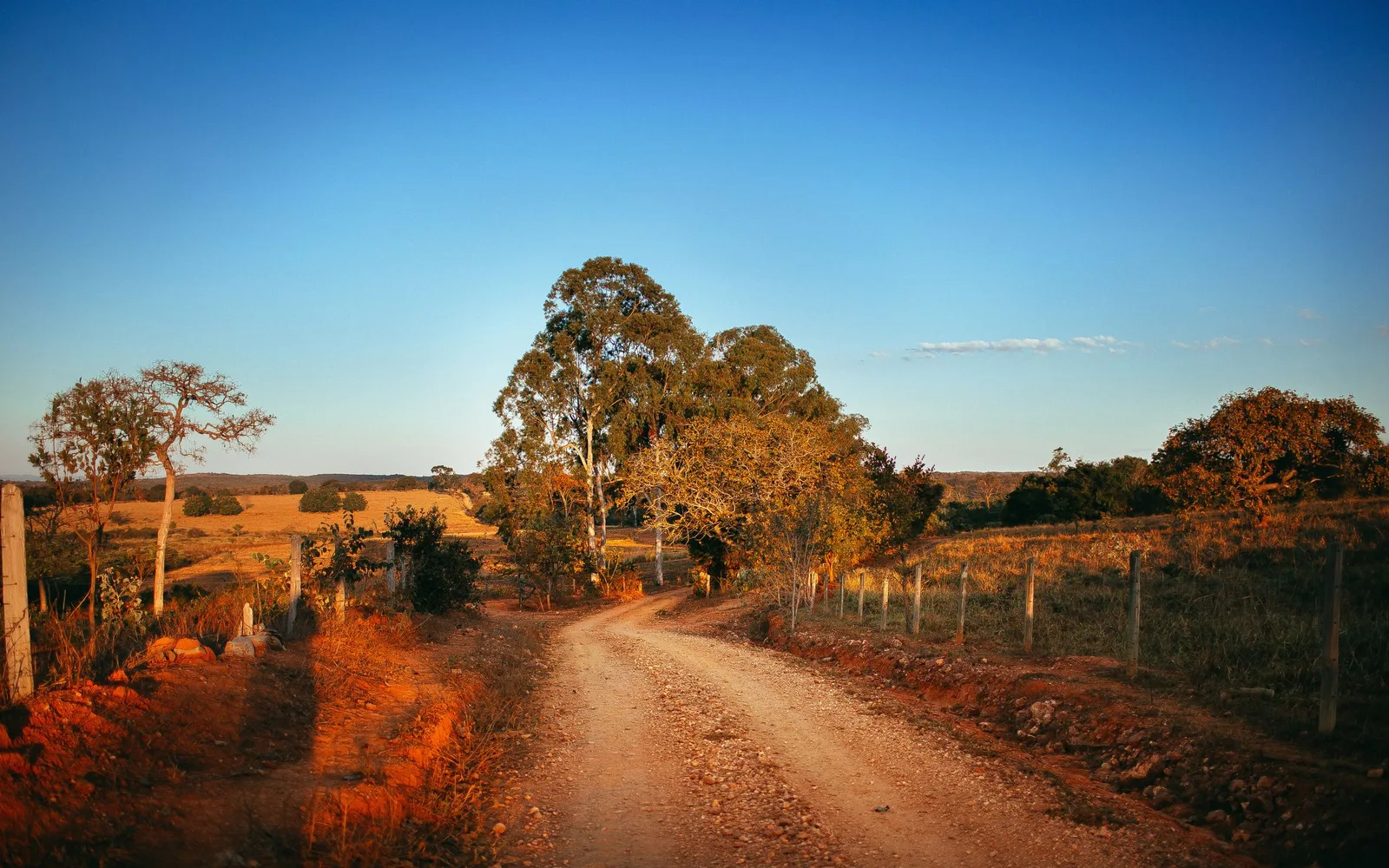
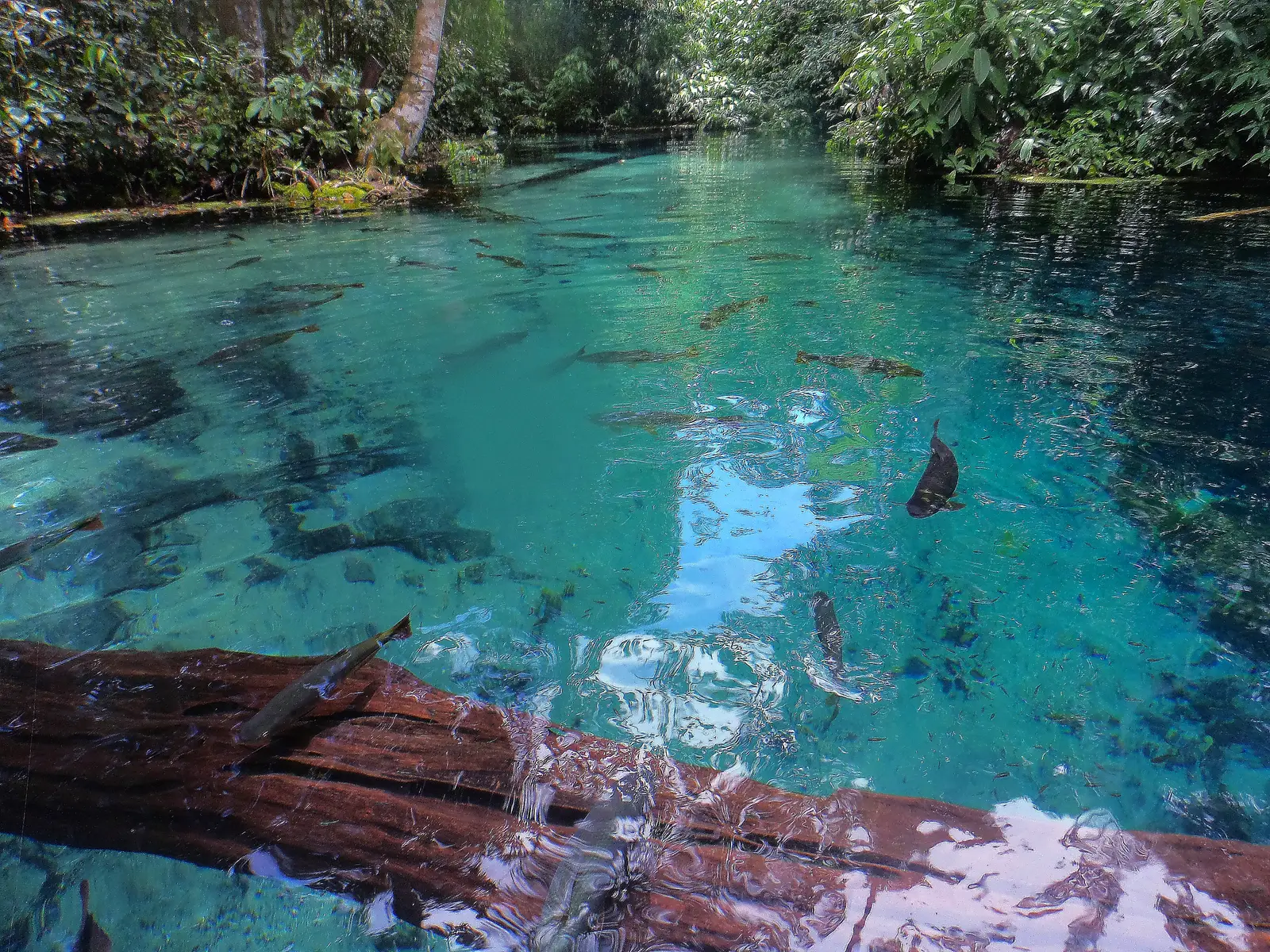
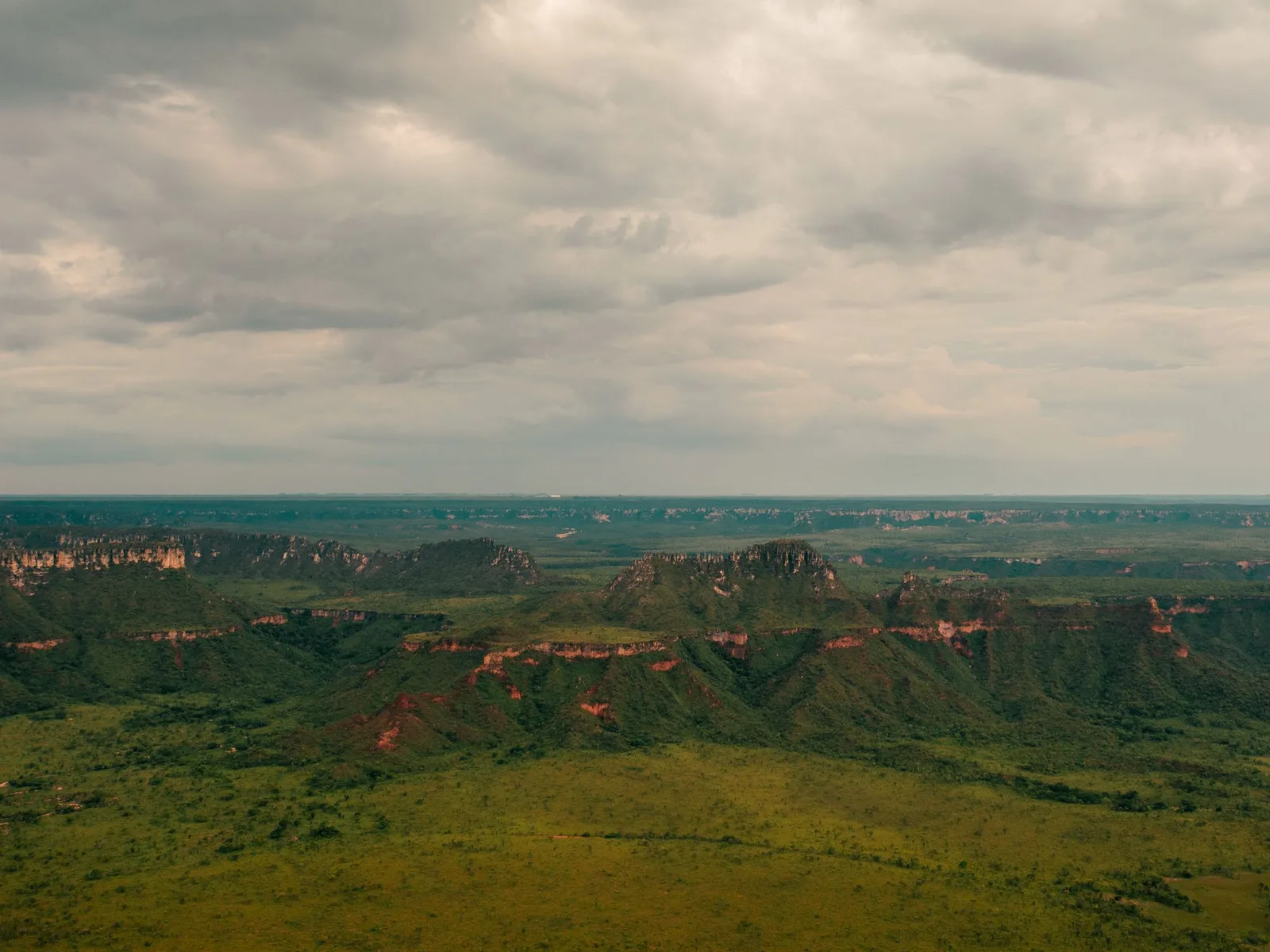
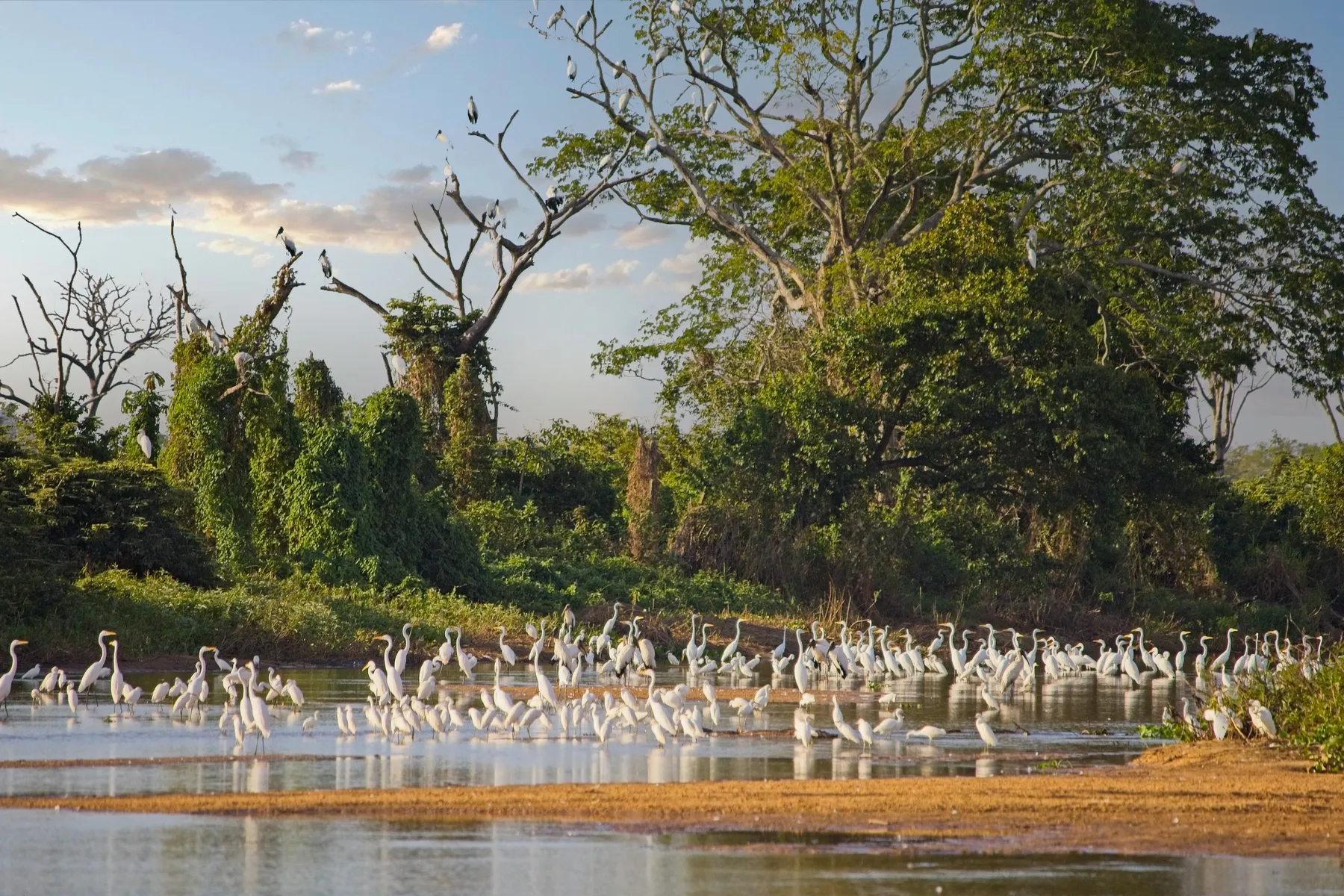

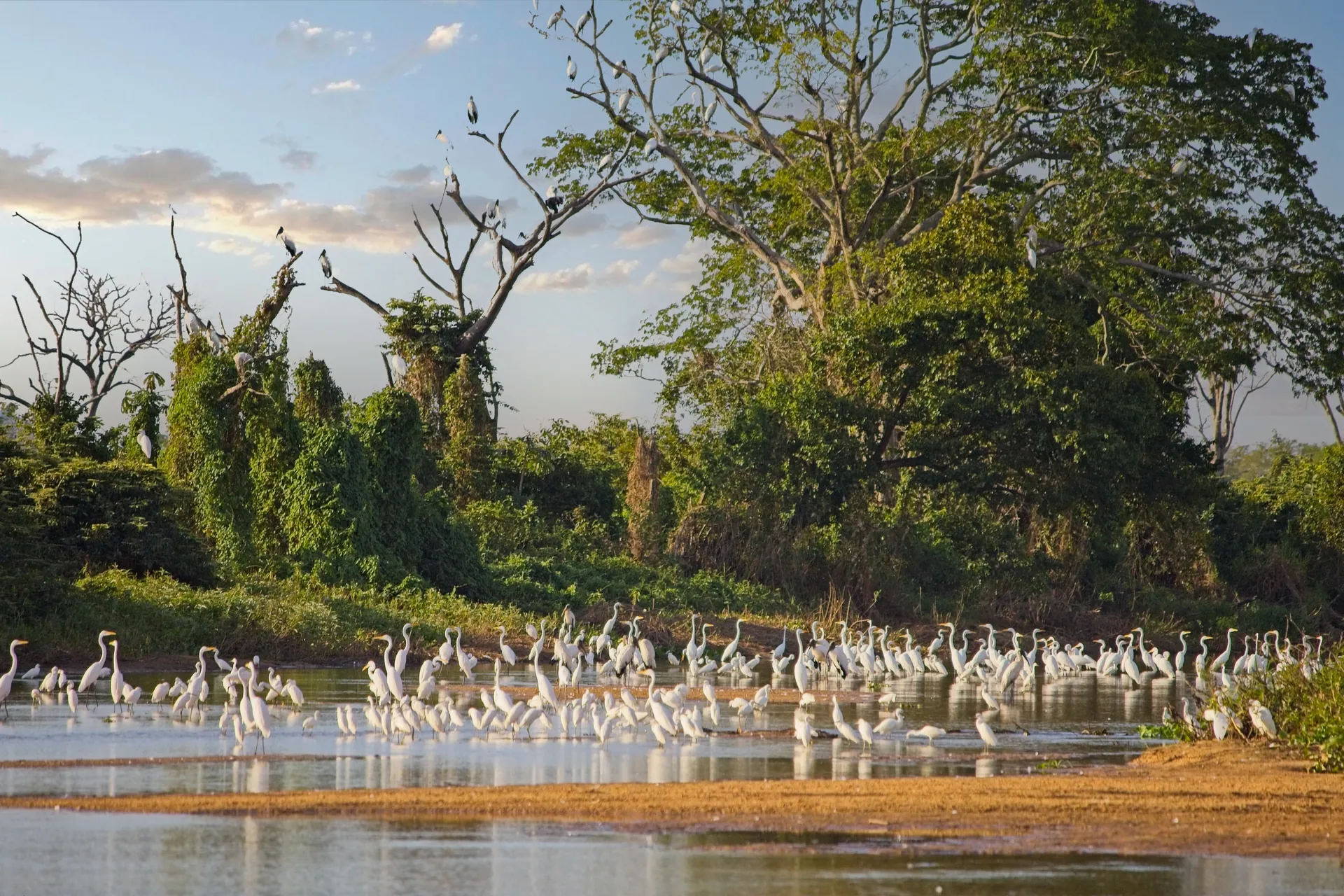
Here's the surprise: the Amazon holds more species, but the Pantanal is where you see them. Rainforest is dense and vertical, and animals disappear into it. The Pantanal is open, seasonally flooded grassland, around 150,000 square kilometers of it, ten times the size of the Everglades. During the dry season, wildlife gathers along shrinking rivers and waterholes in plain view.
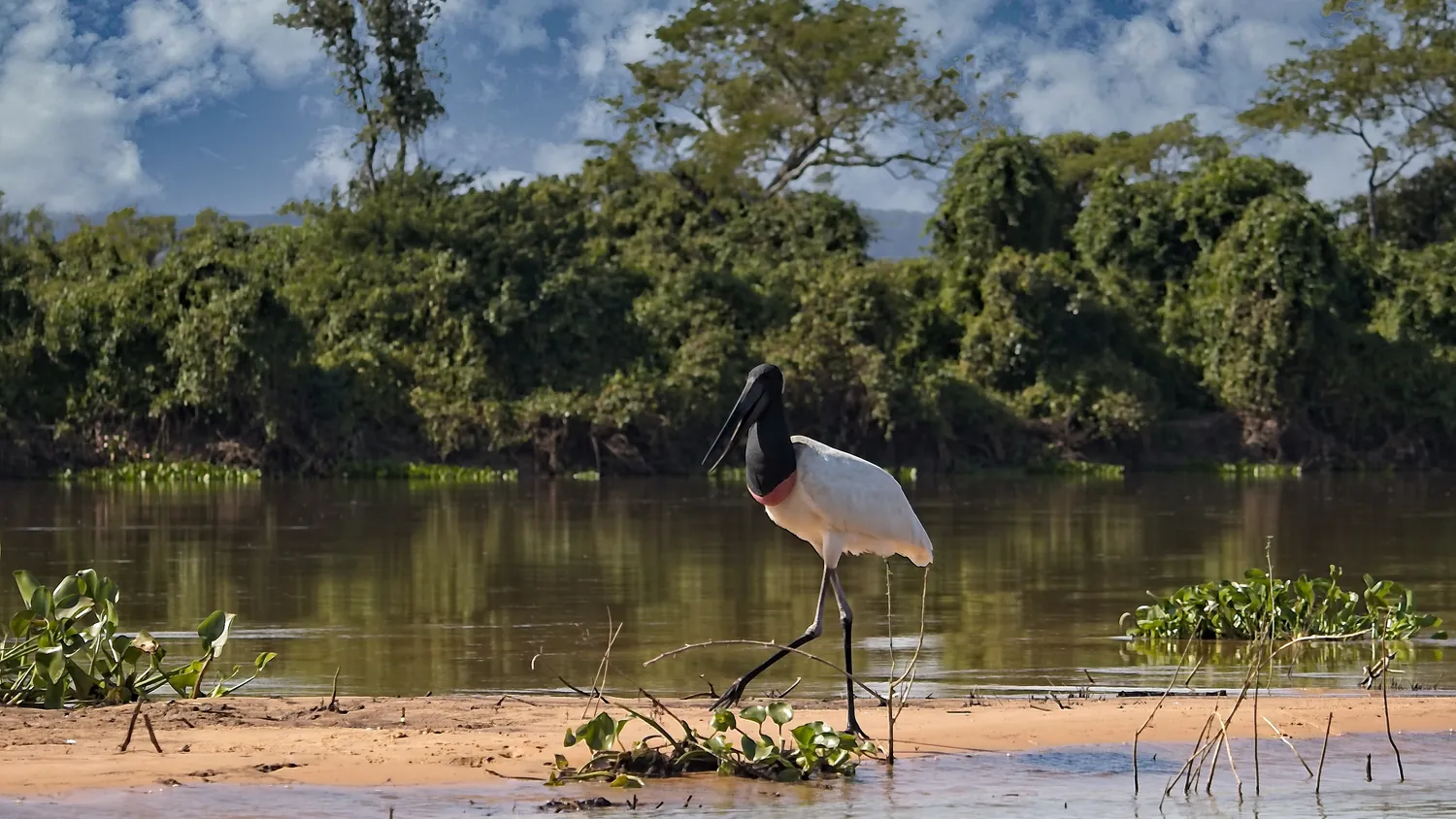
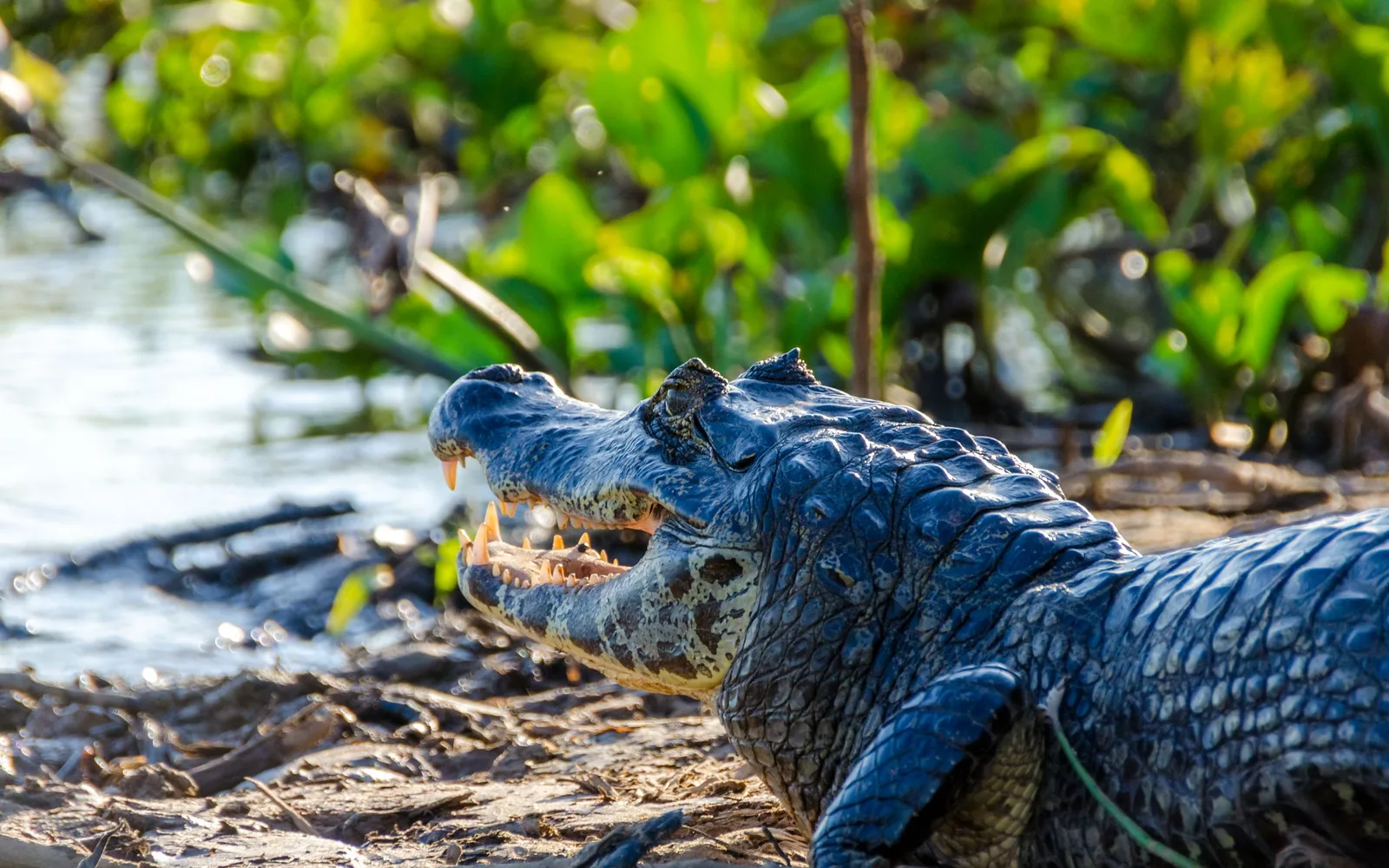
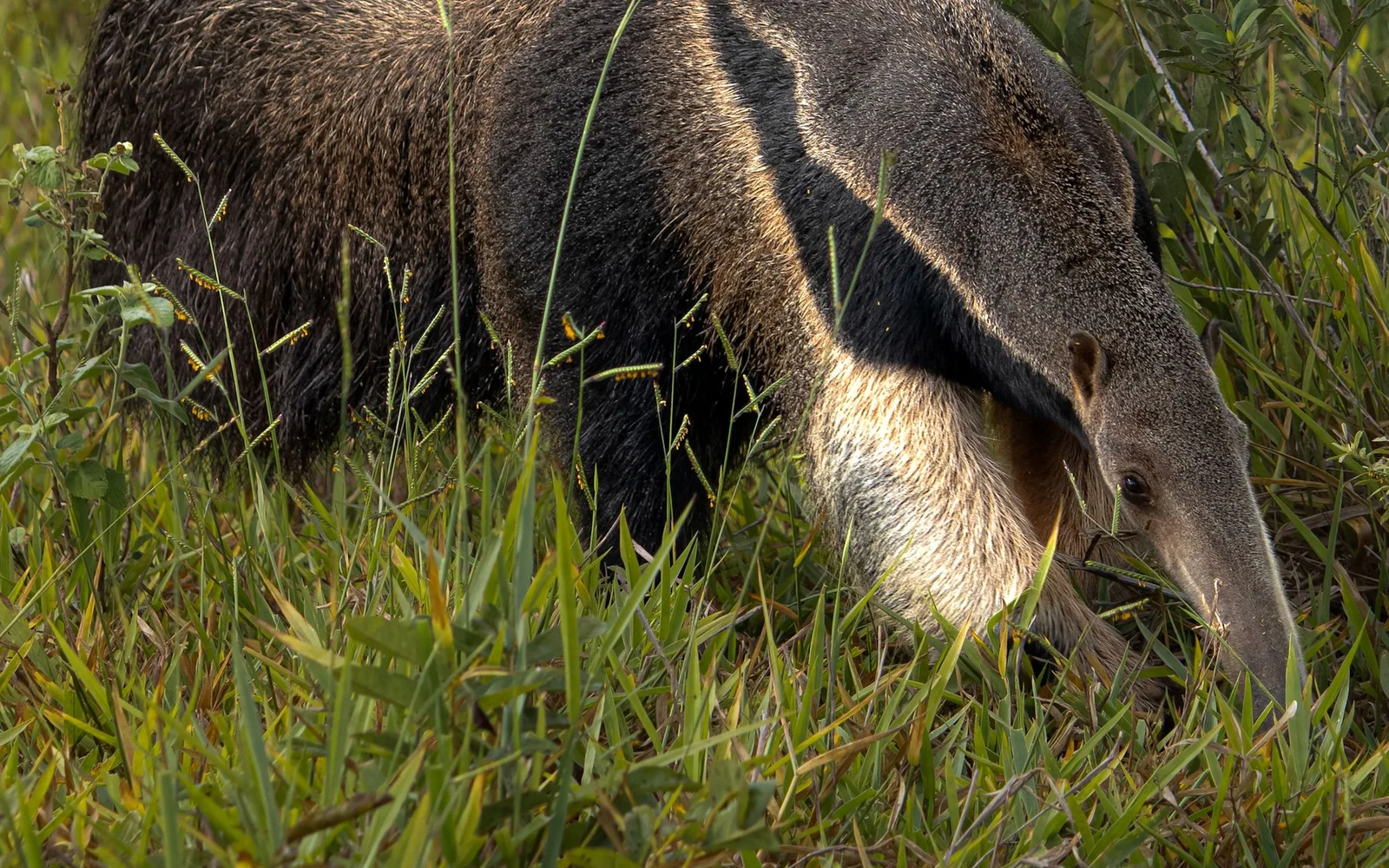
The numbers back this up. Jaguar sightings on the northern Pantanal's rivers between July and October run at better than 90% across a three-day boat safari. No other big-cat destination in the Americas comes close. Alongside jaguars, you'll find giant otters, capybara, tens of thousands of caiman, hyacinth macaws, jabiru storks, tapir, giant anteater and anaconda.
The rest of the region runs quieter and stranger. The cerrado, Brazil's savanna, holds more biodiversity than any other savanna in the world, and the Chapada dos Veadeiros shows its best side: quartz plateaus, canyons and waterfalls at 1,200 meters. Bonito, in the south, has spring-fed rivers so clear you snorkel past shoals of fish. Brasília is a purpose-built modernist capital, laid out in the shape of an airplane and finished in 41 months. It reads as fascinating or alienating depending on the day.
Where to go in the Central-West
-
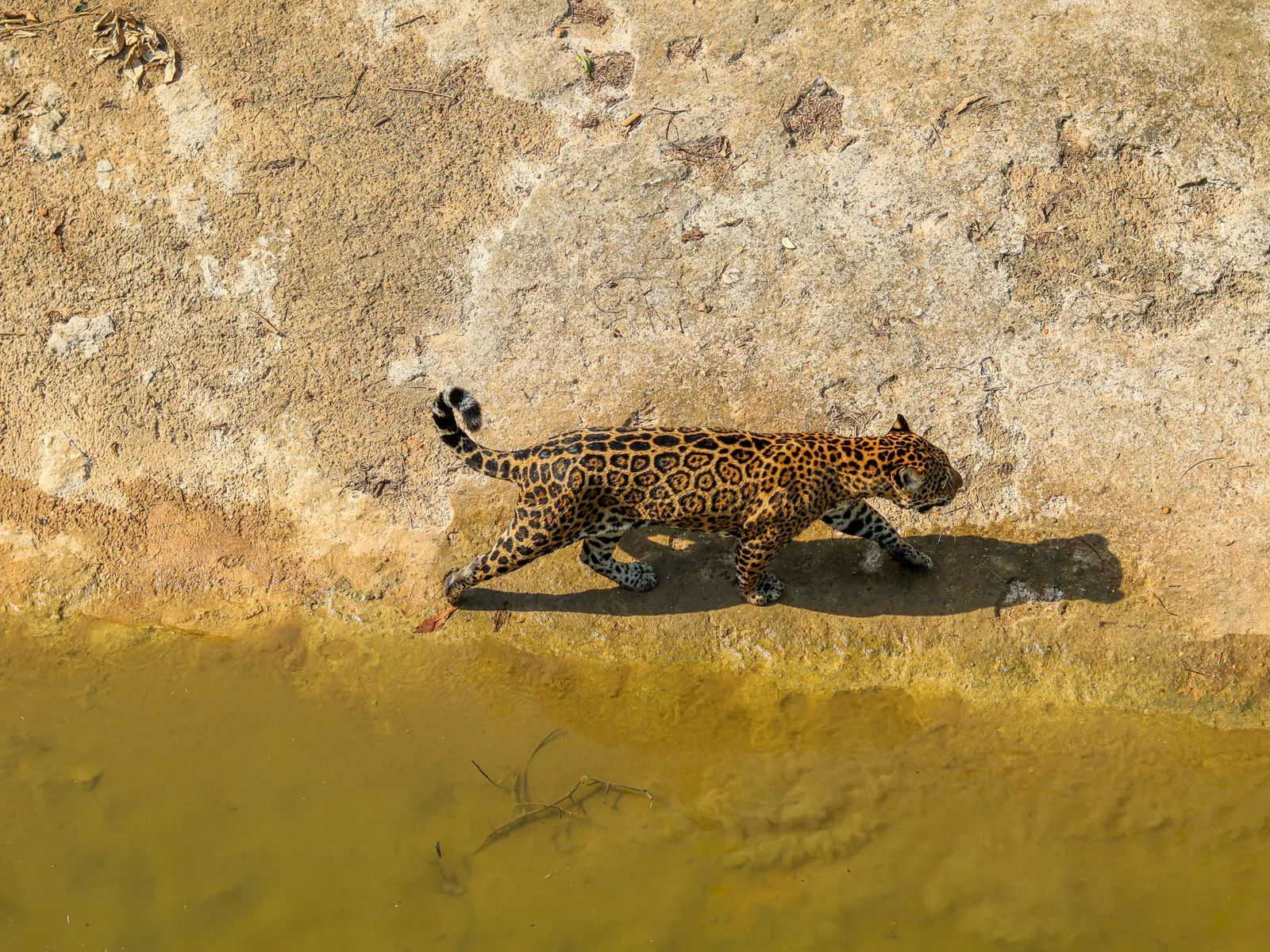
Mato Grosso & Mato Grosso do Sul · 4–6 nights
Page in progressThe Pantanal
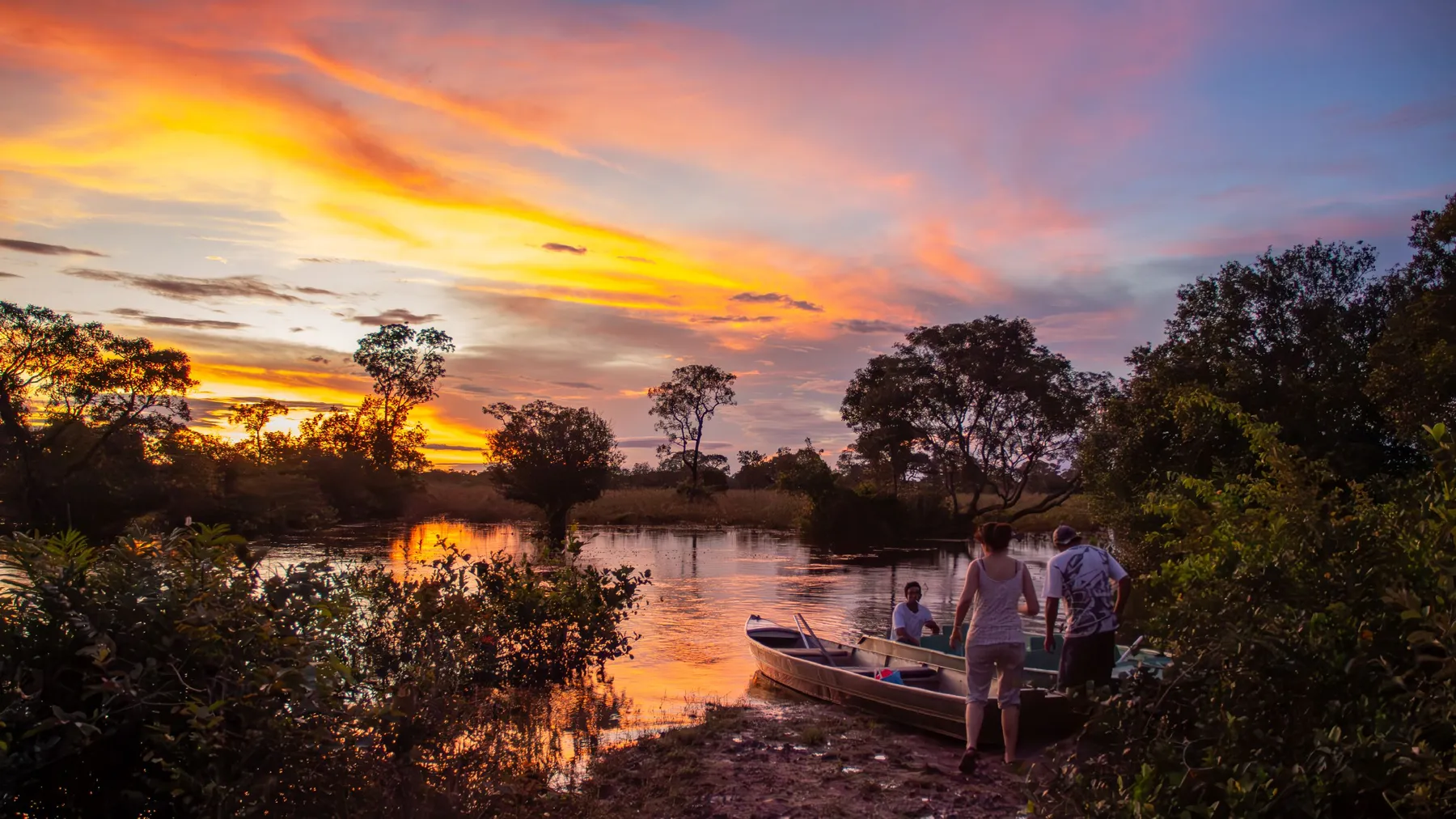
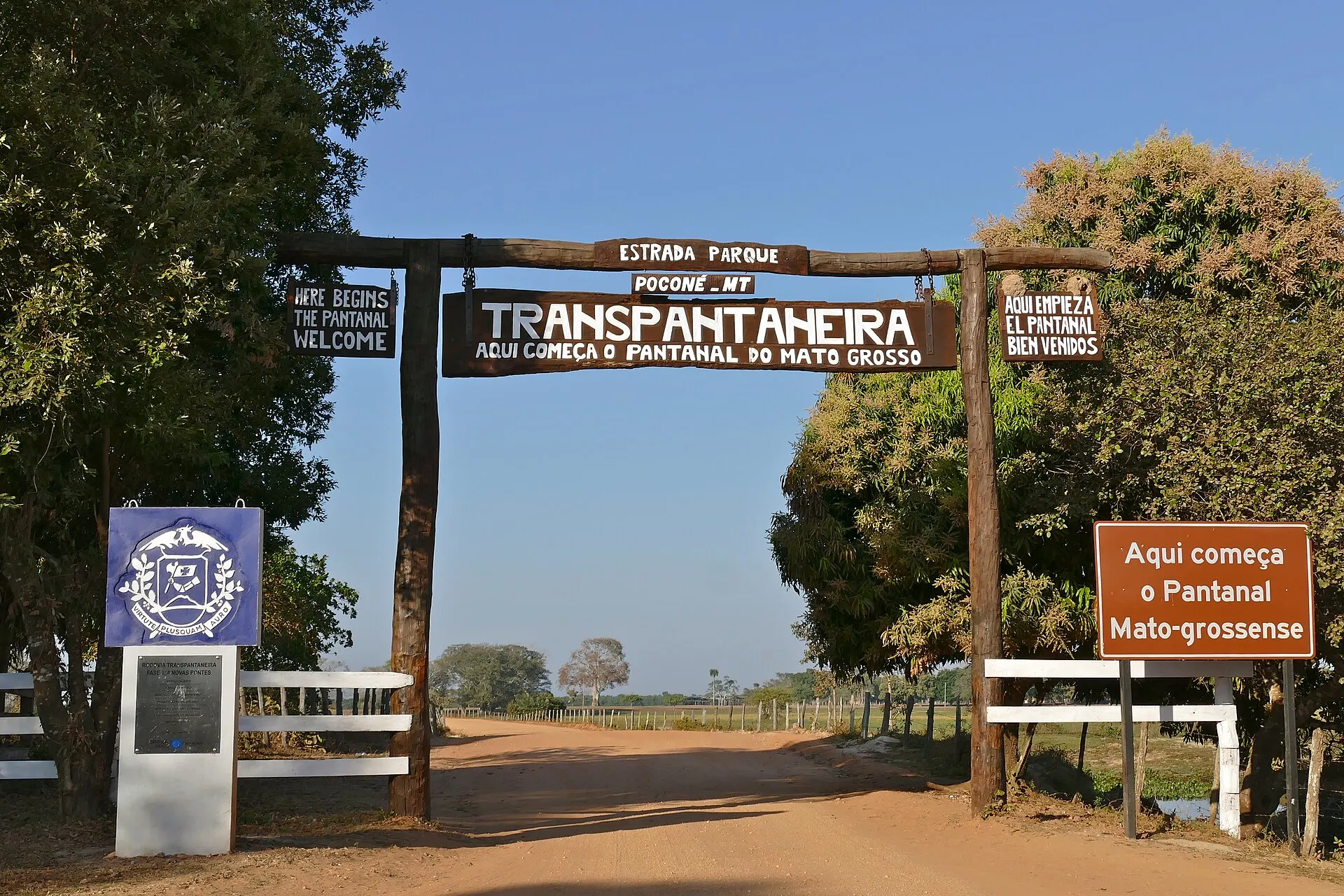
The northern Pantanal is the jaguar half. Reach it via Cuiabá and the Transpantaneira road down to Porto Jofre. You spend days in small boats on the Cuiabá and Três Irmãos rivers, where a network of guides radios sightings to one another. That's why the success rate runs so high. Giant otters, capybara and caiman stay in constant company.
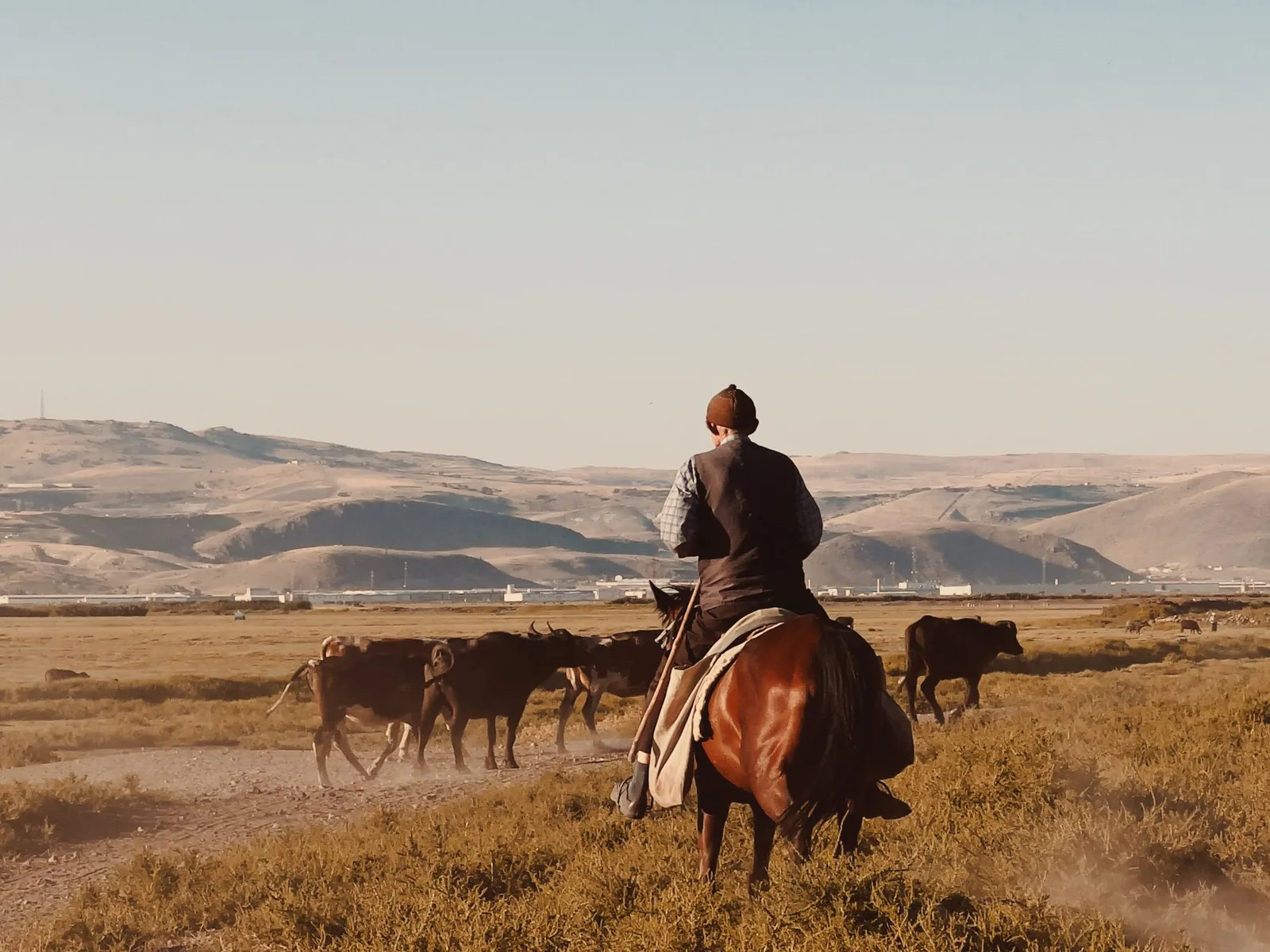
The southern Pantanal, from Campo Grande, runs quieter. It centers on working cattle fazendas, horseback riding, birding and night drives. You'll see fewer jaguars, but get more of a sense of a place where people live and work. Many trips combine one of these with Bonito, three hours away.
- Boat safaris for jaguar from Porto Jofre in the dry season
- Giant otter families, loud and utterly unbothered by boats
- Hyacinth macaws, the largest flying parrot in the world
- The Transpantaneira: 145km of dirt road and 120 wooden bridges
- Night drives, when tapir and ocelot come out
-
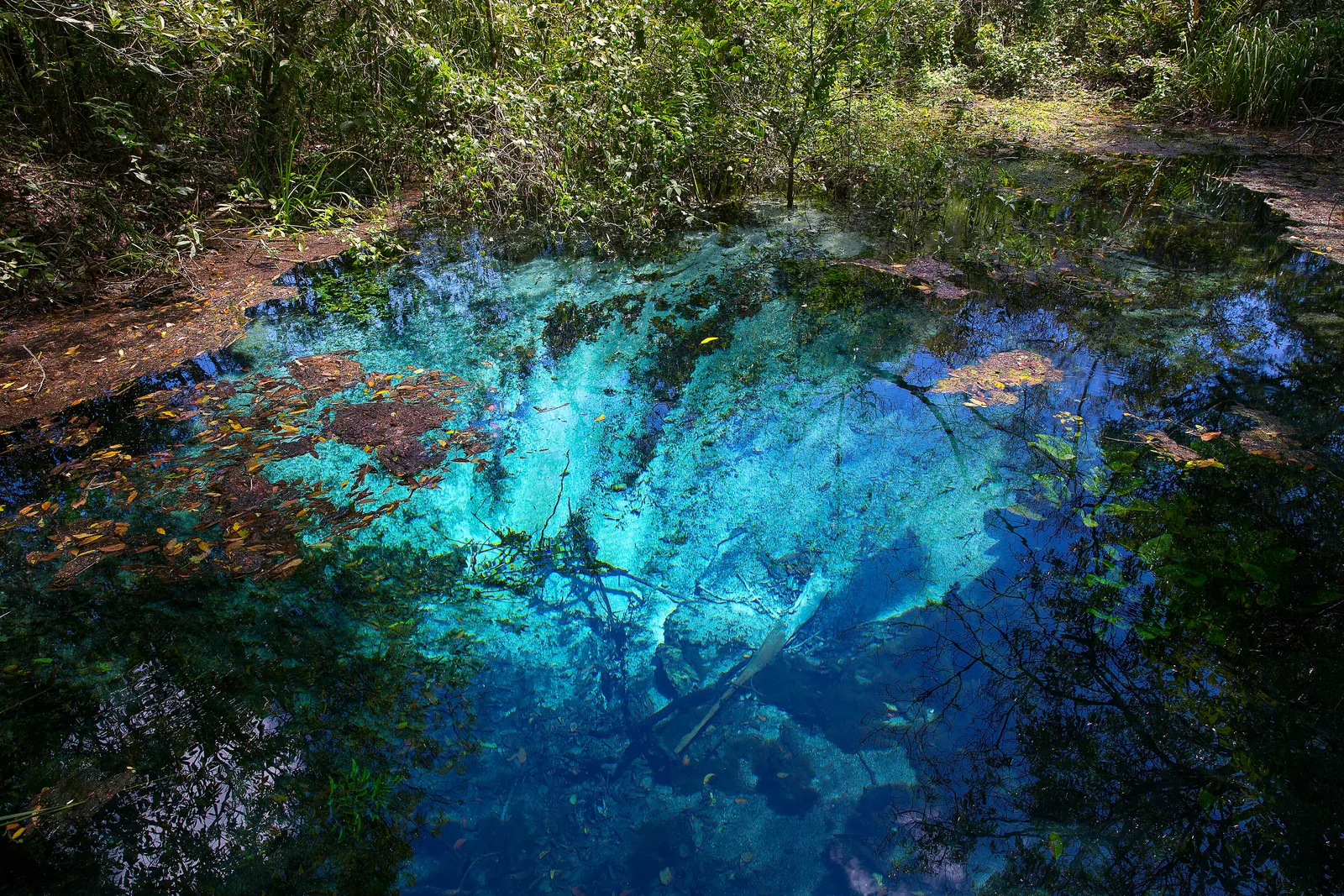
Mato Grosso do Sul · 3–4 nights
Page in progressBonito
Limestone bedrock filters the groundwater here until it emerges from the springs almost completely clear. You float downriver in a mask and snorkel past shoals of dourado and piraputanga, through submerged trees, with visibility of thirty meters or more in fresh water.
Bonito also runs as one of the best-managed ecotourism destinations in Brazil. Every attraction caps daily visitors and requires a guide. That's why it still looks the way it does after thirty years of visitors.
- Snorkeling the Rio da Prata or Rio Sucuri
- Gruta do Lago Azul, a cave with a deep blue underground lake
- Abismo Anhumas, a 72-meter abseil into a flooded cavern
- Waterfall circuits at Estância Mimosa and Boca da Onça
- Easy to pair with the southern Pantanal
-
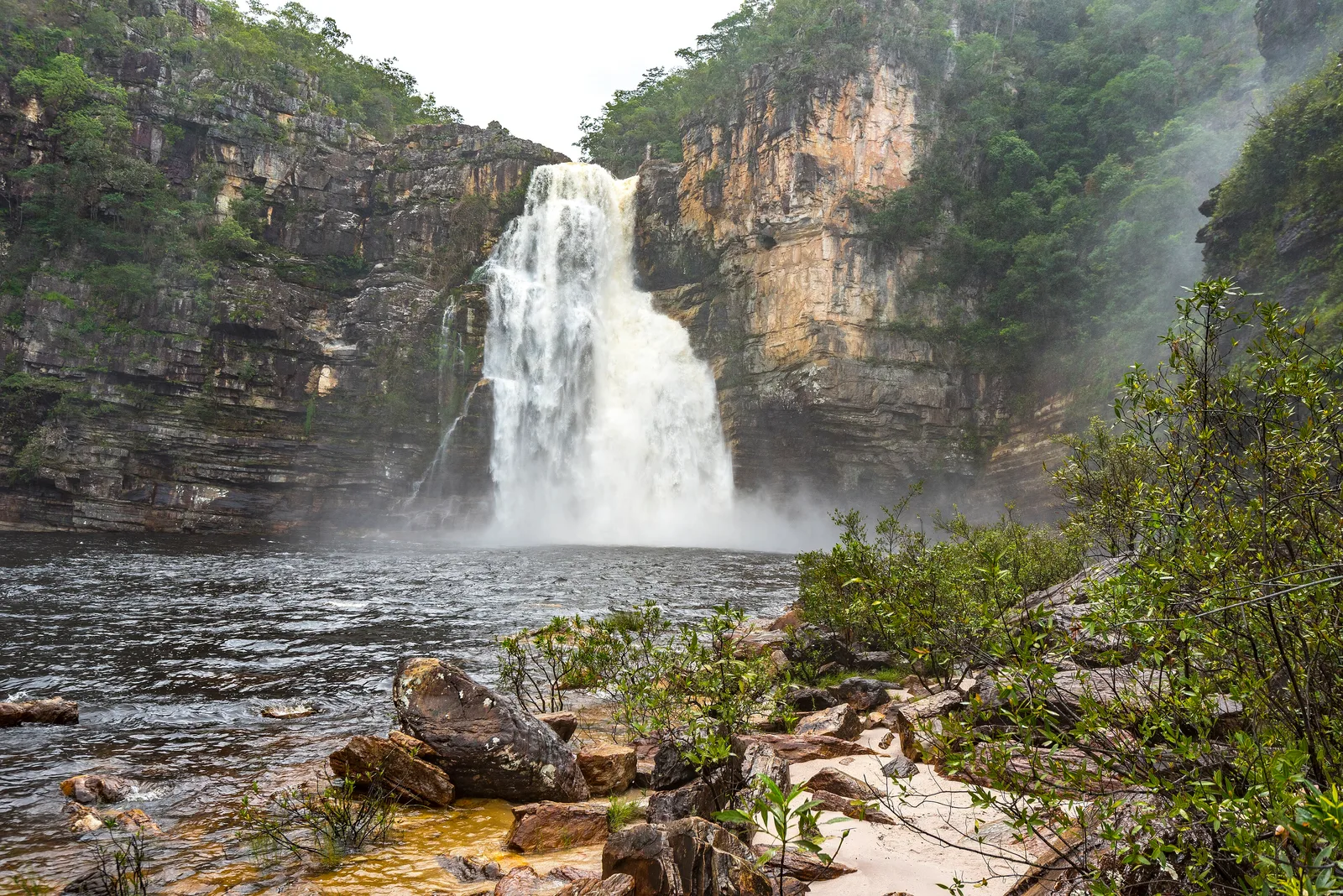
Goiás · 3–4 nights
Page in progressChapada dos Veadeiros
A high quartz plateau three hours north of Brasília, and the best of the cerrado, Brazil's savanna, which covers a fifth of the country and gets almost no visitors. It offers canyons, waterfalls, natural rock waterslides, and some of the darkest night skies in the country.
The base towns, Alto Paraíso and São Jorge, carry a distinctly alternative character. It grew up around the plateau's reputation among Brazilians as a place with unusual energy. Take that as you like. The walking stands out either way.
- Vale da Lua, water-carved rock formations in the riverbed
- The Salto do Rio Preto falls, 80 and 120 meters
- Cataratas dos Couros and its chain of pools
- Cerrado flora, the most biodiverse savanna on earth
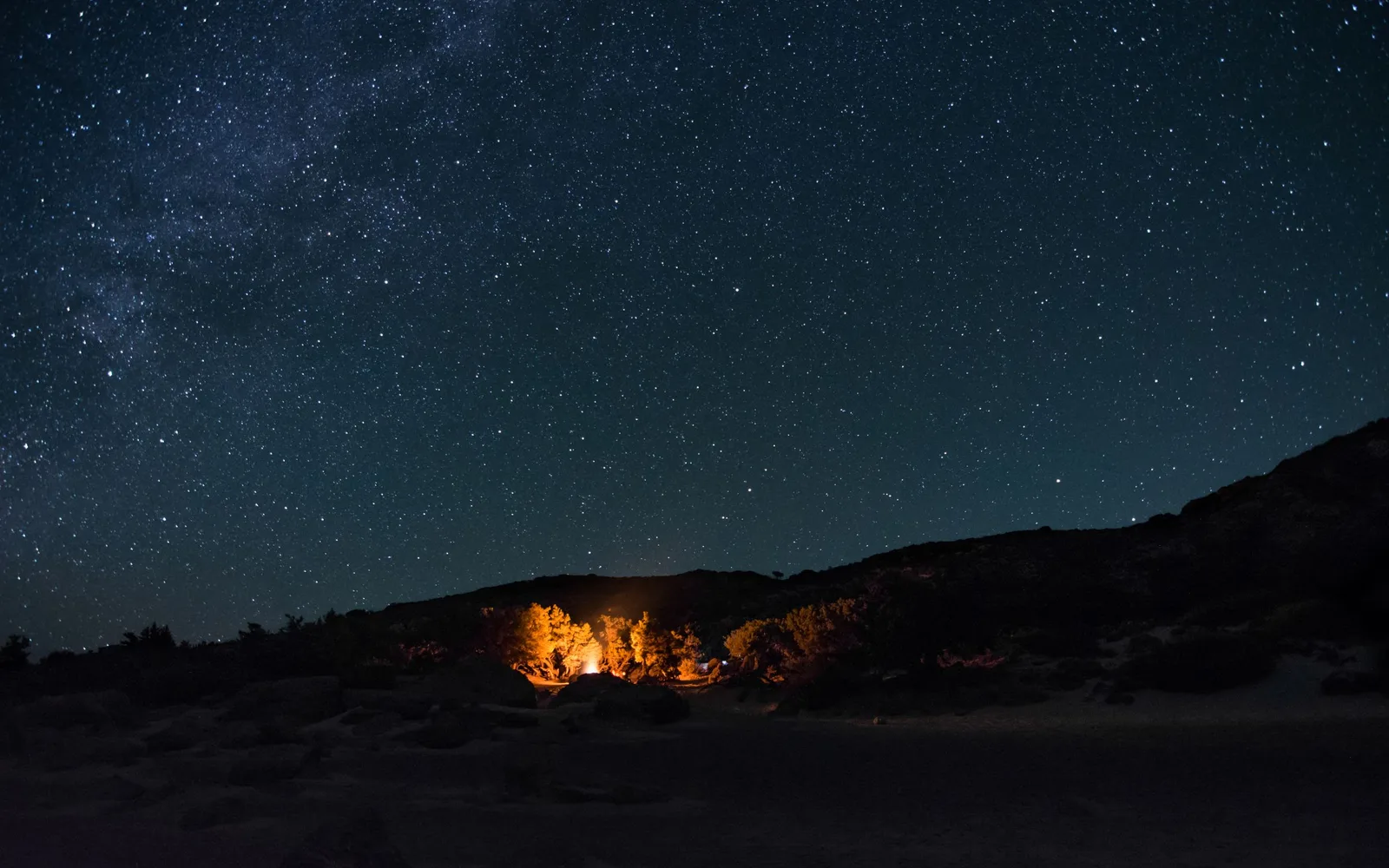
- Night skies with almost no light pollution
-
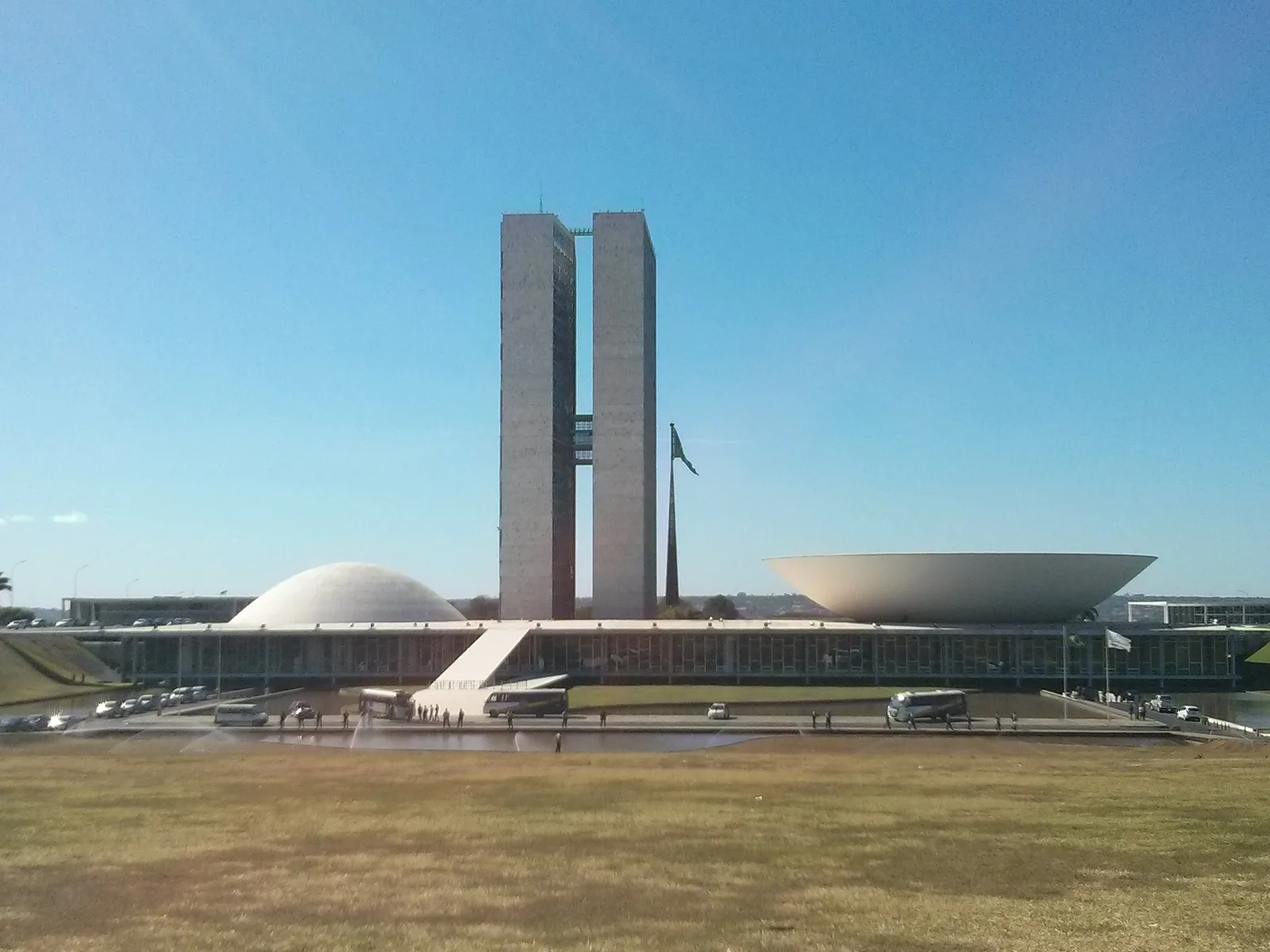
Distrito Federal · 1–2 nights
Page in progressBrasília
Built from nothing on empty savanna between 1956 and 1960. Lúcio Costa laid it out in the shape of an airplane, and Oscar Niemeyer filled it with buildings. It stands as the only 20th-century city on the UNESCO World Heritage list, and it feels strange to walk around. The design suits cars and the view from the air, not pedestrians.
One full day covers the monumental axis. It works best as a stopover on the way to the Chapada dos Veadeiros rather than a destination on its own, unless architecture is the reason you travel.
- The Cathedral of Brasília, entered by descending a dark ramp into the light
- Congresso Nacional, Palácio da Alvorada and Itamaraty
- The Juscelino Kubitschek memorial
- Niemeyer's whole vocabulary in one place
- A natural stop en route to Chapada dos Veadeiros
More of the Central-West
When to go to the Central-West
The Central-West runs on the Pantanal's flood cycle. From November to March the wetland fills, turning green and loud with birds but scattering the mammals across thousands of square kilometers. From May the water drops and the animals concentrate along the remaining rivers, which is when jaguars become findable rather than theoretical.
- Best — Go now if you can
- Good — A solid choice
- Trade-offs — Fine, with a catch
- Jan
Peak flood and peak heat. Superb for birds, hard for mammals, and some lodge roads become impassable.
- Feb
Still flooded and very hot. Bonito's rivers run clear once the rains settle between storms.
- Mar
Rain easing, water still high. The Chapada dos Veadeiros waterfalls are at full force.
- Apr
The water starts dropping and the roads firm up. Green, quiet and far cheaper than the peak.
- May
Dry season begins. Comfortable temperatures and wildlife starting to concentrate.
- Jun
Clear skies, cool nights and good sightings - the shoulder month before prices rise.
- Jul
Jaguar season opens properly. Cool mornings, dry days, and animals pinned to the riverbanks.
- Aug
The best month of the year. Clear skies, almost no rain, and the highest jaguar sighting rates.
- Sep
Peak sightings continue and the heat builds. Also fire season in bad years - worth checking conditions before you book.
- Oct
Excellent wildlife right up to the first storms. Hot, and the light is superb.
- Nov
The rains return and the wetland begins filling. Mammals disperse; the birdlife takes over.
- Dec
Hot, wet and green. Bonito is at its best for waterfalls, the Pantanal at its hardest for big cats.
Dates worth planning around
-
Jaguar season
July to October
Sightings along the Cuiabá and Três Irmãos rivers in the northern Pantanal, peaking in August and September. Multi-day trips give you far better odds than a single outing.
-
Bonito river visibility
Best April to September
Rain stirs up sediment. The dry months give the clearest snorkelling in the Rio da Prata and Rio Sucuri.
-
Chapada dos Veadeiros waterfalls
Fullest January to April
Spectacular flow, but some trails close after heavy rain - check with the park before committing to a date.
Getting around the Central-West
Two airports serve the Pantanal from opposite ends, and which one you fly into shapes the entire trip. Everything after that is a long, slow drive on dirt.
Where to fly into
-
Cuiabá (CGB)
For the northern Pantanal and the Transpantaneira. This is the side you fly to if jaguars are the point.
-
Campo Grande (CGR)
For the southern Pantanal, and for Bonito four hours further on.
-
Brasília (BSB)
The connecting hub for the region, and the way into Chapada dos Veadeiros.
Between the places on this list
- 6-7h
Cuiabá to Porto Jofre
The Transpantaneira: 145km of dirt and roughly 120 wooden bridges. Slow, rough, and the single best wildlife drive in Brazil - you will stop constantly.
- 4h
Campo Grande to Bonito
Paved and straightforward. Buses run daily, but a car makes the scattered attractions far easier.
- 4h
Brasília to Alto Paraíso
Paved the whole way into Chapada dos Veadeiros. Do it in daylight.
- 1h15
Cuiabá to Chapada dos Guimarães
An easy half-day out of the city if you have a spare morning before flying.
- 1h
Campo Grande to Cuiabá
Or eleven hours by road. Fly.
Once you are there
-
In the Pantanal
You do not move around independently. Lodges run the boat trips and the open-vehicle safaris, and that is how anything gets seen - a guide who knows which bend the cats use is most of the value.
-
Bonito
Every attraction is a private property on a timed booking made through a local agency. Nothing is walk-up, and the best slots go days ahead - plan before you arrive.
Should you rent a car?
Yes for the Transpantaneira and Bonito. Otherwise skip it.
Take high clearance for the Transpantaneira and an ordinary car for Bonito and Veadeiros. Most jaguar-focused trips include all transfers, in which case a rental just sits at the lodge. Whatever you drive, fill the tank whenever you pass a station - they are a very long way apart.
If wildlife is the reason you're coming to Brazil, make the Pantanal the fixed point in your itinerary and plan everything else around it. Its season is narrow enough to build the whole trip around.
Start planningParaná · Santa Catarina · Rio Grande do Sul
South Iguaçu, islands and a cooler Brazil
Brazil's smallest region, and its least Brazilian-feeling. It's cooler, greener, and shaped by German, Italian, Polish and Ukrainian immigration. It's also home to the one waterfall that reliably outdoes everyone's expectations.
- How long to stay
- Two nights for Iguaçu, four or five for Florianópolis, three for the Serra Gaúcha.
- Good for
- Iguaçu Falls, beaches without tropical heat, wine and food, whale watching, and travelers who want an easy, well-organized part of Brazil.
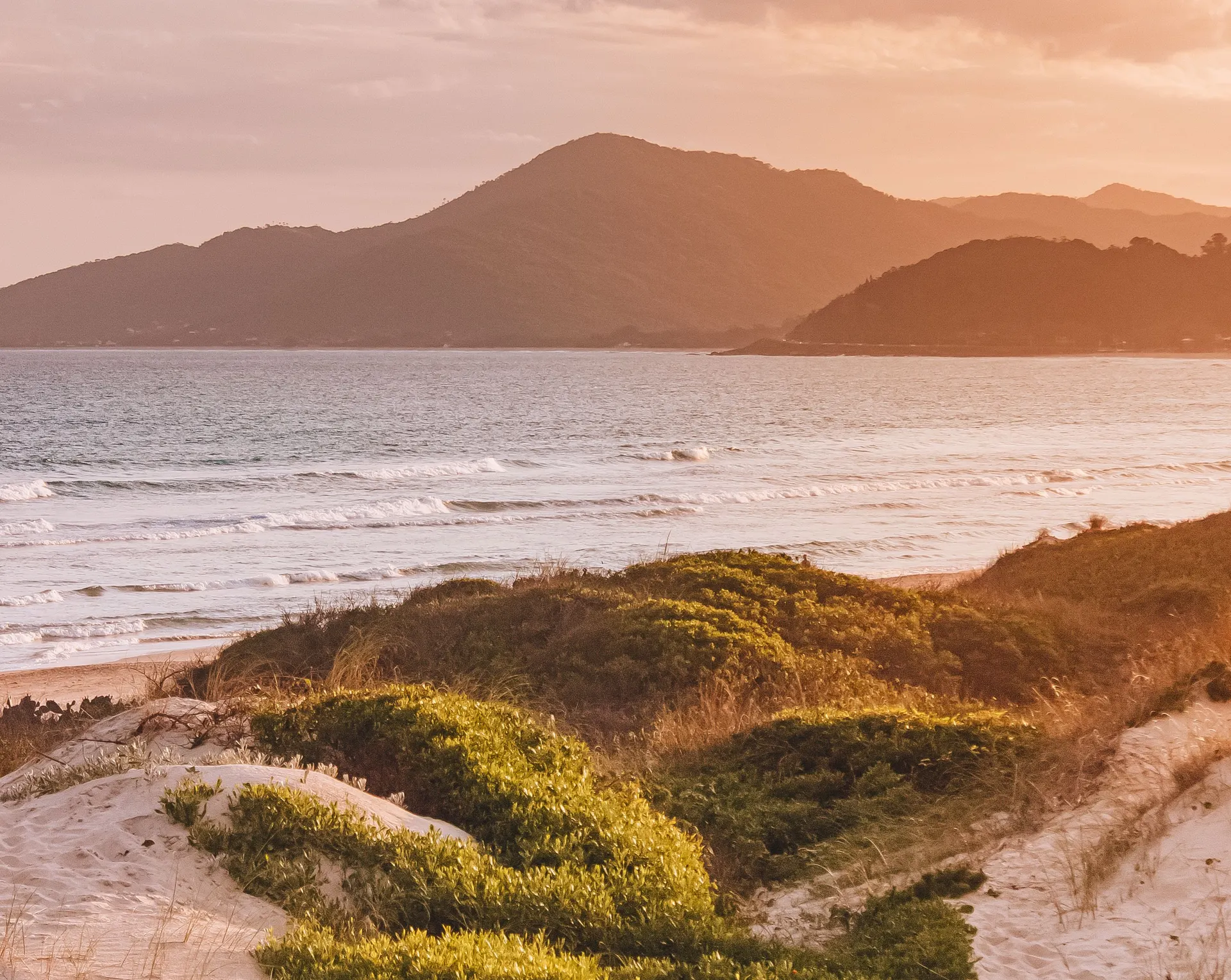
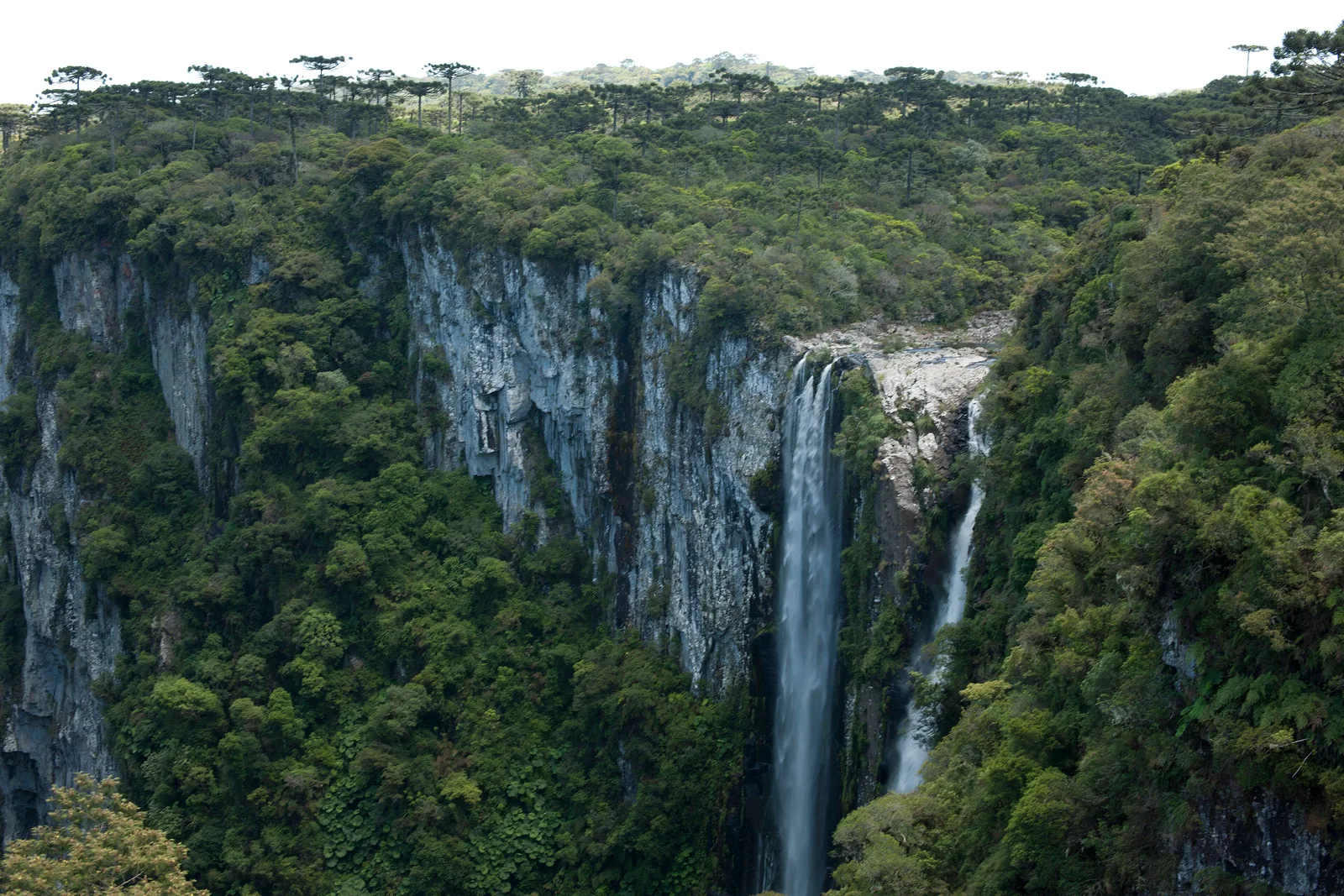

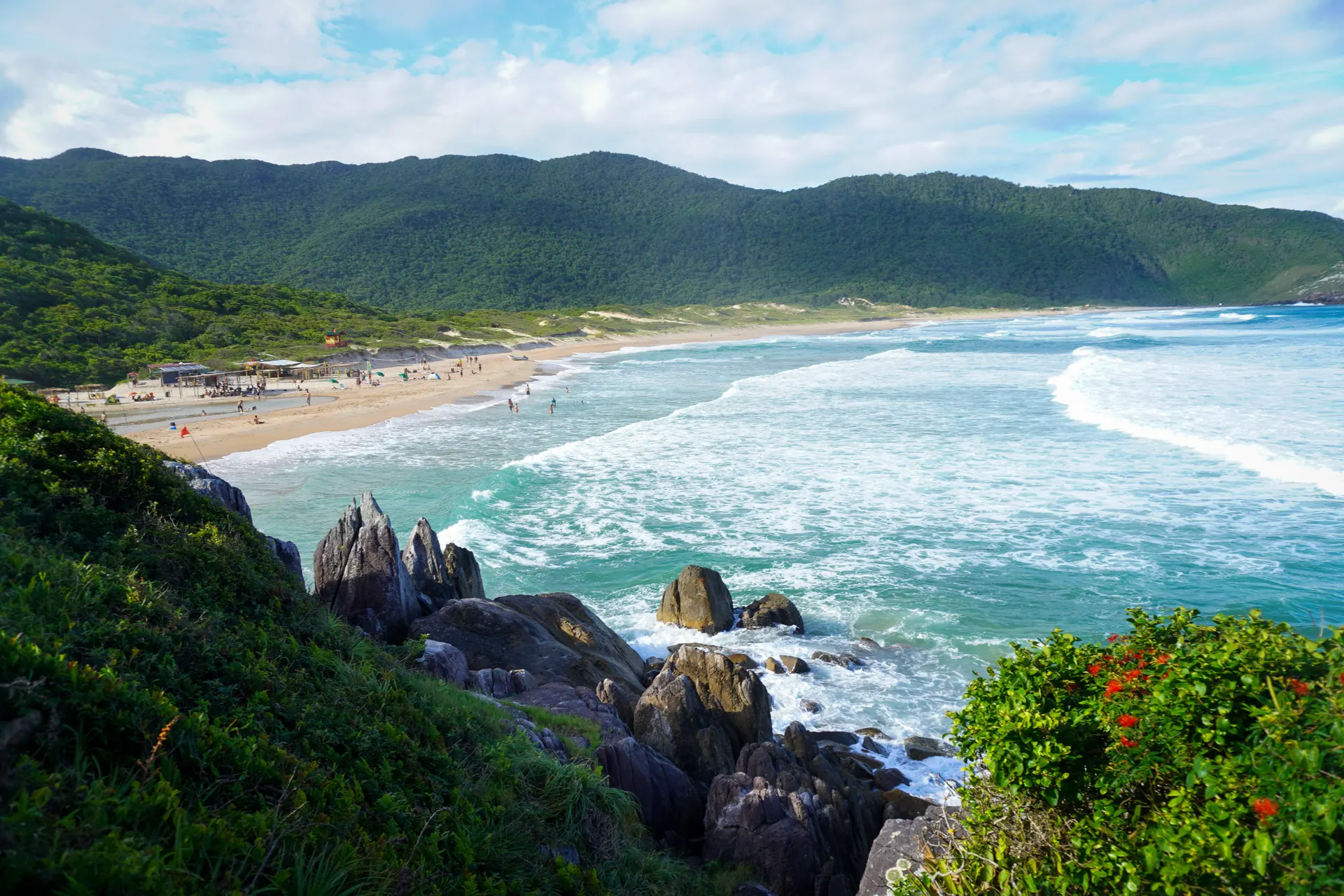
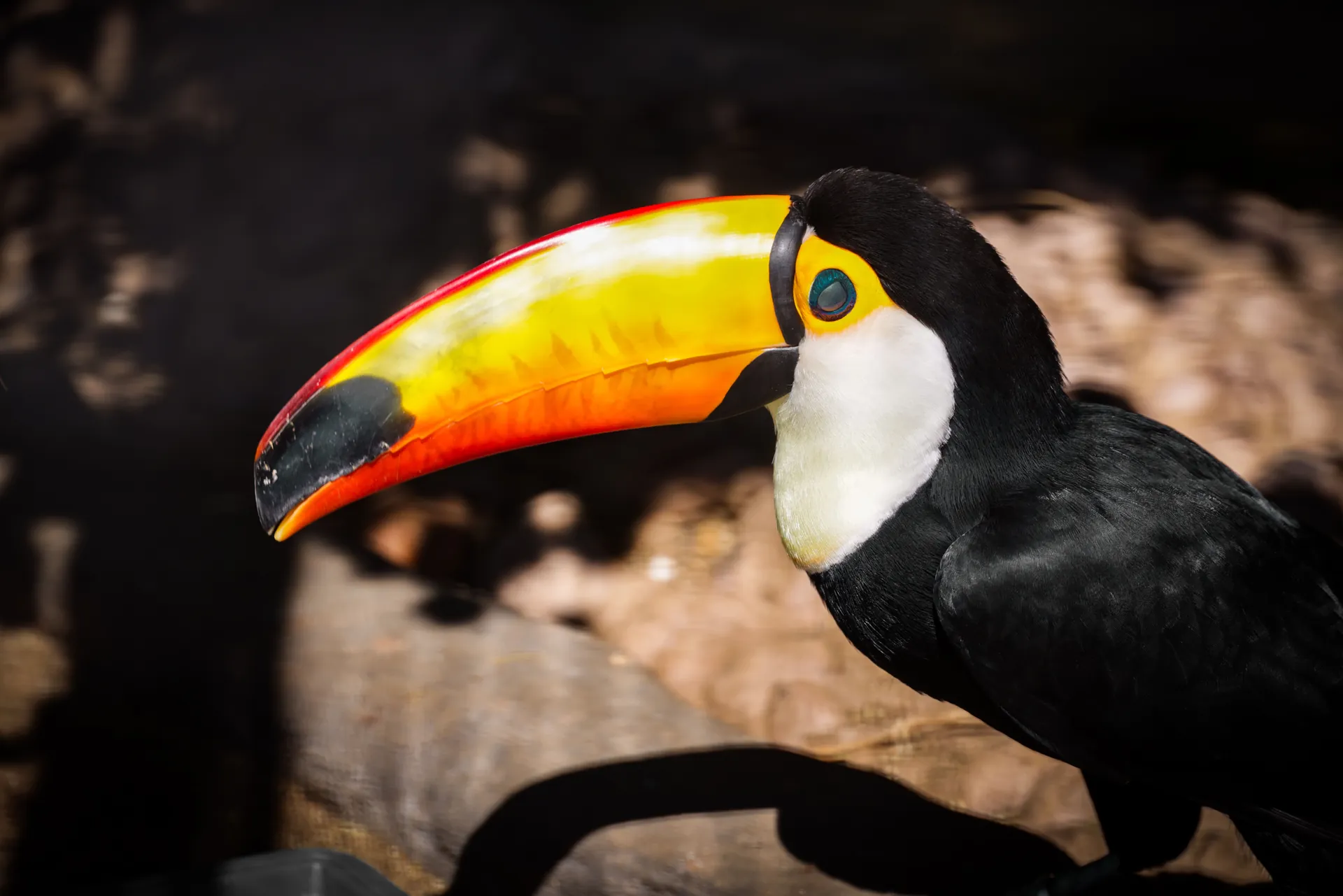
The South sits below the Tropic of Capricorn, and that changes everything. It has four real seasons, it snows most winters in the highlands, and the architecture and food in towns like Blumenau, Gramado and Bento Gonçalves come straight from 19th-century European settlement. It's also the wealthiest and most developed part of the country, with the best roads and the highest quality of life indicators.
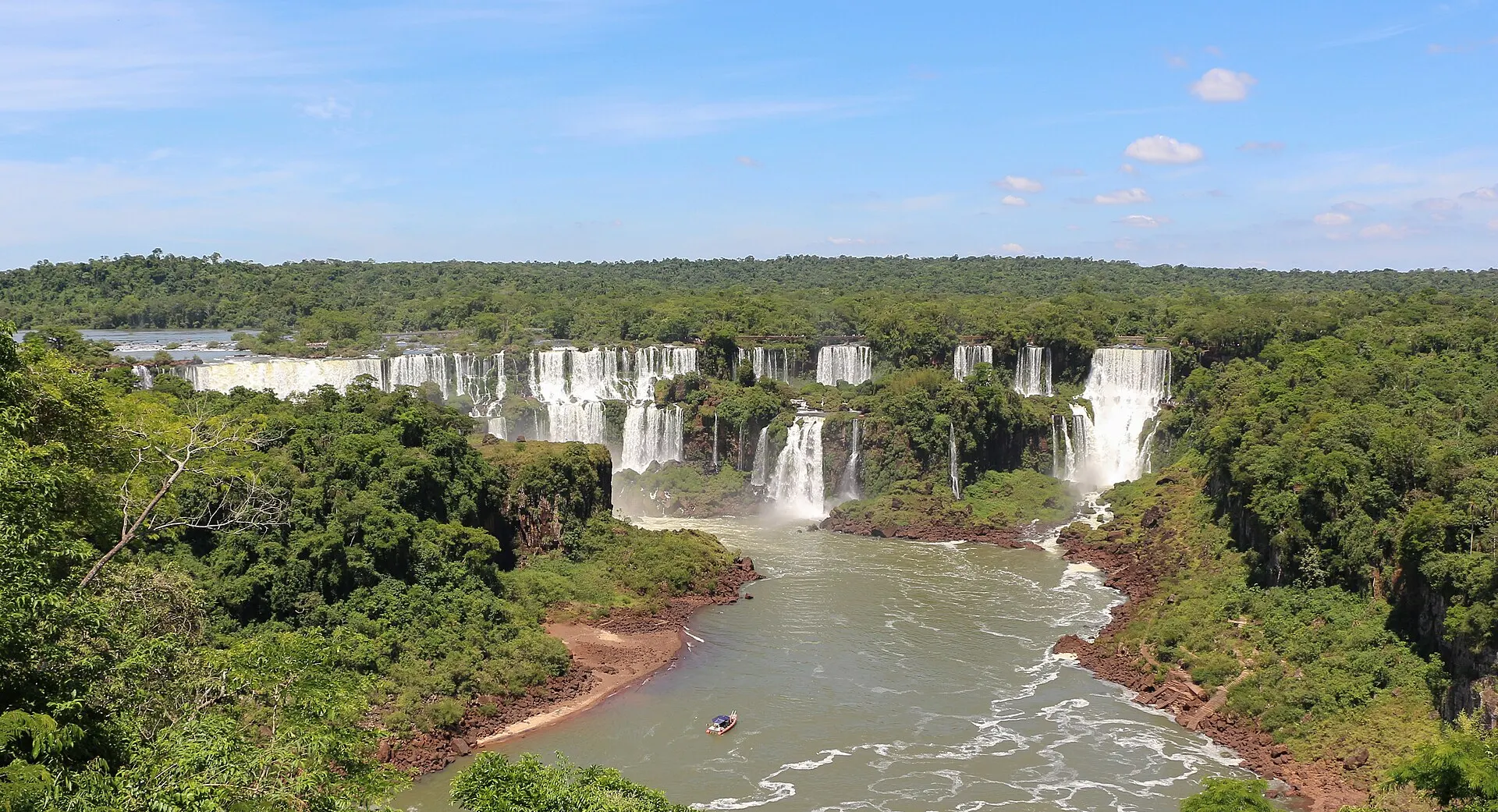
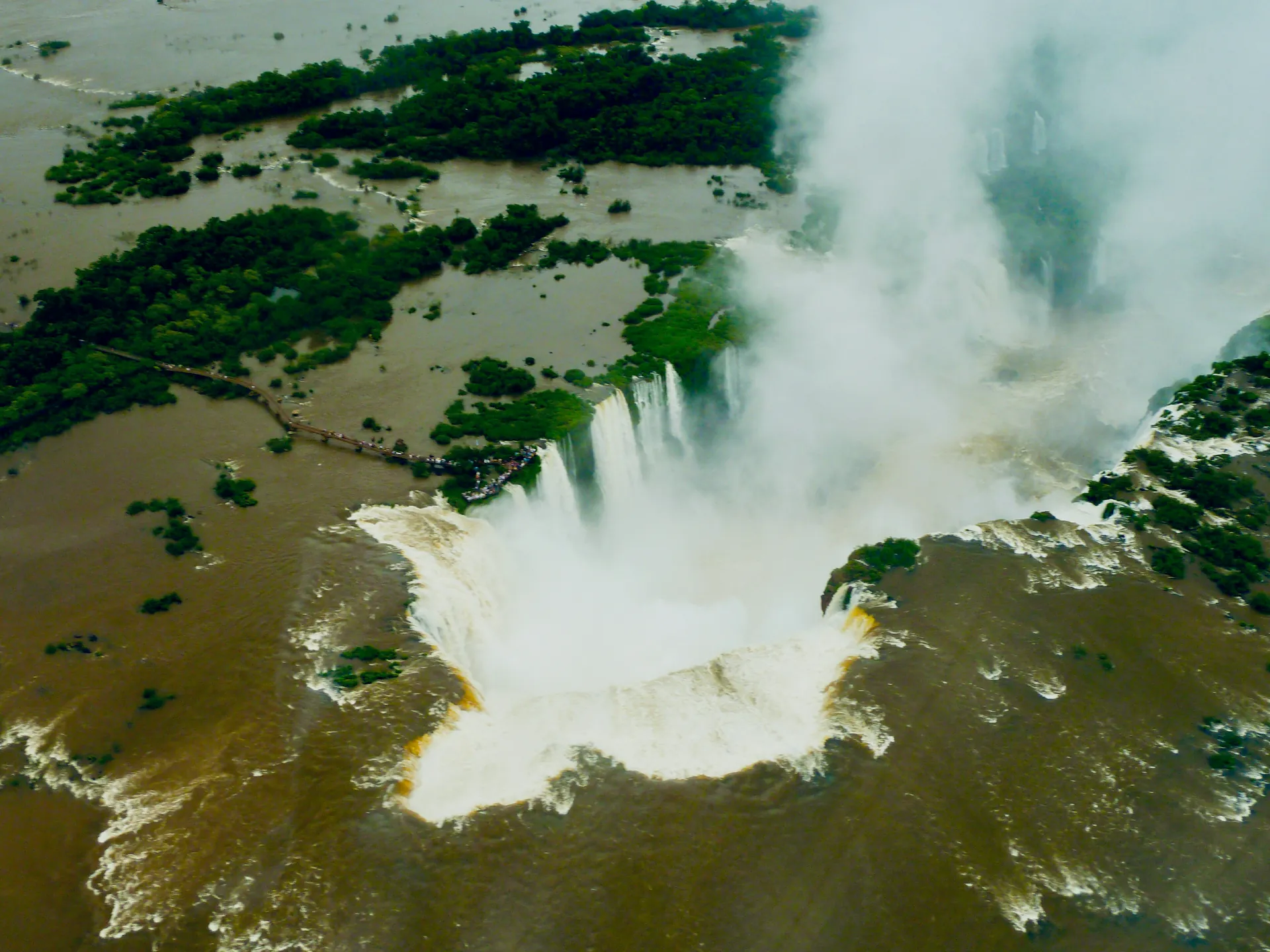
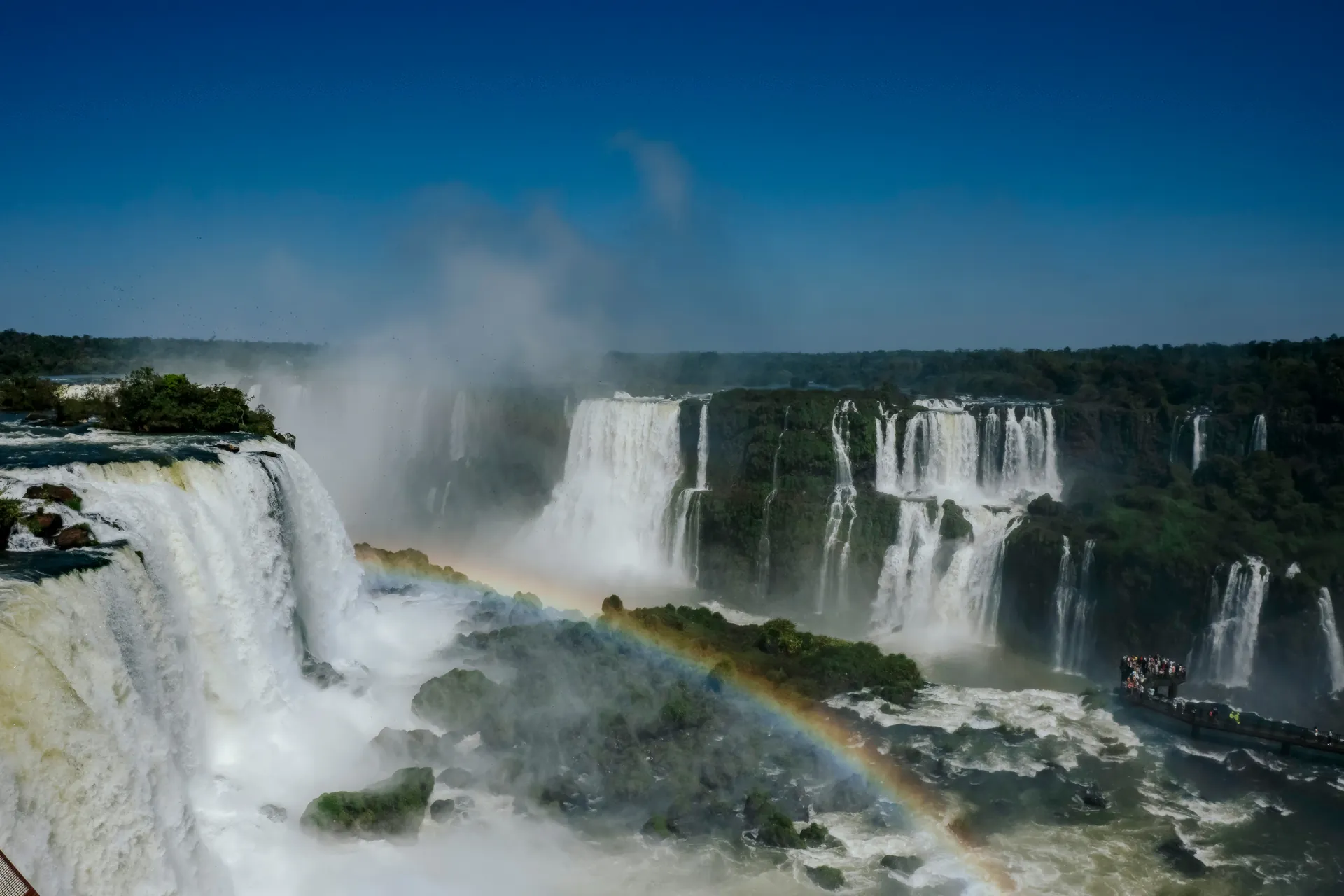
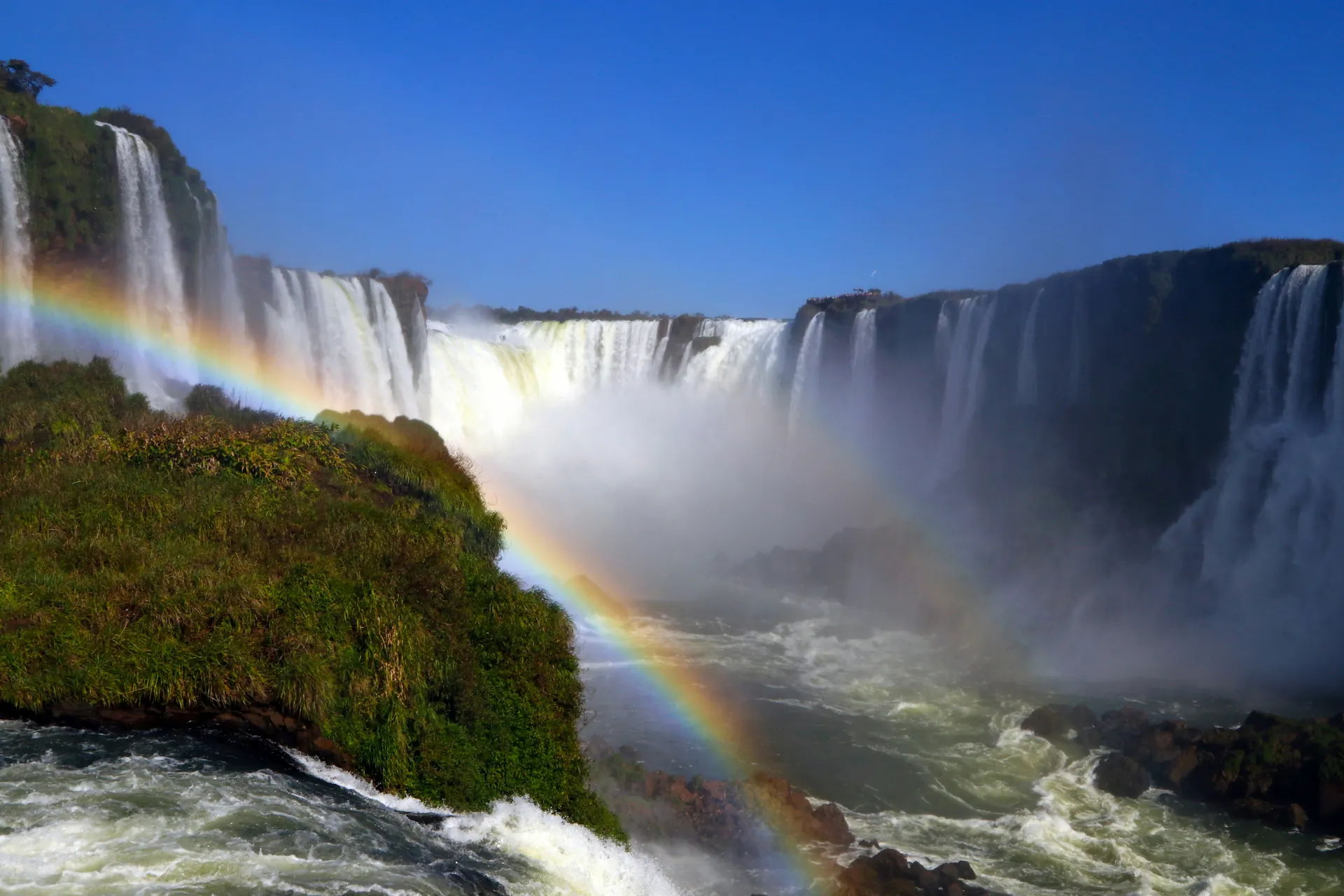
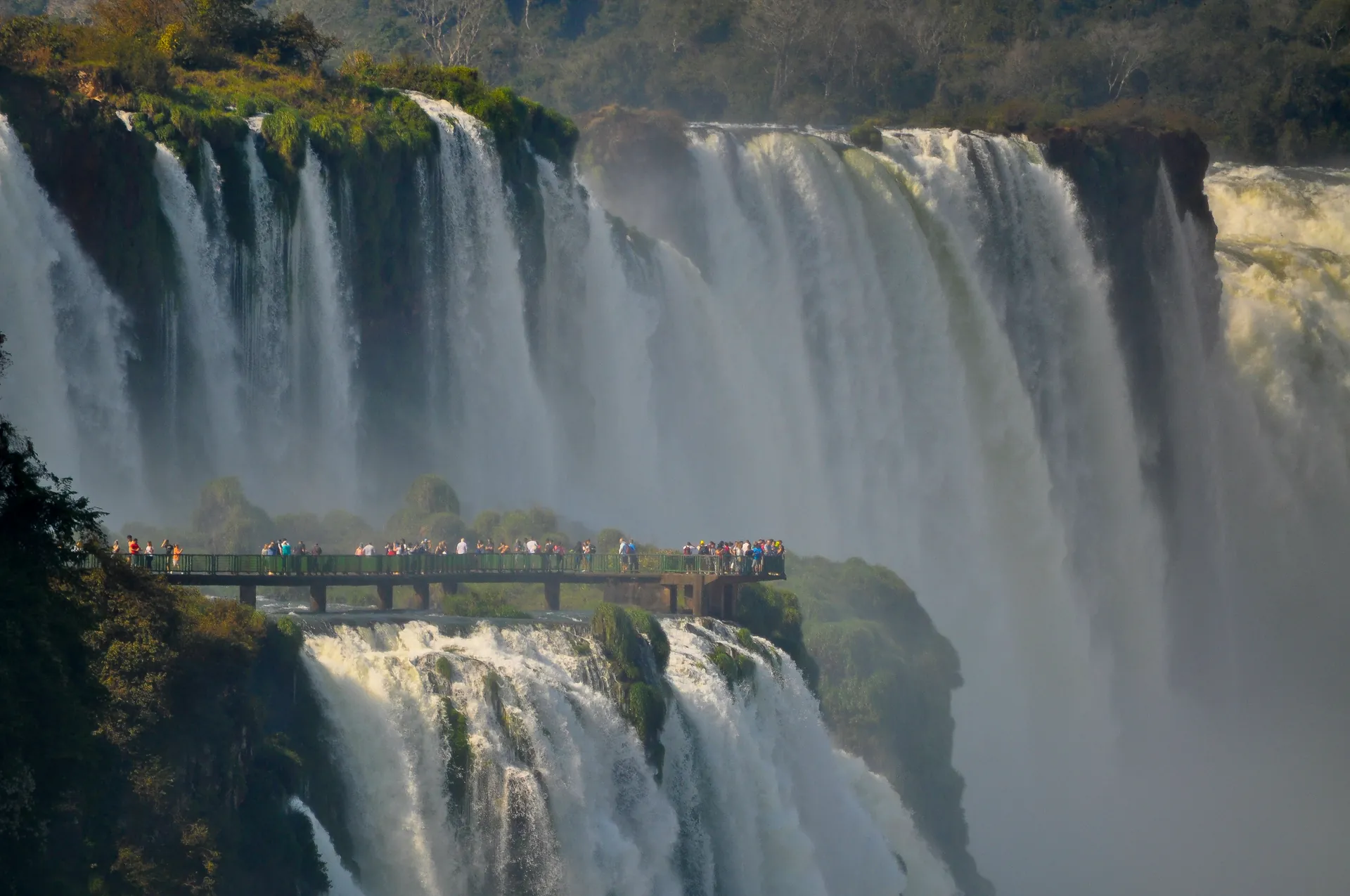
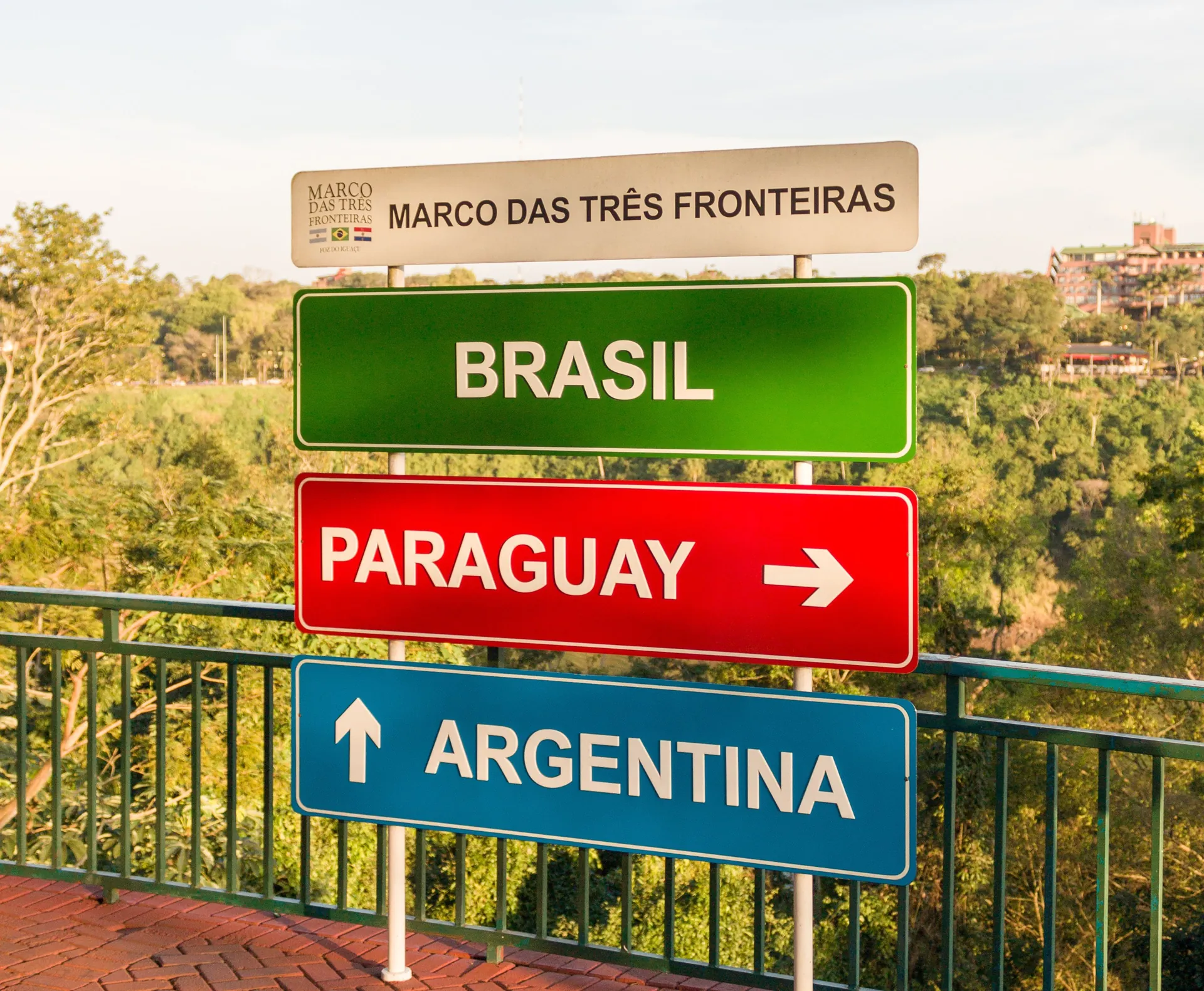
Iguaçu Falls earns its reputation. Two hundred and seventy-five separate cascades spread across nearly three kilometers on the Brazil-Argentina border, taller than Niagara and far wider, dropping through subtropical rainforest full of coatis and toucans. Eleanor Roosevelt is said to have remarked 'poor Niagara' on seeing it, and the comment still holds up.
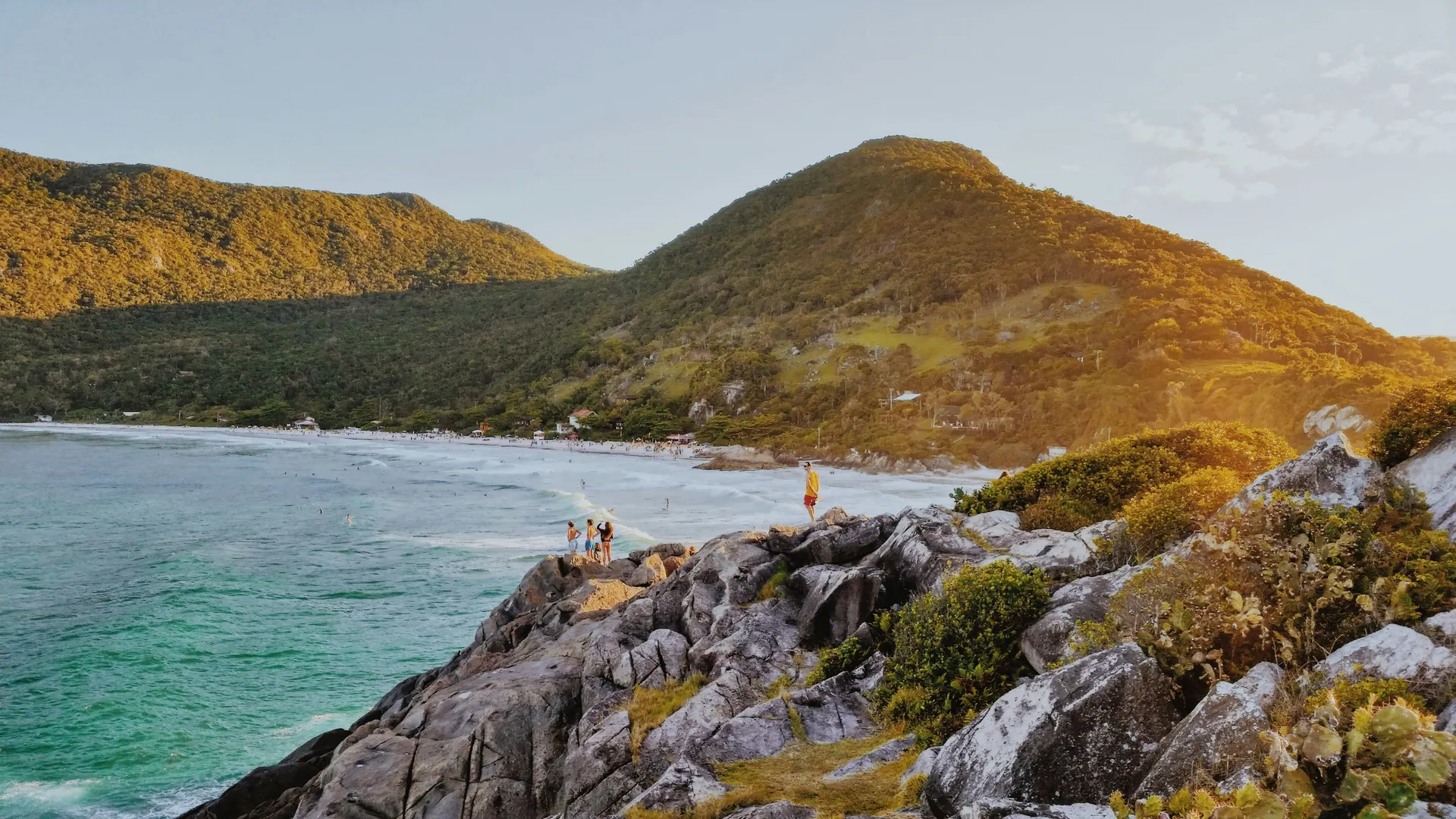
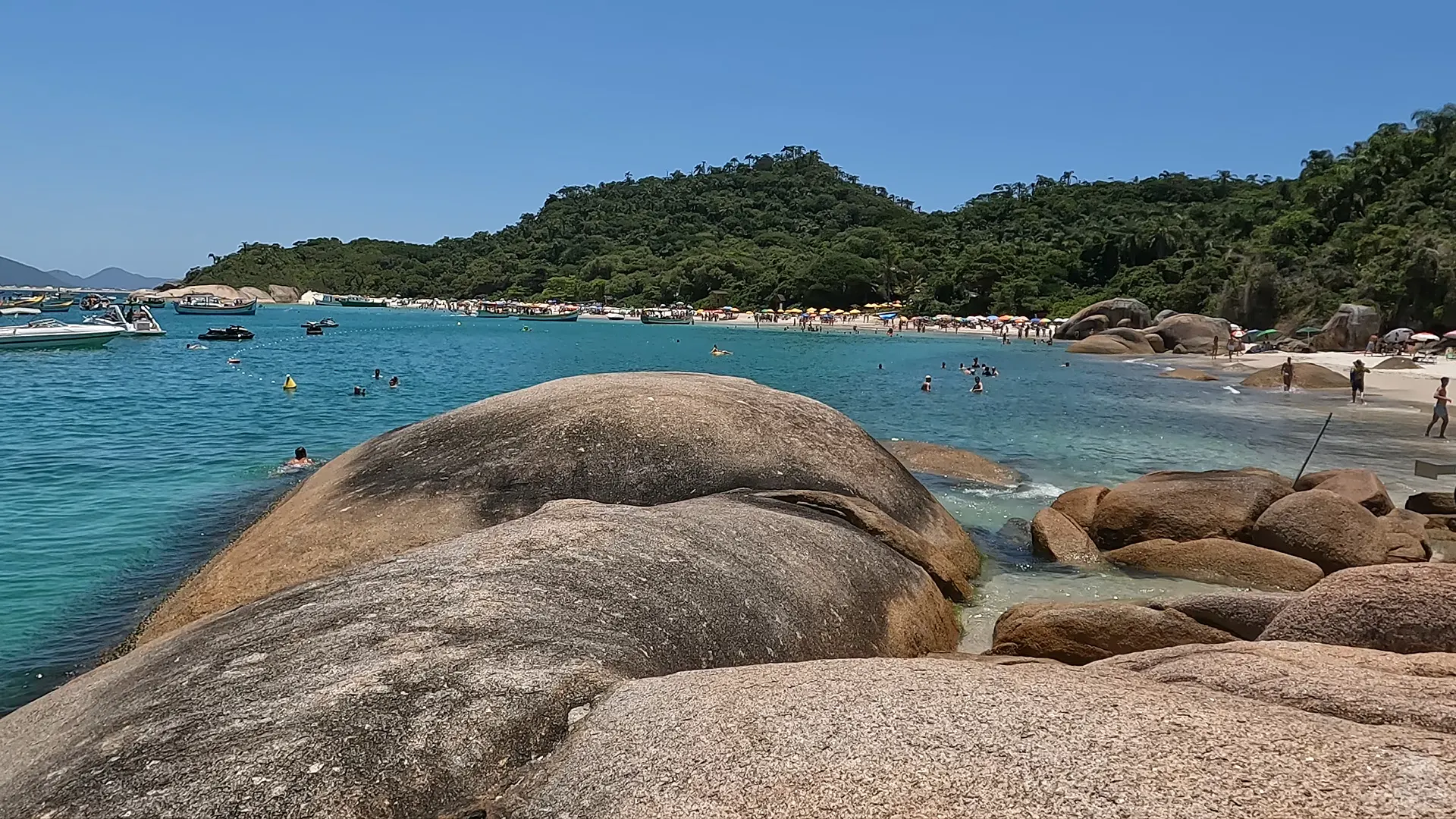
Santa Catarina brings the coast: Florianópolis, an island with 42 beaches, plus the surf coast running south toward Praia do Rosa, where southern right whales calve between June and November. Rio Grande do Sul is gaúcho country: cattle, churrasco done properly, the Vale dos Vinhedos wine region, and the Aparados da Serra canyons, among the most dramatic and least visited landscapes in Brazil.
Where to go in the South
-
Paraná · 2–3 nights
Page in progressFoz do Iguaçu
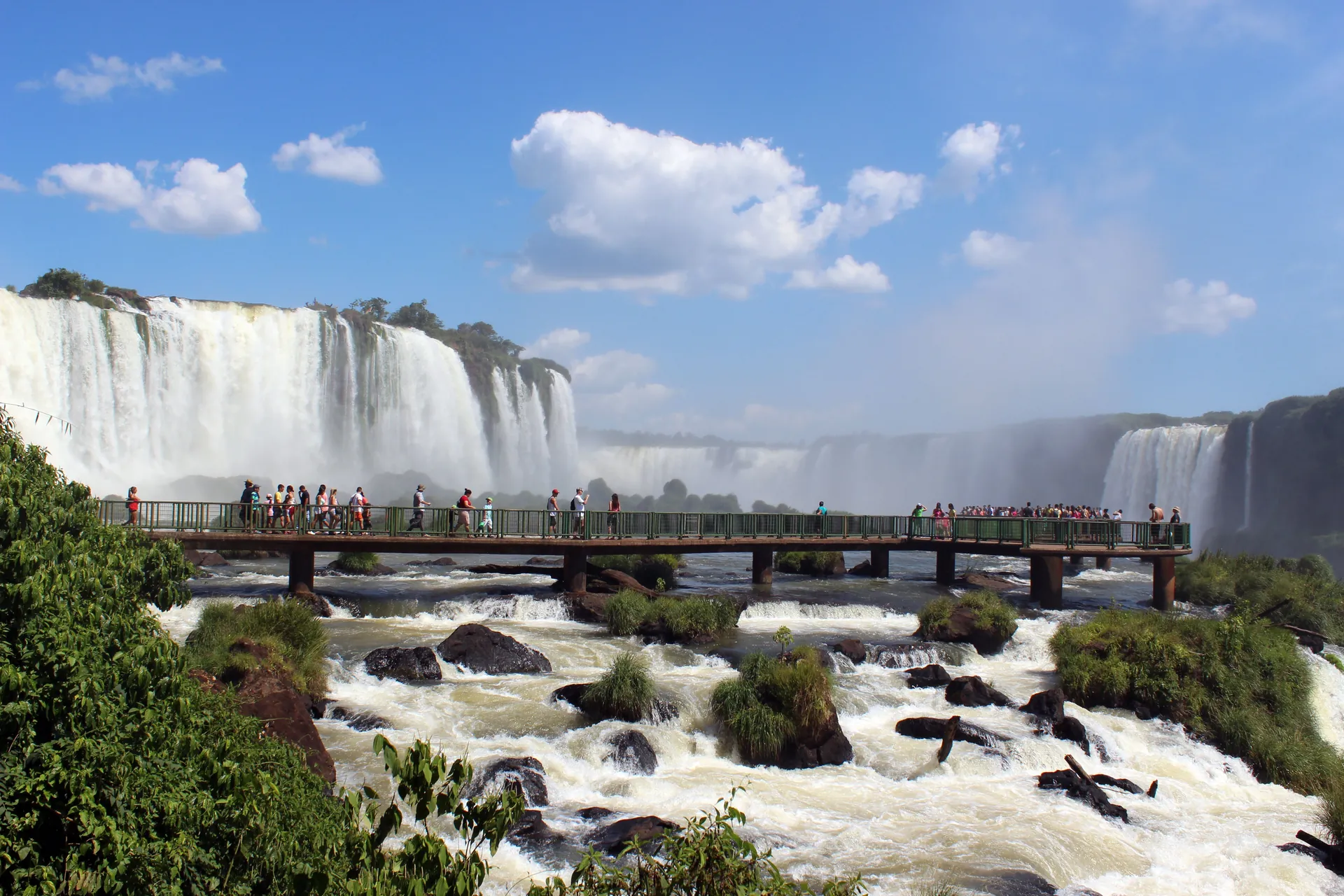
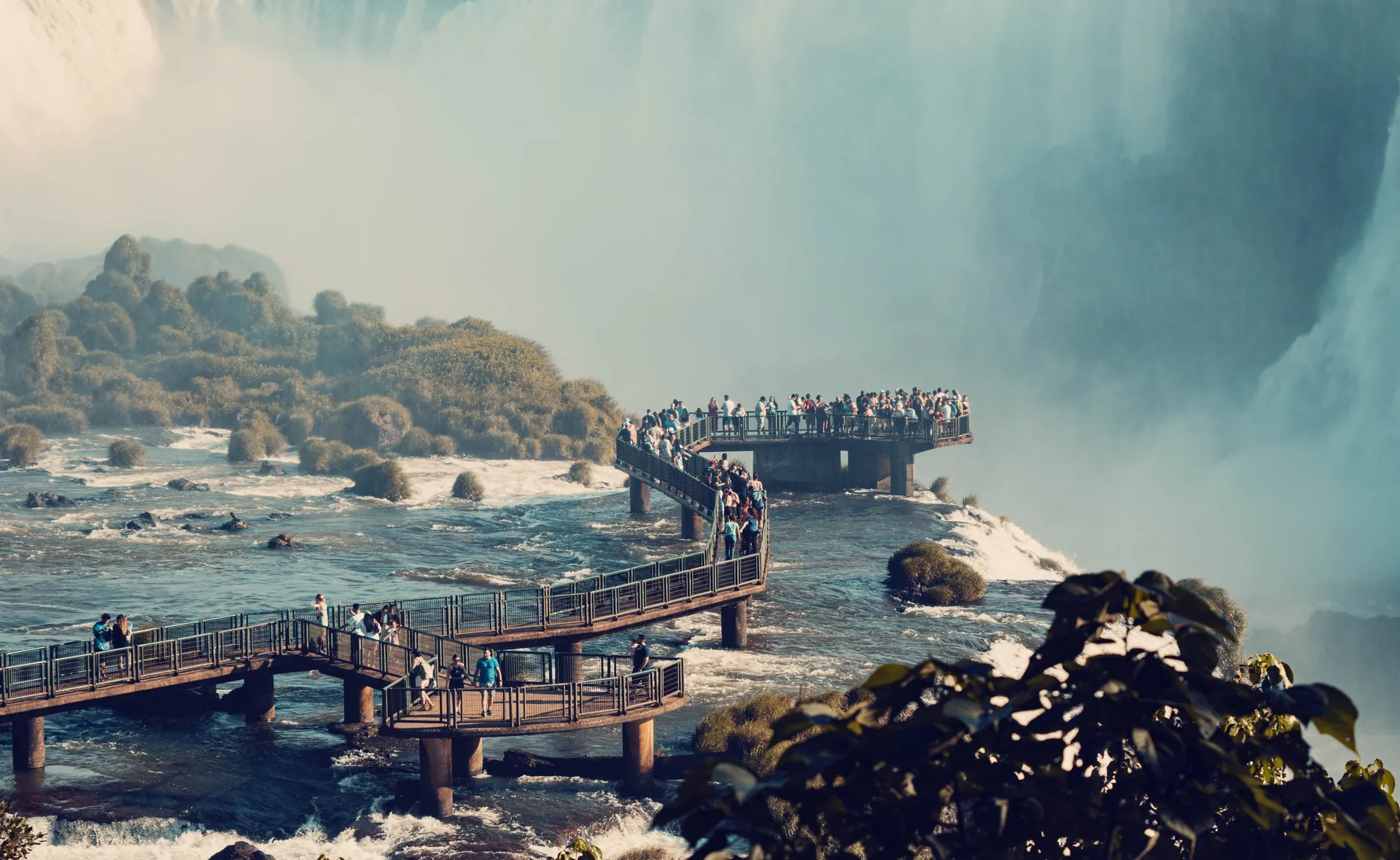
Two hundred and seventy-five waterfalls over 2.7 kilometers, most violent at the Devil's Throat, where fourteen separate falls converge into one gorge and throw up spray you can see for kilometers. Both countries run a national park here, and you want both. Brazil gives you the panorama. Argentina puts you on catwalks directly above and beside the water.
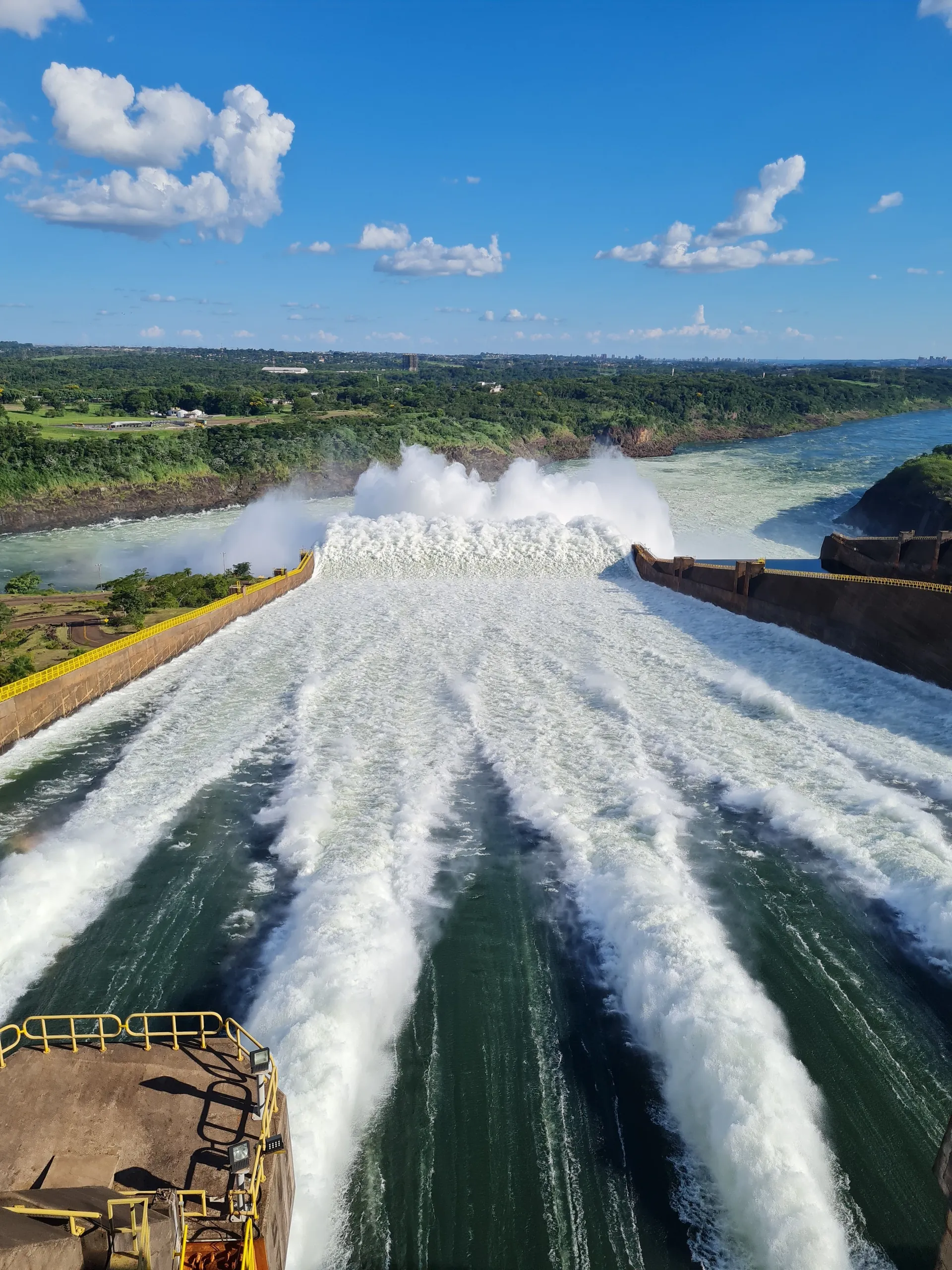
Plan a full day per side. Add the Macuco Safari boat, which runs you under the falls, and the Parque das Aves, a serious bird rehabilitation center rather than a zoo, where you walk through aviaries with toucans and macaws. Itaipu Dam, once the largest hydroelectric plant in the world, sits nearby if that interests you.
- The Brazilian side for the panorama and the Devil's Throat walkway
- The Argentine side for the upper and lower circuits, up close
- Macuco Safari, a boat that takes you under the falls
- Parque das Aves, walk-through aviaries beside the park entrance
- A helicopter flight over the whole horseshoe
-
Santa Catarina · 4–5 nights
Florianópolis
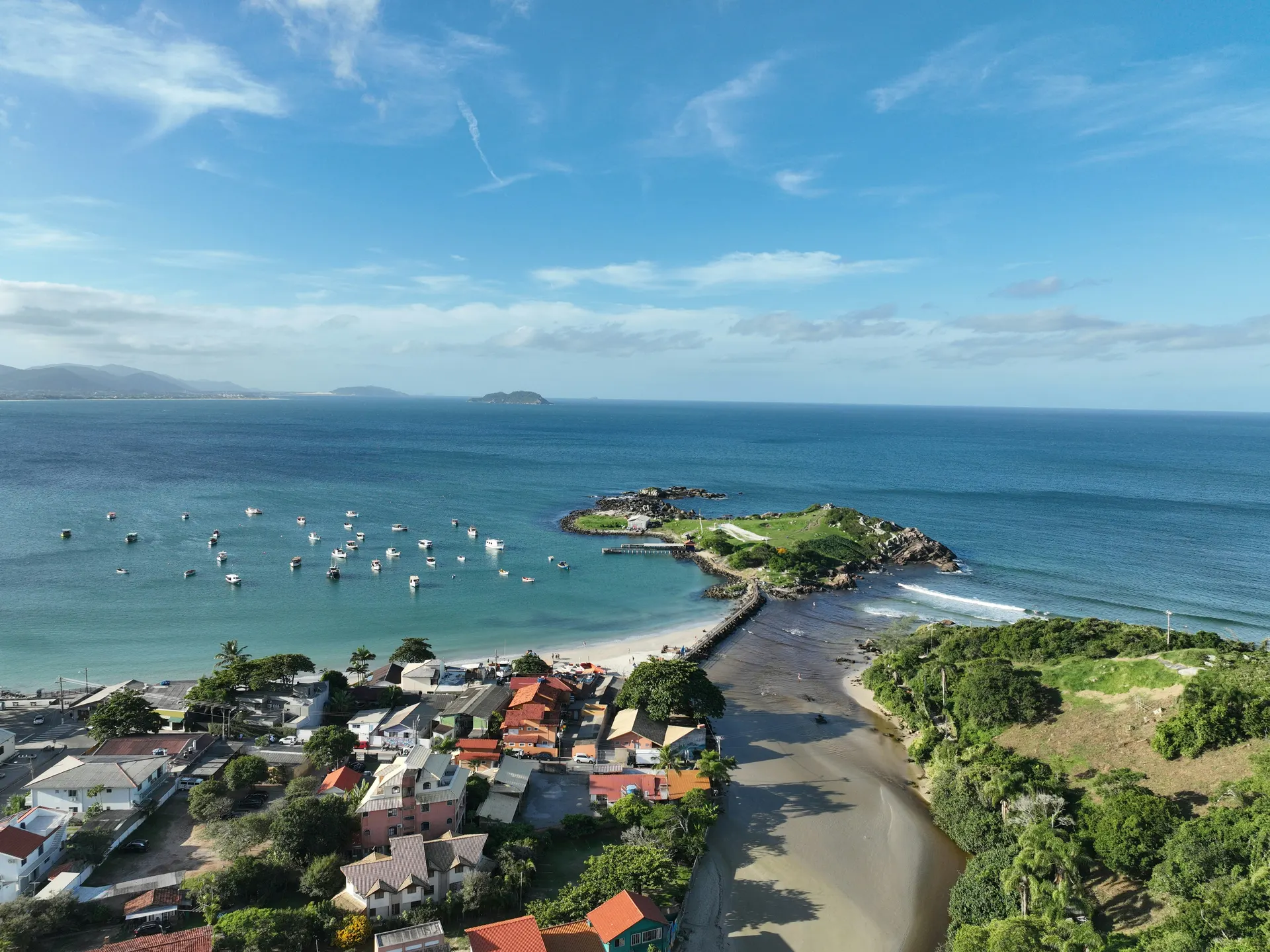
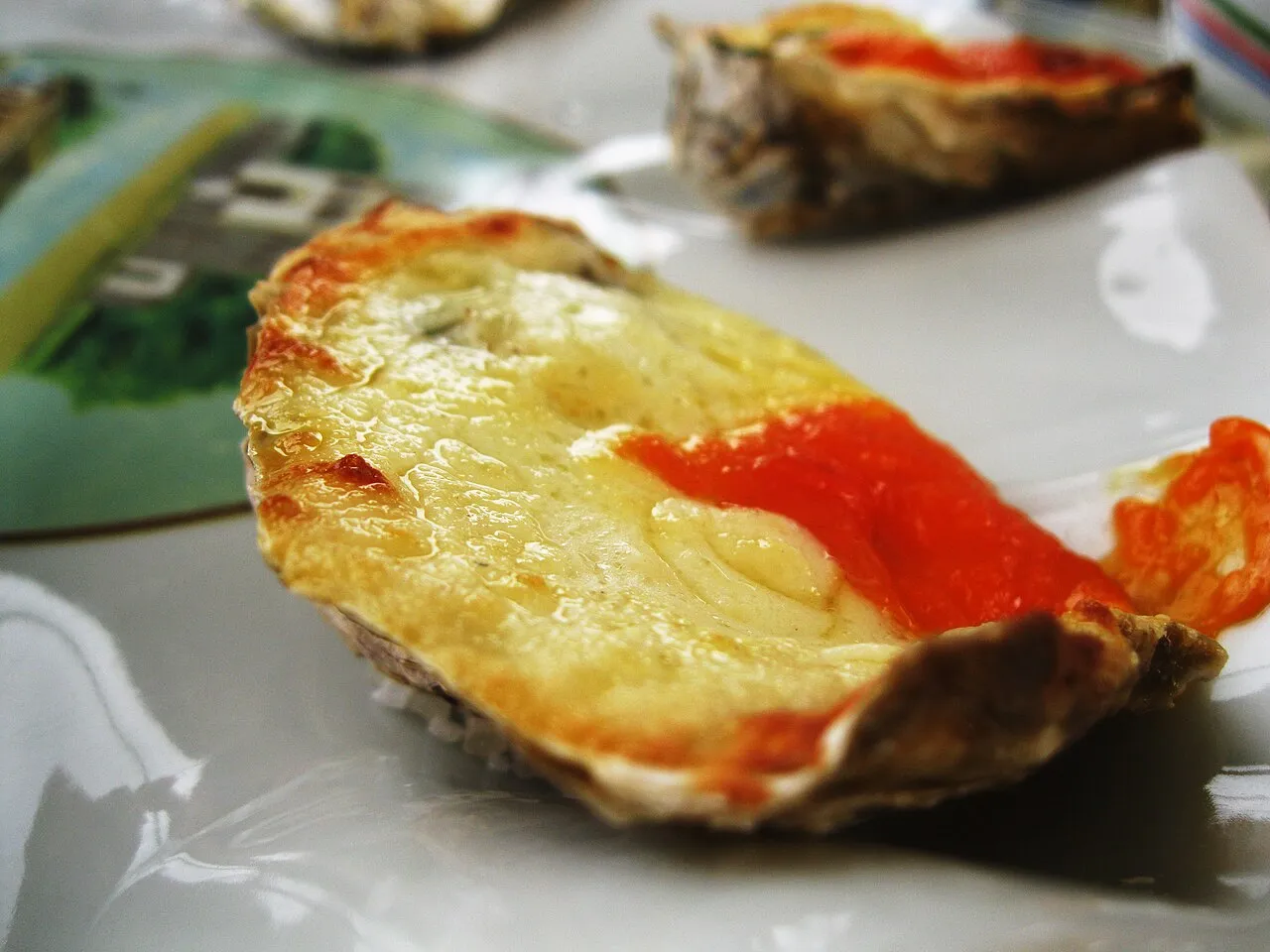
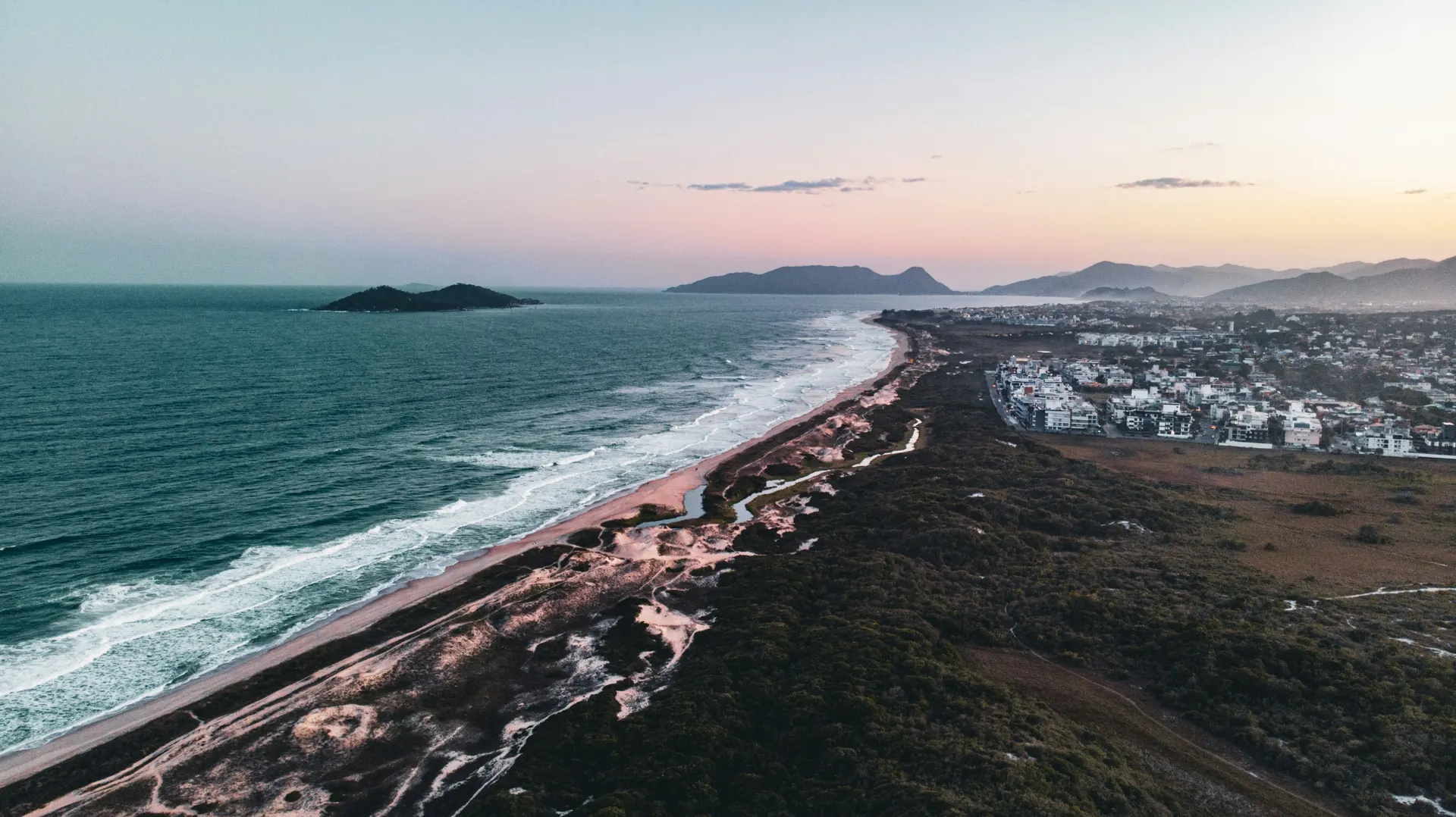
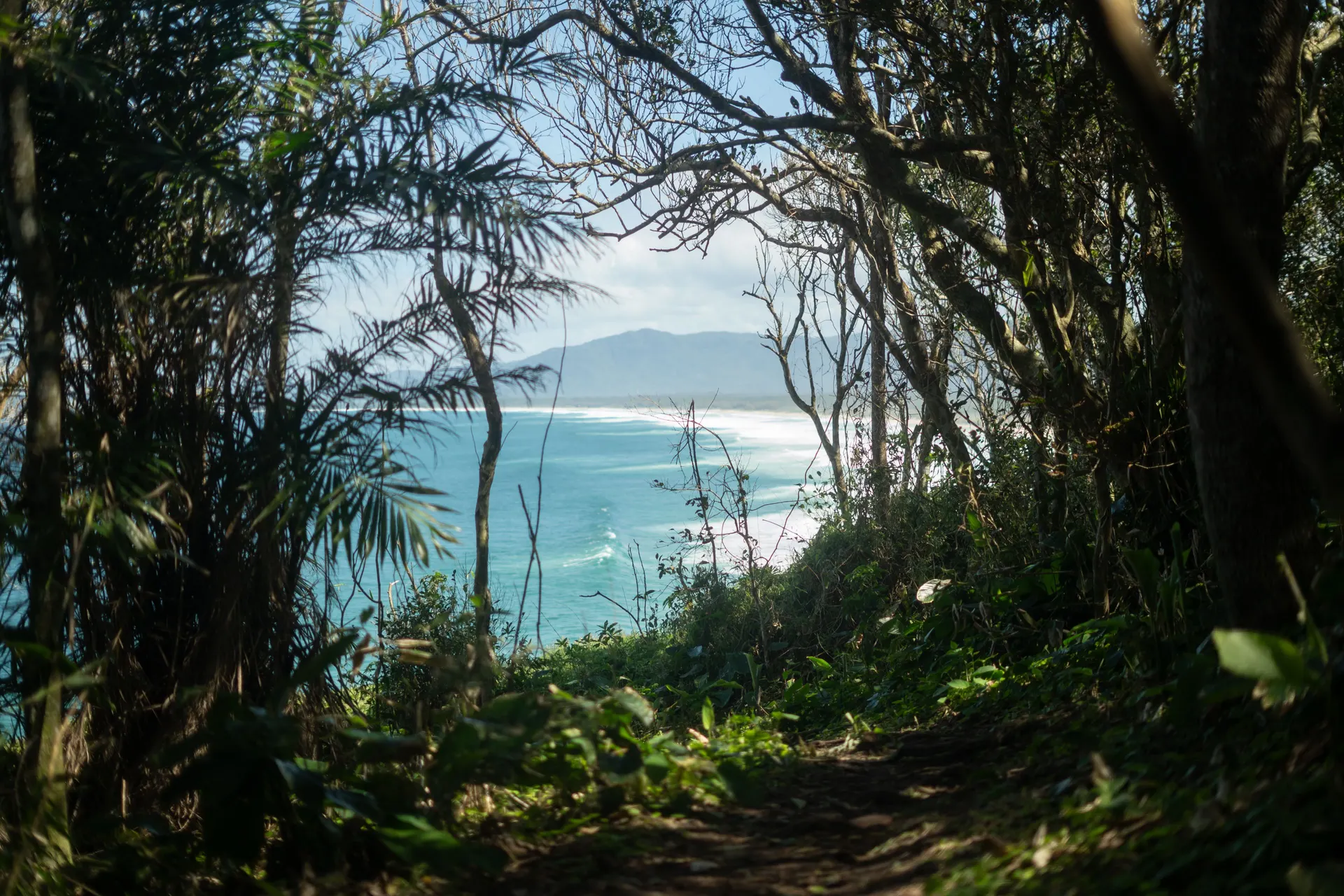
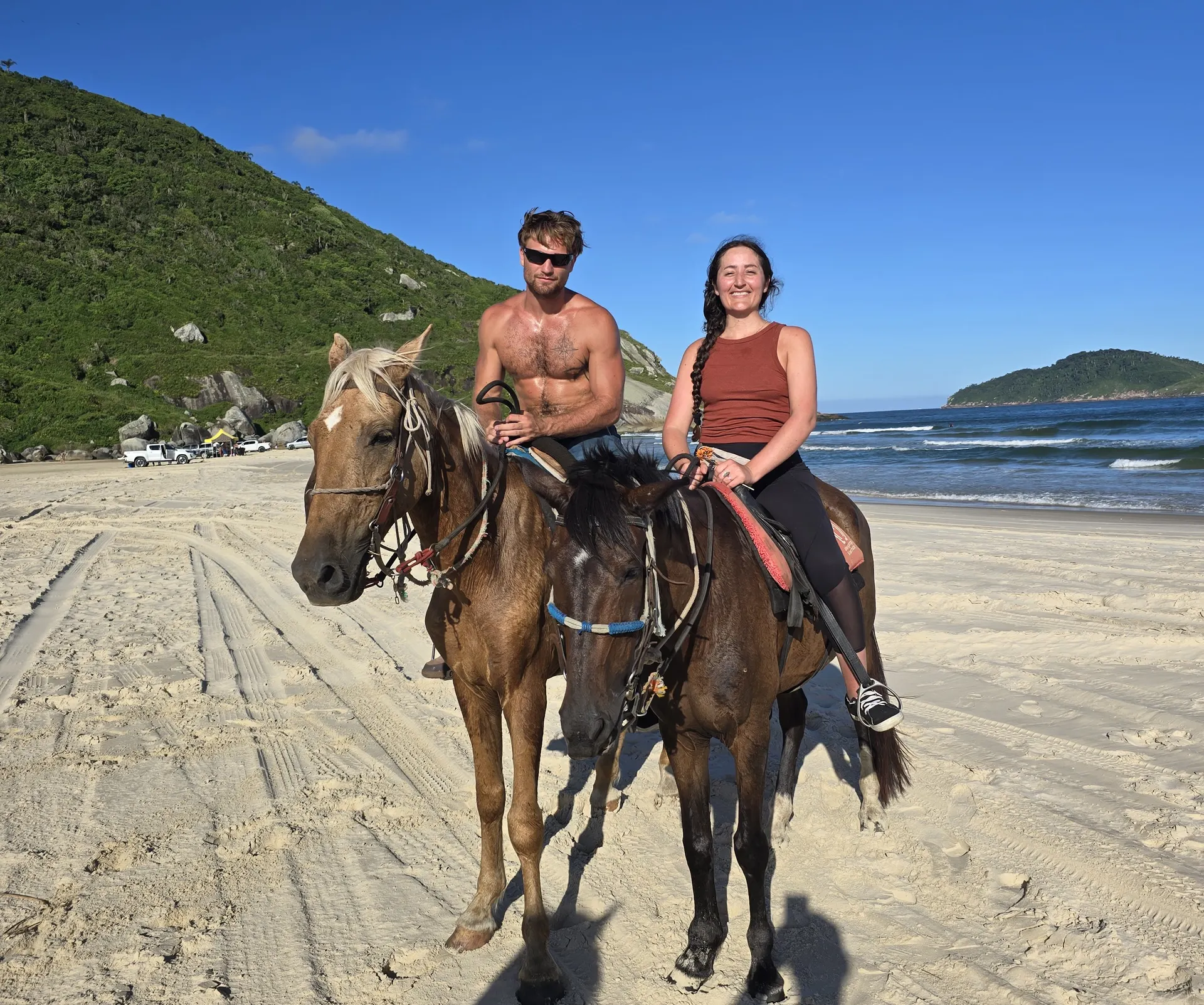
An island with 42 beaches, connected to the mainland by bridge, and the place your planner lives. The east coast has Atlantic swell and sand dunes. The middle holds Lagoa da Conceição, a warm inland lagoon with the island's social life around it. The north and south bays hold 18th-century Azorean fishing villages that still farm oysters the way they always have.
It runs quieter, greener and more outdoorsy than Rio or Salvador, and it feels lived-in rather than built for visitors. This is the one destination on this site written entirely from the inside.
- Sandboarding the dunes at Joaquina
- Ilha do Campeche, clear water and 1,000-year-old rock carvings
- Oysters at Ribeirão da Ilha or Santo Antônio de Lisboa
- The Lagoinha do Leste hike to a beach you can only walk to
- The Hercílio Luz bridge lit up after dark
-
Rio Grande do Sul · 3–4 nights
Page in progressSerra Gaúcha & the wine country
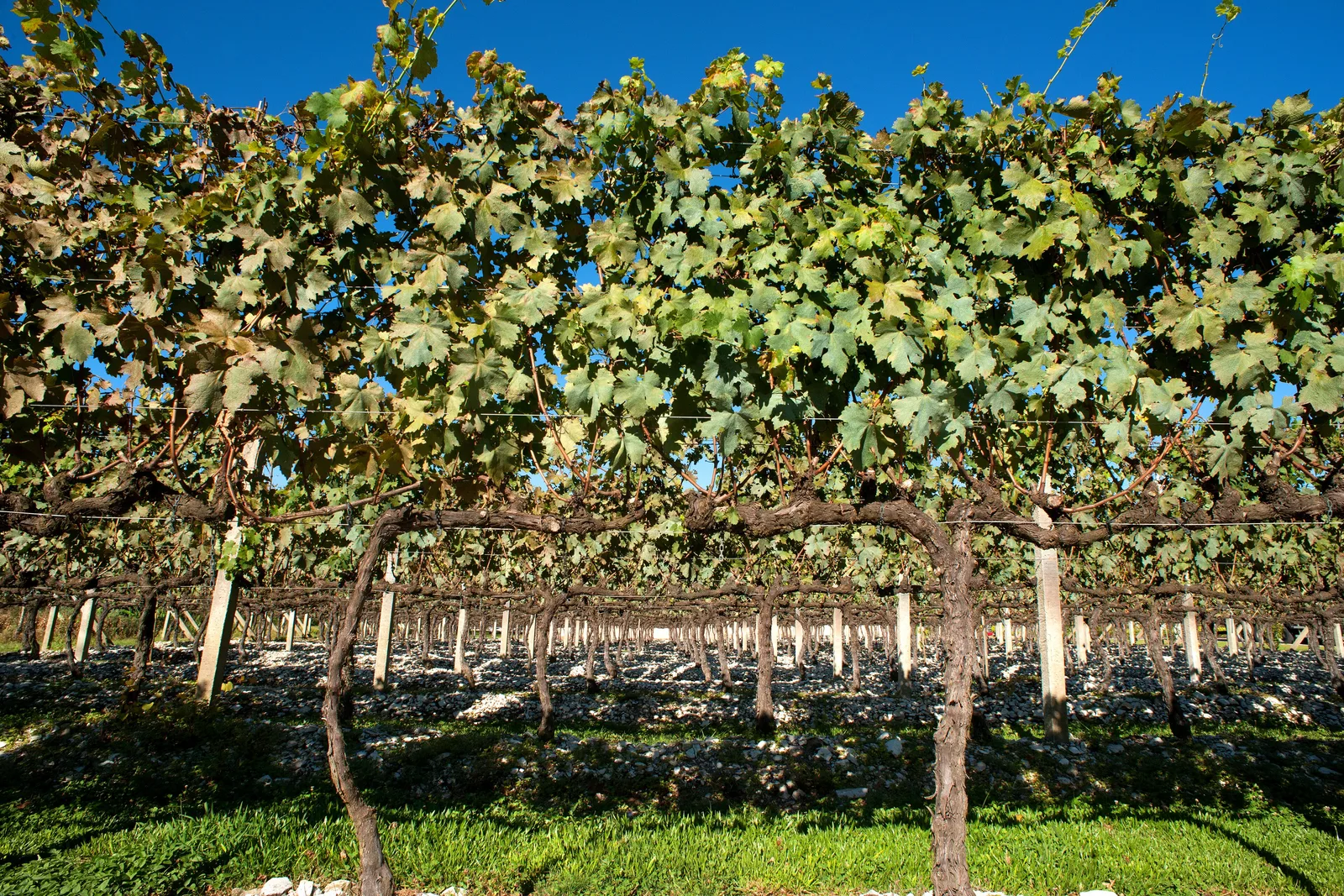
Italian immigrants arrived in these hills in the 1870s and planted grapes. The Vale dos Vinhedos around Bento Gonçalves is now Brazil's first controlled-origin wine region. The sparkling wine stands out especially, and almost none of it leaves the country.
An hour away, Gramado and Canela are alpine-styled mountain towns built around chocolate, fondue and, from October to January, one of the largest Christmas festivals in the world. It leans fully into kitsch, and Brazilians love it for exactly that.
- Vale dos Vinhedos wineries, especially the sparkling producers
- The Maria Fumaça steam train between Bento Gonçalves and Garibaldi
- Gramado and Canela, and the Natal Luz Christmas season
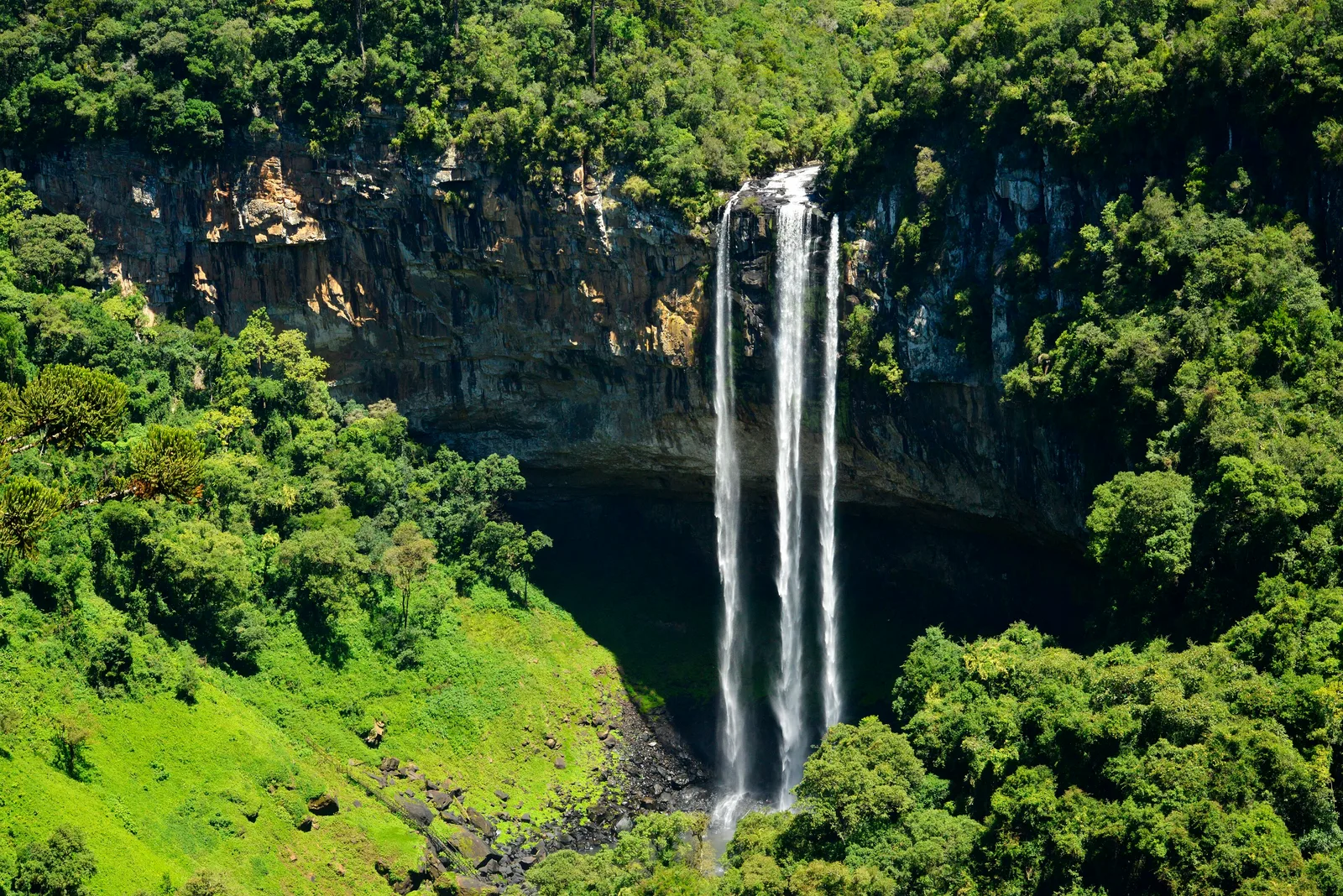
- The Caracol waterfall and its 131-meter drop
- Churrasco in the region that invented it
-
Rio Grande do Sul & Santa Catarina · 2–3 nights
Page in progressAparados da Serra canyons
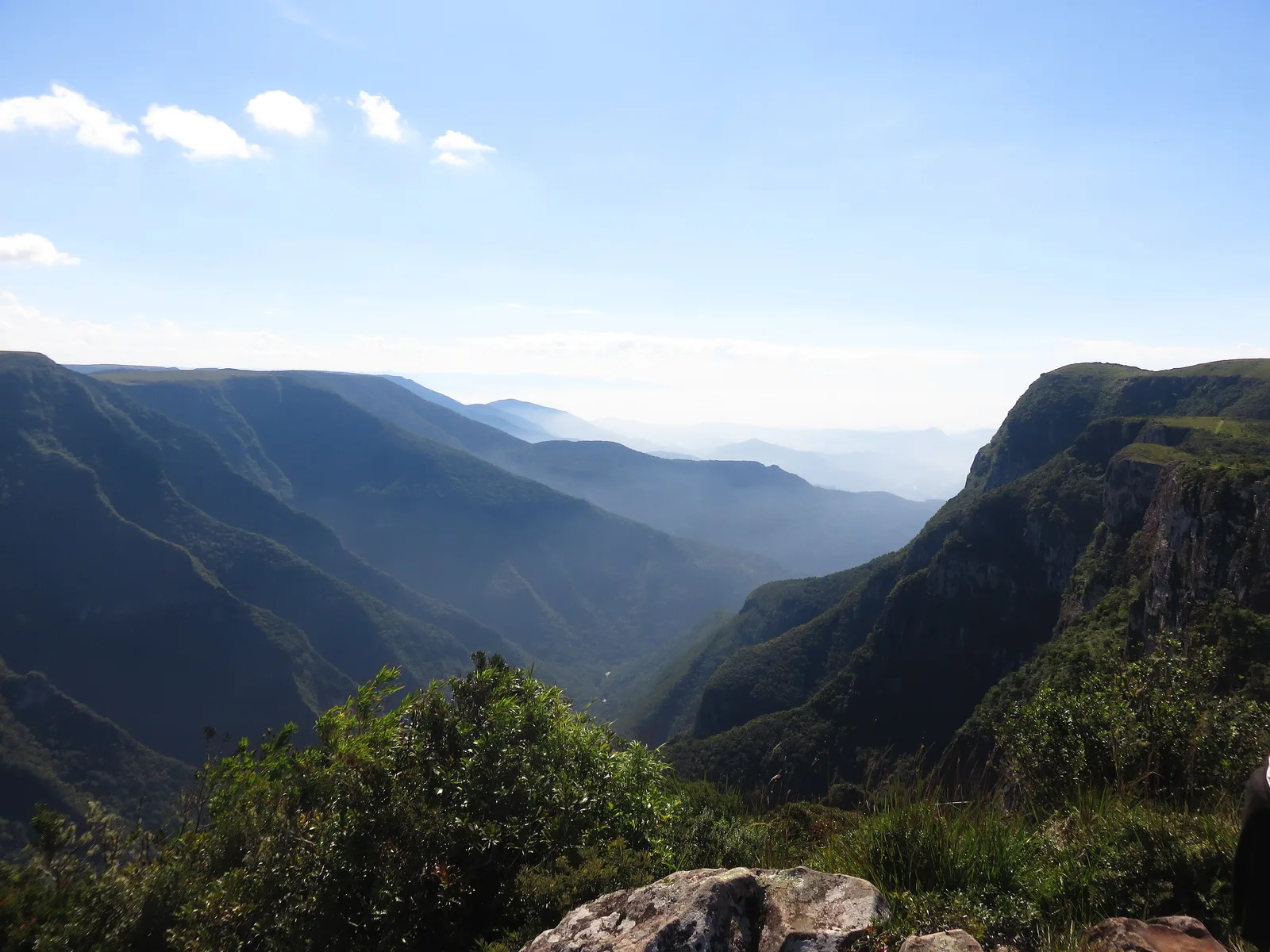
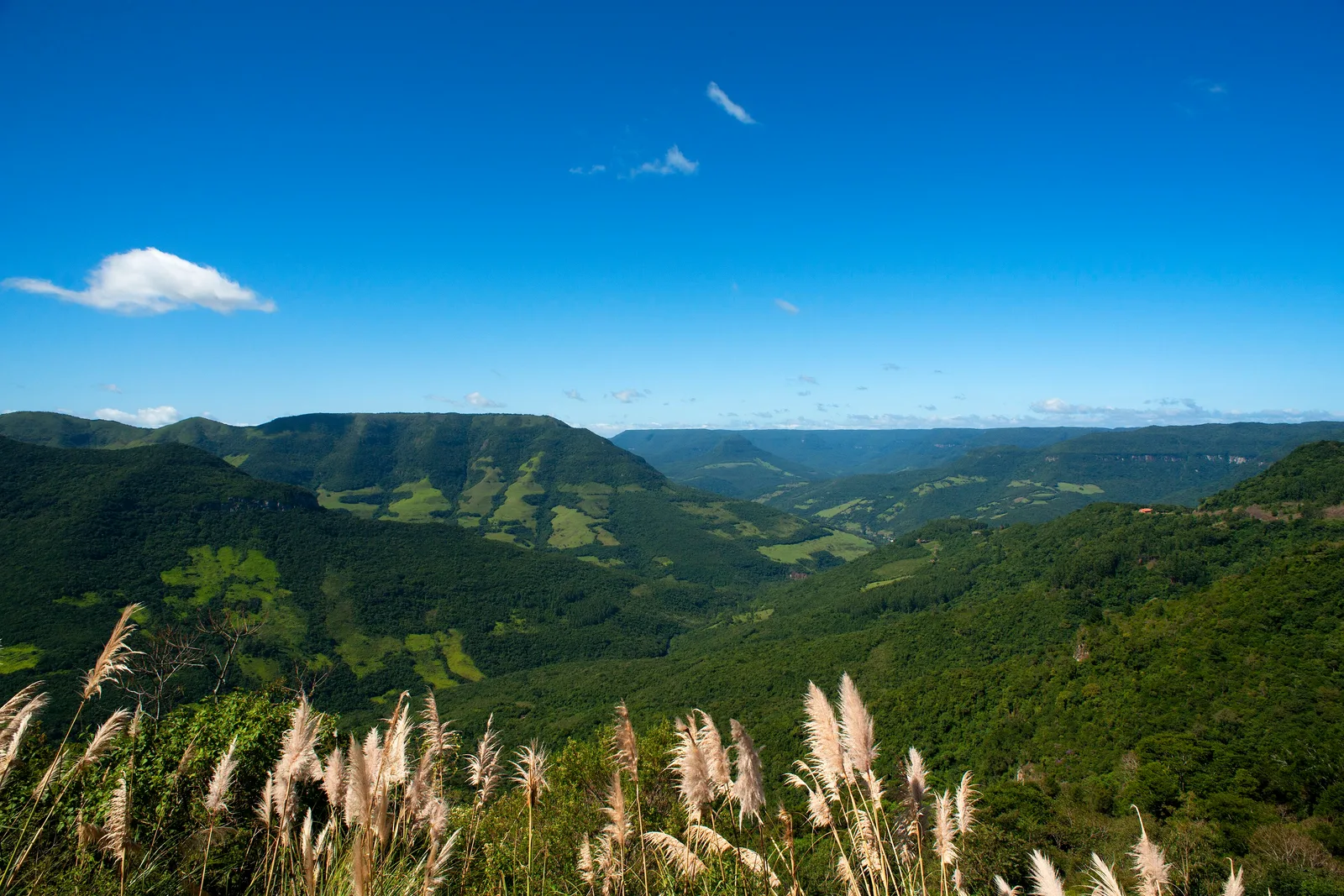
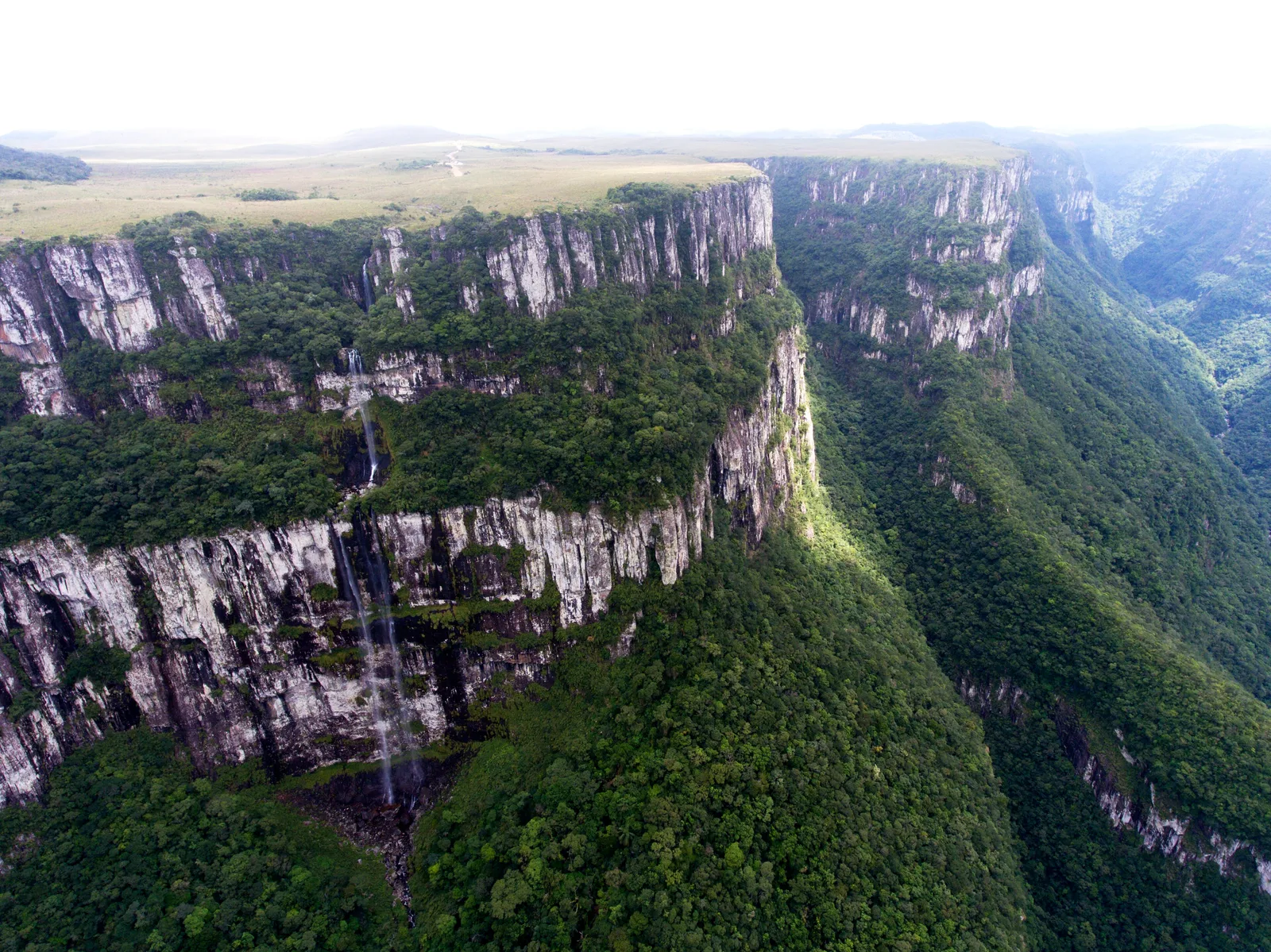
The southern plateau ends abruptly, in a series of canyons up to 720 meters deep and several kilometers long, with waterfalls dropping off the rim into cloud. Itaimbezinho and Fortaleza stand as the two main ones, reached from Cambará do Sul.
It ranks as one of the most spectacular landscapes in Brazil and one of the least visited by international travelers, mostly because it sits far from anything else on the standard route. It pairs naturally with the Serra Gaúcha wine country two hours away.
- The Itaimbezinho canyon rim walk
- Cânion Fortaleza and the view out toward the coast
- Waterfalls that fall the full height of the escarpment
- Cold, clear nights and araucária pine forest
- Easy to combine with Vale dos Vinhedos
More of the South

When to go to the South
The South has real seasons - it is the one part of Brazil where winter means something. Summer belongs to the coast, the shoulder months to Iguaçu and the canyons, and winter brings whales, wine and, in the highlands, frost.
- Best — Go now if you can
- Good — A solid choice
- Trade-offs — Fine, with a catch
- Jan
Peak summer. Florianópolis is packed and brilliant. Iguaçu is hot and humid, but the falls run high.
- Feb
Still summer, still busy, and the sea is at its warmest. Prices ease once Carnival passes.
- Mar
The month locals keep for themselves - warm sea, empty beaches, and the crowds gone home.
- Apr
Mild, clear and quiet. Excellent for Iguaçu, and the first autumn color in the Serra Gaúcha.
- May
Cool and crisp. Autumn in the wine country and comfortable walking at the falls.
- Jun
Cold in the highlands, sometimes frosty. The whales arrive at Praia do Rosa.
- Jul
The coldest month. Gramado does the full winter-resort thing, and whale watching is at its steadiest.
- Aug
Still cold inland, still whales on the coast. Iguaçu is dry, cool and quiet - a good time for the falls.
- Sep
Spring. Everything reopens, the falls hold a strong flow, and prices have not moved yet.
- Oct
The best all-round month. Warm days, green highlands, whales lingering, and no crowds yet.
- Nov
Warm and bright, the sea warming up, and the summer rush still a few weeks off.
- Dec
Summer arrives and so does everyone else. Book the coast well ahead of the 20th.
Dates worth planning around
-
Southern right whale season
June to November
The whales calve in the bay at Praia do Rosa, close enough to watch from the cliffs. Peak sightings August to October.
-
Grape harvest, Serra Gaúcha
January to March
Bento Gonçalves and the Vale dos Vinhedos run tastings, vineyard lunches and harvest festivals throughout.
-
Natal Luz, Gramado
Late October to January
Brazil's largest Christmas festival, in a town that already looks like a Bavarian film set. Book months ahead.
-
Iguaçu at high water
December to March
Biggest flow and biggest spray, and the walkways get soaked. Low water in August and September gives clearer views of the individual falls.
Getting around the South
Distances are short, the roads are the best in the country, and four airports cover the region between them. This is the easiest part of Brazil to drive yourself.
Where to fly into
-
Foz do Iguaçu (IGU)
Ten minutes from the falls, on domestic connections through São Paulo, Rio and Curitiba.
-
Florianópolis (FLN)
A modern terminal on the island itself, with a handful of international routes.
-
Porto Alegre (POA)
For the Serra Gaúcha wine country and the southern canyons.
-
Curitiba (CWB)
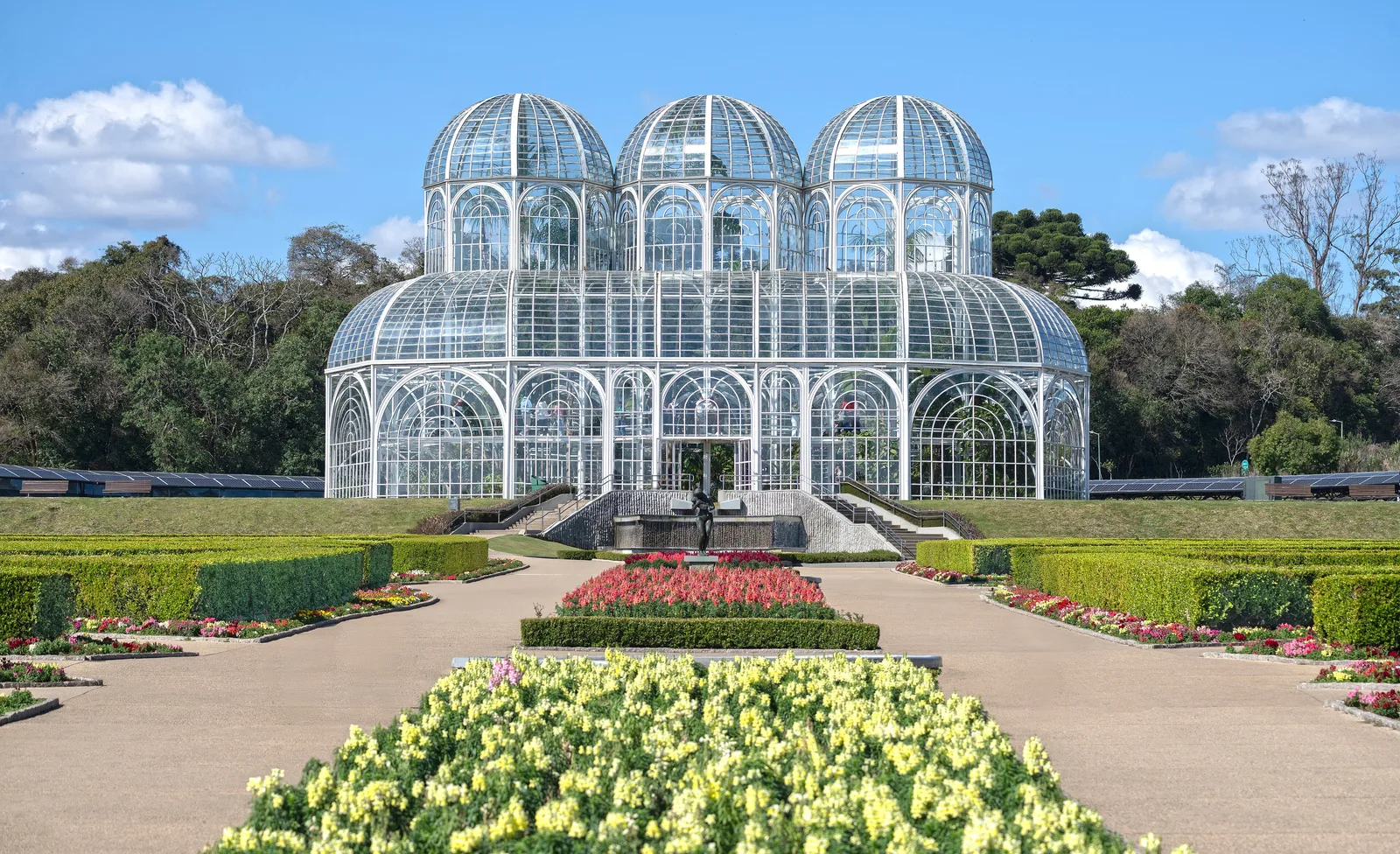
For Paraná, and the start of the Serra Verde train down to the coast.
Between the places on this list
- 20min
Foz do Iguaçu to The falls
The Brazilian park is twenty minutes from town; the Argentine side is about an hour with the border crossing. Do both, on separate days.
- 1h30
Florianópolis to Praia do Rosa
South on the BR-101. The whale-watching boats leave from Garopaba and Imbituba.
- 2h
Porto Alegre to Bento Gonçalves
Straight into the wine country on good road.
- 3h30
Porto Alegre to Cambará do Sul
Paved until the last stretch. The roads along the canyon rims are gravel and best driven in daylight.
- 4h
Curitiba to Morretes
The Serra Verde Express down through Atlantic forest to the coast. Sit on the left.
- 1h20
Florianópolis to Foz do Iguaçu
Or eleven hours by road. Fly.
Once you are there
-
Florianópolis
The island is 54km long and the beaches are spread down all of it. Without a car you will see one or two; with one you will see a dozen.
-
Gramado and Canela
Both centers are walkable, but everything else in the Serra - wineries, canyons, waterfalls - needs wheels.
Should you rent a car?
Yes. More so than anywhere else in Brazil.
The roads are well maintained and signposted, the distances are short, and the best of the South - the Santa Catarina beaches, the wine valleys, the canyon rims - sits precisely where buses do not go. The one exception is Foz do Iguaçu, where everything worth seeing is a short taxi ride from town.
Iguaçu sits on almost every Brazil itinerary and takes two nights. The rest of the South is what you add when you want somewhere cooler, quieter and easier to travel in. It's consistently the part people are most surprised by.
Start planning