

Mato Grosso · Mato Grosso do Sul · Goiás · Distrito Federal
Central-West: The Pantanal, the cerrado and Brasília
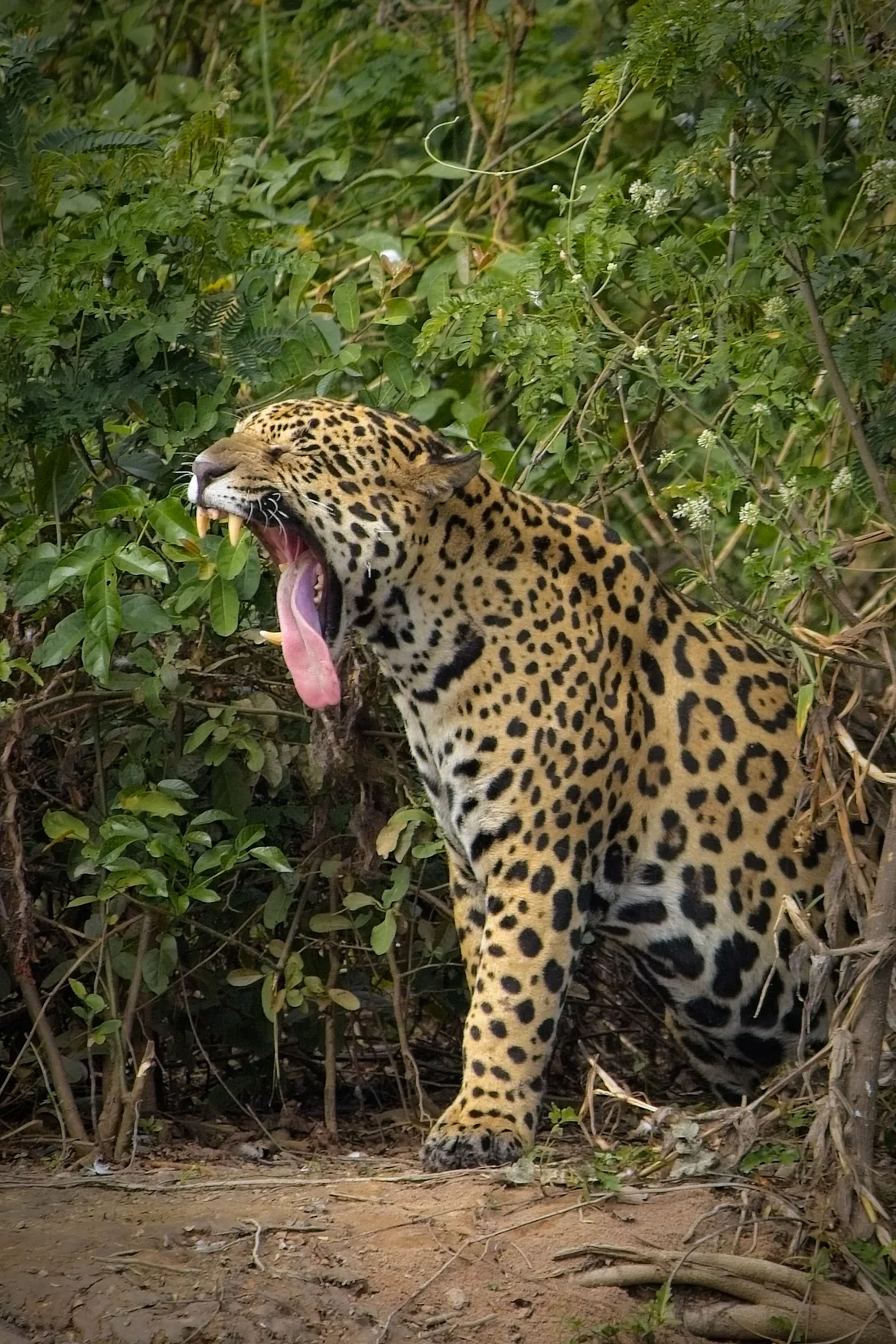
For wildlife in Brazil, come here rather than the Amazon. The Pantanal is the largest tropical wetland on earth, and the single best place in the Americas to see a jaguar in the wild.
- How long to stay
- Four nights in the Pantanal gives you a fair shot at seeing a jaguar. Add three for Bonito or Chapada dos Veadeiros.
- Good for
- Wildlife and photography above all. Also good for anyone who found the Amazon underwhelming for animal sightings.
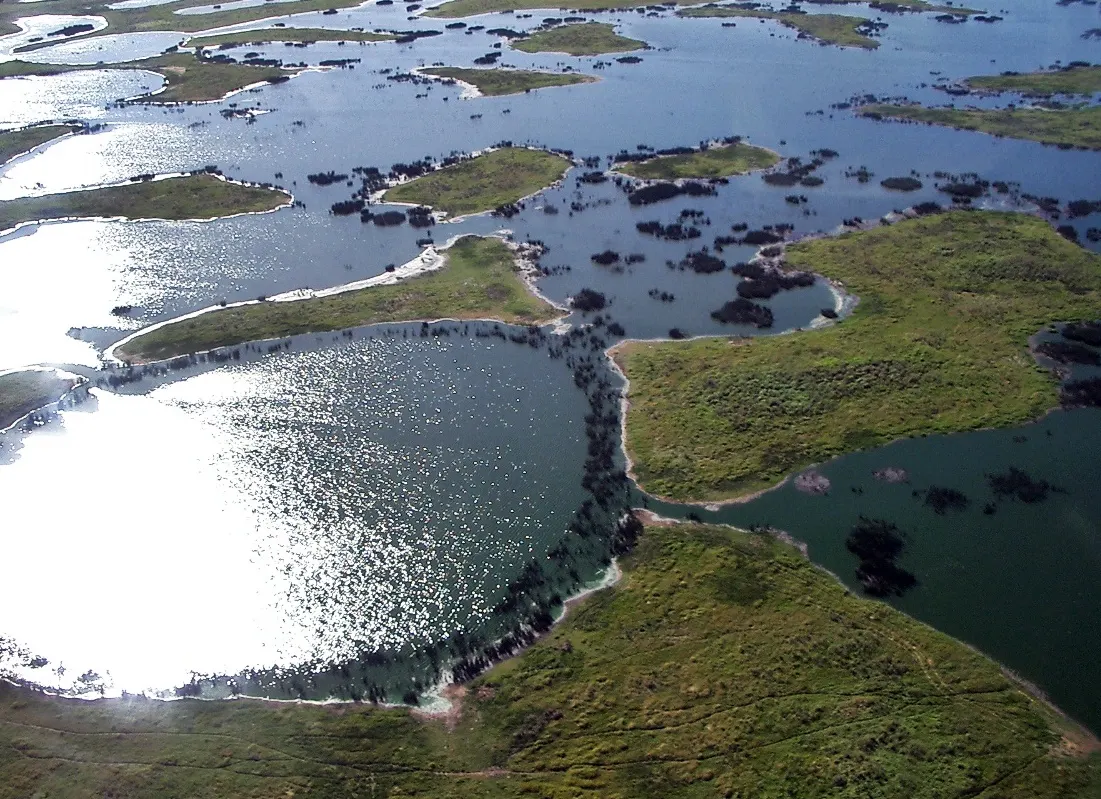
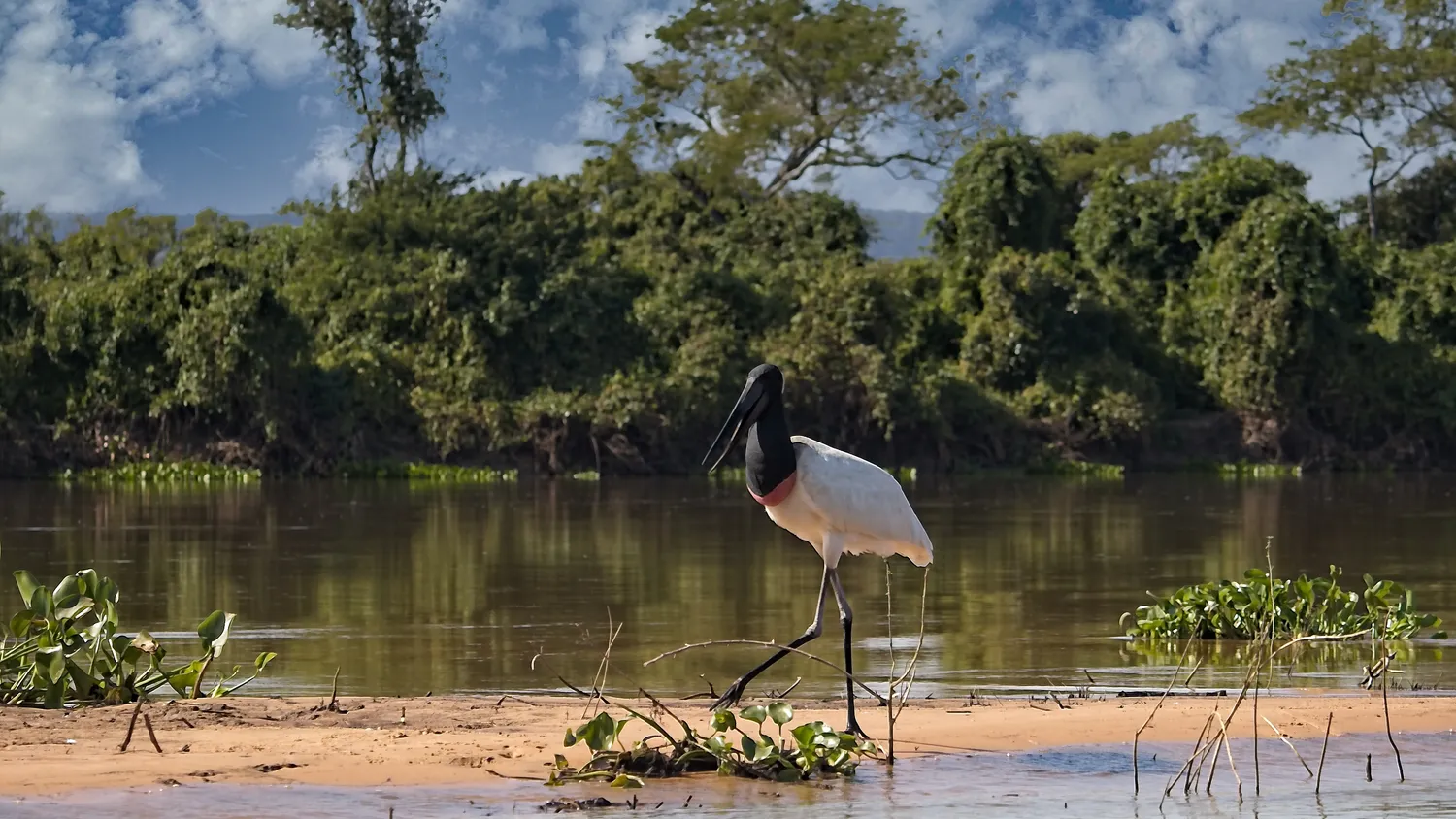
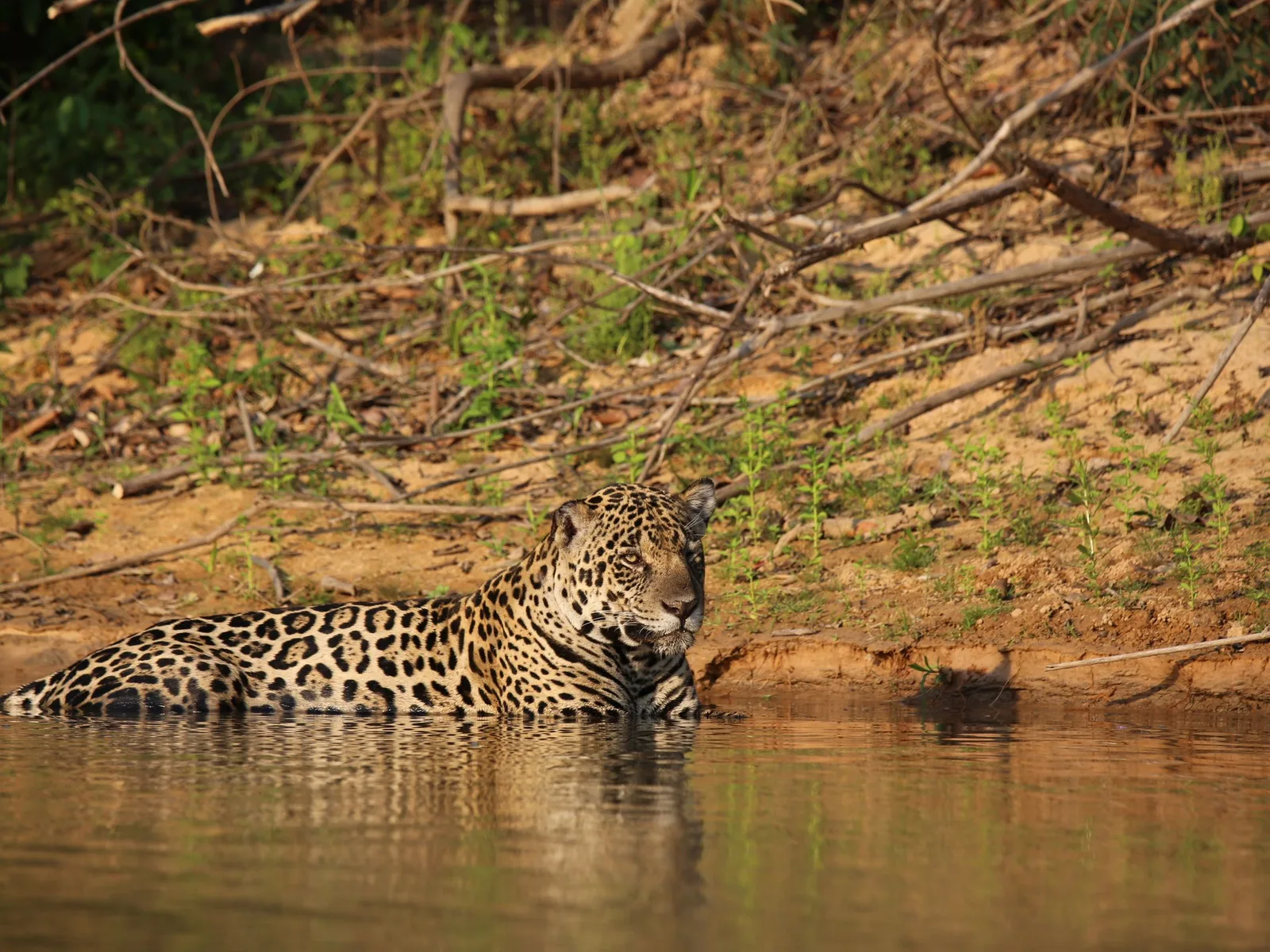
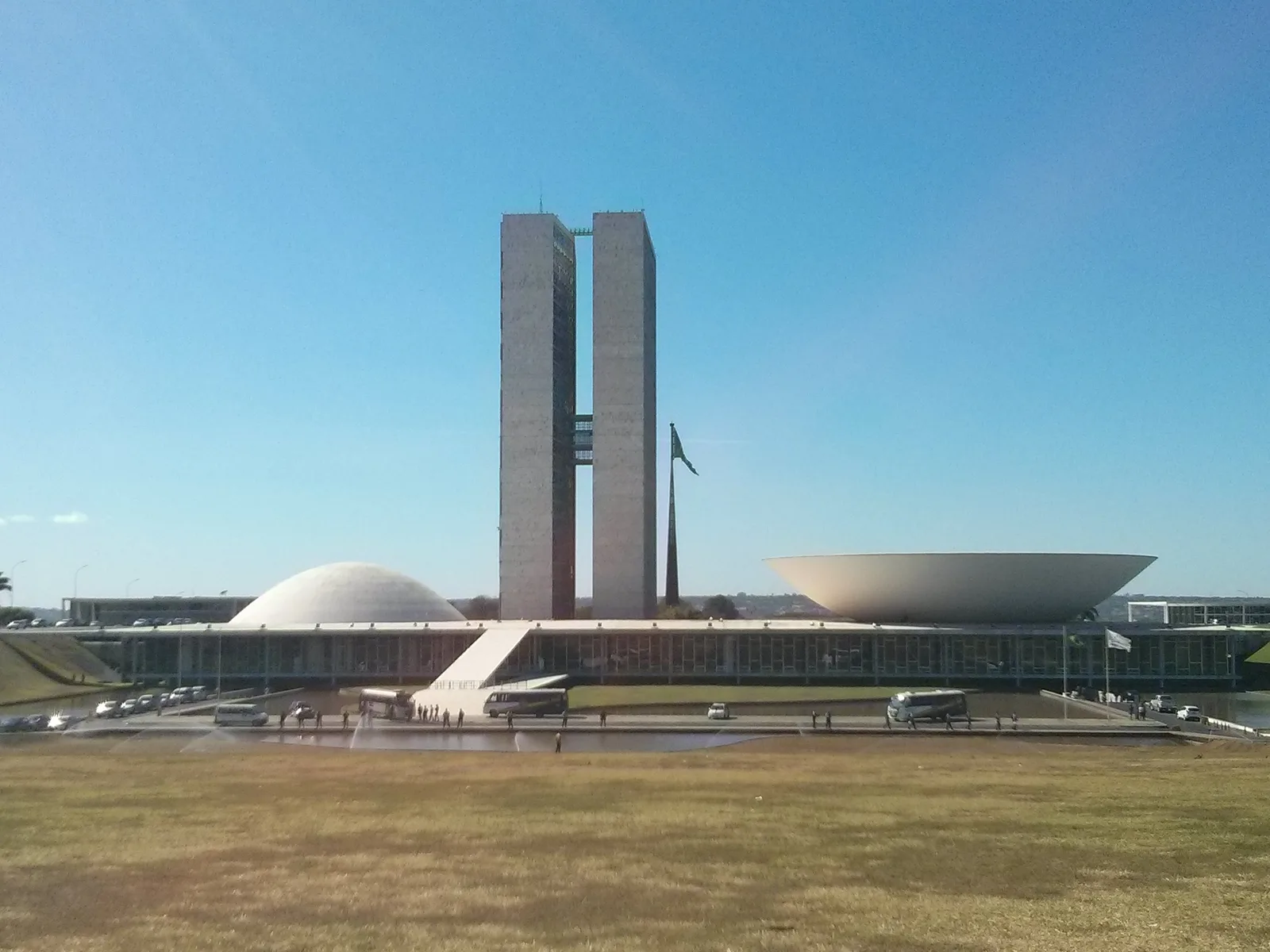
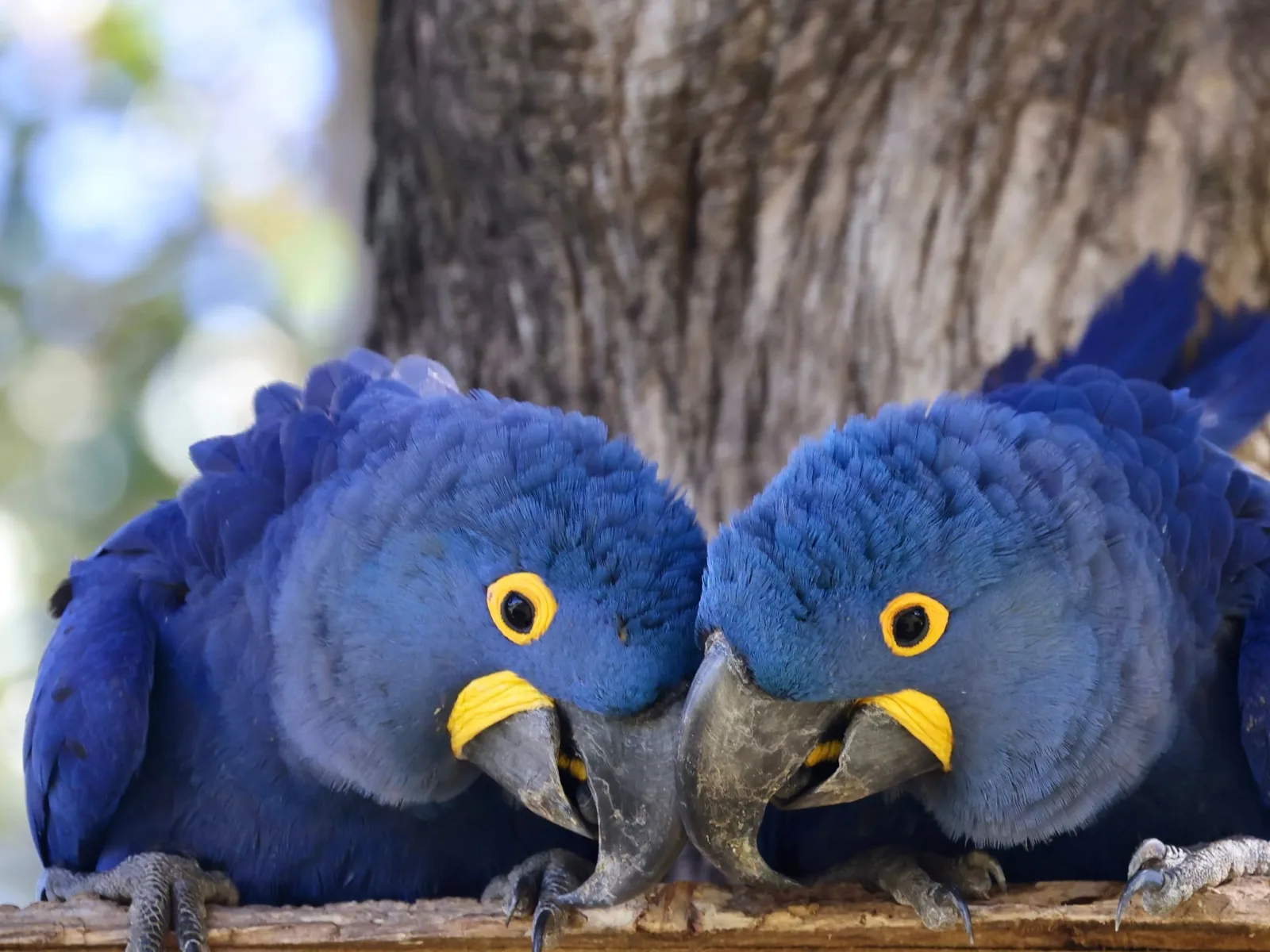
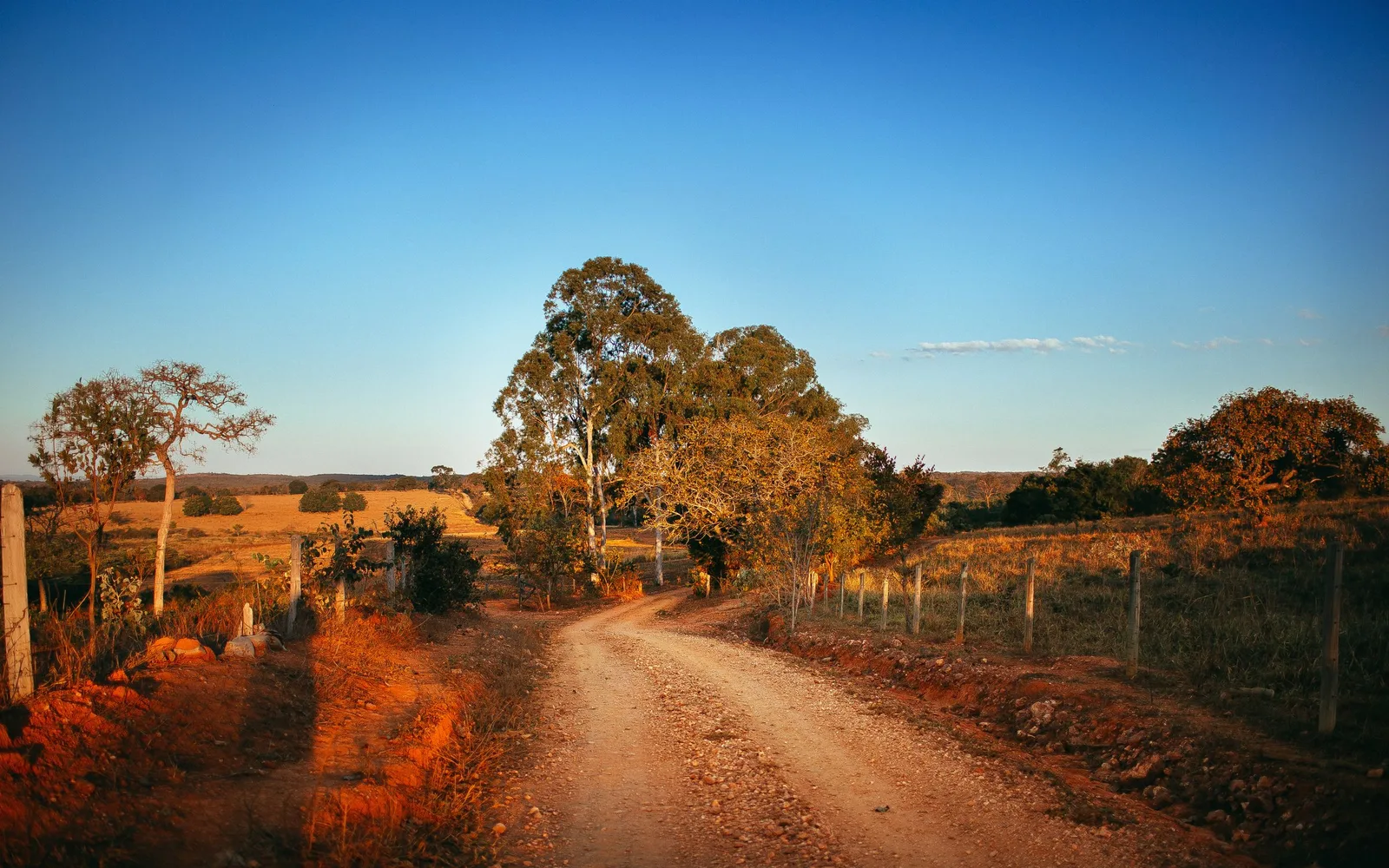
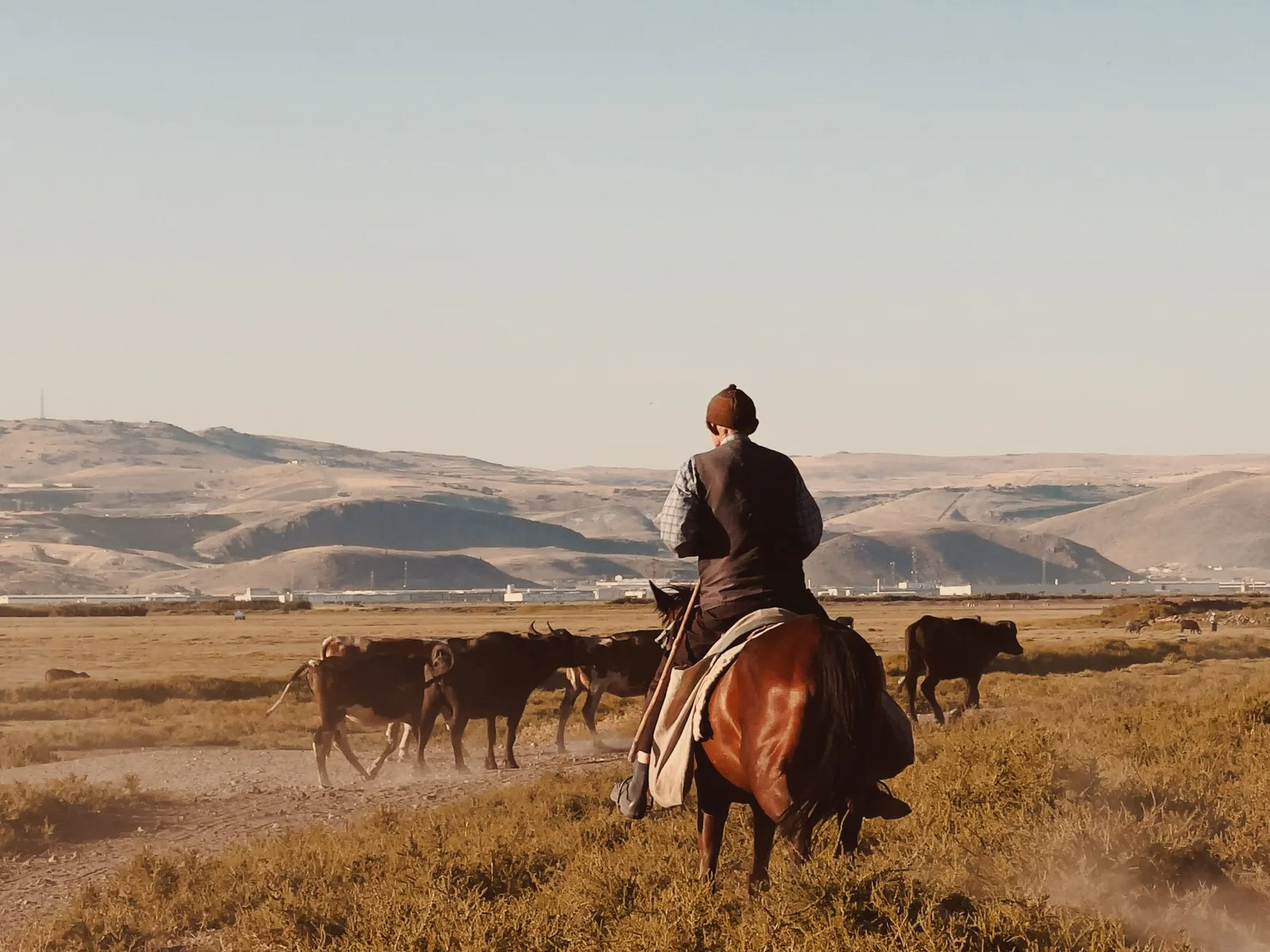
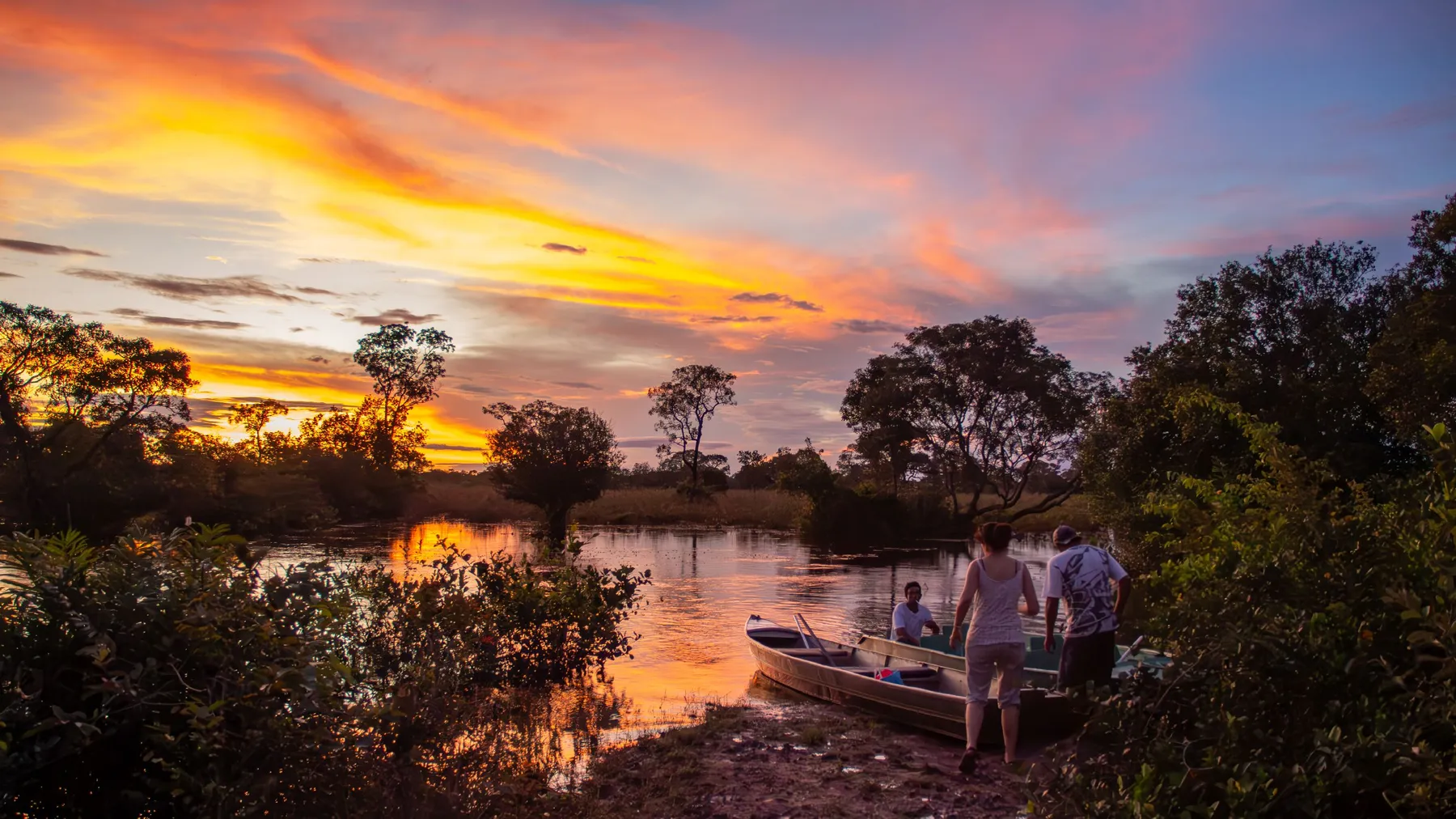
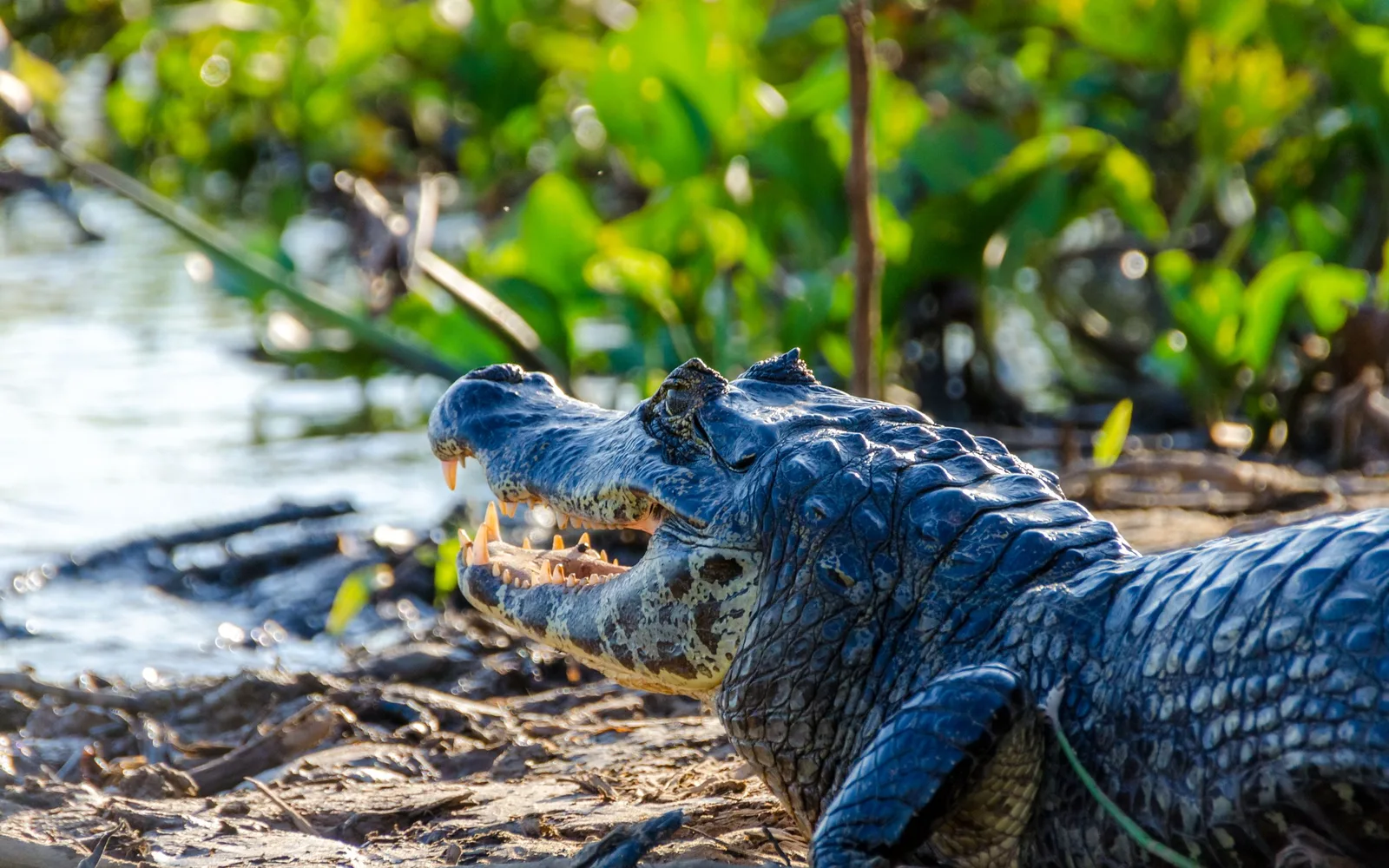
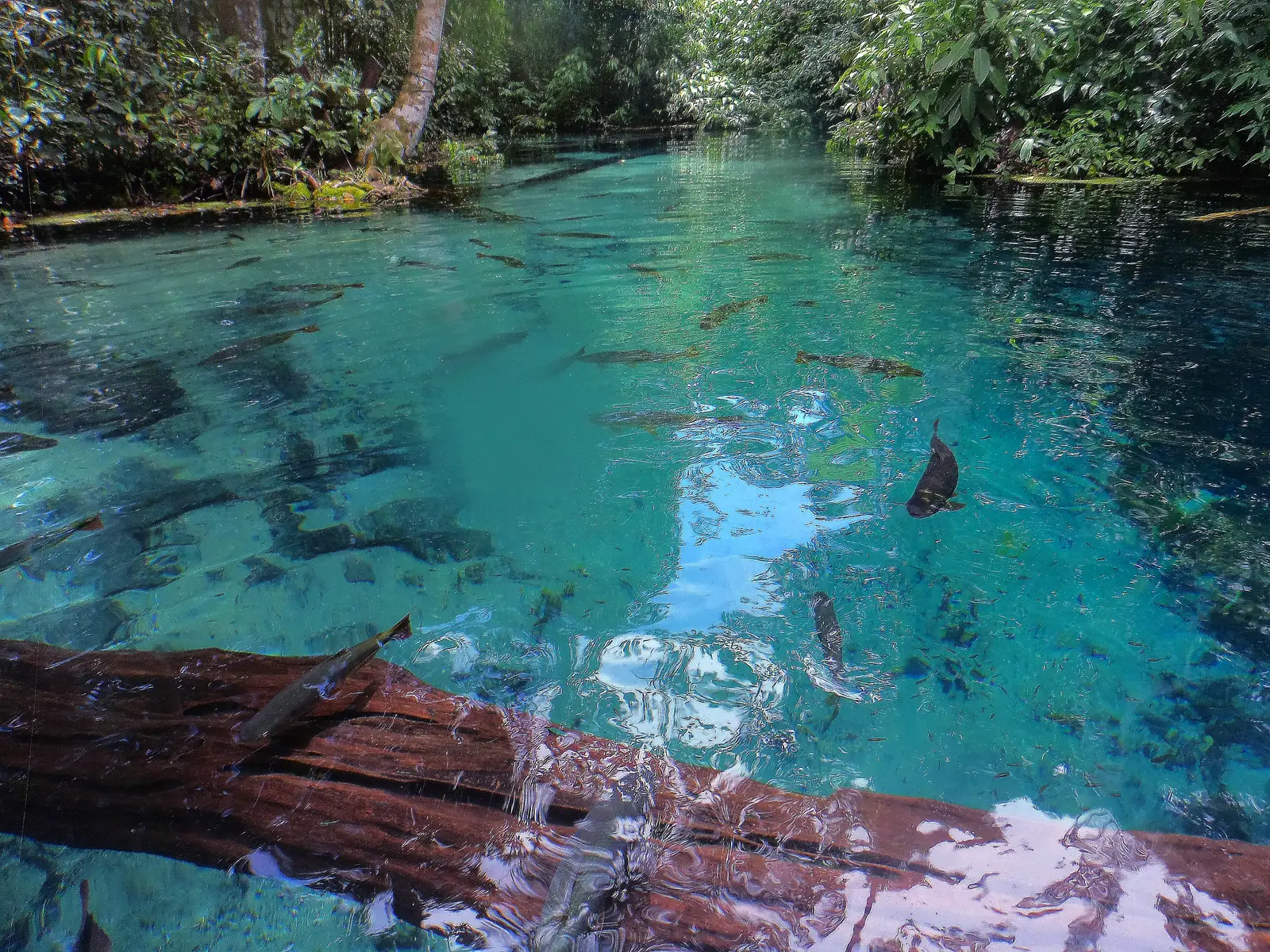
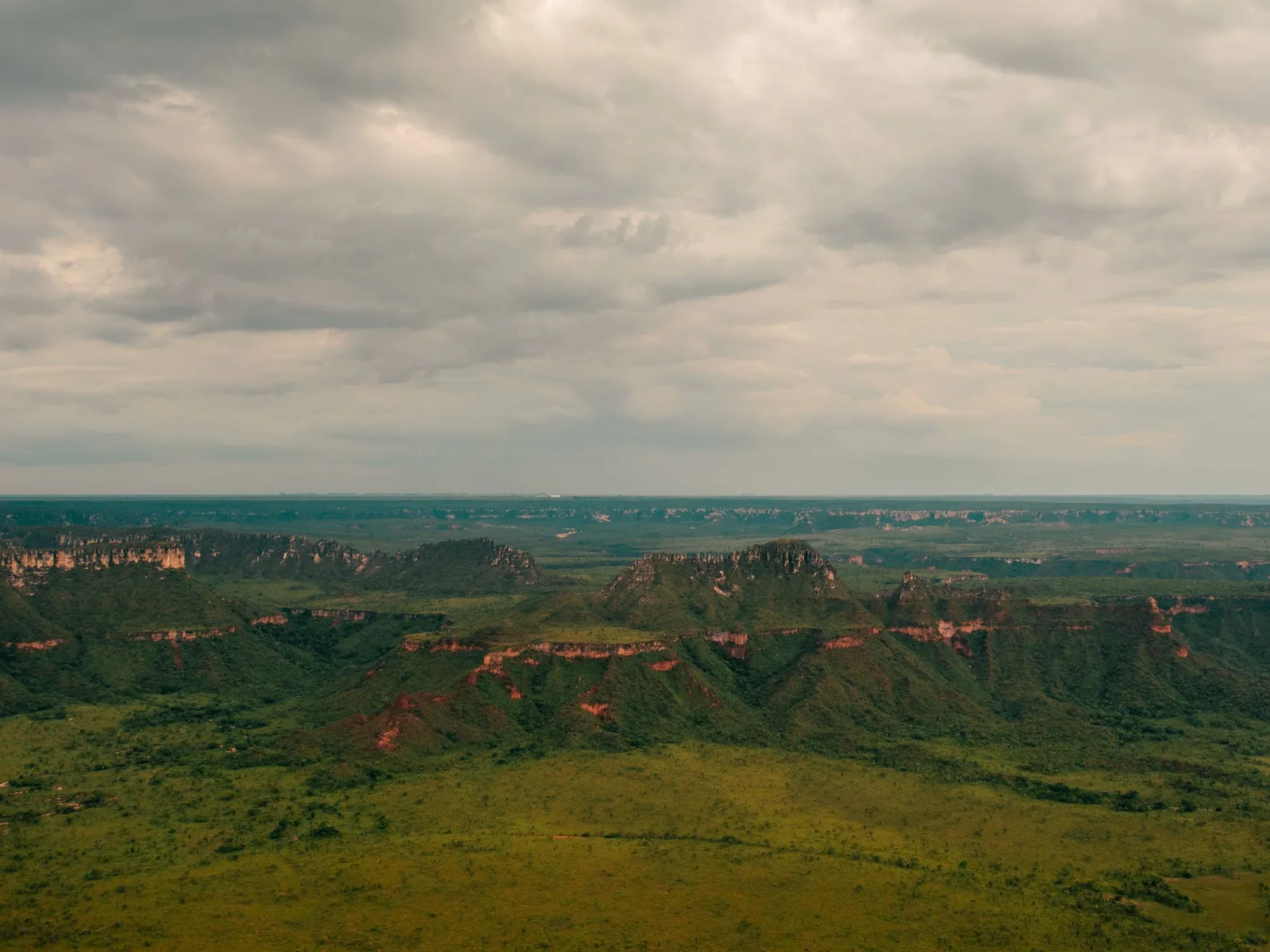
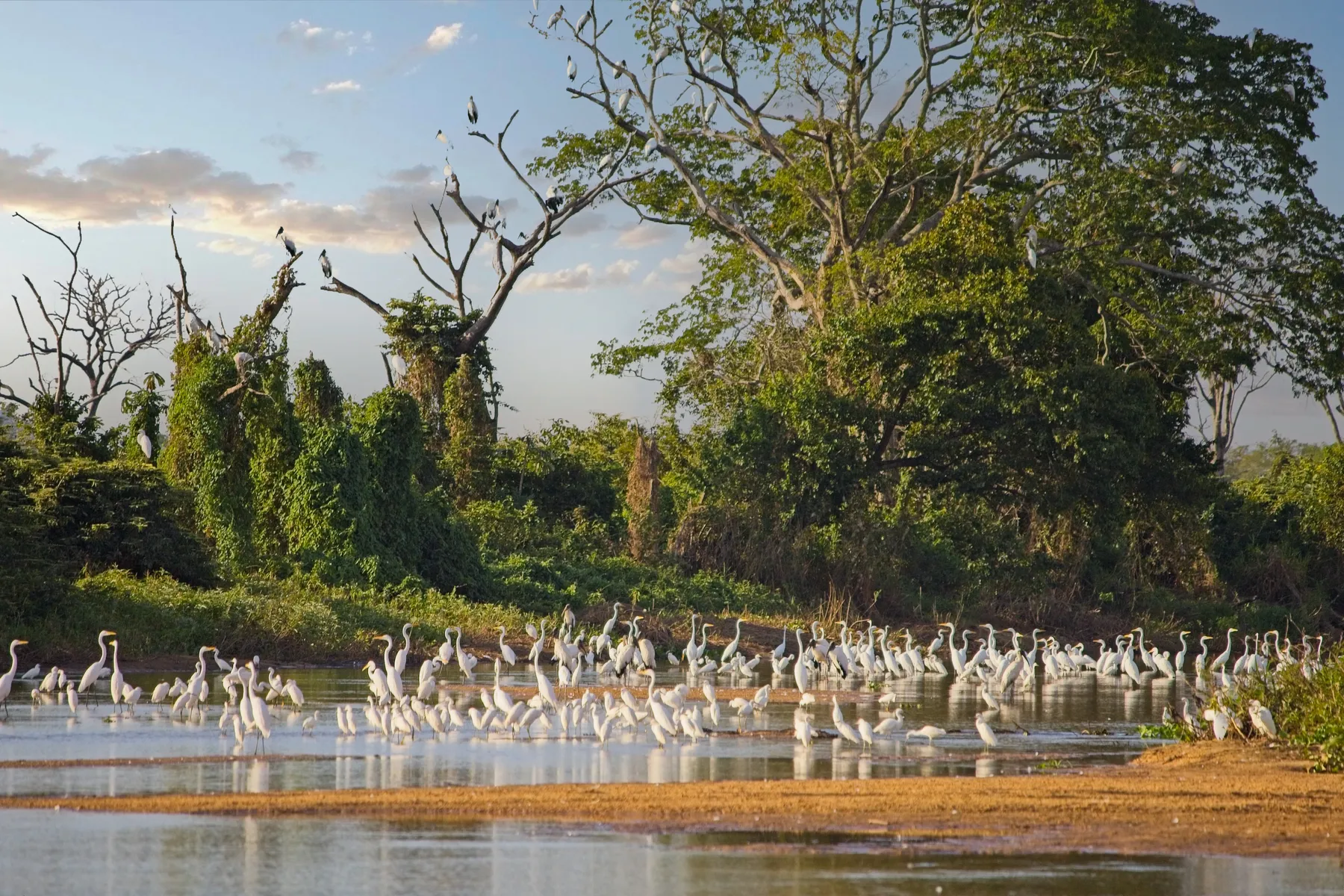
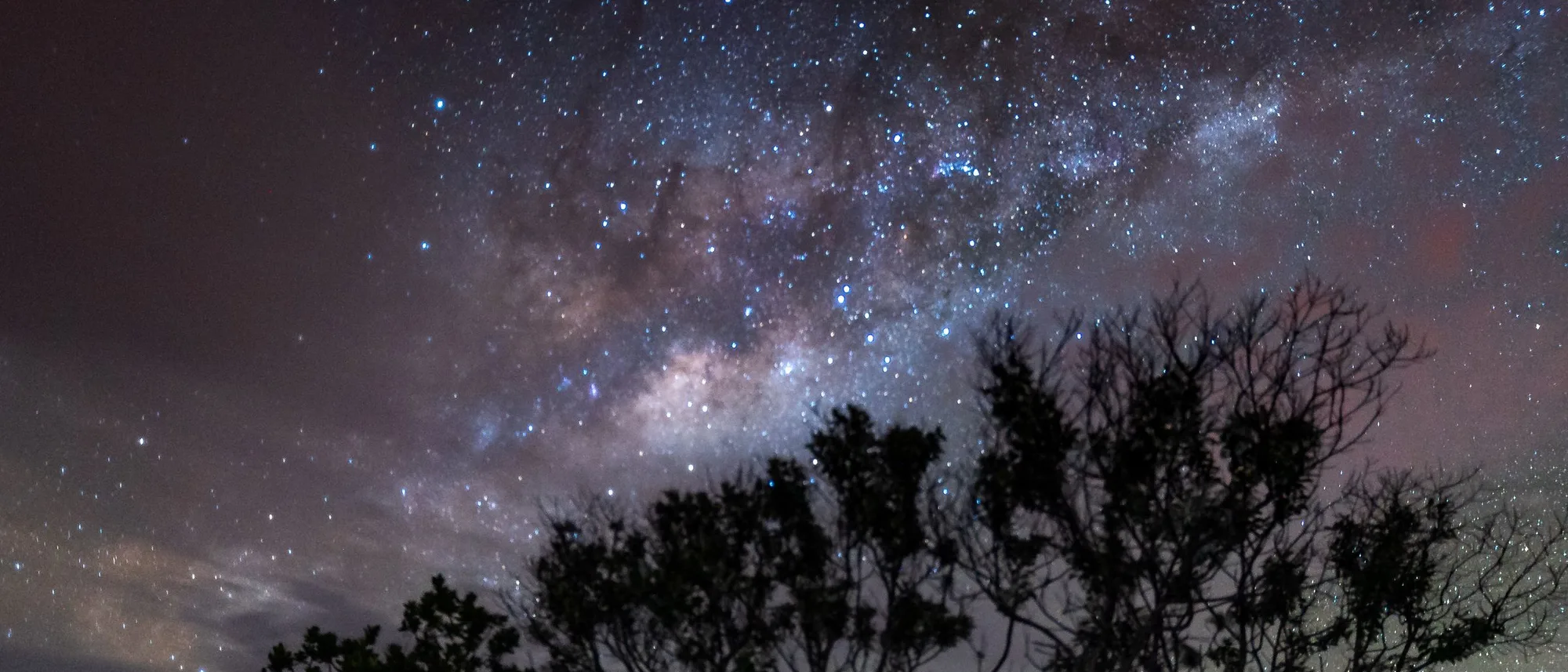
Here's the surprise: the Amazon holds more species, but the Pantanal is where you see them. Rainforest is dense and vertical, and animals disappear into it. The Pantanal is open, seasonally flooded grassland, around 150,000 square kilometers of it, ten times the size of the Everglades. During the dry season, wildlife gathers along shrinking rivers and waterholes in plain view.
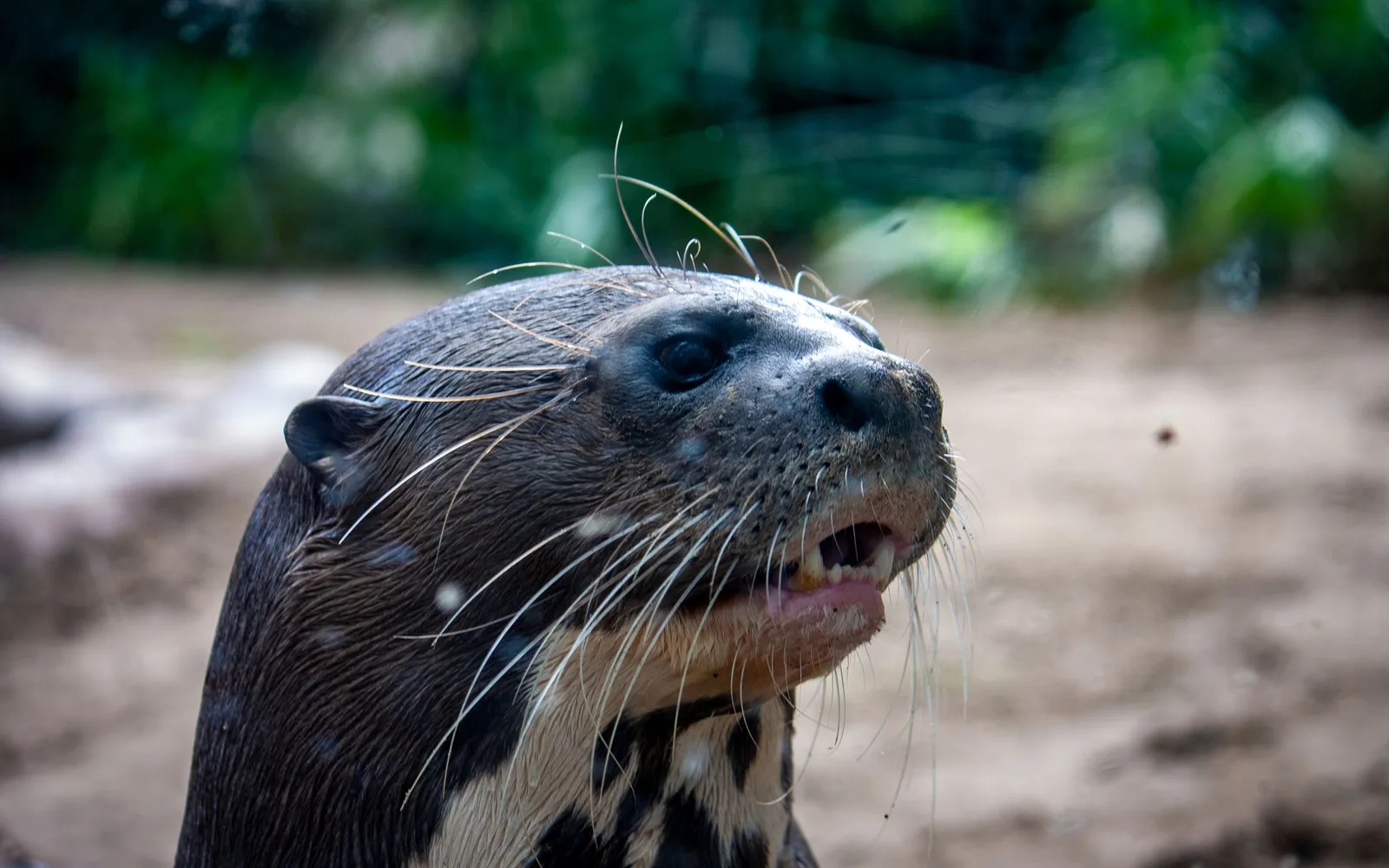
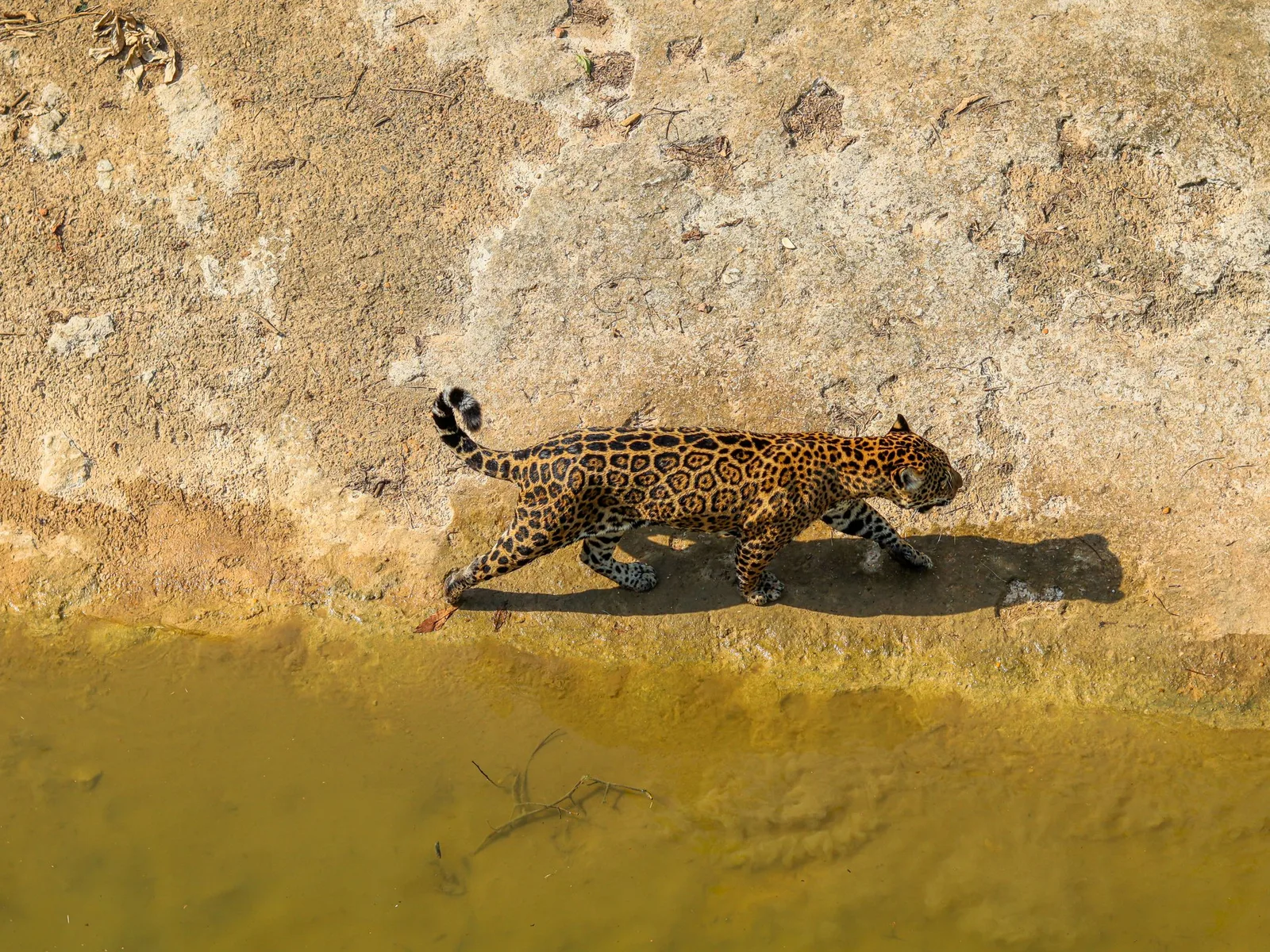
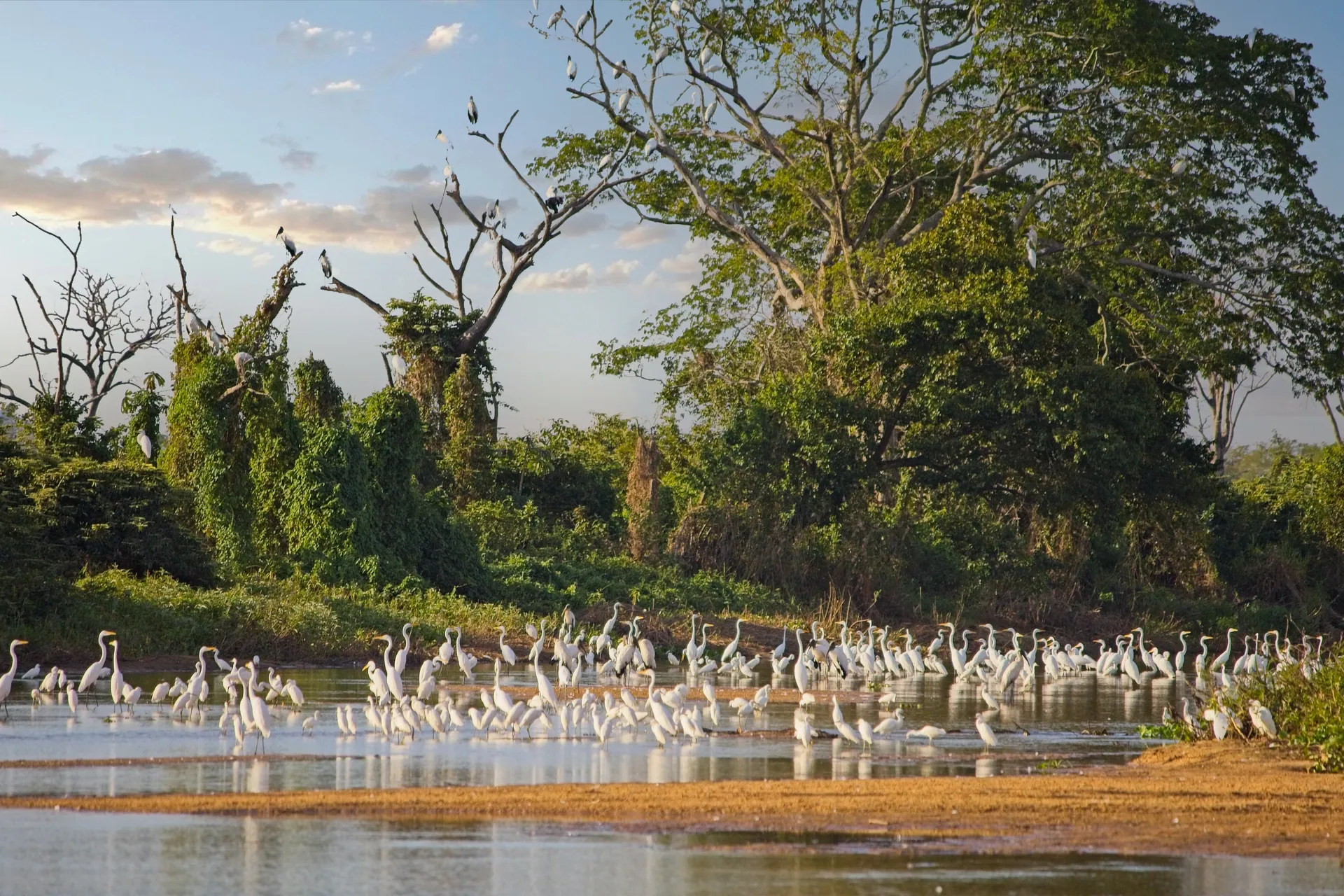
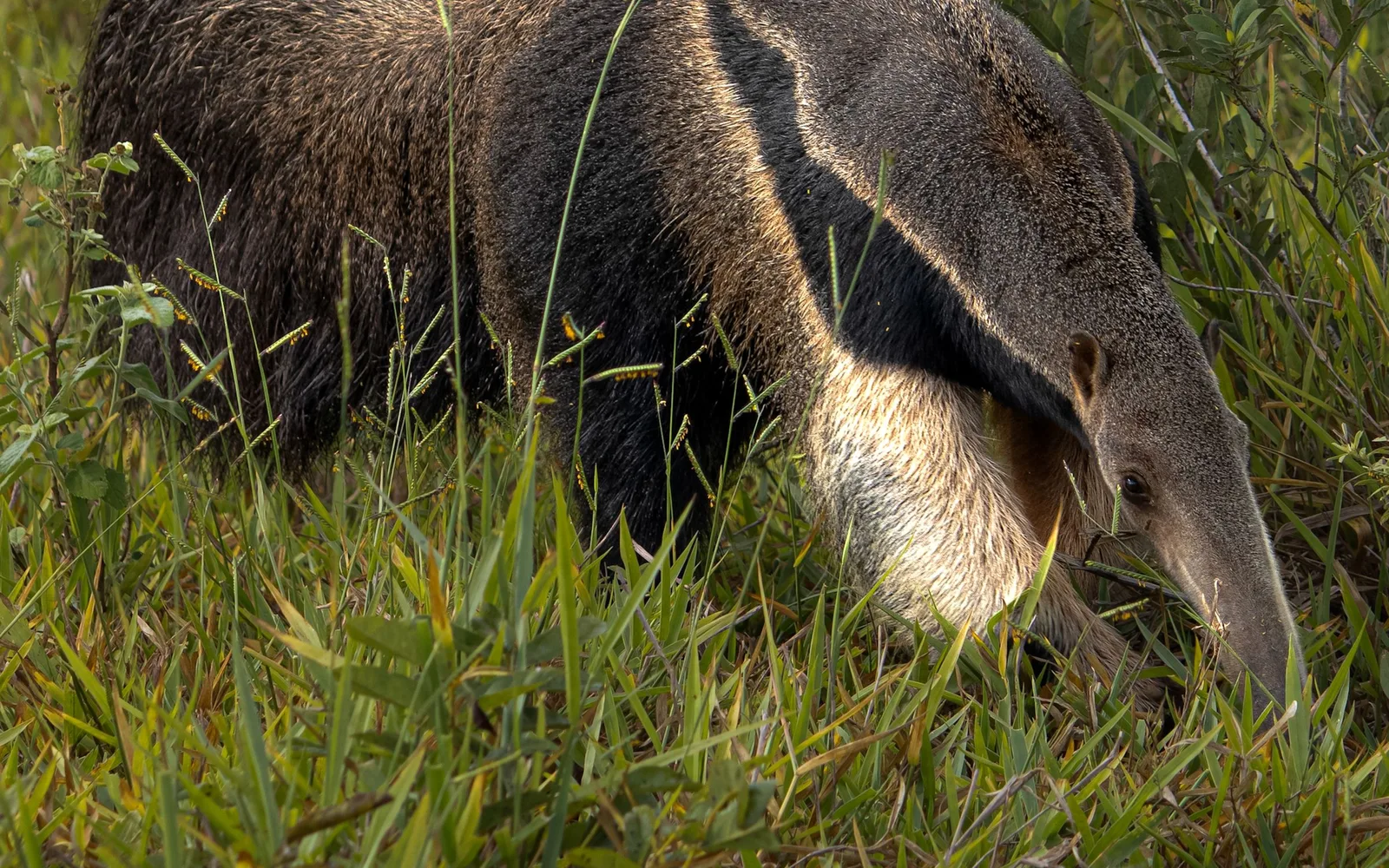
The numbers back this up. Jaguar sightings on the northern Pantanal's rivers between July and October run at better than 90% across a three-day boat safari. No other big-cat destination in the Americas comes close. Alongside jaguars, you'll find giant otters, capybara, tens of thousands of caiman, hyacinth macaws, jabiru storks, tapir, giant anteater and anaconda.
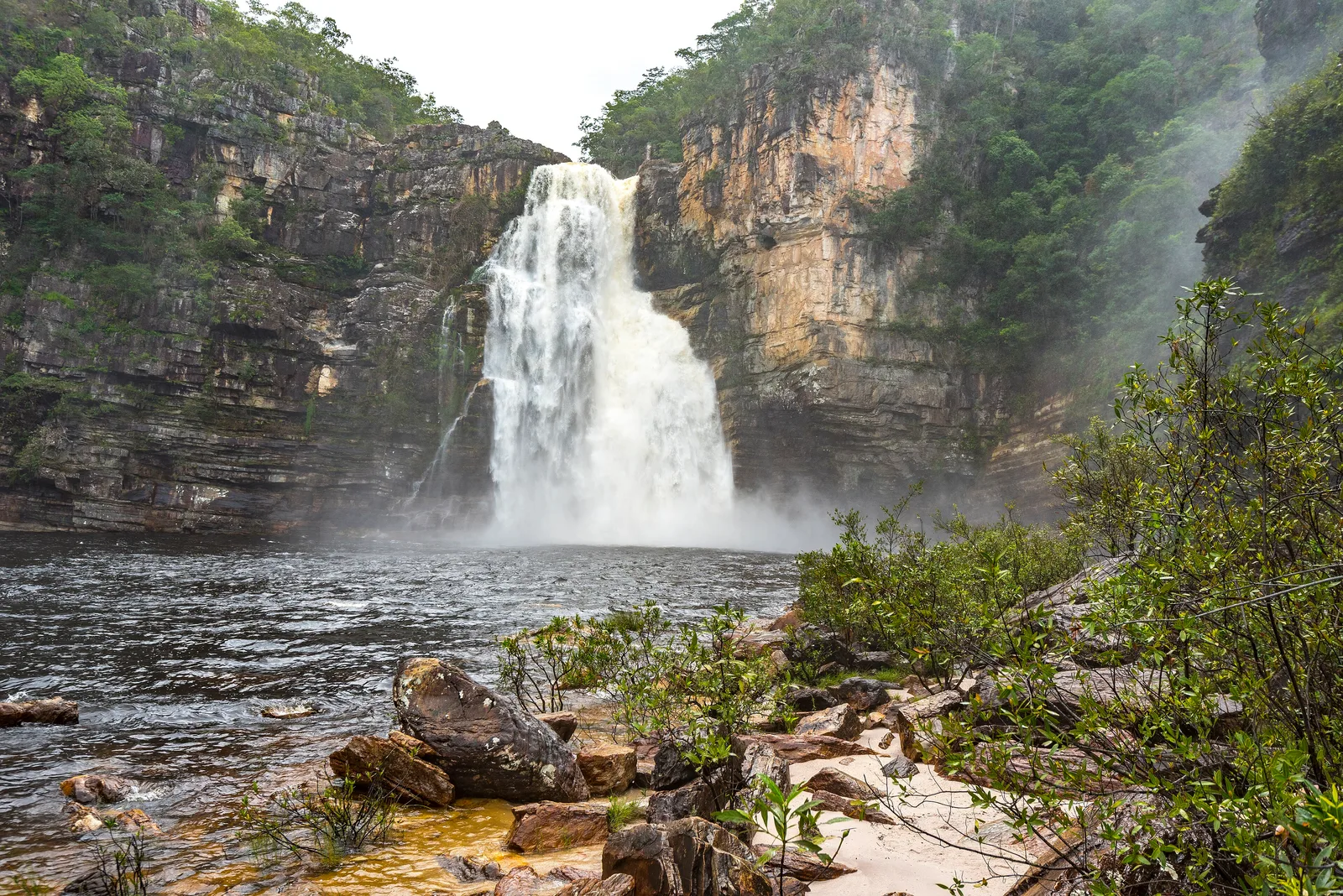
The rest of the region runs quieter and stranger. The cerrado, Brazil's savanna, holds more biodiversity than any other savanna in the world, and the Chapada dos Veadeiros shows its best side: quartz plateaus, canyons and waterfalls at 1,200 meters. Bonito, in the south, has spring-fed rivers so clear you snorkel past shoals of fish. Brasília is a purpose-built modernist capital, laid out in the shape of an airplane and finished in 41 months. It reads as fascinating or alienating depending on the day.
Where to go in the Central-West
-
Mato Grosso · 4–6 nights
The Pantanal
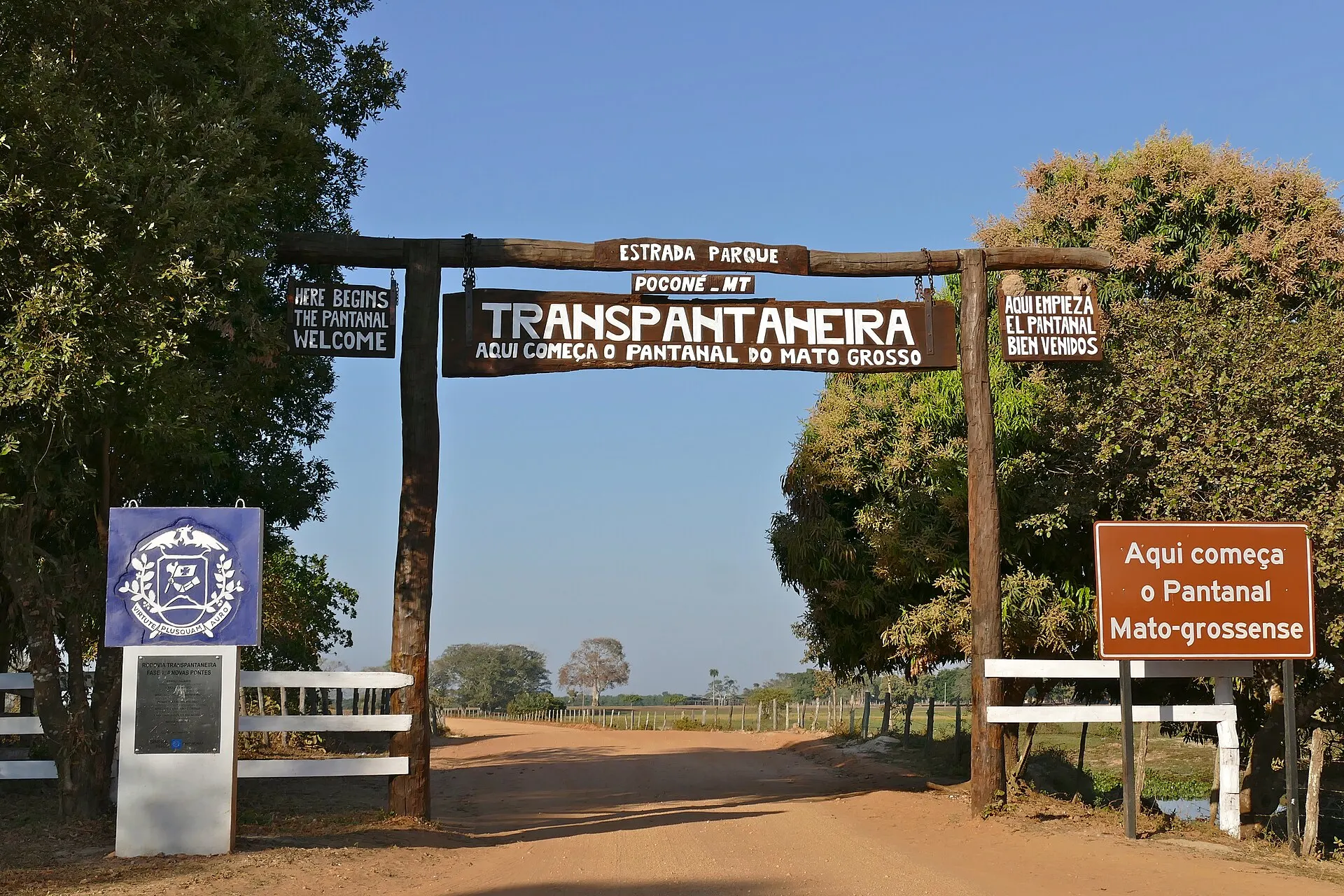
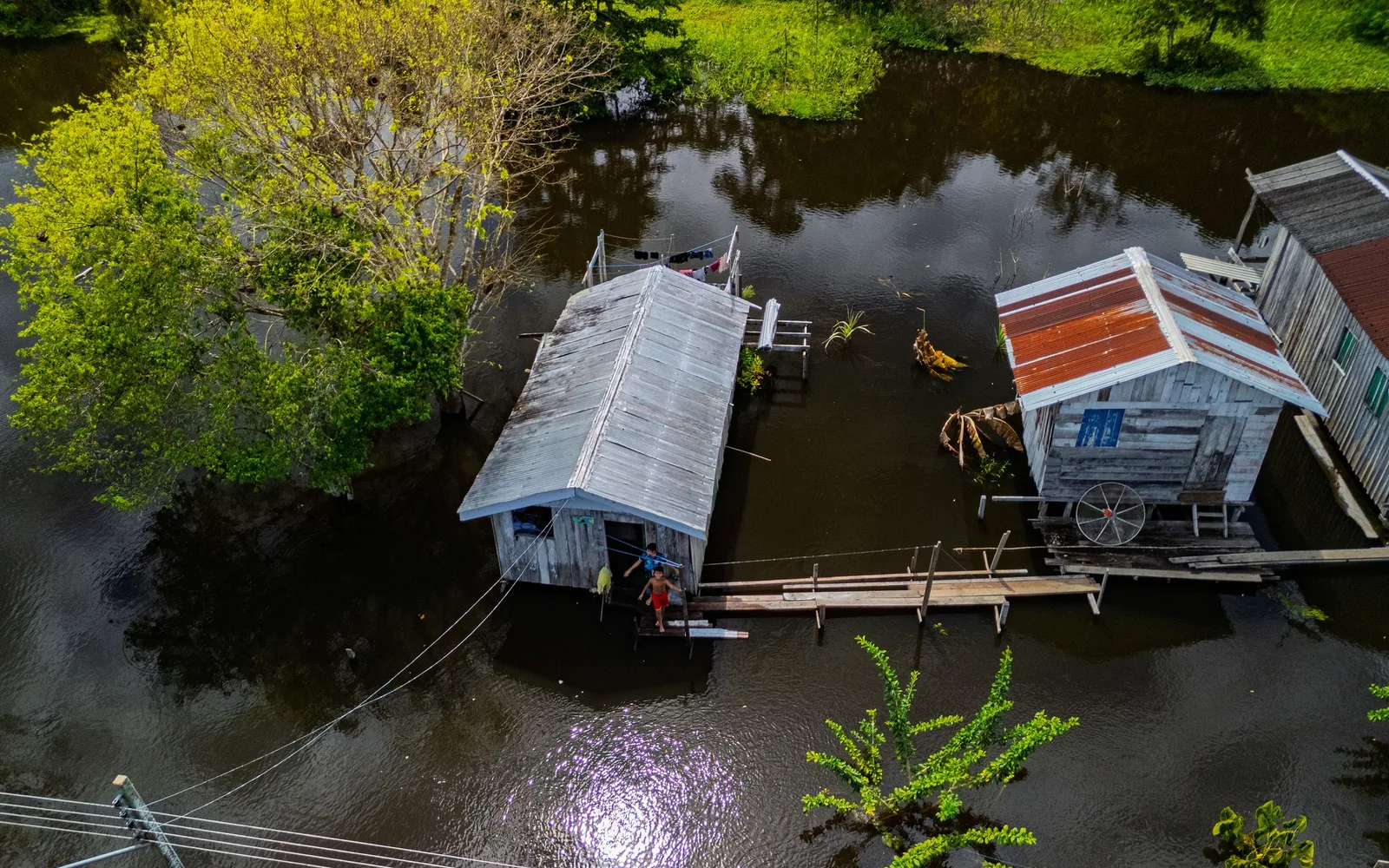
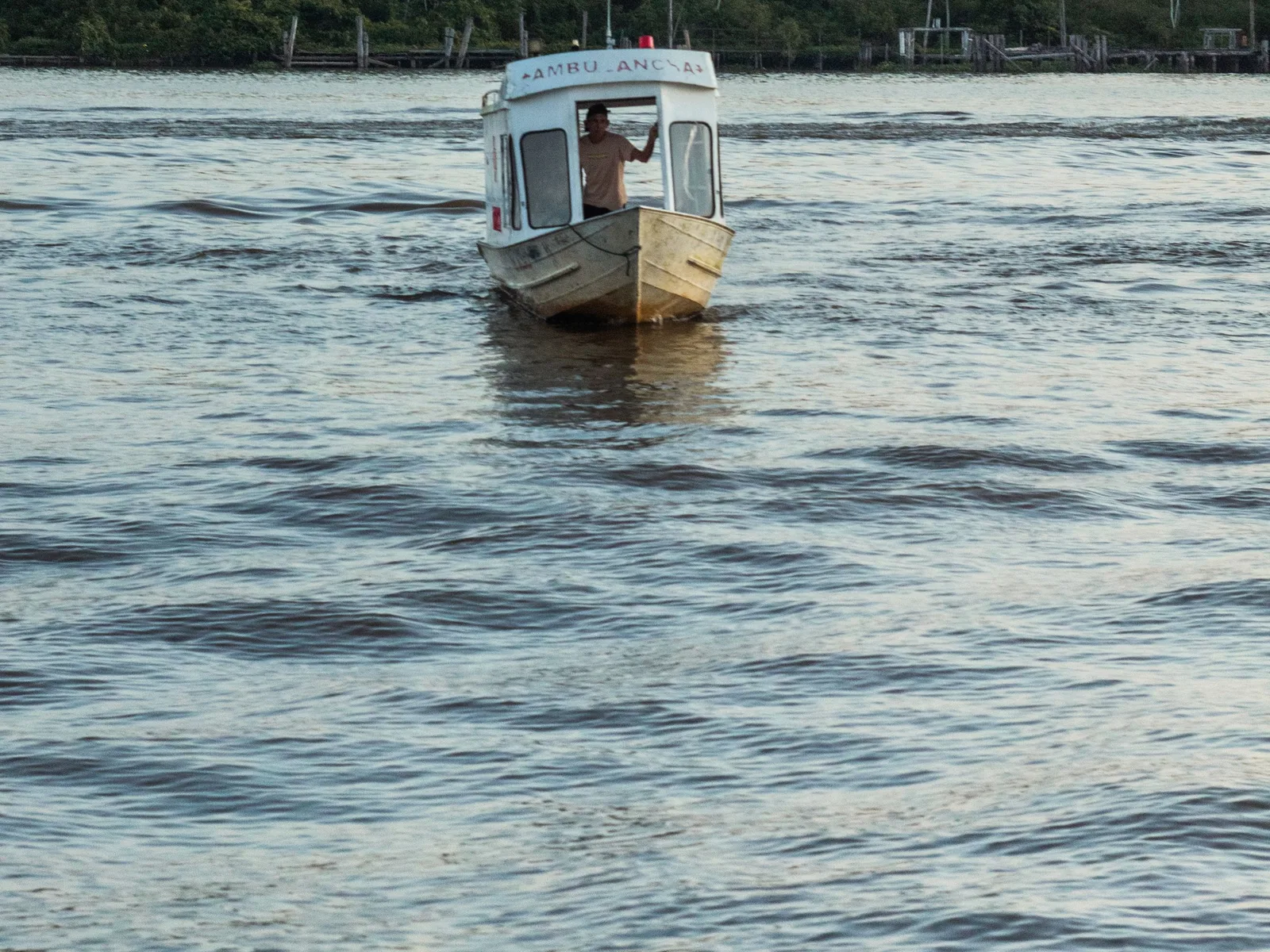
The northern Pantanal is the jaguar half. Reach it via Cuiabá and the Transpantaneira road down to Porto Jofre. You spend days in small boats on the Cuiabá and Três Irmãos rivers, where a network of guides radios sightings to one another. That's why the success rate runs so high. Giant otters, capybara and caiman stay in constant company.
There is a southern Pantanal too, reached from Campo Grande, and it is a different trip: working cattle fazendas, horseback riding, birding and night drives, with far fewer jaguars and more of a sense of a place where people live and work. It pairs naturally with Bonito, three hours away. Our guide covers the northern half, which is the one people book for the cats.
- Boat safaris for jaguar from Porto Jofre in the dry season
- Giant otter families, loud and utterly unbothered by boats
- Hyacinth macaws, the largest flying parrot in the world
- The Transpantaneira: 147 km of dirt road and more than a hundred bridges
- Night drives, when tapir and ocelot come out
-
Mato Grosso do Sul · 3–4 nights
Bonito
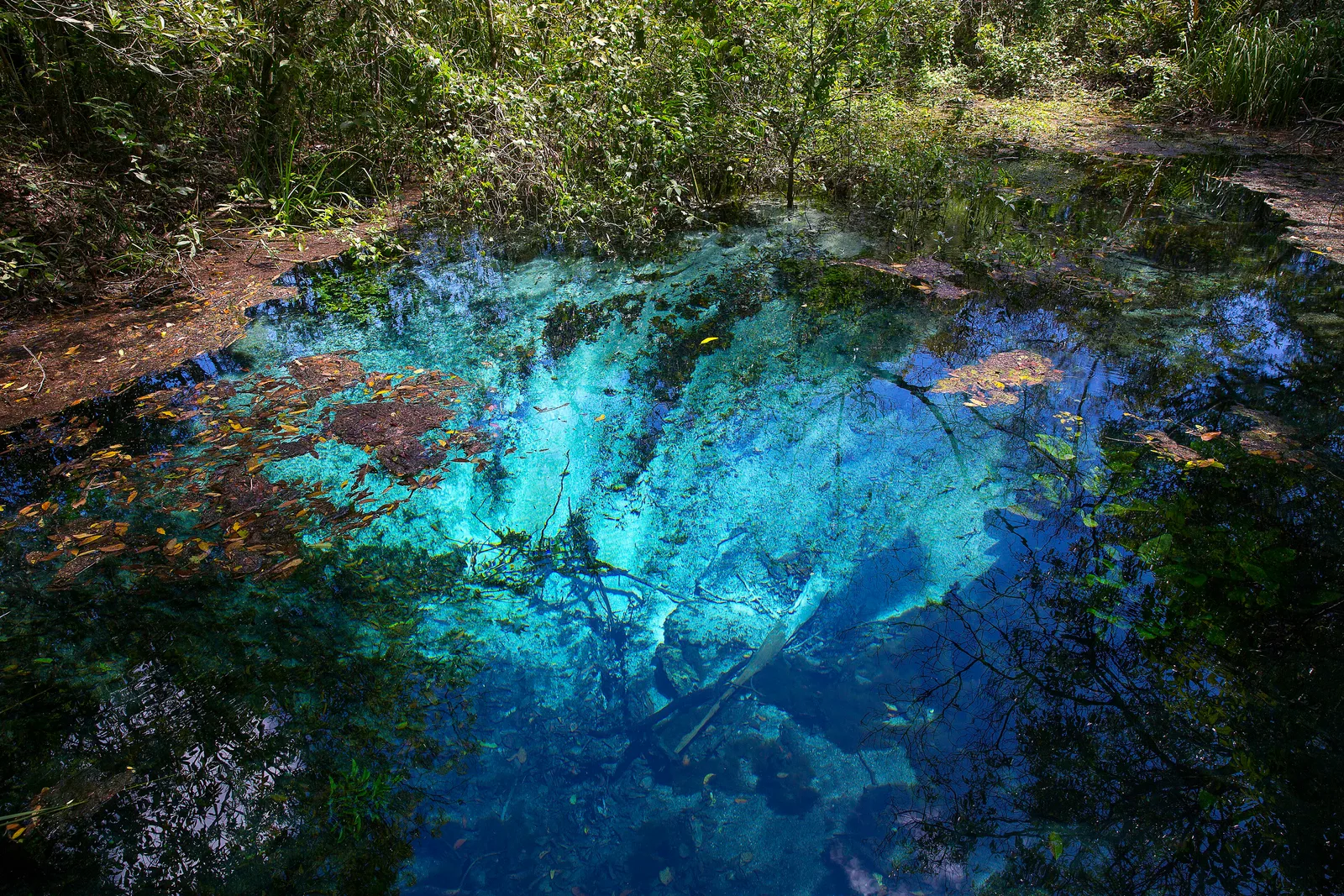
Limestone bedrock filters the groundwater here until it emerges from the springs almost completely clear. You float downriver in a mask and snorkel past shoals of dourado and piraputanga, through submerged trees, in water clear enough to read the riverbed.
Bonito also runs as one of the best-managed ecotourism destinations in Brazil. Every attraction caps daily visitors and requires a guide. That's why it still looks the way it does after thirty years of visitors.
- Snorkeling the Rio da Prata or Rio Sucuri
- Gruta do Lago Azul, a cave with a deep blue underground lake
- Abismo Anhumas, a 72-meter abseil into a flooded cavern
- Waterfall circuits at Estância Mimosa and Boca da Onça
- Easy to pair with the southern Pantanal
-
Goiás · 5–6 nights
Chapada dos Veadeiros
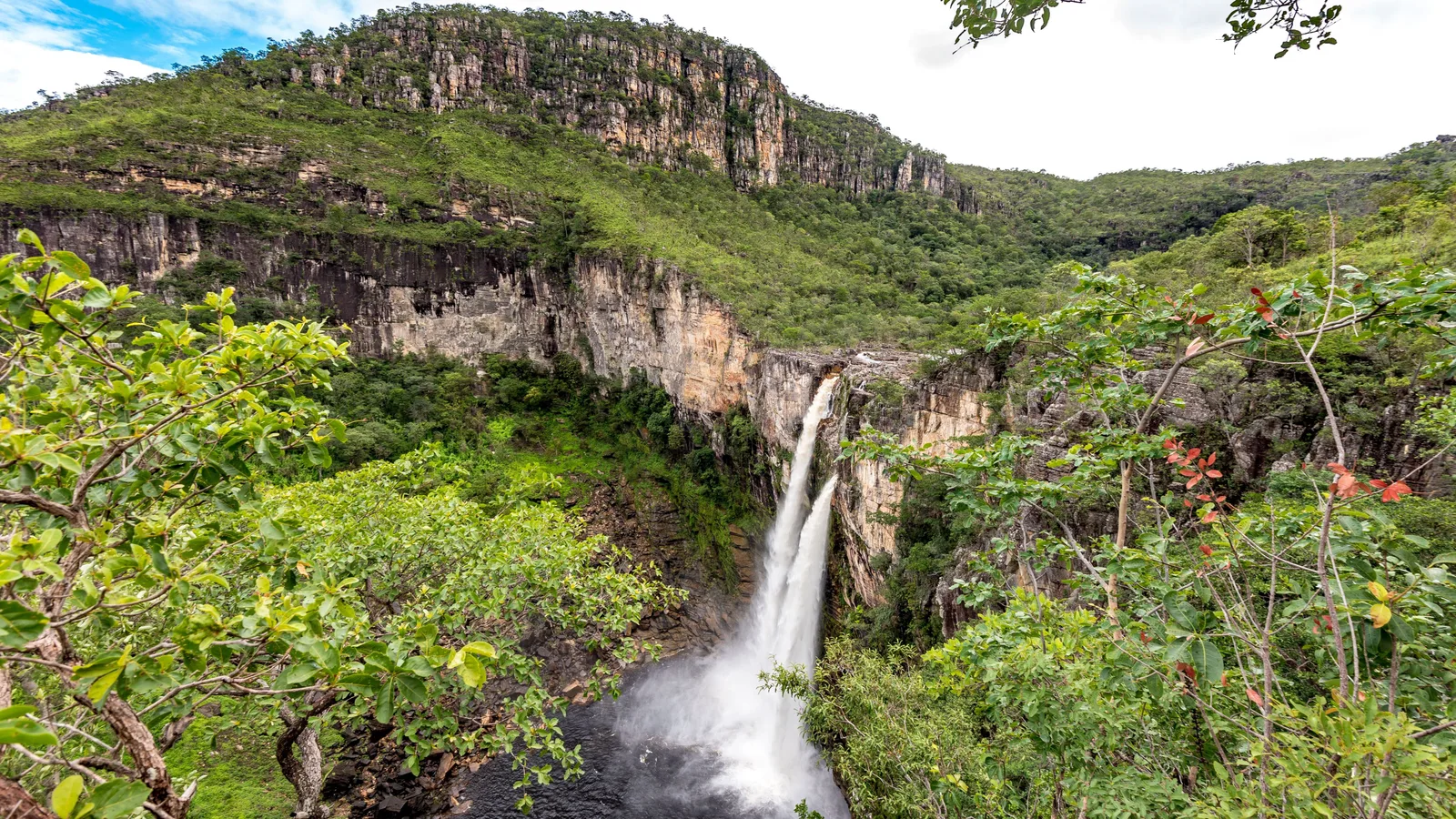
A high quartzite plateau north of Brasília, cut by rivers into canyons and waterfalls, and covered in cerrado, the savanna of central Brazil. The national park, listed by UNESCO in 2001, has its gate in the village of São Jorge; Alto Paraíso, 38 km away, is the bigger base.
Much of what people come for lies outside the park on private land, the Vale da Lua above all, and to the north the Kalunga quilombola communities run their own waterfalls. The flights land in Brasília, just under four hours away by road.
- The Saltos do Rio Preto, the park’s two great falls
- Cânion II and the Cachoeira das Cariocas
- The rock pools of the Vale da Lua
- The view from the Mirante da Janela
- Cachoeira Santa Bárbara, in the Kalunga territory
-
Distrito Federal · 1–2 nights
Brasília
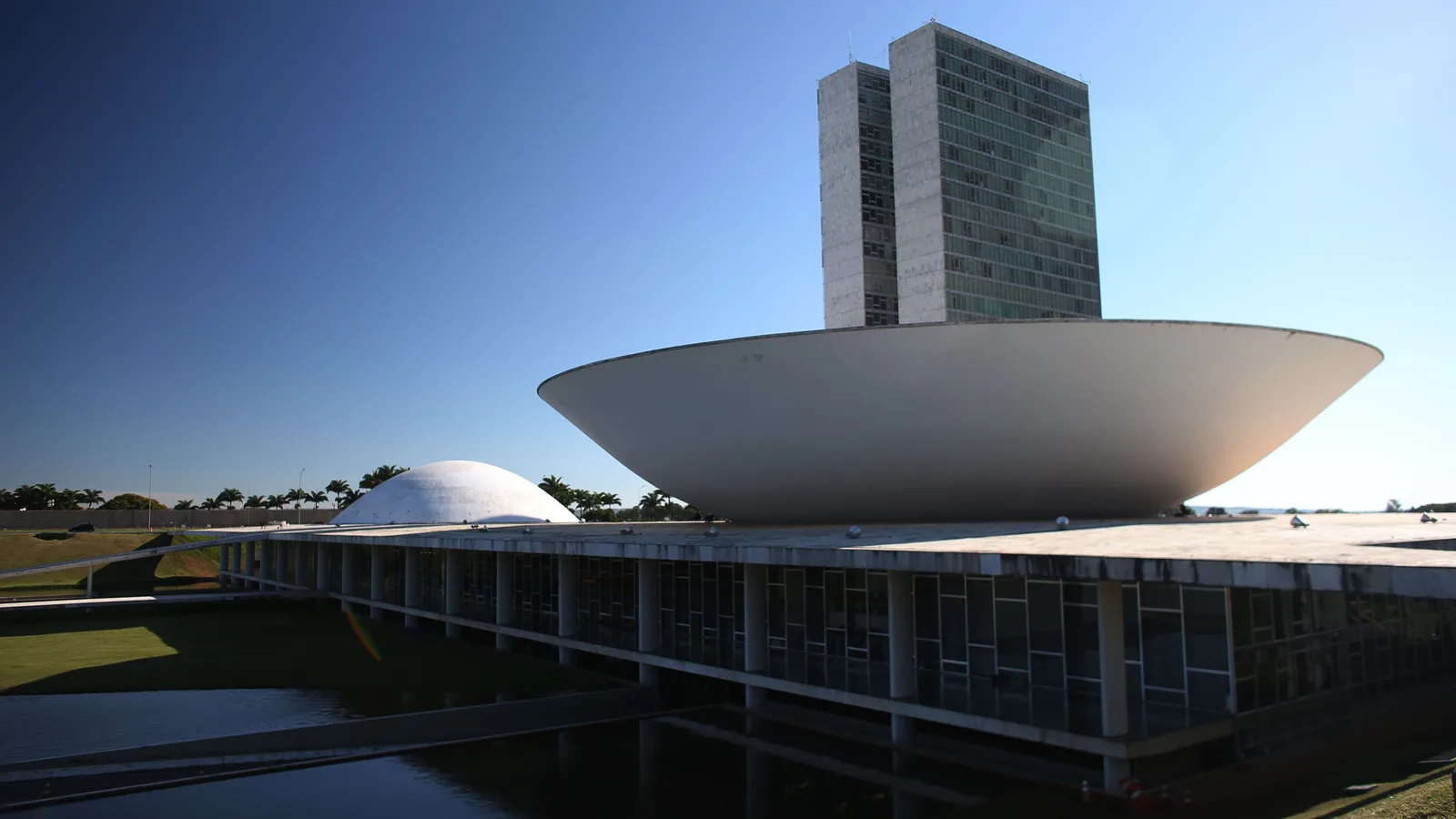
The capital drawn from scratch: Lúcio Costa won the competition for its plan in 1957, and the city was inaugurated in 1960 with Oscar Niemeyer’s palaces and ministries already standing. UNESCO listed the Plano Piloto in 1987 as a unique example of 20th-century town planning.
What you come for is the whole composition, the buildings, the space between them and the sky, and two full days covers it. It is built for cars, so getting around takes planning. It is also the airport for the Chapada dos Veadeiros, about 220 km north.
- Congress and the Praça dos Três Poderes
- Niemeyer’s Cathedral and the Itamaraty Palace
- The superquadras of Asa Sul and Asa Norte
- The Eixão closed to cars on Sundays
- The Ponte JK at sunset, over Lago Paranoá
More of the Central-West
When to go to the Central-West
The Central-West runs on the Pantanal's flood cycle. From November to March the wetland fills, turning green and loud with birds but scattering the mammals across thousands of square kilometers. From May the water drops and the animals concentrate along the remaining rivers, which is when jaguars become findable rather than theoretical. All four places in this region peak in the same month, July, which is rare enough here to be worth saying.
- Best — The one or two peak months
- Good — A real recommendation
- Trade-offs — Workable, with a catch
- Jan
Peak flood and peak heat. Superb for birds, hard for mammals, and some lodge roads become impassable.
- Feb
Still flooded and very hot. February is one of Bonito's wetter months too, and it is rain that puts sediment in those rivers.
- Mar
Rain easing. The Chapada dos Veadeiros waterfalls are past their December-to-March high water.
- Apr
The water starts dropping and the roads firm up. Green, quiet and far cheaper than the peak.
- May
Dry season begins. Comfortable temperatures and wildlife starting to concentrate.
- Jun
Clear skies, cool nights and good sightings - the shoulder month before prices rise.
- Jul
The peak, and all four places agree on it: the Pantanal at 23.1 mm and 16.5 mm at its two stations and the sunniest month of the year at both, Bonito the driest and coolest month of its year, Alto Paraíso at 2.3 mm and Brasília at 1.5. Cool mornings, dry days, and the Pantanal's animals pinned to the riverbanks.
- Aug
Still the heart of the dry season and still excellent, with the heat starting to build: Pantanal afternoons go from 28.6 and 31.1°C in July to 30.5 and 33.1.
- Sep
Dry and hot, with the wildlife still on the water. Also fire season in bad years - worth checking conditions before you book.
- Oct
Good wildlife right up to the first storms, and the last month of the window. Hot, and the light is superb.
- Nov
The rains return and the wetland begins filling. Mammals disperse; the birdlife takes over.
- Dec
Hot, wet and green. Bonito is at its best for waterfalls, the Pantanal at its hardest for big cats.
Dates worth planning around
-
Jaguar season
July to October
Sightings along the Cuiabá and Três Irmãos rivers in the northern Pantanal as low water pushes the cats to the banks. The one peer-reviewed study of Porto Jofre puts the chance of a sighting at 0.94 in high season against 0.52 in low, but names no peak month, so this does not either. Multi-day trips give you far better odds than a single outing.
-
Bonito river visibility
Driest April to September
Nobody publishes a measured water clarity for the Rio da Prata or the Rio Sucuri by month, so this window is the rainfall's: rain is what puts sediment in these rivers, and July is the driest month of the year at 58 mm against December's 238.
-
Chapada dos Veadeiros waterfalls
Fullest December to March
The four wettest months on the Alto Paraíso rain record are December, January, February and March, at 258.6, 246.6, 205.4 and 197.7 mm; by April it has fallen to 71.6. Spectacular flow, but some trails close after heavy rain - check with the park before committing to a date.
Getting around the Central-West
Two airports serve the Pantanal from opposite ends, and which one you fly into shapes the entire trip. Everything after that is a long, slow drive on dirt.
Where to fly into
-
Cuiabá (CGB)
For the northern Pantanal and the Transpantaneira. This is the side you fly to if jaguars are the point.
-
Campo Grande (CGR)
For the southern Pantanal, and for Bonito four hours further on.
-
Brasília (BSB)
The connecting hub for the region, and the way into Chapada dos Veadeiros.
Between the places on this list
- 6-7h
Cuiabá to Porto Jofre
The Transpantaneira: 145km of dirt and roughly 120 wooden bridges. Slow, rough, and the single best wildlife drive in Brazil - you will stop constantly.
- 4h
Campo Grande to Bonito
Paved and straightforward. Buses run daily, but a car makes the scattered attractions far easier.
- 4h
Brasília to Alto Paraíso
Paved the whole way into Chapada dos Veadeiros. Do it in daylight.
- 1h15
Cuiabá to Chapada dos Guimarães
An easy half-day out of the city if you have a spare morning before flying.
- 1h
Campo Grande to Cuiabá
Or eleven hours by road. Fly.
Once you are there
-
In the Pantanal
You do not move around independently. Lodges run the boat trips and the open-vehicle safaris, and that is how anything gets seen - a guide who knows which bend the cats use is most of the value.
-
Bonito
Every attraction is a private property on a timed booking made through a local agency. Nothing is walk-up, and the best slots go days ahead - plan before you arrive.
Should you rent a car?
Yes for the Transpantaneira and Bonito. Otherwise skip it.
Take high clearance for the Transpantaneira and an ordinary car for Bonito and Veadeiros. Most jaguar-focused trips include all transfers, in which case a rental just sits at the lodge. Whatever you drive, fill the tank whenever you pass a station - they are a very long way apart.
If wildlife is the reason you're coming to Brazil, make the Pantanal the fixed point in your itinerary and plan everything else around it. Its season is narrow enough to build the whole trip around.
Get trip advice Free · 29 pages
Free guide
Beginner's Guide to Brazil
A free 29-page guide to everything a first-time visitor should know before landing: visas, safety, money, getting around, where to go, and what to eat.
We'll email you a link to confirm your address. Click it and the guide opens right away.
I am offering free consultation calls for anyone that’s interested in traveling to Brazil. Learn directly from someone that has traveled throughout Brazil. Even if you have no ideas for your trip, let’s talk about it!
Get trip advice