

Paraná · Santa Catarina · Rio Grande do Sul
South: Iguaçu, Florianópolis and a cooler Brazil
Brazil's smallest region, and its least Brazilian-feeling. It's cooler, greener, and shaped by German, Italian, Polish and Ukrainian immigration. It's also home to the one waterfall that reliably outdoes everyone's expectations.
- How long to stay
- Two nights for Iguaçu, four or five for Florianópolis, three for the Serra Gaúcha.
- Good for
- Iguaçu Falls, beaches without tropical heat, wine and food, whale watching, and travelers who want an easy, well-organized part of Brazil.
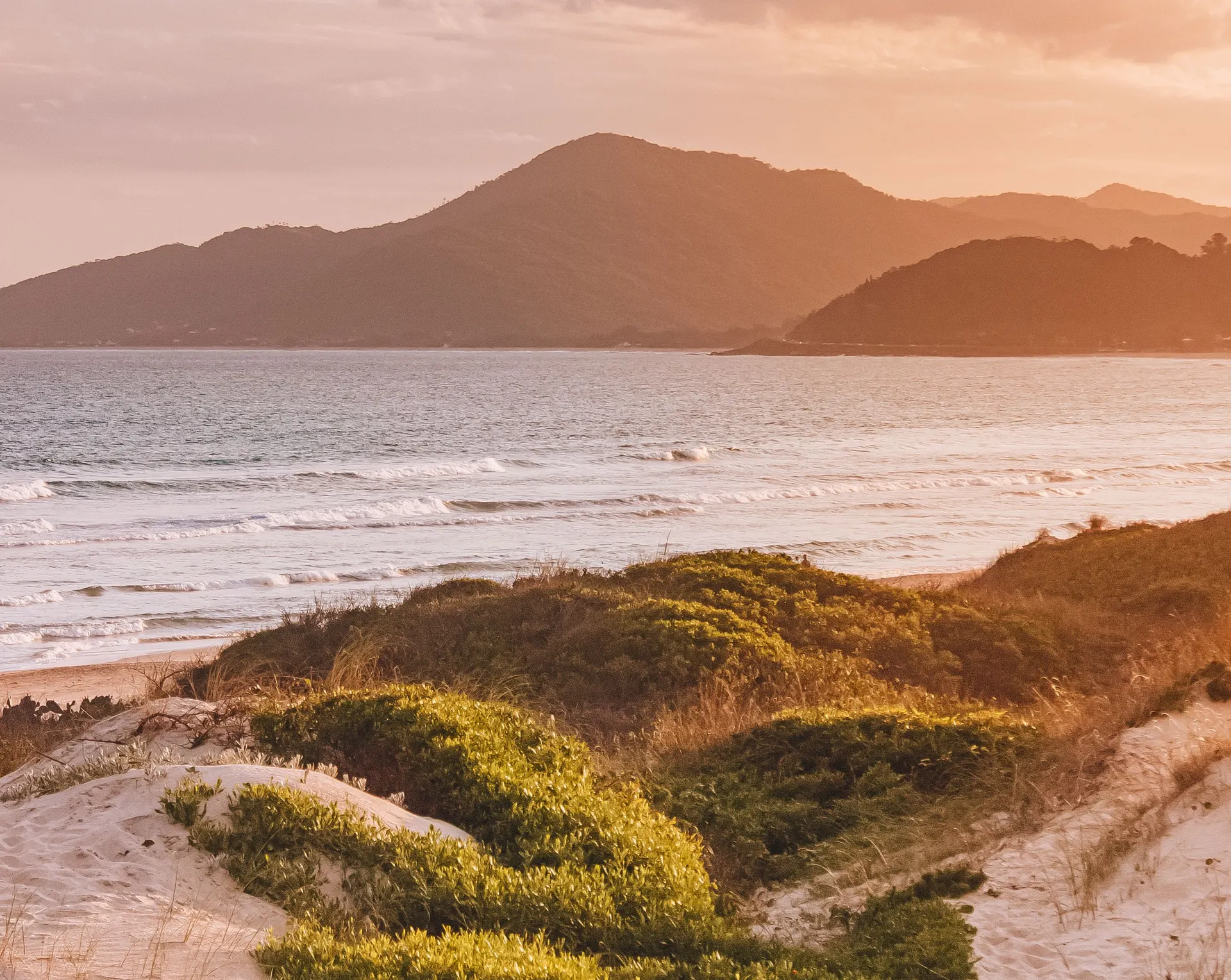
The South sits below the Tropic of Capricorn, and that changes everything. It has four real seasons, the highlands see frost in winter and, now and then, snow, and the architecture and food in towns like Blumenau, Gramado and Bento Gonçalves come straight from 19th-century European settlement. It's also the wealthiest and most developed part of the country, with the best roads and the highest quality of life indicators.
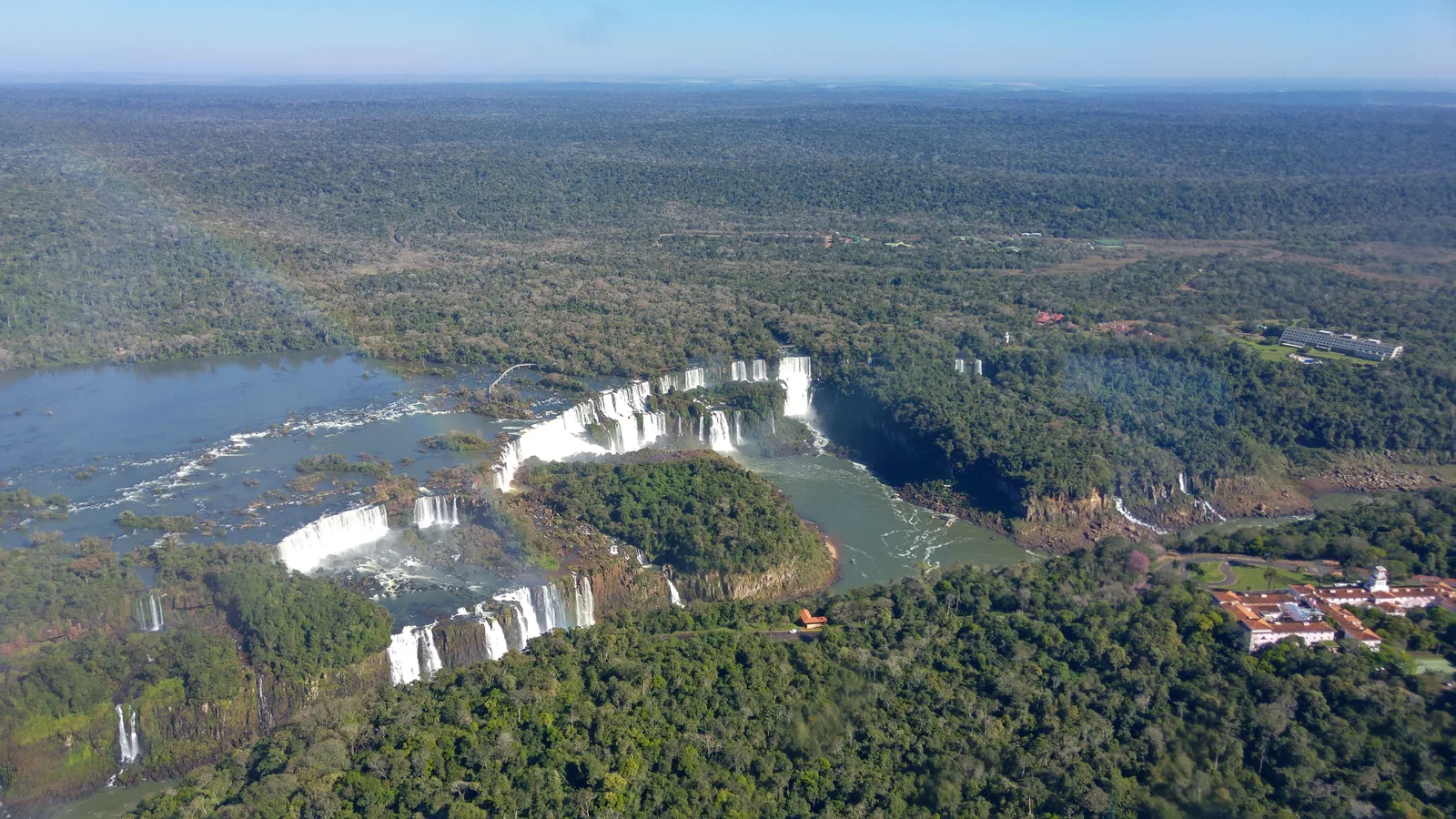
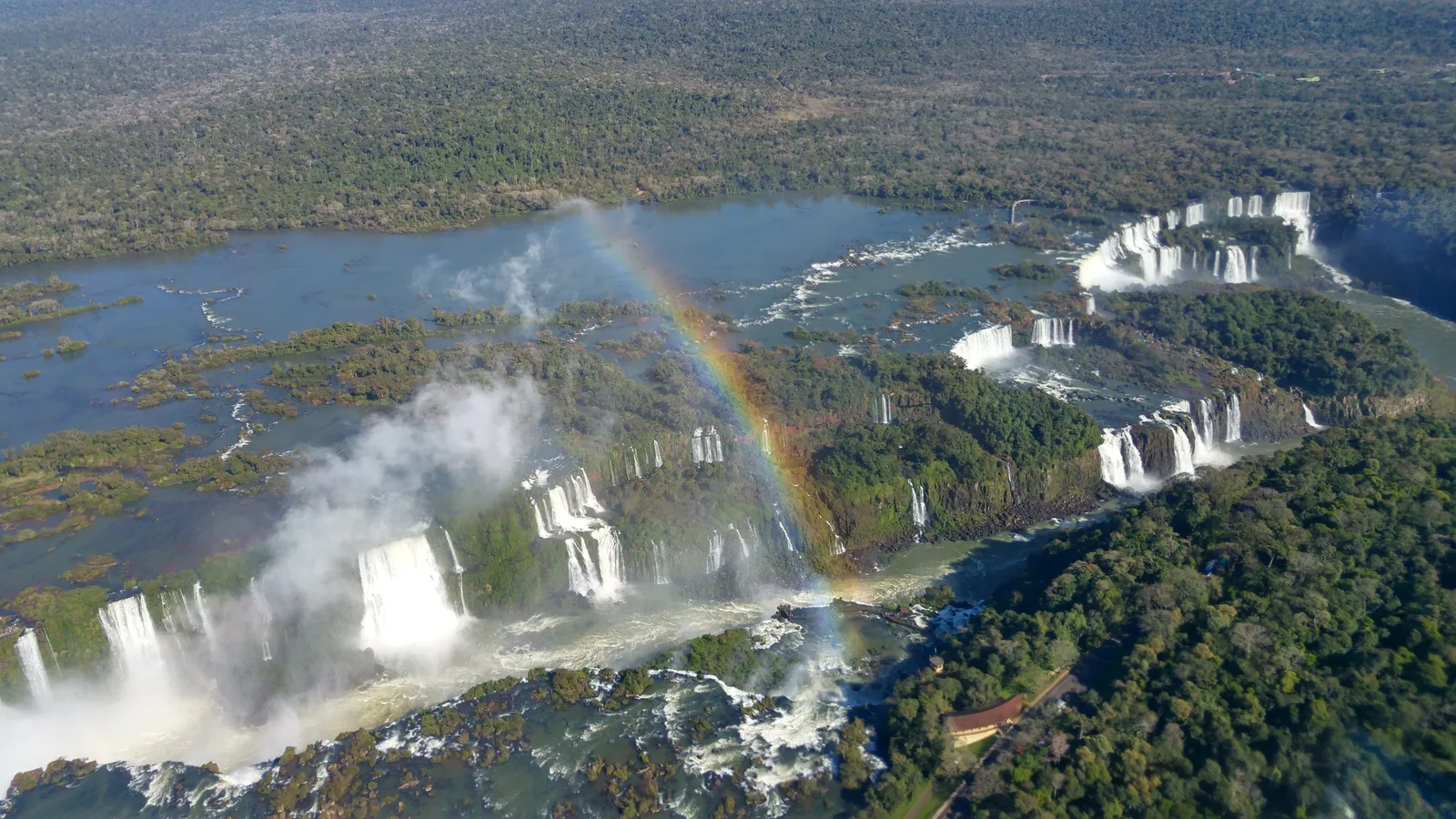
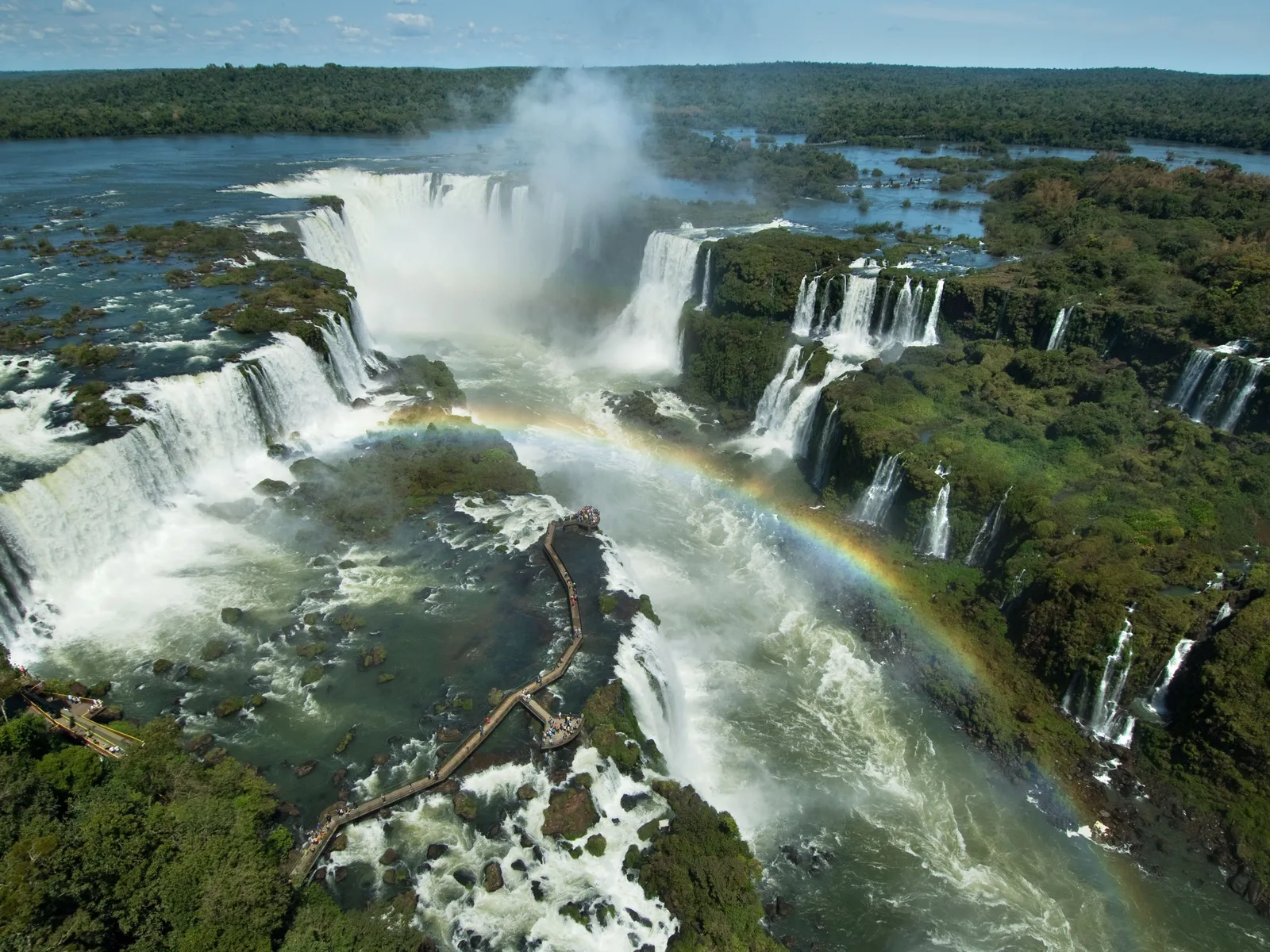
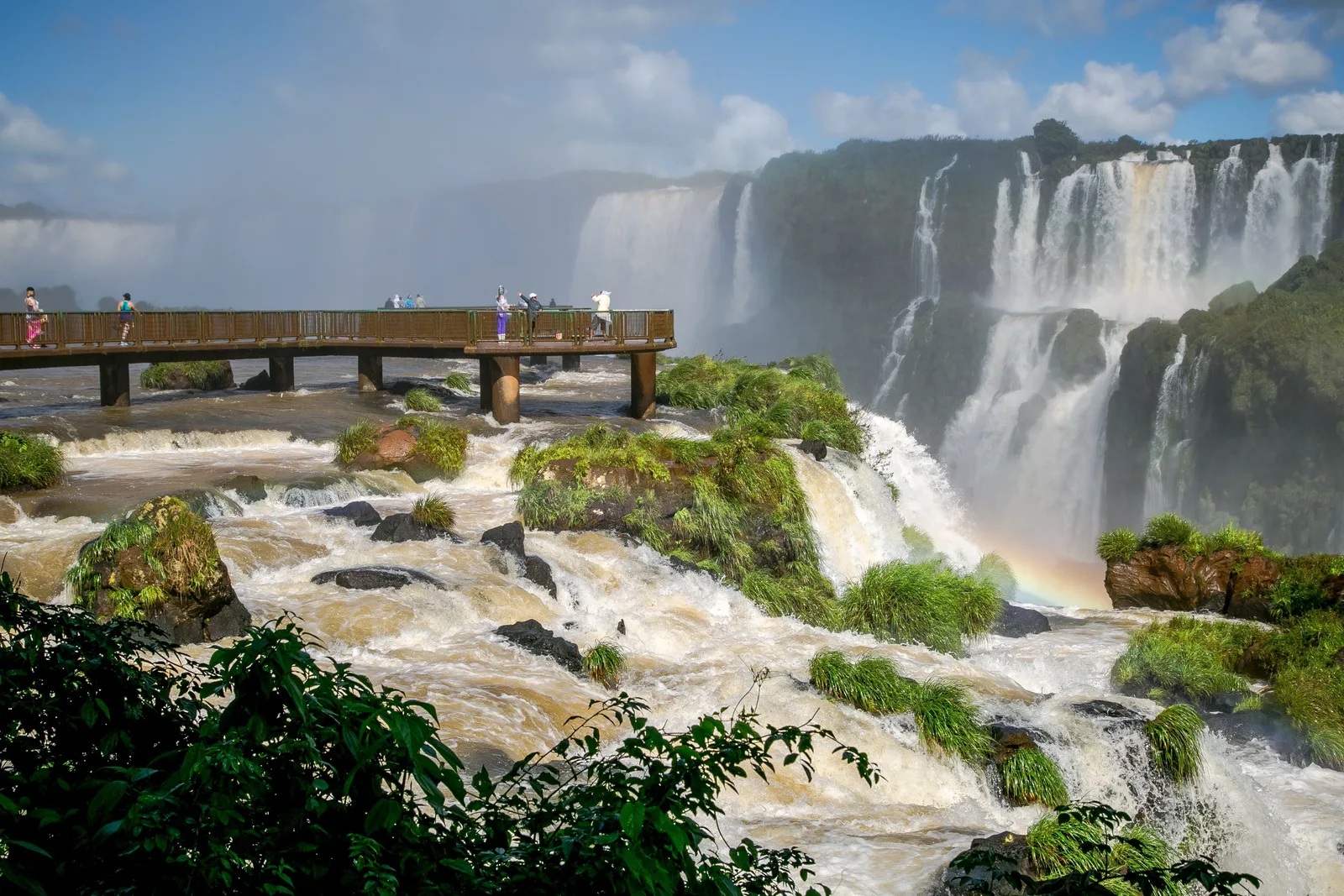
Iguaçu Falls earns its reputation. Two hundred and seventy-five separate cascades spread across nearly three kilometers on the Brazil-Argentina border, taller than Niagara and far wider, dropping through subtropical rainforest full of coatis and toucans. Eleanor Roosevelt is said to have remarked 'poor Niagara' on seeing it, and the comment still holds up.
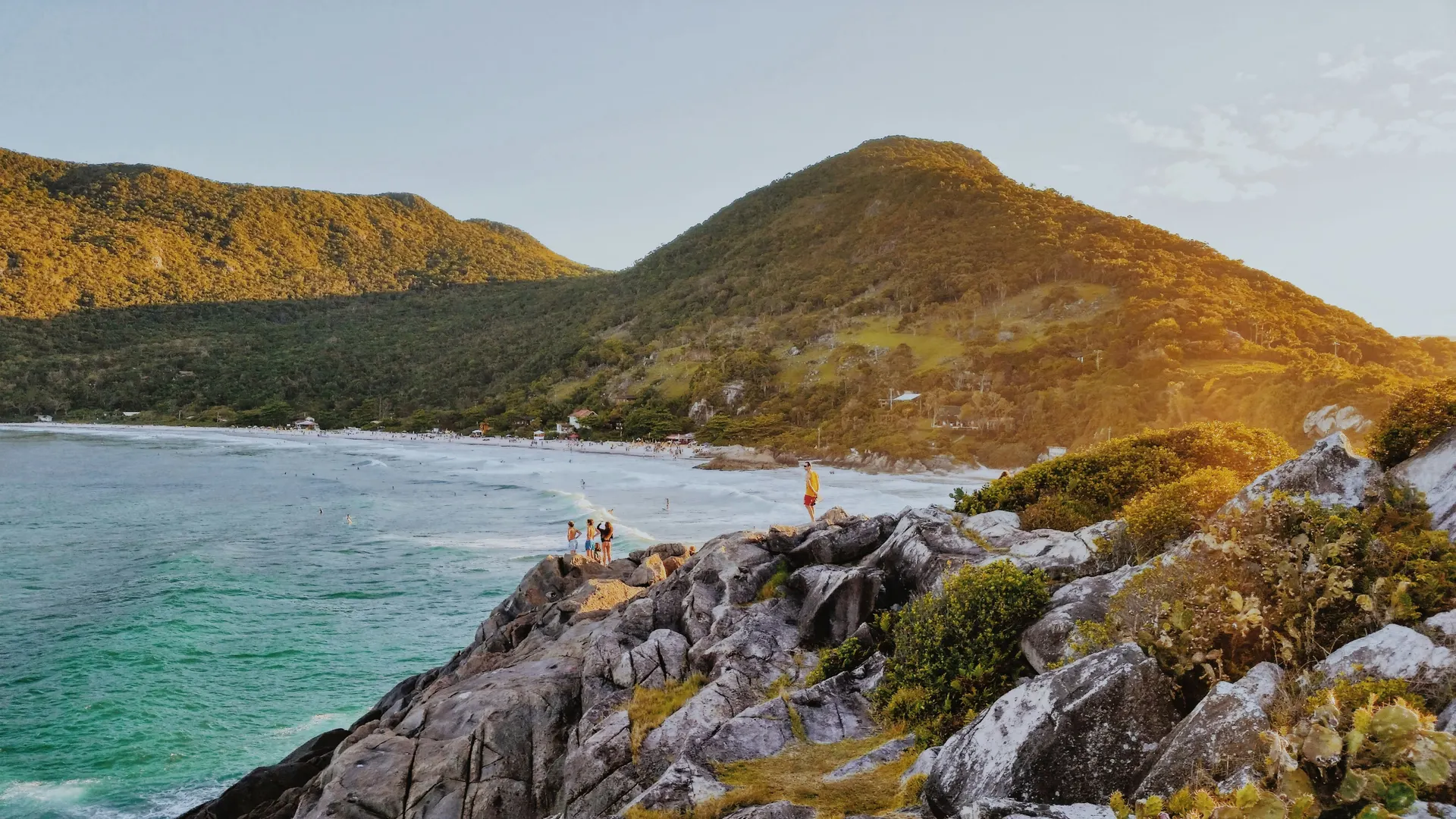
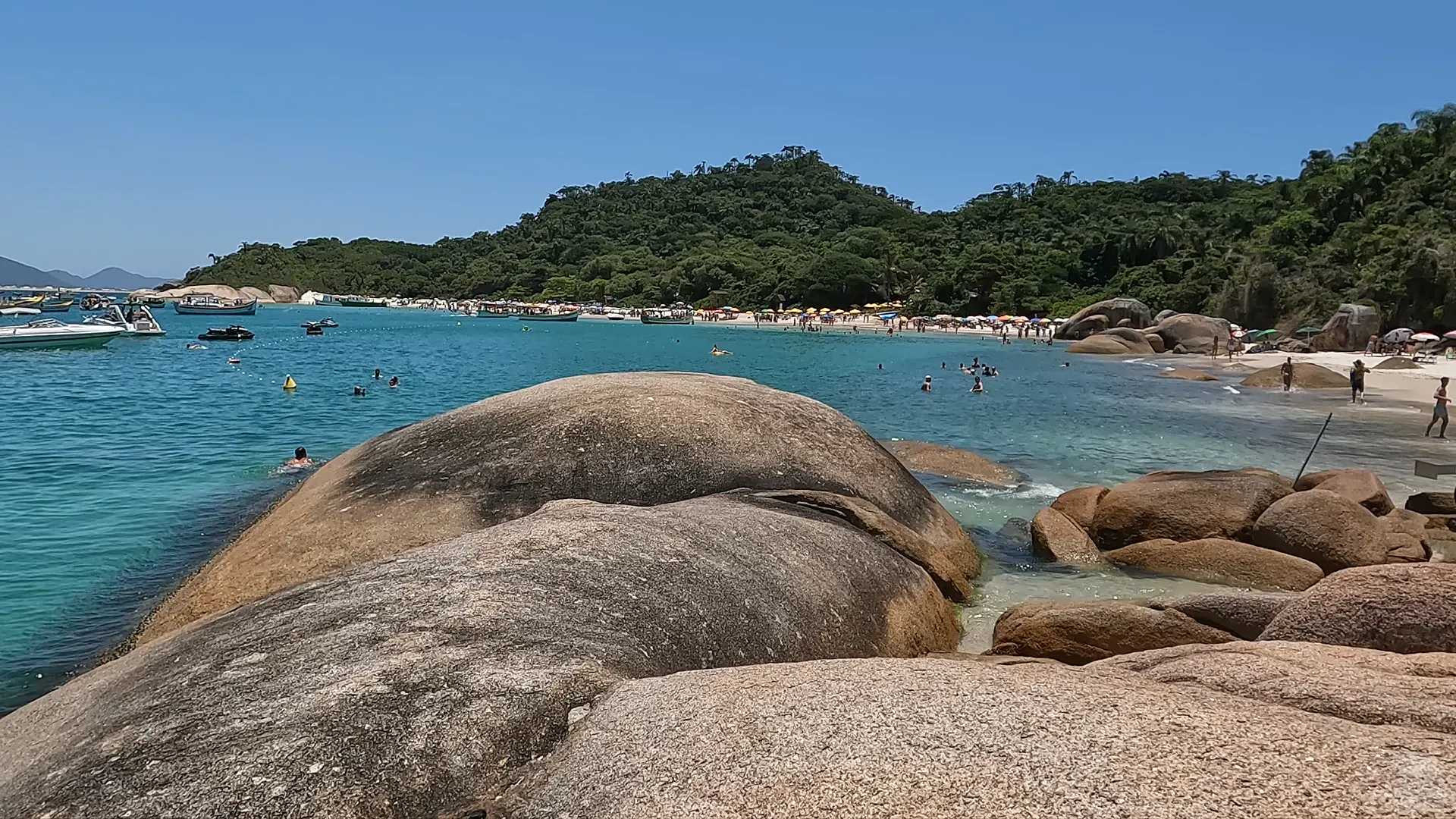
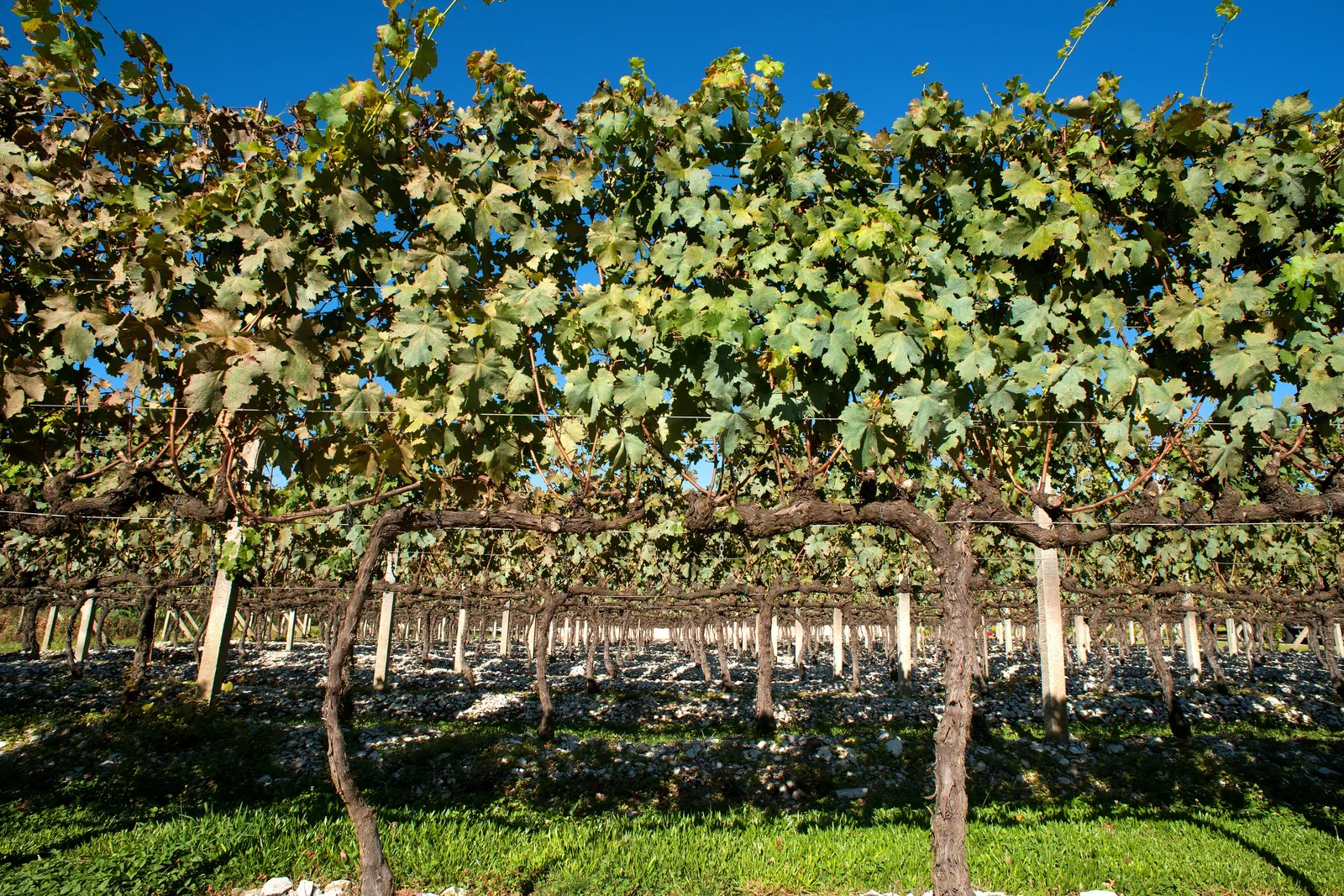
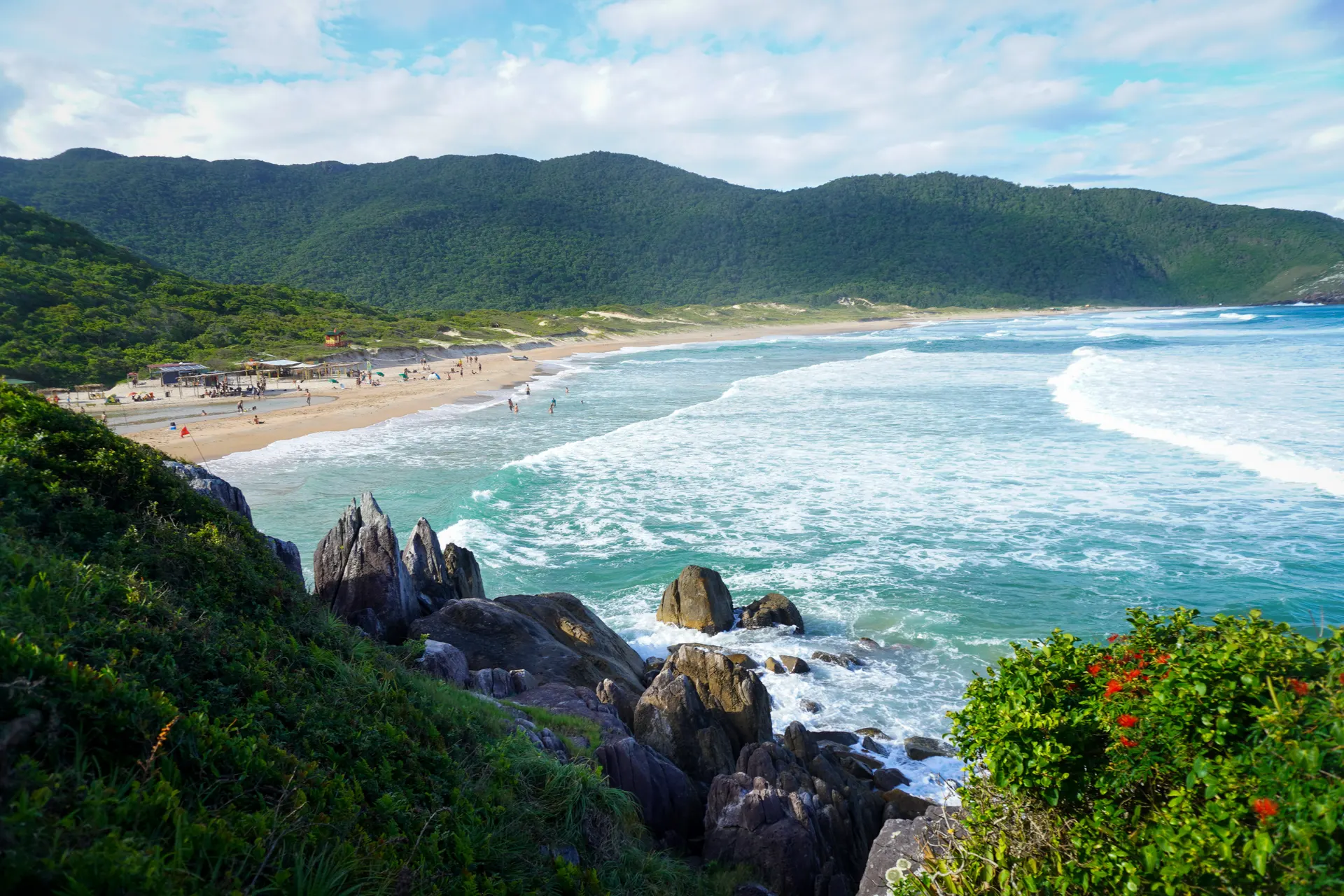
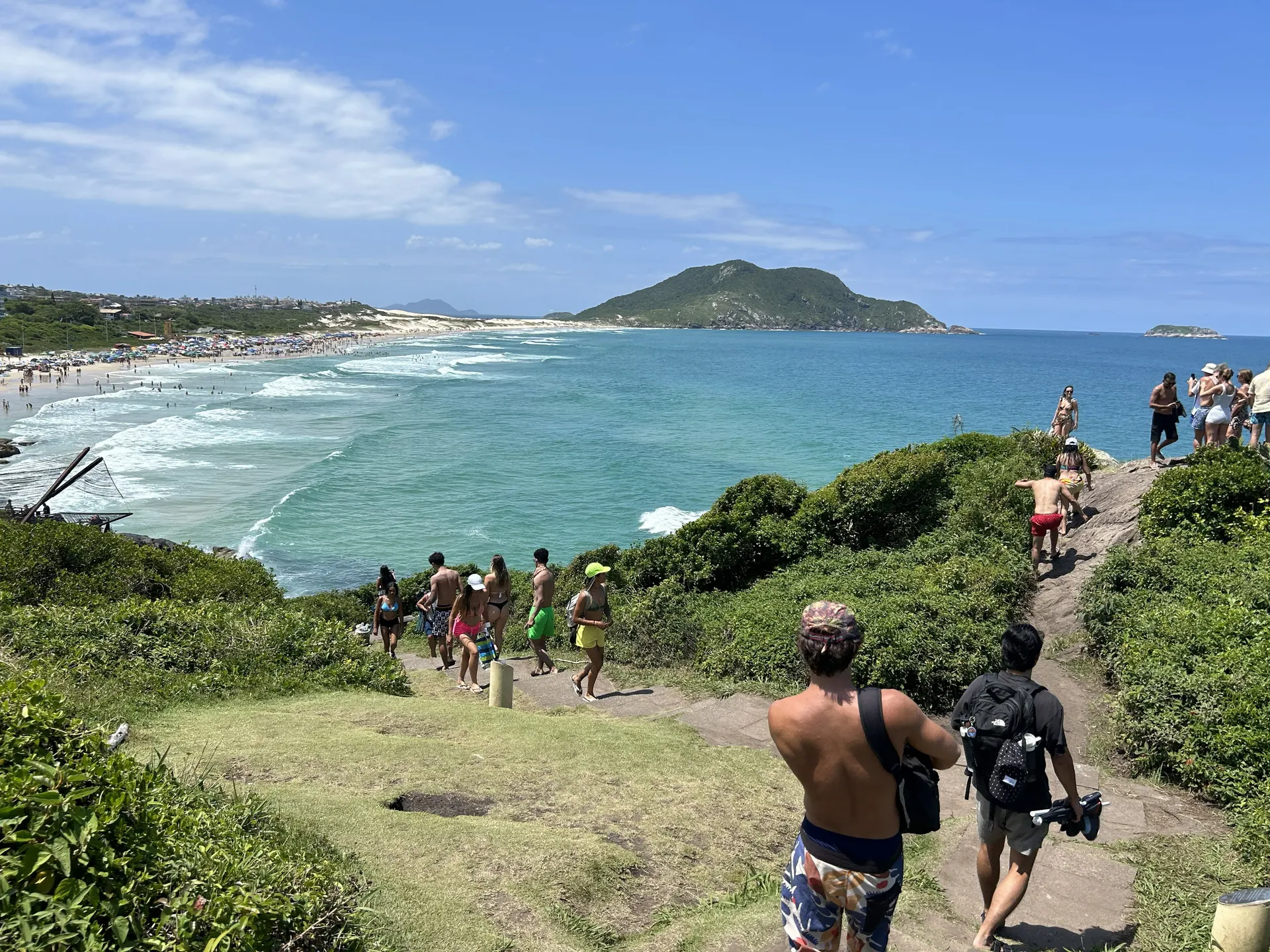
Santa Catarina brings the coast: Florianópolis, an island with 42 beaches, plus the surf coast running south toward Praia do Rosa, where southern right whales calve between June and November. Rio Grande do Sul is gaúcho country: cattle, churrasco done properly, the Vale dos Vinhedos wine region, and the Aparados da Serra canyons, among the most dramatic and least visited landscapes in Brazil.
Where to go in the South
-
Paraná · 2–3 nights
Foz do Iguaçu
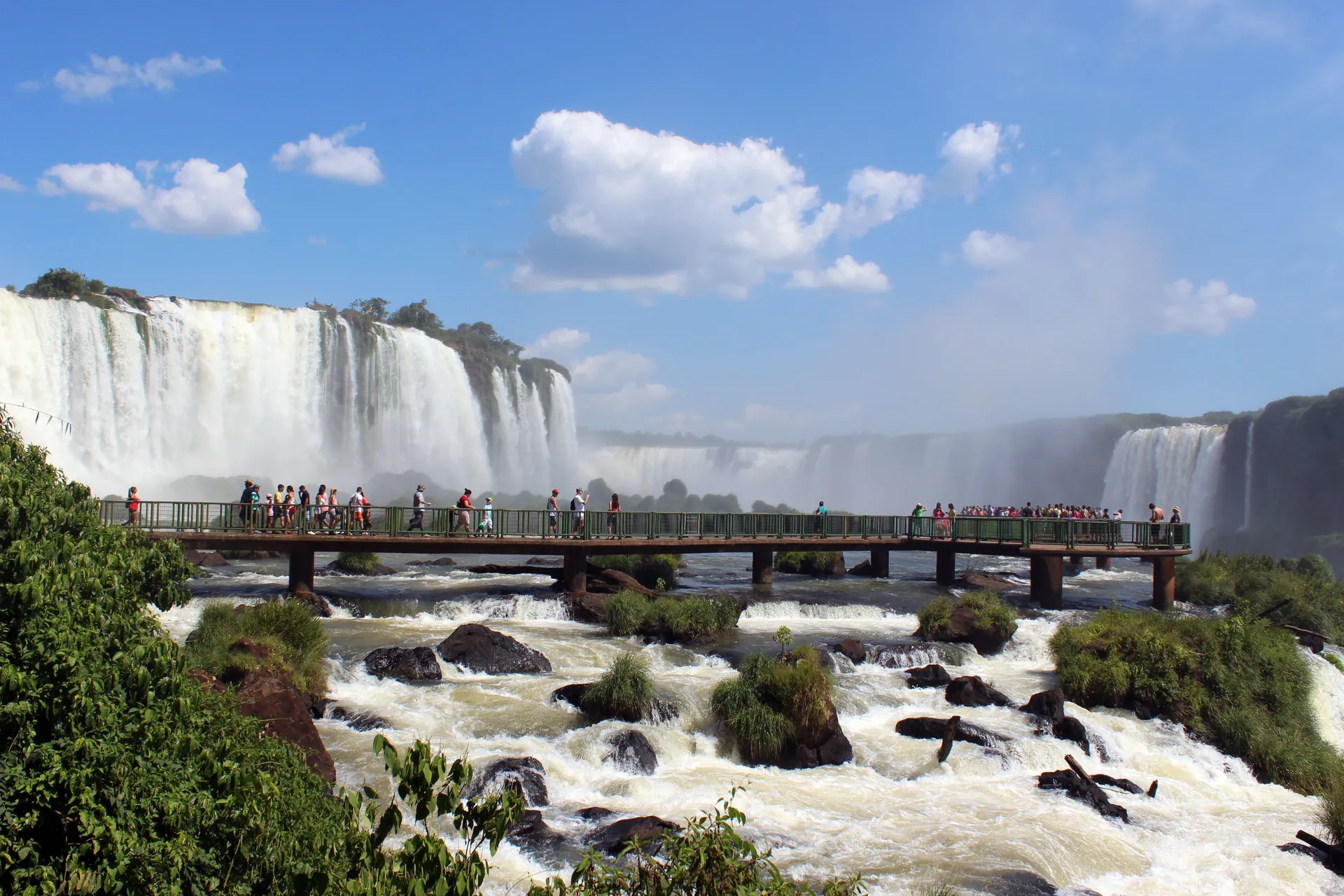
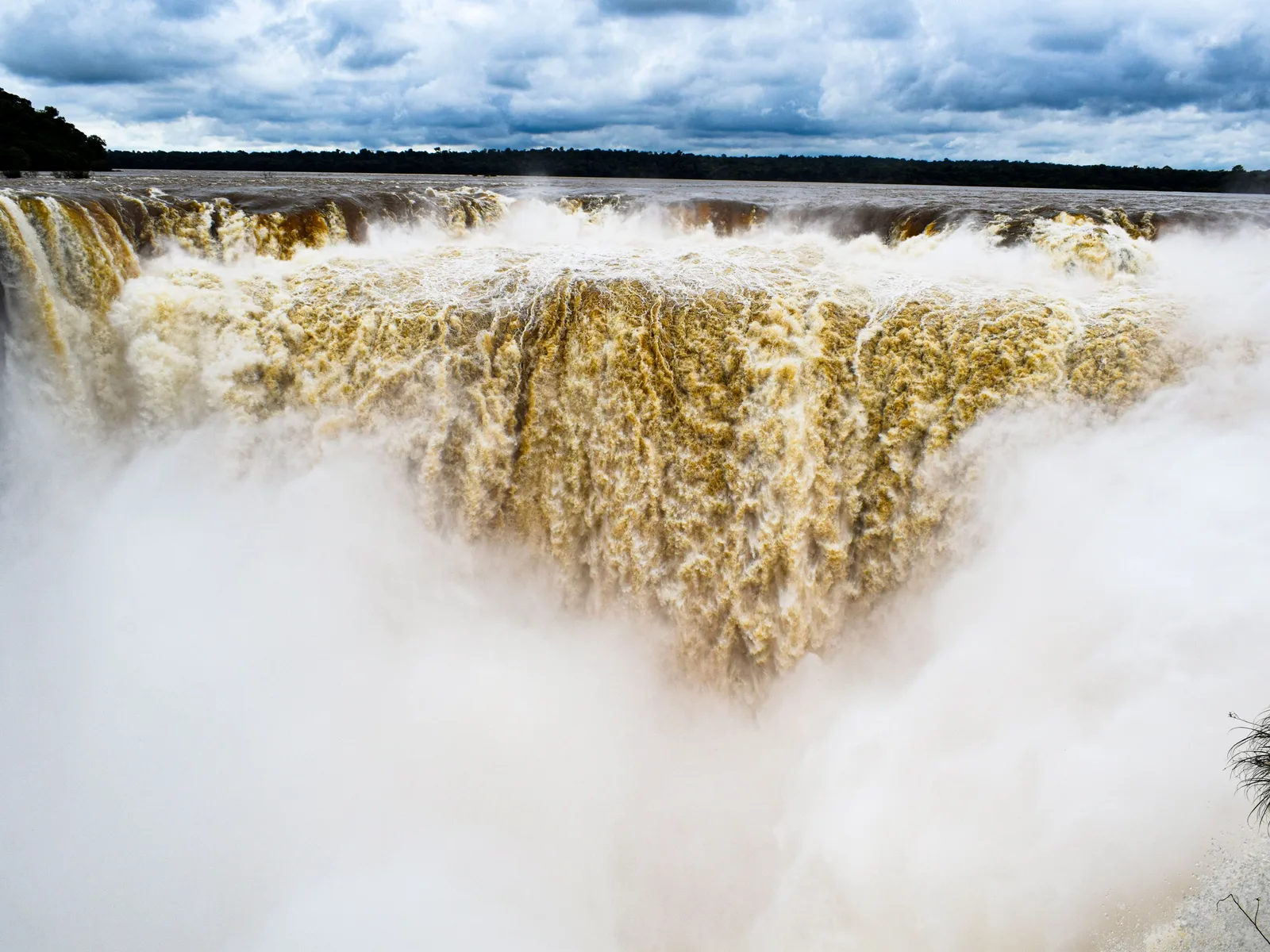
Two hundred and seventy-five waterfalls over 2.7 kilometers, most violent at the Devil's Throat, where fourteen separate falls converge into one gorge and throw up spray you can see for kilometers. Both countries run a national park here, and you want both. Brazil gives you the panorama. Argentina puts you on catwalks directly above and beside the water.
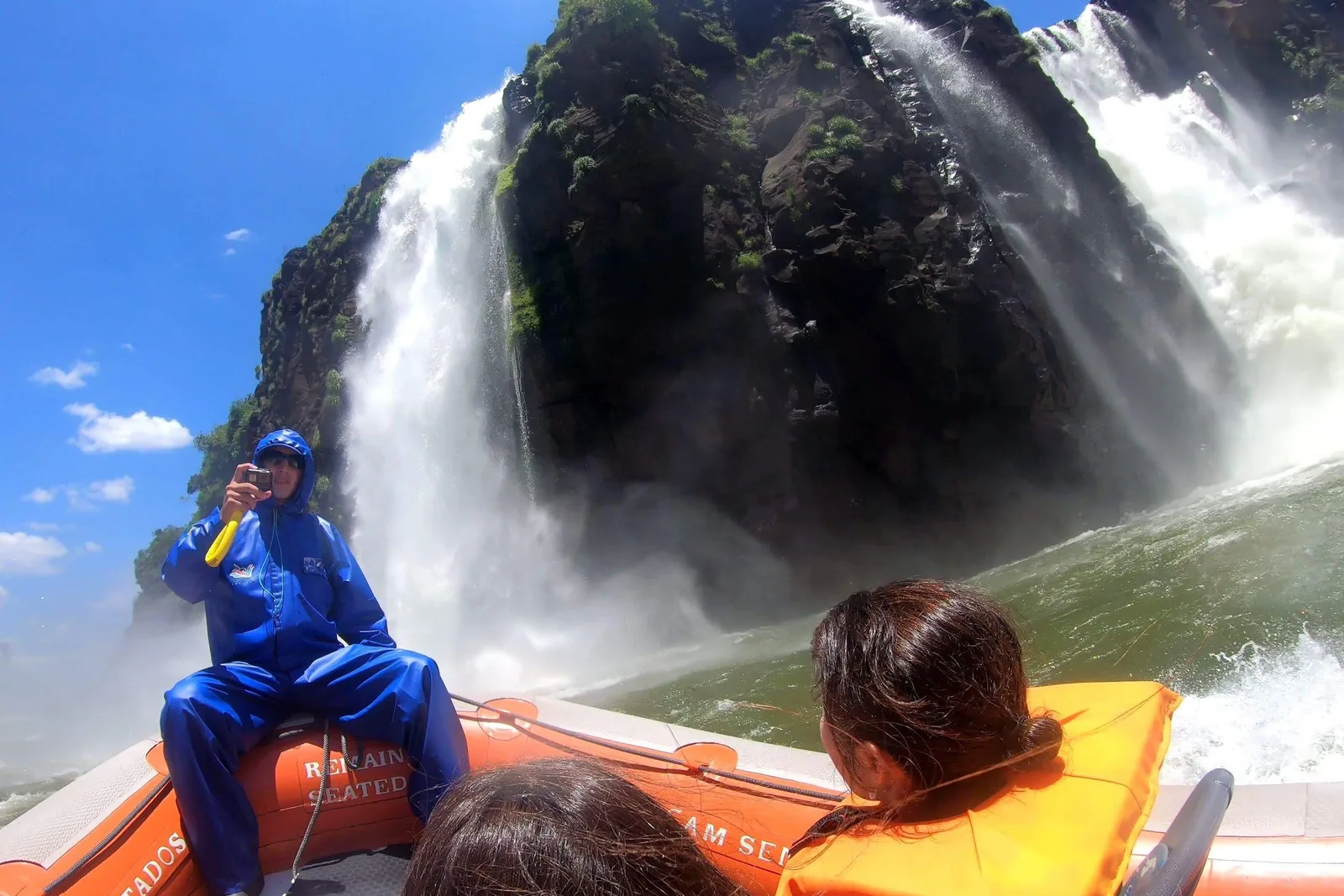
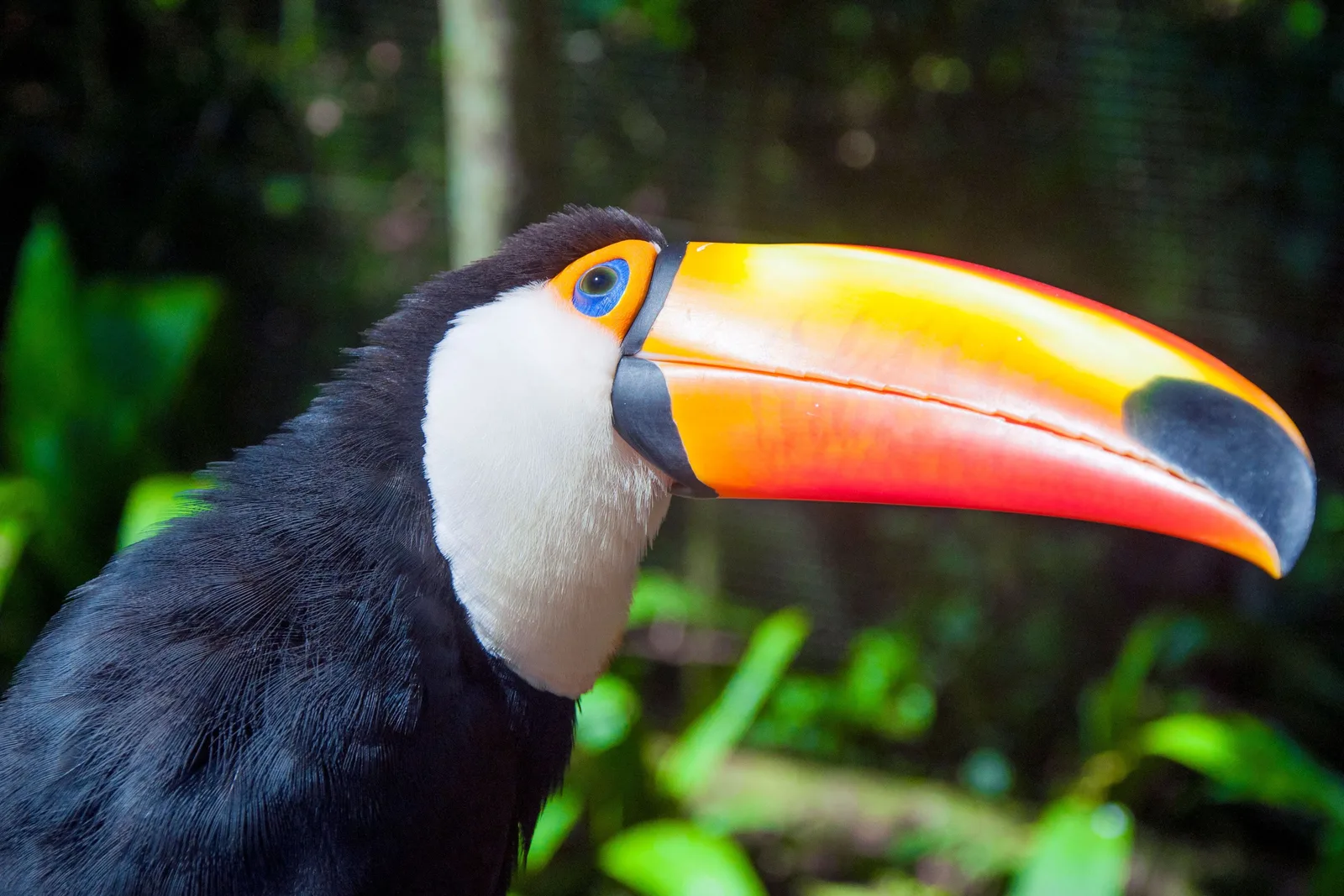
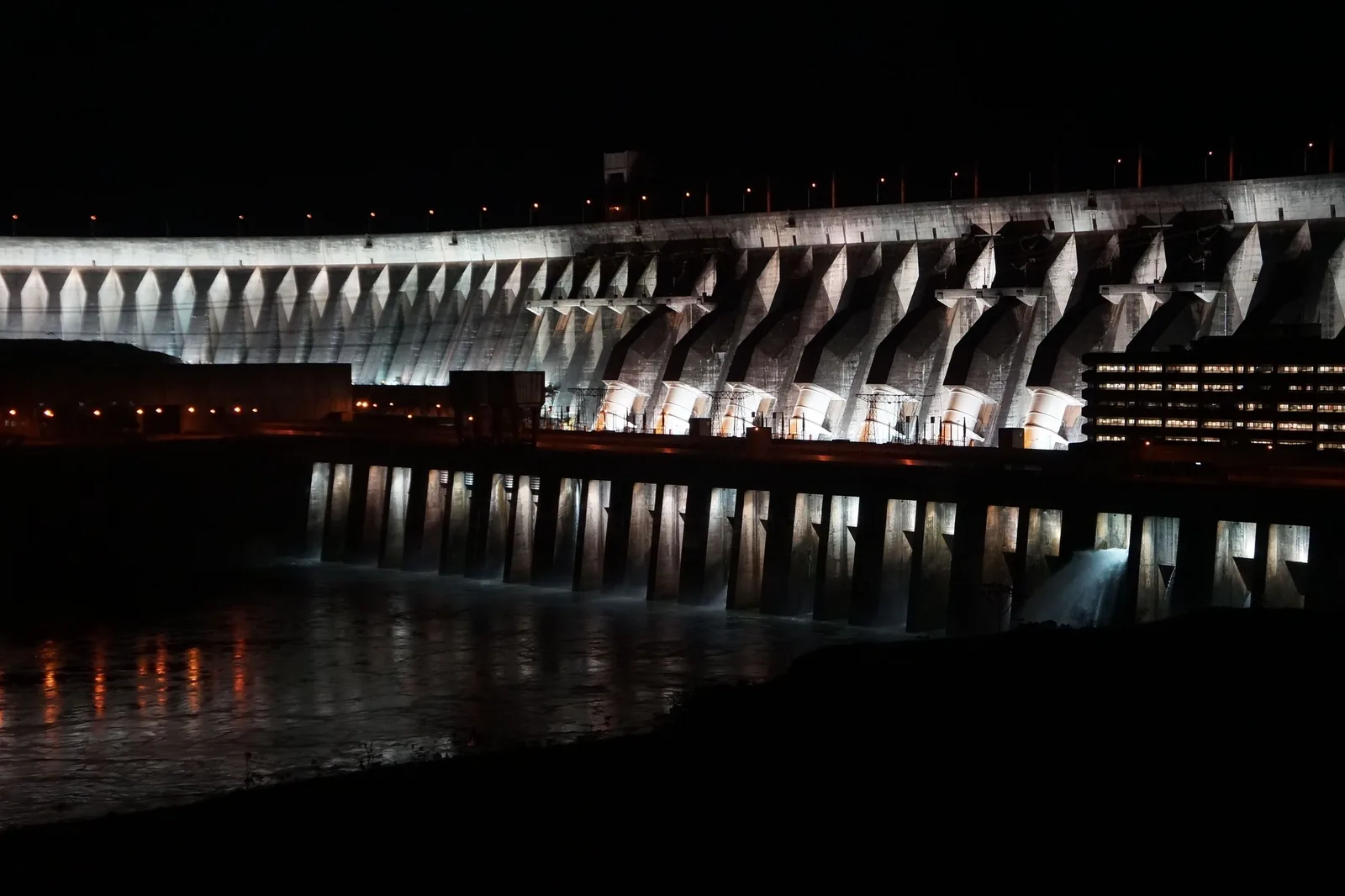
Plan a full day per side. Add the Macuco Safari boat, which runs you under the falls, and the Parque das Aves, a serious bird rehabilitation center rather than a zoo, where you walk through aviaries with toucans and macaws. Itaipu Dam, once the largest hydroelectric plant in the world, sits nearby if that interests you.
- The Brazilian side for the panorama and the Devil's Throat walkway
- The Argentine side for the upper and lower circuits, up close
- Macuco Safari, a boat that takes you under the falls
- Parque das Aves, walk-through aviaries beside the park entrance
- A helicopter flight over the whole horseshoe
-
Santa Catarina · 4–5 nights
Florianópolis
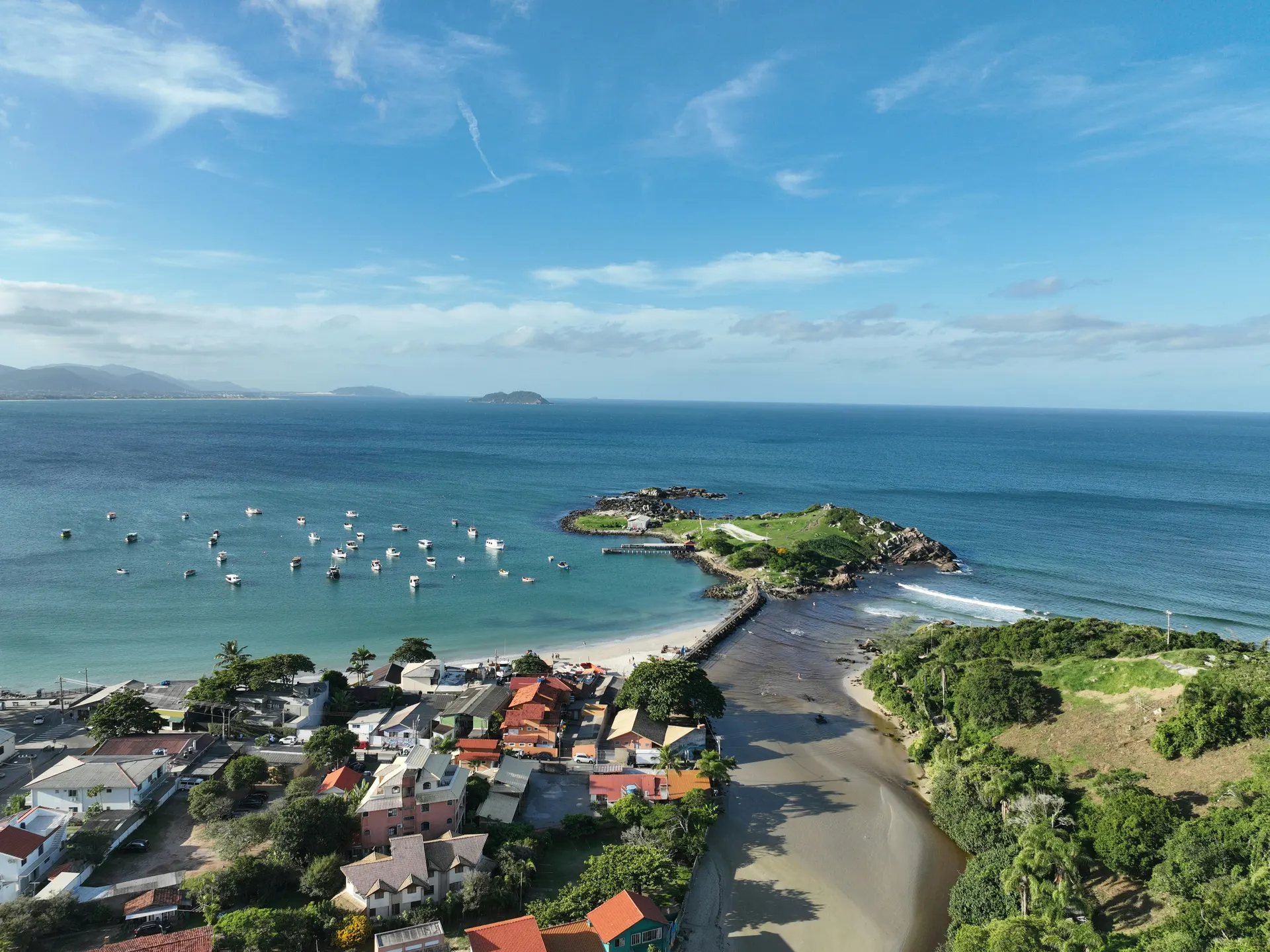
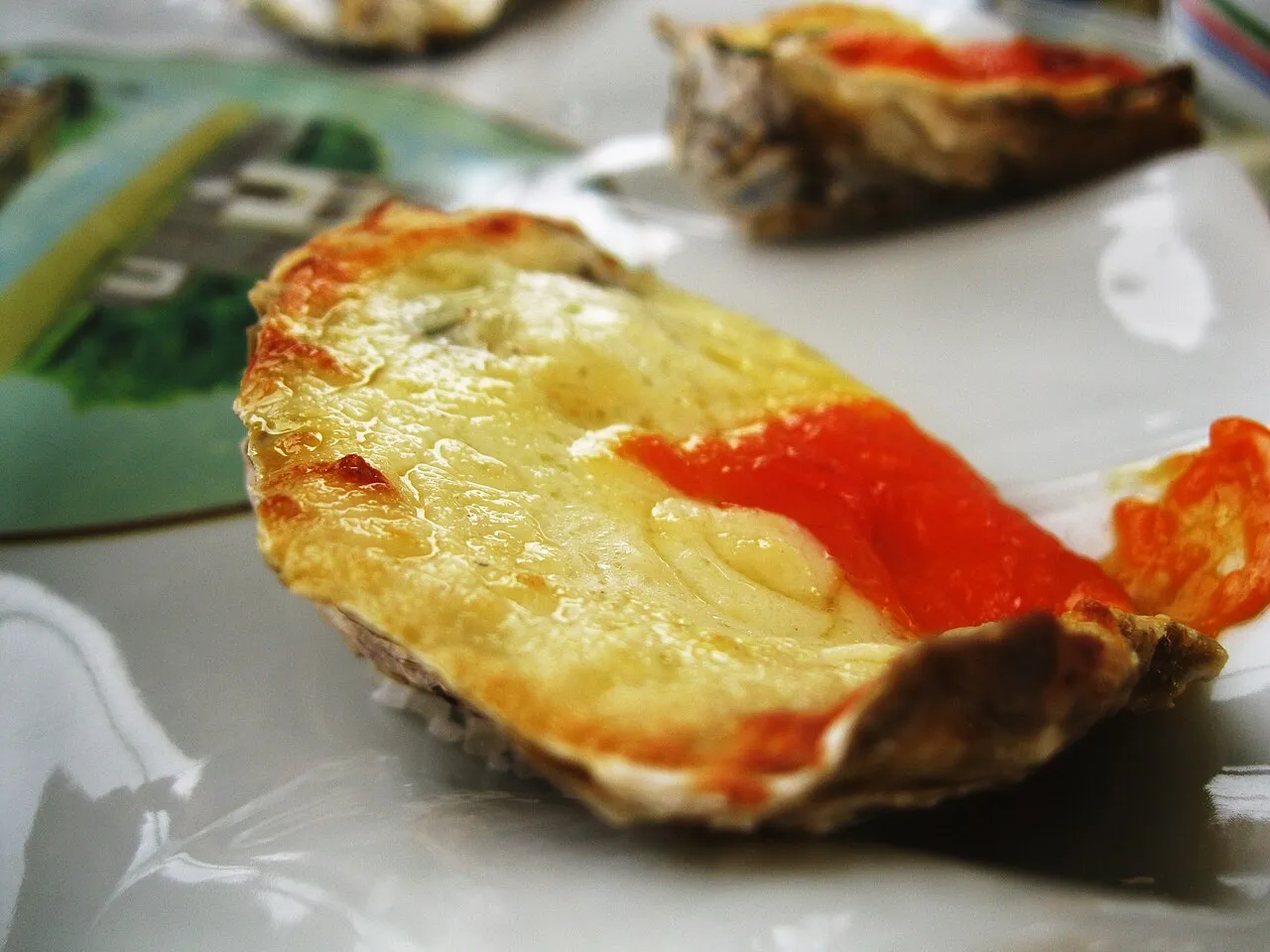
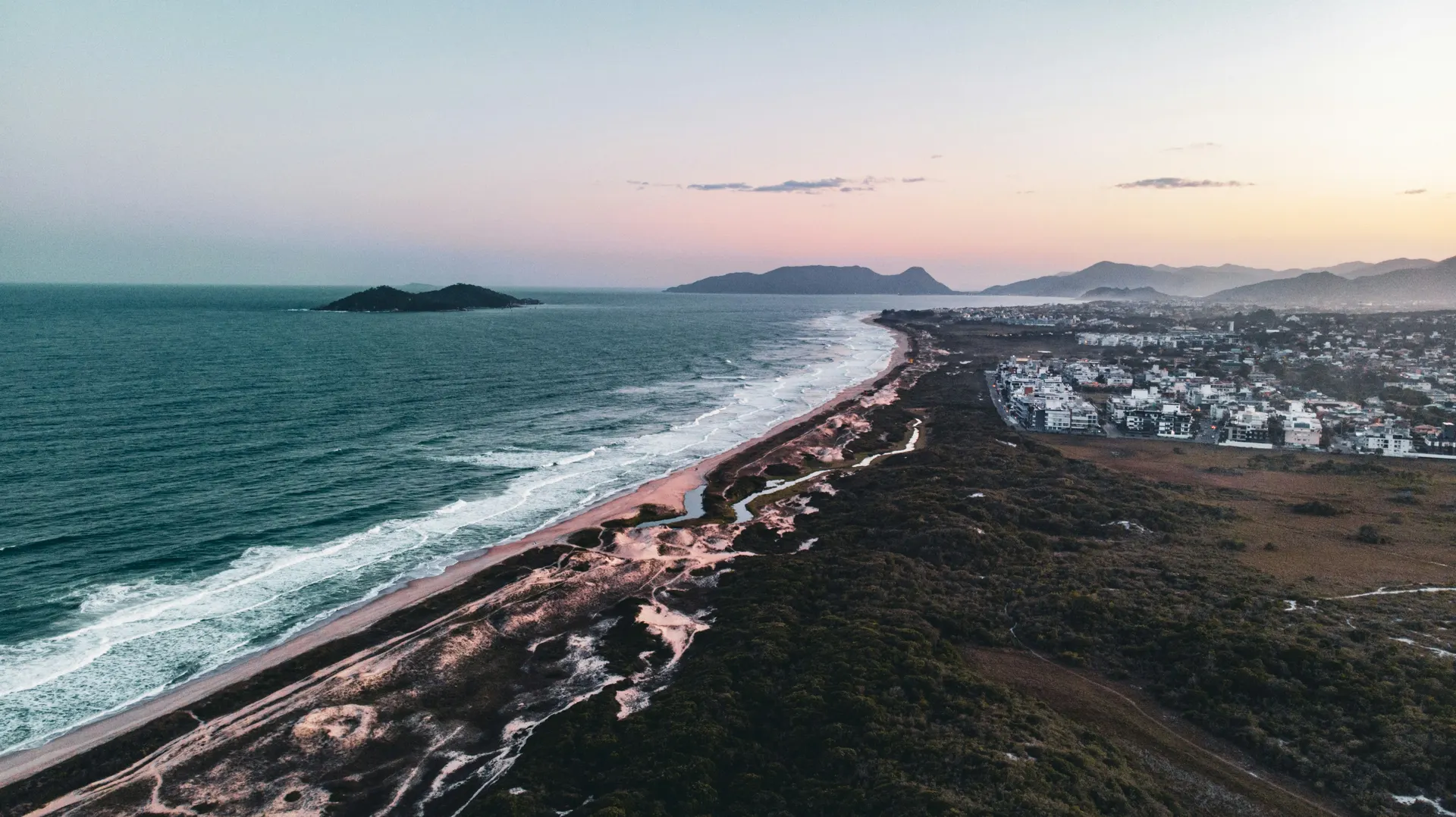
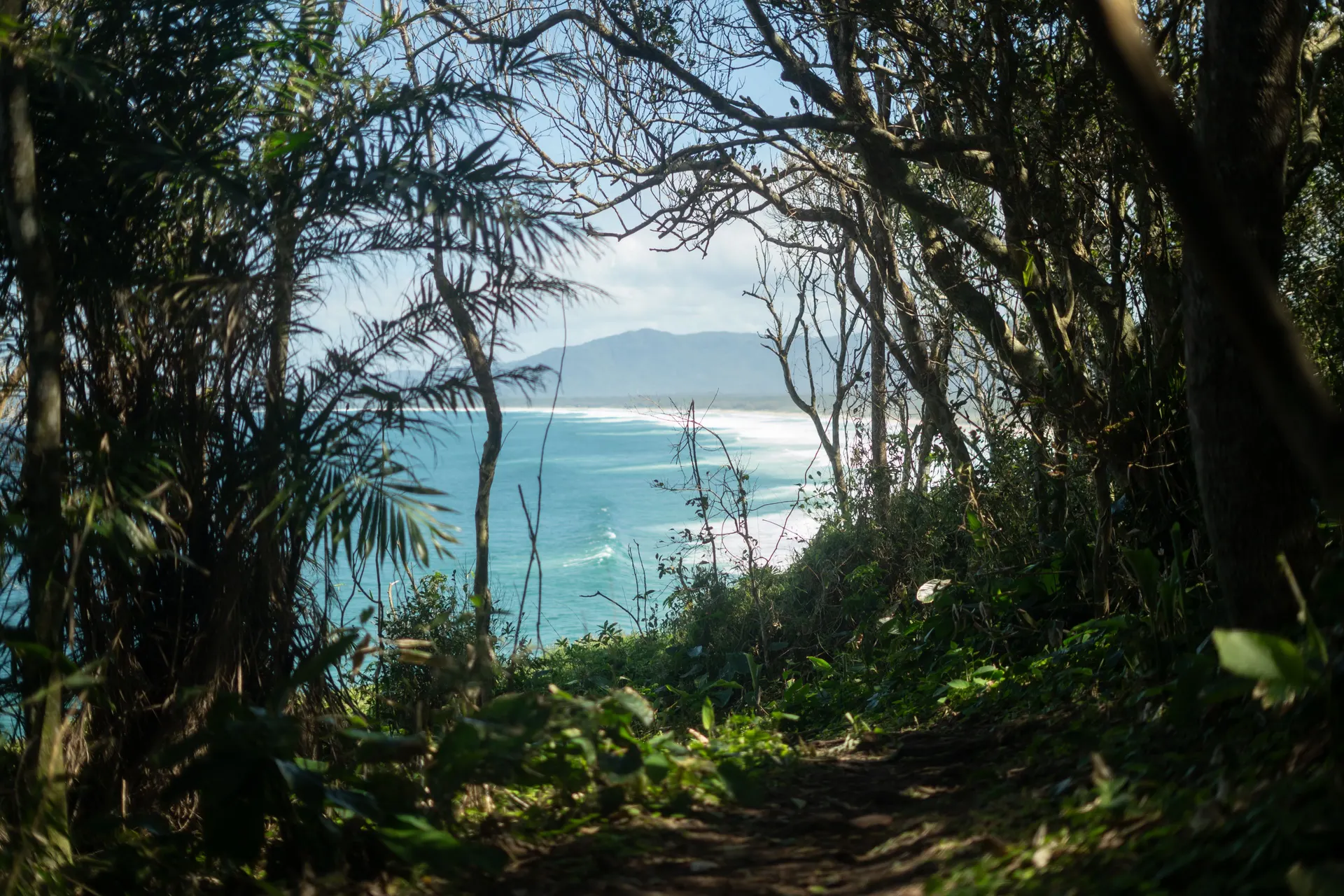
An island with 42 beaches, connected to the mainland by bridge, and the place your planner lives. The east coast has Atlantic swell and sand dunes. The middle holds Lagoa da Conceição, a warm inland lagoon with the island's social life around it. The north and south bays hold 18th-century Azorean fishing villages that still farm oysters the way they always have.
It runs quieter, greener and more outdoorsy than Rio or Salvador, and it feels lived-in rather than built for visitors. This is the one destination on this site written entirely from the inside.
- Sandboarding the dunes at Joaquina
- Ilha do Campeche, clear water and 1,000-year-old rock carvings
- Oysters at Ribeirão da Ilha or Santo Antônio de Lisboa
- The Lagoinha do Leste hike to a beach you can only walk to
- The Hercílio Luz bridge lit up after dark
-
Rio Grande do Sul · 3–4 nights
Gramado & Canela
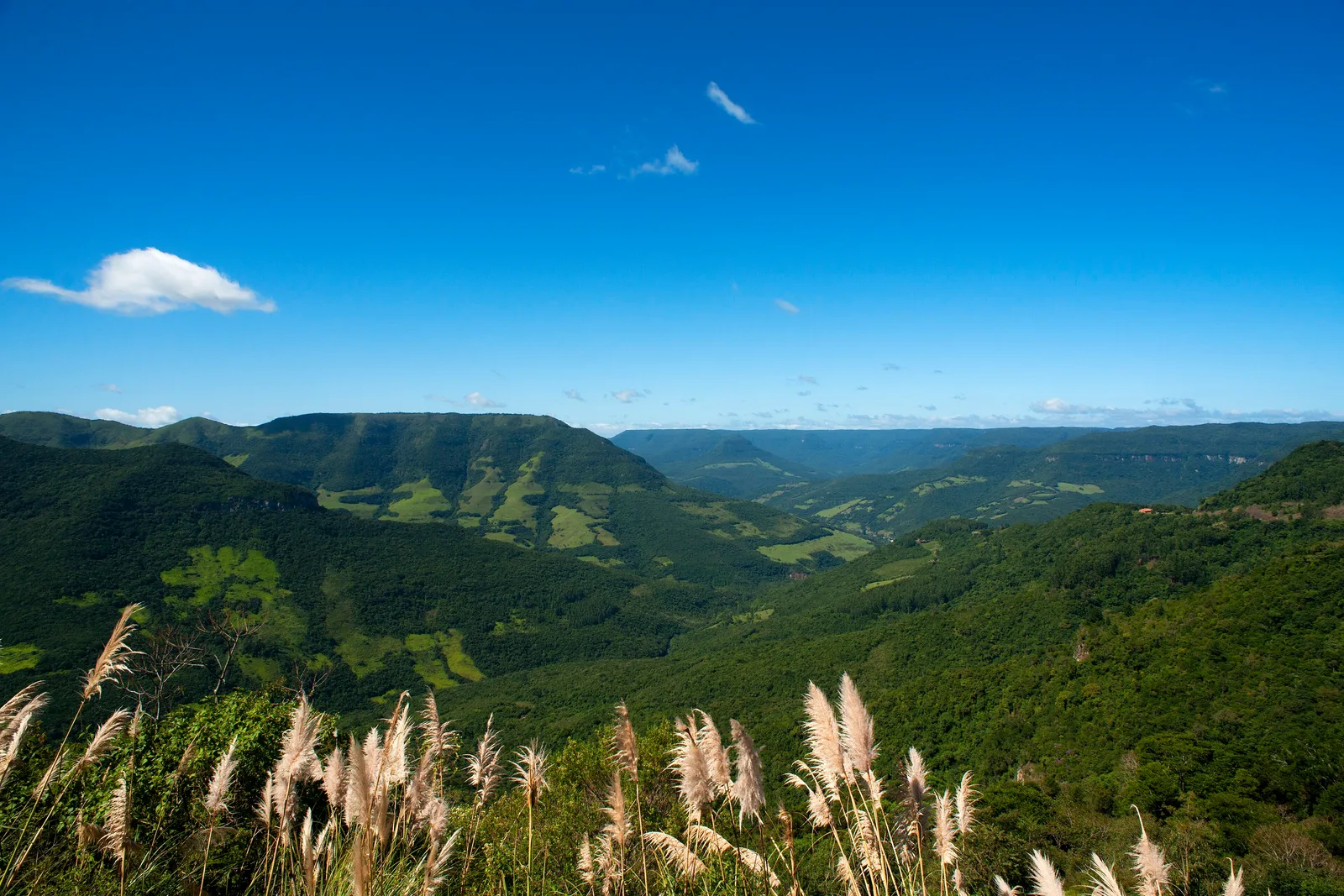
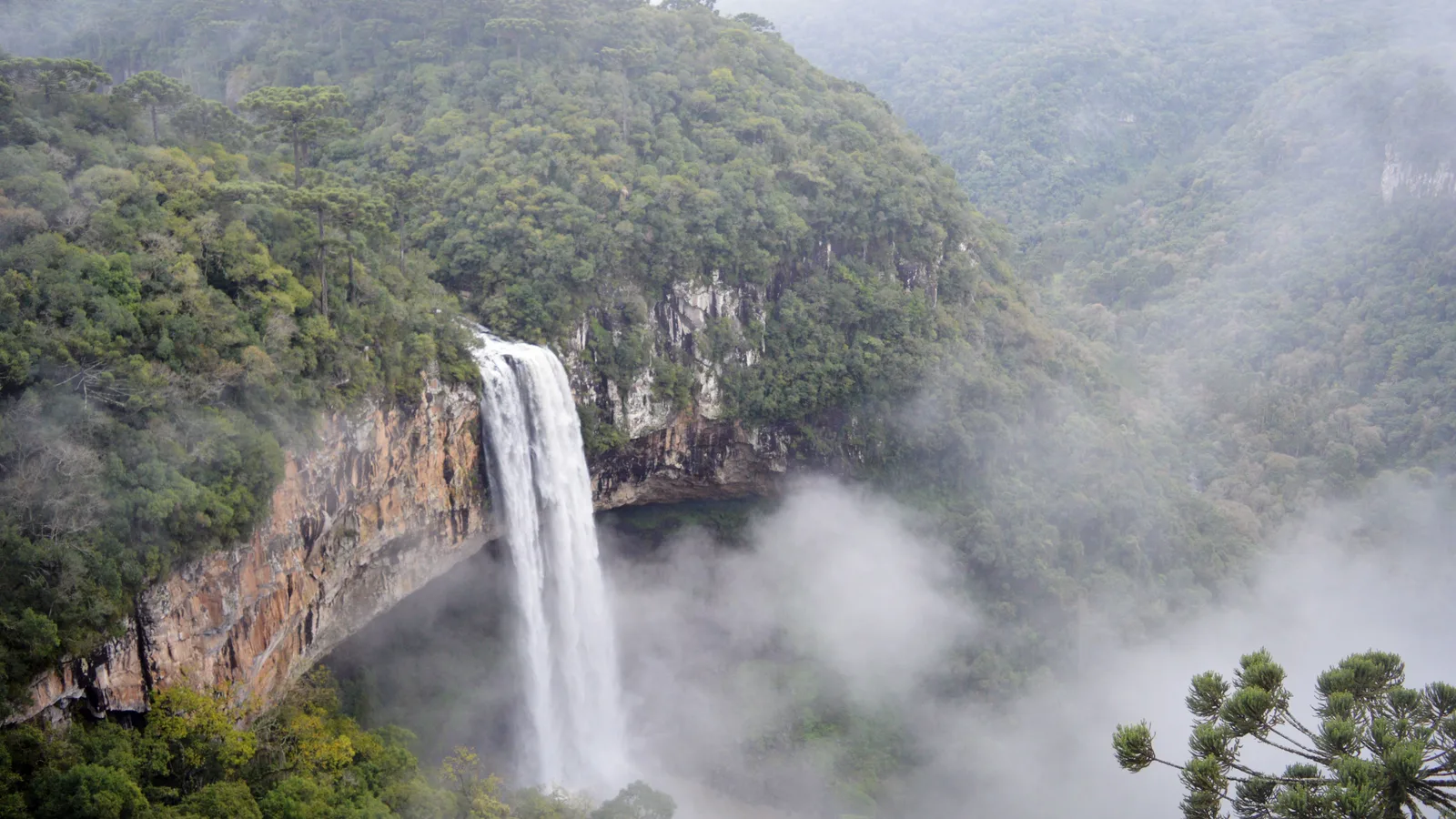
Two small mountain towns side by side on the edge of the plateau, at about 830 meters, and the closest Brazil comes to a real winter: fog in the streets, frost on cold mornings, and a town that runs on fondue, chocolate and fireplaces. Gramado turned to tourism on purpose in the 1950s, and its Alpine look was adopted for visitors.
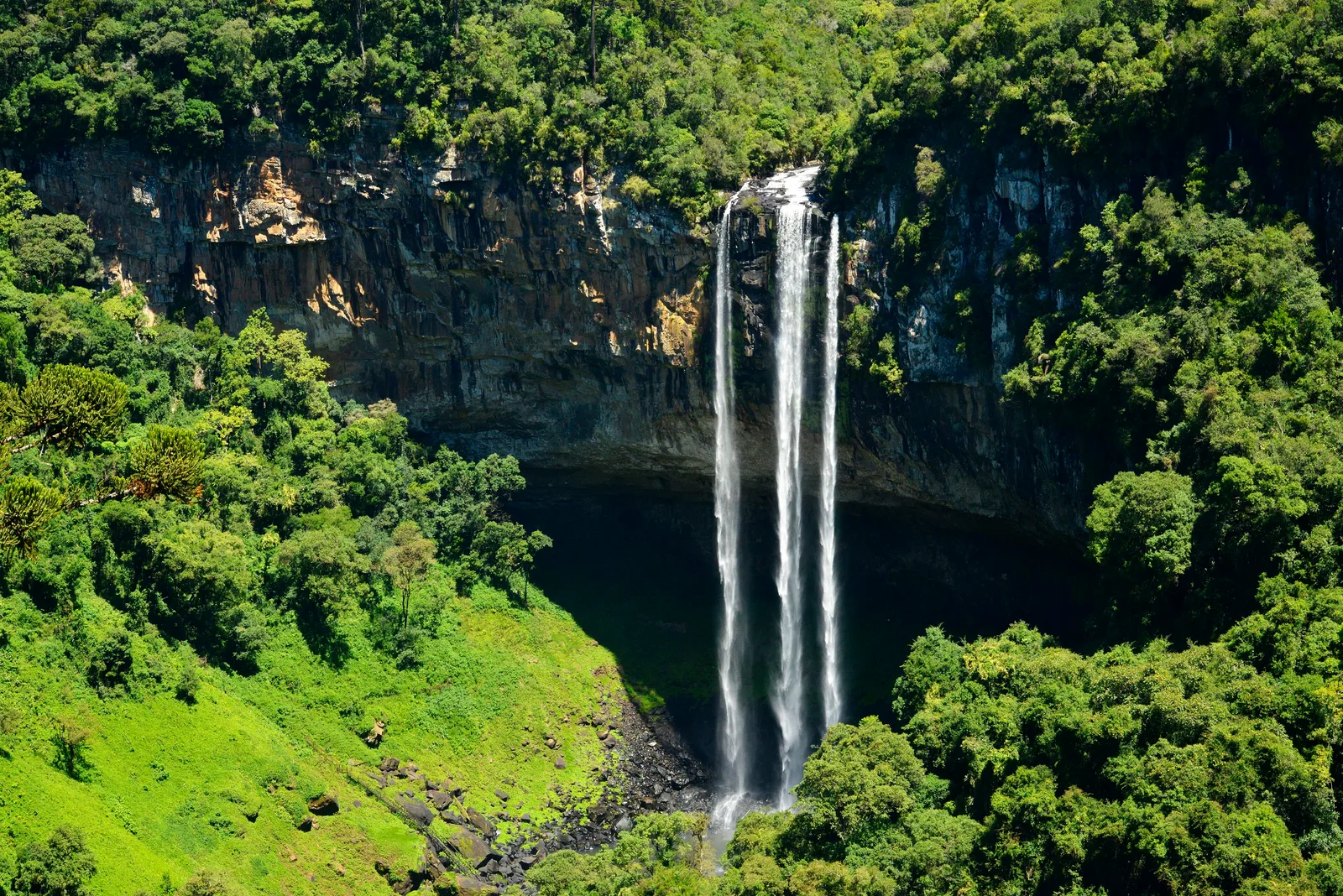
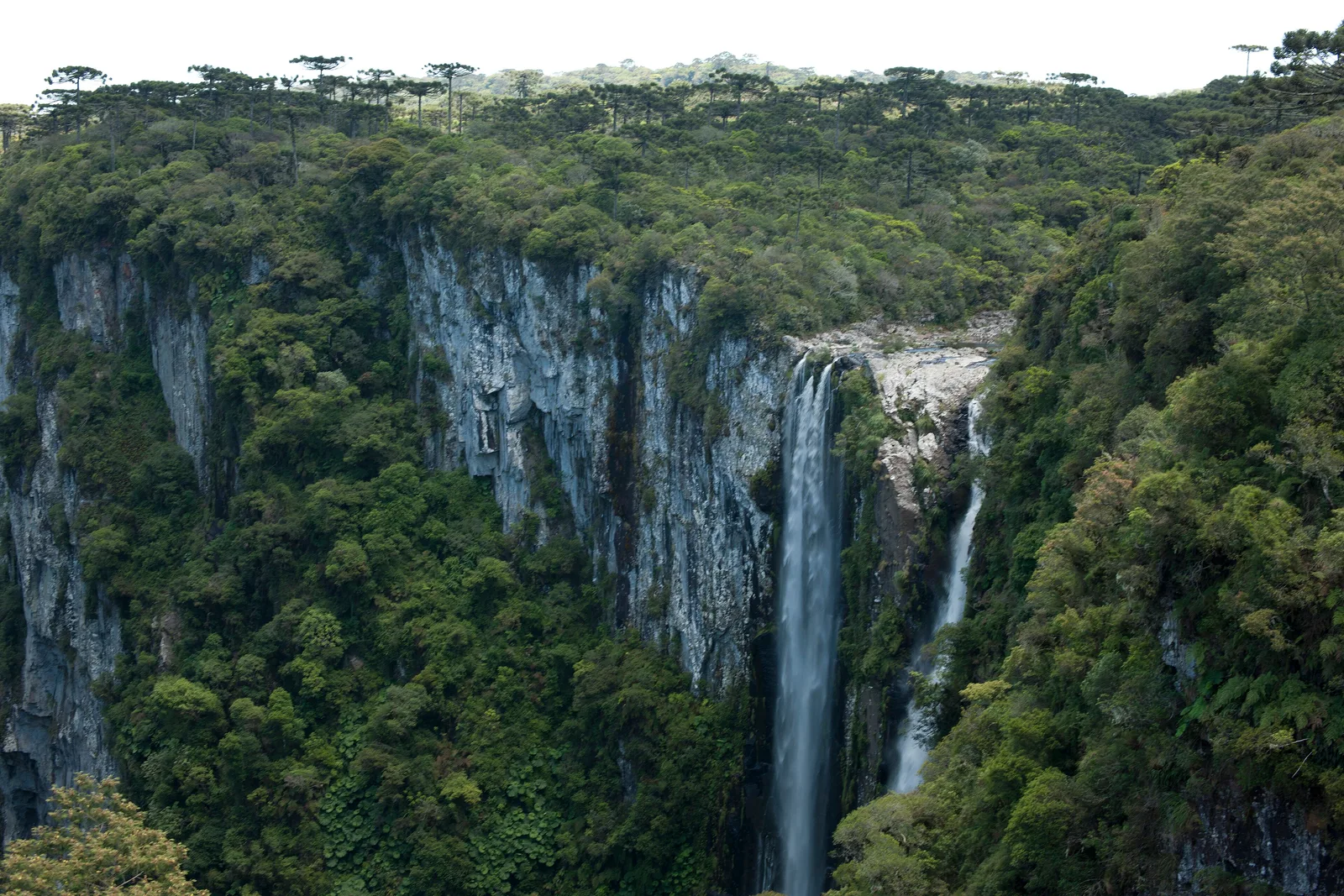
Around the towns are araucaria forests and the Caracol waterfall, and Natal Luz fills Gramado for almost three months from late October. The wine country of the Vale dos Vinhedos, around Bento Gonçalves, is an hour or two away as a day trip.
- The Caracol waterfall and its park
- The Lago Negro and the araucarias
- The Rua Coberta and the Avenida Borges de Medeiros
- The Catedral de Pedra in Canela
- A day in the Vale dos Vinhedos
-
Rio Grande do Sul & Santa Catarina · 4–5 nights
Aparados da Serra
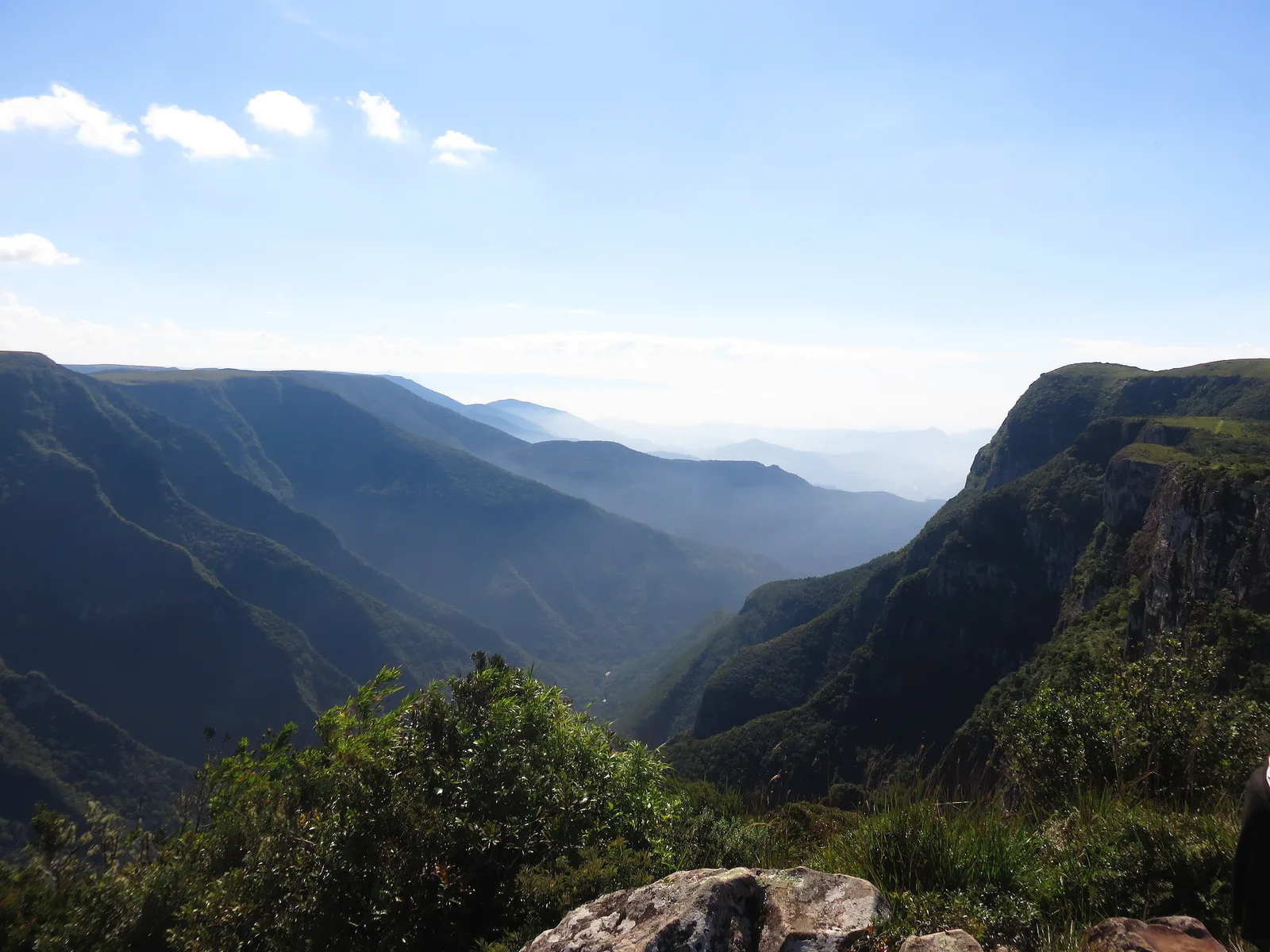
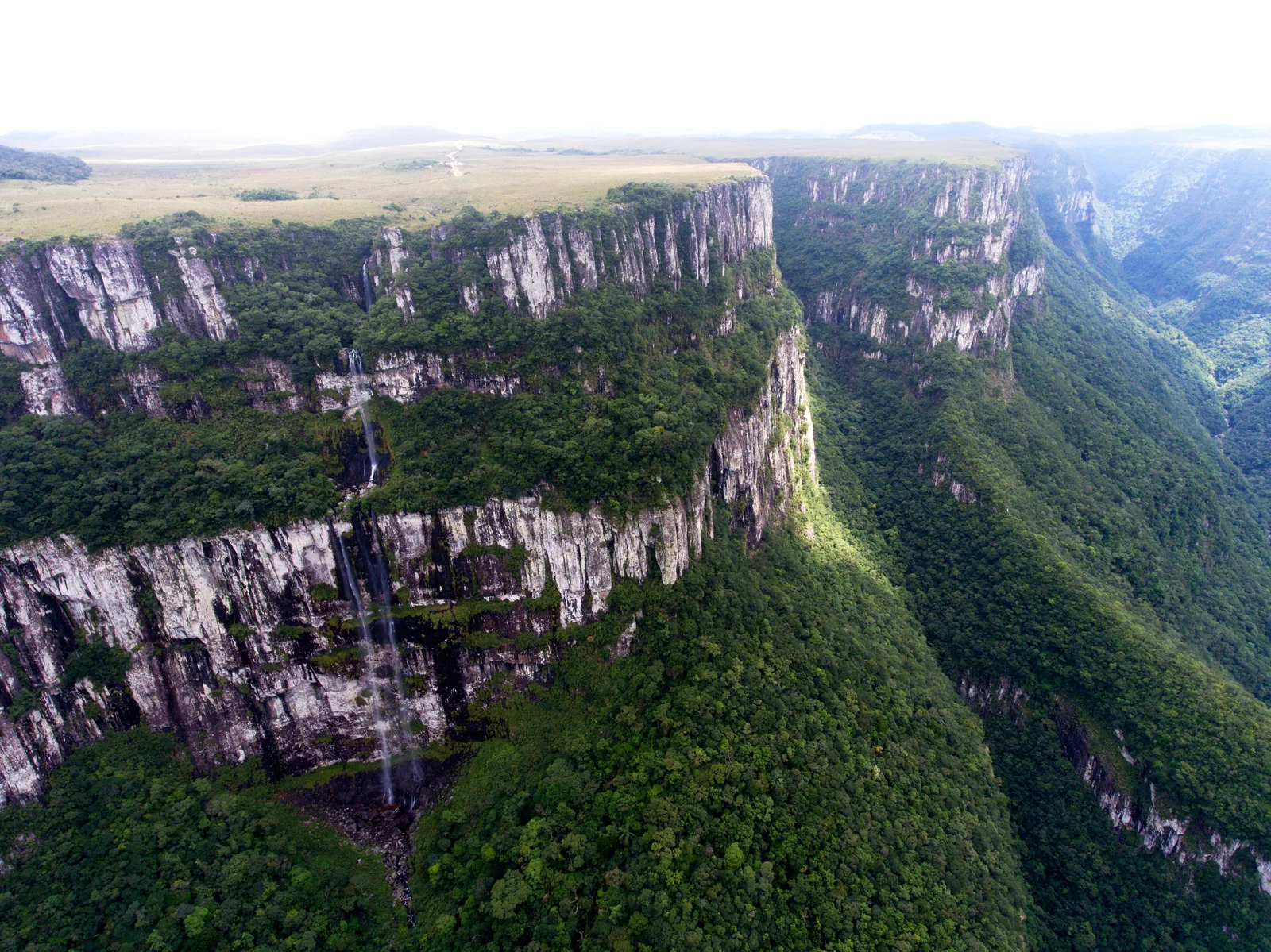
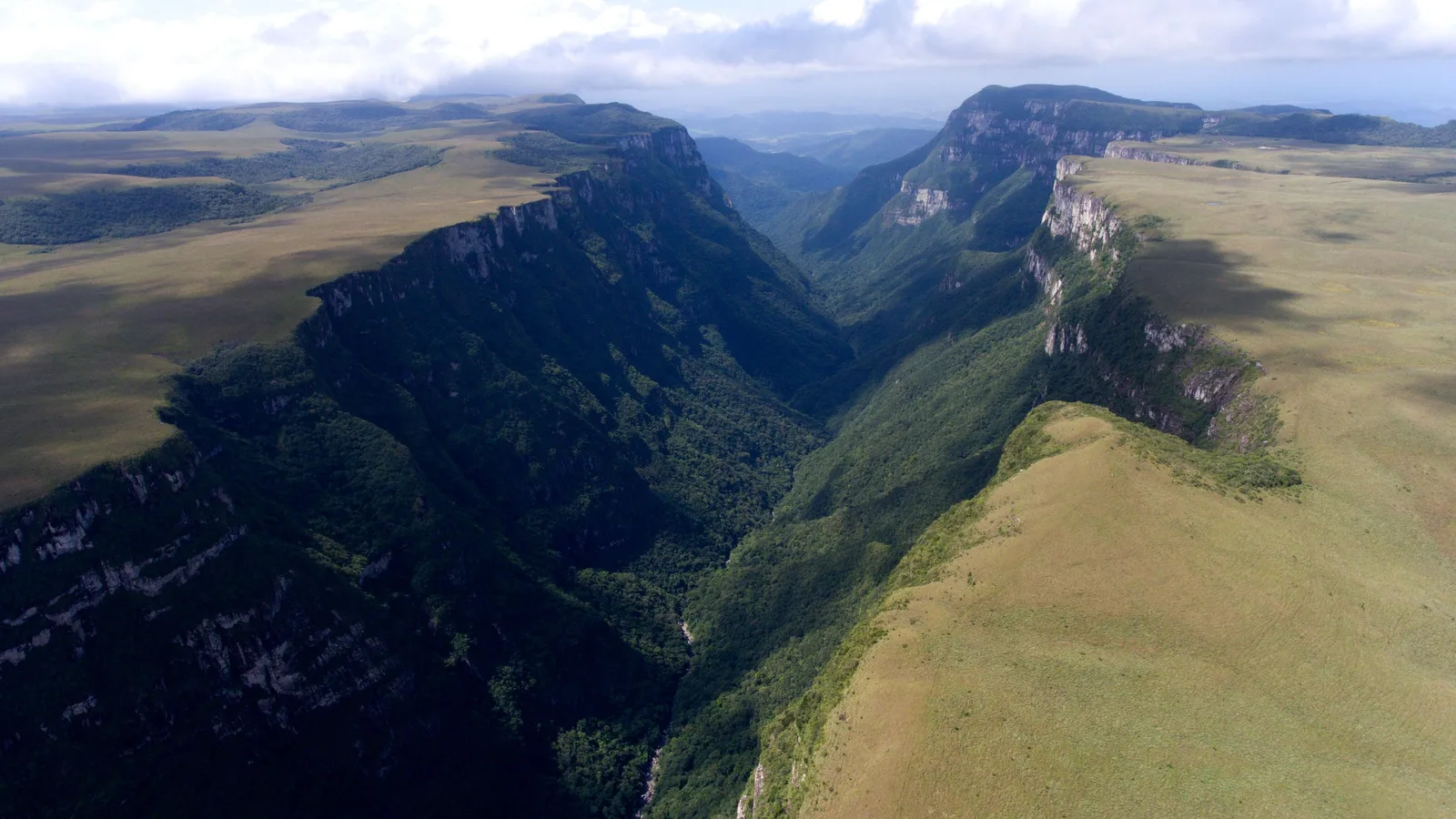
Along the border between Rio Grande do Sul and Santa Catarina, the high southern plateau ends without warning: grassland and araucaria forest run flat to a line of basalt cliffs, then drop to a forested valley floor. The Itaimbezinho and the Fortaleza are the two famous canyons, in two national parks side by side.
Cambará do Sul on the rim and Praia Grande at the foot are the two bases, and the road between them is open only in short windows. Cloud decides the views, so aim for the rim from mid-morning to early afternoon and book with a spare day behind you.
- The rim trails at the Itaimbezinho
- The Fortaleza canyon and its viewpoints
- A guided day wading the Rio do Boi on the canyon floor
- The Malacara canyon from Praia Grande
- The grasslands of the Campos de Cima da Serra
More of the South
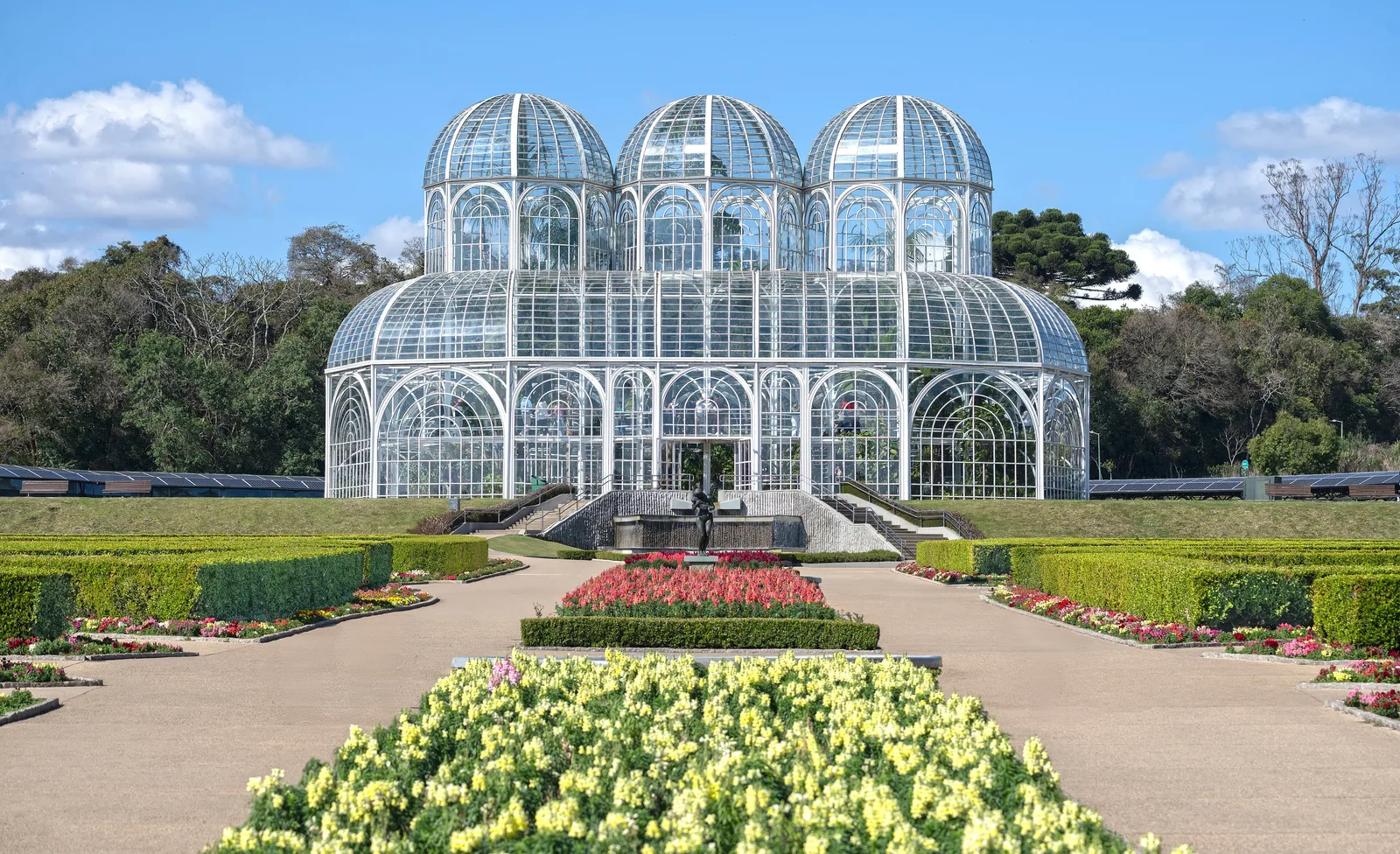
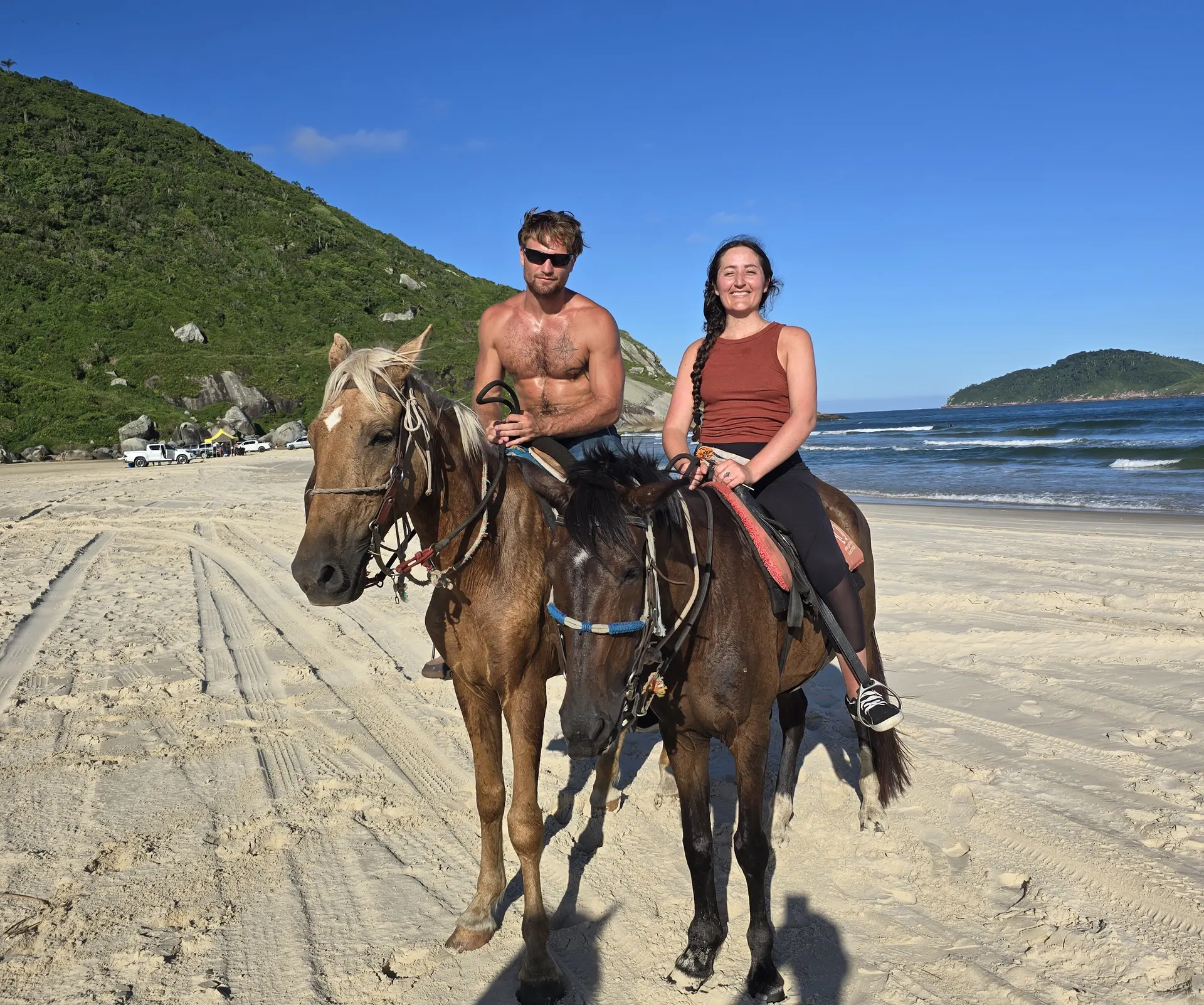
When to go to the South
The South has real seasons - it is the one part of Brazil where winter means something. April is the month most of it agrees on, mild and dry on the coast and on the plateau. The Serra Gaúcha peaks a month earlier with the harvest, Foz do Iguaçu a month later, and winter brings whales, wine and, in the highlands, frost.
- Best — The one or two peak months
- Good — A real recommendation
- Trade-offs — Workable, with a catch
- Jan
Peak summer. Florianópolis is packed and brilliant, and at its wettest of the year, 241 mm. Iguaçu is hot and humid.
- Feb
Still summer, still busy, and the sea is at its warmest. Prices ease once Carnival passes.
- Mar
The Serra Gaúcha's own peak: one of the driest and sunniest months in the hills, still warm, with the harvest wrapping up in the Vale dos Vinhedos. On the coast the sea is still at 26°C, though Florianópolis takes 180 mm across fourteen days.
- Apr
The peak: Florianópolis at 115.8 mm on nine rain days, the fewest of its year, with the sea still at 24.5°C, and Cambará do Sul at 113.8 mm, one of its two driest months, before the plateau's frost sets in. Mild and clear at Iguaçu too, and the first autumn color in the Serra Gaúcha.
- May
Foz do Iguaçu's own peak: 127.6 mm on six rain days, the equal-fewest of its year, with comfortable days and cool nights. Autumn in the wine country.
- Jun
Cold in the highlands, sometimes frosty. The whales arrive at Praia do Rosa.
- Jul
The coldest month. Gramado does the full winter-resort thing, with the coldest nights of the year and the most fog. Whales down the coast at Praia do Rosa.
- Aug
Still cold inland, still whales on the coast. Iguaçu is one of its own two driest months and comfortable to walk, though what the falls are doing depends on rain 600 km upstream, not on Foz.
- Sep
Spring, and everything reopens. Florianópolis is at its least sunny, 141 hours, and Cambará do Sul is tied for its wettest month.
- Oct
Warm days and green highlands, with the whales still down the coast. Florianópolis takes 153 mm on thirteen days and it is the second-dullest month there.
- Nov
Warm and bright, with the sea back up to 22.5°C and 180 hours of sun at Florianópolis, its best outside summer. Still 147 mm across thirteen rain days.
- Dec
Summer arrives and so does everyone else. Florianópolis peaks here on Réveillon rather than on the weather — 191 hours of sun and 177 mm, against January’s 241. Book the coast well ahead of the 20th.
Dates worth planning around
-
Southern right whale season
June to November
The whales calve in the bay at Praia do Rosa, close enough to watch from the cliffs. Instituto Australis, which runs the Projeto Baleia Franca research on this coast, puts the peak in September. Worth a morning if you are already here; it is not a reason to fly to Brazil.
-
Grape harvest, Serra Gaúcha
January to March
Bento Gonçalves and the Vale dos Vinhedos run tastings, vineyard lunches and harvest festivals throughout.
-
Natal Luz, Gramado
Late October to January
Brazil's largest Christmas festival, in a town that already looks like a Bavarian film set. Book months ahead.
-
Iguaçu's flow
Any month
The falls answer to rain across a basin more than 600 km upstream, not to the weather in Foz, so no month guarantees you a big one. The concessionaire's own record puts its largest recent flow in October 2023, at sixteen times the average, and its 2024 peaks in May and July.
Getting around the South
Distances are short, the roads are the best in the country, and four airports cover the region between them. This is the easiest part of Brazil to drive yourself.
Where to fly into
-
Foz do Iguaçu (IGU)
Ten minutes from the falls, on domestic connections through São Paulo, Rio and Curitiba.
-
Florianópolis (FLN)
A modern terminal on the island itself, with a handful of international routes.
-
Porto Alegre (POA)
For the Serra Gaúcha wine country and the southern canyons.
-
Curitiba (CWB)
For Paraná, and the start of the Serra Verde train down to the coast.
Between the places on this list
- 20min
Foz do Iguaçu to The falls
The Brazilian park is twenty minutes from town; the Argentine side is about an hour with the border crossing. Do both, on separate days.
- 1h30
Florianópolis to Praia do Rosa
South on the BR-101. The whale-watching boats leave from Garopaba and Imbituba.
- 2h
Porto Alegre to Bento Gonçalves
Straight into the wine country on good road.
- 3h30
Porto Alegre to Cambará do Sul
Paved until the last stretch. The roads along the canyon rims are gravel and best driven in daylight.
- 4h
Curitiba to Morretes
The Serra Verde Express down through Atlantic forest to the coast. Sit on the left.
- 1h20
Florianópolis to Foz do Iguaçu
Or eleven hours by road. Fly.
Once you are there
-
Florianópolis
The island is 54km long and the beaches are spread down all of it. Without a car you will see one or two; with one you will see a dozen.
-
Gramado and Canela
Both centers are walkable, but everything else in the Serra - wineries, canyons, waterfalls - needs wheels.
Should you rent a car?
Yes. More so than anywhere else in Brazil.
The roads are well maintained and signposted, the distances are short, and the best of the South - the Santa Catarina beaches, the wine valleys, the canyon rims - sits precisely where buses do not go. The one exception is Foz do Iguaçu, where everything worth seeing is a short taxi ride from town.
Iguaçu sits on almost every Brazil itinerary and takes two nights. The rest of the South is what you add when you want somewhere cooler, quieter and easier to travel in. It's consistently the part people are most surprised by.
Get trip advice Free · 29 pages
Free guide
Beginner's Guide to Brazil
A free 29-page guide to everything a first-time visitor should know before landing: visas, safety, money, getting around, where to go, and what to eat.
We'll email you a link to confirm your address. Click it and the guide opens right away.
I am offering free consultation calls for anyone that’s interested in traveling to Brazil. Learn directly from someone that has traveled throughout Brazil. Even if you have no ideas for your trip, let’s talk about it!
Get trip advice