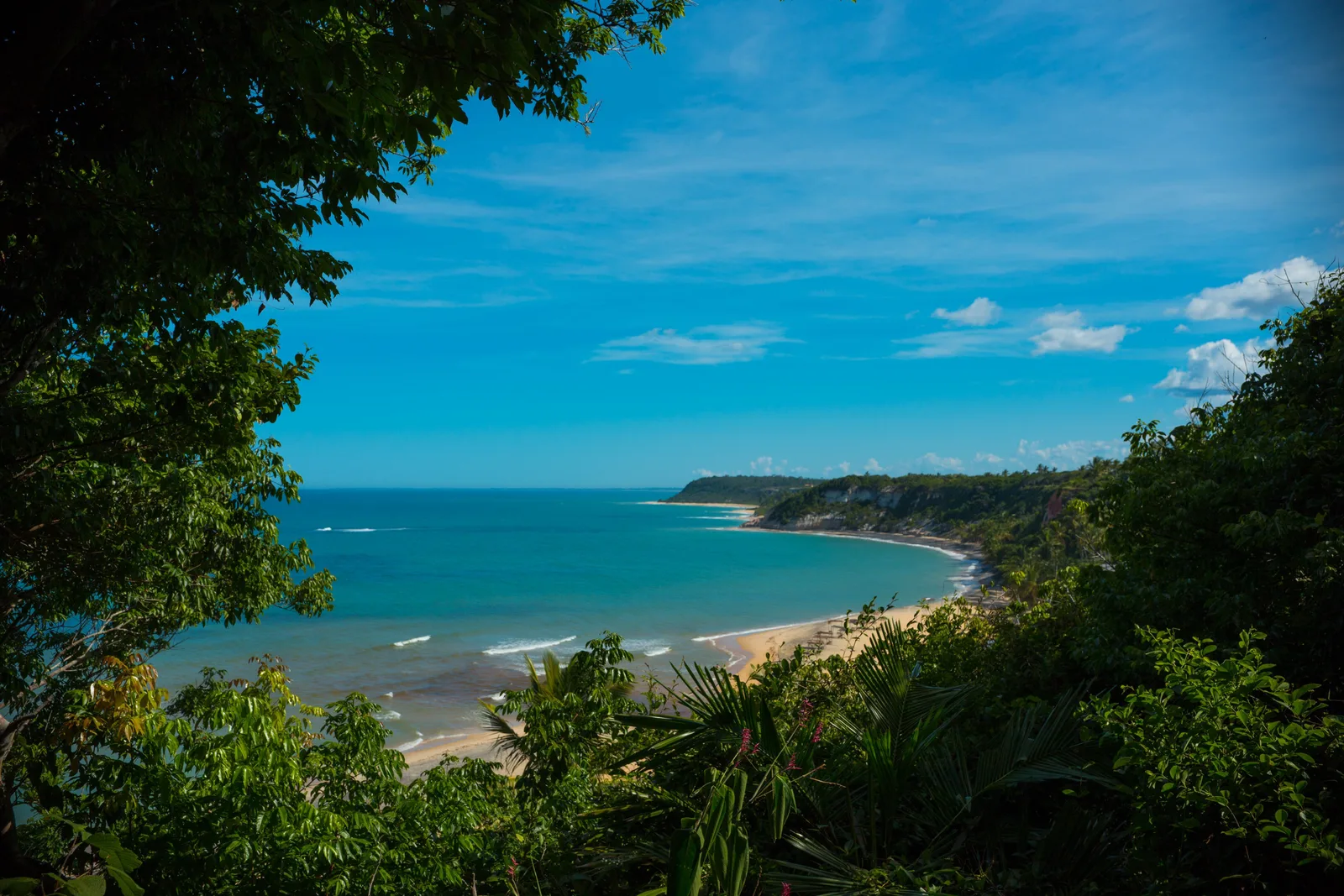
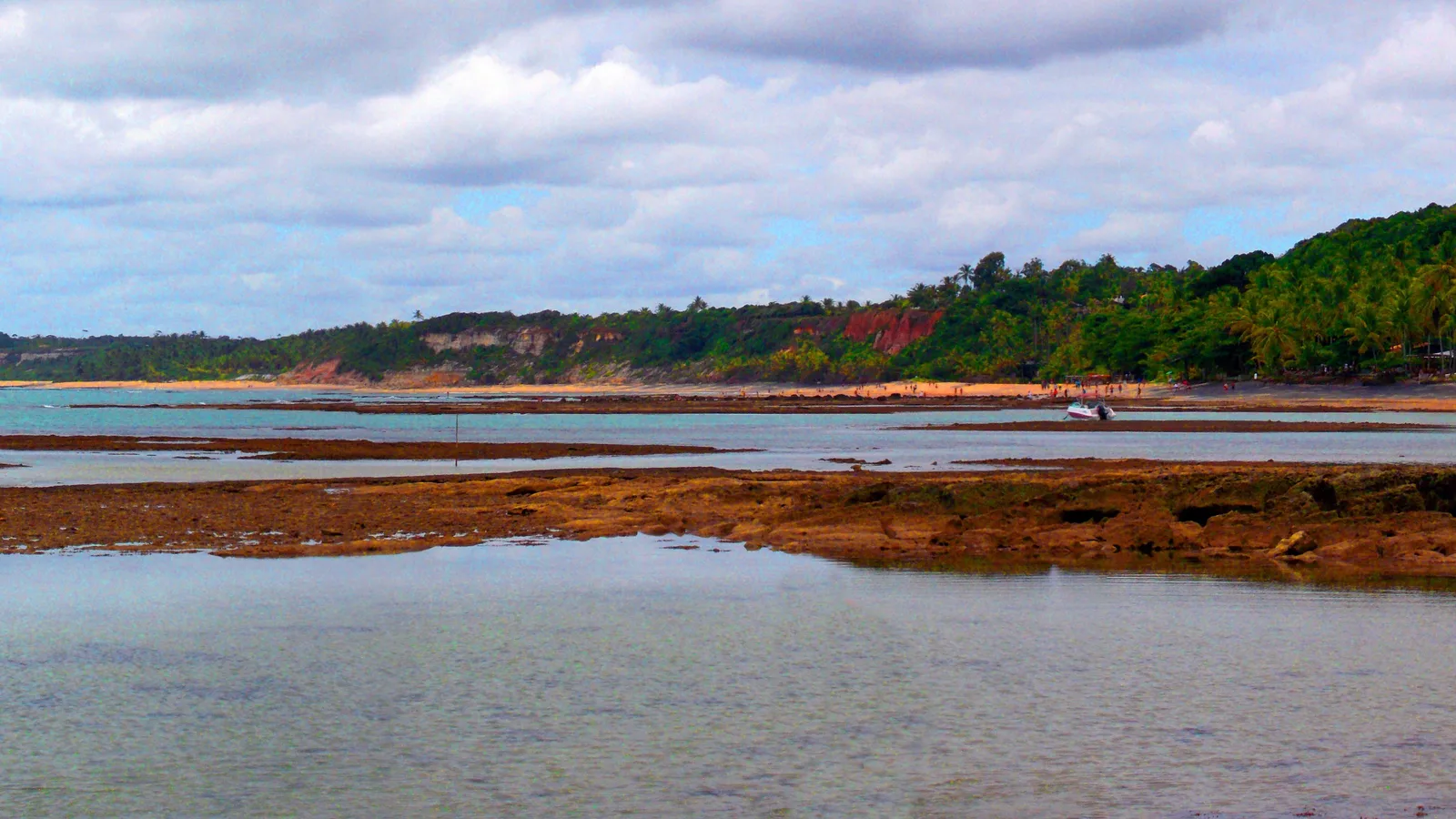
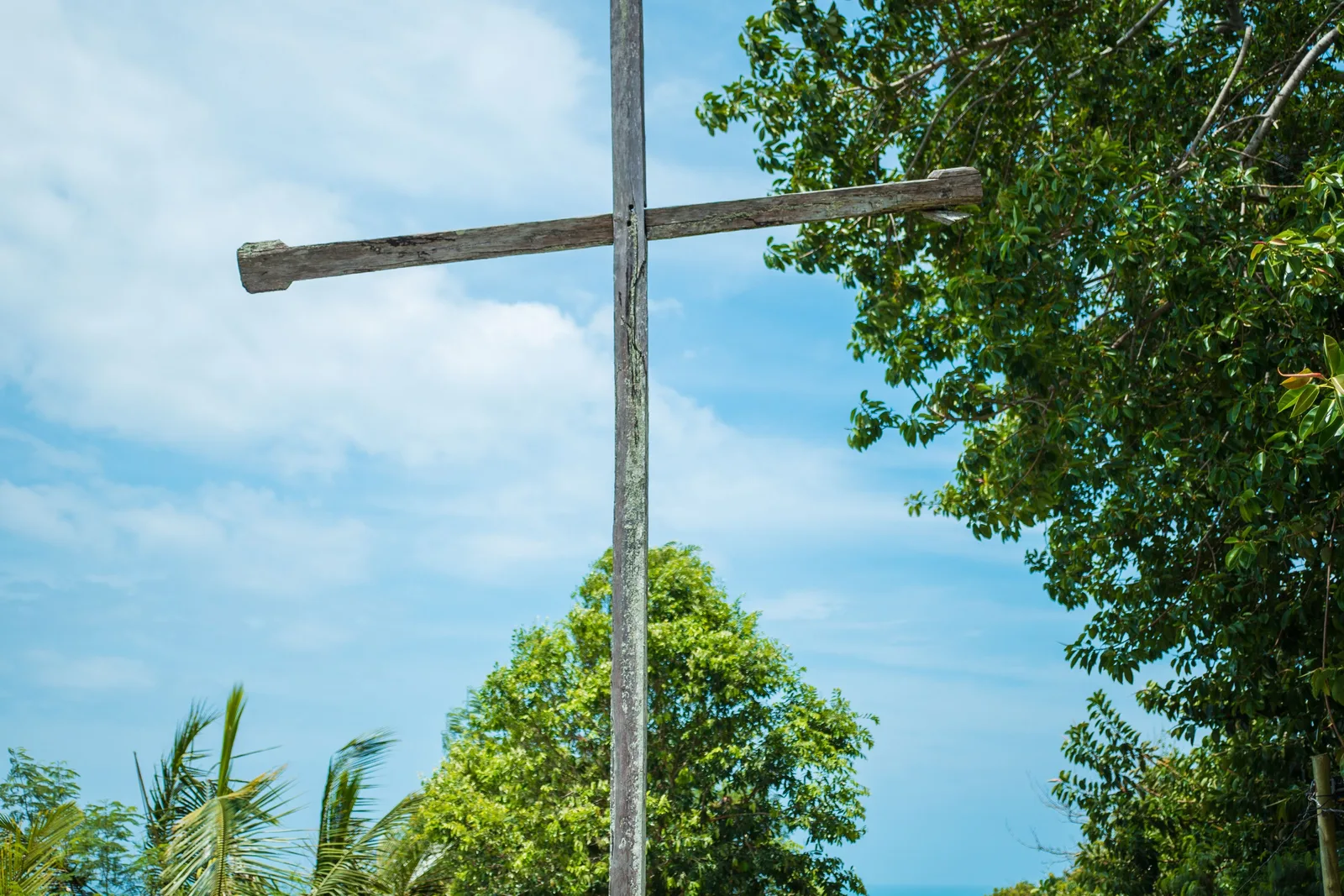
This is the coast where Portugal first arrived. On Wednesday 22 April 1500 Pedro Álvares Cabral’s fleet sighted a tall rounded hill and named it Monte Pascoal. The next day a boat went in to a river mouth and traded gifts with the people on the beach, over surf too heavy to land in. The fleet then sailed north to a sheltered anchorage, held the first mass on an islet in that bay on 26 April, and the scribe Pero Vaz de Caminha dated his letter to the king “from this Porto Seguro”. That islet is Coroa Vermelha, in the next municipality to the north. The town that carries the name today was founded in 1534.
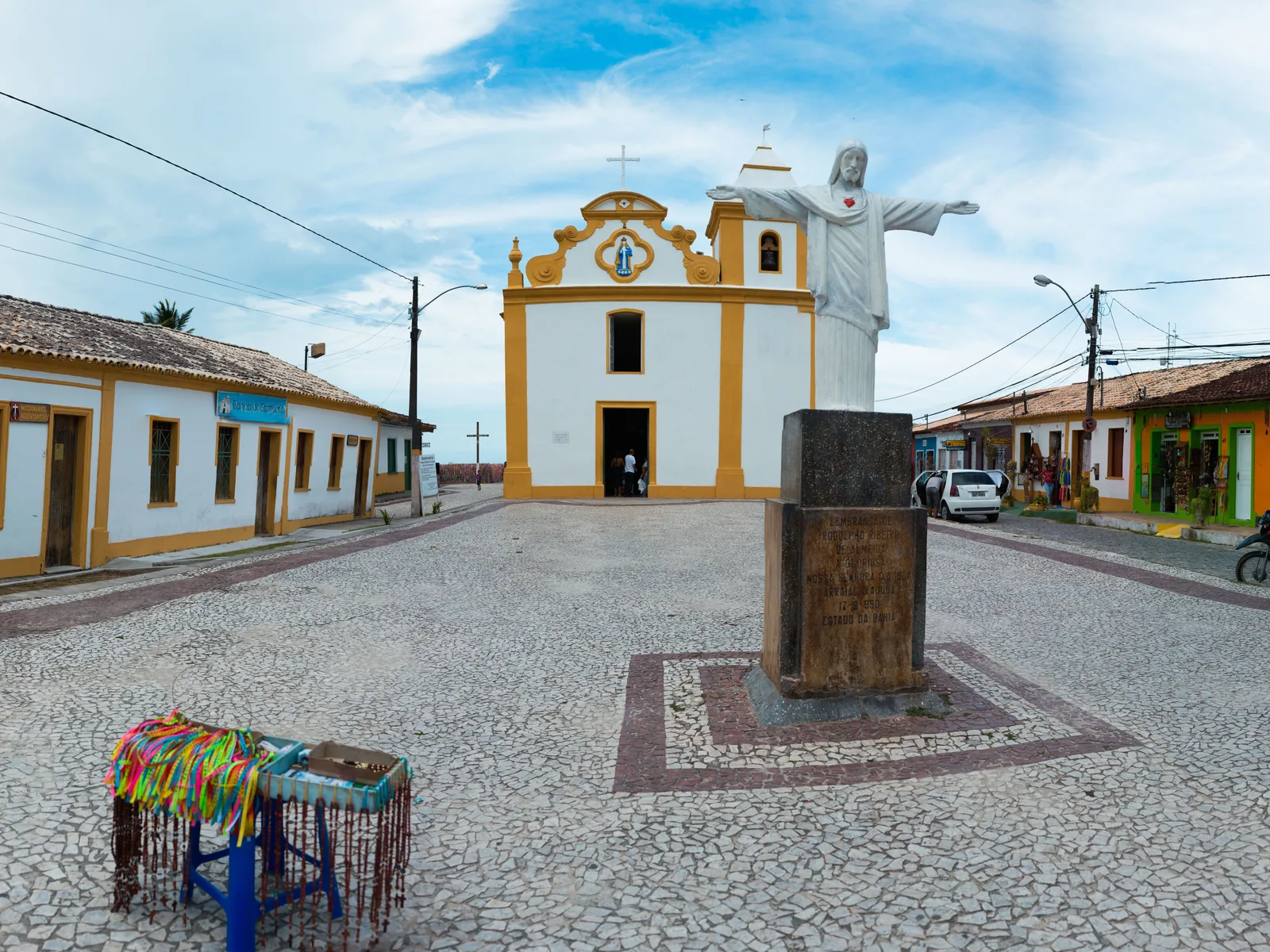
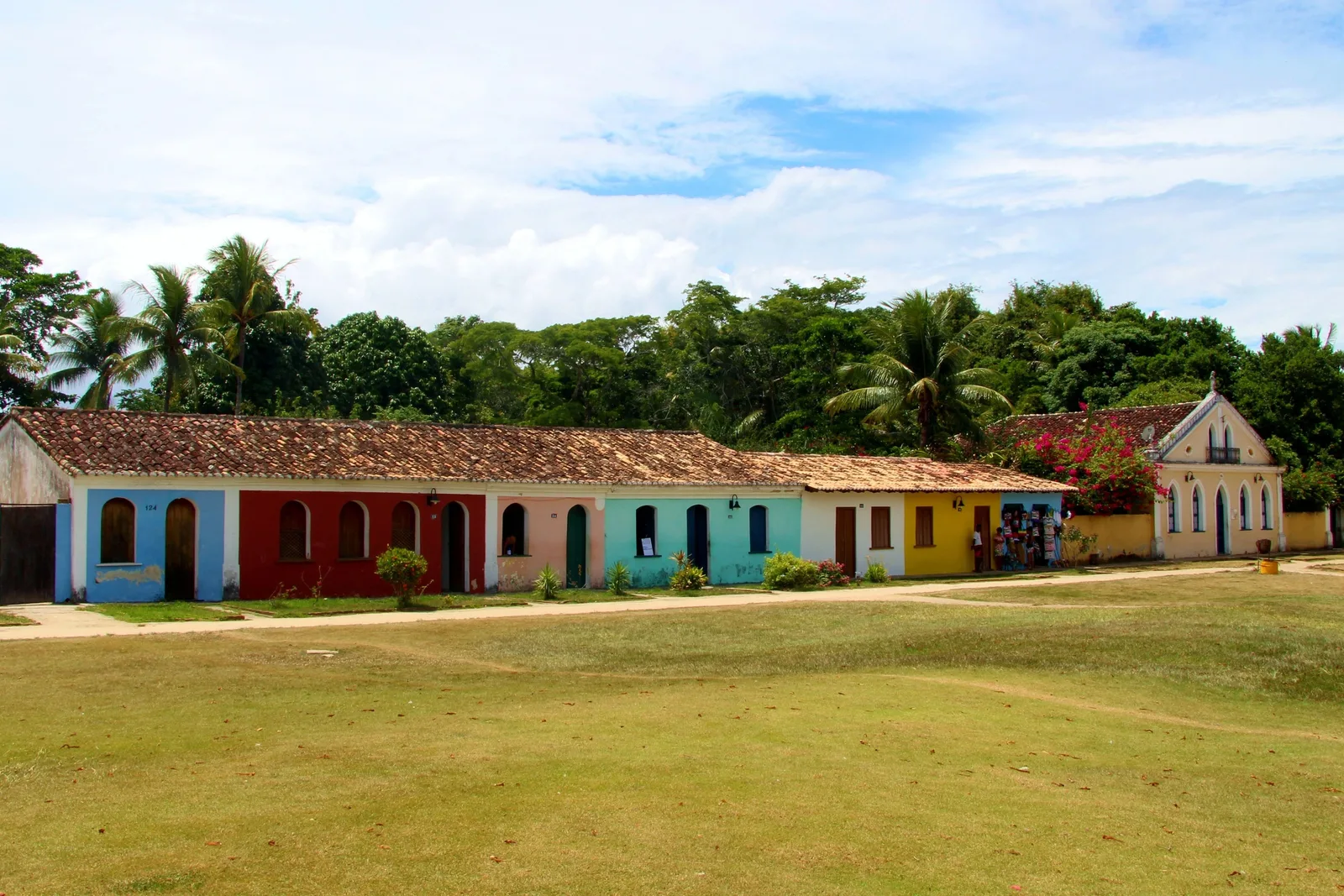
Administratively this is one place. Porto Seguro is a municipality of 168,326 people at the 2022 census, and its five districts are Porto Seguro itself, Arraial d’Ajuda, Trancoso, Caraíva and Vale Verde. In 1973 a federal decree made the whole municipality a National Monument, and IPHAN, the national heritage institute, protects a strip about 3 km wide along roughly 70 km of its coast, taking in the historic cores of Arraial d’Ajuda, Trancoso and Caraíva.
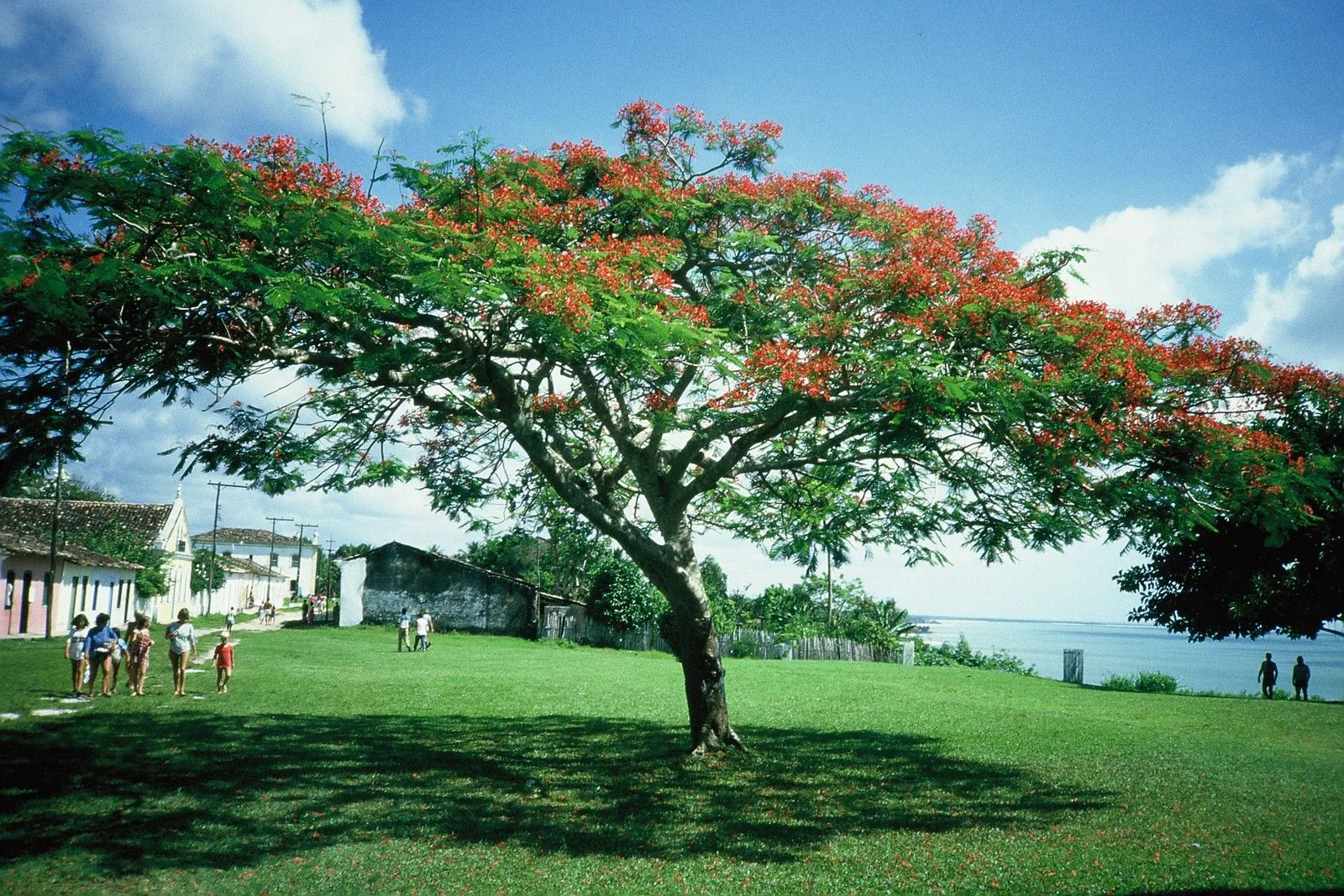
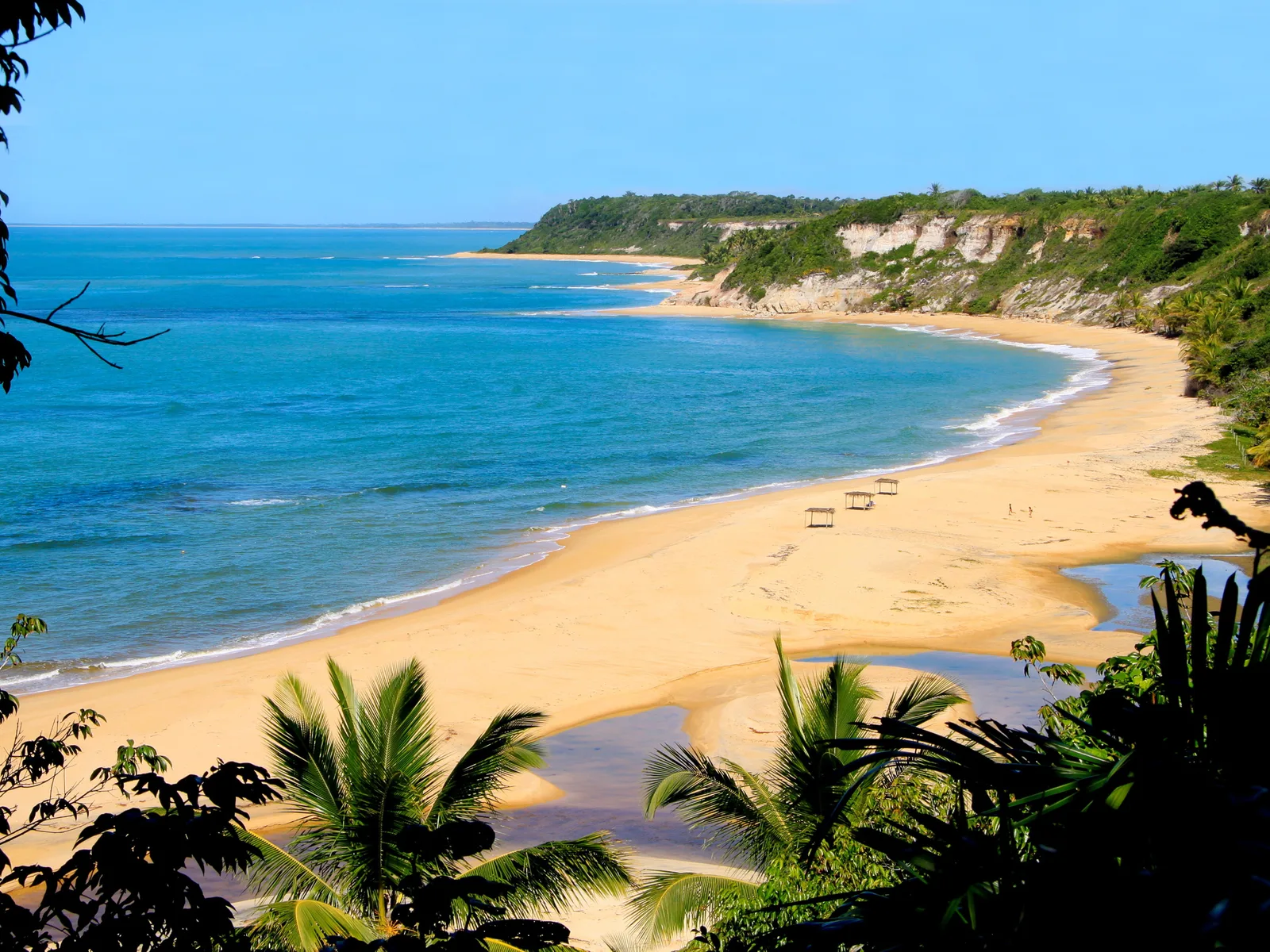
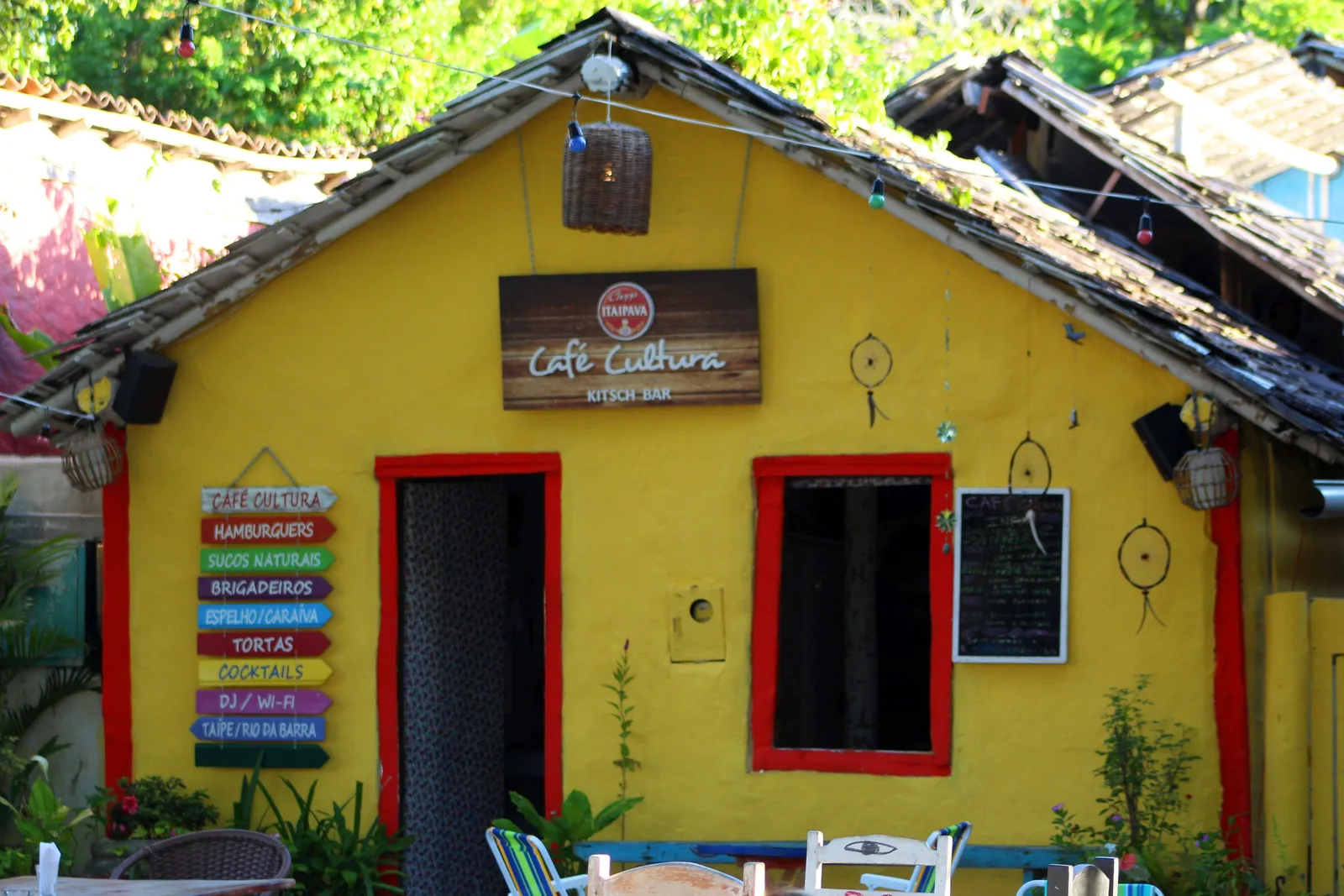
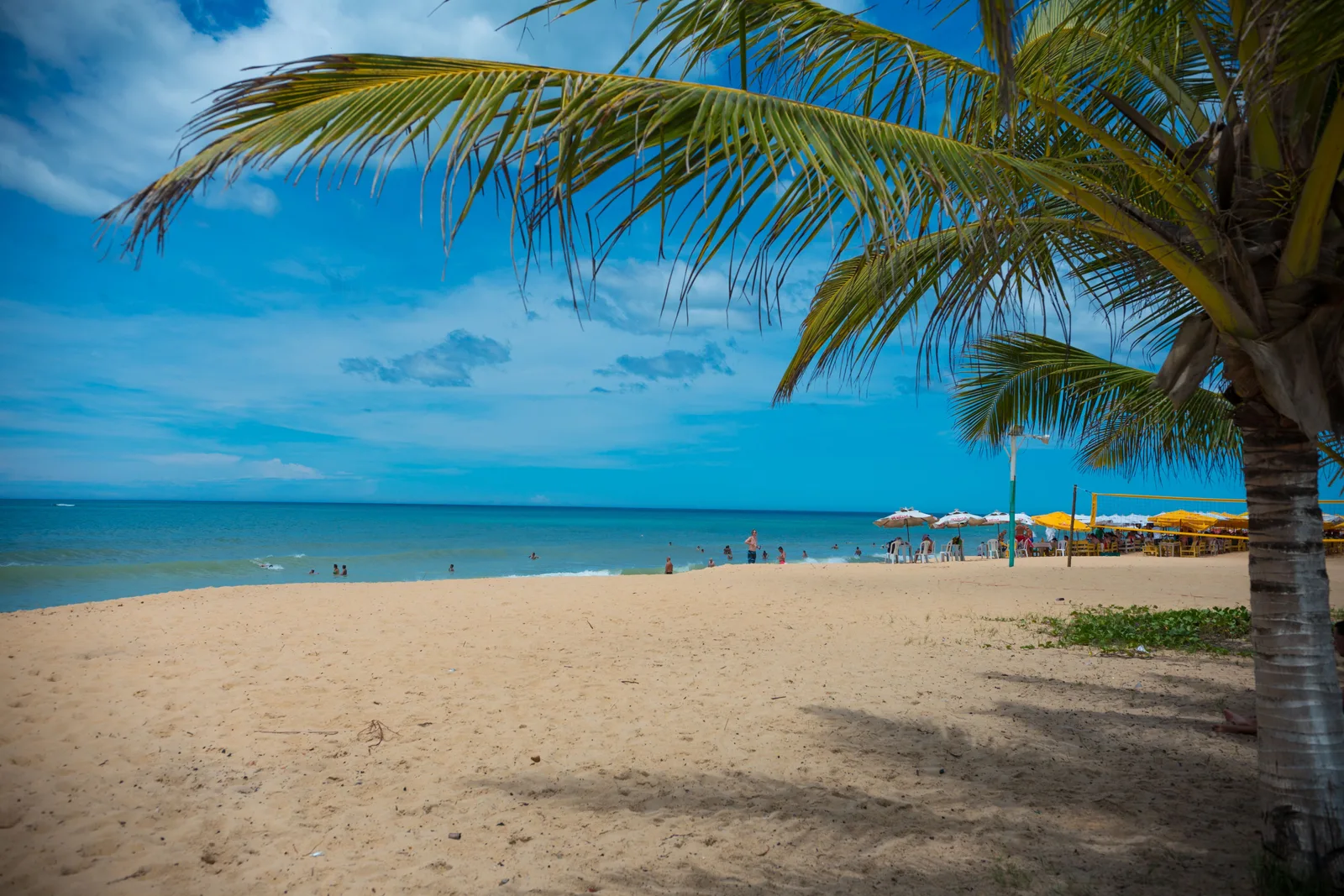
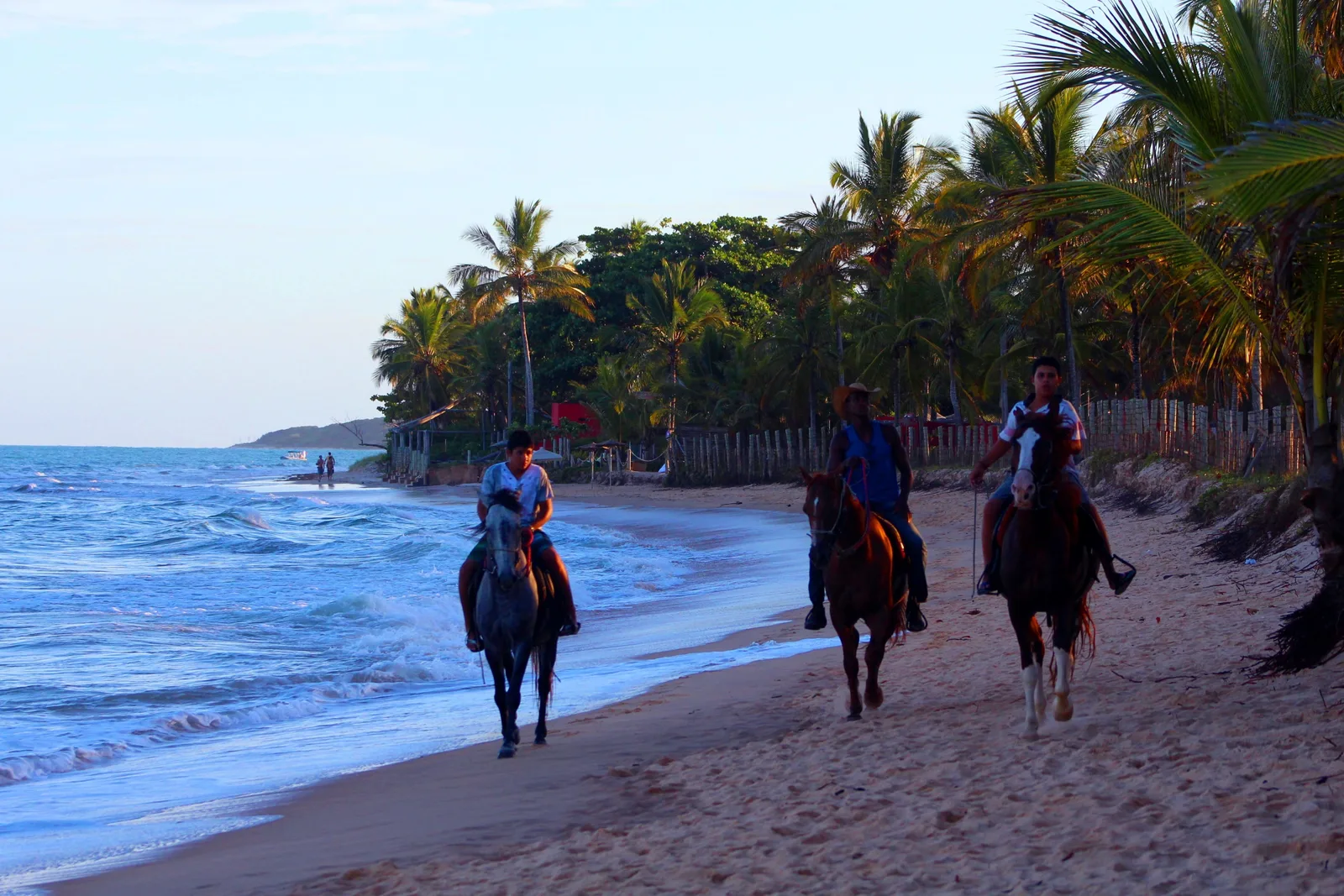
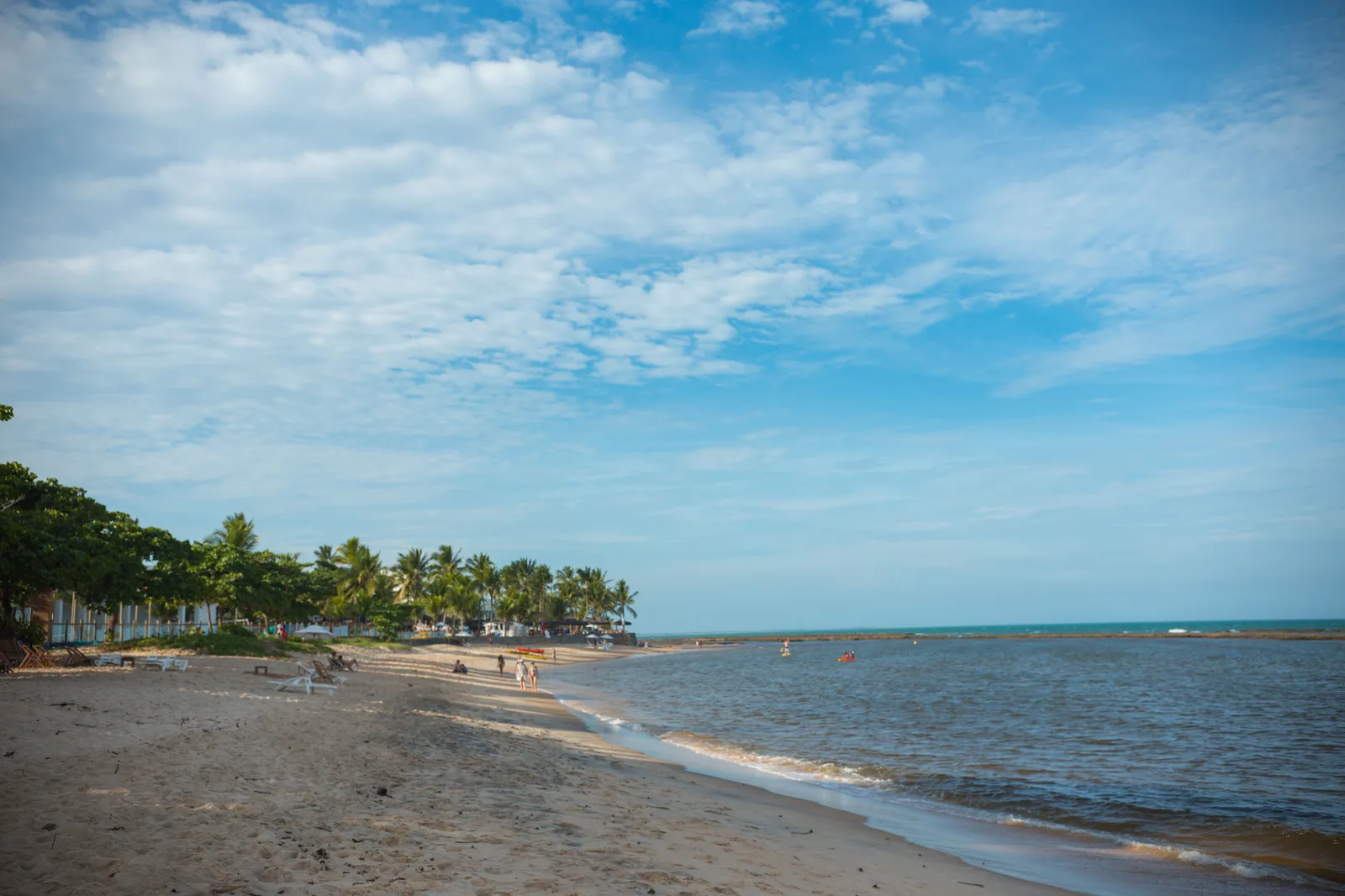
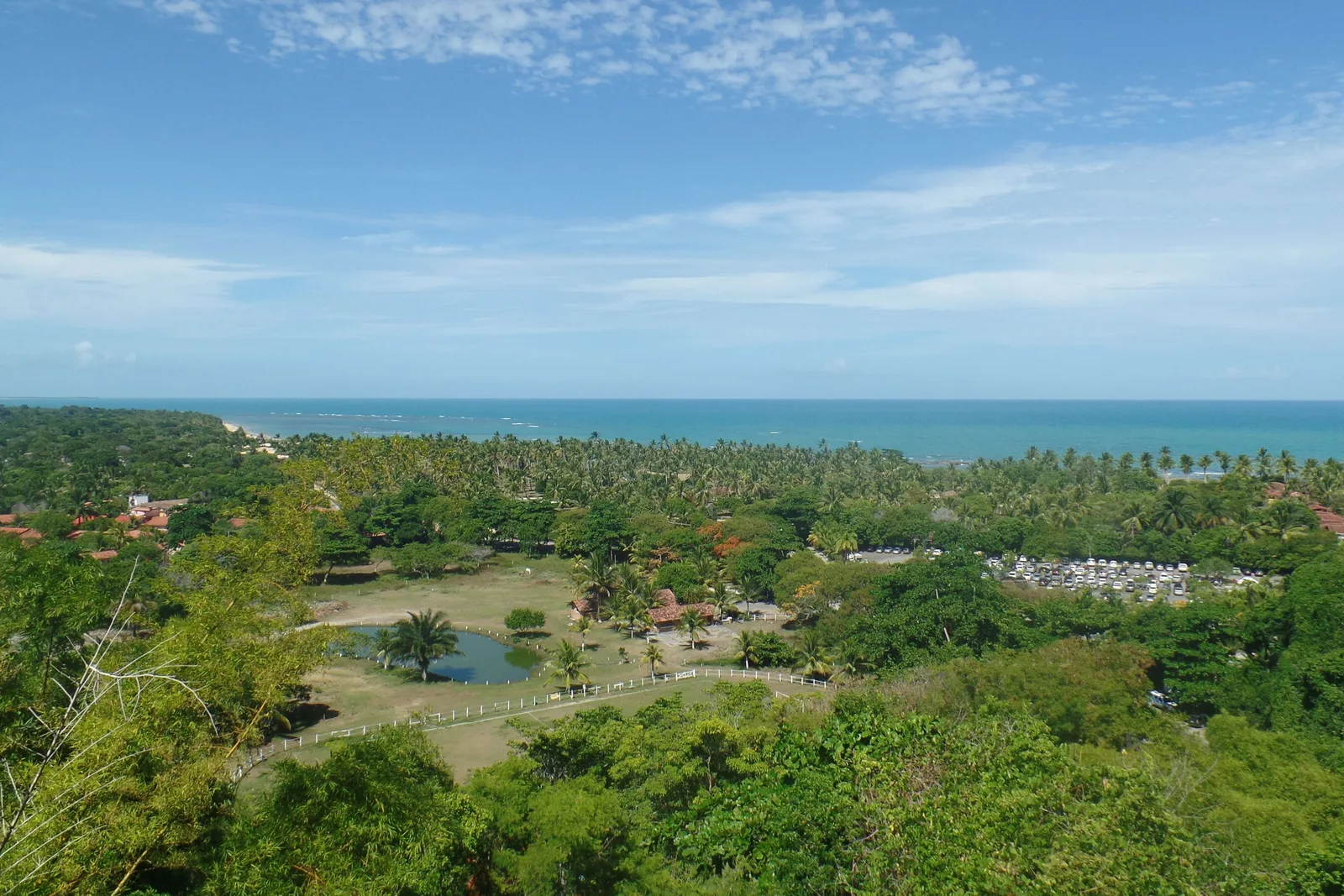
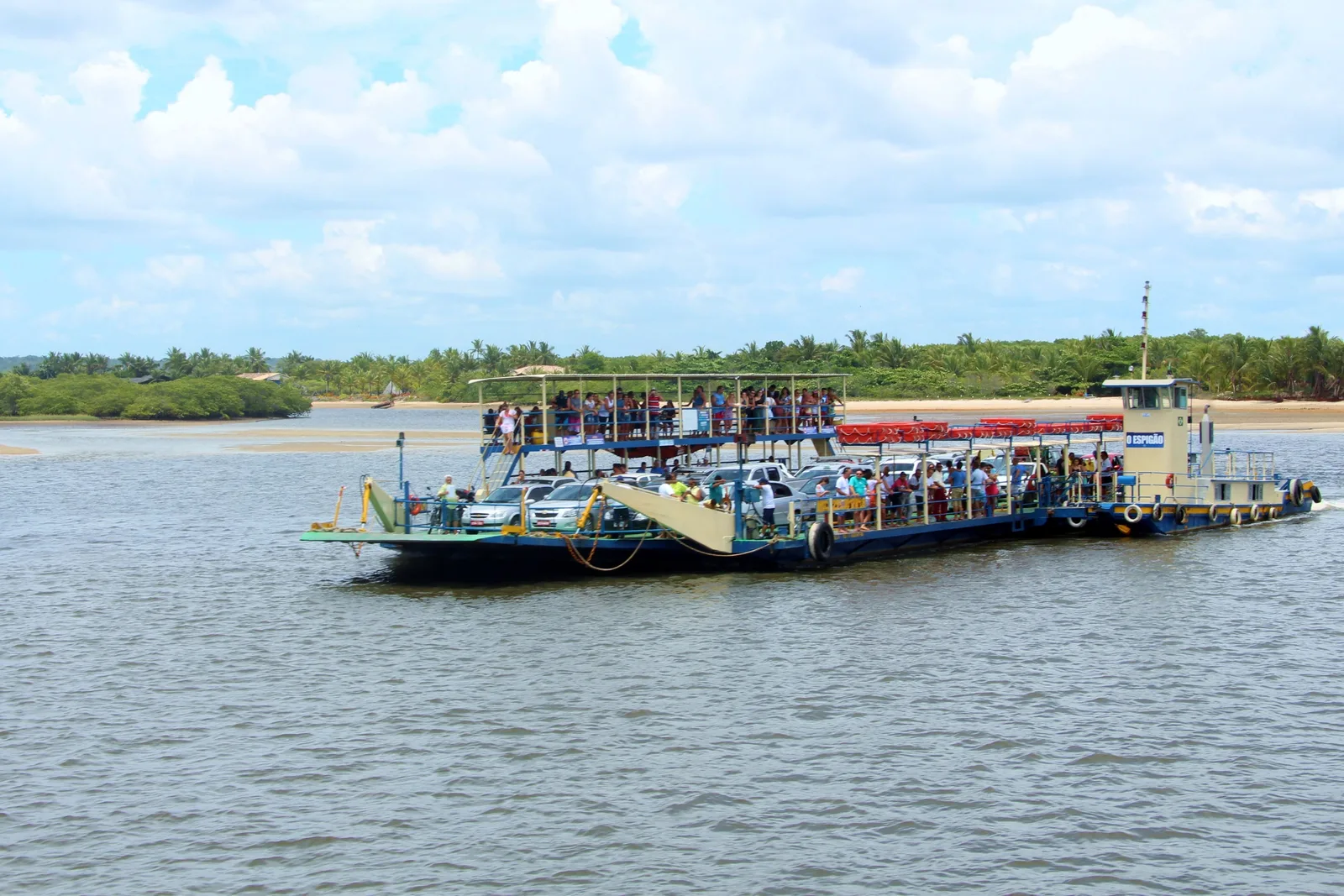
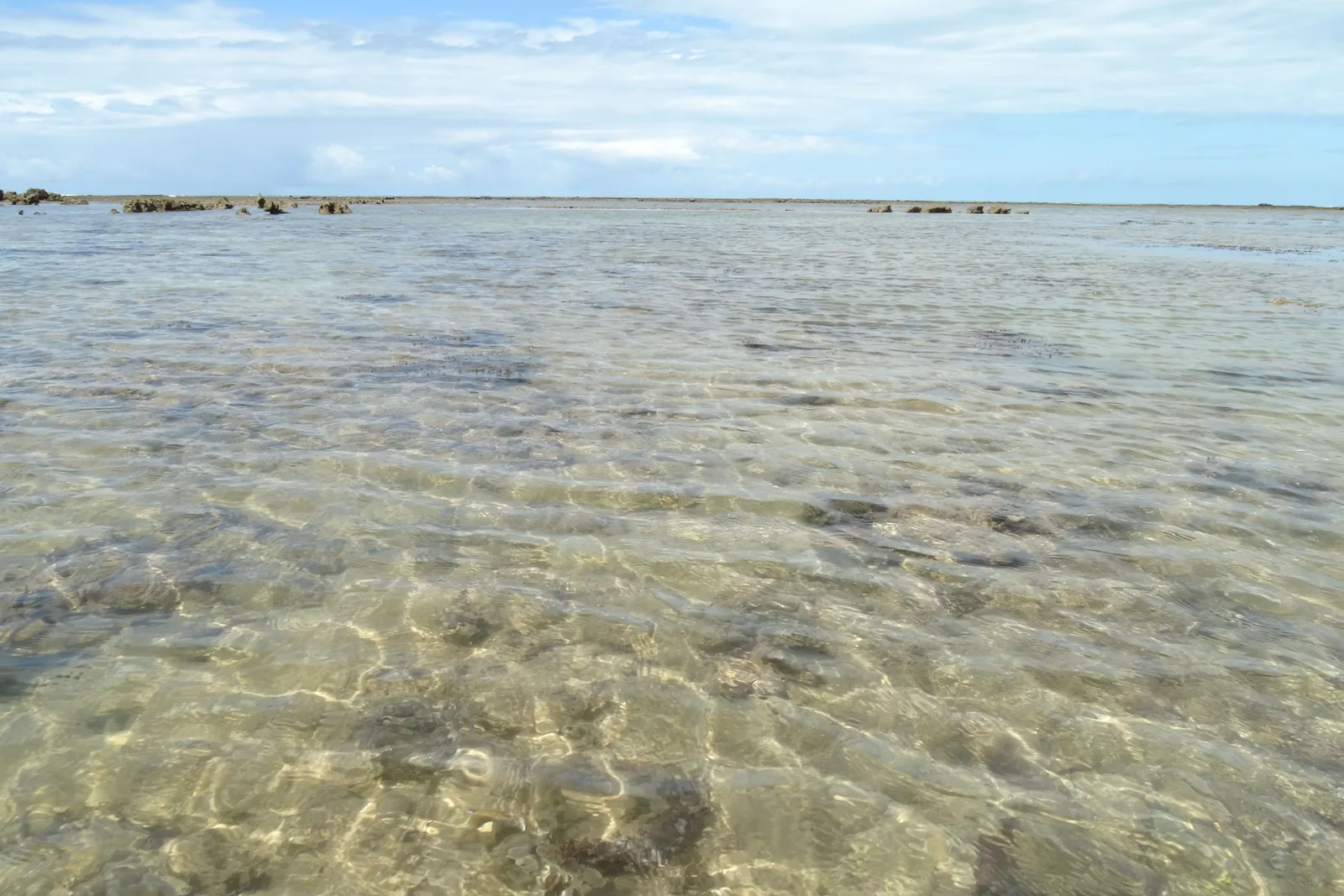
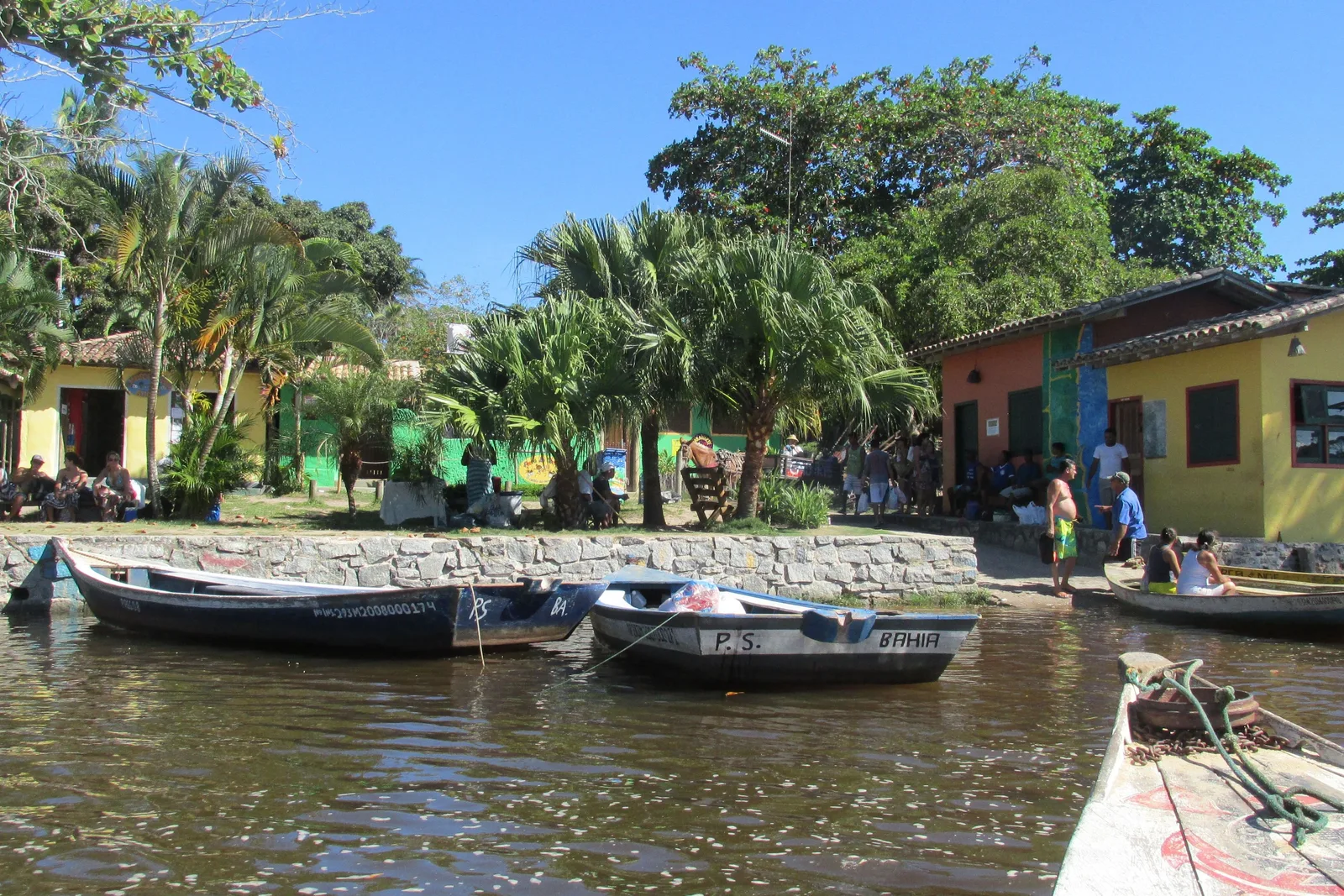
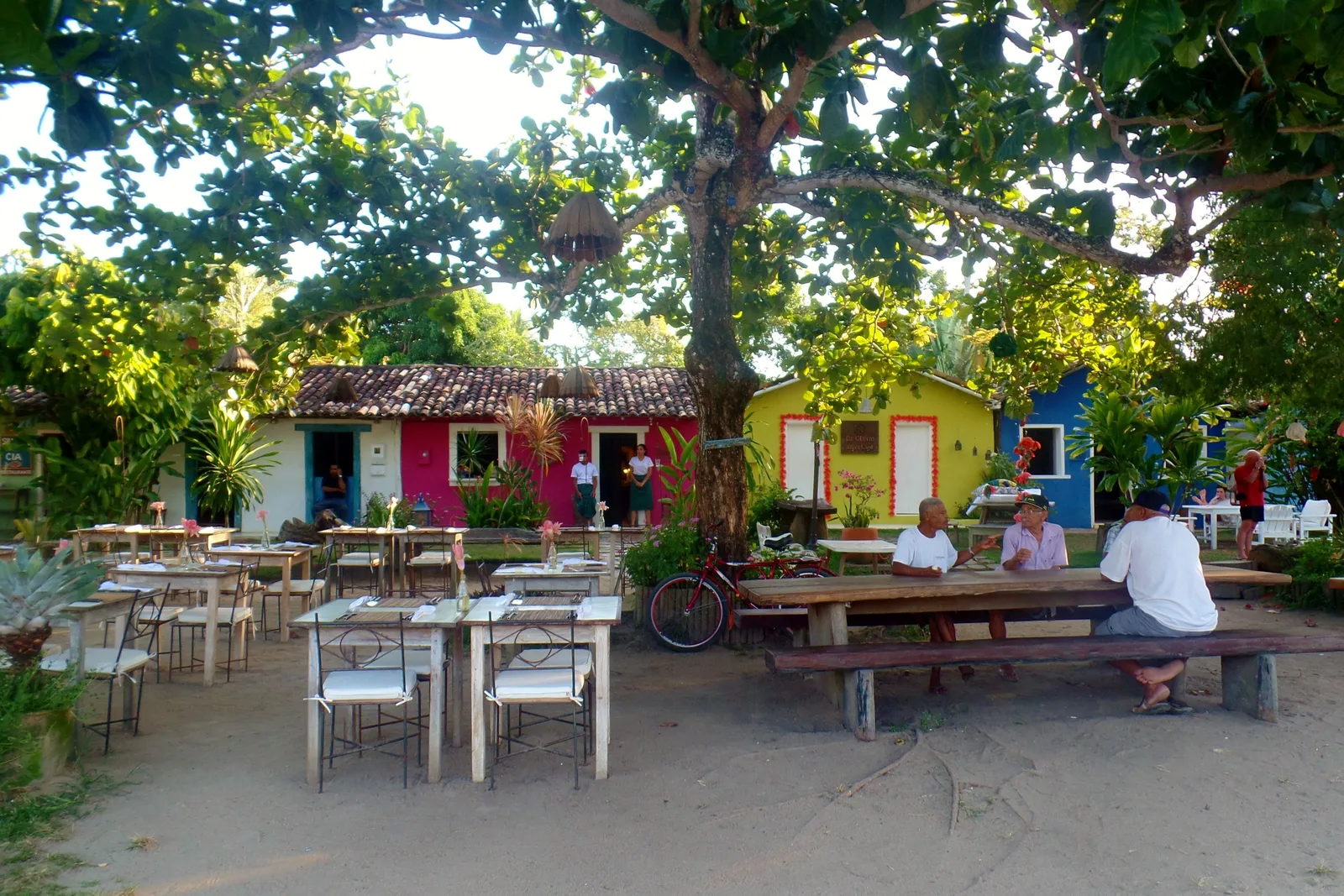
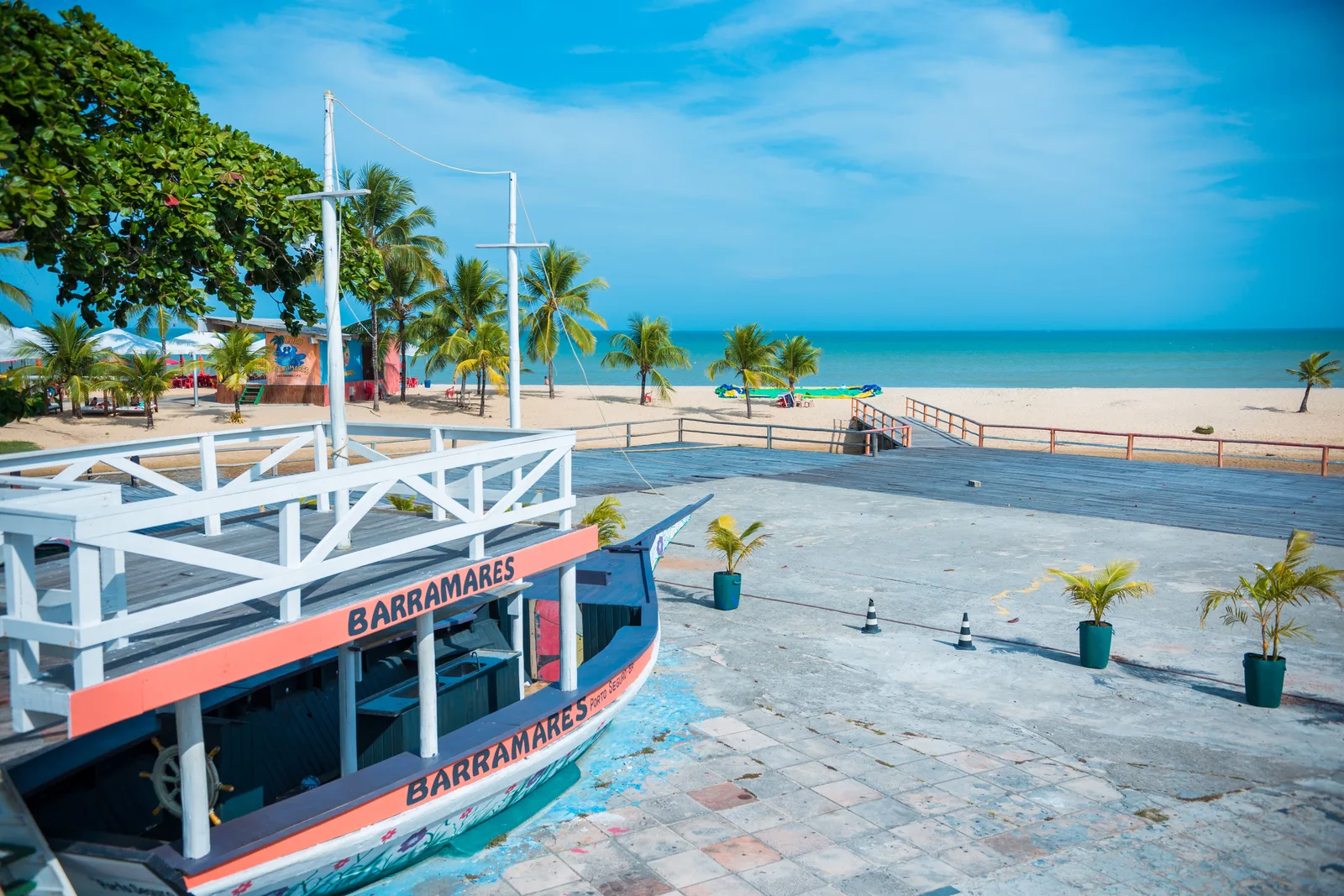
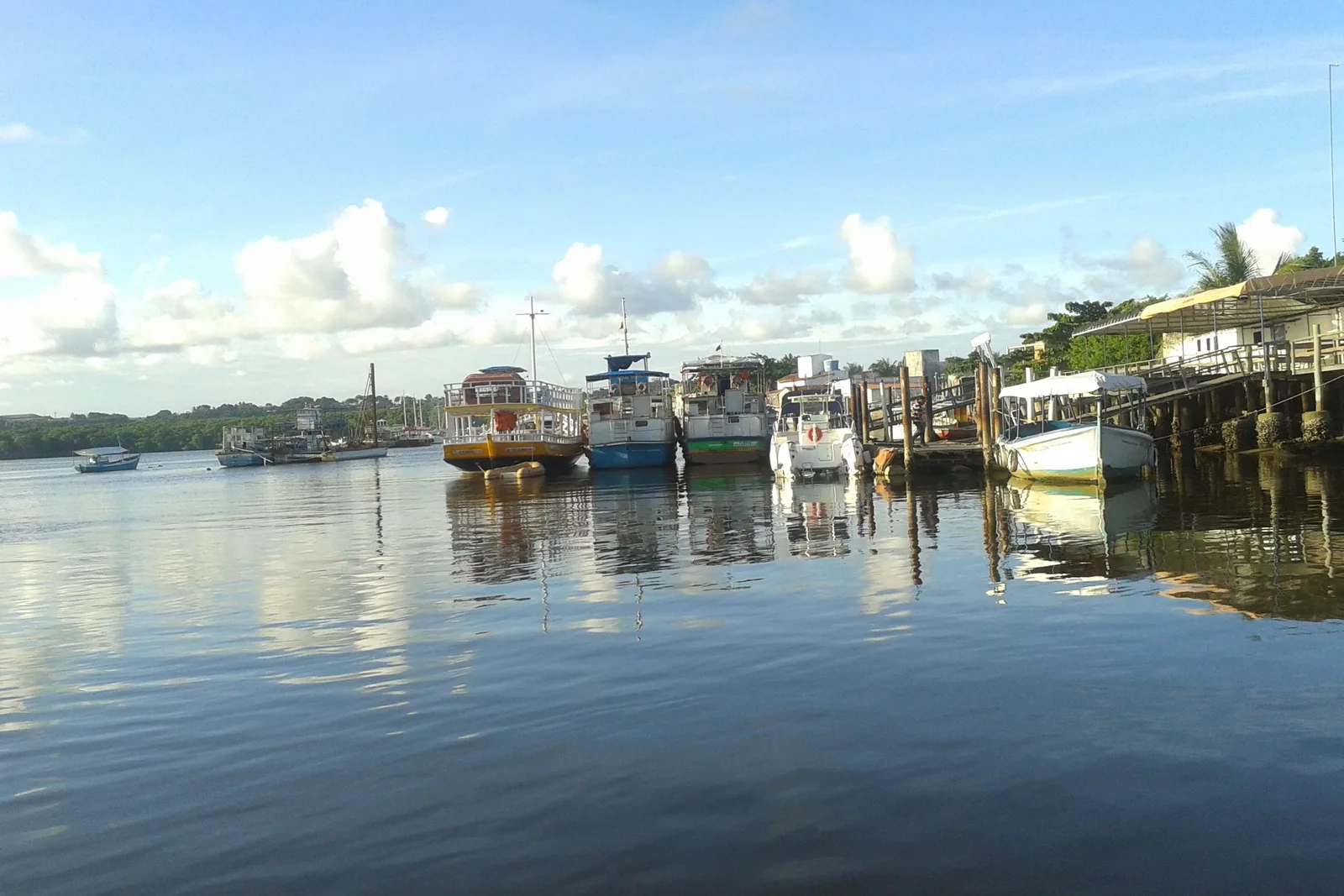
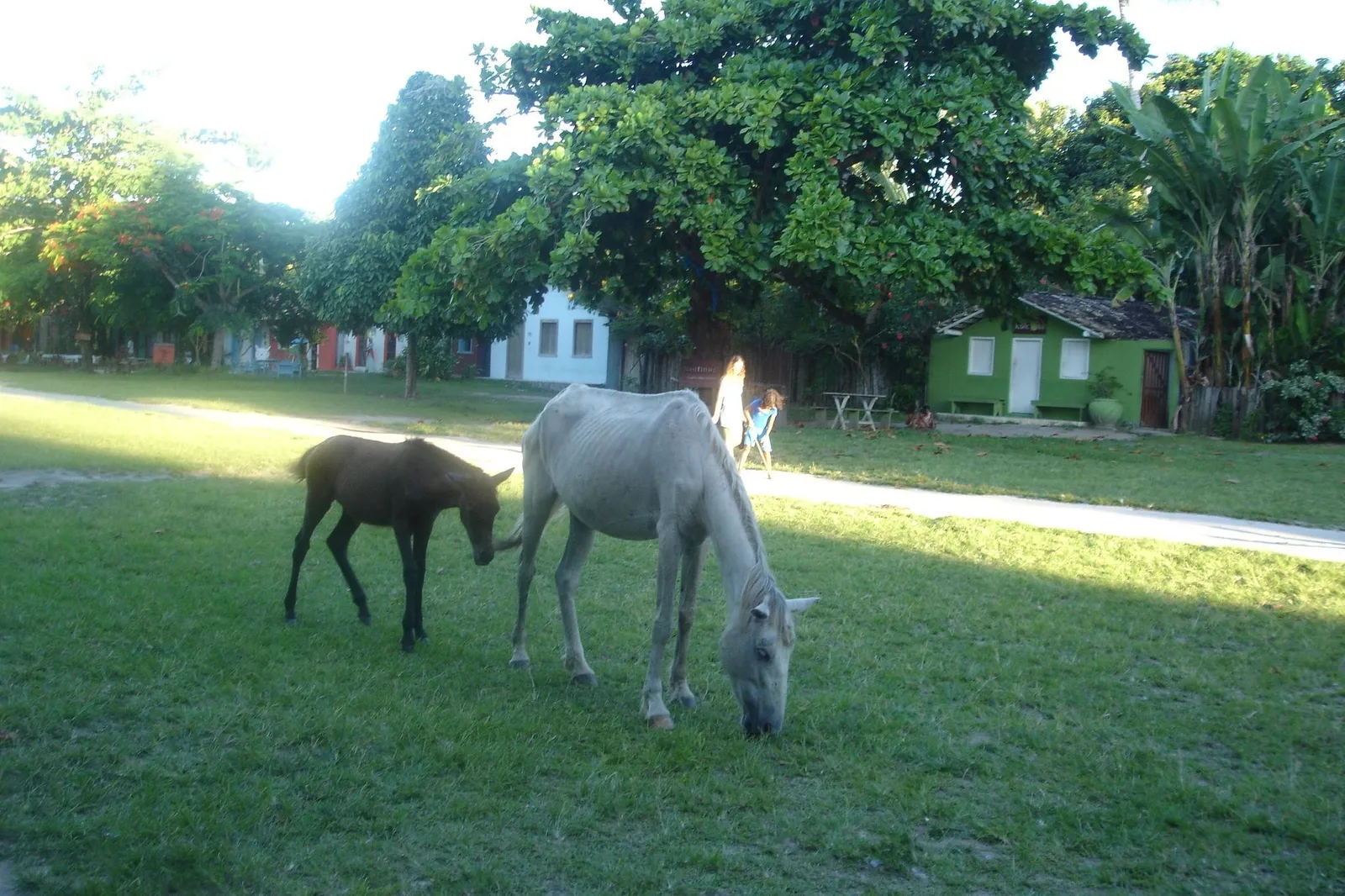
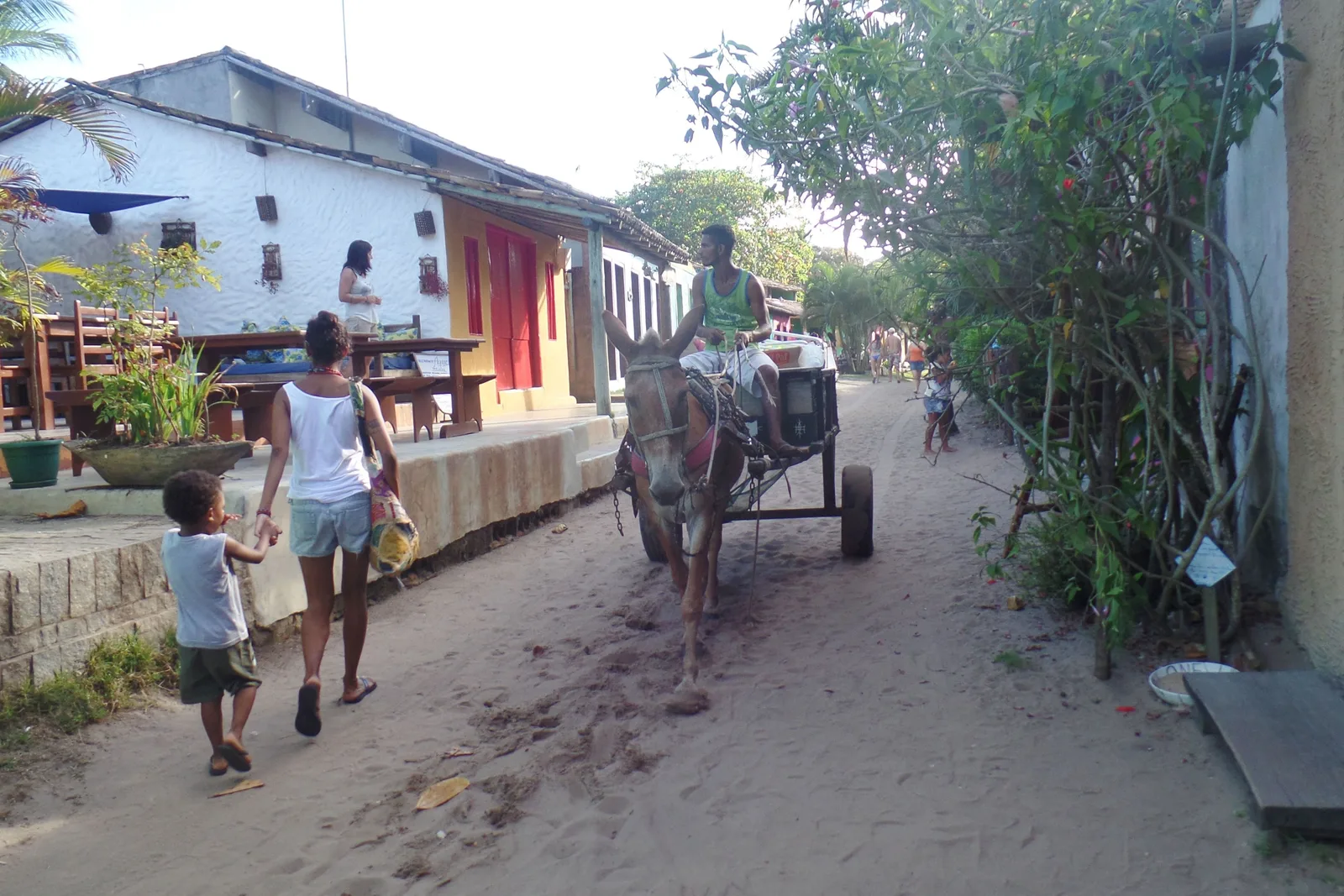
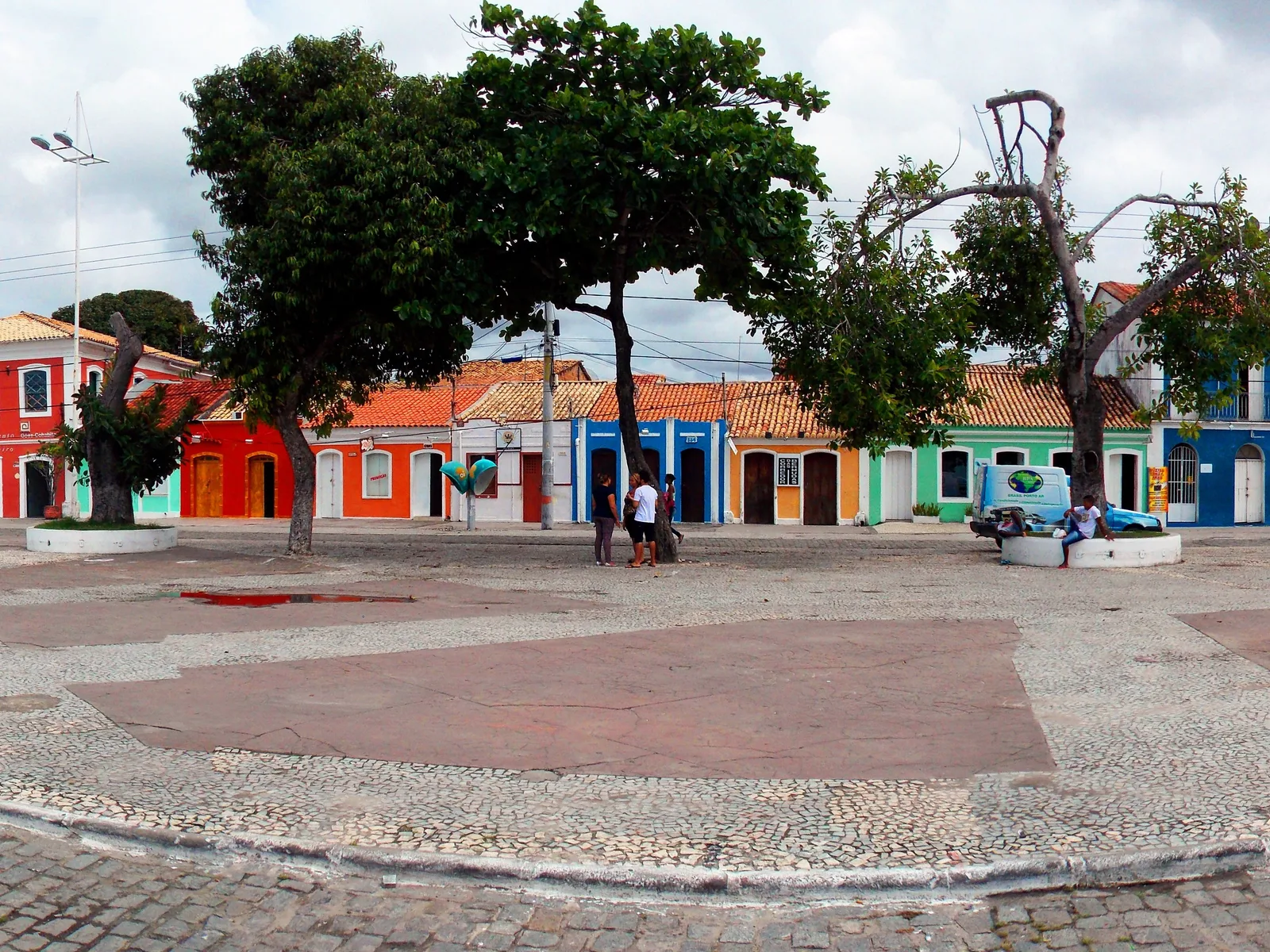
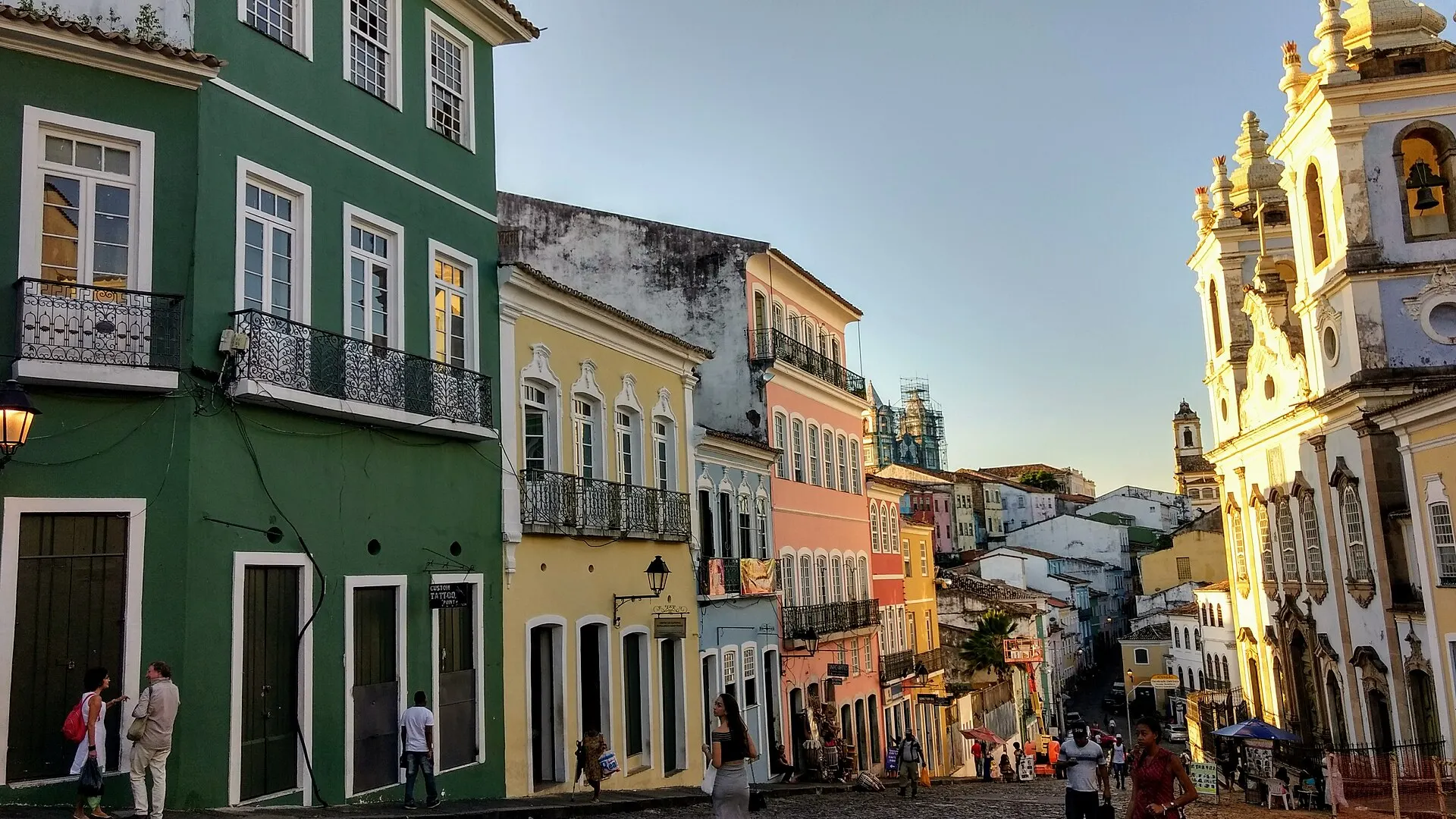
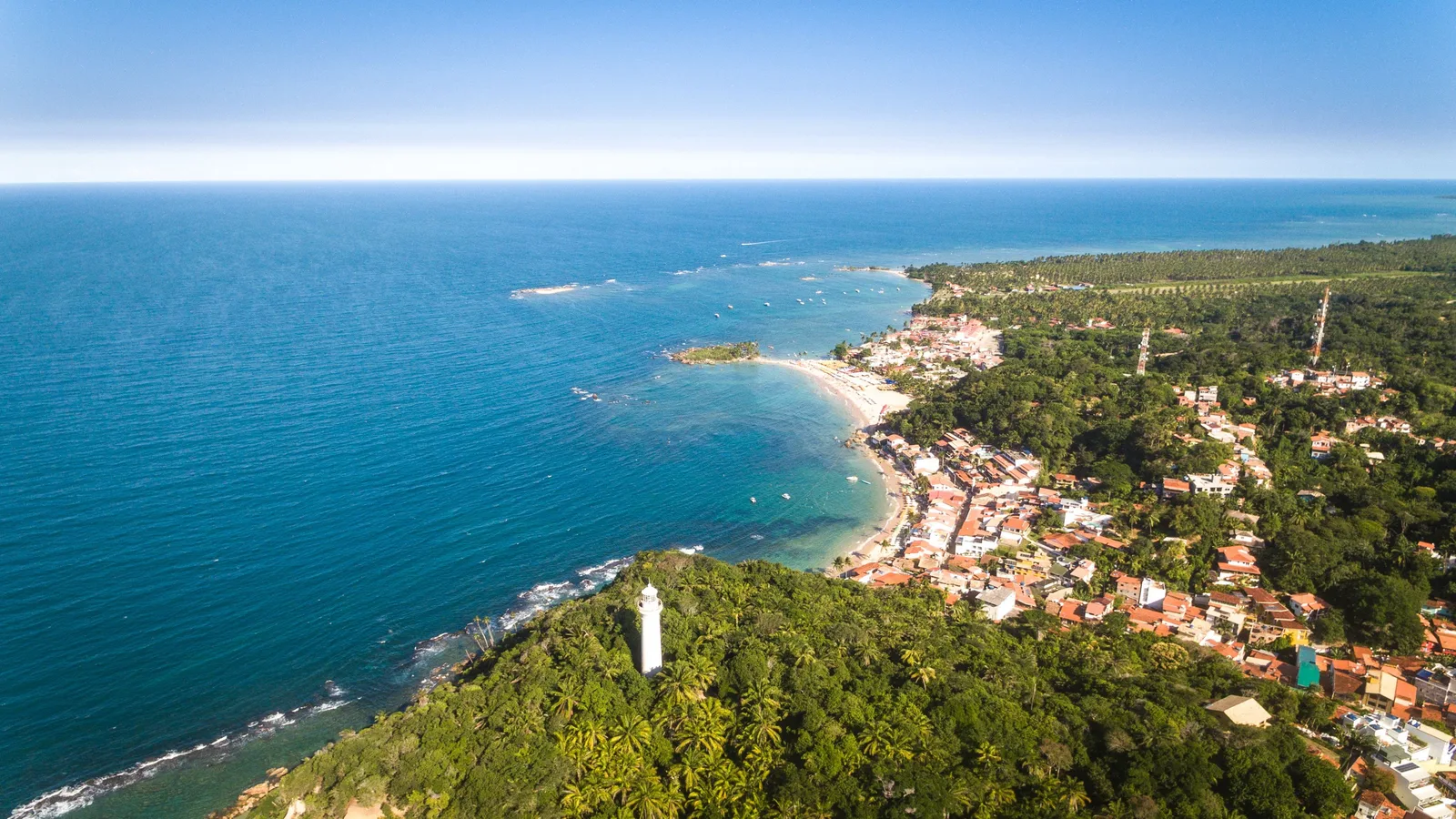
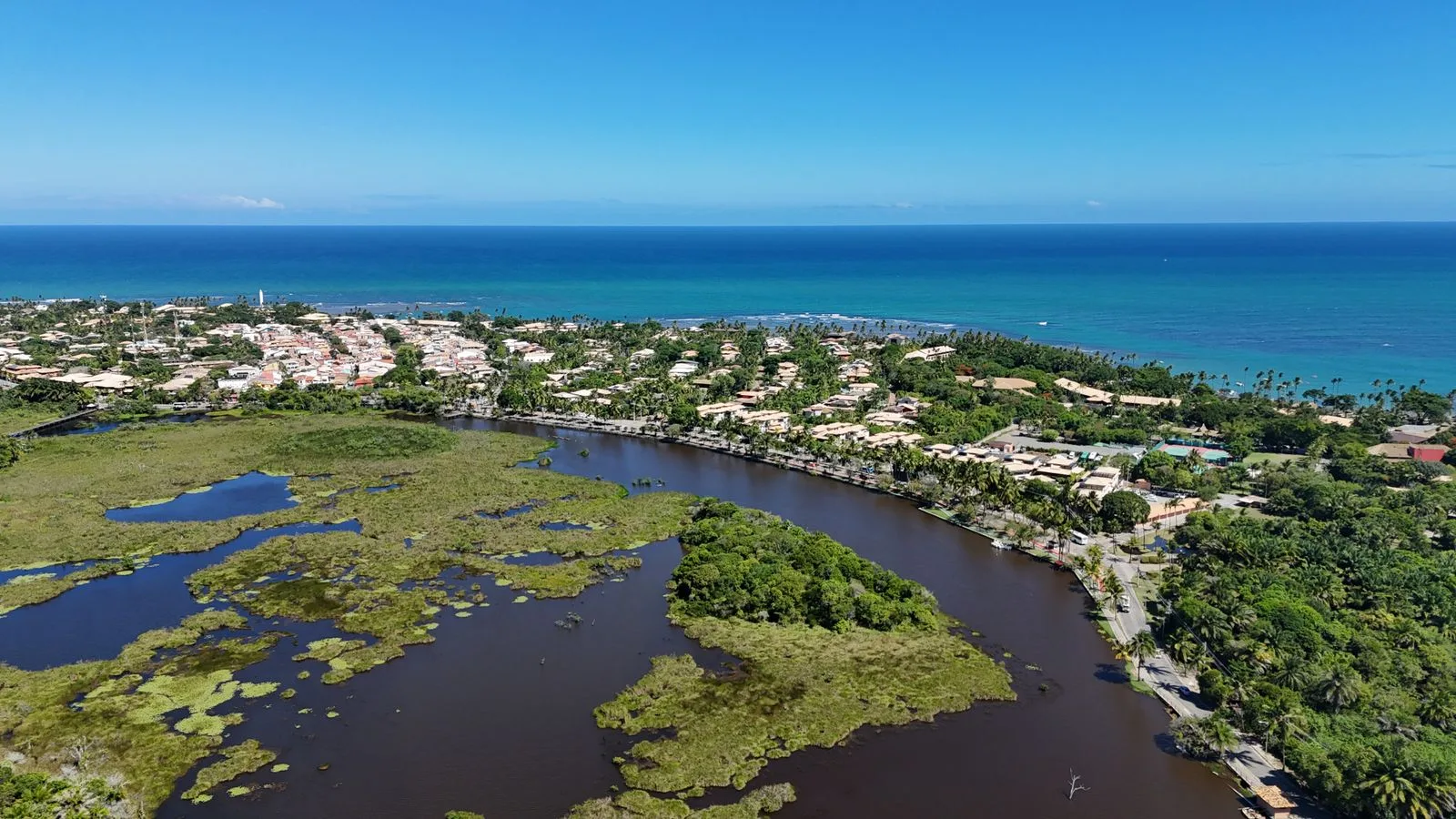
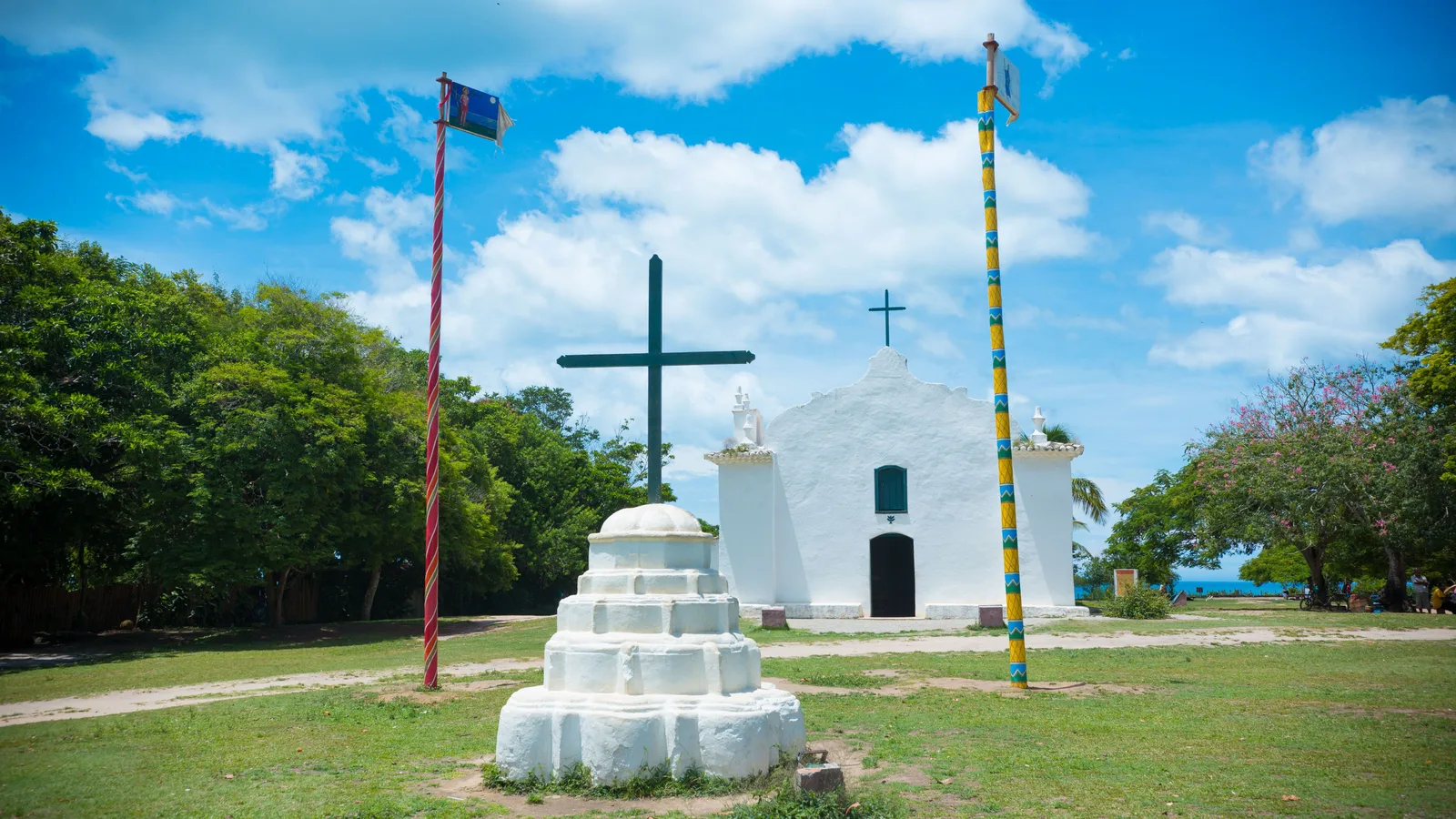
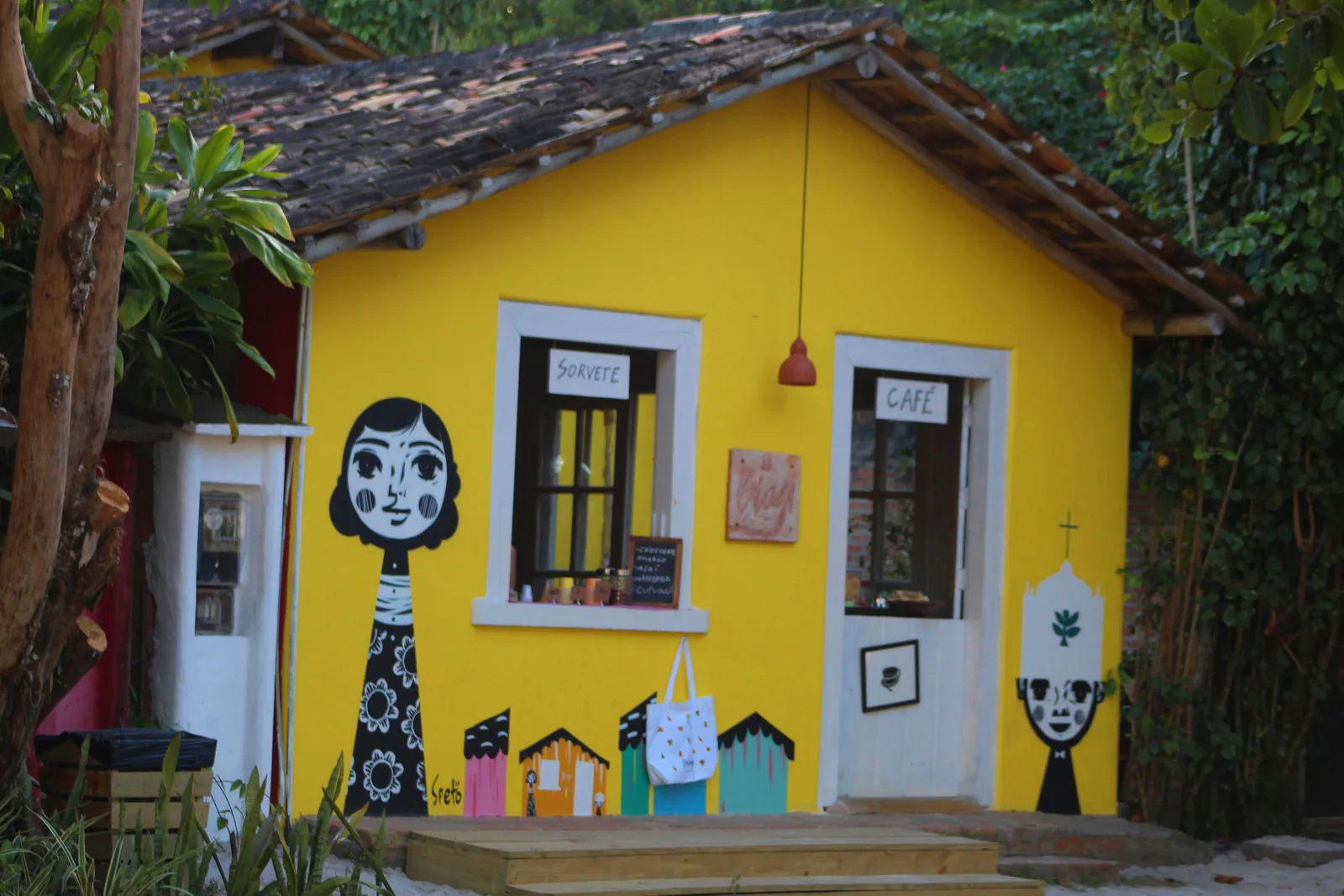
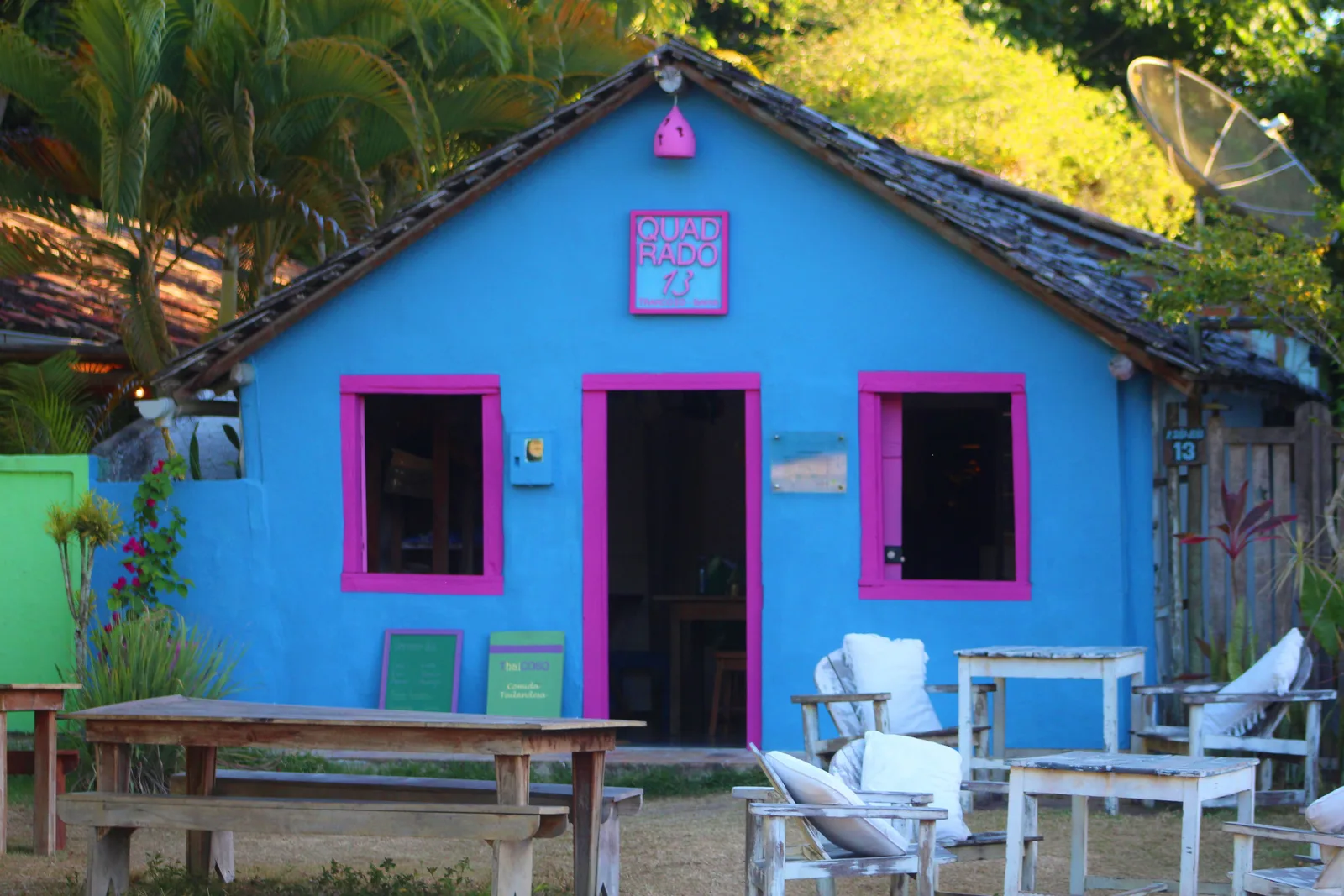
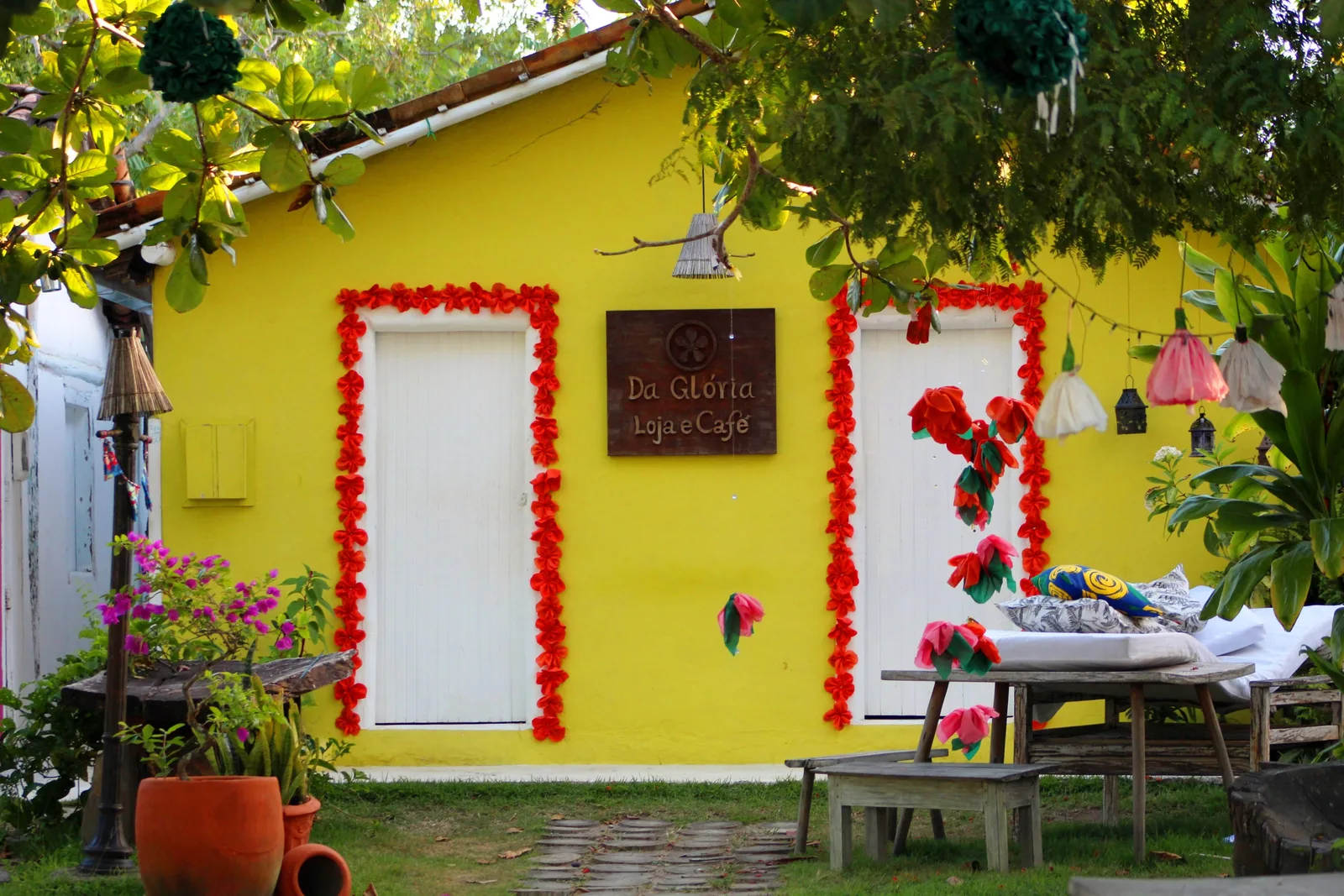
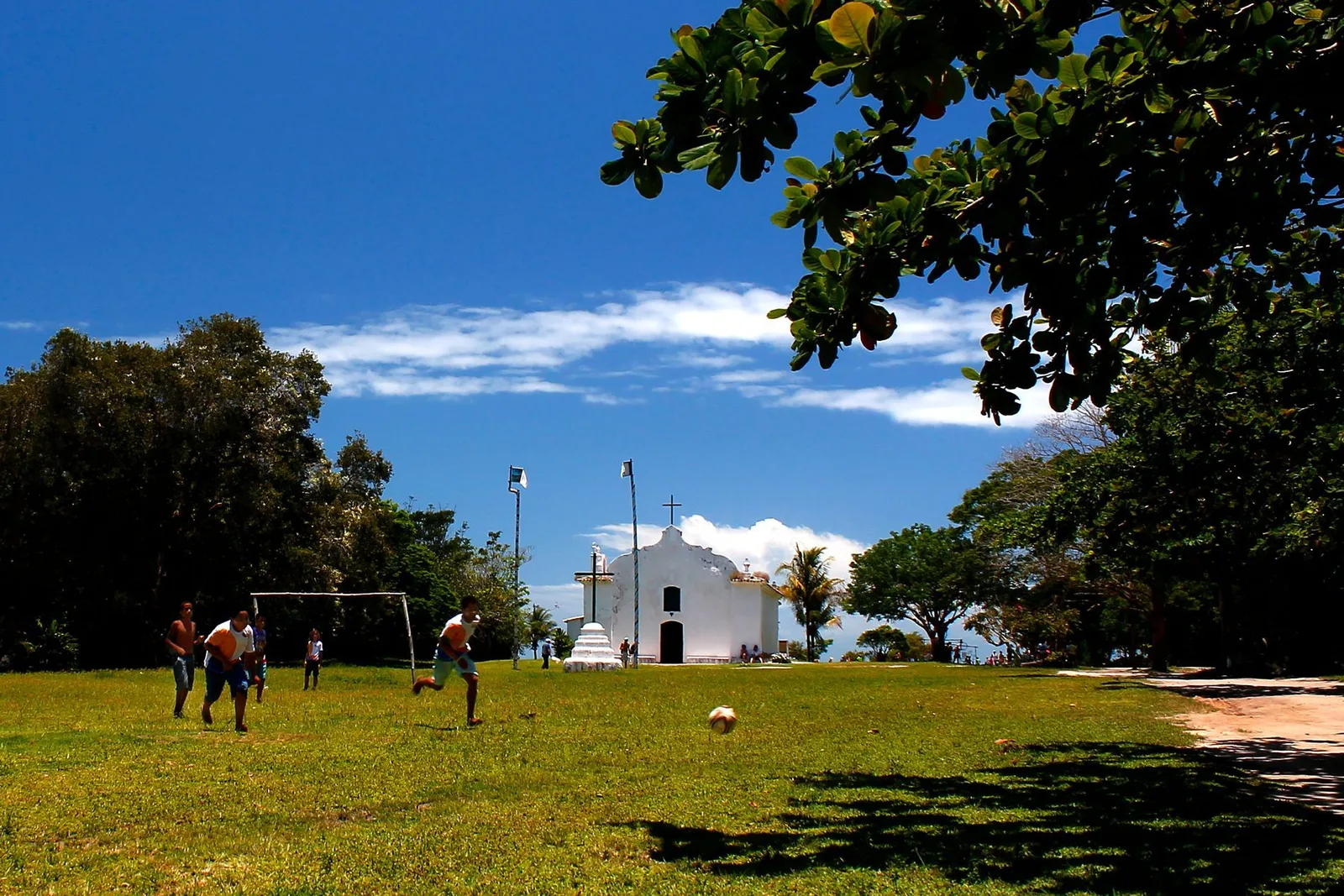
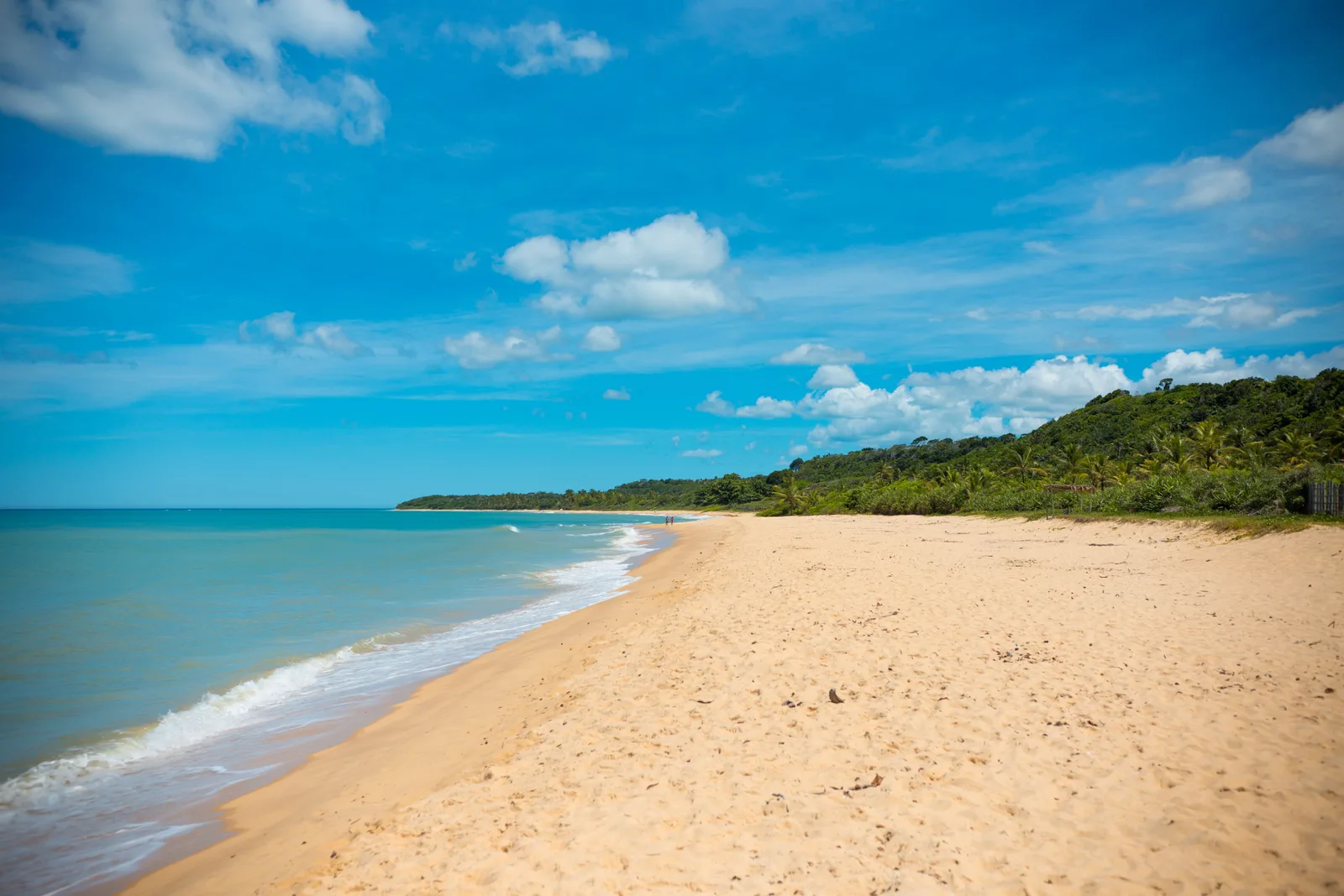
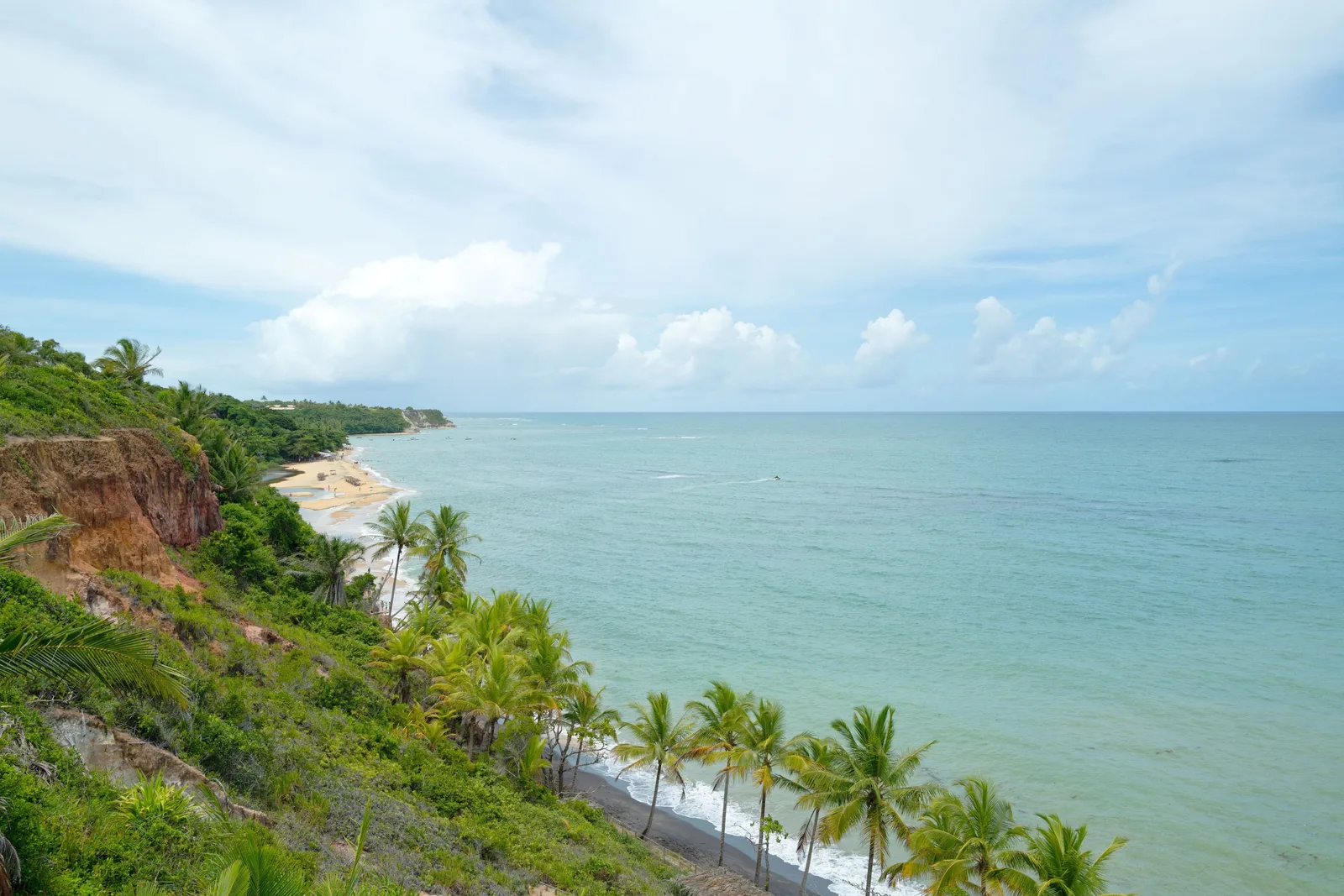
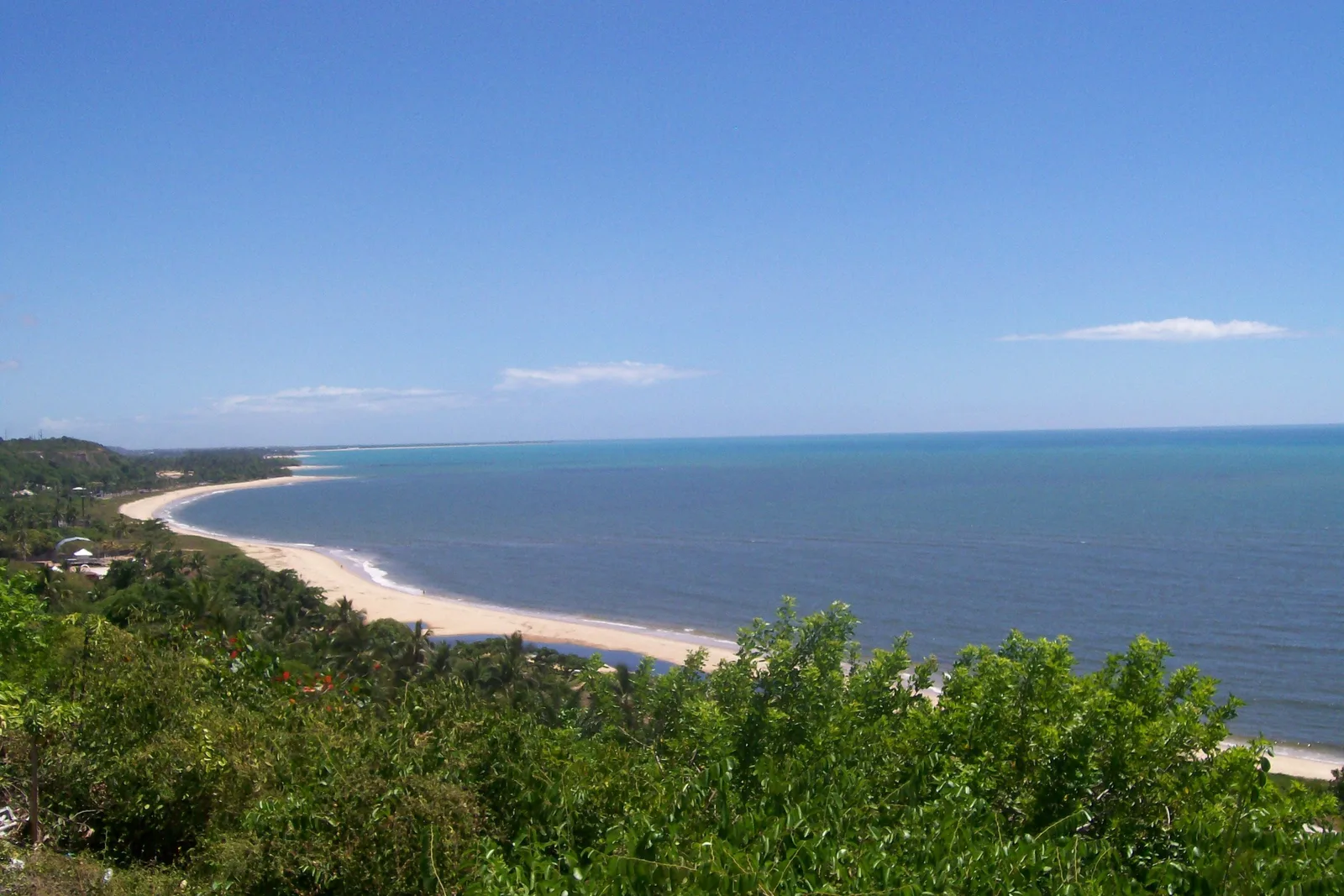
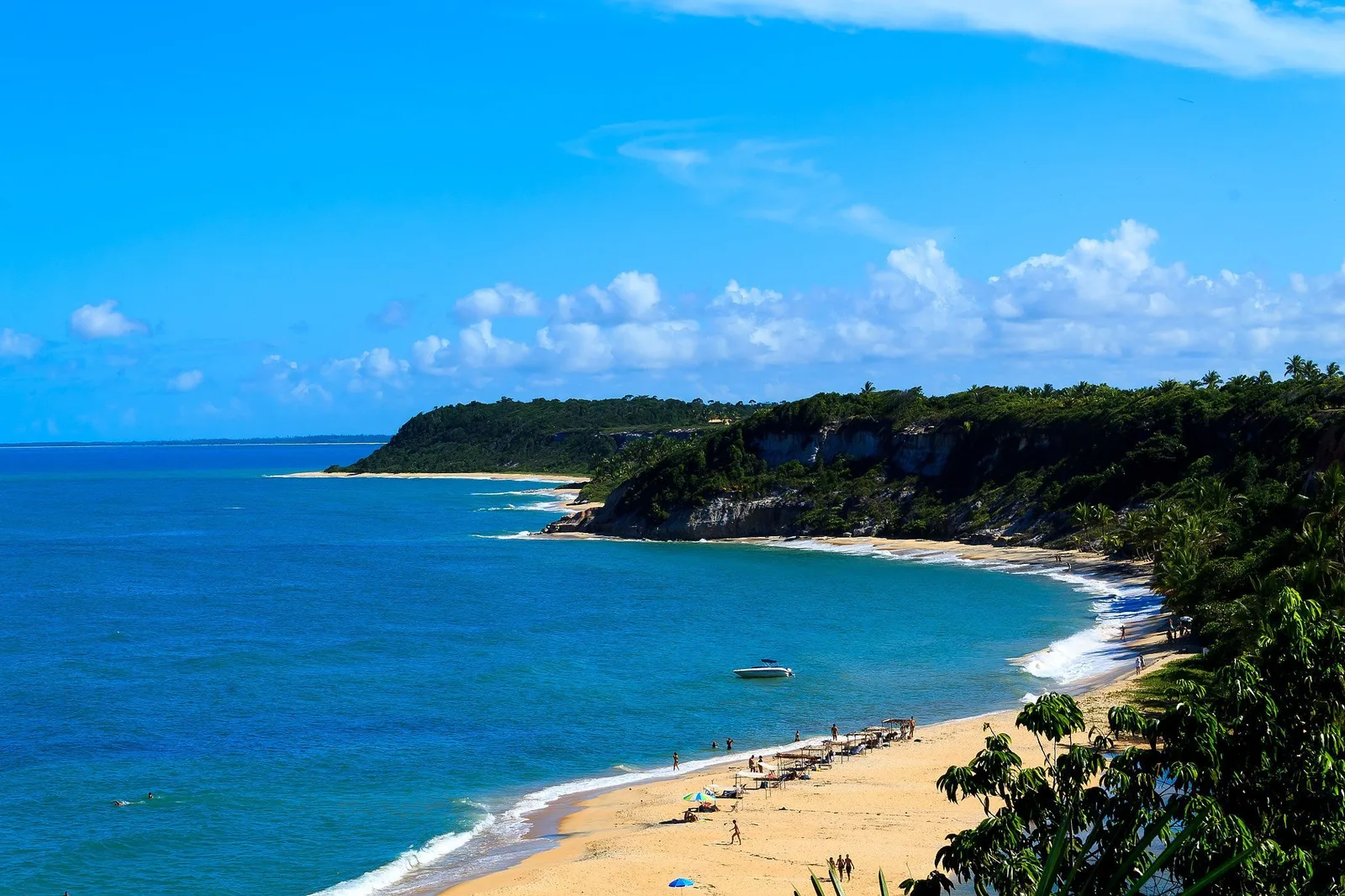
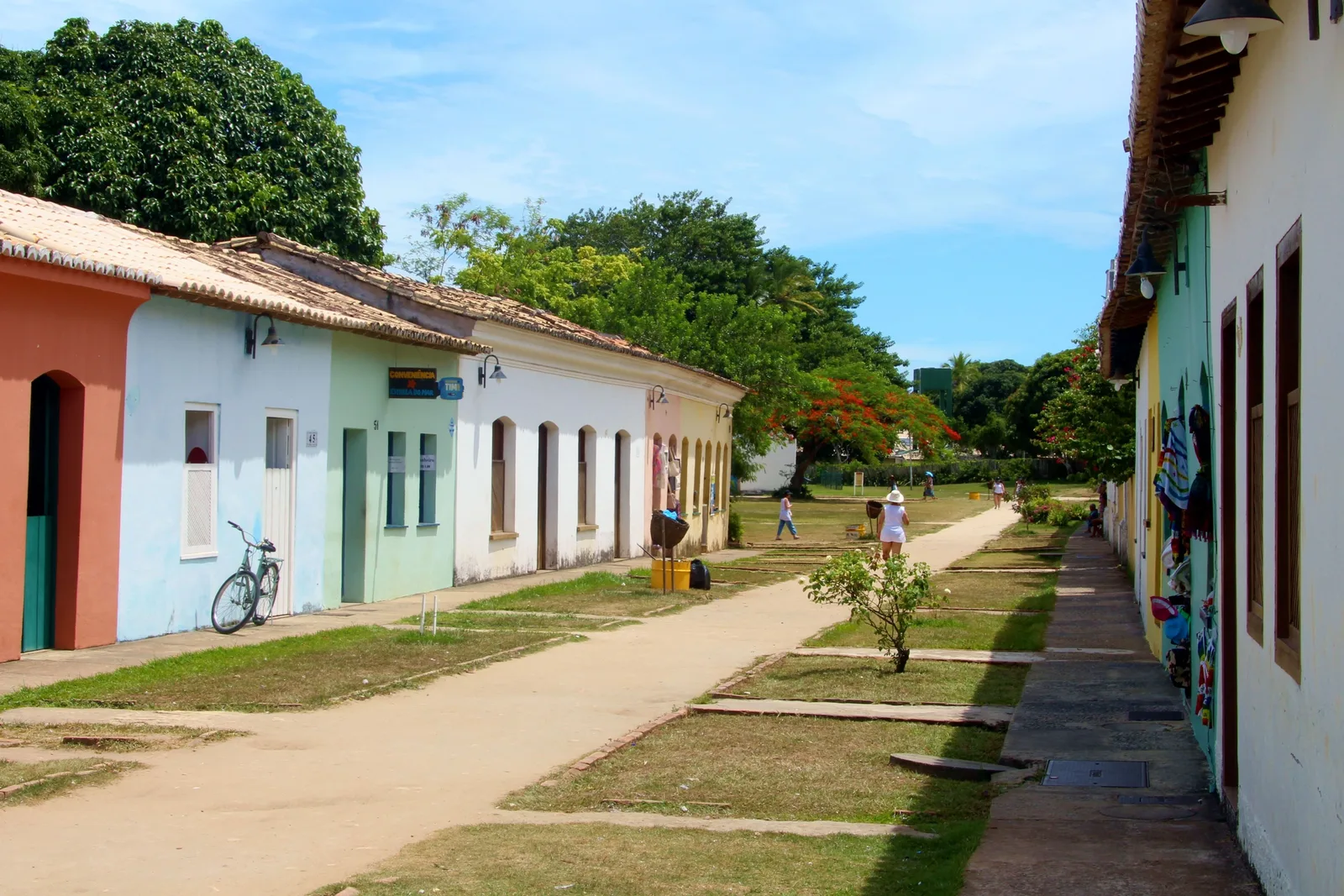
In practice it is a town and three villages strung down the coast, and they could not be less alike. Porto Seguro has the airport, the listed hill town and a beach strip of enormous party barracas and all-inclusive hotels. Arraial d’Ajuda, across the mouth of the Rio Buranhém by ferry, is a hilltop village over a long run of reef-sheltered beaches. Trancoso, about 50 minutes from the airport, is a village laid out around a long grass square, with rooms and restaurants at the top of the local market. Caraíva, at the end of the road, is a village with no cars at all.
One label to read carefully. The “Discovery Coast” World Heritage Site, inscribed by UNESCO in 1999, is eight Atlantic forest reserves in Bahia and Espírito Santo, among them the Monte Pascoal and Pau Brasil national parks. It is the forest that is listed, not the towns or the beaches.


 01