

Bahia · Pernambuco · Ceará · Maranhão · Rio Grande do Norte · Alagoas · Paraíba · Sergipe · Piauí
Northeast: Beaches, dunes and Afro-Brazilian culture
Three thousand kilometers of coastline and the warmest sea in Brazil. This is also the cultural heart of the country. If Brazil's music, food and religion feel like they come from somewhere in particular, this is that somewhere.
- How long to stay
- Four to five nights for one hub, ten or more to combine the coast with the Lençóis Maranhenses or the Chapada Diamantina.
- Good for
- Beaches, culture and music, food, dramatic landscapes, and travelers who want warm sea in the northern winter.
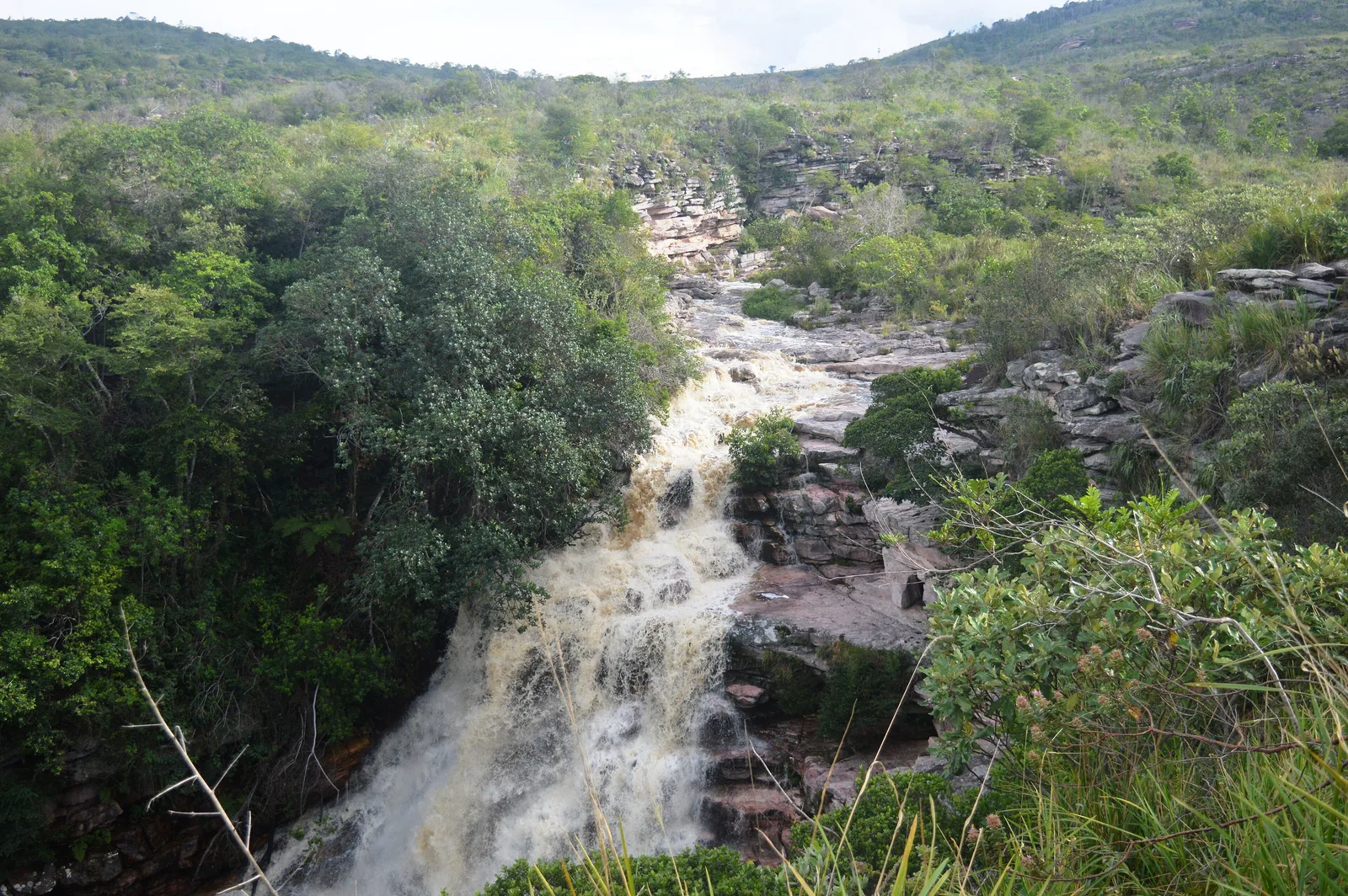
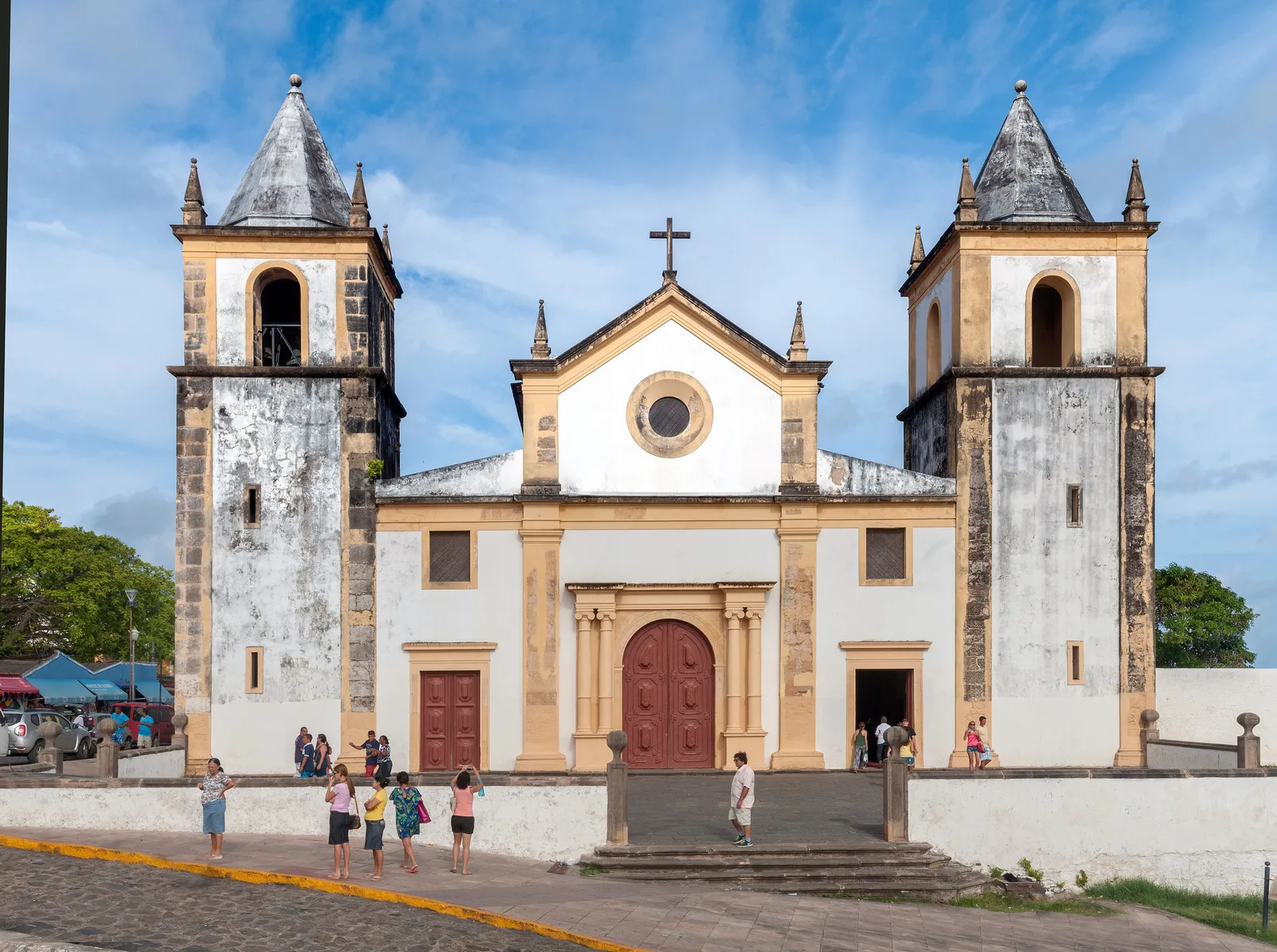
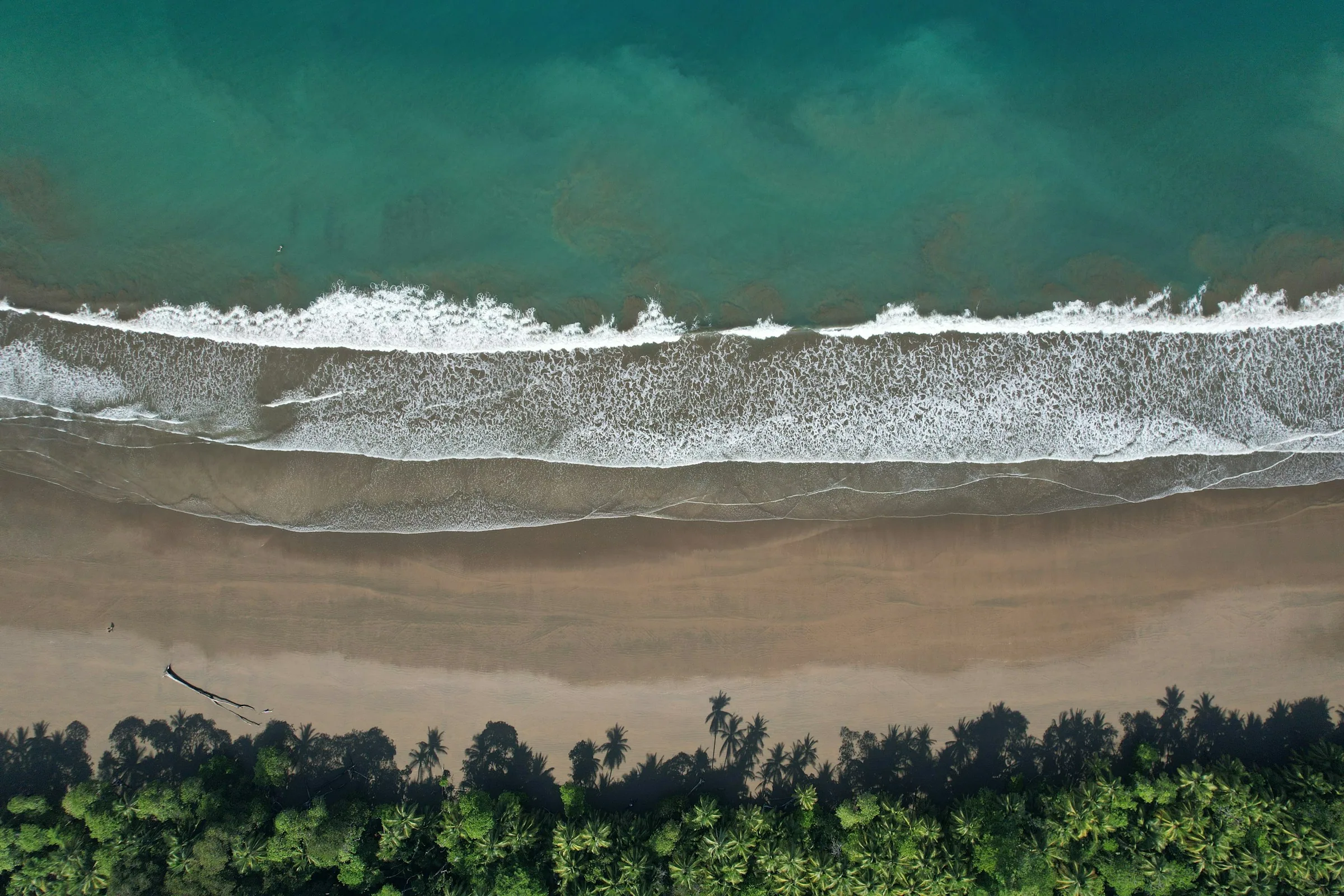

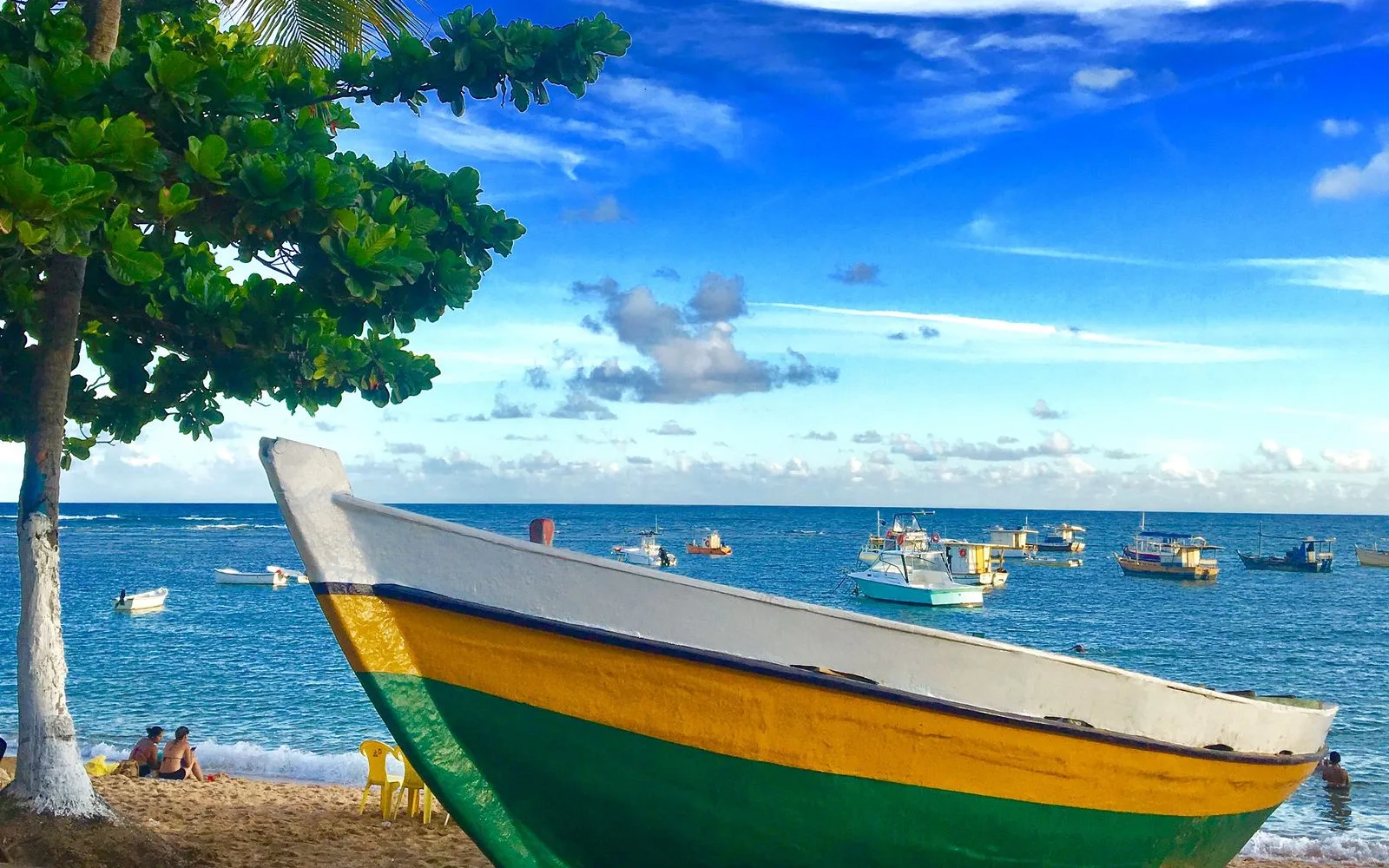
The first part of Brazil to be colonized. It was also the destination for most of the enslaved Africans brought to the Americas, far more than arrived in North America. That history built a culture that is its own: candomblé, capoeira, samba de roda, forró, and a cuisine built on dendê palm oil, coconut milk, seafood and West African technique.
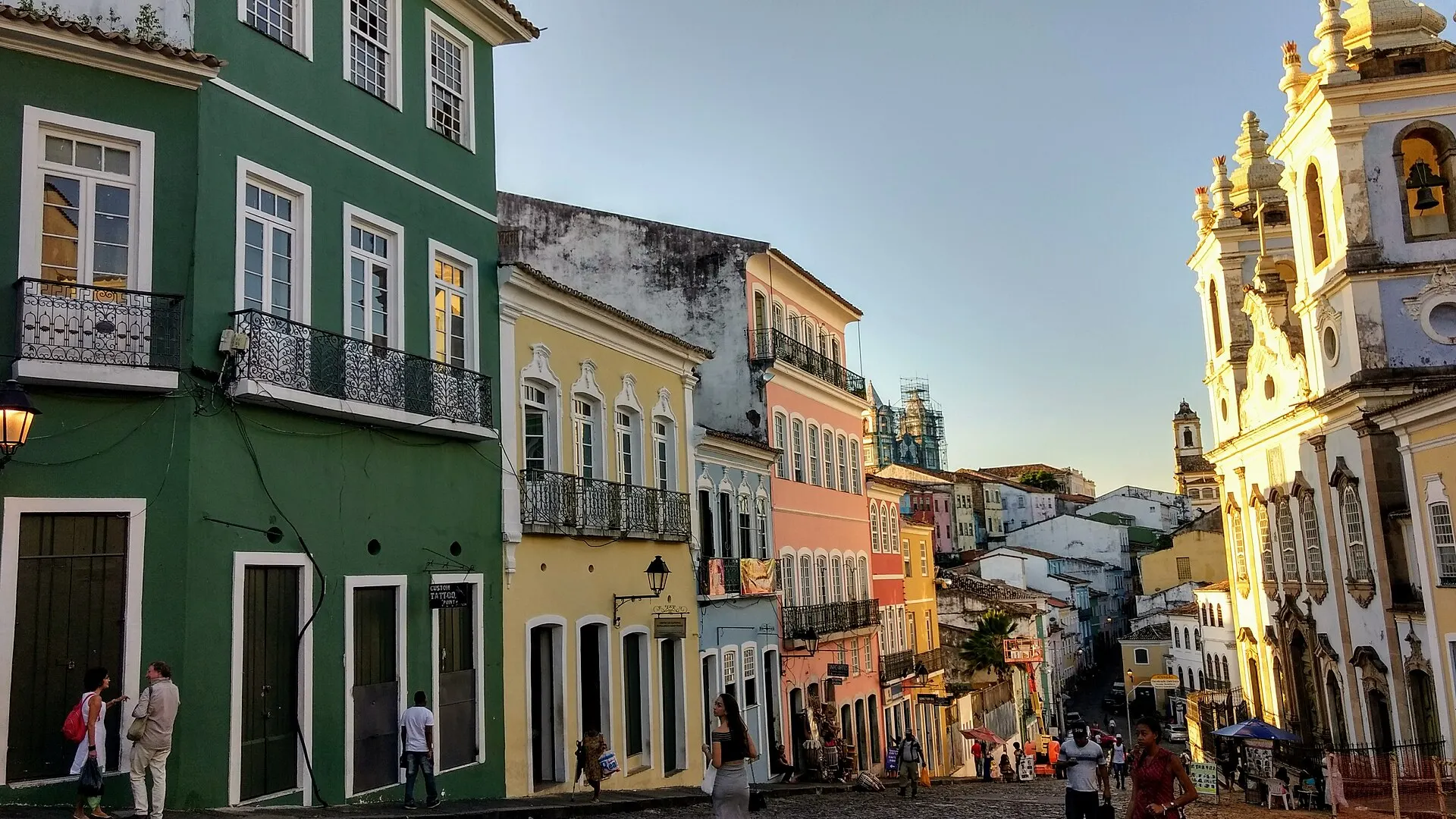
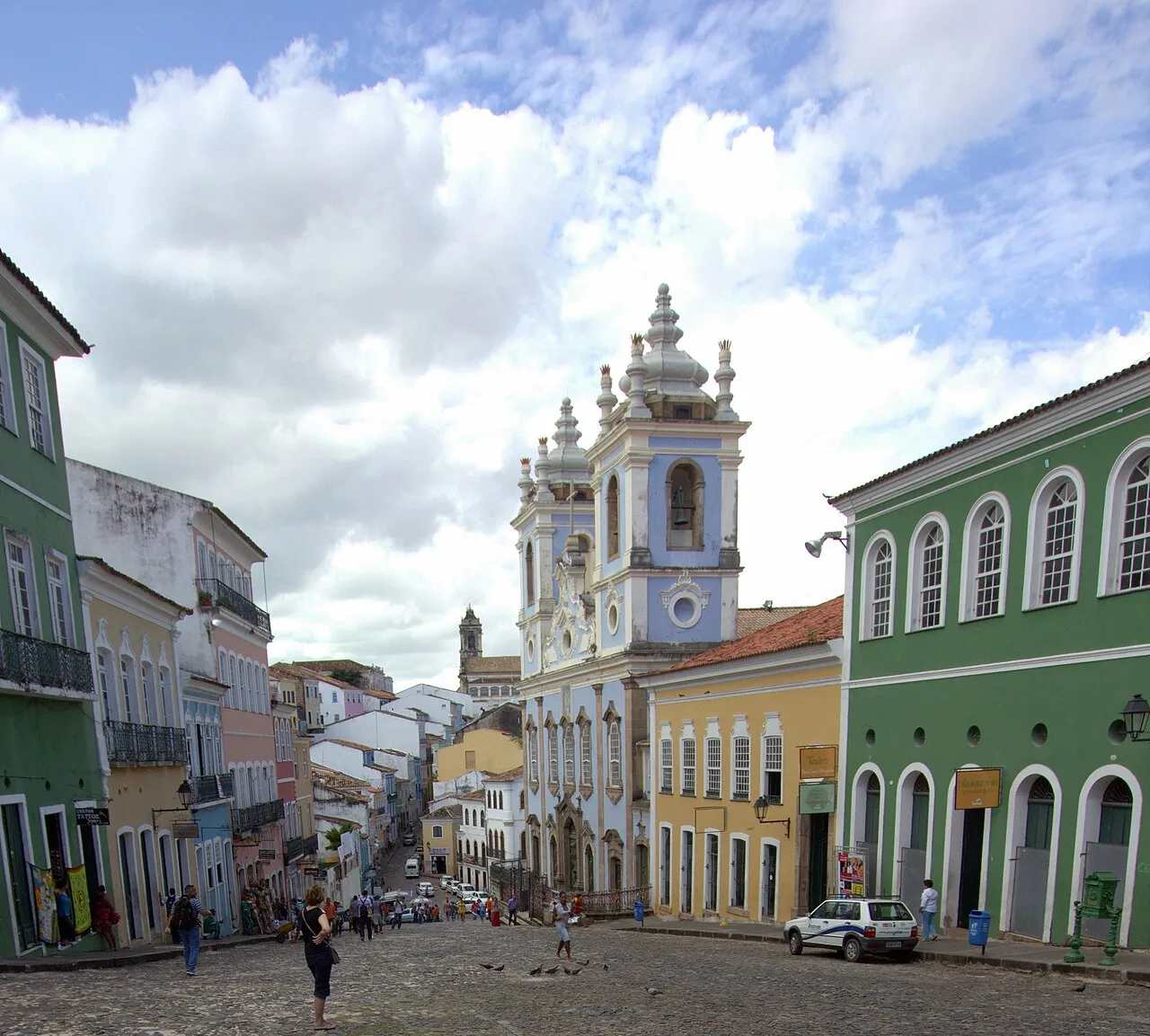
Salvador holds the most of it. It served as Brazil's capital for over two centuries, and its historic center, the Pelourinho, is a UNESCO site of pastel baroque churches on steep cobbled streets. It is a living city, not a museum. That's both its appeal and the reason it rewards a good local guide.
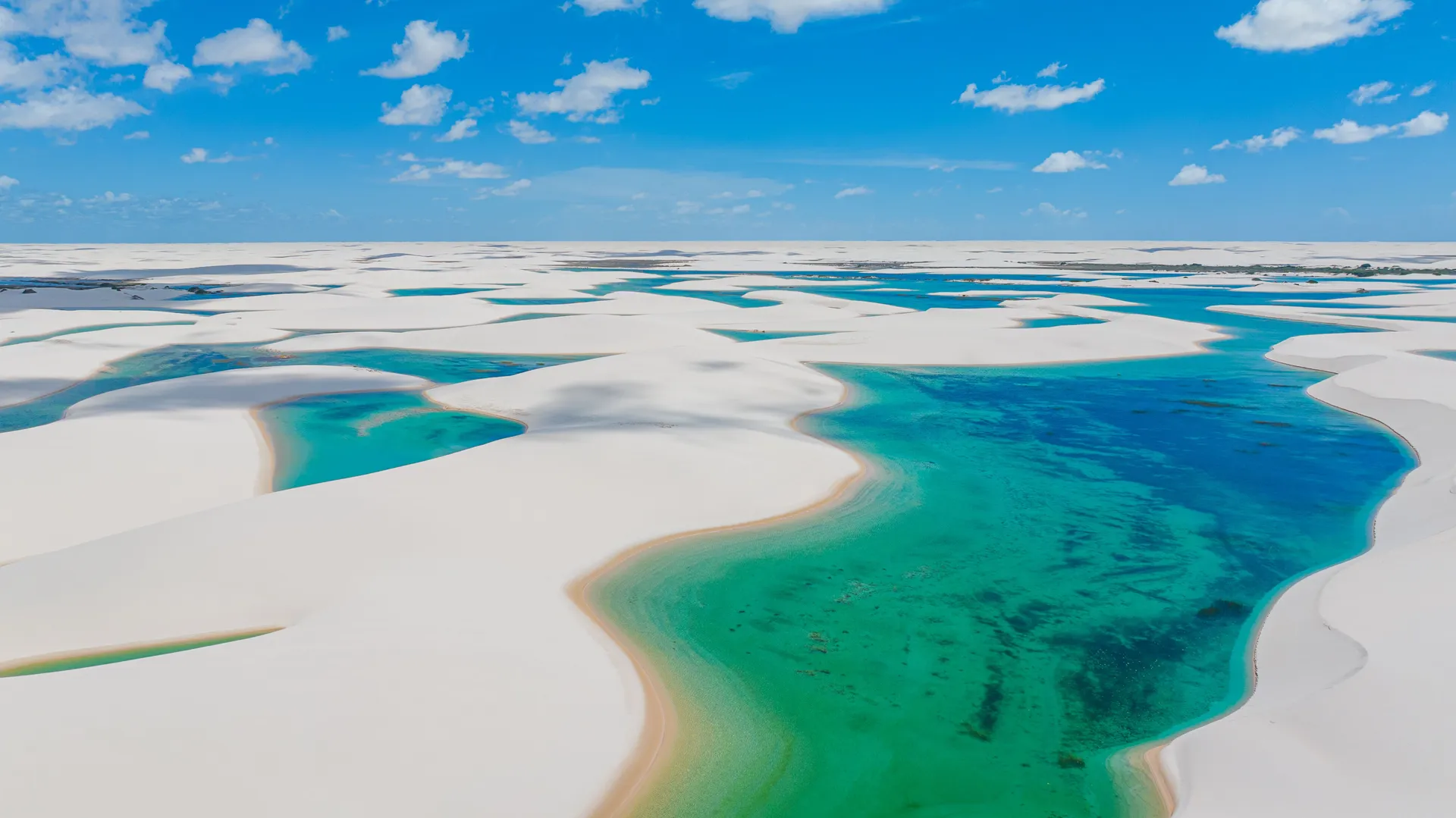
Then there's the coast. Warm water year-round, reef pools you can walk out to at low tide, and a string of beach towns from Praia do Forte and Porto de Galinhas up to Jericoacoara. Inland sit two landscapes that don't look like they belong on the same continent: the table mountains and waterfalls of the Chapada Diamantina, and the Lençóis Maranhenses, a field of white dunes that fills with thousands of freshwater lagoons every rainy season.
Where to go in the Northeast
-
Bahia · 3–4 nights
Salvador & Bahia
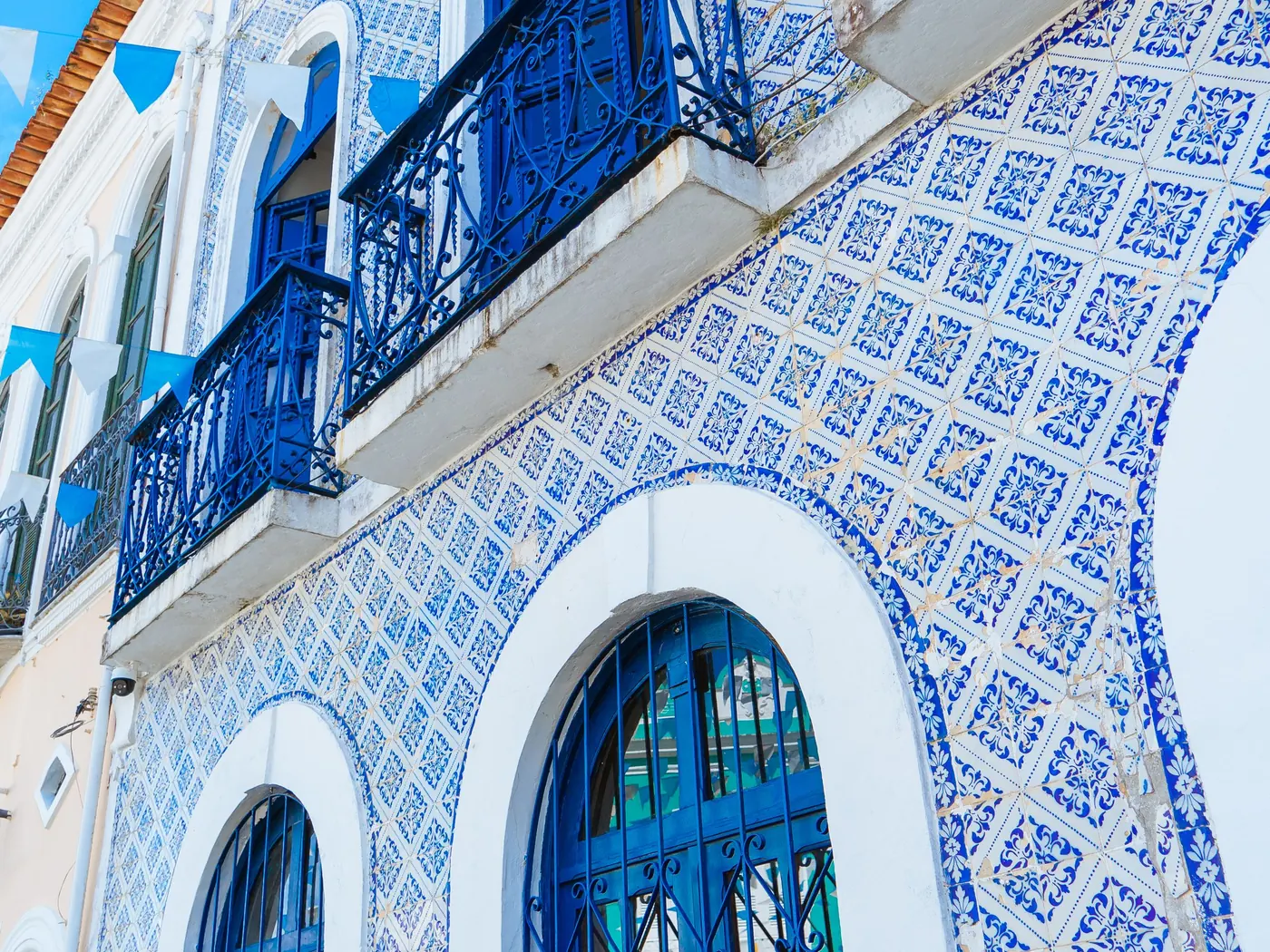
Salvador served as the capital of Portuguese Brazil from 1549 to 1763, and its port handled more of the Atlantic slave trade than any other in the Americas. Its historic upper town, the Pelourinho, packs baroque churches and 17th- and 18th-century houses into a dense grid, painted in colors you wouldn't otherwise put together.
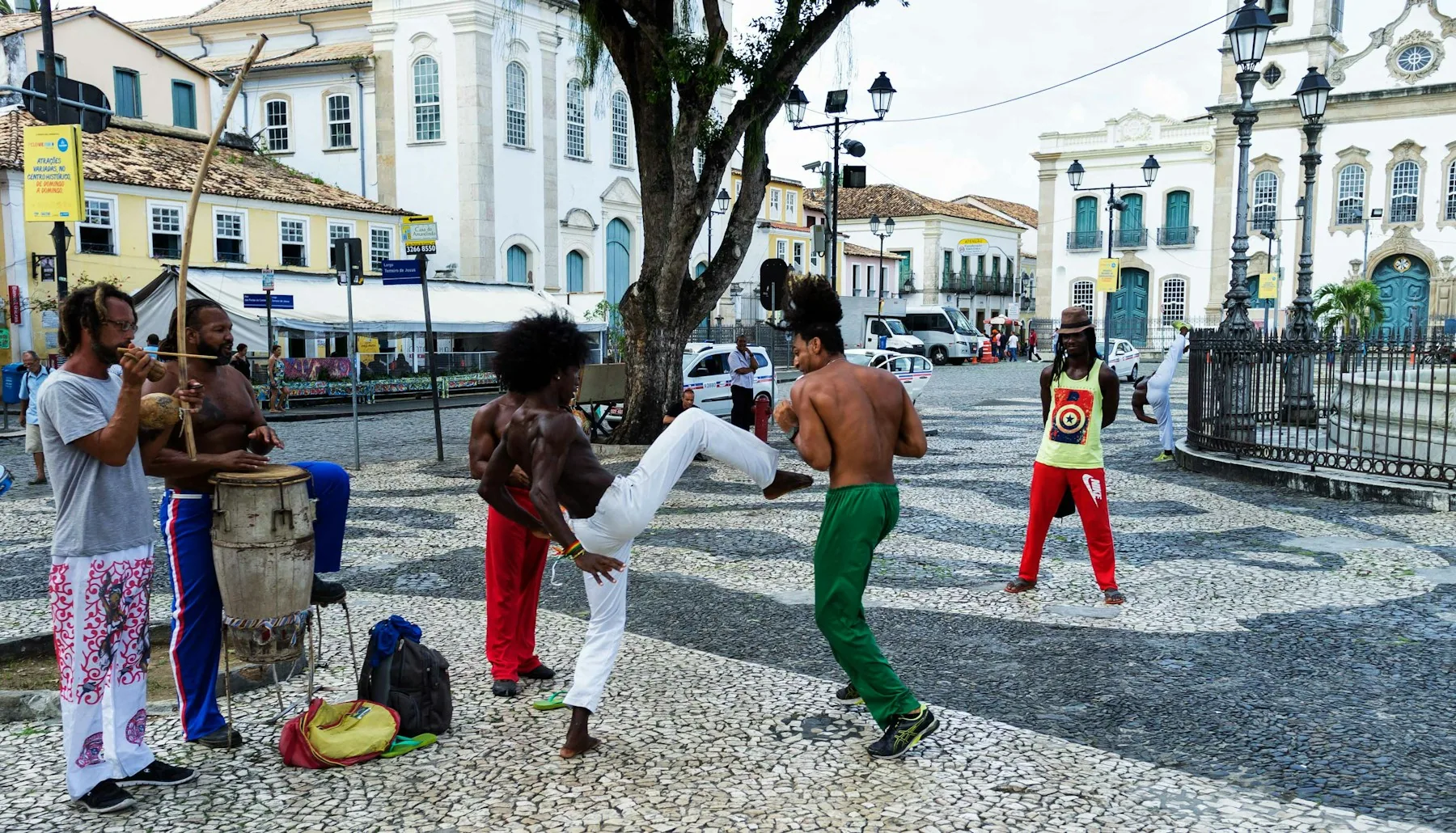
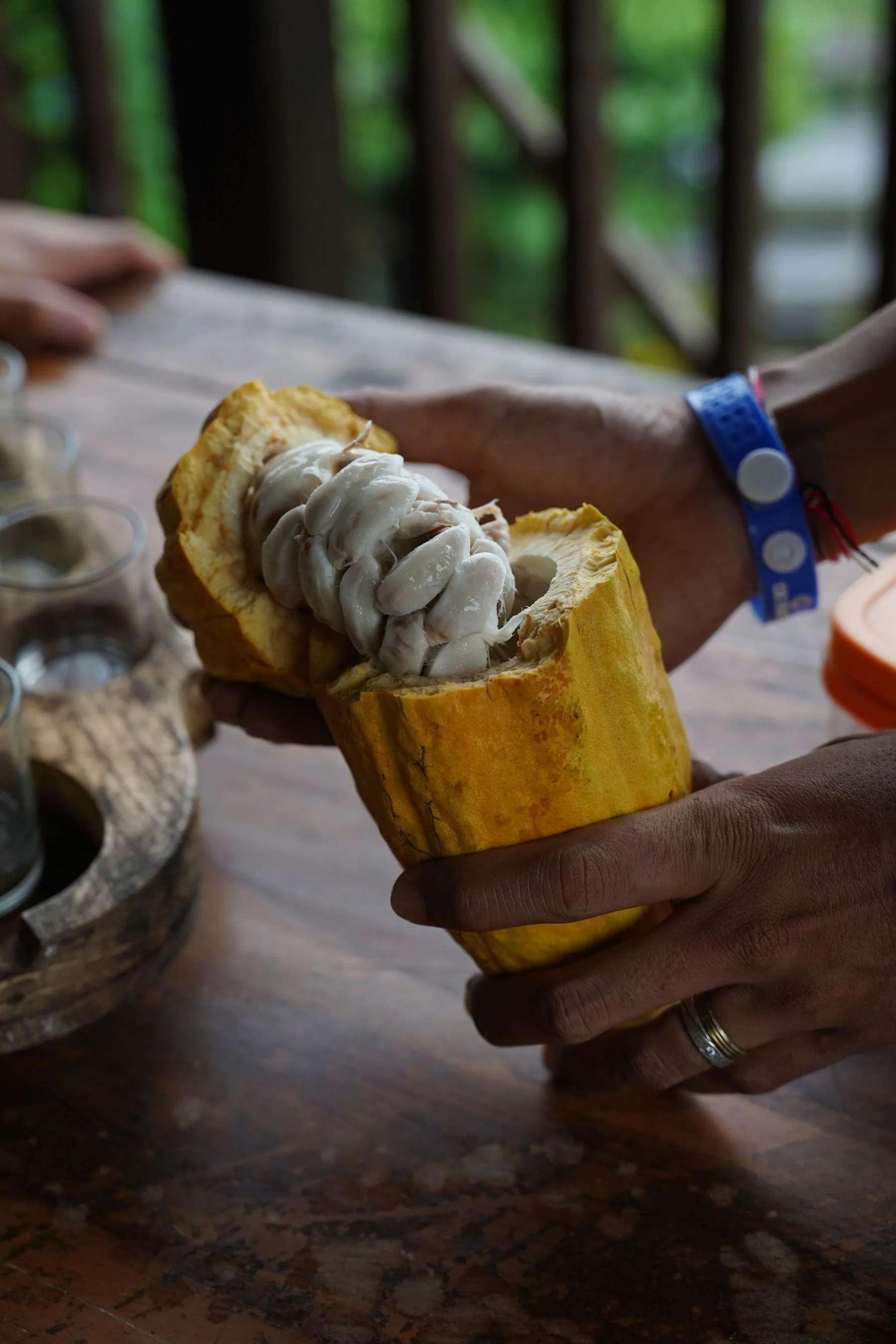
The culture here is not archived. Capoeira plays out in the squares, candomblé terreiros stay active, and Olodum drums through the streets on Tuesday nights. The food culture, acarajé, moqueca, vatapá, stands apart from anywhere else in Brazil. South of the city, the Bahian coast runs through Morro de São Paulo, Itacaré and the cacao country around Ilhéus.
- The Pelourinho and the gold-drenched interior of São Francisco church
- Acarajé from a baiana's stall, a religious offering as much as street food
- A candomblé or capoeira experience arranged through people who belong to it
- Moqueca and the dendê-based Bahian kitchen
- The cacao coast south toward Itacaré and Ilhéus
-
Bahia · 2–3 nights
Morro de São Paulo
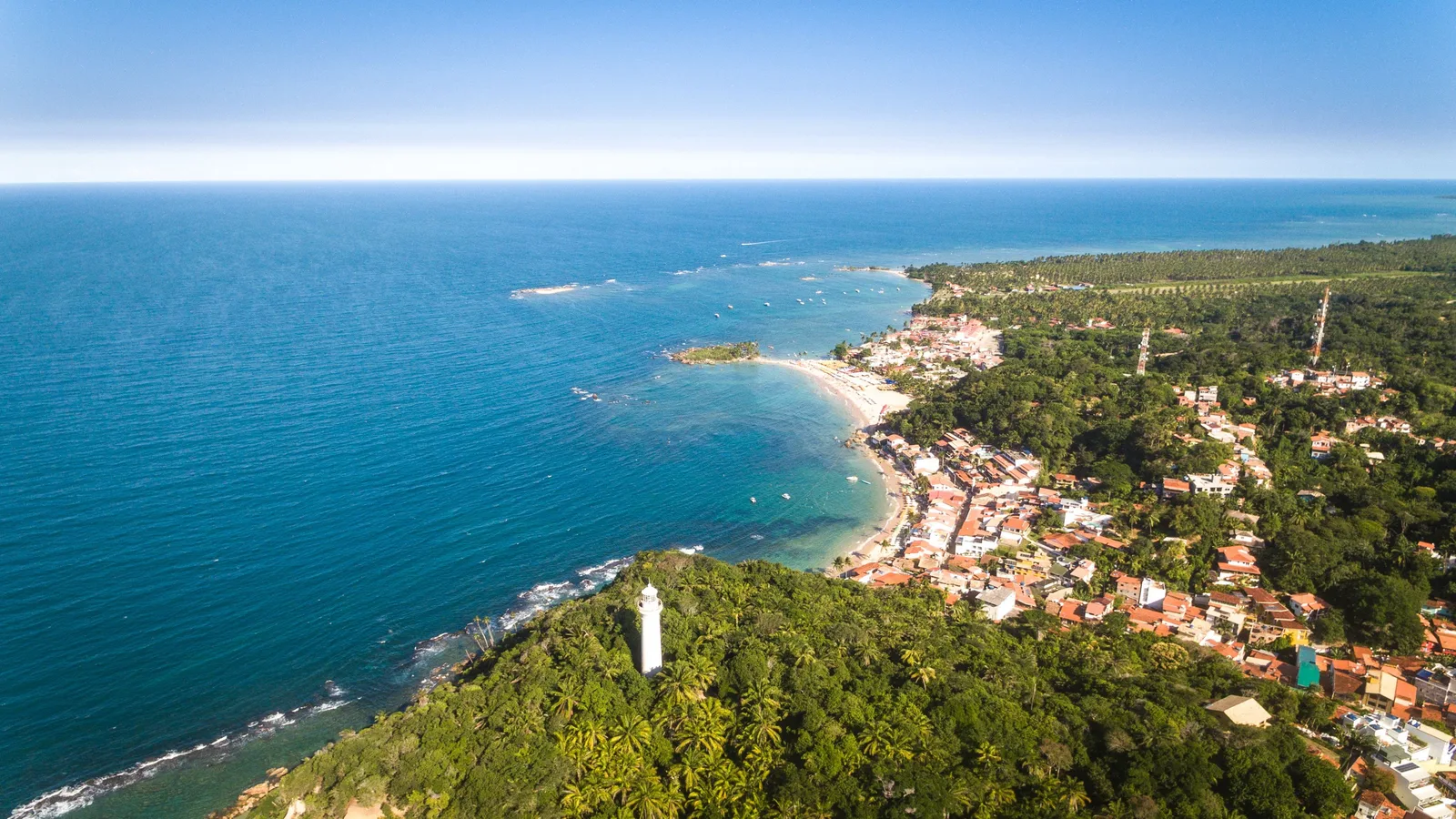
Two and a half hours south of Salvador by catamaran, on the island of Tinharé. There are no cars. Bags go up from the pier by wheelbarrow, and the whole place is strung along one east-facing shore whose beaches are numbered rather than named — Primeira through Quarta, getting quieter as you walk south.
It is the natural two or three nights after Salvador, and the choice of beach is the choice of trip: Segunda is where the bars and the music are, Terceira is quiet enough to sleep and close enough to walk to dinner, and Quarta is the long empty end. Boipeba, the next island south, is the day most visitors add.
- Four numbered beaches on one walkable shore, no cars anywhere
- The 17th-century fort and the 1855 lighthouse above the village
- Reef pools at low tide off Terceira and Quarta
- Boipeba and Garapuá by boat, and the day-long Volta à Ilha
- A catamaran from Salvador that is rerouted, not canceled, when the sea is up
-
Maranhão · 3–4 nights
Lençóis Maranhenses
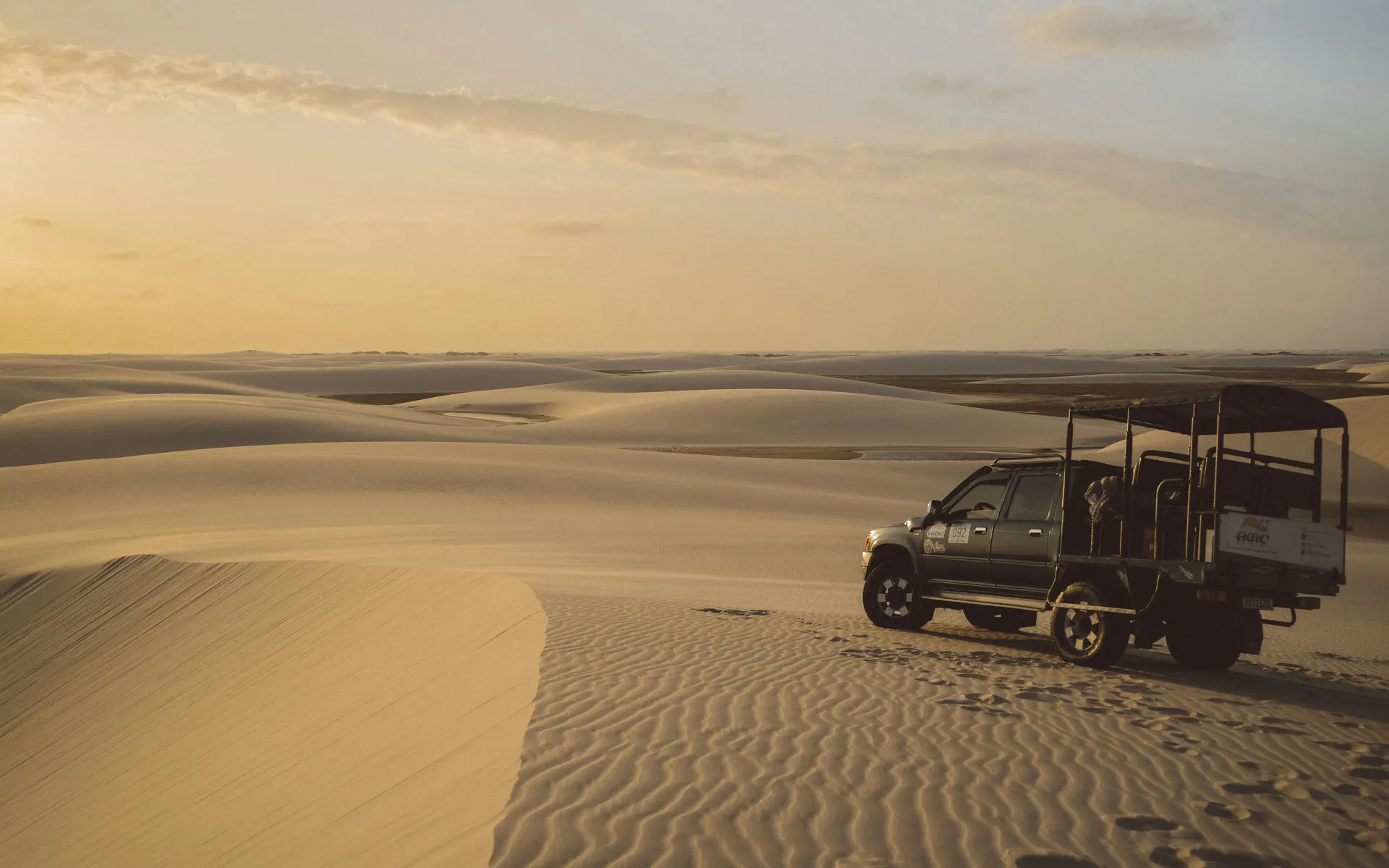
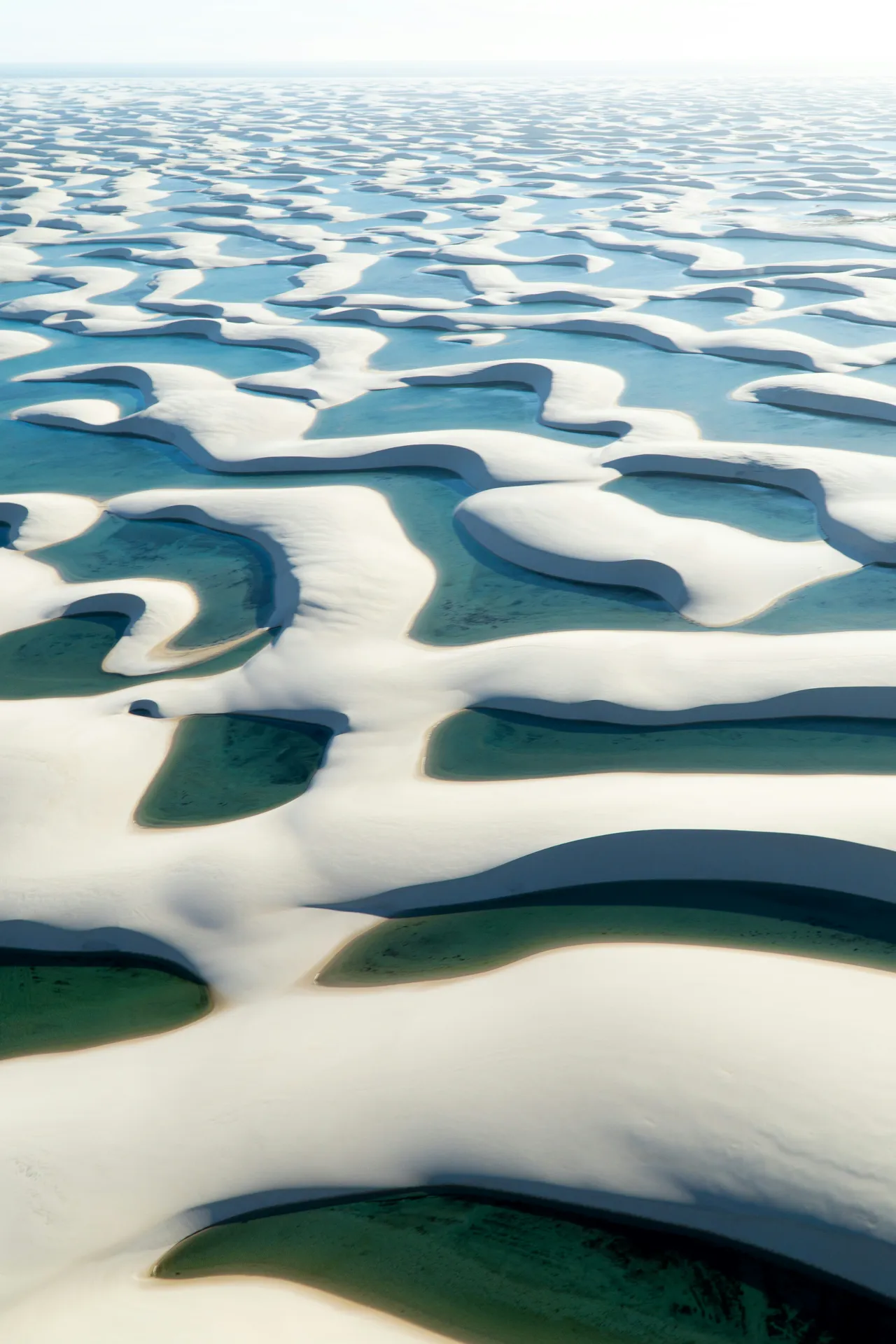
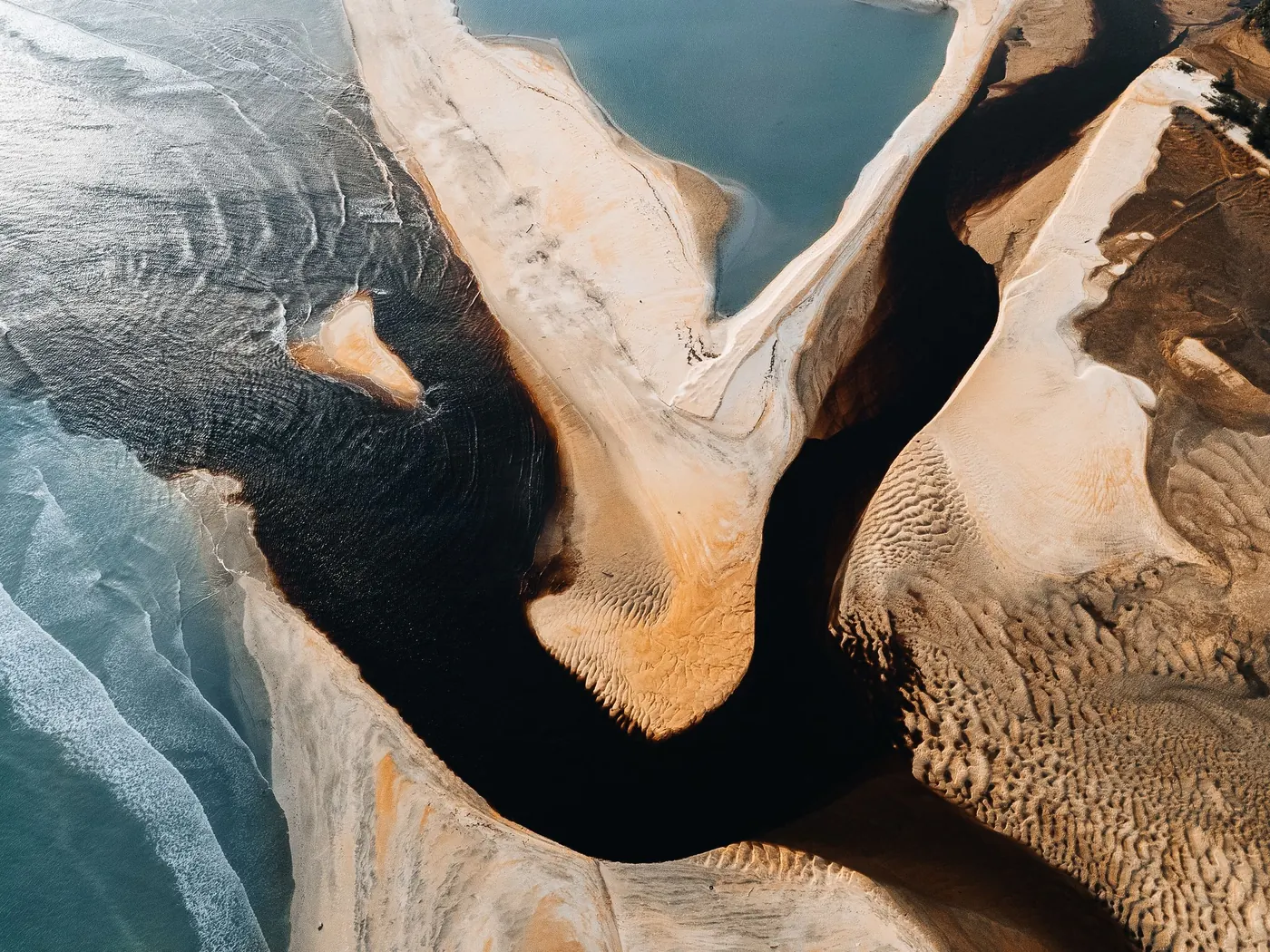
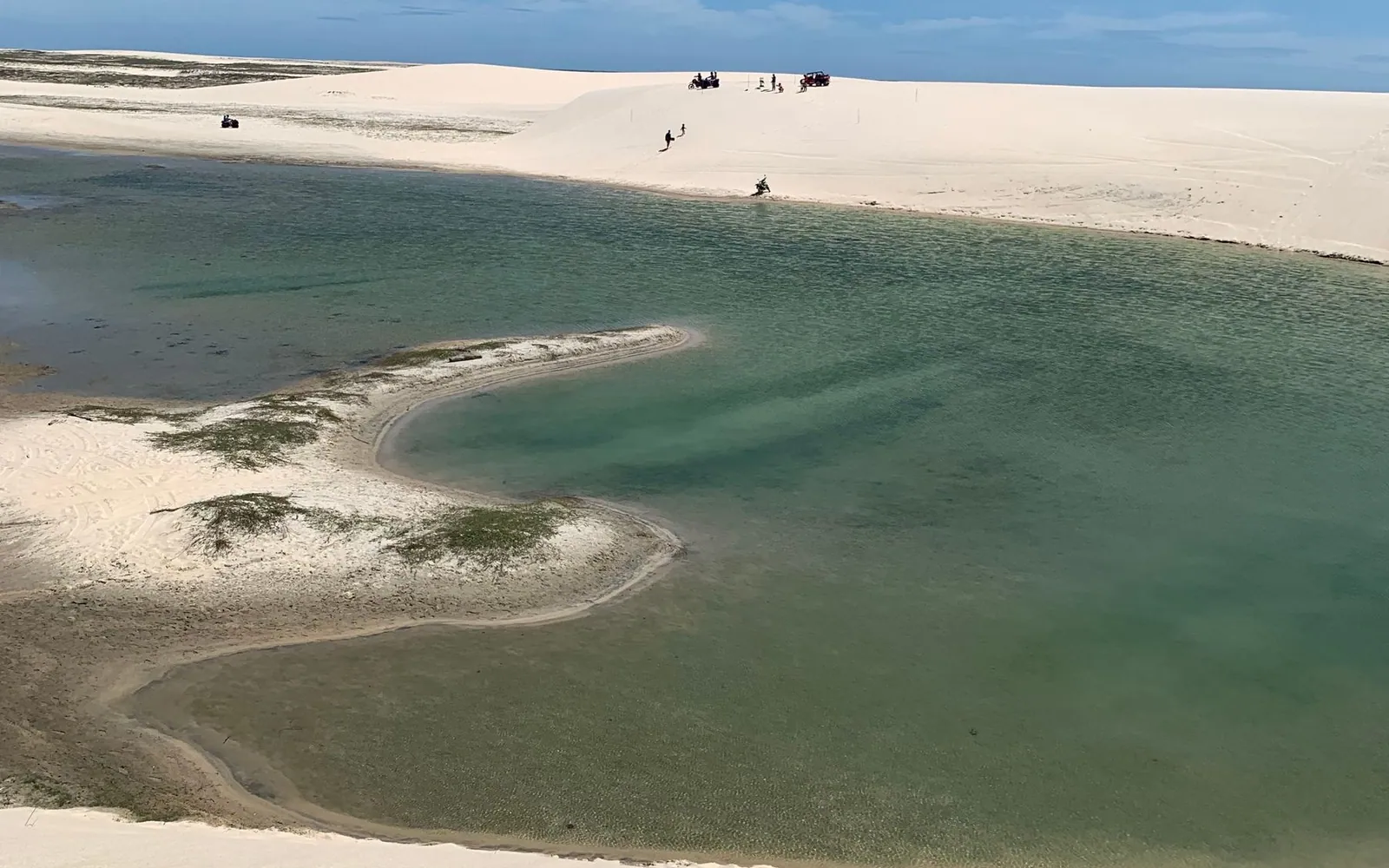
A 1,500 square kilometer field of white sand dunes, and it is not a desert. It gets around 1,600mm of rain a year, roughly three hundred times what falls on the Sahara. That rain collects in the valleys between the dunes, sitting on impermeable rock beneath the sand, and forms thousands of clear freshwater lagoons.
The lagoons fill from about June and drain through the second half of the year. ICMBio names no month as the fullest, so nor do we; on the rainfall August is the pick, effectively dry with the water still holding. Barreirinhas makes the easiest base. Atins and Santo Amaro suit quieter stays. The best version of a visit is the multi-day crossing on foot, sleeping in oasis settlements between the dunes.
- Swimming in dune lagoons with nothing else in sight
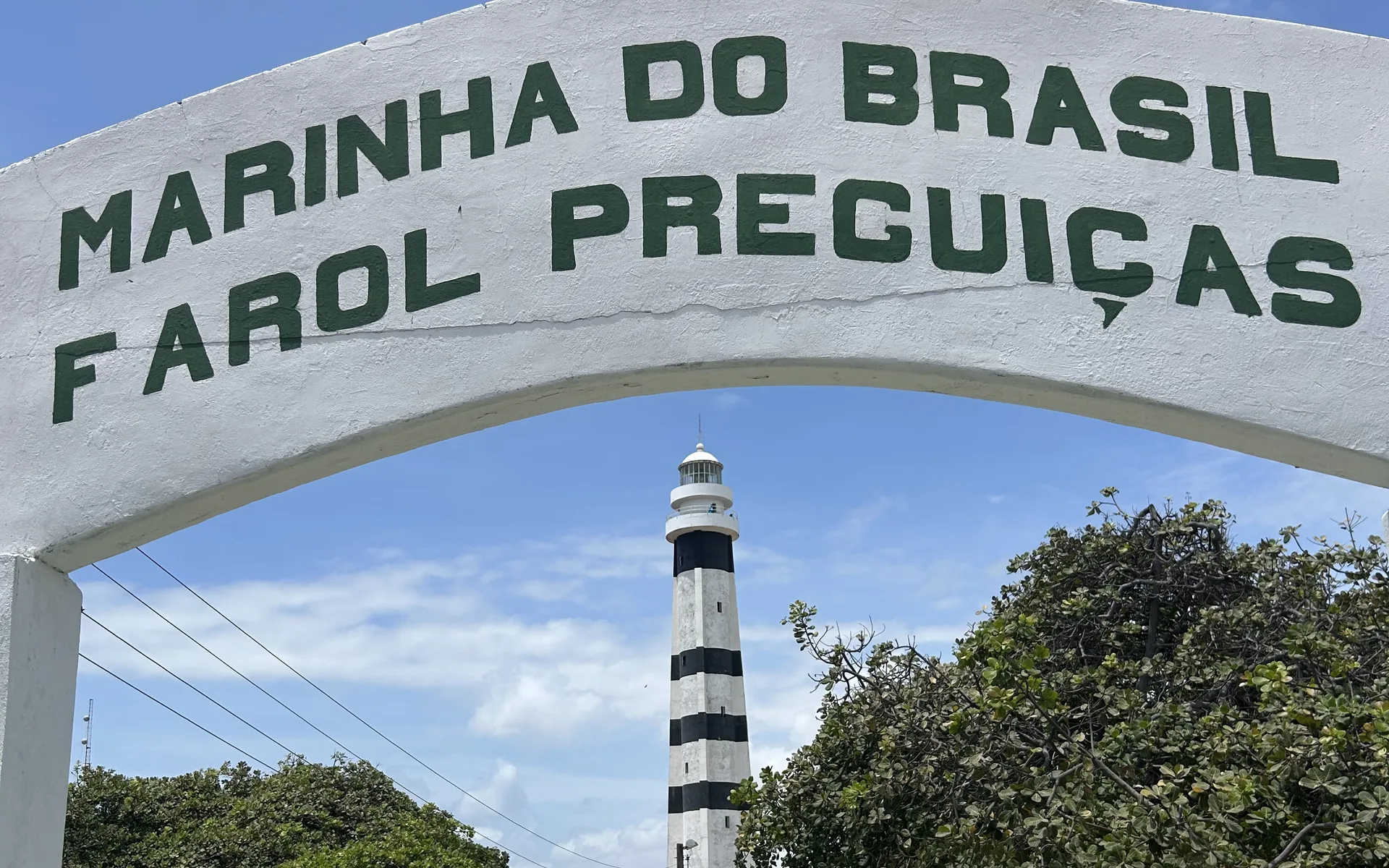
- The Rio Preguiças boat trip to Mandacaru lighthouse
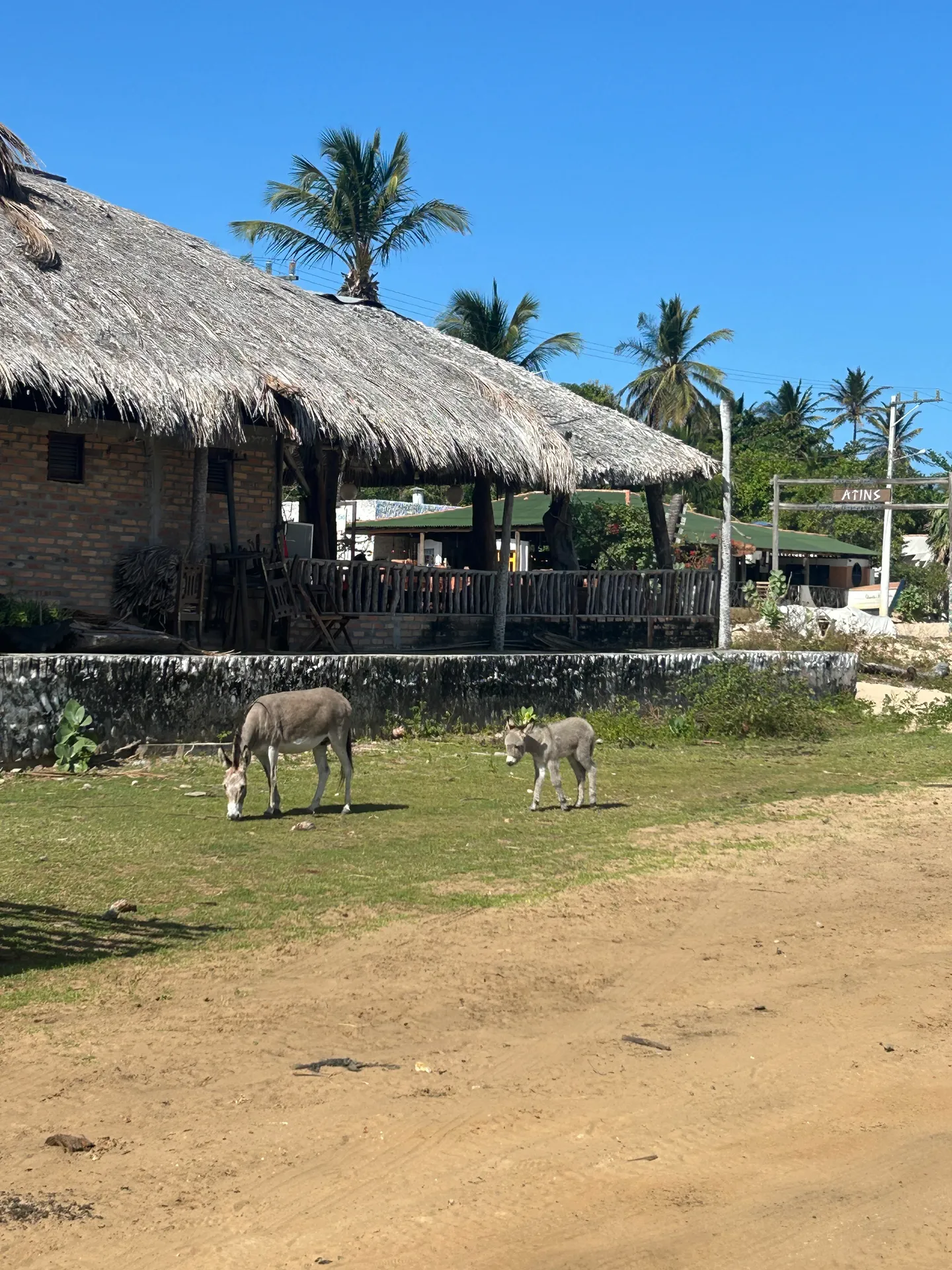
- Atins, a sand-street village at the meeting of river and sea
- The multi-day dune crossing, for the full version of the trip
- Flying over the dune field to see its full size
-
Maranhão · 5 nights
Chapada das Mesas
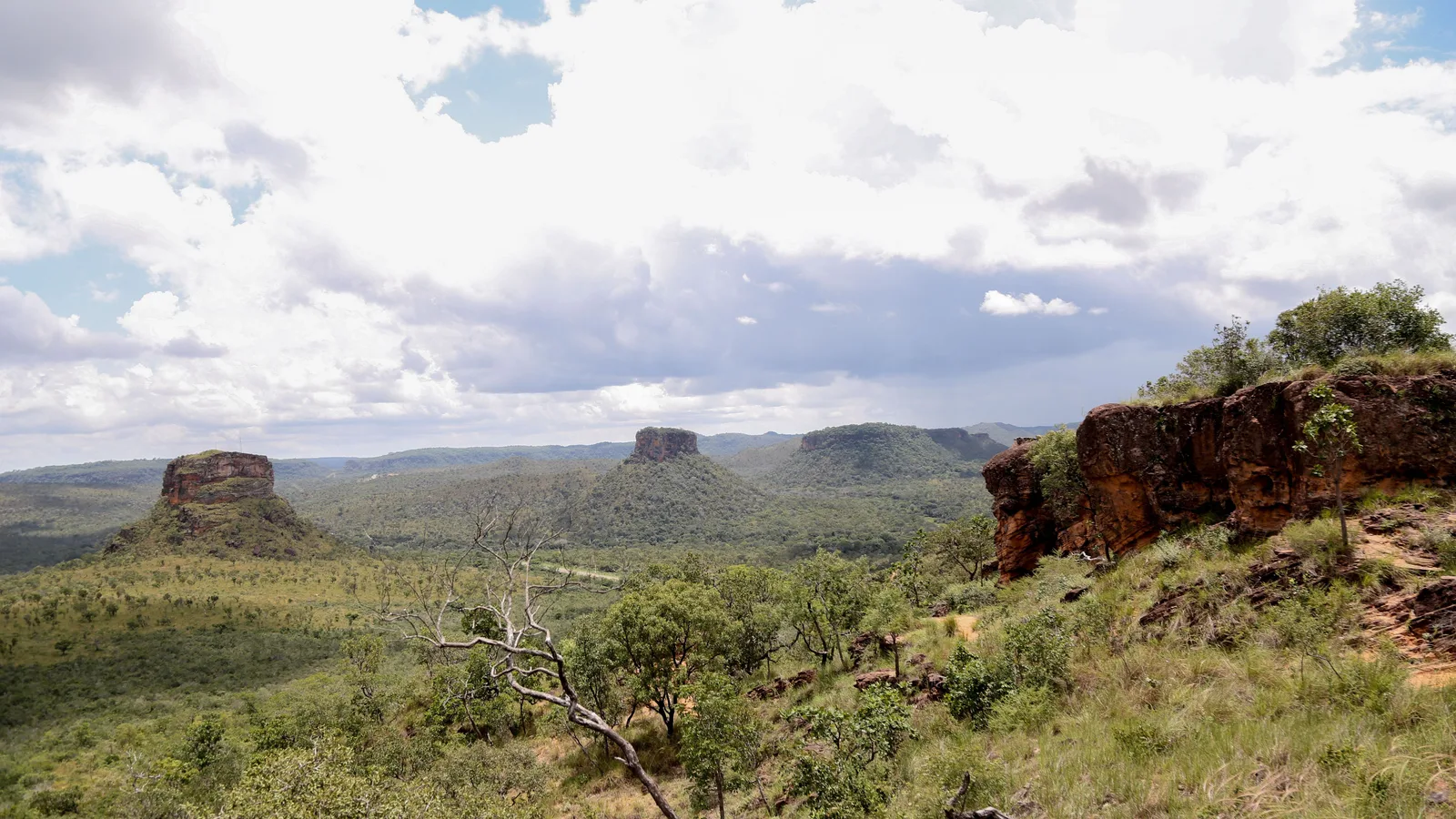
Flat-topped sandstone mountains standing over the cerrado at the far southern end of Maranhão, where the state meets Tocantins along the river. Spring-fed rivers drop over rock ledges between them in some of the biggest waterfalls in the state, and a few collect in pools so clear they look dyed.
Carolina, on the Rio Tocantins, is the base, and the getting there is the real planning: the nearest airport is Imperatriz, about three and a half hours away, and most of its flights land in the middle of the night. A different trip from the Lençóis in the same state, and a swimming trip where the Chapada Diamantina is a hiking one.
- The Cachoeira de São Romão and the Prata, two of the biggest falls in Maranhão
- Pedra Caída and the canyon walk to the Santuário fall
- The blue pool at Poço Azul, near Riachão
- The Portal da Chapada and its view over the mesas
- The riverfront at Carolina
-
Ceará · 4–5 nights
Jericoacoara
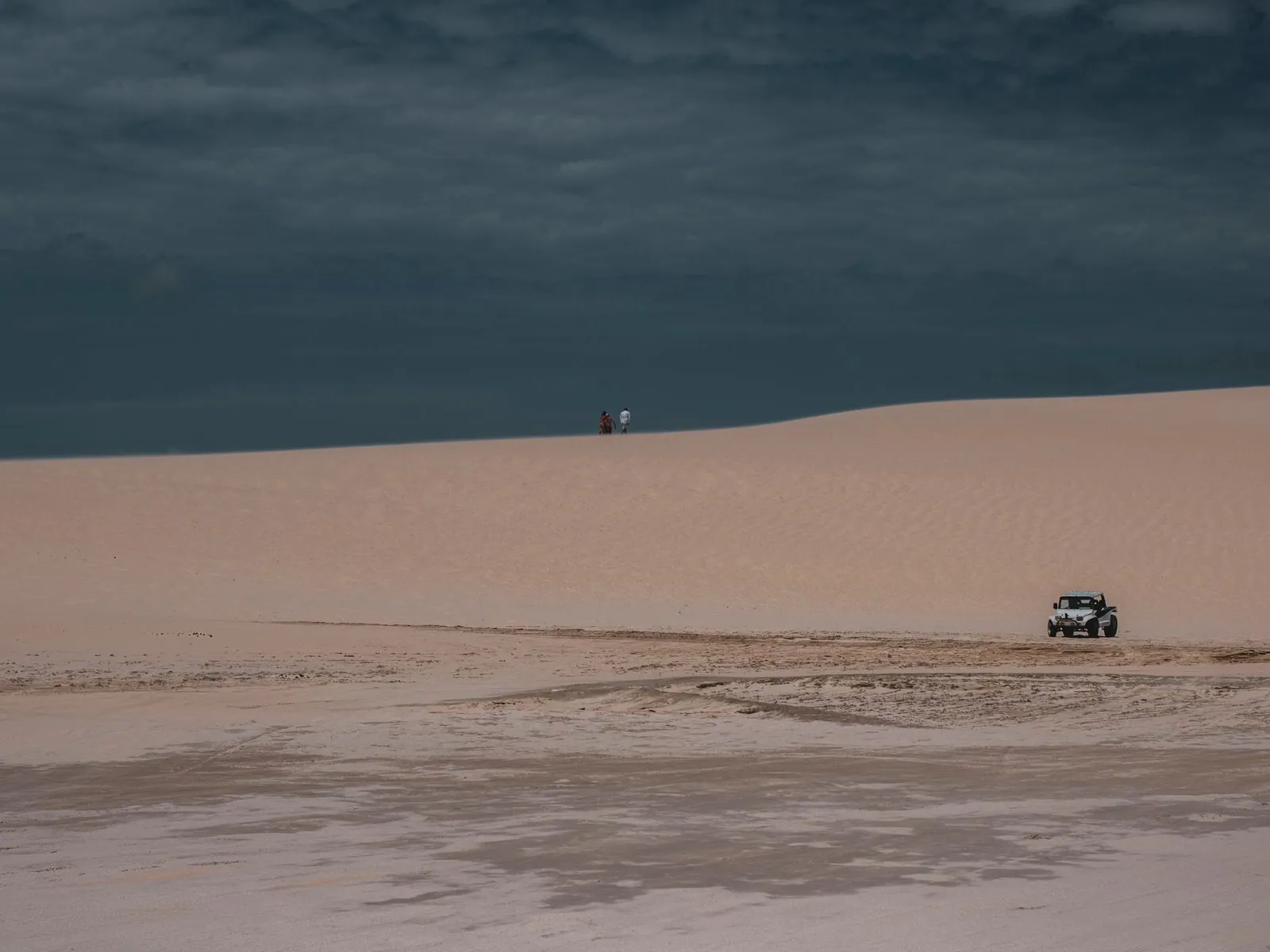
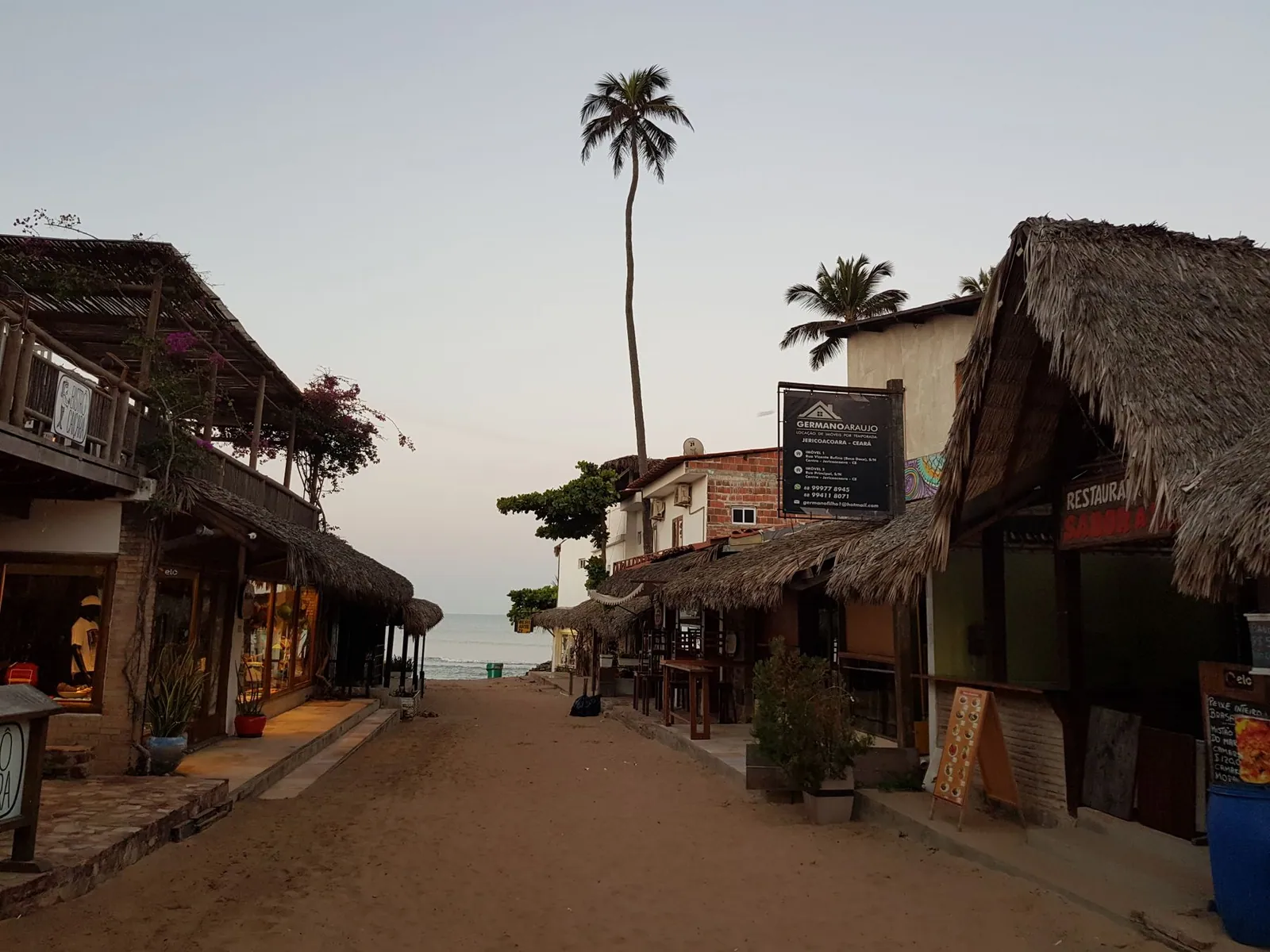
Jericoacoara began as a fishing village inside a national park, with no paved roads, no street lights and, for a long time, no electricity. It still has sand streets, and everyone still walks up the big dune to watch the sunset. It's well-known now, but the protections have held, and it has aged better than most places that get discovered.
The wind is the thing to time a trip around. It blows hardest from about July into January, which is also the dry half of the year, and that is when the kite and windsurf crowd fills the village. Getting in still means a transfer over sand for the last stretch, so Jeri stays harder to reach than the map makes it look.
- Sunset from the Duna do Pôr do Sol, a nightly village ritual
- The Pedra Furada rock arch at low tide
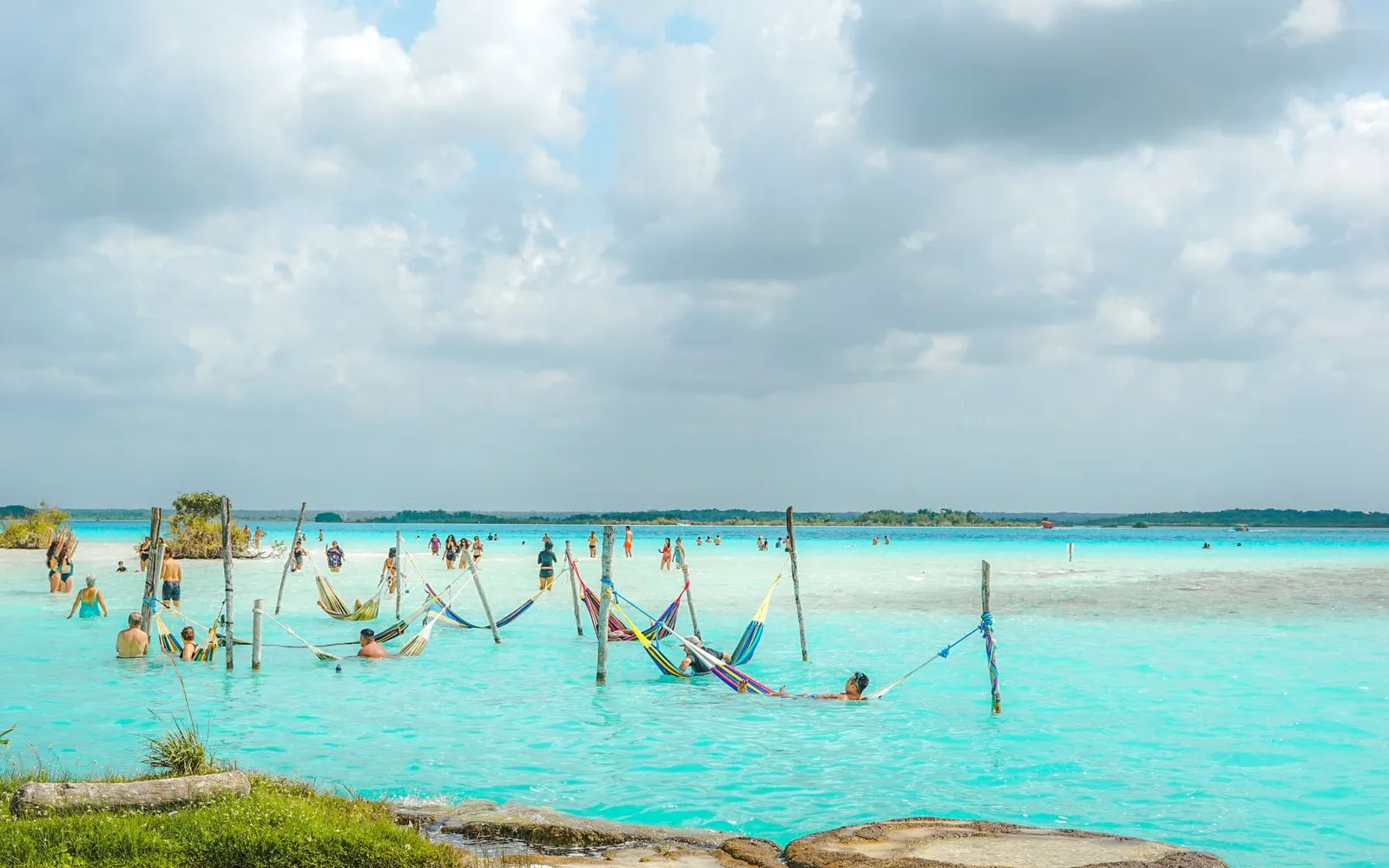
- Lagoa do Paraíso and its hammocks set in the water
- Kitesurfing, strong here from July to January
- Buggy runs west along the coast and east to the lagoons
-
Bahia · 4–5 nights
Chapada Diamantina
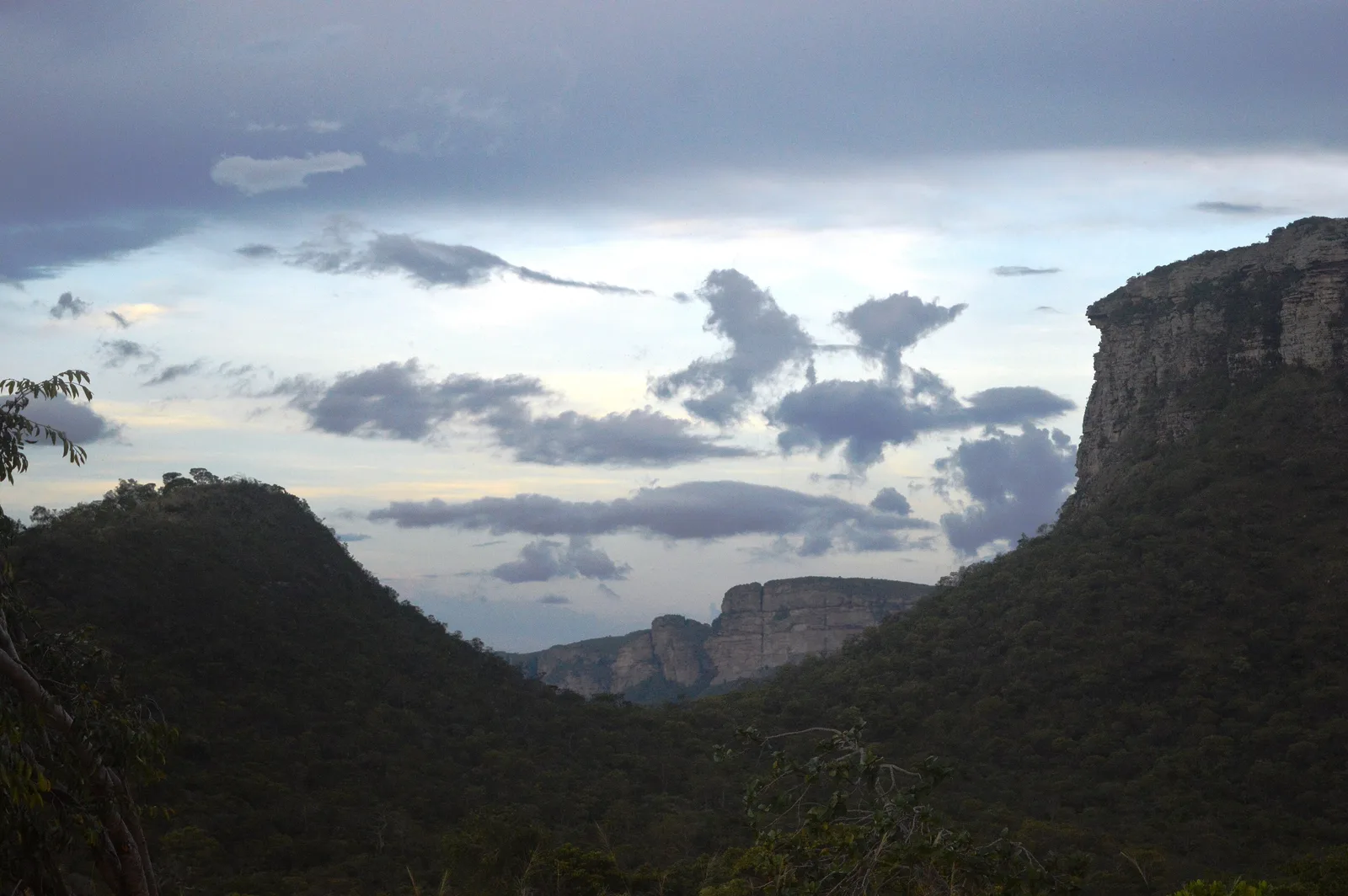
Six hours inland from Salvador sits a national park of flat-topped mountains, canyons, caves and waterfalls, including Cachoeira da Fumaça, one of the tallest in Brazil at around 340 meters. Diamond mining built this region in the 19th century, and old towns like Lençóis — the Bahian one, not the Maranhense dunes — and Mucugê survive from it.
This is the hiking half of Bahia. Take day walks to swimming holes and blue grottoes, or a multi-day traverse of the Vale do Pati. People often call it the best trek in the country, and it includes staying with families in the valley.
- The Vale do Pati traverse, three to five days with local hosts
- Cachoeira da Fumaça seen from the top of the drop
- Poço Encantado and Poço Azul, underground pools lit by shafts of light
- The old mining town of Lençóis as a base
- Morro do Pai Inácio at sunset
-
Pernambuco · 4–5 nights
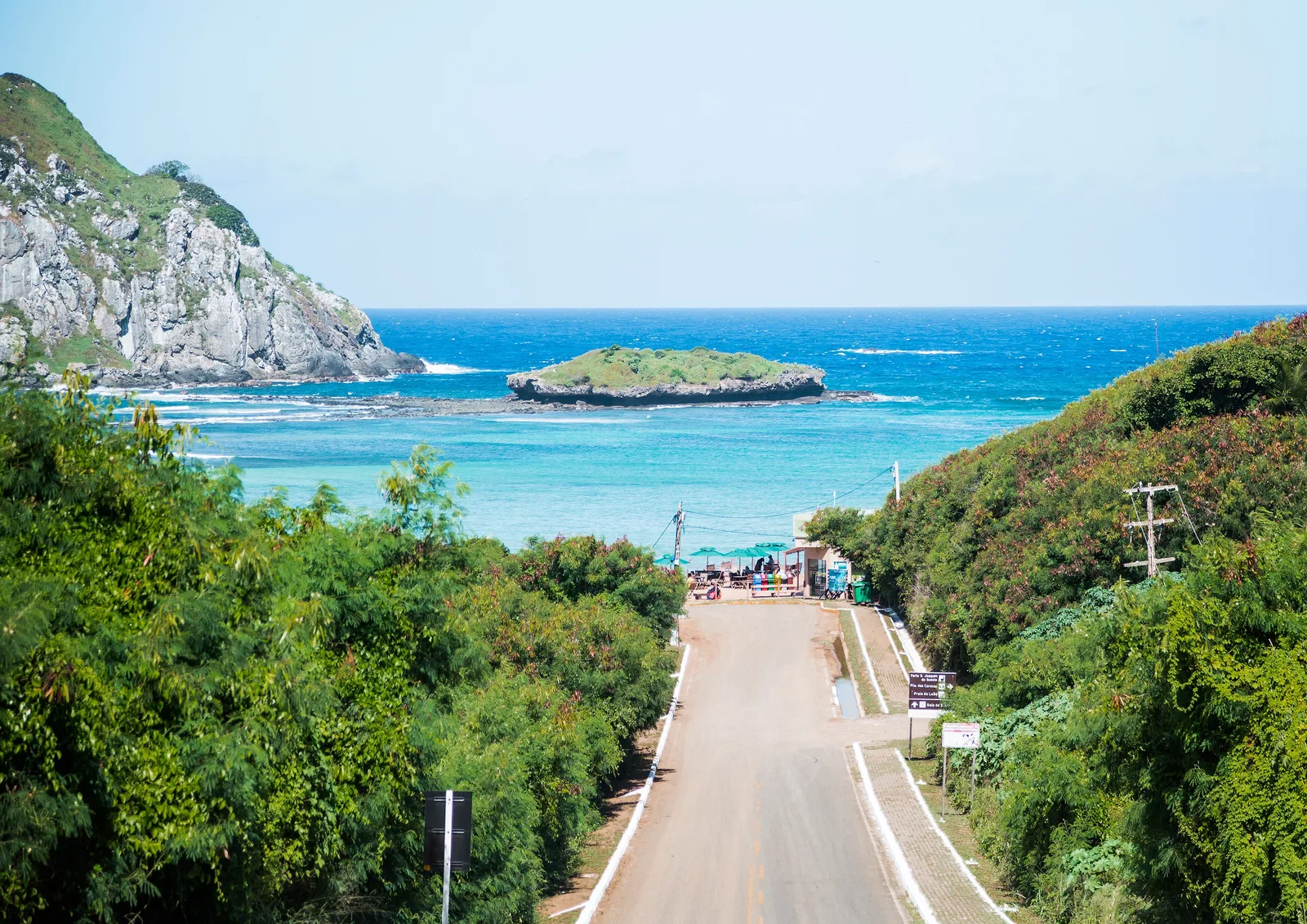
Fernando de Noronha
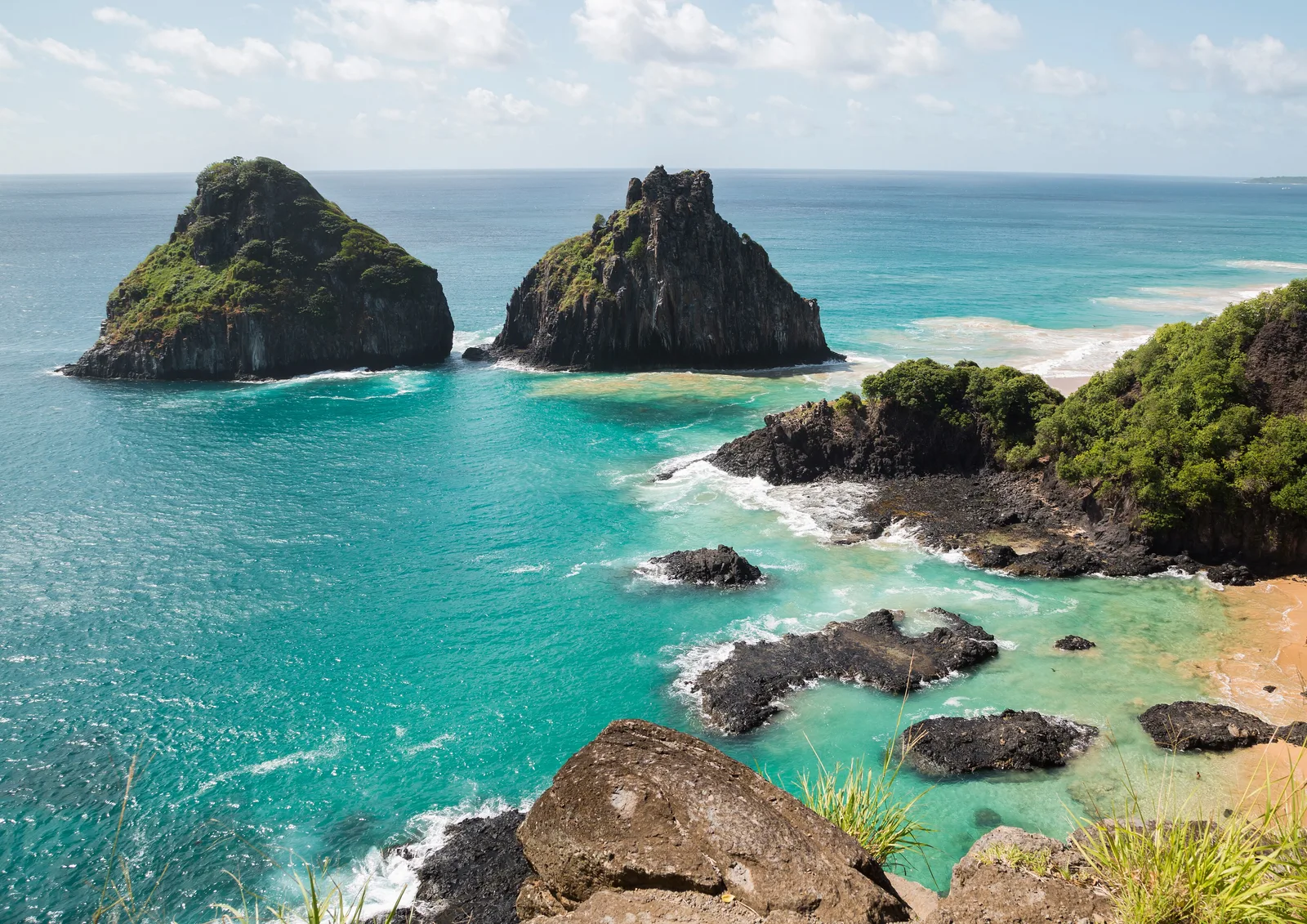
A volcanic archipelago 350 kilometers offshore, and a UNESCO site. It is also one of the most protected and most expensive places to travel in Brazil. Visitor numbers are capped, a daily environmental fee applies, and access to the marine park stays limited. That's exactly why the diving and snorkeling here rank as the best in the country.
Spinner dolphins come into Baía dos Golfinhos most mornings and sea turtles are there year-round. What actually decides the trip, though, is the arithmetic: a per-day environmental tax, a separate national park ticket on top of it, and flights from only two mainland cities. The destination page prices a week.
- Baía do Sancho, reached by a ladder through a cleft in the cliff
- Spinner dolphins at dawn in Baía dos Golfinhos
- Diving and snorkeling on the sheltered mar de dentro
- Baía dos Porcos and the view to Morro Dois Irmãos
- Sunset from Forte dos Remédios
-
Bahia · 2–4 nights
Praia do Forte & the Bahian coast
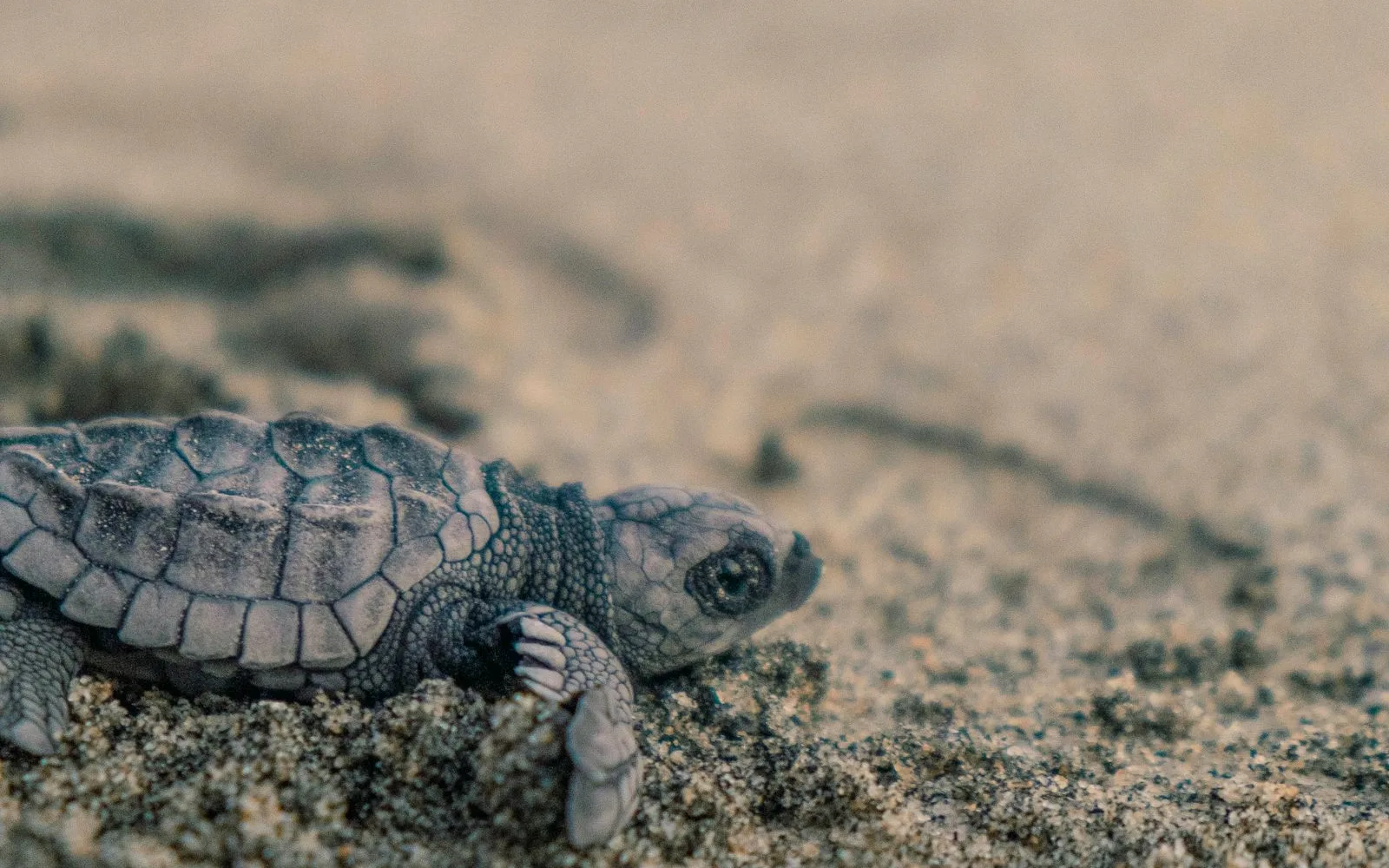
An hour north of Salvador, Praia do Forte offers the easiest beach base in the Northeast. It's a former fishing village with one pedestrian street, natural reef pools at low tide, and the headquarters of Projeto Tamar, Brazil's sea turtle conservation program.
It works well as a soft landing at either end of a busier trip, and as a base for the Costa dos Coqueiros running north toward Imbassaí and Mangue Seco.
- Reef pools that form at low tide, safe for any age
- Projeto Tamar and turtle hatchling releases in season
- Whale watching from July to October
- The Garcia D'Ávila castle ruins, the oldest in Brazil
- Quiet beaches north along the Costa dos Coqueiros
-
Bahia · 4–5 nights
Porto Seguro & Trancoso
The coast where Portugal first sighted Brazil in 1500, and today one municipality with a town and three villages in it that could not be less alike. Porto Seguro has the airport, a listed hill town and the big party beaches. Across the river by ferry, Arraial d’Ajuda sits on a hill over reef-sheltered beaches.
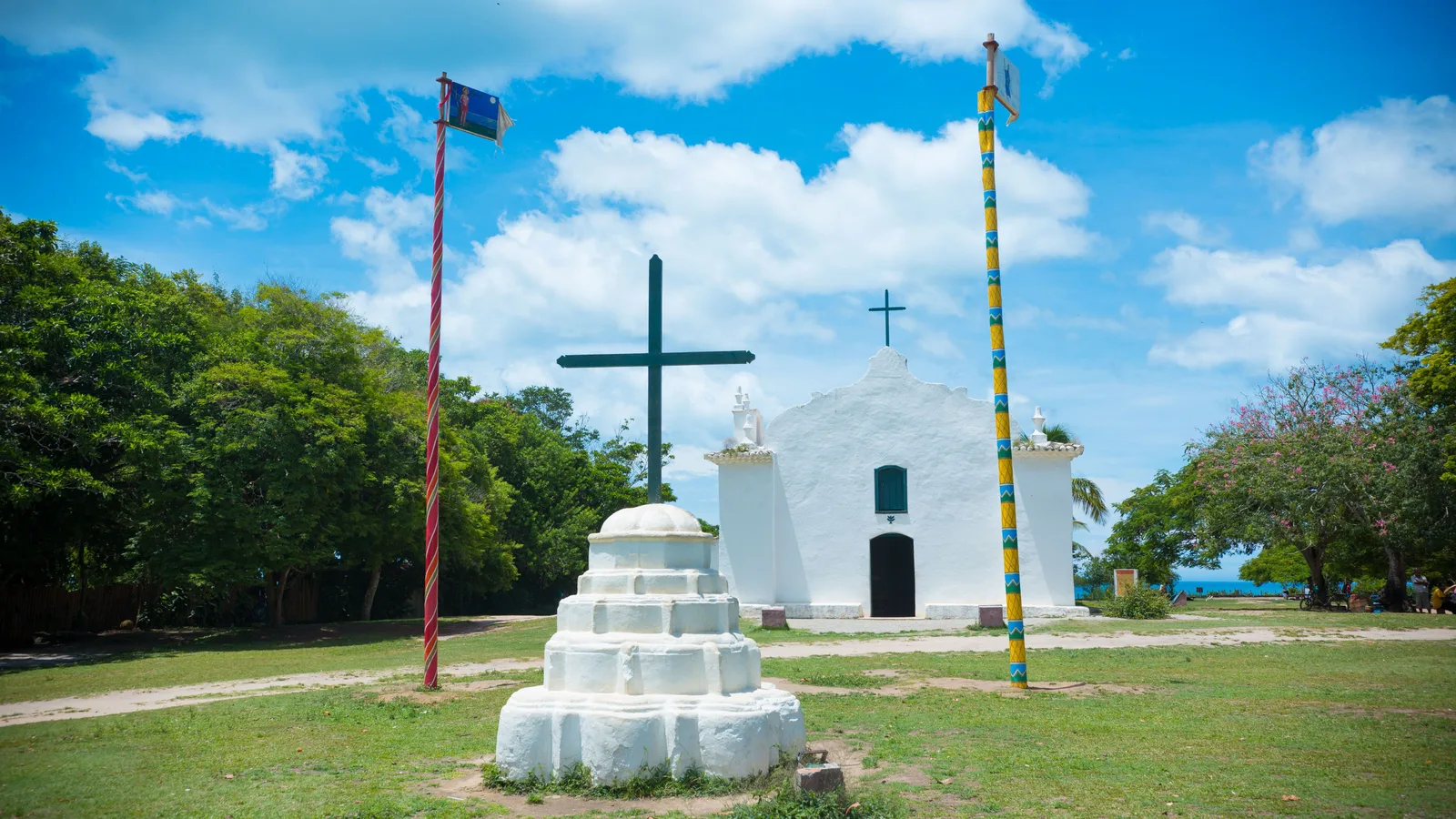
Trancoso is the one people actually come for: a village laid out around a long grass square with a white church at the end, and rooms and restaurants at the top of the local market. Further south the road runs out at Caraíva, a village with no cars at all.
- The Quadrado at Trancoso and its white church
- Porto Seguro’s Cidade Alta, the old town on the hill
- Arraial d’Ajuda and its beaches, timed by the tide
- Praia do Espelho at low tide
- Caraíva, reached by canoe across the river
-
Pernambuco · 3–4 nights
Recife & Olinda
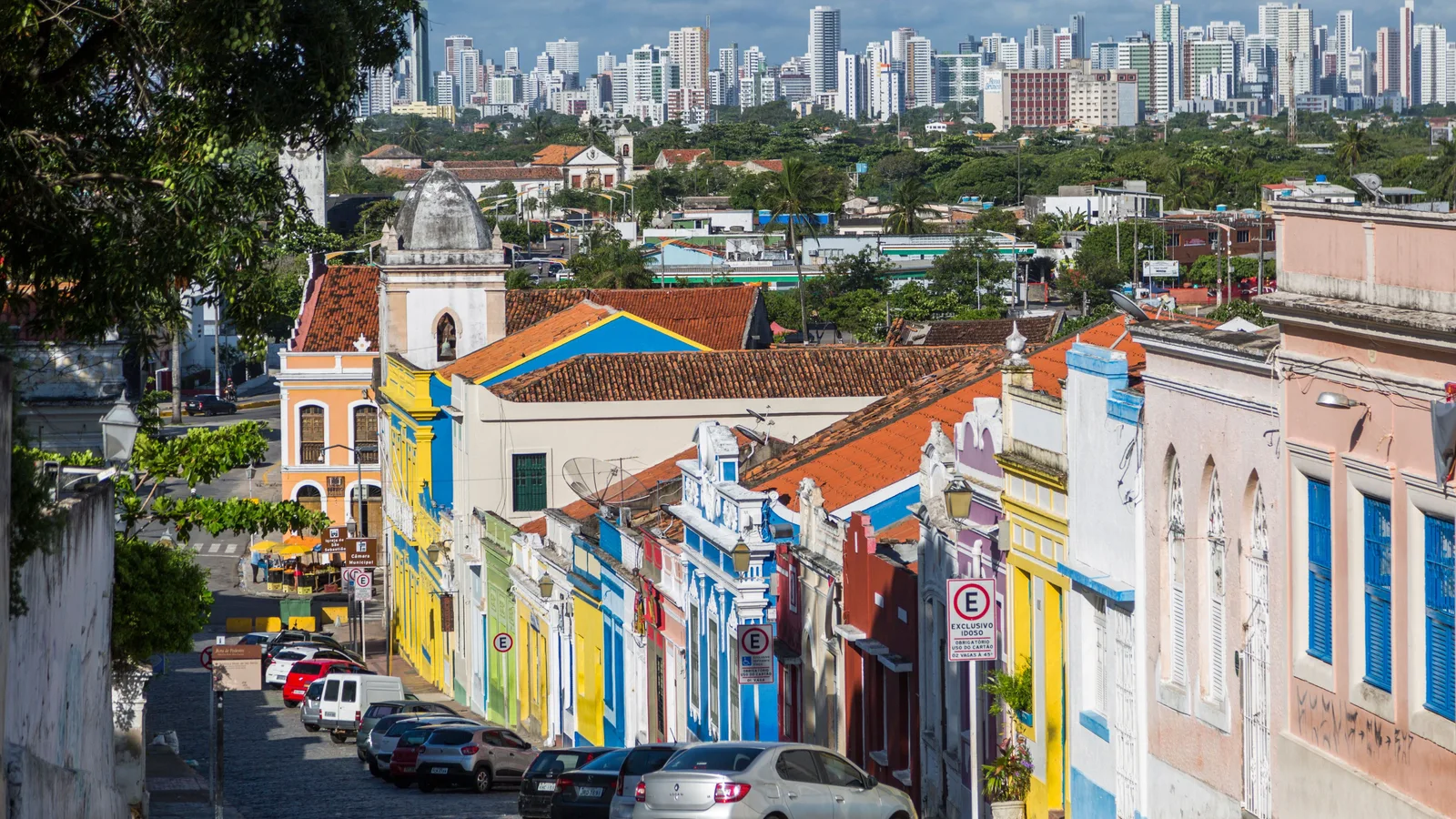
Olinda is the old hill town: painted houses and baroque churches on a slope above the coast, small enough to walk in an afternoon and steep enough that you feel it afterward. Recife is the city that grew up below and around it, built across rivers and islands, with a restored old quarter at Marco Zero and a long wall of apartment towers standing behind Boa Viagem beach.
They sit close enough to treat as one stop, and almost everyone does. Carnival here is street Carnival rather than the stadium version, frevo in Olinda and the Galo da Madrugada in Recife. Boa Viagem, though, is a beach you walk rather than swim, and the destination page sets out exactly why before you book a hotel on it.
- Olinda's historic center, best walked uphill late in the afternoon
- Marco Zero and the restored streets of Recife Antigo
- Frevo and maracatu, which belong to Pernambuco rather than to Brazil generally
- The Instituto Ricardo Brennand collections on the western edge of the city
- The coast running south toward Porto de Galinhas
-
Pernambuco · 3–4 nights
Porto de Galinhas
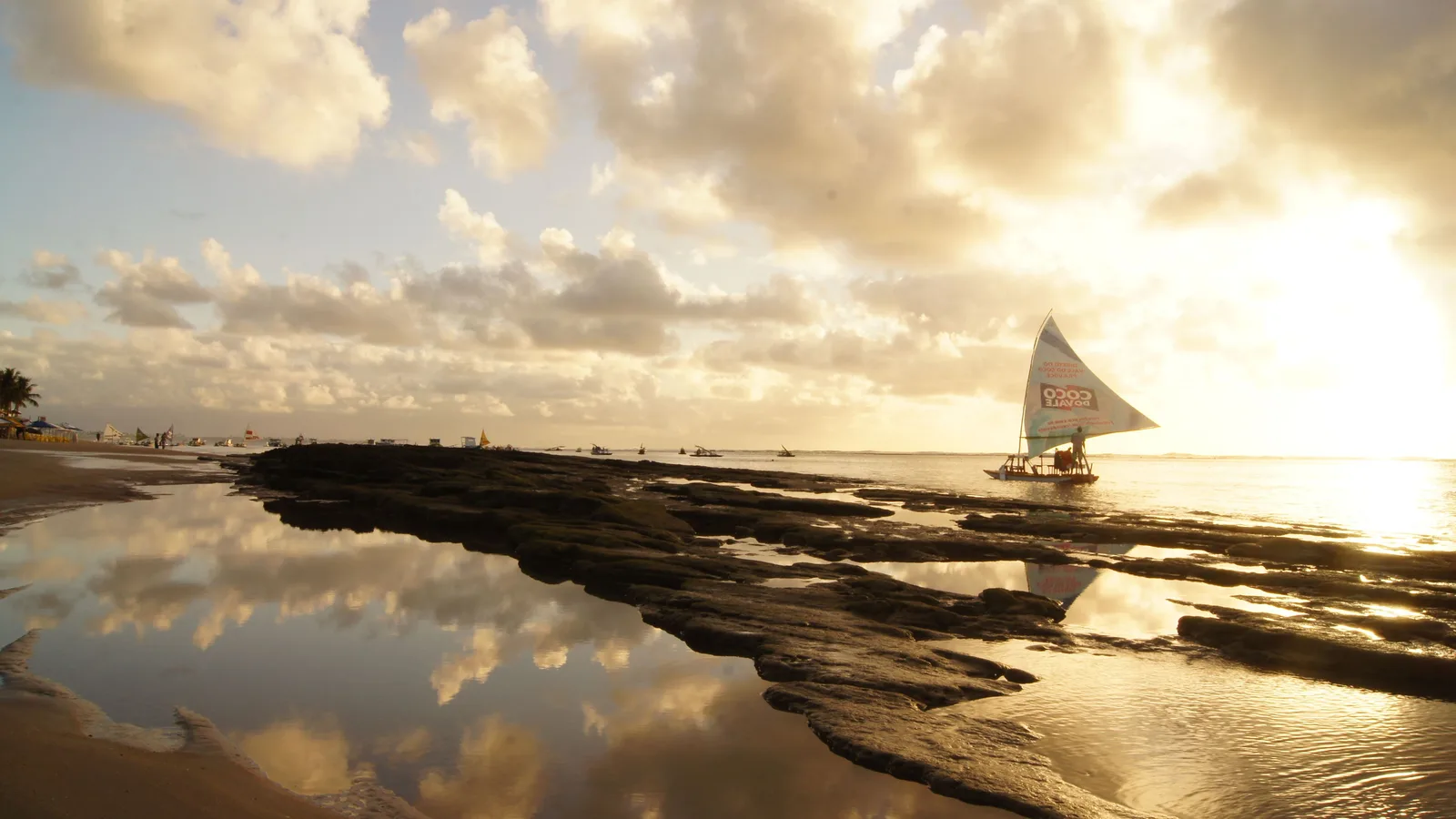
A short drive south of Recife's airport, and the whole visit turns on the tide. A reef sits offshore, and when the water drops it leaves a line of clear pools between the rock and the sand. When the water is up, they are simply sea, and there is nothing to see.
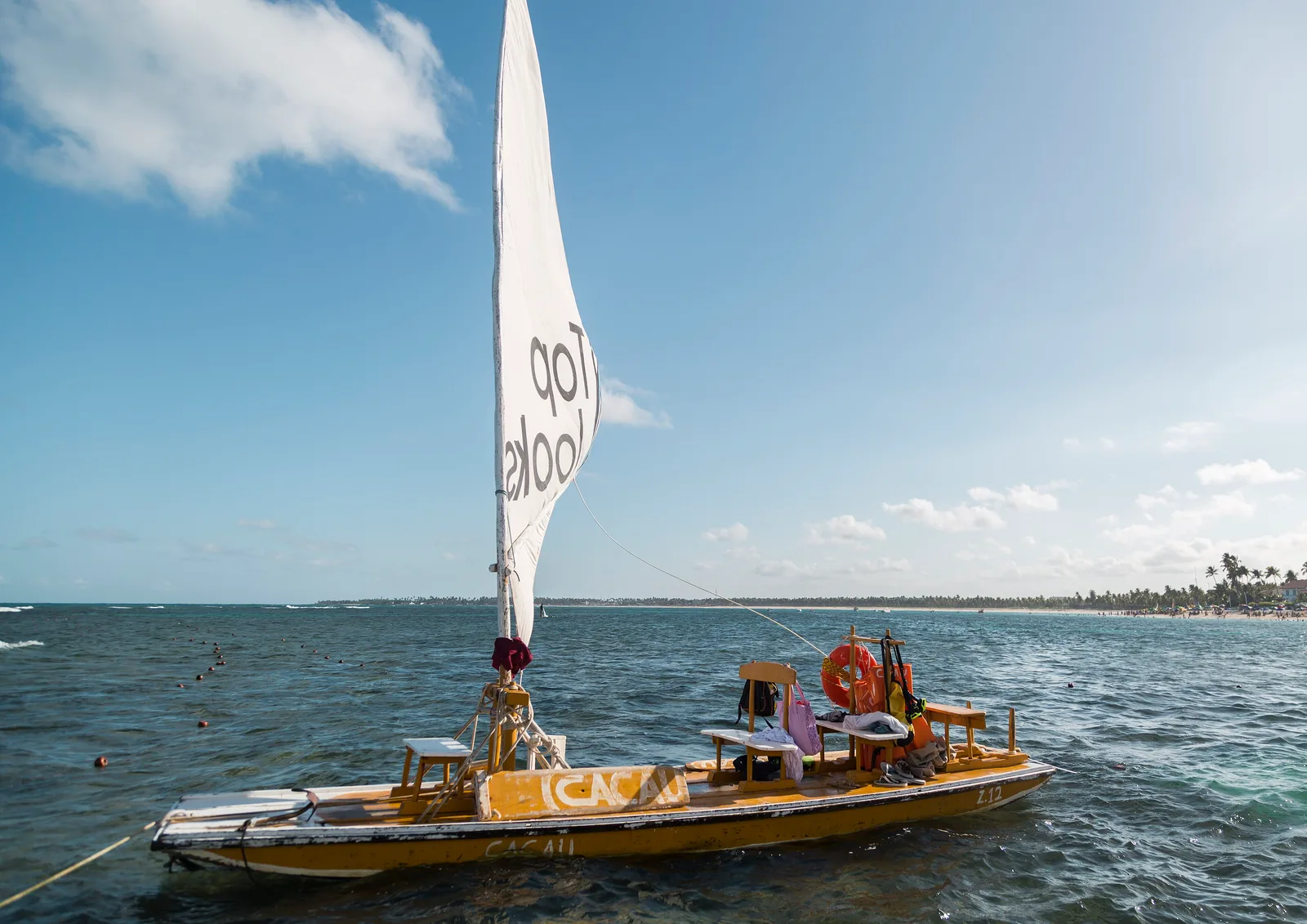
That makes this the one place in the region you plan around a tide table rather than a forecast. Jangadas, the local sailing rafts, carry people out to the pools at low water. The village behind the beach is compact and busy, and the quieter sand runs north to Muro Alto and south to Maracaípe.
- The reef pools, which exist only at low tide and only then
- A jangada out to the pools at low water
- Muro Alto to the north and Maracaípe to the south, both quieter
- Buggy runs along the coast, priced per buggy rather than per person
- An easy first or last stop on a run down the northeast coast
-
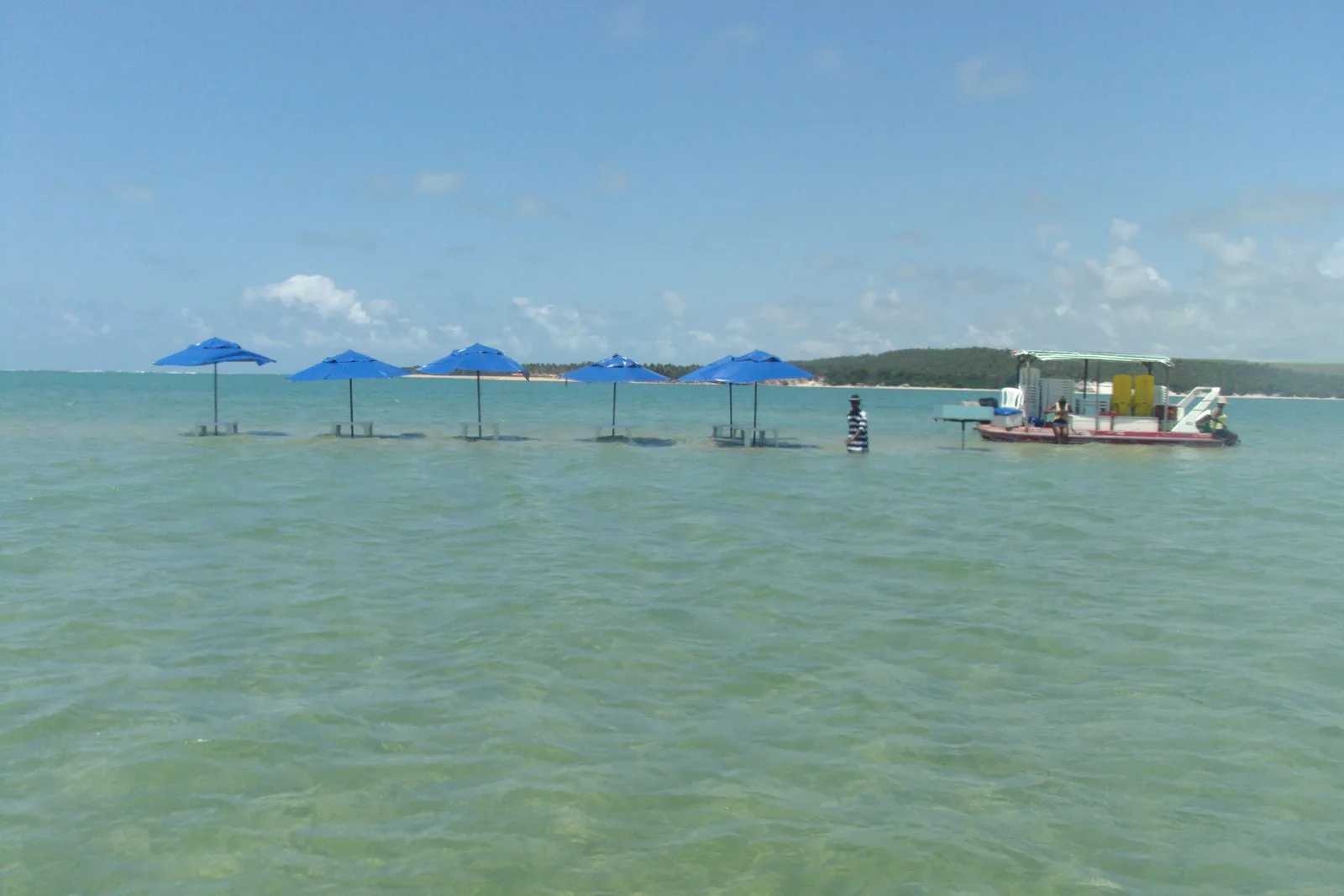
Alagoas · 4–5 nights
Maceió
The capital of Alagoas, and a beach city where the reef does the work. A reef line runs offshore along the city's own front, so the water inside it stays flat, shallow and green, and stays swimmable in the middle of a working city rather than an hour outside one.
What earns it more than a night is the coast either side. South are Praia do Francês, Barra de São Miguel and Gunga, where a lagoon meets the sea. North the coast runs toward Maragogi, which is a long day out rather than a second base. Maceió is the place you sleep while you do both.
- Flat reef-protected water along the city's own seafront
- Praia do Francês and Barra de São Miguel to the south
- Gunga, where the lagoon and the ocean meet
- The Maragogi reef, a long day north
- One hotel for the whole stay, in a city that has the coast on both sides of it
-
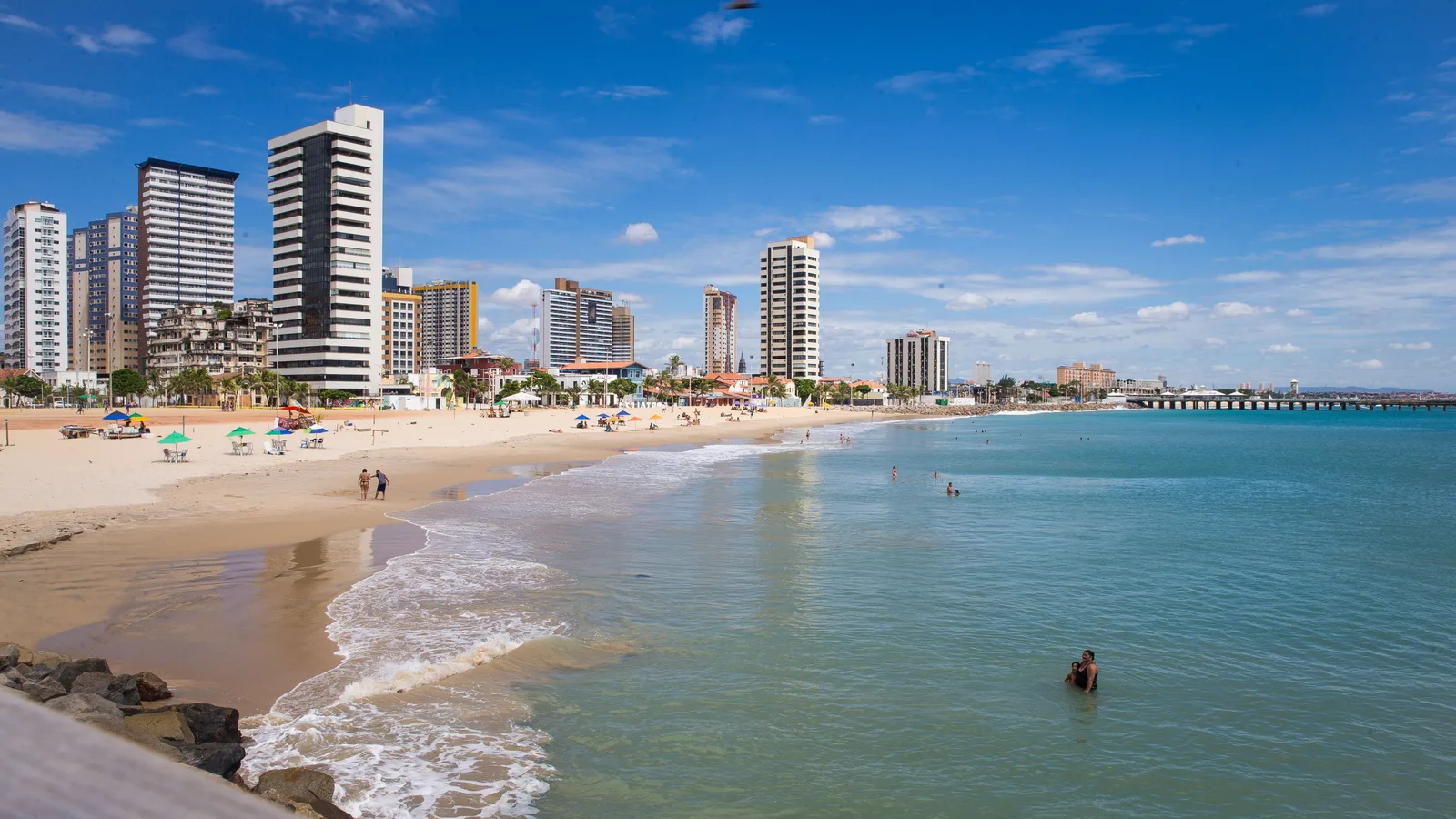
Ceará · 3–4 nights
Fortaleza
The airport for this whole stretch of coast, and a beach city in its own right rather than somewhere to change planes. Apartment towers stand behind a long swimming beach, the Beira Mar promenade runs for kilometers, and the city's own beach culture is east at Praia do Futuro, where the barracas are the point rather than the scenery.
It works as the bookend to a Ceará trip: a couple of days in the city, then a day out along each coast. West are the dune beaches and the road that eventually reaches Jericoacoara. East are the cliffs and the quieter sand. Most people give it a morning between flights, which is the habit this page argues with.
- Praia do Futuro and its barracas, where the city itself goes
- The Beira Mar promenade, walkable end to end
- The Theatro José de Alencar in the old center
- A day west to the dunes, and a day east to the cliffs
- The flight everyone takes to reach the Ceará coast
-
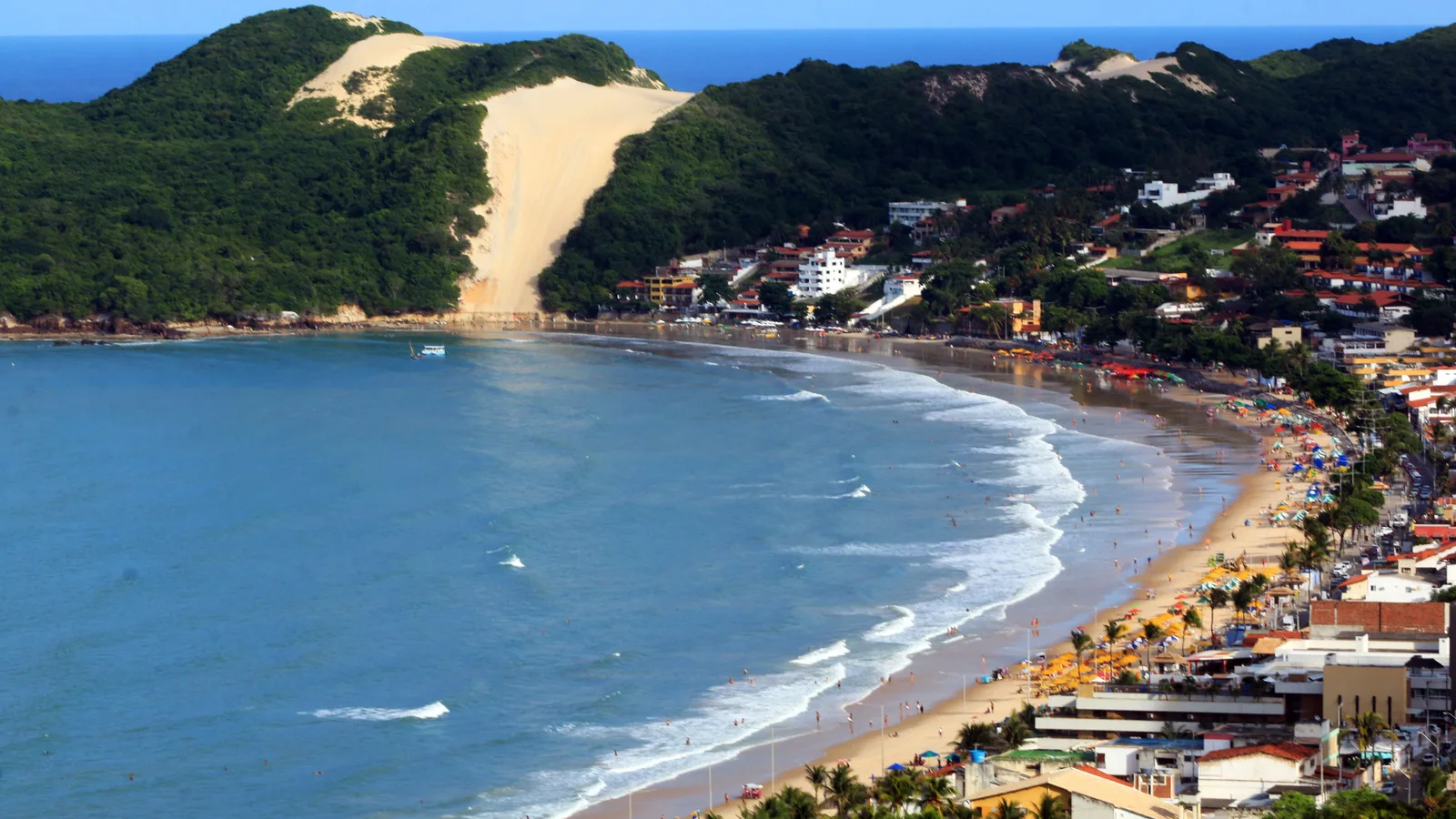
Rio Grande do Norte · 3–4 nights
Natal
The sunniest coastal city in Brazil, and the airport for the whole of Rio Grande do Norte. Ponta Negra is the beach most people stay on, with the dune of Morro do Careca closing its far end, and the city keeps a star fort begun in 1598 on a reef at the mouth of its river.
What it has that the other capitals on this coast do not is the sand. North of the city the Genipabu dunes are driven by buggy and the reef at Maracajaú surfaces at low tide; south there is a cashew tree the size of a city block. Pipa is about an hour and a half south and has its own page.
- Ponta Negra and Morro do Careca
- The buggy day across the Genipabu dunes
- The Fortaleza dos Reis Magos
- The parrachos, the offshore reef pools
- The giant cashew tree at Pirangi
-
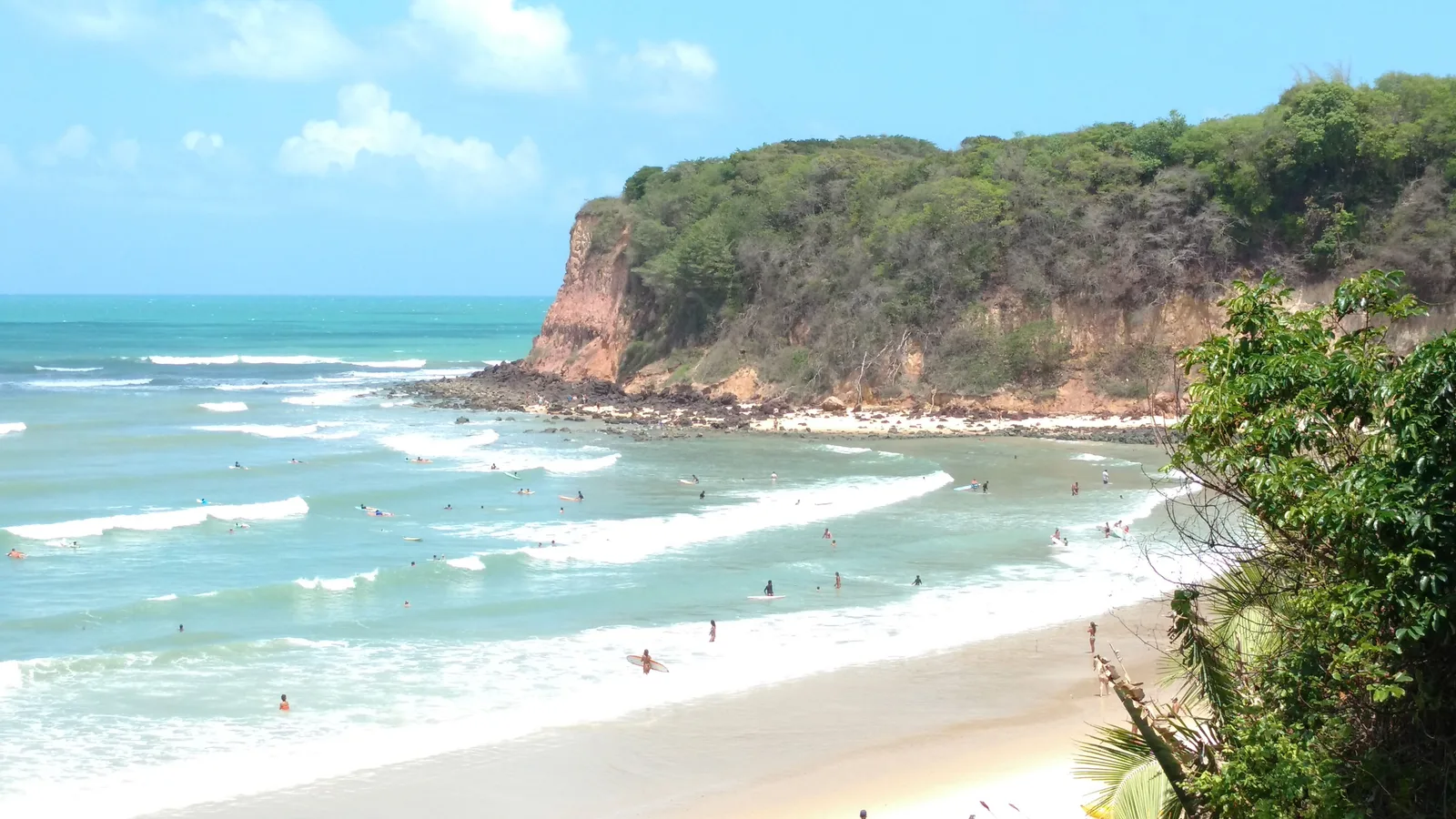
Rio Grande do Norte · 3–4 nights
Pipa
A village on top of a red cliff, on a coast that is almost all cliff, with a string of coves at the bottom of it. You are not choosing a beach here, you are choosing which cove, and you walk between them along the sand.
The tide runs the day. The Baía dos Golfinhos, where dolphins live year-round, is reached on foot only at low water, so the first thing to check is the tide table rather than the forecast. Natal's airport is about an hour and a half north.
- The low-tide walk to the Baía dos Golfinhos
- Praia do Amor and the Chapadão lookout
- Praia do Madeiro
- The village and its one main street
More of the Northeast


When to go to the Northeast
The Northeast is warm all year - the variable is rain, and it does not fall at the same time along the whole coast. Salvador and Recife are wettest from April to July; Ceará and Maranhão from January to June. The Lençóis lagoons run on their own clock, filling after those northern rains. October is the region's peak because most of the coast is at its driest and brightest then, but Pernambuco and Alagoas do not peak until November, and the Lençóis and the Chapada Diamantina peak in August and July.
- Best — The one or two peak months
- Good — A real recommendation
- Trade-offs — Workable, with a catch
- Jan
Hot, dry and festive in Bahia, wet further north in Ceará and Maranhão. Peak Brazilian holiday season.
- Feb
Salvador's Carnival is the largest street party in the world. Sunny in Bahia, rain building in the north.
- Mar
Still warm and mostly dry in Bahia. The northern coast stays wet.
- Apr
Rain arrives on the Bahia and Pernambuco coast. Cheaper and quieter, with real sunshine between showers.
- May
The wettest stretch for Salvador and Recife. The Lençóis lagoons begin filling.
- Jun
Rain eases, Festa Junina takes over the interior, and the Lençóis lagoons come up.
- Jul
The Chapada Diamantina's own peak, at 41.5 mm and the coolest month of its year. Lagoons full in the Lençóis, humpbacks off the Bahian coast, and dry weather from Ceará north. Brazilian holidays, so book ahead.
- Aug
The Lençóis Maranhenses' own peak: 5.9 mm on a single rain day and 305 hours of sun at Chapadinha, the sunniest month of its year, with the lagoons still holding. Whales off Bahia, and the wind building at Jericoacoara.
- Sep
Dry and clear almost everywhere, and the last of the lagoons still holding around Santo Amaro.
- Oct
The peak: the driest, brightest month on most of this coast. Salvador at 91 mm and 227 hours of sun, Fortaleza at 9.5 mm and 294 hours, Jericoacoara at 2.1 mm with the steadiest wind of its year, and Noronha's dive visibility at its best. Praia do Forte is the one place the last humpbacks and the first nesting turtles overlap.
- Nov
Pernambuco and Alagoas peak now rather than in October: Recife at 39.0 mm on seven rain days and Maceió at 46.9 mm on five, the driest months of their year. Dry and hot the whole way along.
- Dec
Bahia is glorious and filling up. Prices climb hard after the 20th.
Dates worth planning around
-
Salvador Carnival
5-10 February 2027
Two million people and the trios elétricos. There is no ticketed stadium - it happens in the street, and you either join a bloco or watch from a rented balcony.
-
Humpback whale season
July to October
Praia do Forte and the Abrolhos bank. The official Praia do Forte whale page gives July to October, and neither it nor the Instituto Baleia Jubarte names a peak month, so this does not either.
-
Lençóis lagoon season
June to September
ICMBio's own page for the park names no months for when the lagoons are full, so this window is the rainfall's rather than the park's: the water goes in over the first half of the year and drains through the second. The lagoons near Atins dry out first and Santo Amaro holds longest.
-
Festa Junina
Throughout June
Caruaru and Campina Grande run the biggest June festivals in the country.
Getting around the Northeast
Four coastal cities with airports, and a very sharp divide between them. Around Salvador the roads are good and a car sets you free. North of Fortaleza the route turns to sand and you want somebody else driving.
Where to fly into
-
Salvador (SSA)
The main gateway to Bahia, with some direct European routes and constant domestic connections.
-
Recife (REC)
For Pernambuco, and the only practical departure point for Fernando de Noronha.
-
Fortaleza (FOR)
For Ceará and the western end of the Rota das Emoções.
-
São Luís (SLZ)
The way into the Lençóis Maranhenses, via Barreirinhas or Santo Amaro.
Between the places on this list
- 1h15
Salvador to Praia do Forte
Straight up the Linha Verde coast road. Easy self-drive, or a fixed-price transfer.
- 6h
Salvador to Chapada Diamantina
To Lençóis, the town in Bahia. There is also a short flight, and the overnight bus is a genuine option.
- 4h
São Luís to Barreirinhas
Paved the whole way. From there it is 4x4 into the dunes - you do not drive yourself inside the park.
- 4h30
Fortaleza to Jericoacoara
Paved to Jijoca, then sand. Jericoacoara also has its own small airport (JJD).
- 1h20
Recife to Fernando de Noronha
The only practical way in. Book early - seats are limited and there is an environmental fee on arrival.
- 6-9 days
São Luís to Fortaleza
The Rota das Emoções: the overland run linking the Lençóis, the Parnaíba delta and Jericoacoara by 4x4 and boat, done in stages with local drivers.
Once you are there
-
Salvador
Pelourinho is walkable and steep. Use Uber between neighborhoods and after dark, and take the Elevador Lacerda between the upper and lower city - it costs almost nothing.
-
The beach towns
Jericoacoara and Praia do Forte are car-free or close to it. You walk, or you take a buggy.
Should you rent a car?
Yes around Bahia. No in the far north.
The Linha Verde and the roads out of Salvador are well surfaced and signposted, and a car buys you beaches that tour buses never reach. North and west of Fortaleza the tracks are sand, unmarked and tidal in places - that is exactly what the Rota das Emoções operators exist for, and it is not a drive to improvise.
The Northeast is big. Trying to see all of it in one trip is the most common mistake people make. Two hubs and one inland landscape is usually the right shape, and we'll help you pick which.
Get trip advice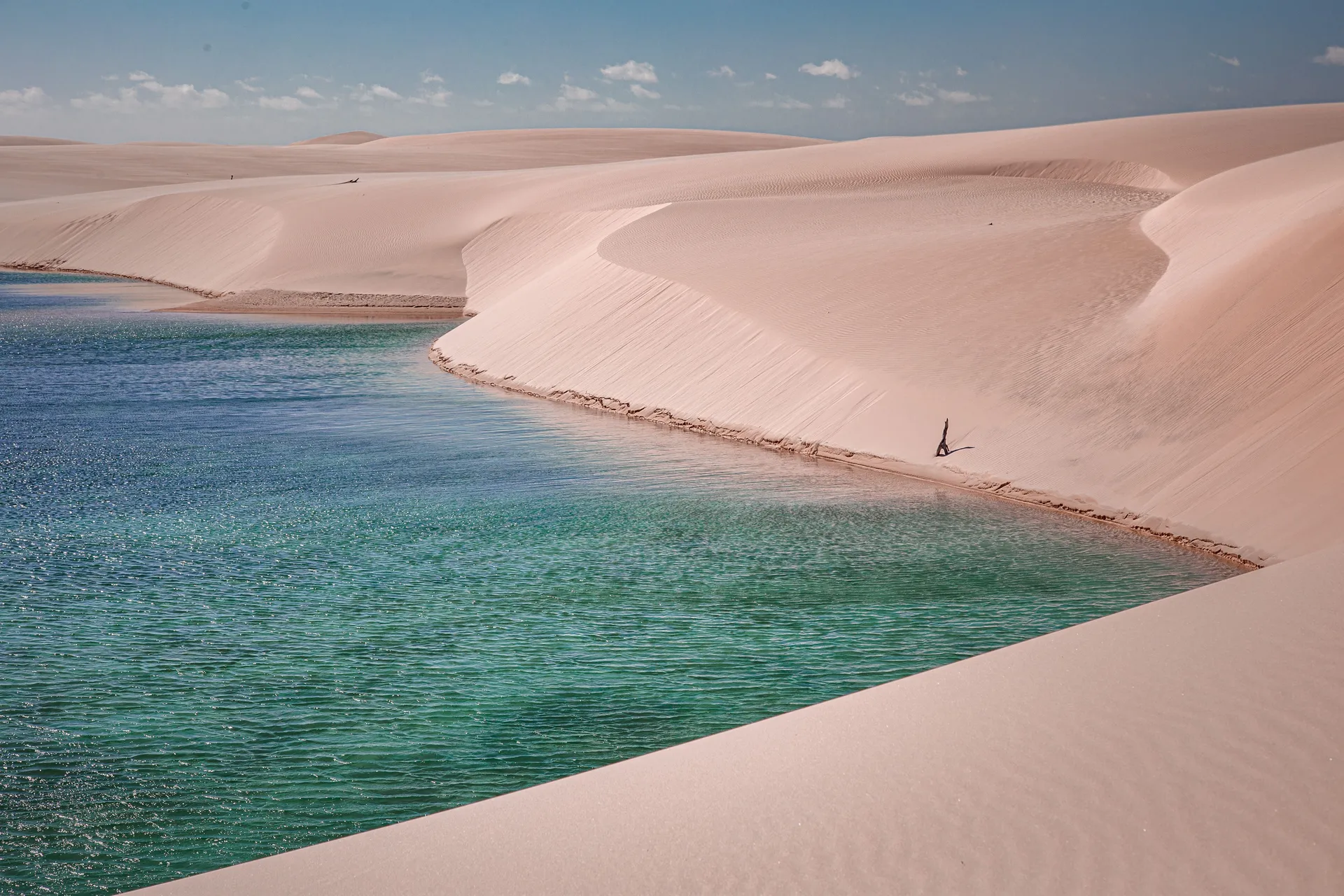 Free · 29 pages
Free guide
Beginner's Guide to Brazil
A free 29-page guide to everything a first-time visitor should know before landing: visas, safety, money, getting around, where to go, and what to eat.
We'll email you a link to confirm your address. Click it and the guide opens right away.
I am offering free consultation calls for anyone that’s interested in traveling to Brazil. Learn directly from someone that has traveled throughout Brazil. Even if you have no ideas for your trip, let’s talk about it!
Get trip advice