

Amazonas · Pará · Acre · Rondônia · Roraima · Amapá · Tocantins
North: The Amazon
The North is the Amazon, and the Amazon is close to half of Brazil. It covers nearly 45% of the country's landmass and holds under 9% of its people. Its river system carries about a fifth of all the fresh water that reaches the world's oceans.
- How long to stay
- Four nights minimum, five or six to justify the travel time. Fewer than three and you spend most of it in transit.
- Good for
- Wildlife, rivers, indigenous and riverine culture, and travelers who want somewhere remote.


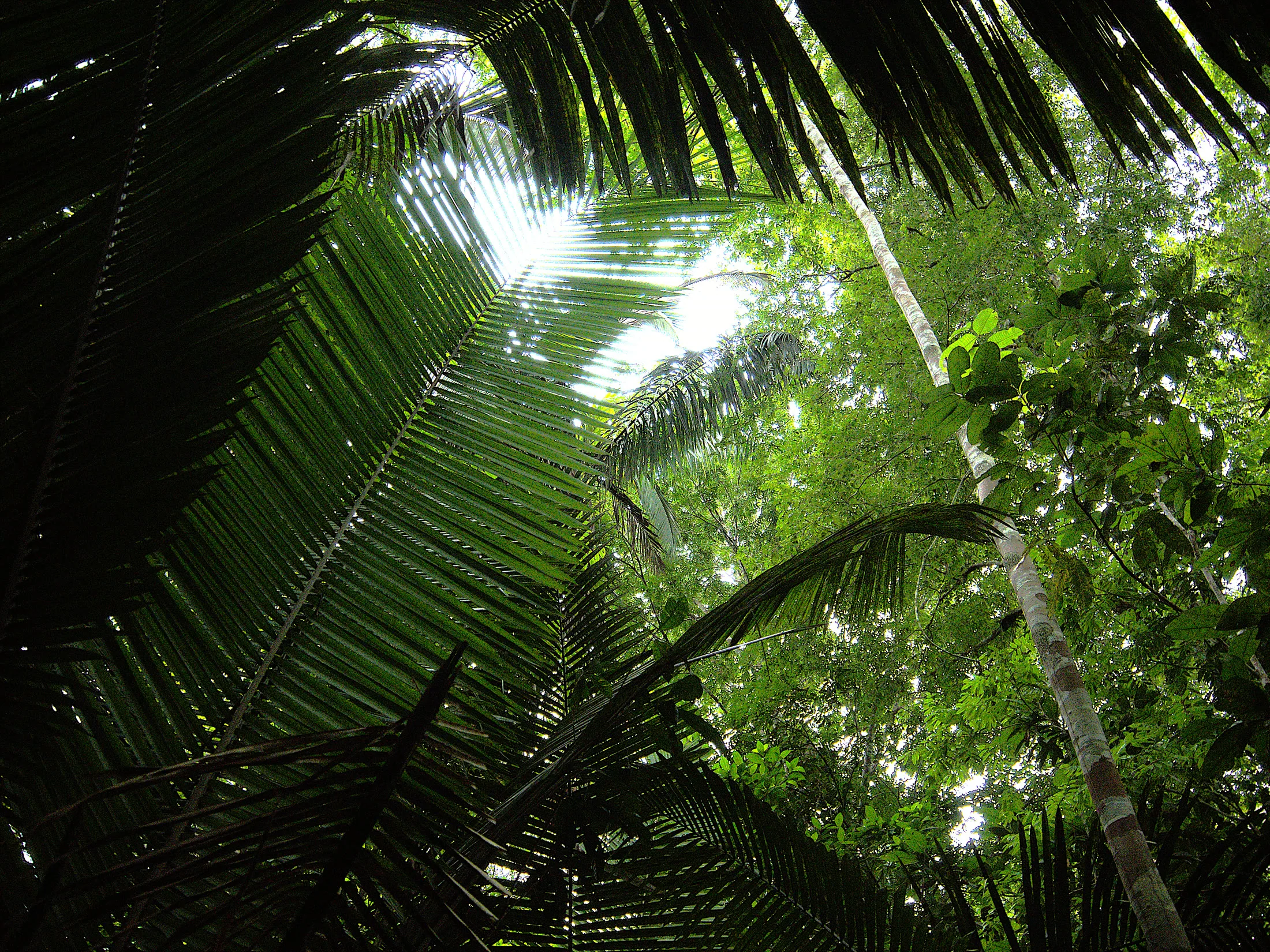
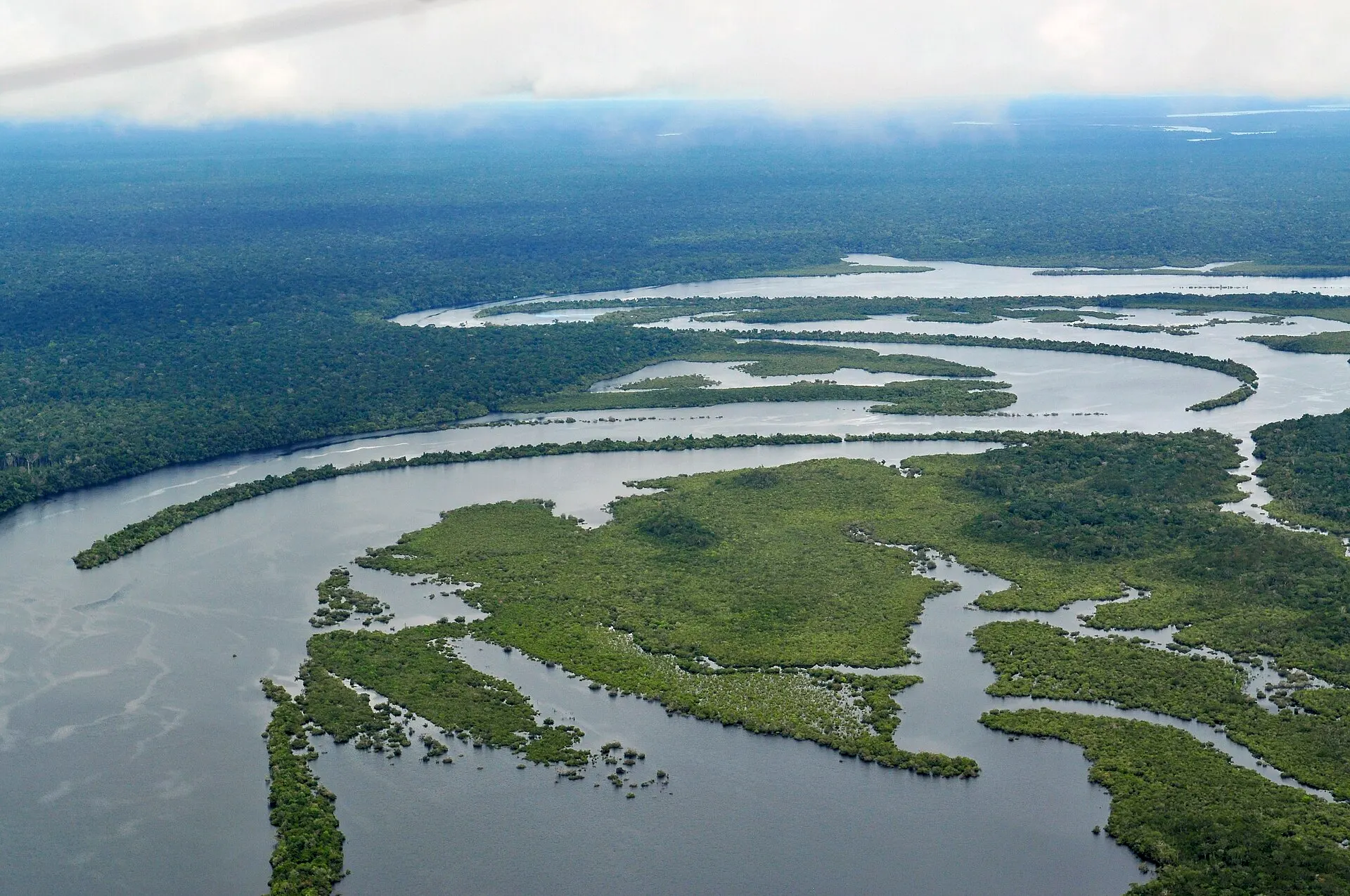
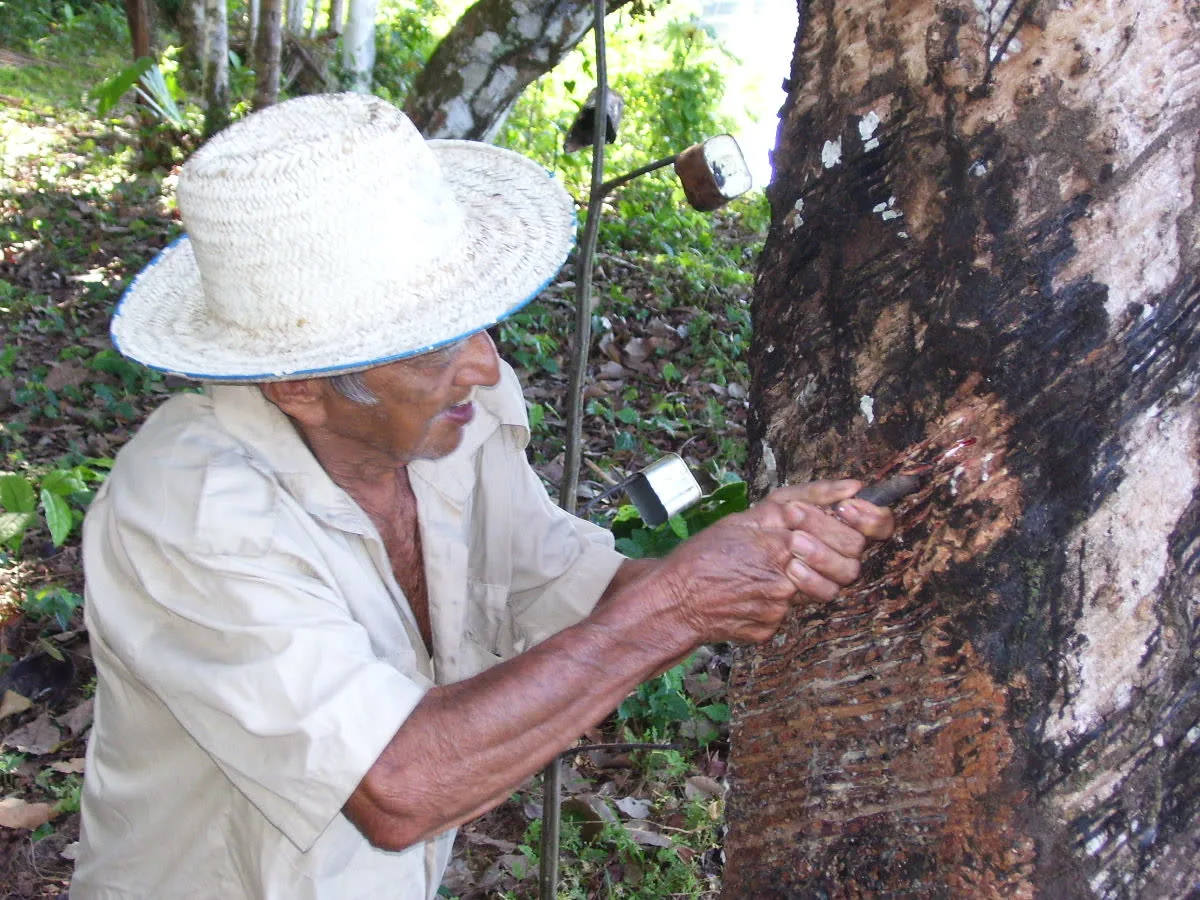
Scale is the hardest thing to convey. The Amazon basin in Brazil alone is larger than the European Union. The river runs over 6,000 kilometers long and more than 20 kilometers wide in places during the wet season. It runs deep enough that ocean-going ships dock at Manaus, 1,500 kilometers inland. There are no roads to most of it. The rivers are the roads.
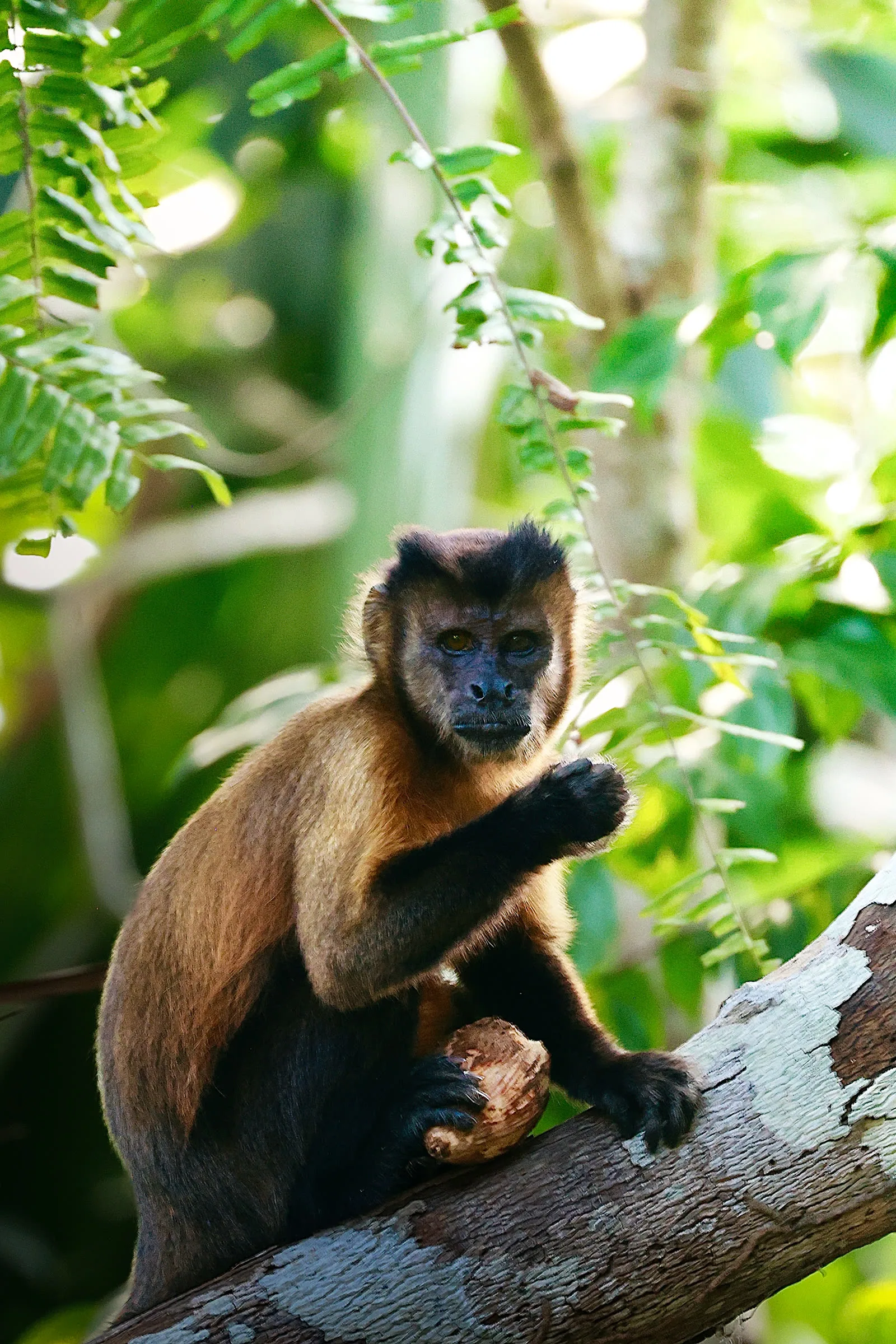
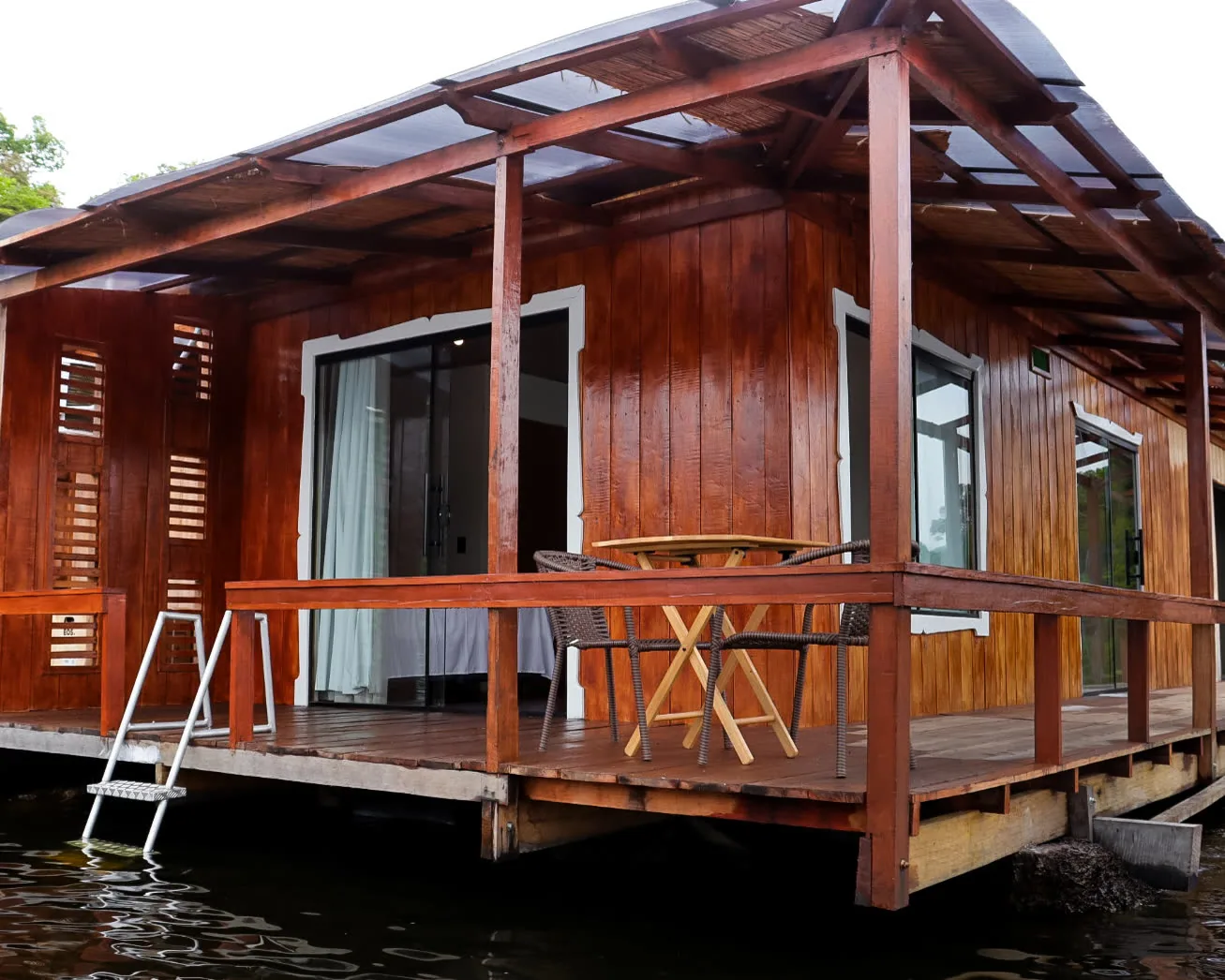
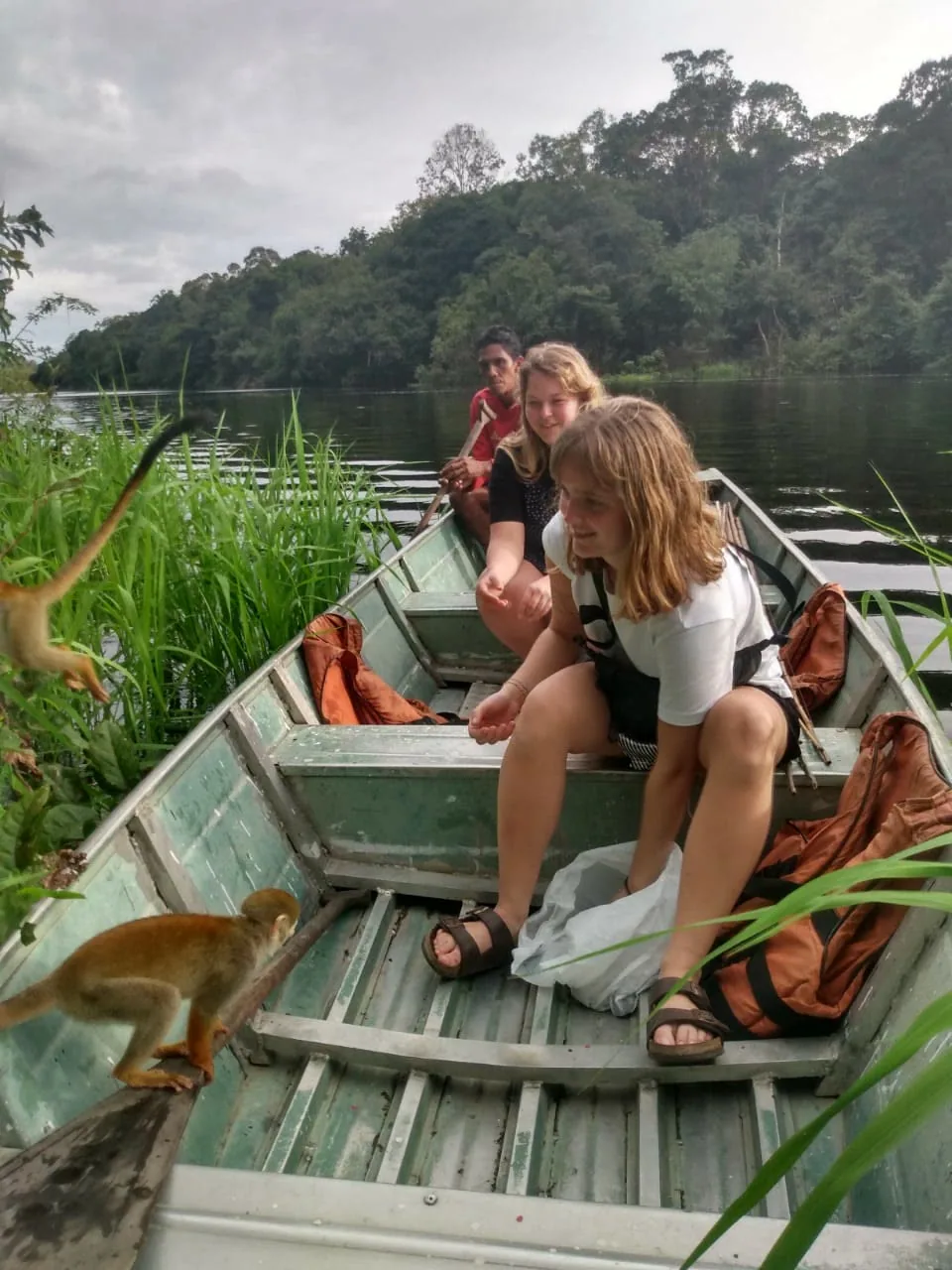
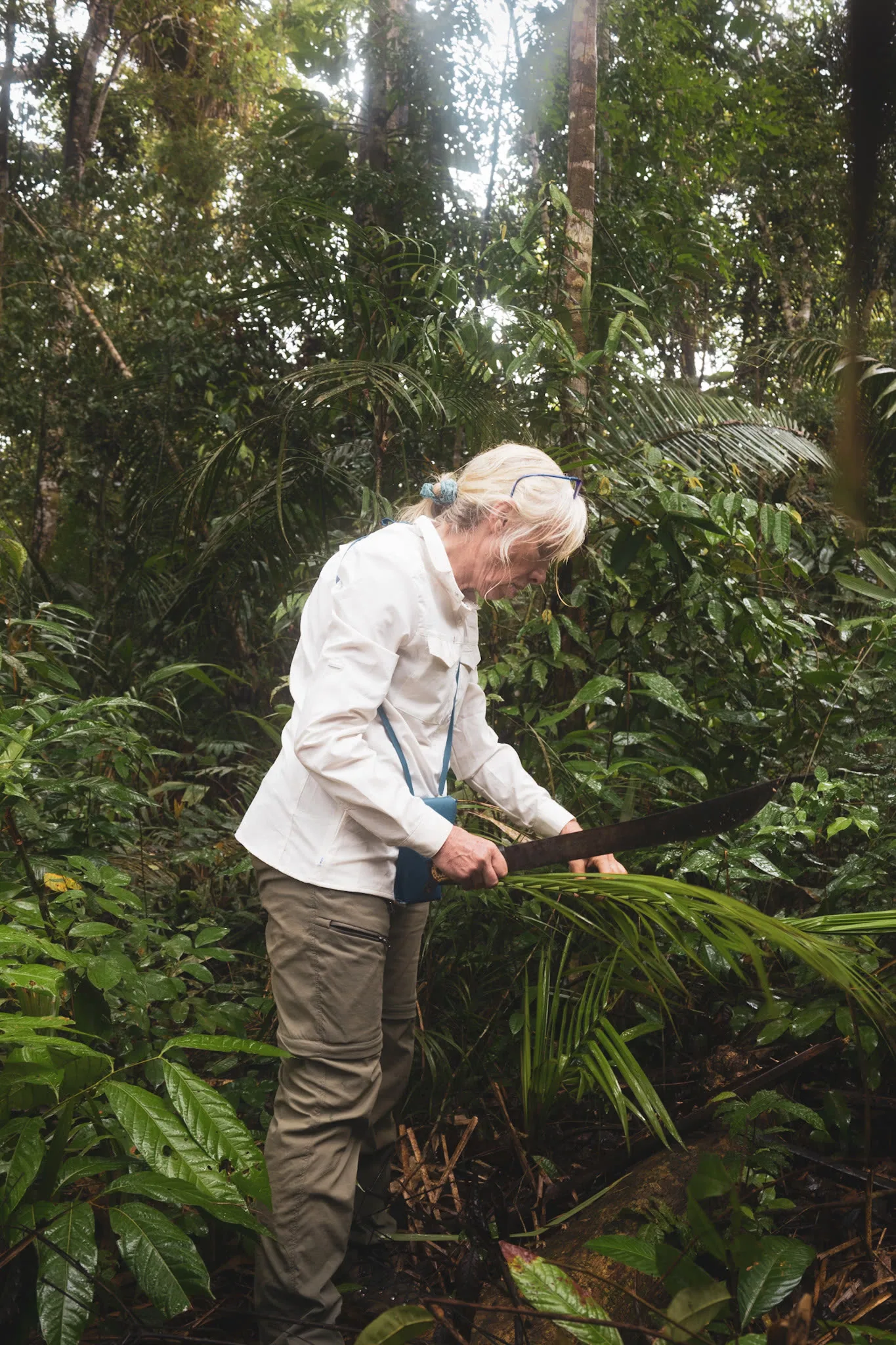
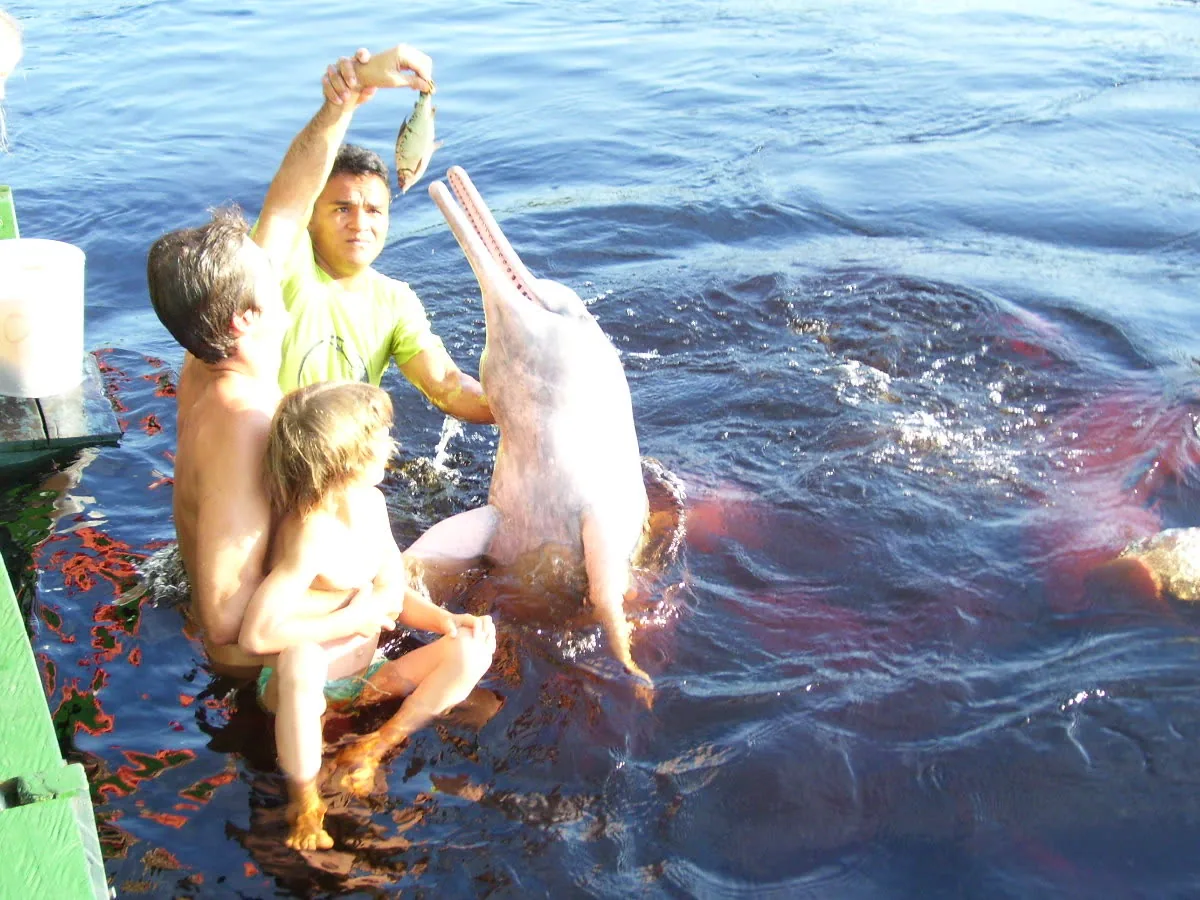
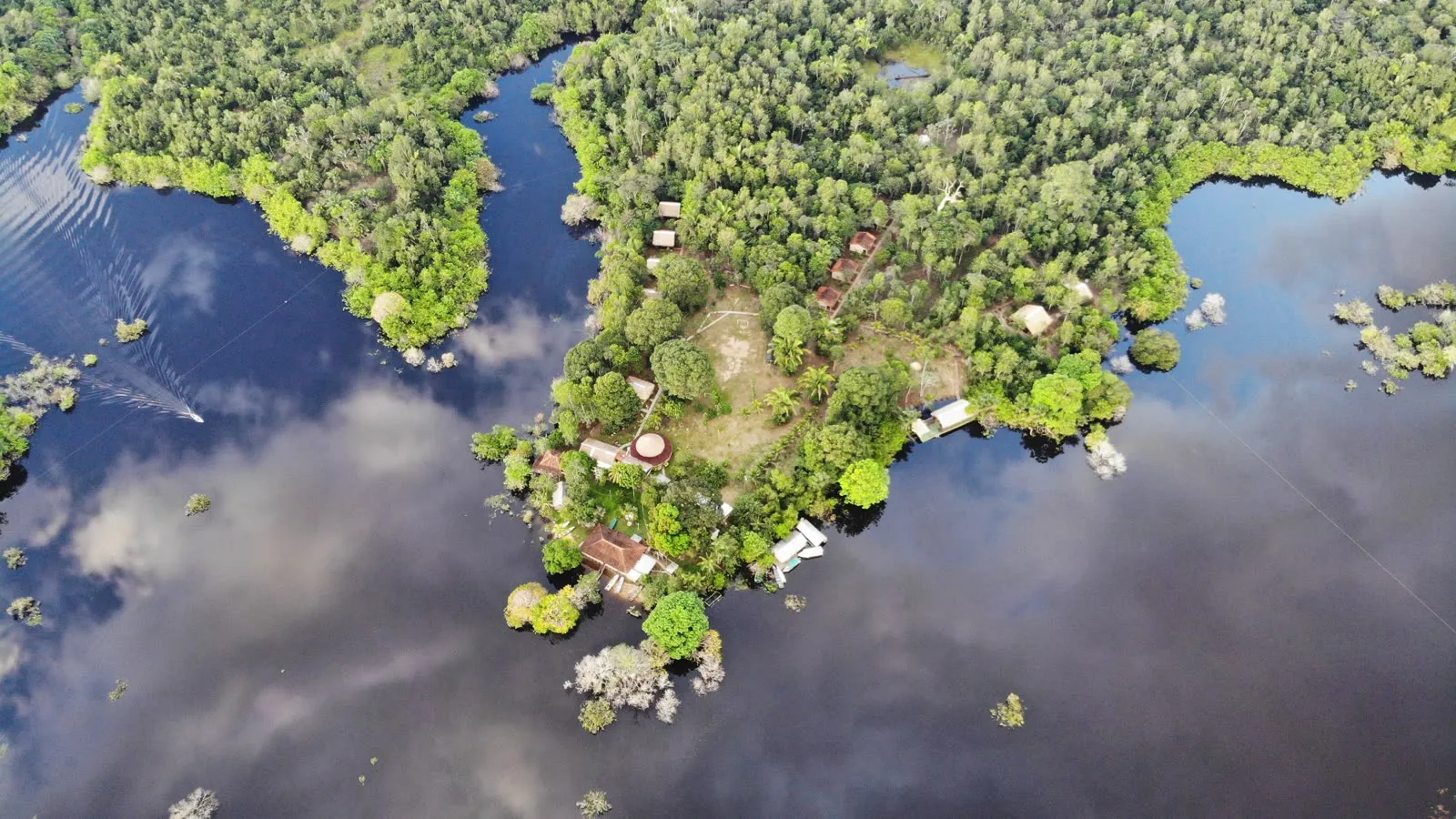
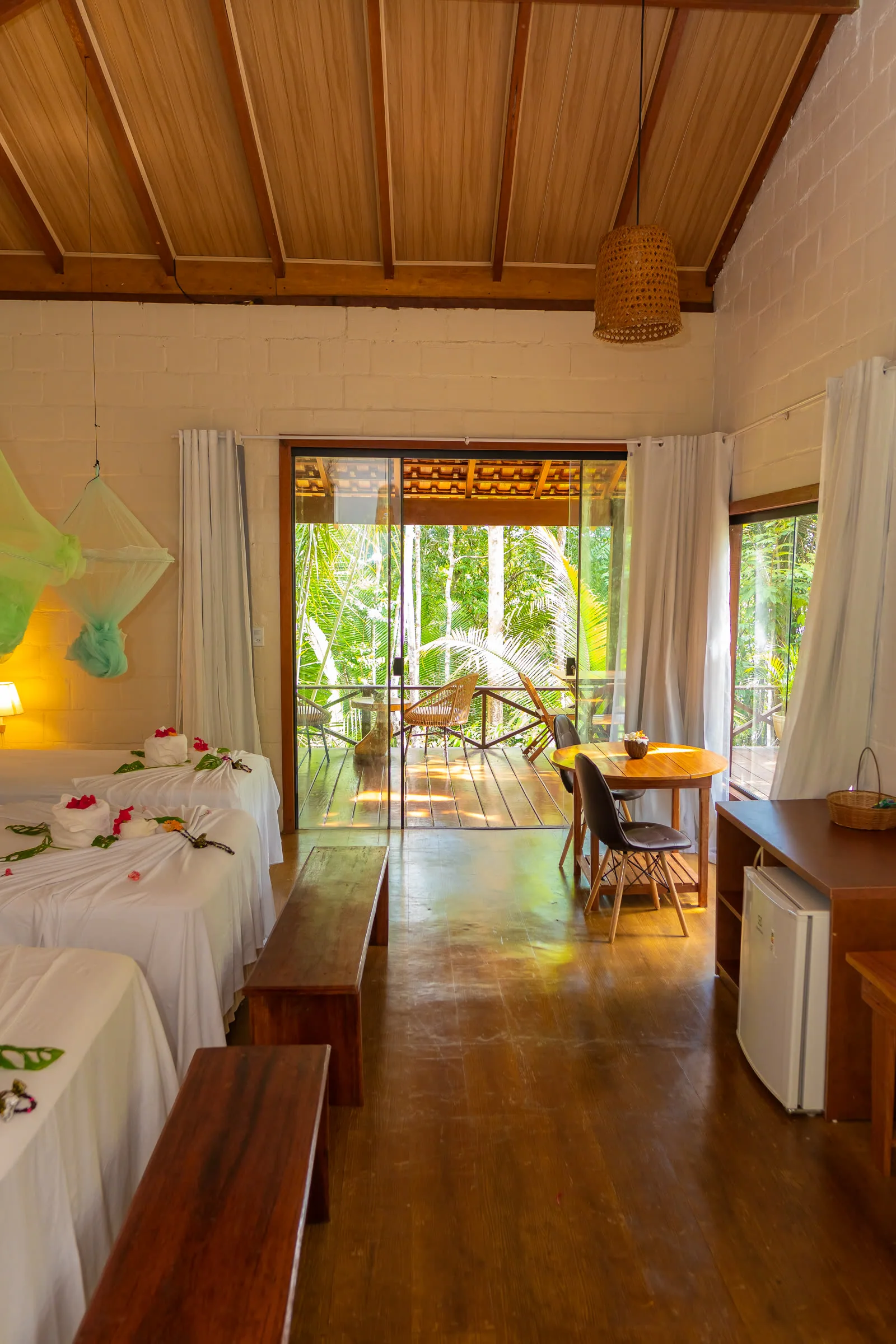
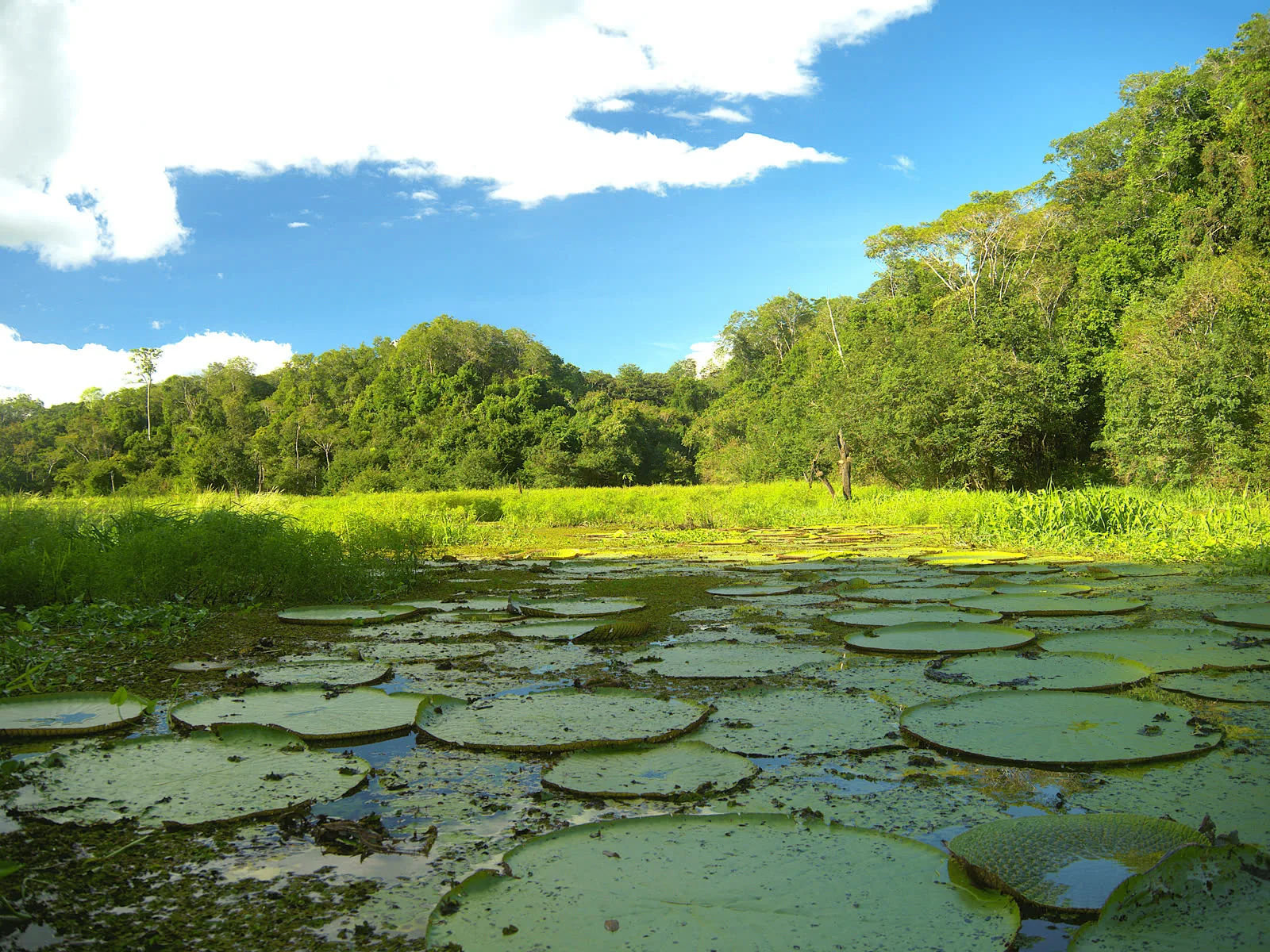
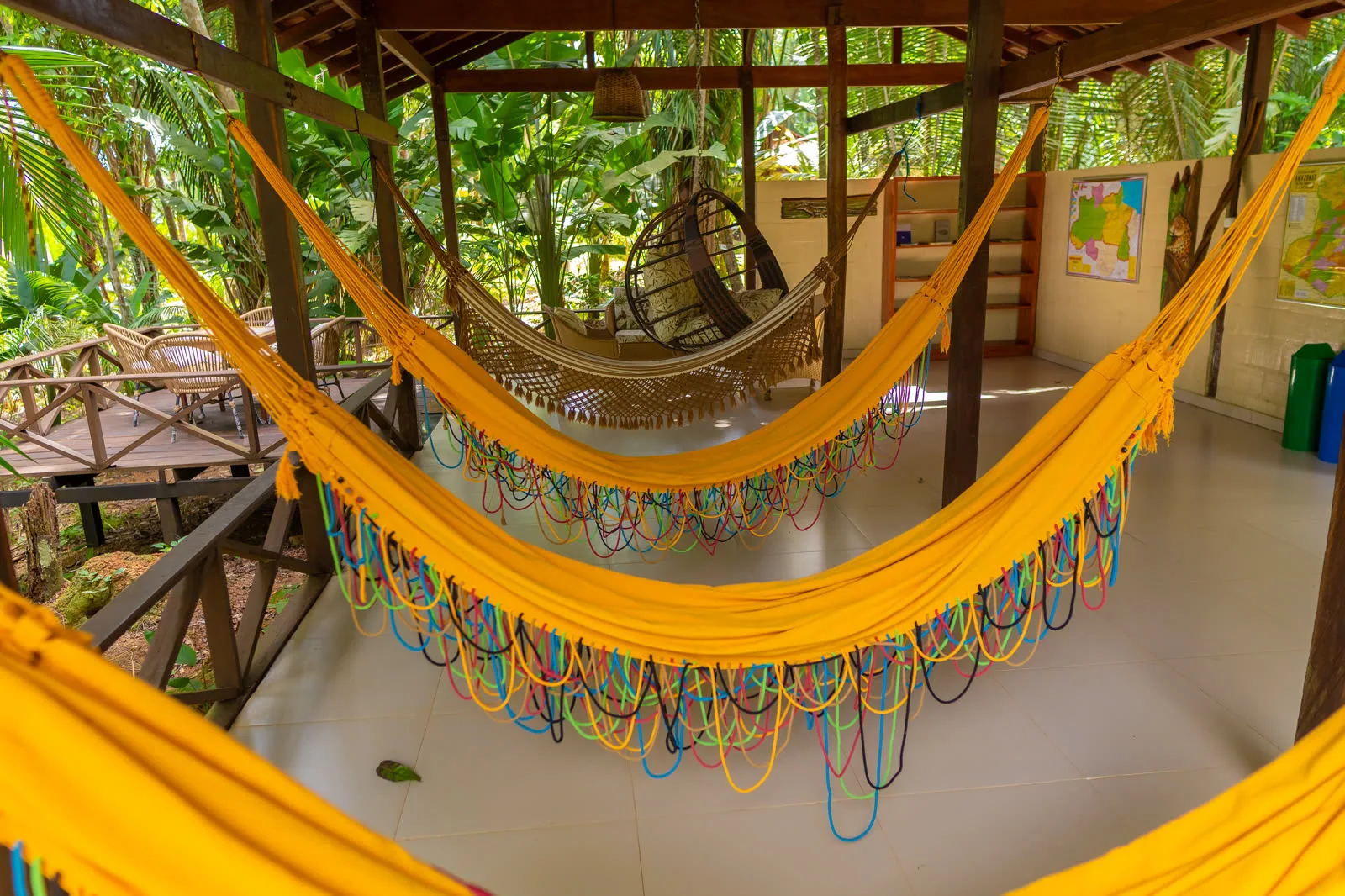
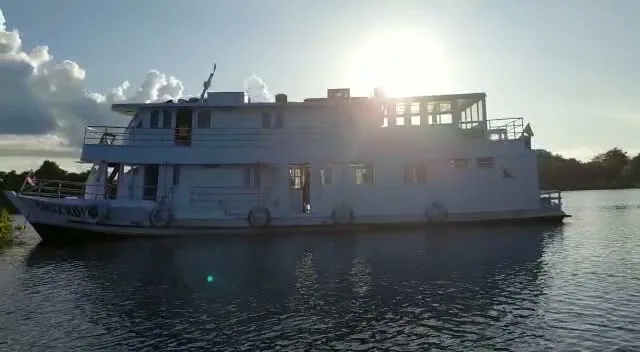
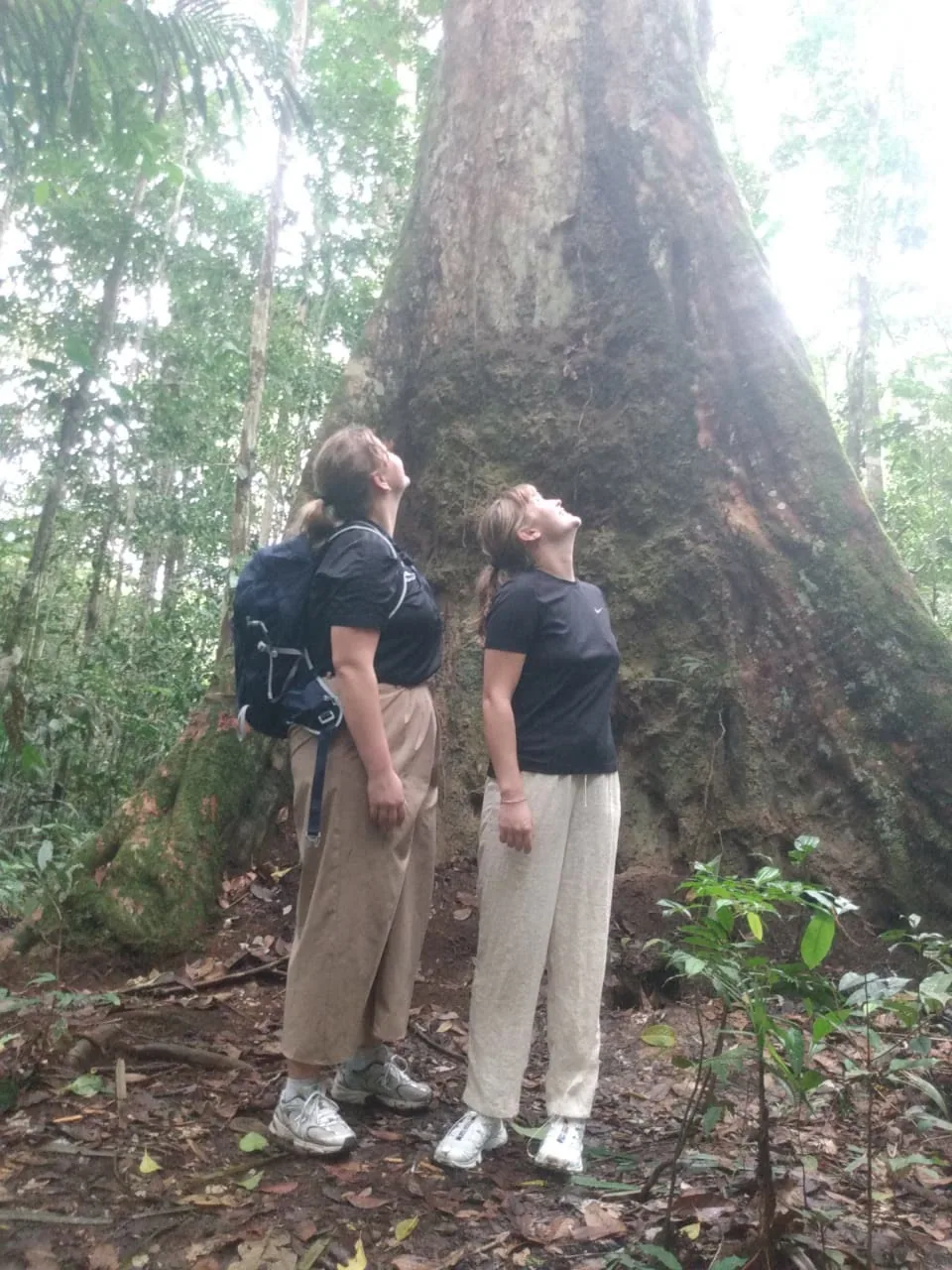
It is not one destination. A river cruise, a jungle lodge and a trekking expedition are three different trips. A comfortable lodge a few hours from Manaus gives you canopy walkways, night safaris by canoe, pink river dolphins and a bed with a mosquito net. A boat expedition takes you into flooded forest and side channels, where the wildlife is denser and the nearest town sits a day away. A trek is the hard version, and the best one if you want to get far from other people.
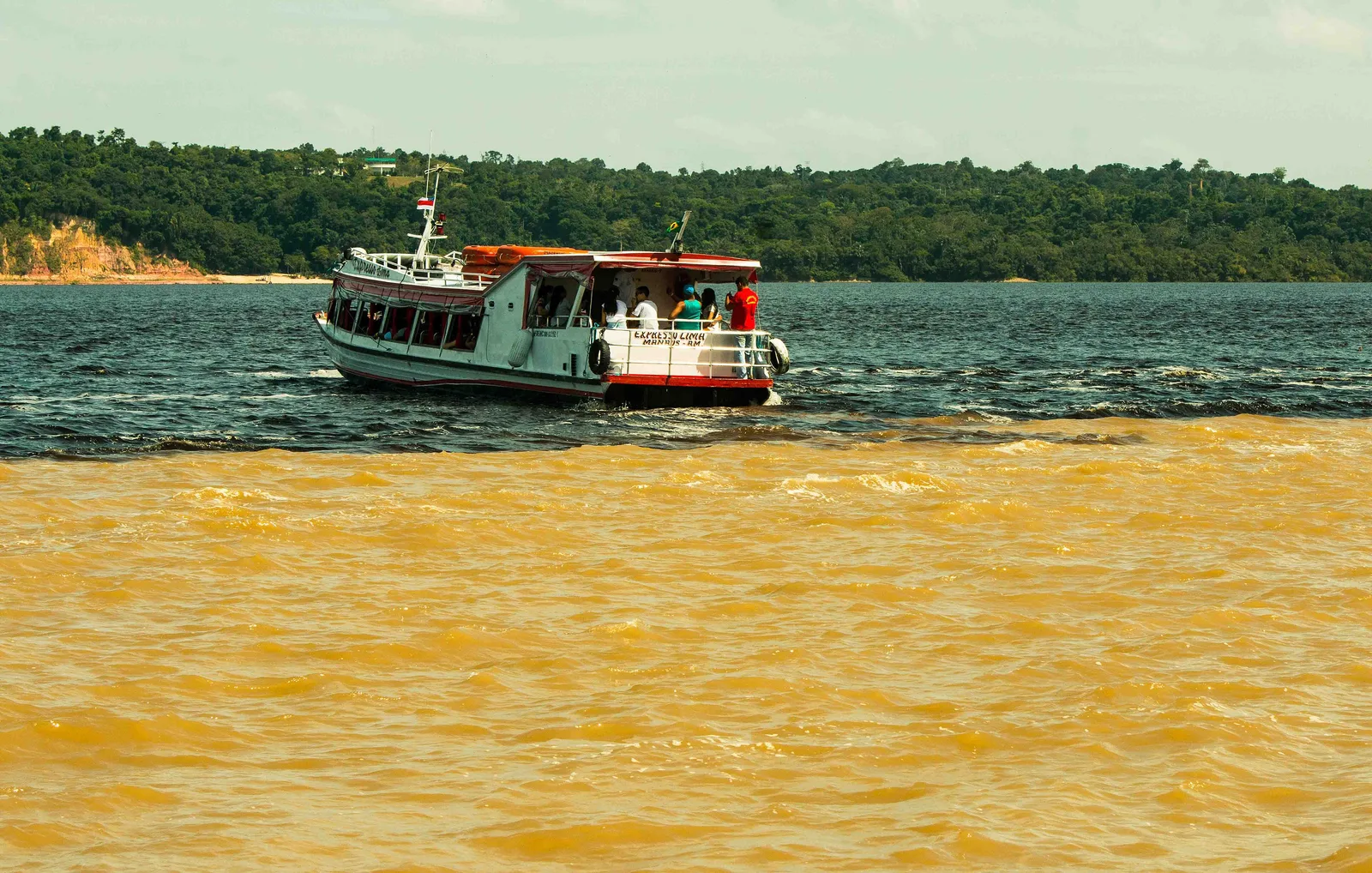
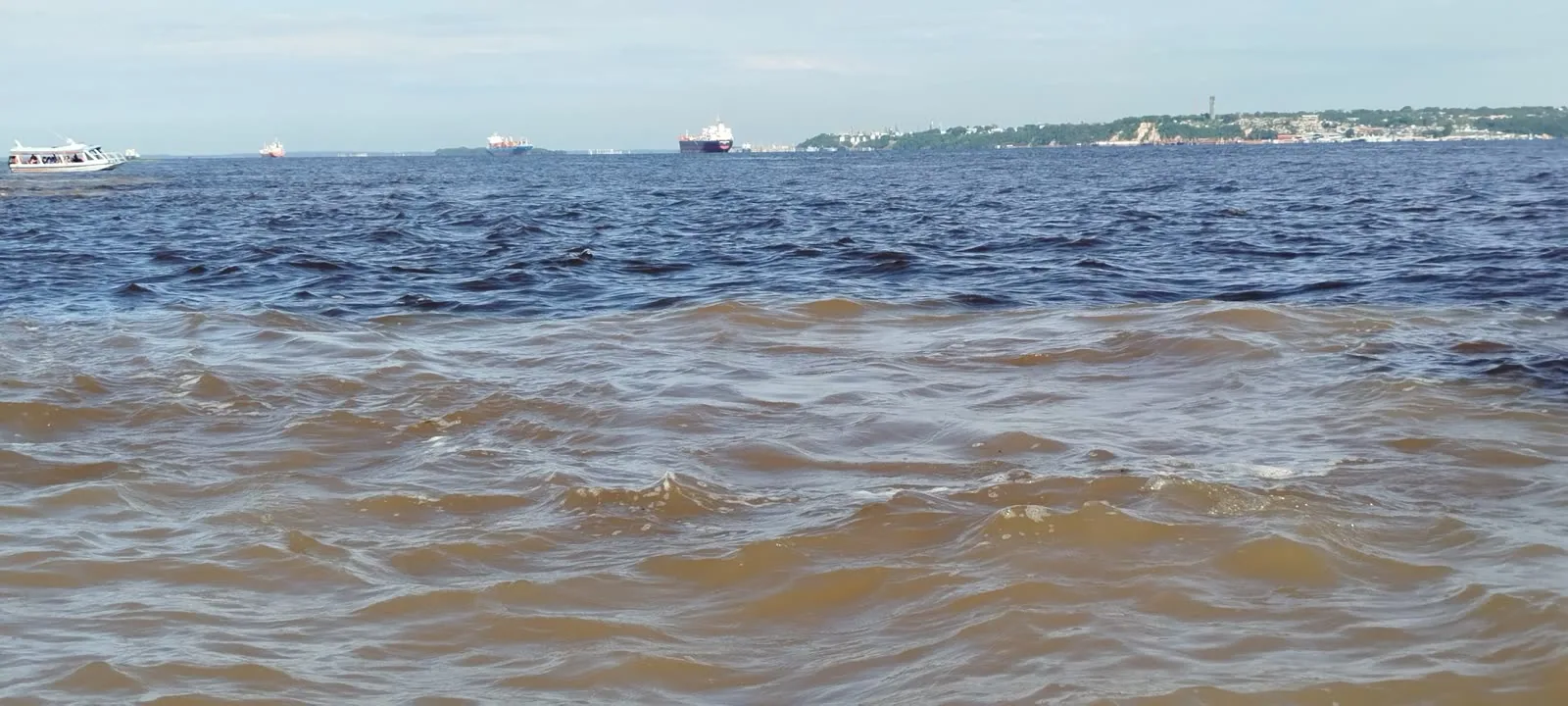
Manaus is the gateway. It has an opera house built with rubber money in the middle of the rainforest, and the Meeting of the Waters just downstream, where the black Rio Negro and the sandy-brown Solimões run side by side for six kilometers without mixing. Belém, at the river's mouth, is the other entry point, and a different kind of city: Amazonian food, the Ver-o-Peso market, and a growing restaurant scene.
Where to go in the North
-
Amazonas · 4–6 nights
The Amazon & Manaus
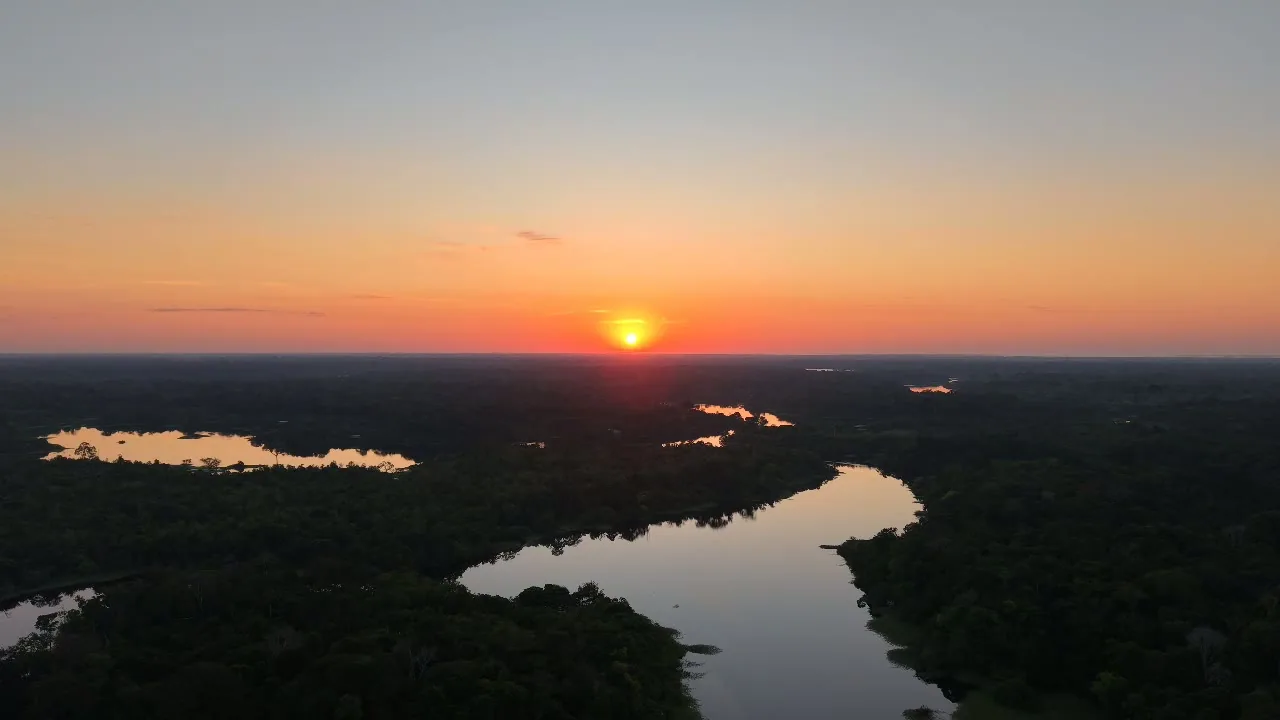
Almost every Amazon trip starts here. Manaus is a strange, compelling city of two million people with no road connection to the rest of Brazil. It has an ornate 1896 opera house built at the height of the rubber boom, and a floating port that rises and falls fourteen meters a year with the river.
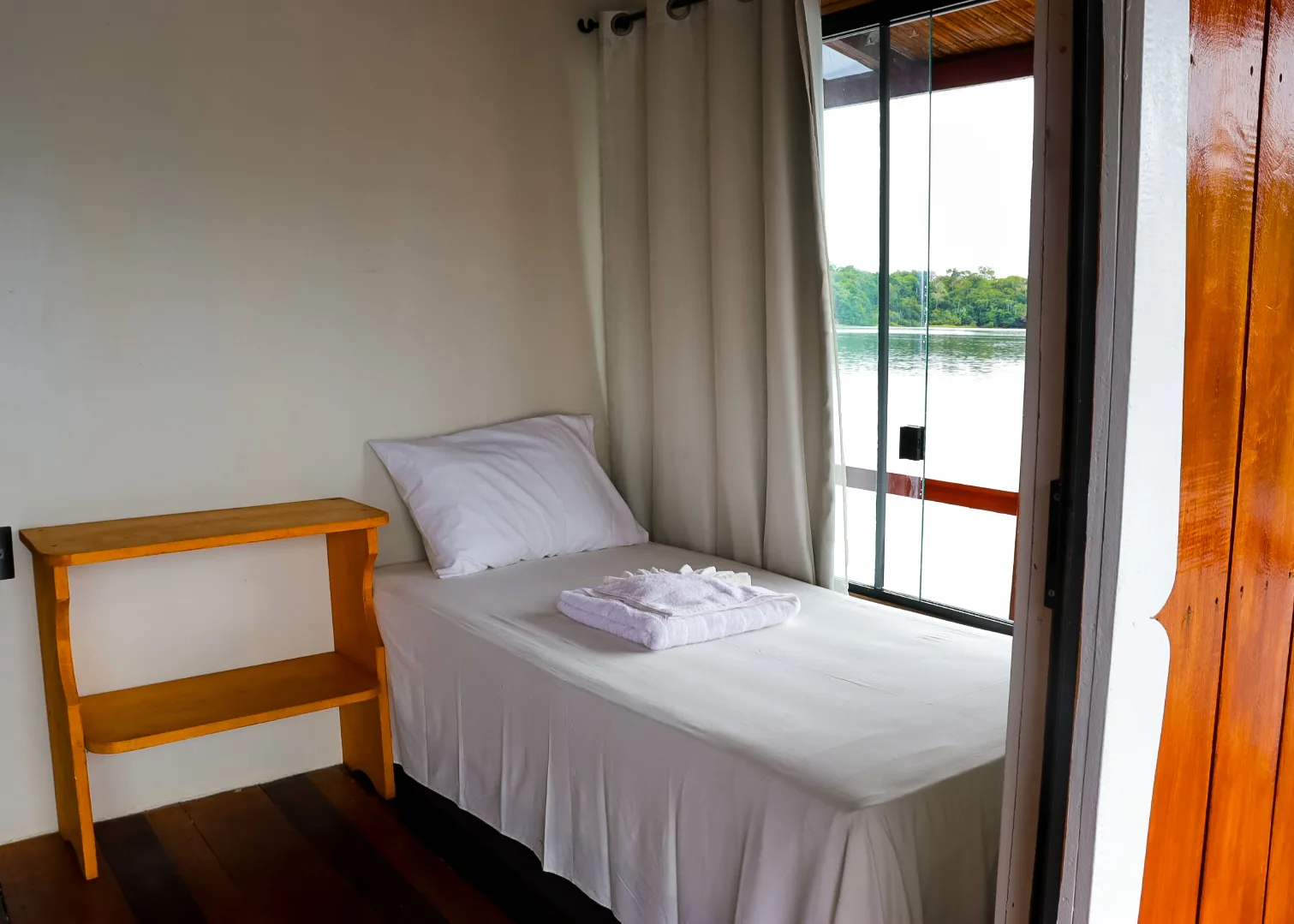
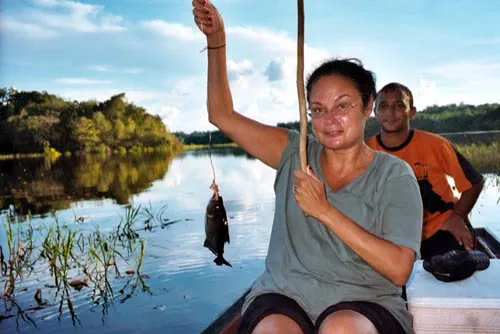
From here you choose your Amazon. Lodges on the Rio Negro, two to four hours out, are the most common and the easiest. They offer canopy towers, night canoe safaris, piranha fishing, pink river dolphins, and visits to riverine communities. Go further, to the Anavilhanas archipelago or the Mamirauá reserve, and both the wildlife and the sense of remoteness increase sharply.
- The Meeting of the Waters, six kilometers of two rivers that never mix
- Teatro Amazonas, an opera house in the middle of the rainforest
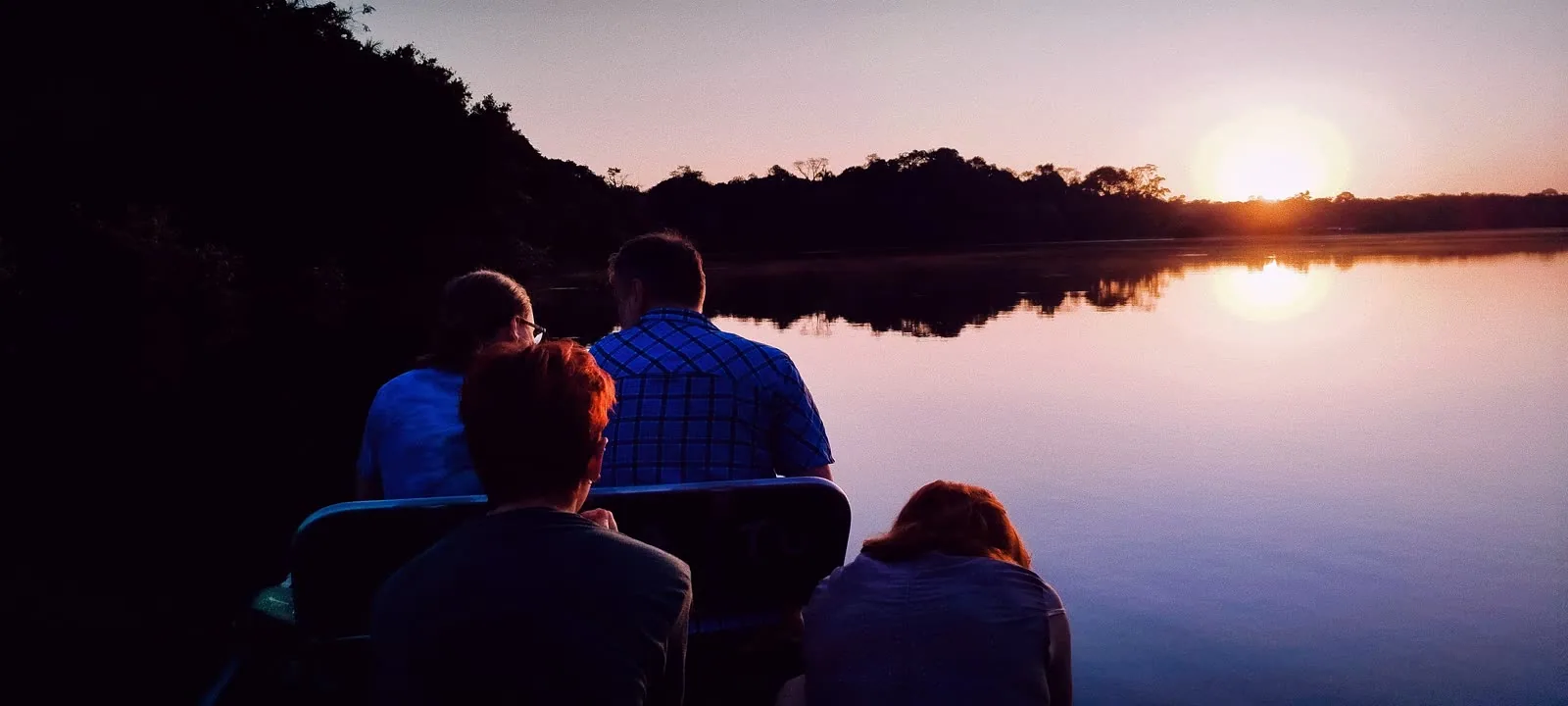
- Night safari by canoe, when the forest wakes up
- Pink and gray river dolphins on the Rio Negro
- Anavilhanas, roughly 400 islands in the black water of the Rio Negro
-
Pará · 4–5 nights
Alter do Chão
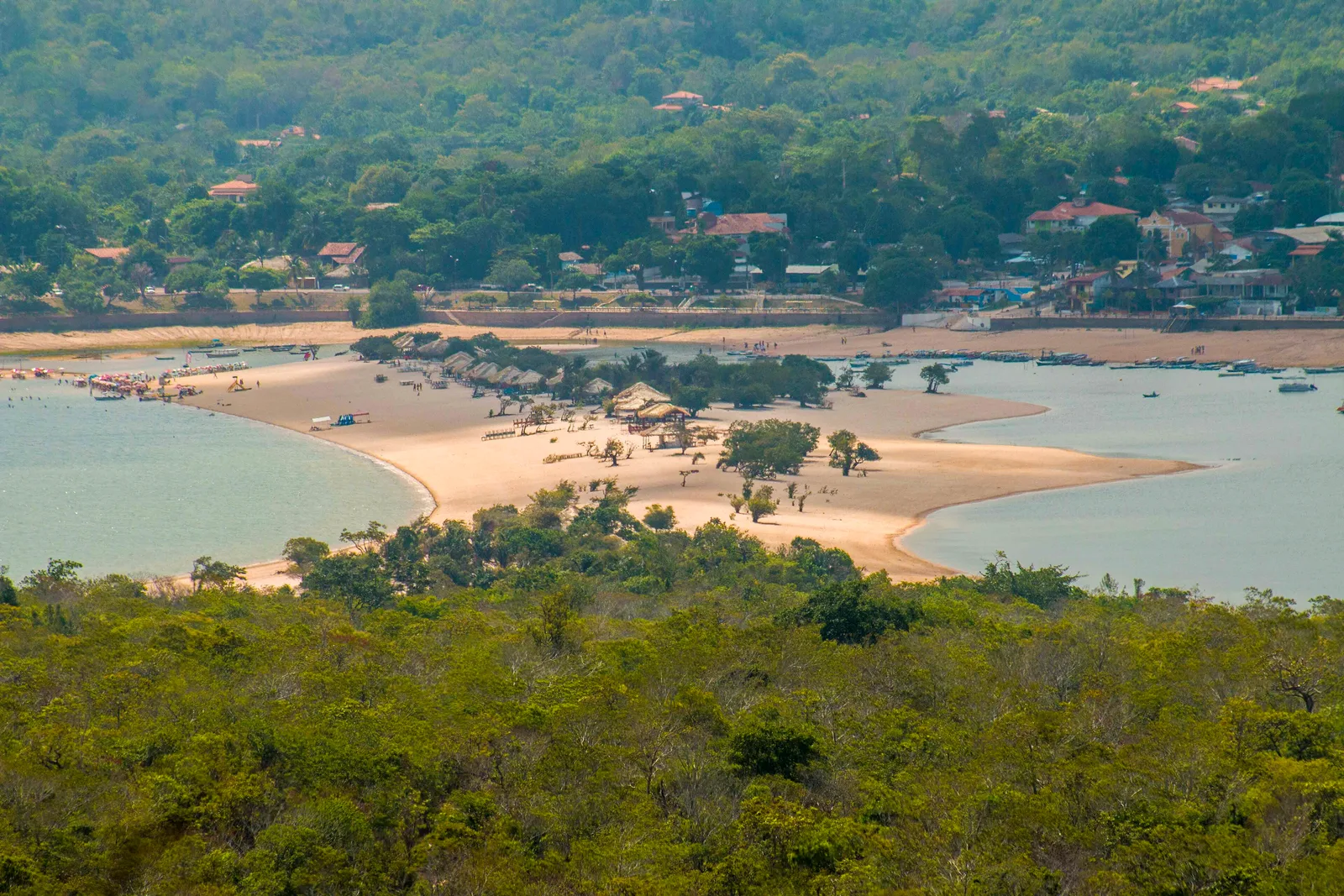
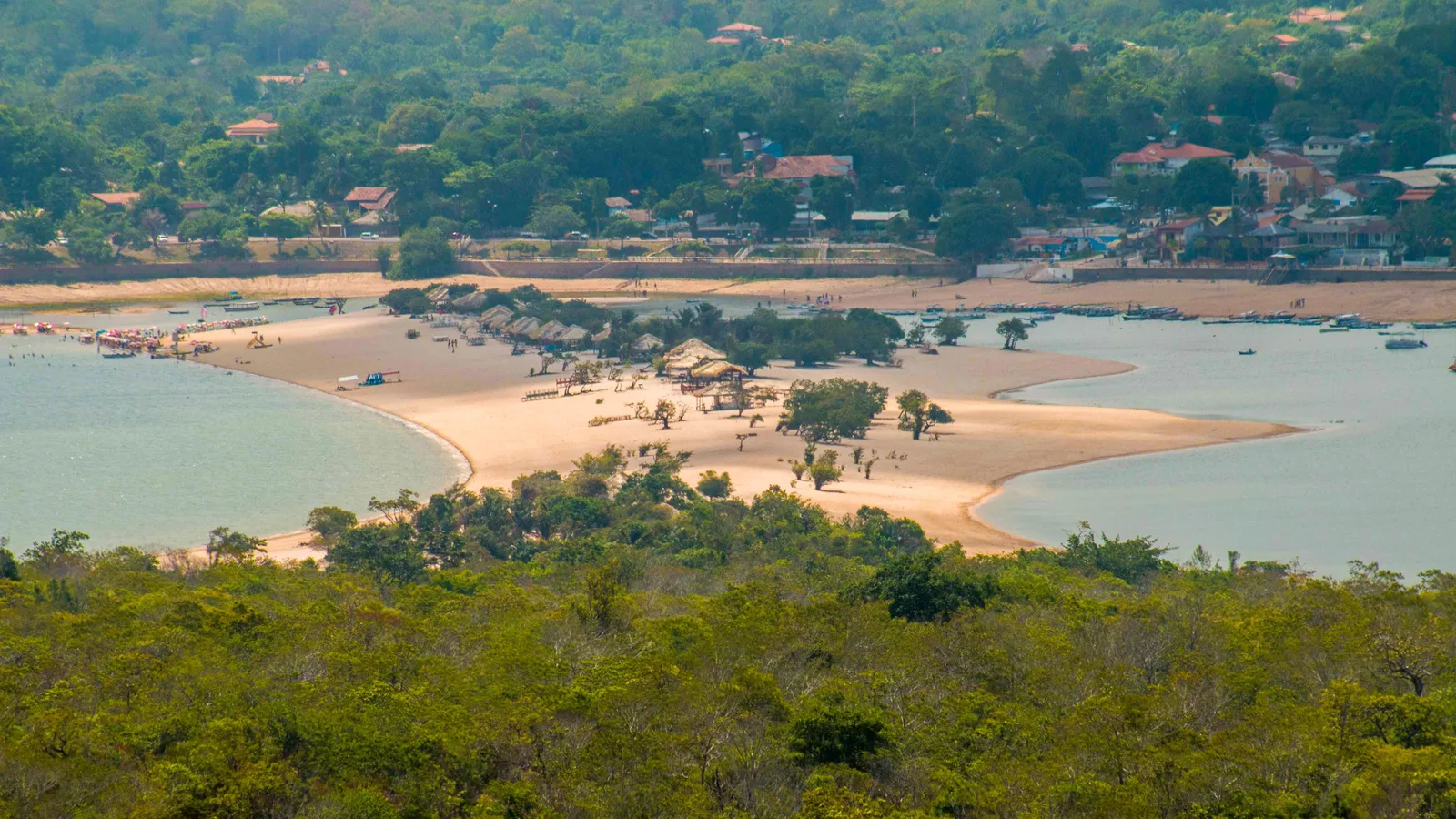
A village on the Tapajós, a clear-water tributary that runs blue where the Amazon runs brown. When the river drops each year it leaves white sand beaches all along its banks, and the Ilha do Amor, the sand spit opposite the village, rises out of the water and disappears under it again a few months later.
That cycle decides the trip: the river peaks in May and bottoms out around November, so April is flooded forest by canoe and October is a beach you walk out onto. Santarém, about 37 km by road, has the airport and the meeting of the Tapajós and the Amazon.
- The Ilha do Amor, a short canoe crossing from the village
- A day in the Floresta Nacional do Tapajós with its communities
- The white beaches of the Rio Arapiuns
- The meeting of the waters at Santarém
-
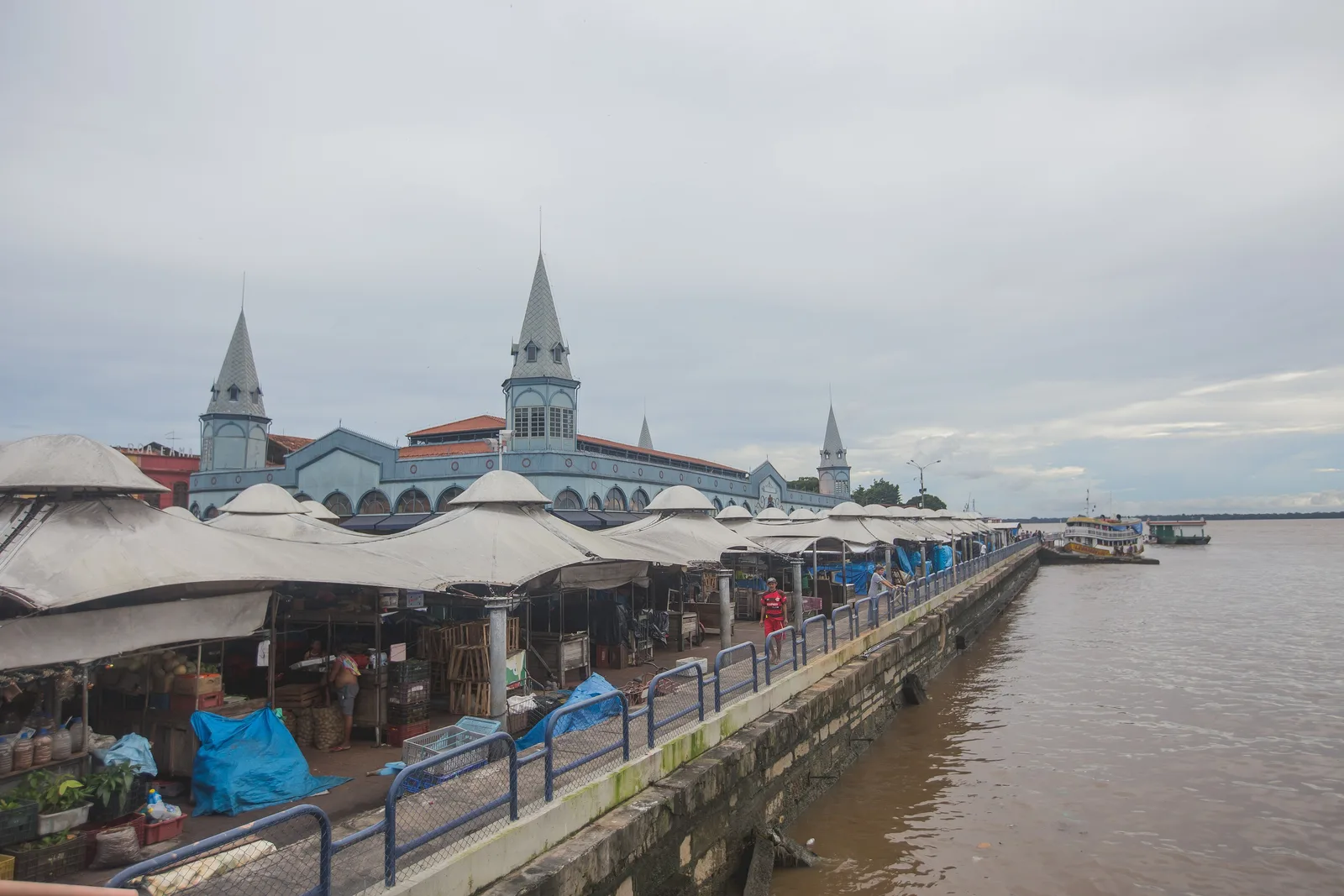
Pará · 2–3 nights
Belém & the river mouth
Belém sits where the Amazon reaches the Atlantic, and it's the best place in Brazil to eat Amazonian food. Try tucupi, jambu, tacacá, and açaí served the way it's eaten here: savory, with fish, not as a smoothie bowl.
The Ver-o-Peso market has run since 1625, when it was a crown weigh-station, and its iron pavilion went up in 1901. Nearby, Marajó island sits at the river mouth. It's roughly the size of Switzerland, has almost as many water buffalo as people, and stays almost entirely off the tourist map.
- Ver-o-Peso market at dawn, when the fishing boats unload
- Estação das Docas and the city's restaurant scene
- Real açaí, which won't taste like what you've had before
- Marajó island, buffalo, and beaches at the mouth of the Amazon
More of the North
When to go to the North
The Amazon has no bad season, only two different trips. High water floods the forest and you travel by canoe among the treetops; low water exposes river beaches and forest trails and pushes wildlife down to the banks. It rains in both - this is a rainforest. September is the one month the whole region is at or near its best; the high-water trip peaks three months earlier in June, and Belém peaks a month later in October for the Círio.
- Best — The one or two peak months
- Good — A real recommendation
- Trade-offs — Workable, with a catch
- Jan
Rain at its heaviest and the river climbing. Green, dramatic and very quiet, but expect to get wet daily.
- Feb
High water begins and the rain is still heavy at 297 mm. Quiet on the river, and green.
- Mar
Deep in the flooded season. Canoes run far into the igapó forest, over ground you could walk in September.
- Apr
The wettest month of the year at Manaus, 331 mm, and the river still climbing hard. Strong for boat-based exploring and for birds.
- May
The river holds high, the rain starts easing, and the forest is at its greenest.
- Jun
The high-water peak: the Negro at Manaus tops out in June in most years and the rain is already down to 117 mm. Flooded forest by canoe, without the rain. The opposite trip to September's, and the Amazon's other star.
- Jul
Dry, warm and bright. Trails open as the water falls. Brazilian holidays fill the lodges, so book ahead.
- Aug
The driest stretch at Manaus, 56 mm. River beaches appear at Alter do Chão and wildlife concentrates along the banks.
- Sep
The peak, and the one month the whole region lines up: low water on the Amazon at 79 mm and six rain days, the Tapajós beaches wide at Alter do Chão, and Belém often at its driest month of the year. Trails open, wildlife on the banks, far fewer mosquitoes.
- Oct
Still low and dry, and the Rio Negro beaches are at their widest. Belém's own peak: the Círio de Nazaré fills the city.
- Nov
Low water ending. The rain returns in the second half of the month.
- Dec
The wet season sets in and the river starts climbing. Hot, humid and heavily green.
Dates worth planning around
-
Festival de Parintins
Last weekend of June
A stadium-scale folk opera on an island in the middle of the Amazon, staged by two rival groups. One of the strangest and best things in Brazil.
-
Círio de Nazaré
Second Sunday of October
Two million people process through Belém - one of the largest religious gatherings on earth.
-
Meeting of the Waters
Year-round
The black Rio Negro and the sandy Solimões run side by side for kilometers below Manaus without mixing. Nothing published ranks the sharpness of the line by month, so go on whichever day you are there.
Getting around the North
There are almost no roads in the North. You fly in, and after that you travel by boat and small aircraft - which is the point of the region, not an inconvenience to work around.
Where to fly into
-
Manaus (MAO)
The gateway to the Amazonas lodges, usually connecting through São Paulo, Brasília or Rio.
-
Belém (BEL)
The river mouth, and the way into Pará and Ilha do Marajó.
-
Santarém (STM)
The airport for Alter do Chão and the Tapajós beaches.
Between the places on this list
- 1-4h
Manaus to Jungle lodge
Every lodge runs its own transfer, usually a speedboat down the Rio Negro. How far out you go is roughly how much wildlife you will see.
- 1h15
Manaus to Santarém
Or three to four days downstream on a riverboat, if you have the time and want the experience more than the destination.
- 45min
Santarém to Alter do Chão
A short paved run. Taxis and vans go constantly.
- 3h
Belém to Ilha do Marajó
Vehicle ferry from Icoaraci, a couple of times a day. Check the schedule the night before.
- 4-5 days
Manaus to Belém
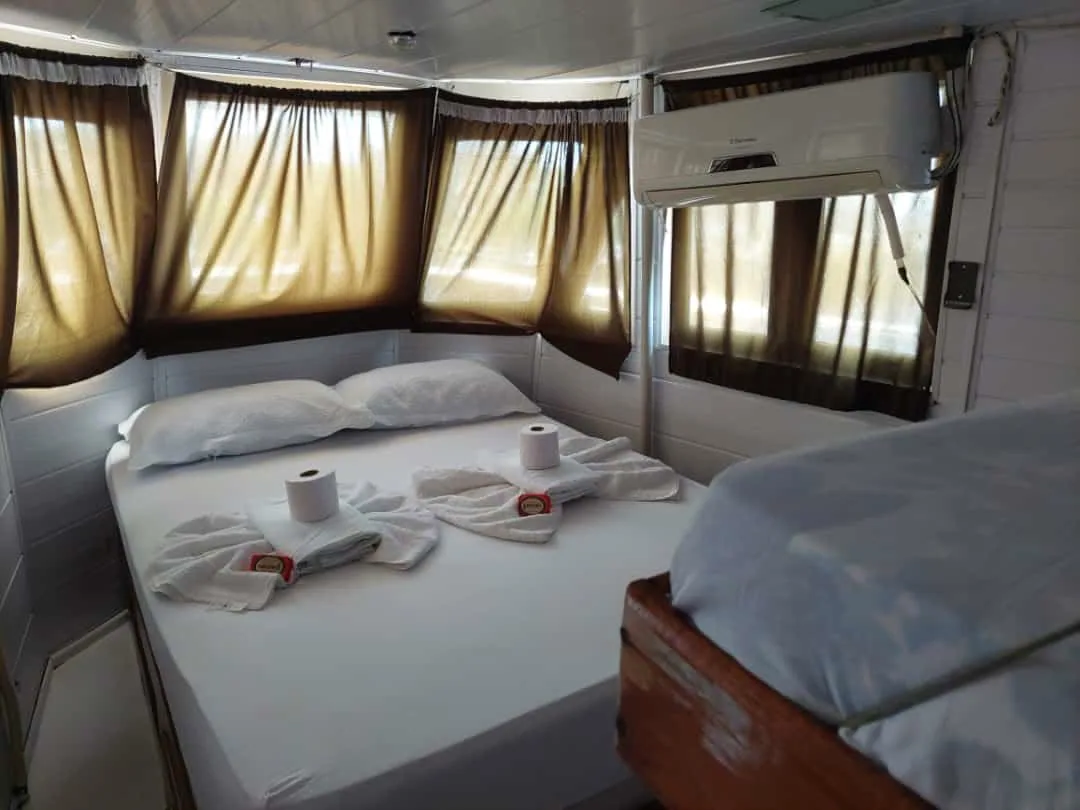
The classic slow passage downriver in a hammock. Pay for a cabin if you want to sleep.
Once you are there
-
Manaus
The center is compact - the Teatro Amazonas, the Mercado Adolpho Lisboa and the floating port are all walkable. Use ride apps for anything beyond that.
-
On the river
Hammock space on a public riverboat is cheap and sociable. A cabin costs several times more and is worth it on anything over two nights.
Should you rent a car?
No. There is nowhere useful to drive.
The BR-319 between Manaus and Porto Velho is impassable for much of the year and is not a tourist route under any circumstances. Budget instead for internal flights and boat transfers - those are the real cost of the North, and they are what makes the distances work at all.
The Amazon rewards being specific. Tell us whether you want comfort, dense wildlife, or real remoteness, and the right version of this trip usually becomes obvious in one conversation.
Get trip advice Free · 29 pages
Free guide
Beginner's Guide to Brazil
A free 29-page guide to everything a first-time visitor should know before landing: visas, safety, money, getting around, where to go, and what to eat.
We'll email you a link to confirm your address. Click it and the guide opens right away.
I am offering free consultation calls for anyone that’s interested in traveling to Brazil. Learn directly from someone that has traveled throughout Brazil. Even if you have no ideas for your trip, let’s talk about it!
Get trip advice