
Skip to content
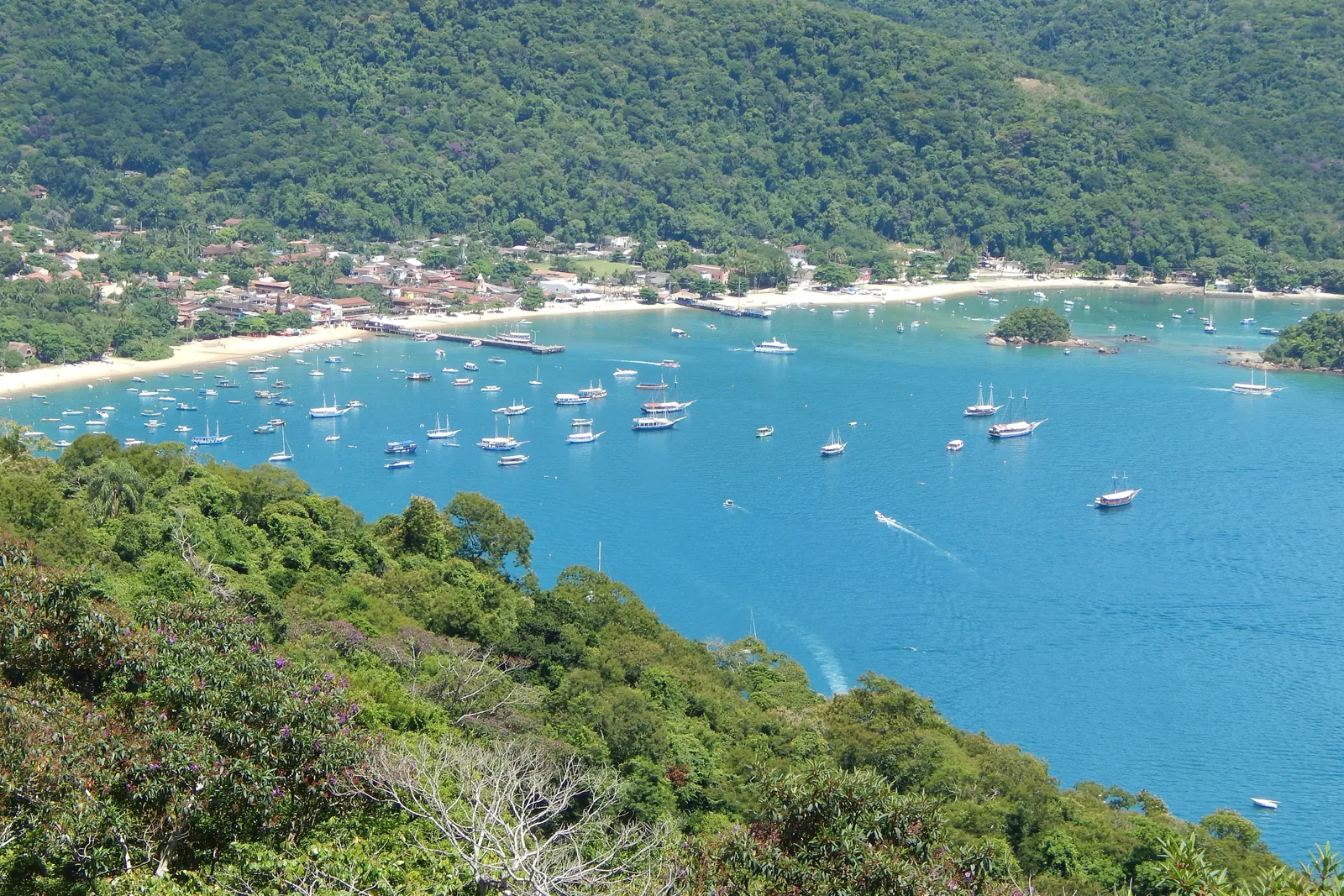
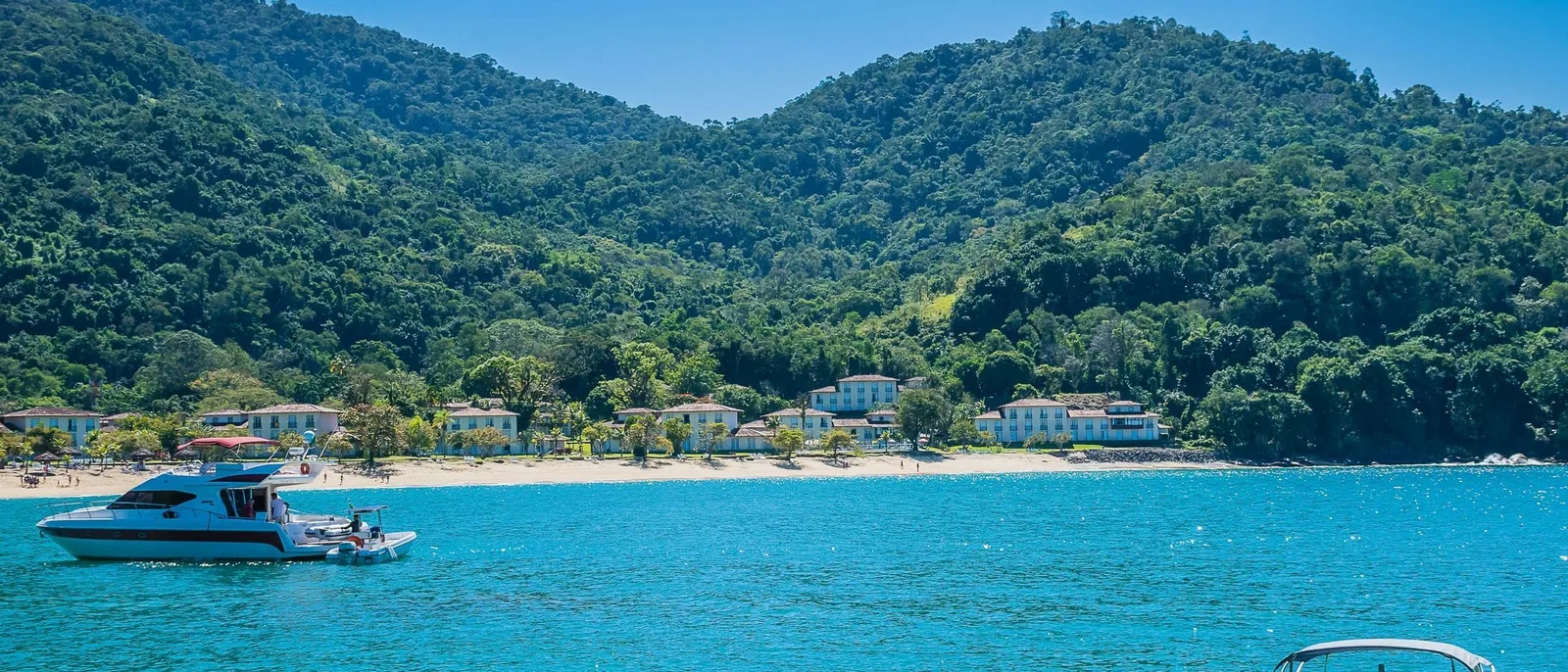
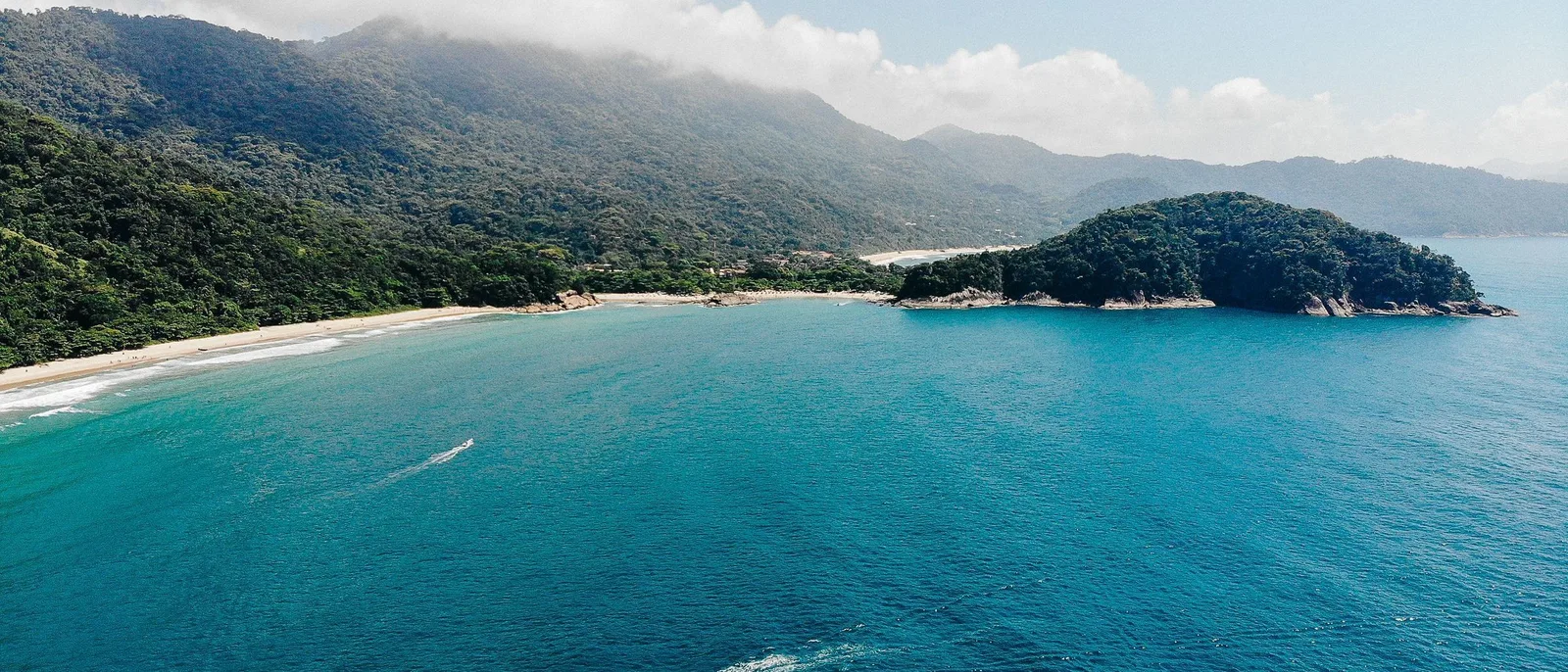
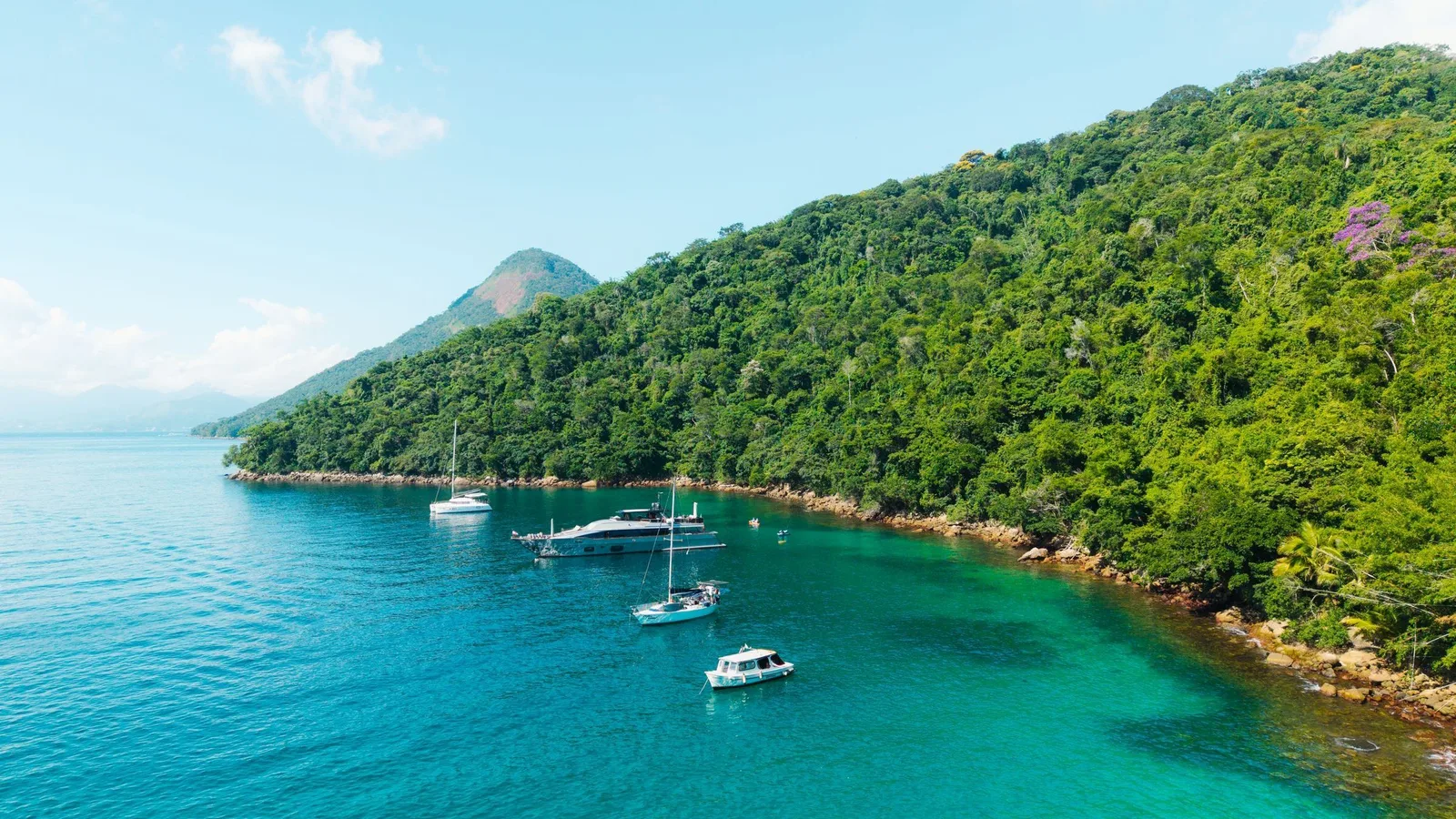
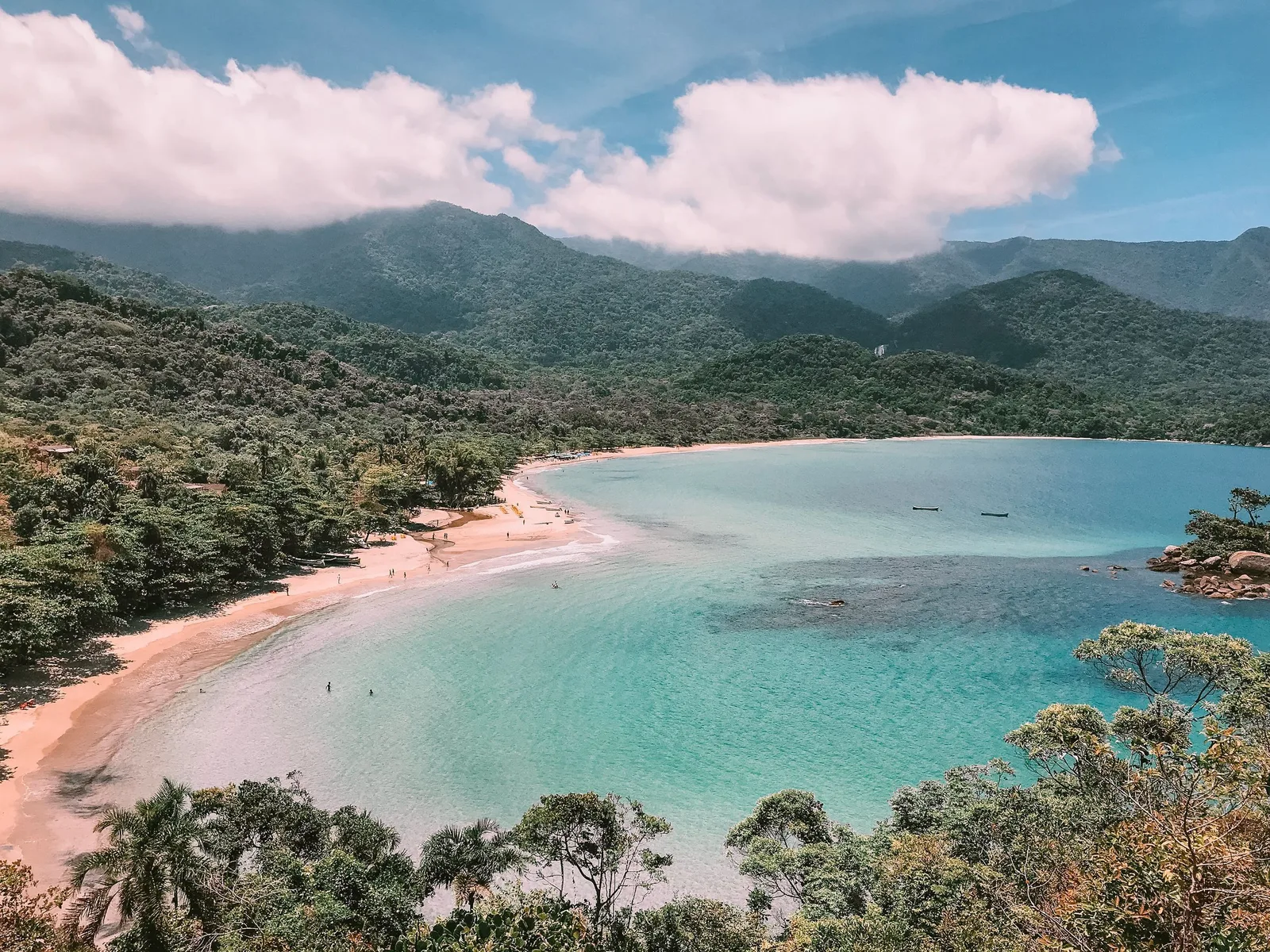
Ilha Grande from the air: boats at anchor on clear turquoise water below a steep forested shoreline

Rio de Janeiro State

Ilha Grande

No cars, no roads. Trails, boats and a hundred beaches.

Last checked September 2026

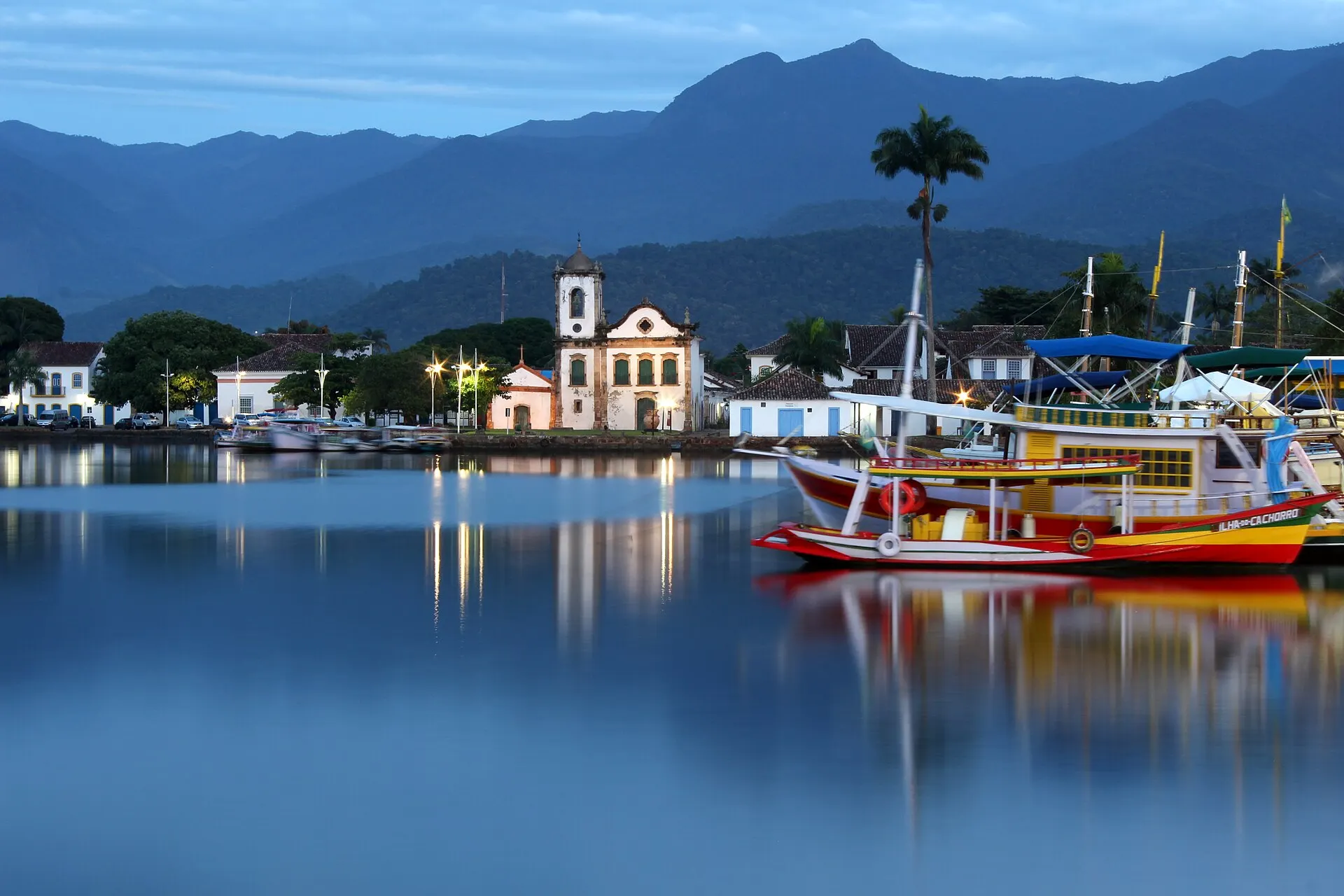
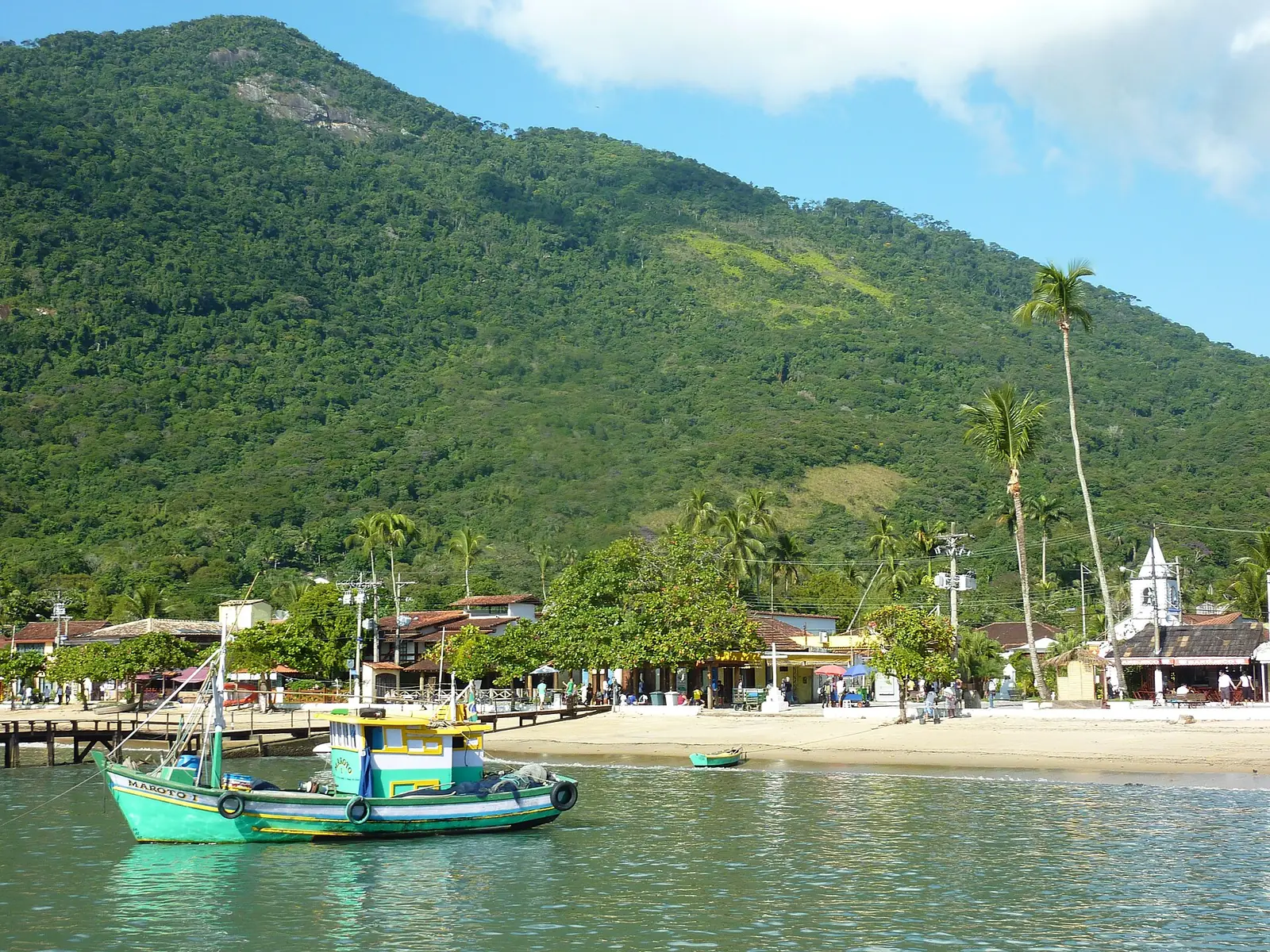
  • Vila do Abraão from the water: fishing boats moored off the beach, the white church and palms, forested peaks behind
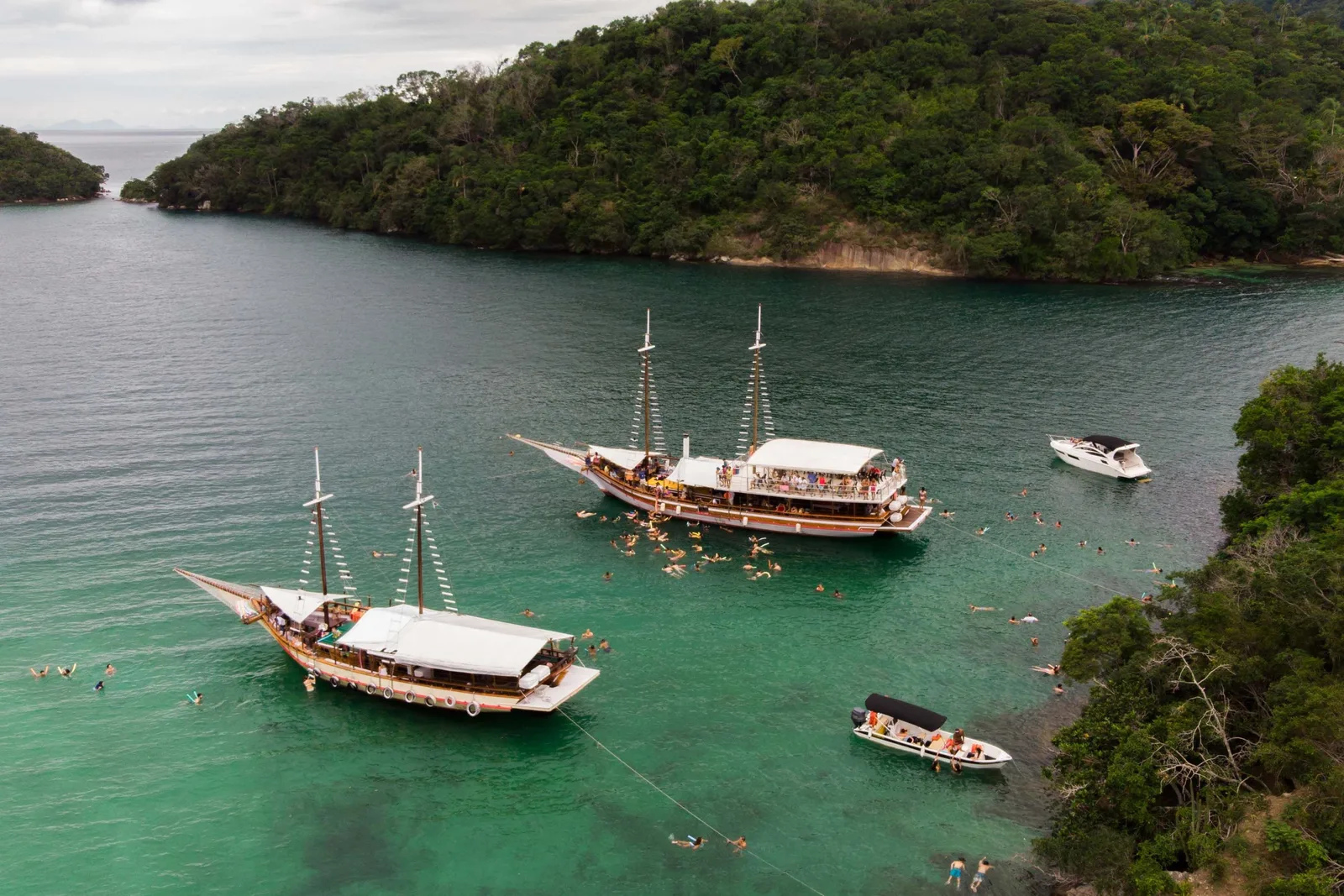
  • Schooners anchored in the green water of Lagoa Azul between forested islets
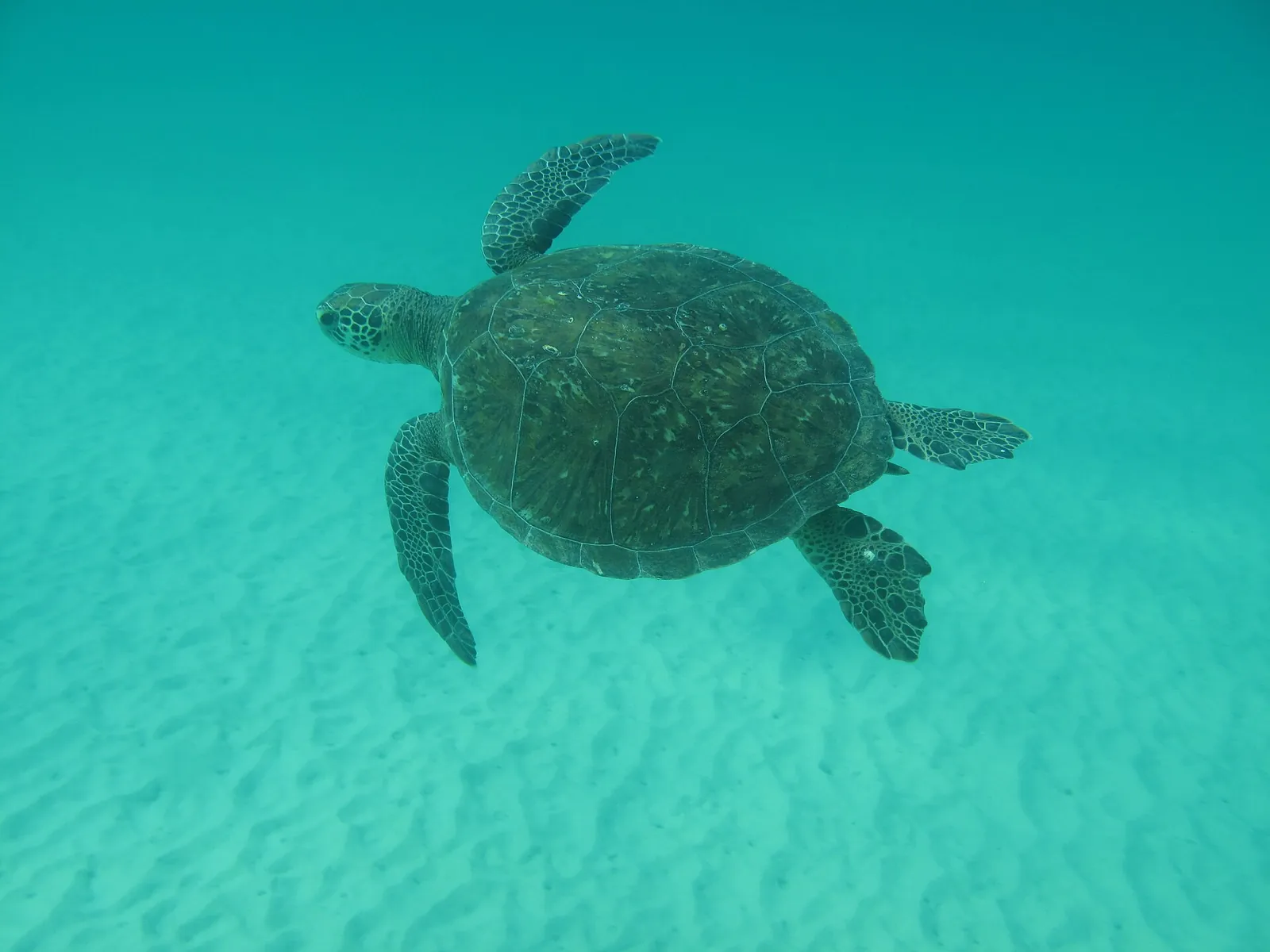
  • A green sea turtle swimming over sand in clear turquoise water
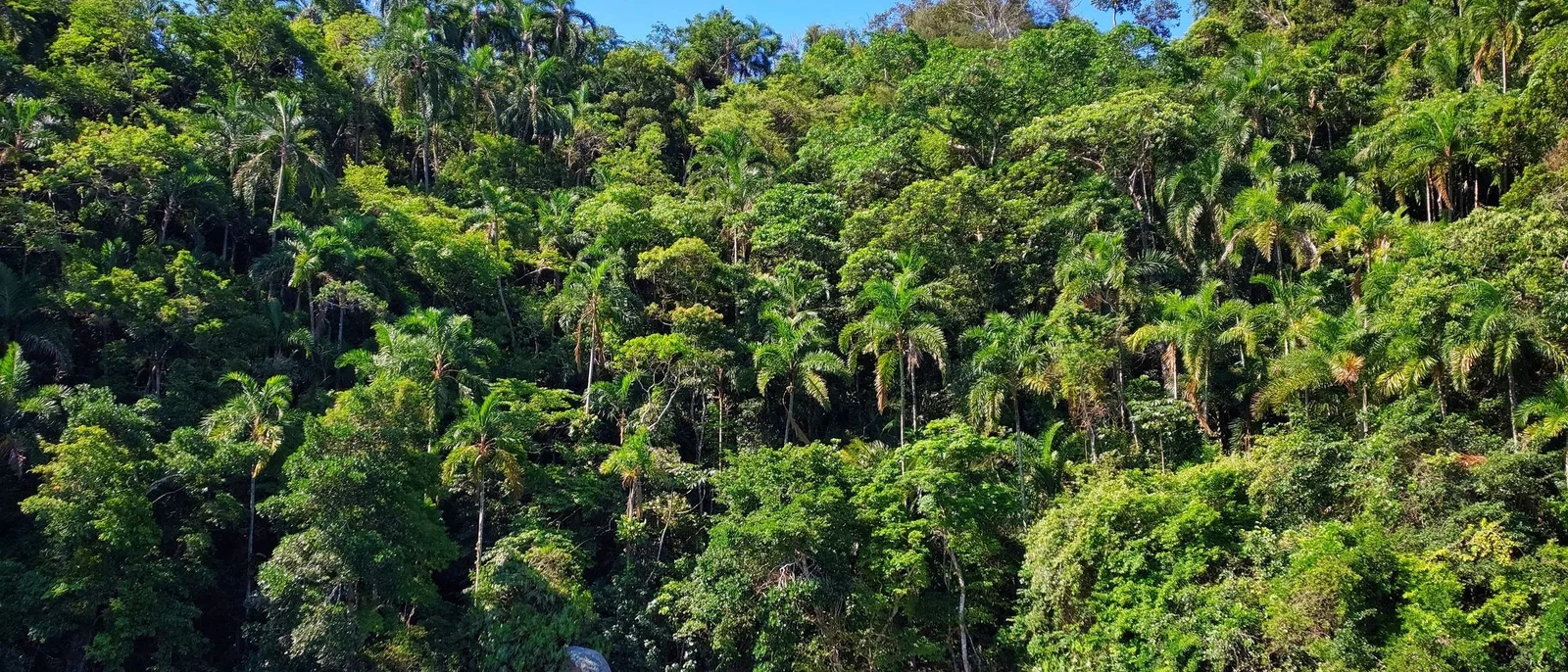
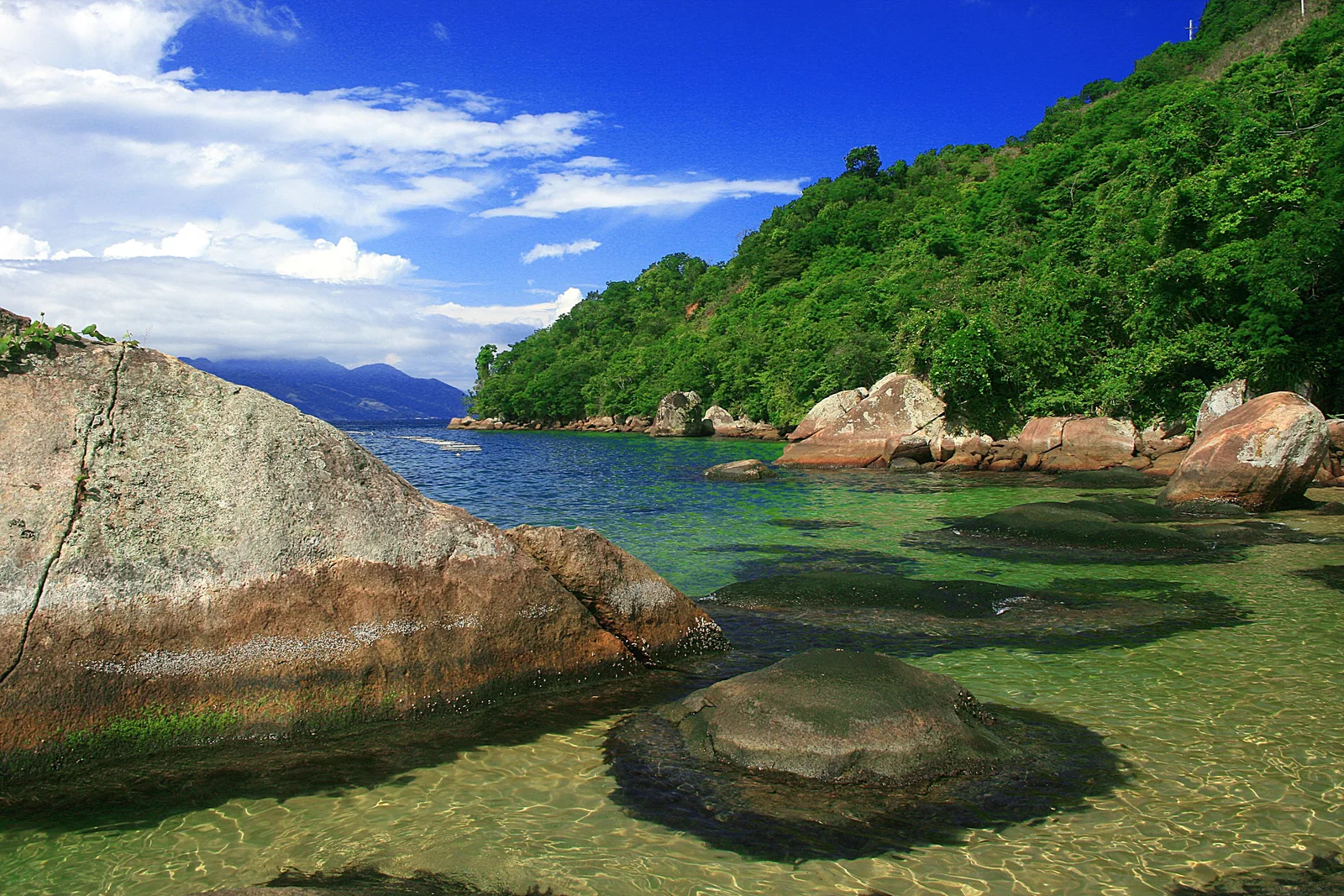
  • Clear green water over rocks at Praia da Feiticeira, a forested hillside running down to the sea
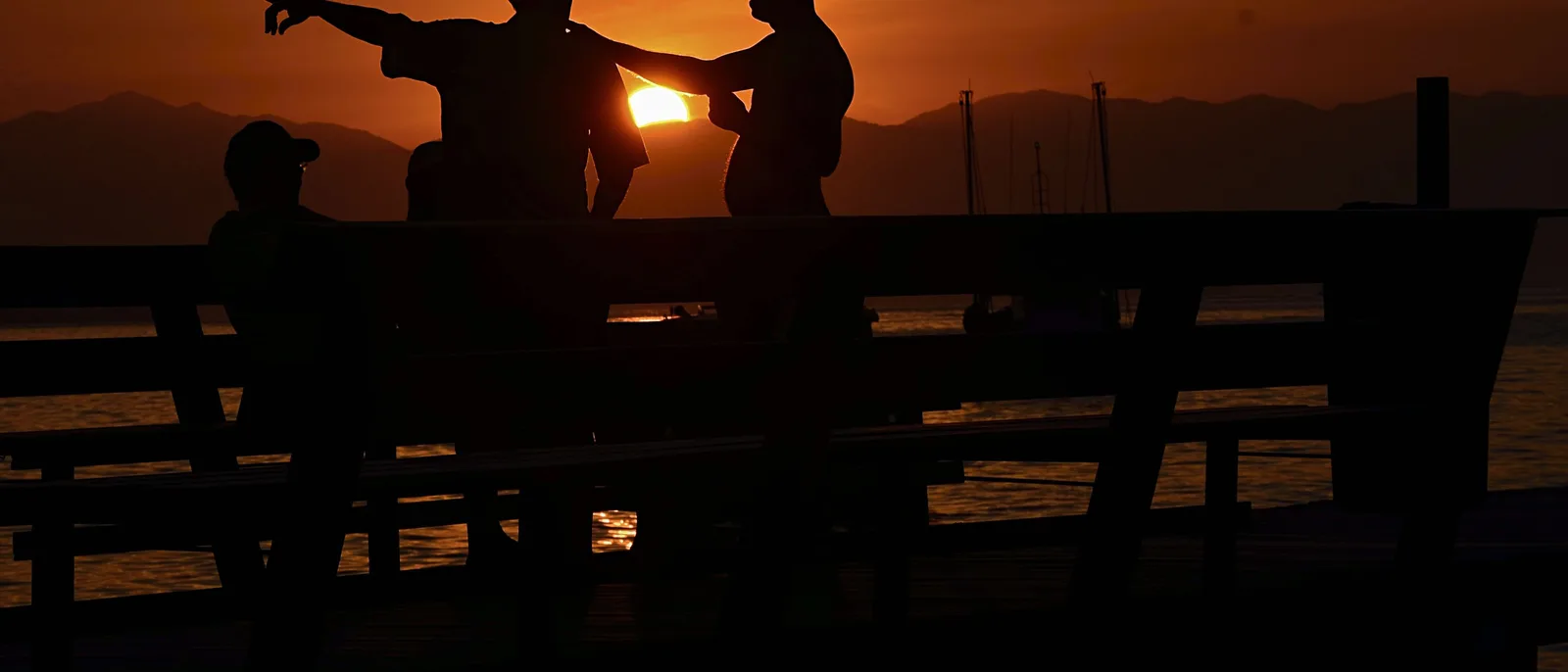
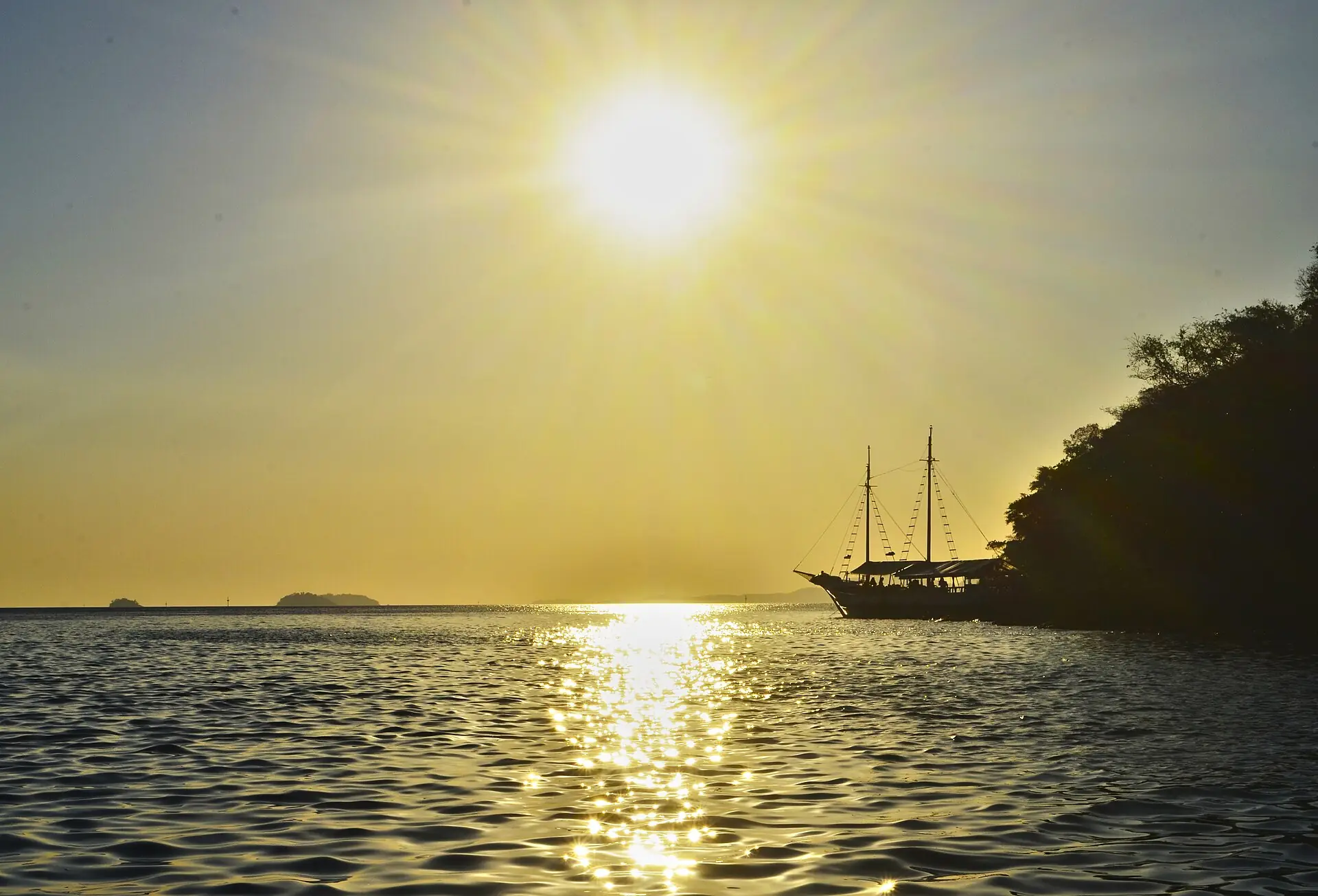
  • The sun low over the bay, a schooner silhouetted against the glare off the water
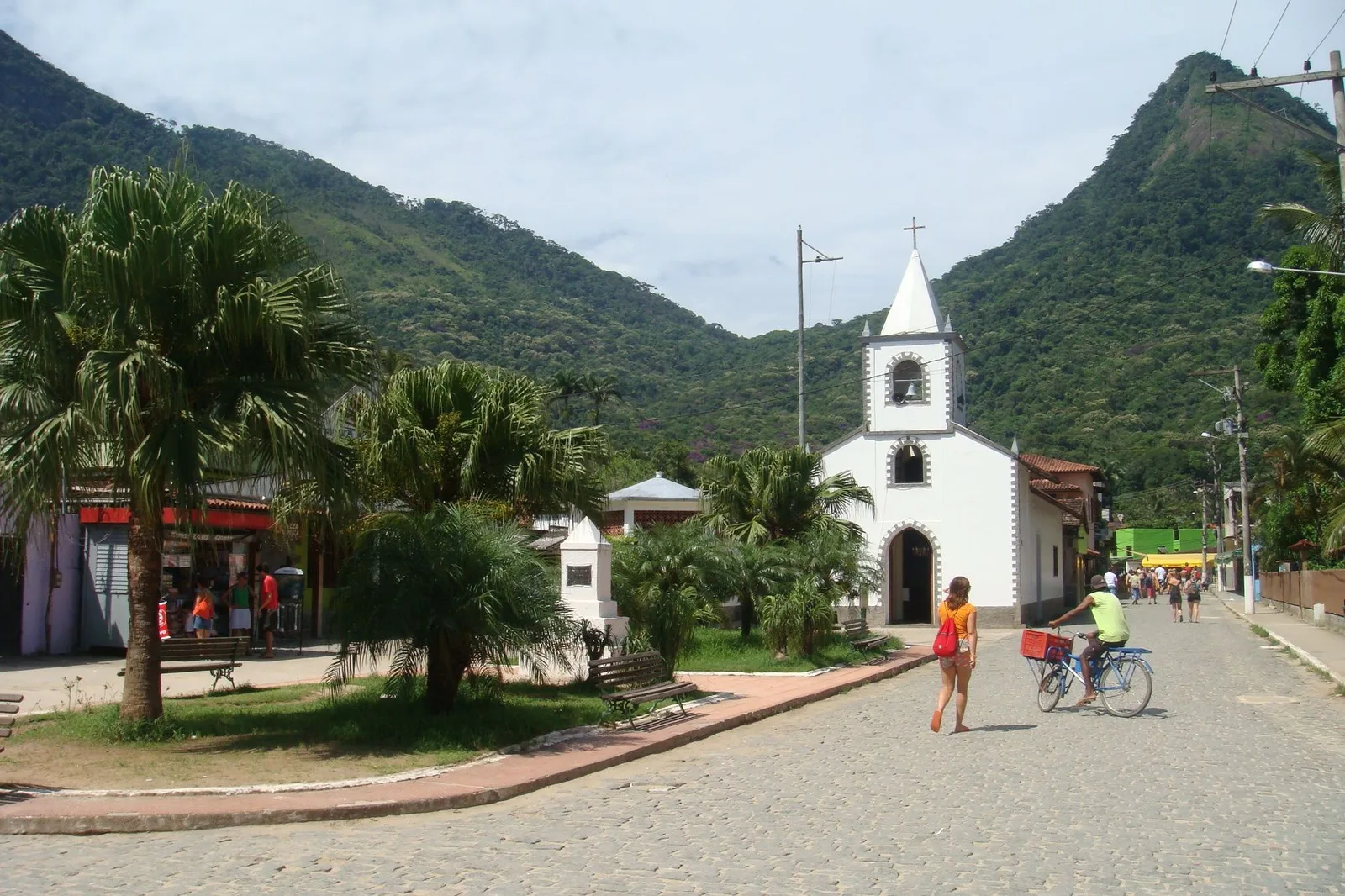
  • The white church with its pointed steeple on the main square of Vila do Abraão, palms and a paved street in front and forested peaks behind
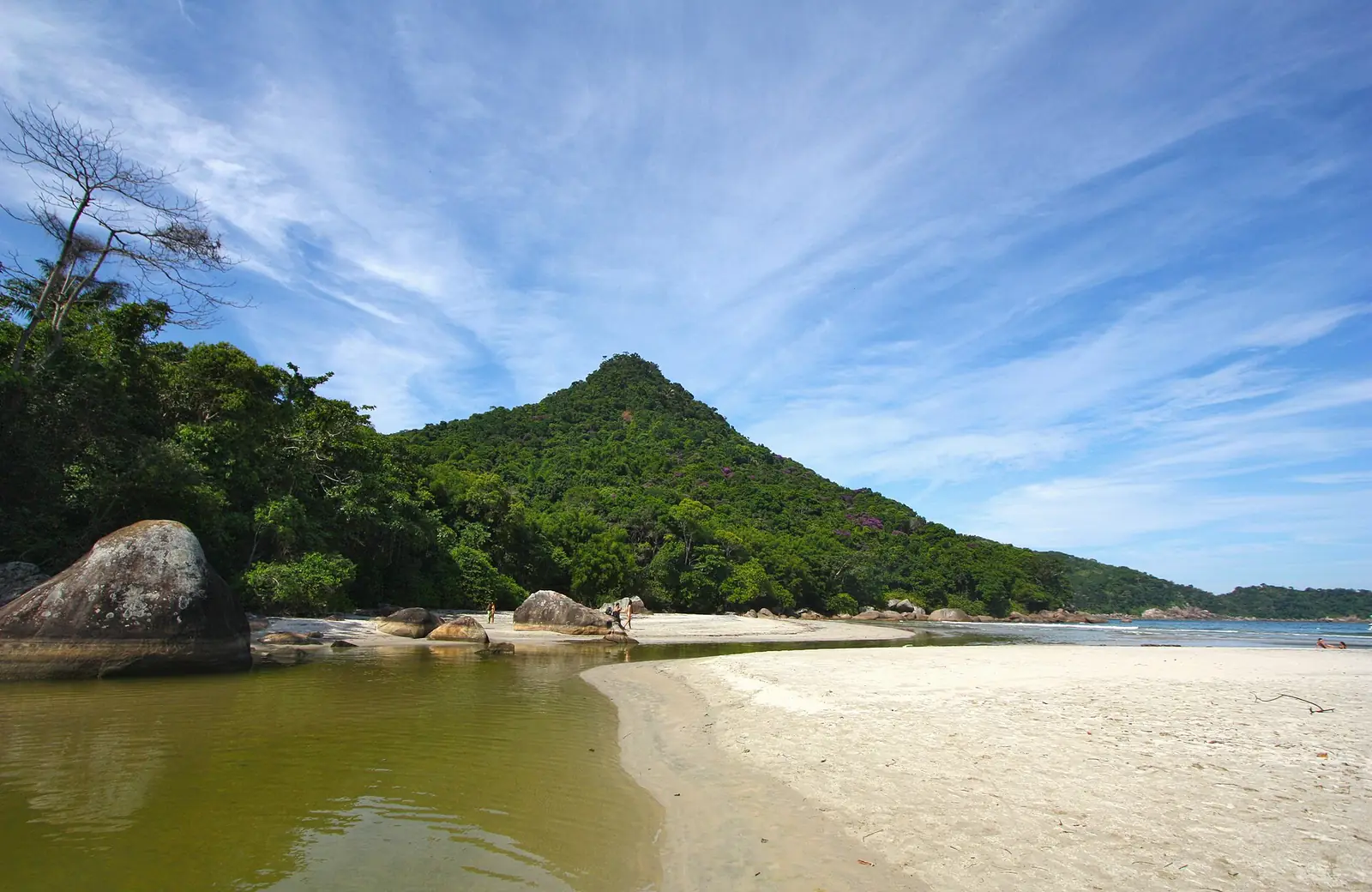
  • The beach at Dois Rios, a river running into the sea at the foot of a forested peak
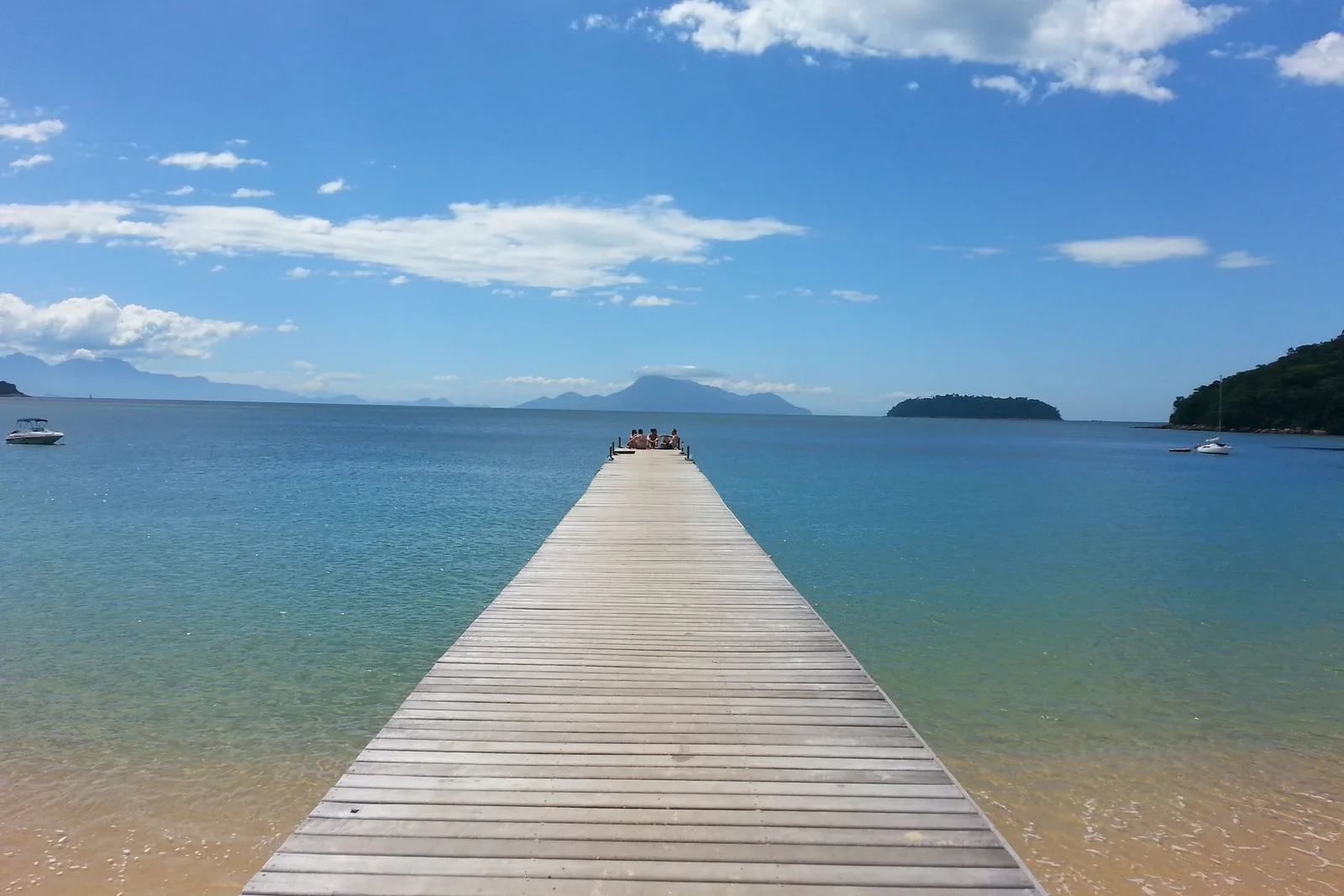
  • A long wooden pier running out over calm turquoise water at Praia de Palmas
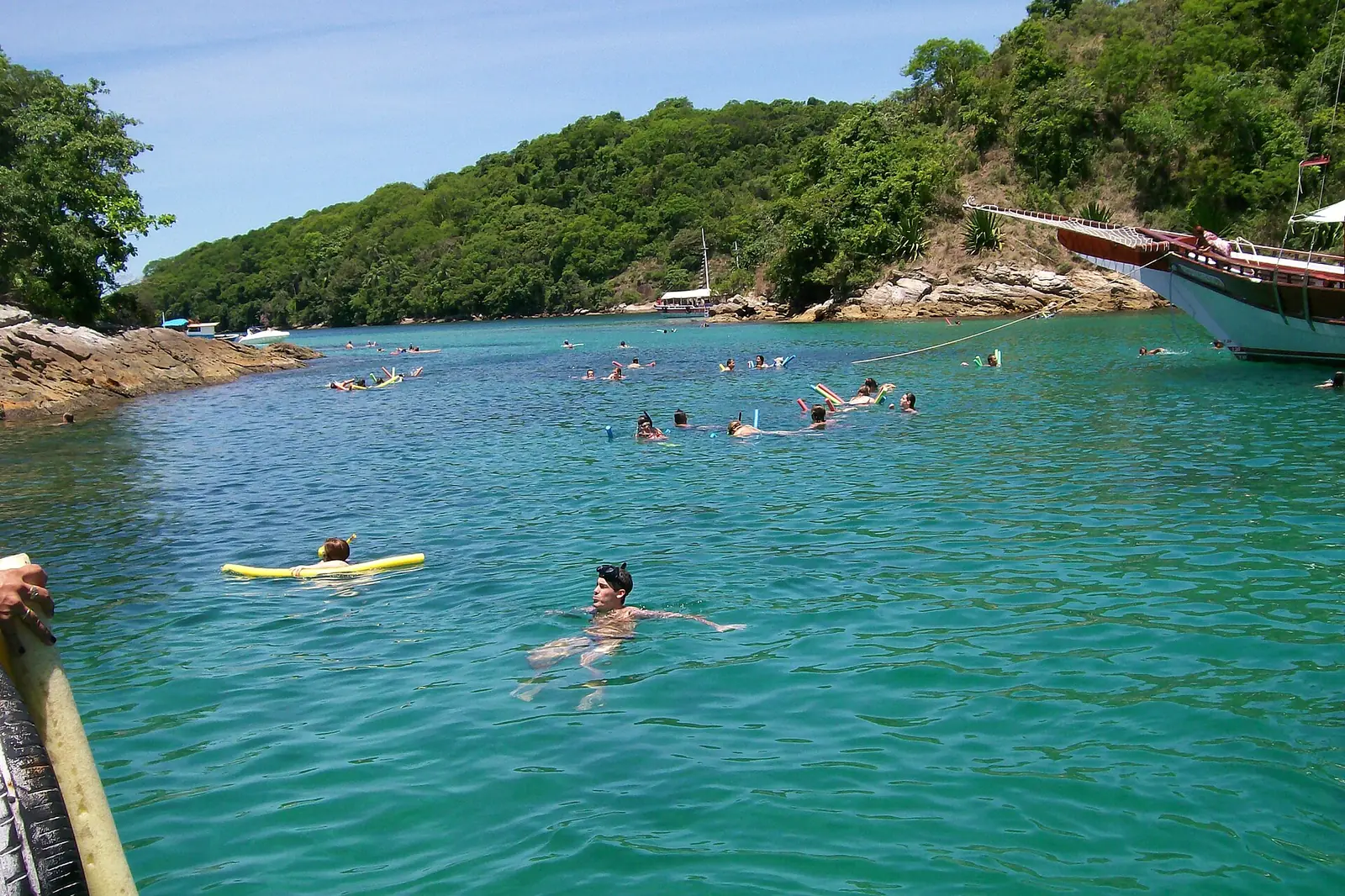
  • Swimmers and snorkelers in the turquoise water of Lagoa Azul, a boat moored by the rocks
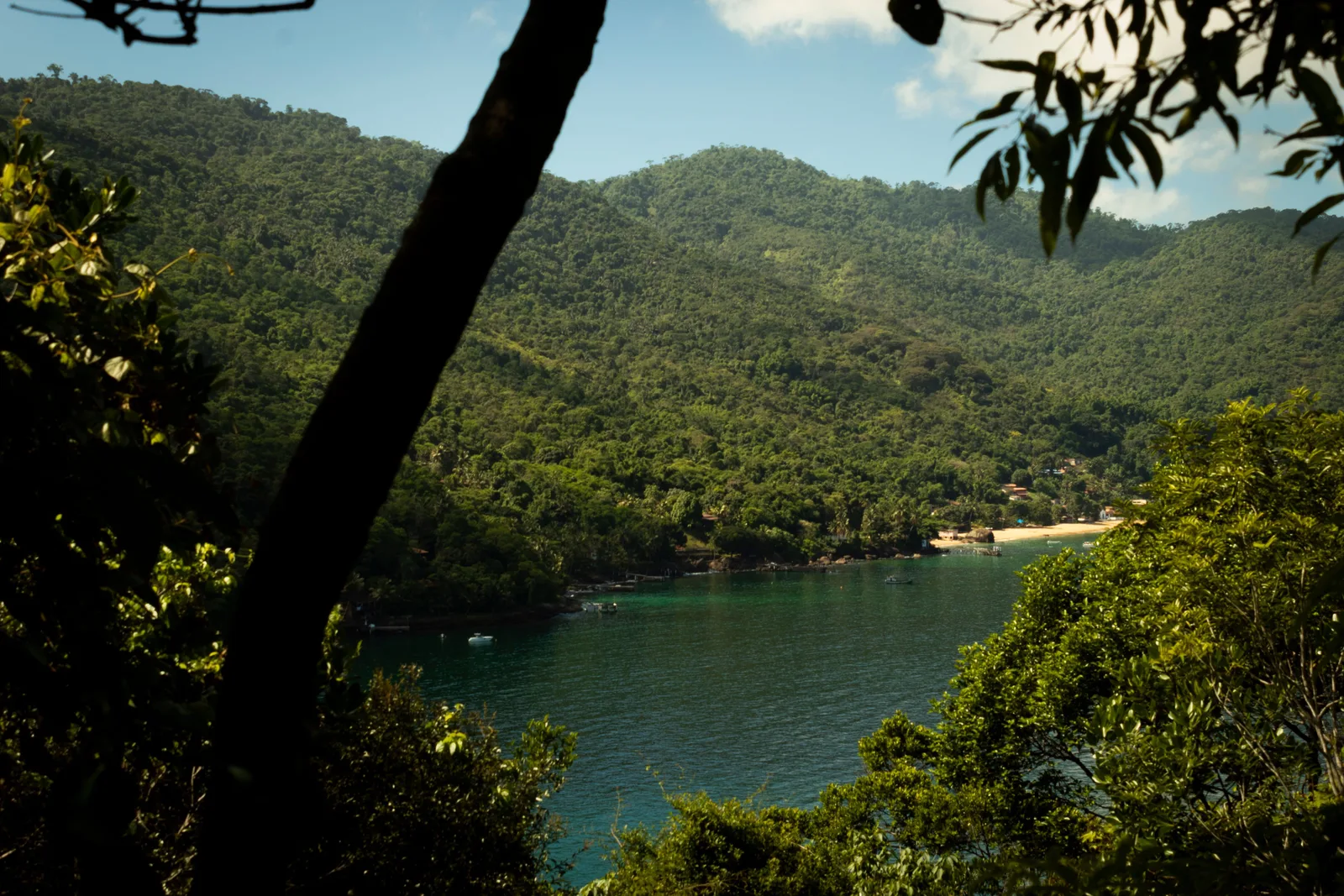
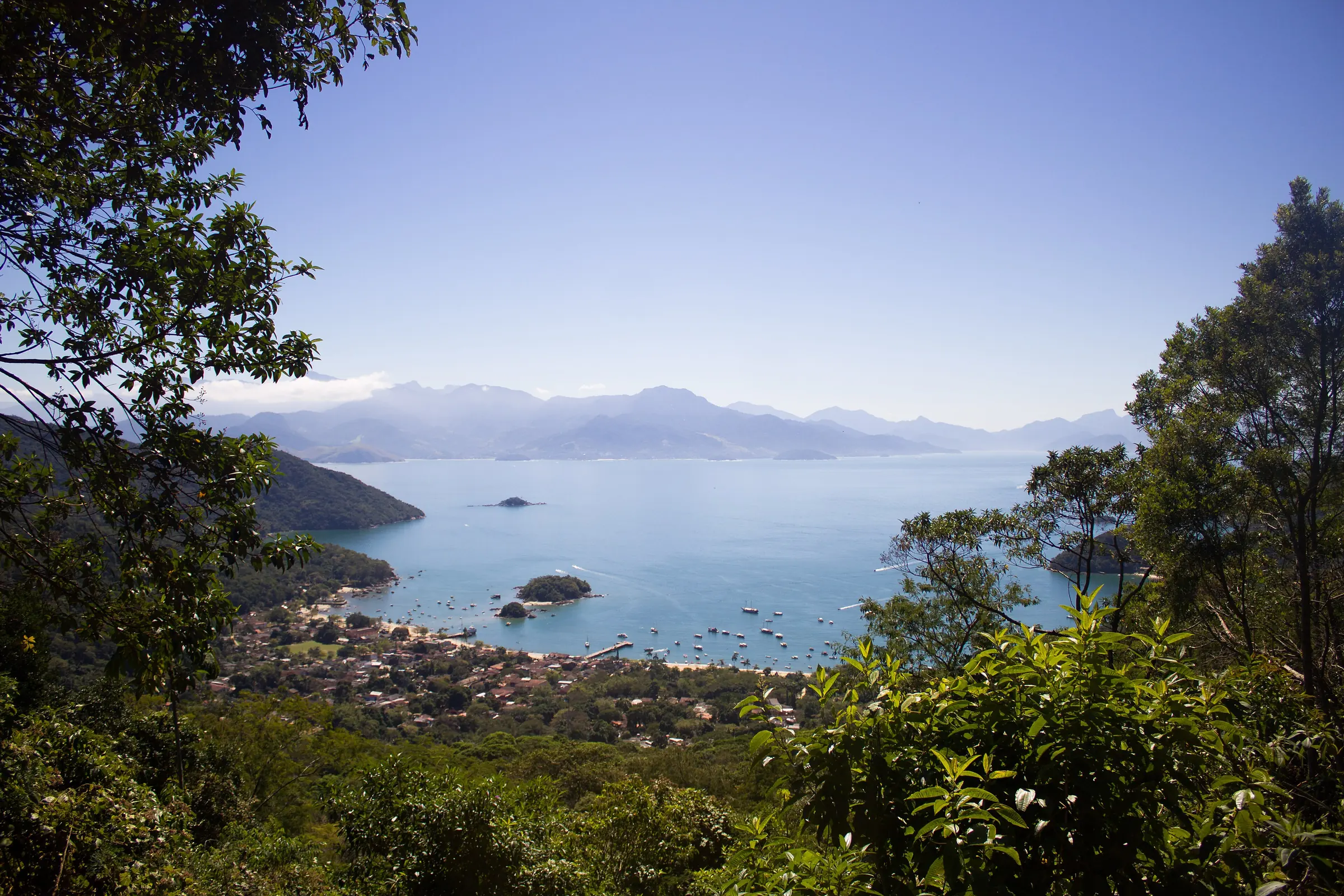
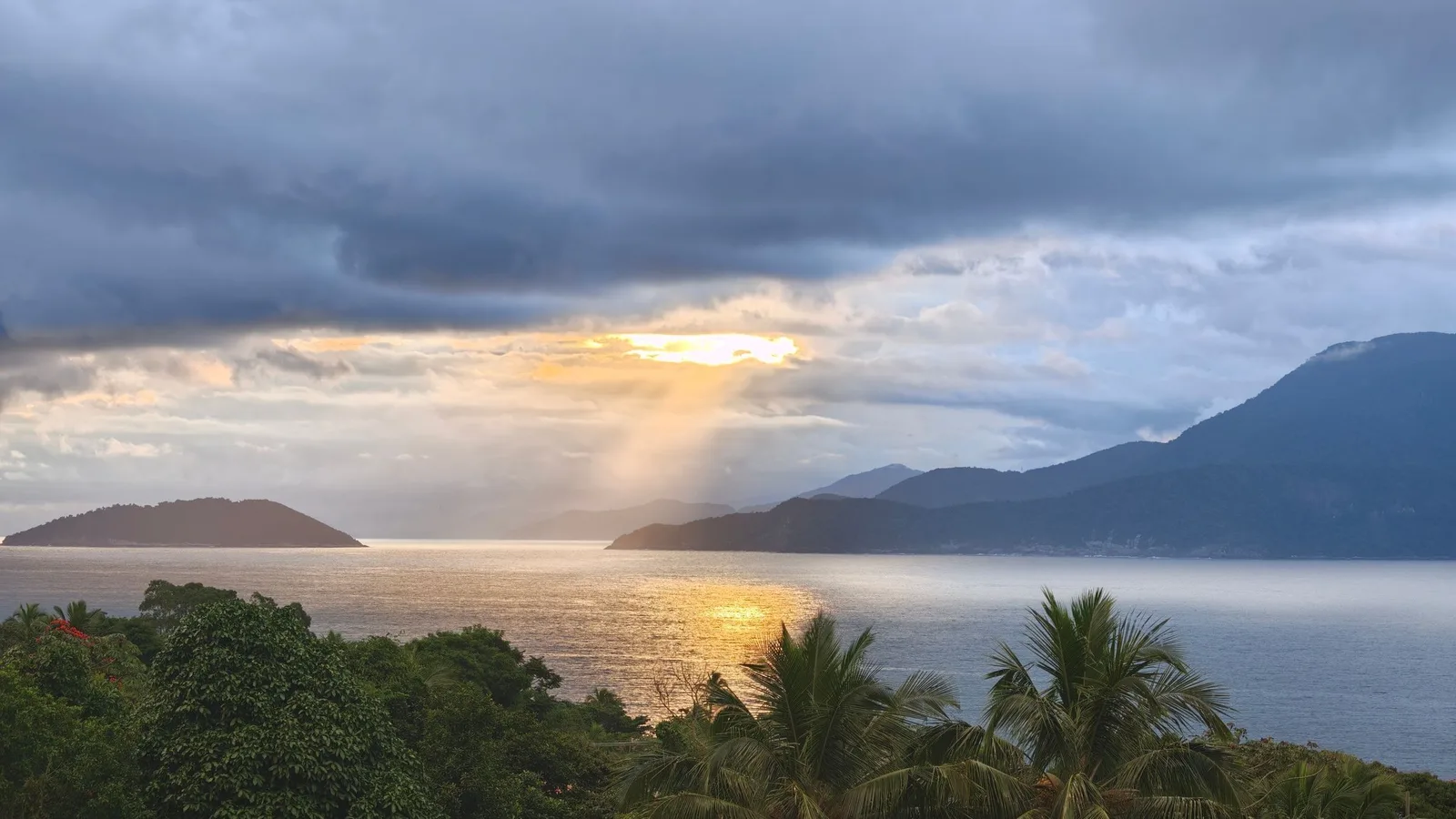
  • A view through the trees from a hillside over calm water to small islands and the mountains of the mainland
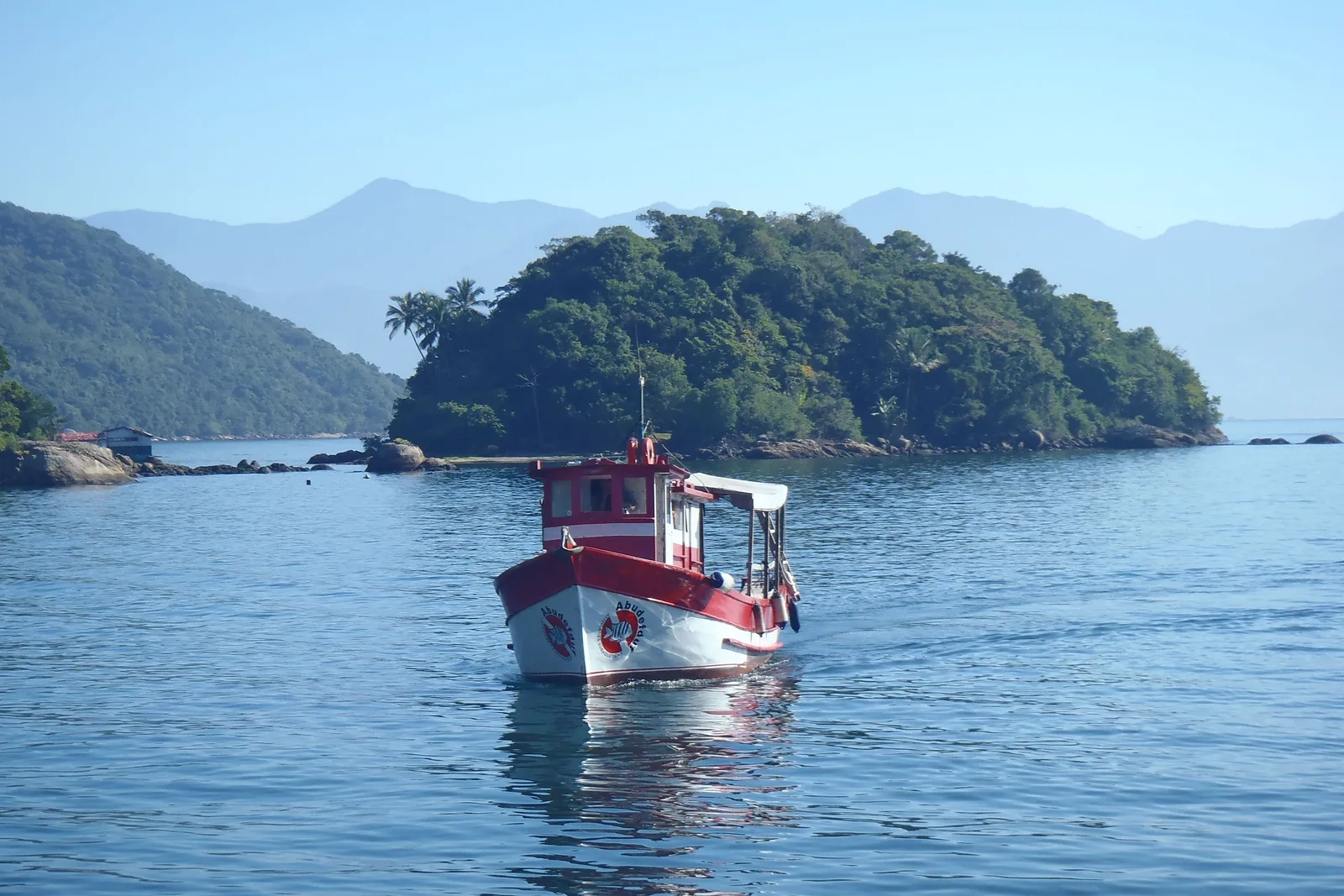
  • A red and white fishing boat on still water in front of a small forested island
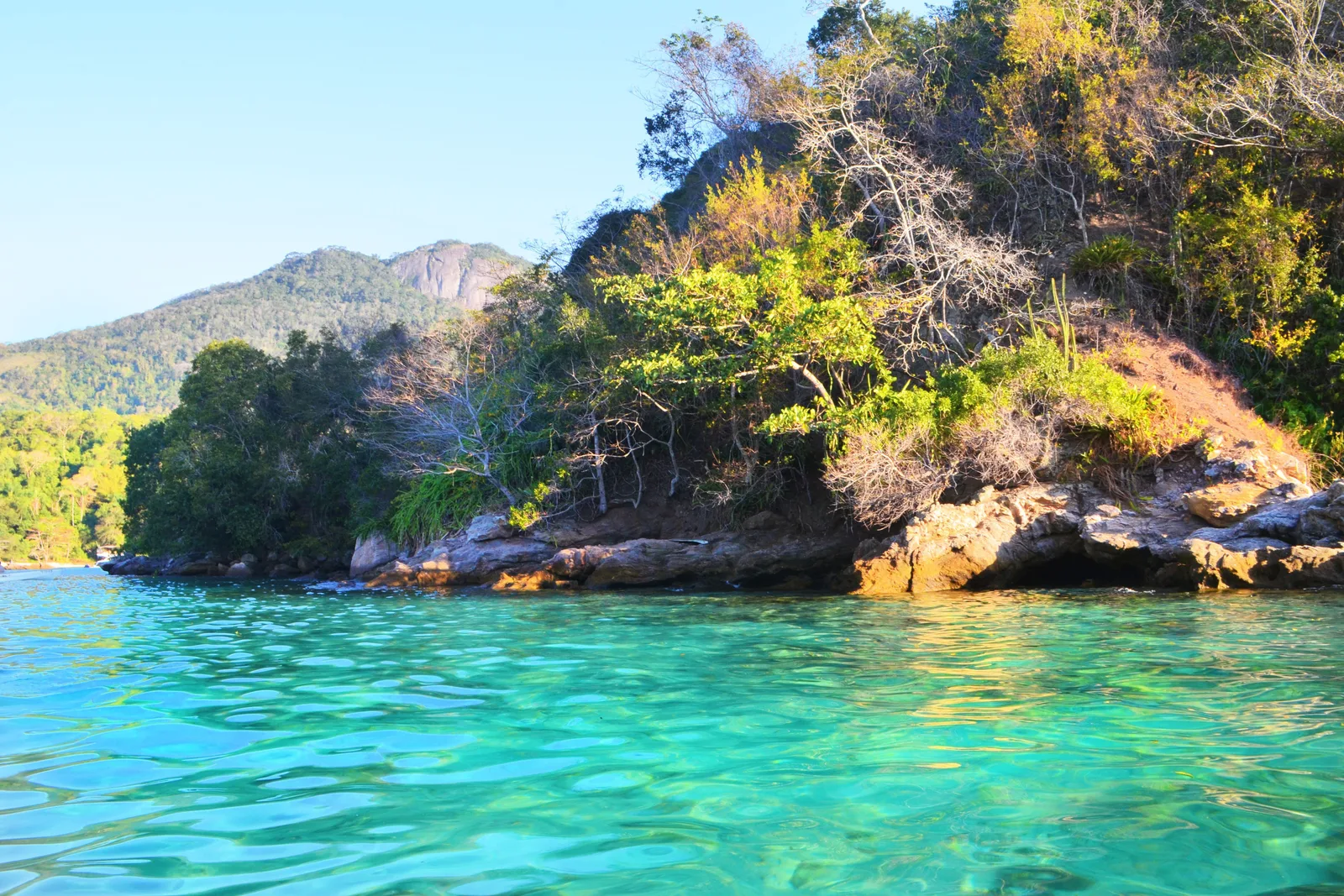
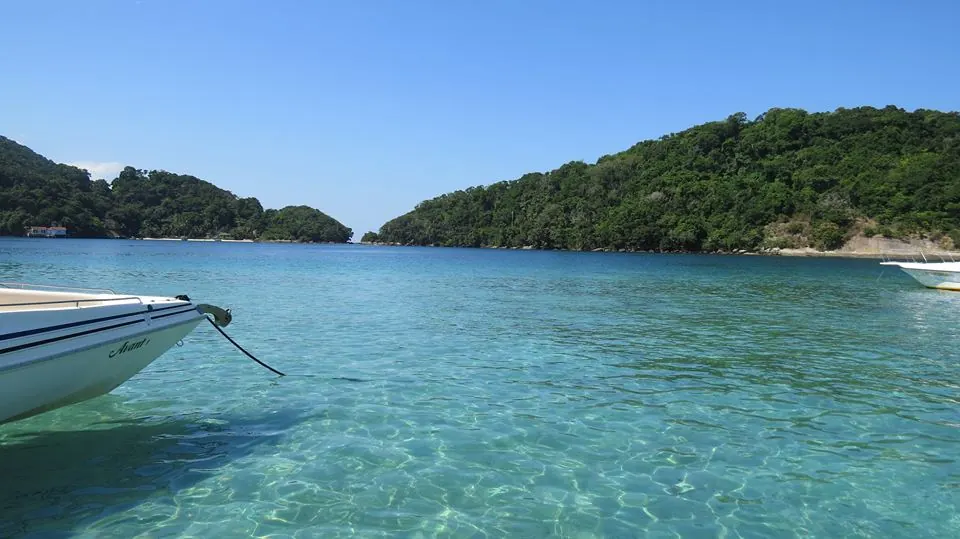
  • The bow of a boat over shallow, glass-clear turquoise water in a green cove

Orientation

The island in one screen.

Everything logistical, before the pretty pictures start.

General Info

What makes Ilha Grande, Ilha Grande

Ilha Grande is a 193-square-kilometer island about 12 km off the Costa Verde, the stretch of coast between Rio de Janeiro and São Paulo. It has no cars. Private vehicles are banned outright, there is no road to the mainland and no road worth the name on the island either, so everything moves on foot, by bicycle or by boat. That one rule is the whole character of the place: an island the size of a mid-sized city with fewer than 5,000 residents on it, and a village where the loudest thing after dark is the sea.

Almost all of it is protected. Ilha Grande State Park covers the interior and the high ground, the Praia do Sul Biological Reserve closes off the wild southwestern end, and the great majority of the island is under some form of protection — which is why the Atlantic Forest runs unbroken from the ridgeline down to the sand on most of its coastline. More than a hundred beaches are strung around the edge, connected by roughly 150 km of marked trails and by the boats that are the island’s real road network.

It has a hard history behind the postcard. From 1886 the island held a quarantine station for immigrants arriving from Europe, and from the early twentieth century a succession of prisons, ending with the Instituto Penal Cândido Mendes at Dois Rios — a maximum-security jail that held political prisoners under the military dictatorship and was demolished in 1994. The island was closed to visitors for most of the twentieth century because of it. Tourism only really began once the prison came down, and the forest is as intact as it is partly because nobody was allowed in.

Where It Is

Off the Costa Verde, between Rio and Paraty

Ilha Grande sits in the bay that carries its name, about 12 km off the mainland town of Angra dos Reis and roughly 150 km southwest of Rio de Janeiro by road. Paraty is an hour or so further down the same coast. There is no bridge and no airstrip: every visitor arrives by boat.

Ilha Grande Ilha Grande

23.14° S, 44.17° W

See the Southeast on the interactive map

Cost

What a day here actually costs

Ilha Grande is not a cheap island, and the reason is simple: everything on it arrived by boat. Groceries, beer, building materials and staff all cross the same water you did, and the prices carry the freight. Against that, the best things to do here — the trails, the beaches, the water — cost nothing at all, so a budget is really a question of how many boat trips you buy.

Estimated daily budget, outside the peak weeks

Budget

$55 / day

A hostel bed in Vila do Abraão, food from the market and the cheap kitchens, and days spent on the trails and the beaches you can walk to.

Mid-range

$110 / day

A mid-range pousada double split two ways, dinner out, and a shared boat trip or a guided walk most days.

Comfortable

$230 / day

A good pousada on the water or in one of the boat-in coves, private speedboats instead of shared schooners, and a guide when you want one.

Estimates, per person per day, once you are on the island — the crossing and the trip down from Rio are on top. Late December through Carnaval, and the Brazilian school holidays in July, are a different market: rooms and boats both climb steeply and sell out early.

What things cost, outside the peak weeks

  • Public ferry crossing, one way $4 R$20.50
  • Speedboat crossing, one way $15–24 R$75–120
  • Sustainable Tourism Tax, valid 30 days $10 R$50
  • Bus, Rio’s Novo Rio terminal to the pier $11 R$57
  • Schooner day trip to the Lagoa Azul $20 R$100
  • Boat to Lopes Mendes, round trip $14 R$70
  • Speedboat right around the island $45 R$230
  • Taxi boat, Abraão to Abraãozinho $2 R$10
  • Mid-range double room, Vila do Abraão $69 R$350
  • Dinner for two, mid-range $22 R$110

Since 1 June 2026 Angra dos Reis has charged a flat Sustainable Tourism Tax of R$50 per person, valid for 30 days. You register and pay on the city’s Viva Angra site (vivaangra.com.br) before you travel, or at the control points such as the Santa Luzia boat station. Residents, under-12s, over-60s and people with disabilities are exempt.

There is no bank on the island and you should not count on finding a working ATM. Cards and Pix are taken almost everywhere, but draw whatever cash you want before you get on the boat.

Prices climb the further you get from Vila do Abraão. The remote pousadas often quote half board or full board for the simple reason that there is nowhere else to eat.

Checked September 2026 and converted at R$5.10 to the dollar. Estimates, not quotes — the shape of a budget rather than a price you can hold anyone to.

Safety

The risks here are the sea and the trail

8 /10

Our rating — among the safest places on this site. Almost nothing here is about crime; what can go wrong is the water, the trail, or how far you are from a hospital.

A car-free island of five thousand people where everyone knows the boat crews is a genuinely low-crime place, and visitors walk back to their pousadas at night without thinking about it. What replaces the usual city worries is more physical. The ocean-facing beaches have real surf and real currents. The trails are steep, wet and easy to lose. And the nearest hospital is a boat ride away on the mainland, which changes the arithmetic on everything else.

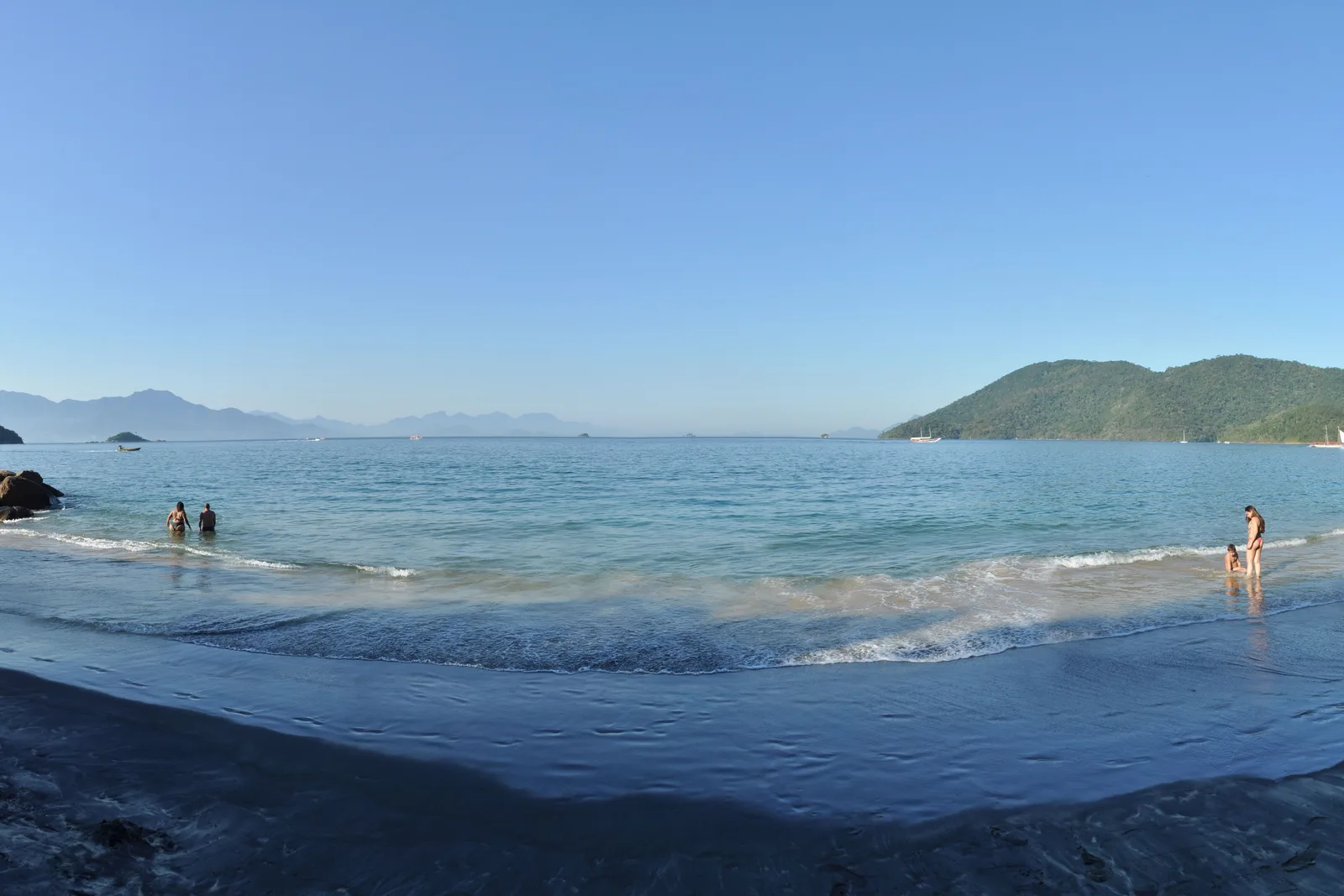
  • The bay side and the ocean side are two different seas. Beaches facing the mainland — Abraão, Saco do Céu, Araçatiba, Freguesia — are flat and swimmable in almost any weather. Lopes Mendes, Aventureiro, Parnaioca and Dois Rios face the open Atlantic, break properly, and have rip currents. Lifeguards are seasonal at best.
  • Do not start a long trail late. The forest is dense, the marking is inconsistent once you are off the main routes, and it is dark under the canopy well before sunset. Pico do Papagaio in particular catches people out on the descent — take a guide for that one.
  • Carry more water than looks necessary and something with a light in it. There is no drinking water on most of the trails and no shop at the far end of them.
  • Vila do Abraão has a small health post, not a hospital. Anything beyond a cut or a sprain means a boat to Angra dos Reis, and at night that is a private launch. Travel insurance is not a formality here.
  • Phone signal is decent in Abraão and patchy to nonexistent elsewhere. Download an offline map before you cross, and tell your pousada where you are walking.
  • Take repellent. Borrachudos — biting blackflies — come out near the streams and in the late afternoon, and they are the single most common complaint on the island.
  • Petty theft is rare but not zero. The ordinary rules still apply: nothing left on the sand while you swim, nothing valuable visible in a room.

Getting There

Three piers, and a boat from each

Every visitor arrives by boat, and there are three mainland piers to choose from: Conceição de Jacareí, Angra dos Reis and Mangaratiba. All of them land you at Vila do Abraão. Which one you use is mostly a question of how you are getting down the coast and how much you mind waiting.

  • Conceição de Jacareí is the closest pier and the one most people use. It is about 2 to 2.5 hours from Rio by road, and small speedboats leave through the day for a crossing of 15 to 25 minutes. Expect R$75 to R$120 one way.
  • Angra dos Reis is roughly 3 hours from Rio and about 6 from São Paulo, and is the sensible pier if you are coming up from São Paulo or want a real town at your back. Speedboats run all day from the Cais de Santa Luzia in 30 to 40 minutes.
  • The public ferry is the cheap, slow option: about R$20.50 and roughly an hour and forty minutes, run by CCR Barcas. It sails once a day from Mangaratiba in the morning and once a day from Angra in the early afternoon, and it does not wait.
  • From Rio, buses run from the Novo Rio terminal to all three piers for around R$57. Shared door-to-pier transfers with the boat ticket included cost more and remove the connection risk, which on a once-a-day ferry is worth something.
  • The last speedboats leave the mainland around 6:00pm. Miss them and you are staying on the mainland, so do not plan to land at Rio’s airport and reach the island the same evening.
  • Book the crossing ahead over Christmas, New Year, Carnaval and the July school holidays. The rest of the year you can usually turn up at the pier and buy a ticket.

Getting Around

You walk, or you take a boat

There are no cars, no taxis and no buses. The island moves on two systems: about 150 km of numbered trails, and a fleet of small boats that does the job a road network would. Plan every day around one or the other, and check the weather before you commit to either.

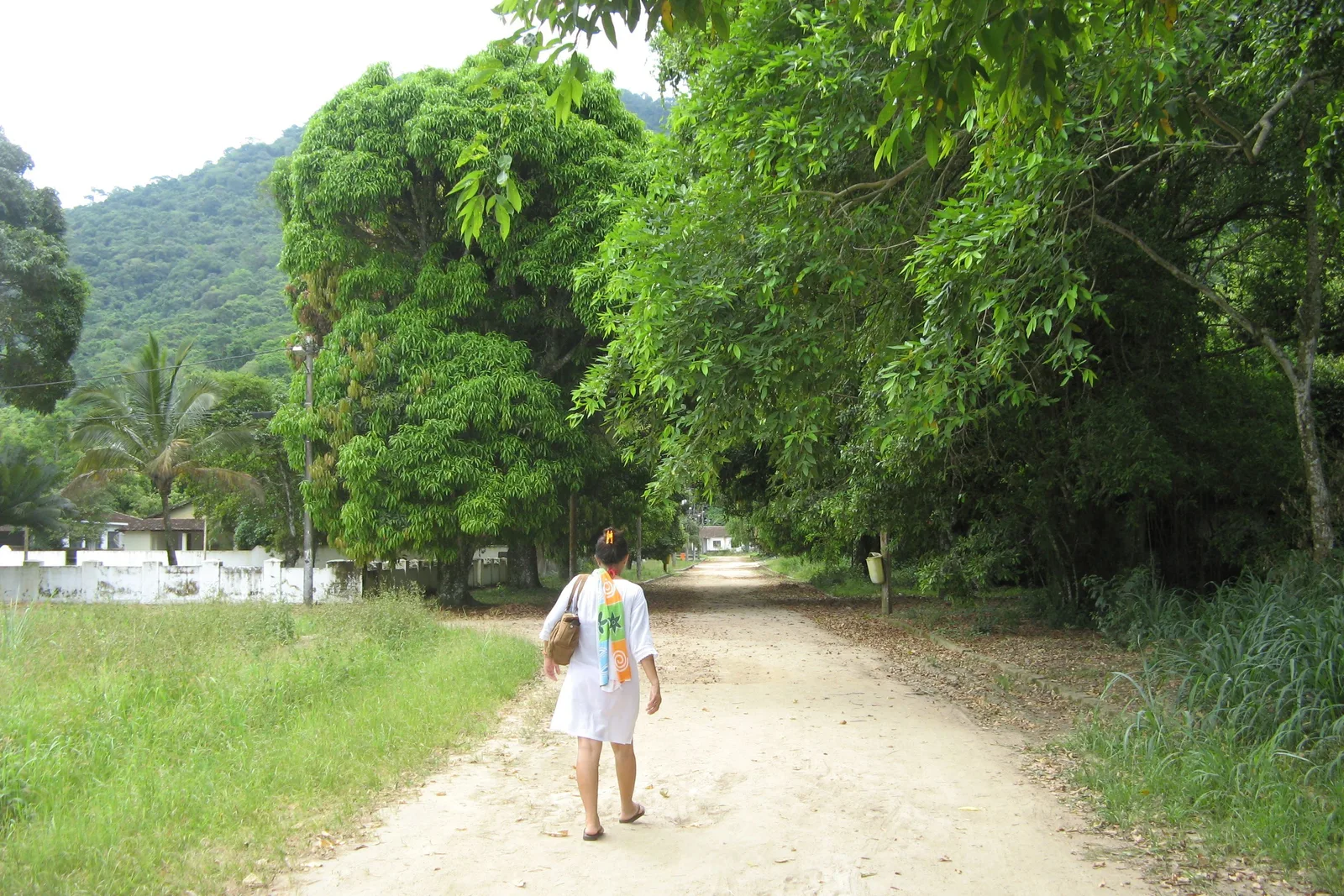
  • Vila do Abraão is small enough to cross on foot in fifteen minutes, and the streets are sand and dirt. Bring shoes you do not mind soaking.
  • The trails are signed with a T and a number — T10 out to Lopes Mendes, T11 over the hill from Praia do Pouso, T13 up Pico do Papagaio — and they connect the villages and beaches to each other. They are proper walking, not strolls: steep, rooty and slippery after rain.
  • Taxi boats leave from the Abraão pier and go anywhere on the island for a fare, from about R$10 for the hop to Abraãozinho. For the far beaches you are chartering rather than catching, so the price depends on how many of you there are.
  • Shared schooners and speedboats run set day trips from Abraão and are the cheapest way to see the coast: the Lagoa Azul circuit, the run out to Lopes Mendes, the full lap of the island.
  • When a front comes through, the small boats stop before the big ferry does, and the ocean-side beaches close to landings well before the bay-side ones. A rough day is not a lost day, but it is a bay-side day.
  • Nothing here runs on a clock you can rely on to the minute. Leave slack around the boat back to the mainland, and never make the last crossing of the day your connection to a flight.

The big four

The four places the island is built around.

Not a top-ten list. A beach, a summit, a ruin and a wilderness — and between them they cover the whole island, from the sheltered bay side to the open Atlantic.

A long unbroken curve of pale sand from the air, surf running its whole length and dense forest behind it 01

The one on every list of Brazil’s best beaches

Praia de Lopes Mendes

Length
3 km of white sand
Getting there
Boat to Pouso, then 20 min on foot
Facilities
None. Nothing is built on it

Three kilometers of very fine, very firm white sand on the open Atlantic side of the island, with nothing built on it at all — no hotel, no kiosk row, no road. The sand squeaks underfoot and the water runs through several distinct shades of green before it goes blue. It turns up on every ranking of Brazil’s best beaches and it is one of the few that survives the ranking.

There is no direct way in, which is the point. Most people take a boat from Abraão to Praia do Pouso and then walk the T11 trail over the headland, about a kilometer and twenty to thirty minutes. The alternative is the T10 on foot from Abraão, roughly 6 km each way past Praia Grande das Palmas and Praia dos Mangues. Either way, bring water and food: there are seasonal snack stands at the trailhead and nothing on the beach itself. The surf is genuine and the bottom shelves unevenly, so swim where other people are swimming.
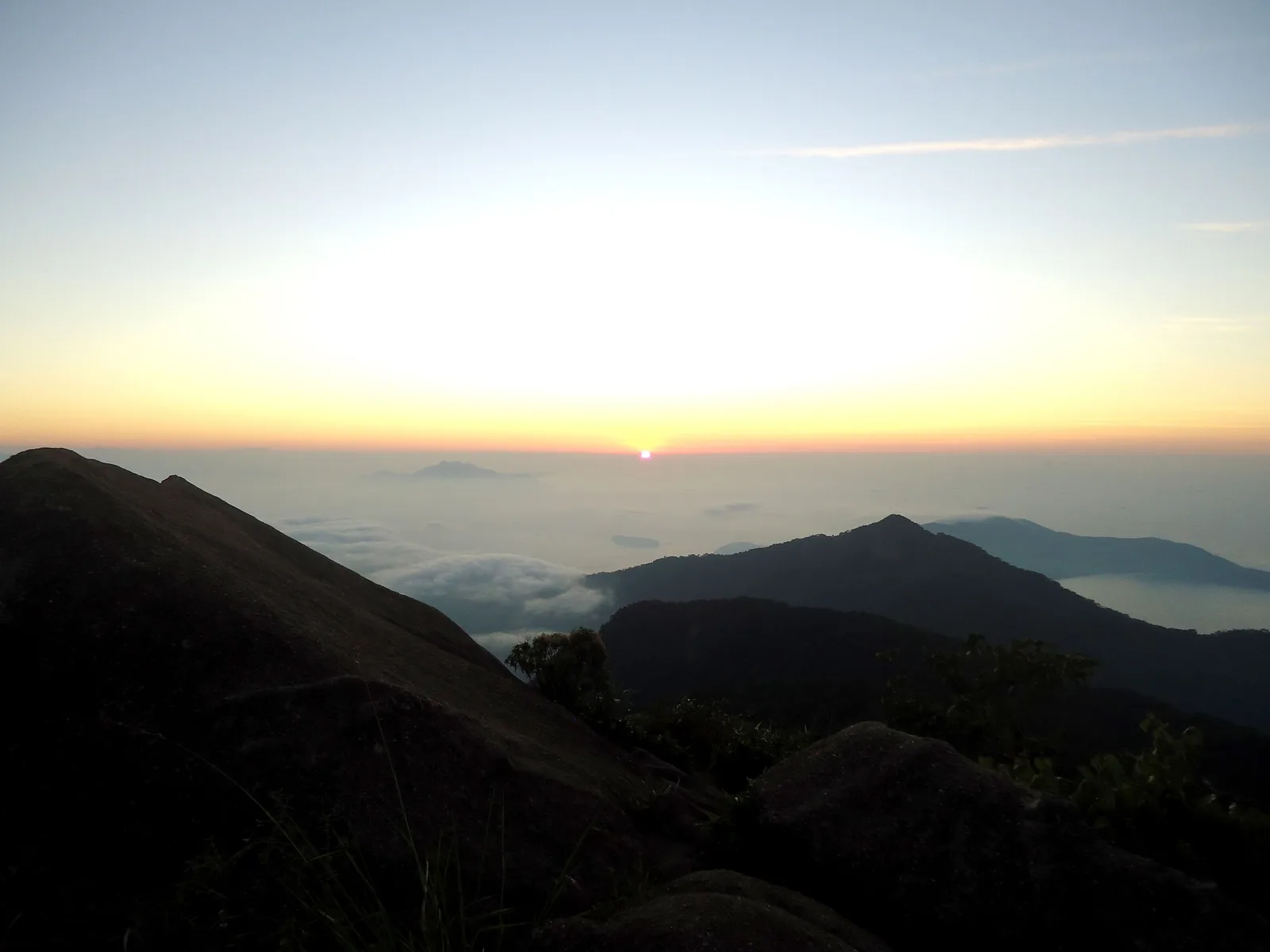
Sunrise from the summit of Pico do Papagaio, the island’s forested ridges falling away below into low cloud 02

The island’s signature climb

Pico do Papagaio

Height
982 m
Time
2–3 hours up, from Abraão
Difficulty
The hardest walk on the island

A 982-meter granite head that stands over Vila do Abraão and is visible from most of the bay, and the second-highest point on Ilha Grande after Pico da Pedra d’Água. The route leaves Abraão on the old road toward Dois Rios and branches off after about 1,500 meters onto the T13, which goes up more or less immediately and keeps going. The last section is a scramble onto the rock itself.
From the top the whole island lays out below you — the bay side and its coves on one hand, the open Atlantic and the eastern beaches on the other, and the mainland mountains across the water. Most people go in the dark to be up there for sunrise, which is the right call and also the reason to take a guide: the descent through dense forest is where walkers get lost, and the trail is not consistently marked. Carry water from the first stream crossing; there is none at the summit.

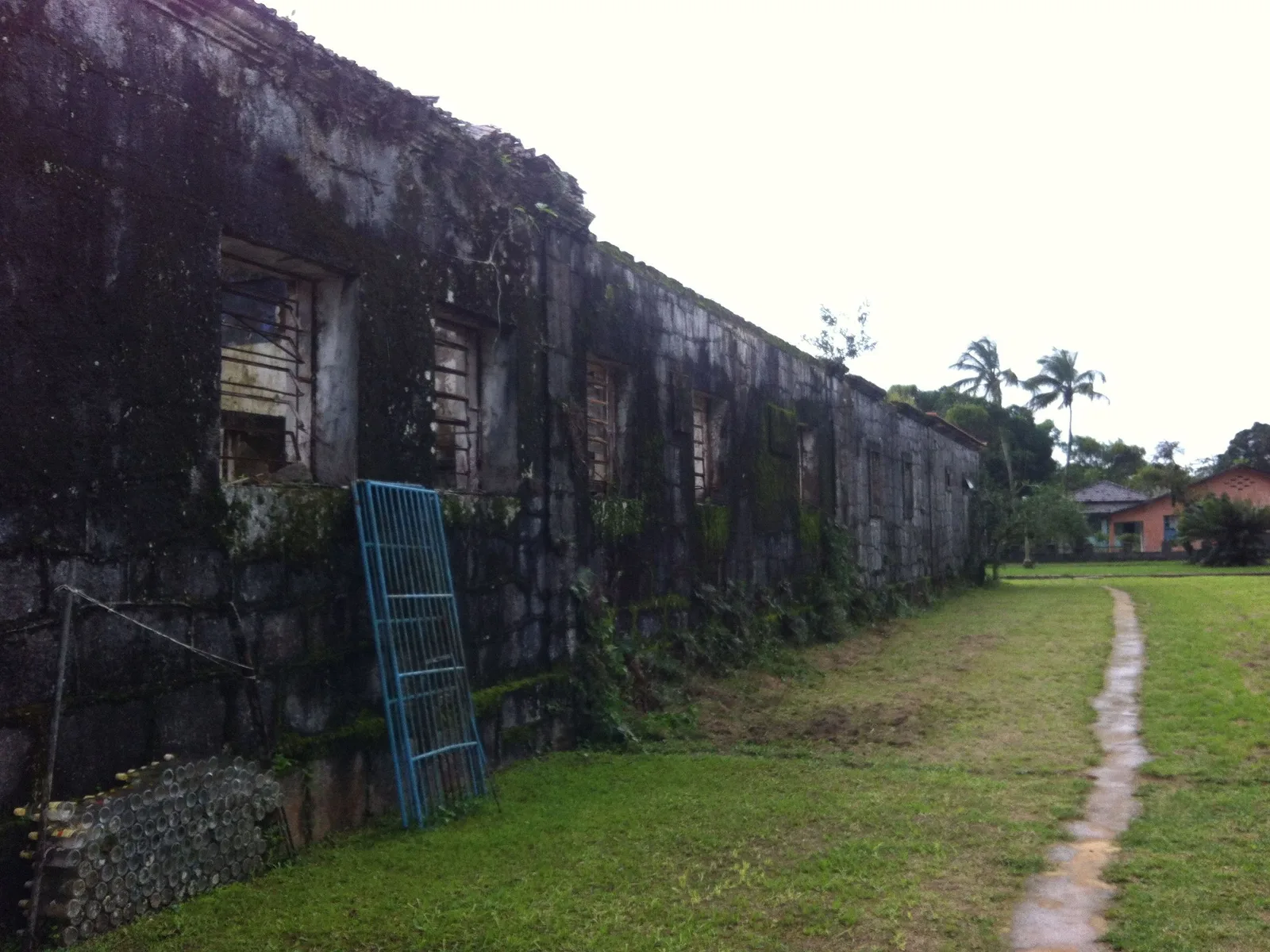
The derelict shell of the Cândido Mendes prison at Dois Rios, empty window openings and peeling paint with forest growing in around it 03

Why the forest is still standing

Dois Rios and the prison

Crossing the island
6–7 km on foot, about 2.5 hours
Prison demolished
1994
On site
Museu do Cárcere, in the ruins

On the far side of the island, facing the open ocean, a beach between two rivers with the wreckage of a maximum-security prison behind it. The Instituto Penal Cândido Mendes held common prisoners and, under the military dictatorship, political ones — the writer Graciliano Ramos was among the island’s inmates in an earlier era. It was demolished by order of the state government in 1994, and the ruins were left where they fell.

Part of the site now holds the Museu do Cárcere, a small prison museum, and a university research station. The walk out from Abraão is the classic crossing of the island: six or seven kilometers on the old prison road, roughly two and a half hours each way, over the ridge and down. It is also the honest explanation for everything else on this page — the island was closed and feared for most of the twentieth century, nobody developed it, and the forest simply carried on.

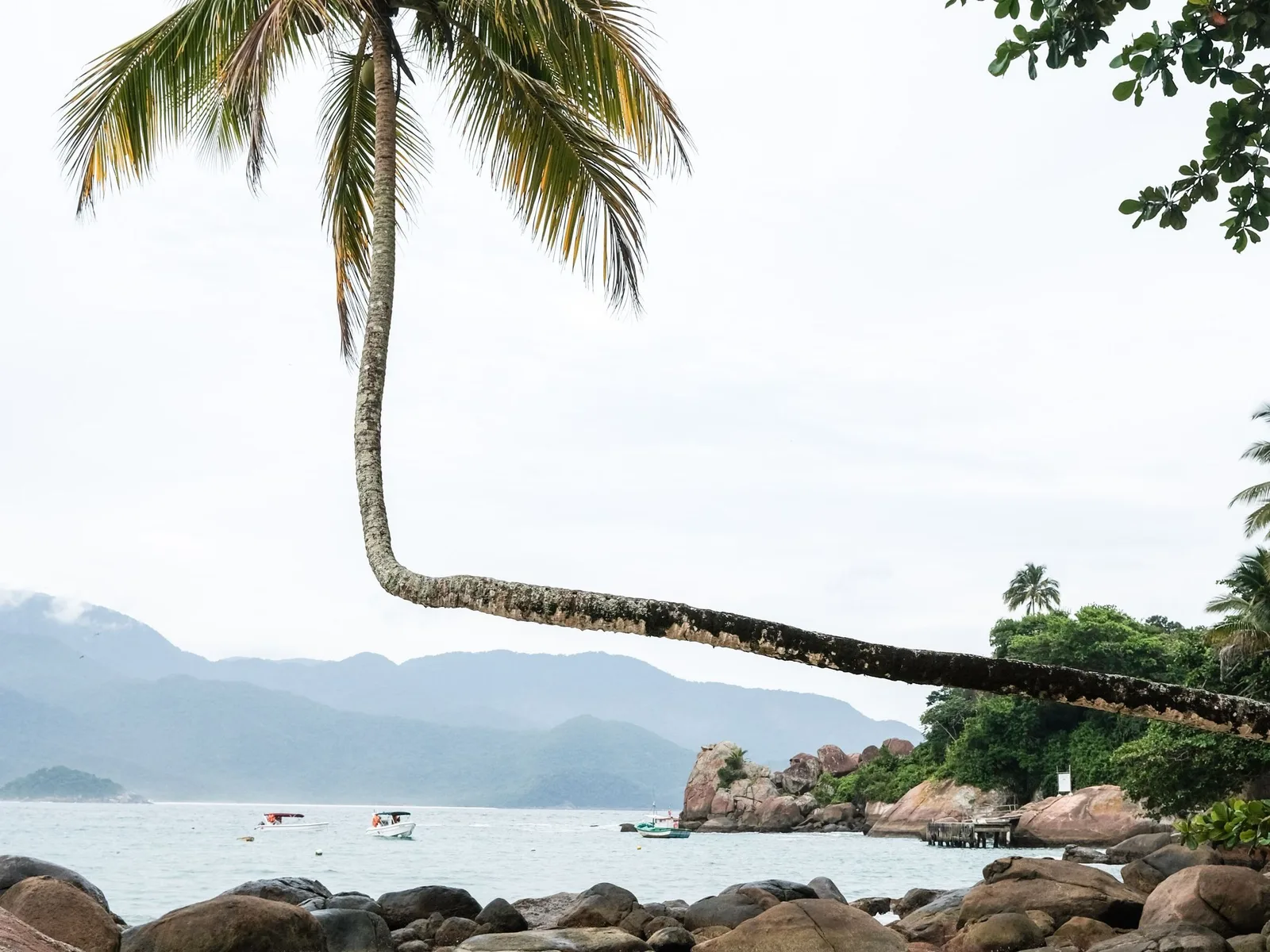
A short curved surf beach with a leaning coconut palm bent low over the sand and boulders at one end 04

The end of the island, and the strictest part of it

Aventureiro and the Praia do Sul reserve

Beach
About 500 m, open Atlantic
Protection
Praia do Sul Biological Reserve, 1981
Summer cap
560 visitors a day

The southwestern end of Ilha Grande is a biological reserve — the strictest category of protection Brazil has — created in 1981 and closed to general visiting. The exception is Aventureiro, a five-hundred-meter surf beach with a fishing community of a hundred-odd people that was recategorised in 2014 as a sustainable development reserve so that the families who had always lived there could stay.
What that means in practice is that Aventureiro is the least developed place on the island you are allowed to go. There are no hotels; there are rustic campsites and rooms in people’s houses, and a daily visitor cap of 560 in summer enforced by environmental inspectors. It is a long way round from Abraão — boats run from Provetá, Praia Vermelha, Araçatiba or the mainland, and the walking route is the T9 from Provetá, steep and serious. Go for a night rather than an afternoon, or do not go.

What to actually do

One island, five ways to spend a day.

Pick a category, then scroll sideways through it. Almost everything here is either a walk or a boat, and most of it is a realistic half day.

Beaches

  • A forested headland running down to a wide curve of sand with surf breaking along it

    East of Abraão · half day

    Beach day at Praia Grande das Palmas

    The last easy stop on the walk out toward Lopes Mendes, and a good destination in its own right: a wide sheltered beach with a scatter of pousadas and a couple of kitchens behind it. It is calm enough to swim without thinking, which the ocean-side beaches are not, and it turns the T10 into a half day rather than a full one.

  • A small cove of pale sand and very clear shallow water, palms leaning over granite boulders at one end

    Next to Abraão · 2 hours

    Swimming at Abraãozinho

    The little bay immediately east of Vila do Abraão, ten minutes by taxi boat or a short walk around the headland. Clear, shallow, sheltered and shaded at the edges, and close enough that it works as an afternoon when the weather has ruined the boat trip you meant to take. There is one restaurant on it and not much else.

  • A wide sheltered bay on Ilha Grande from above, boats moored close in and a village along the shore

    Western bay side · full day

    Swimming at Enseada de Araçatiba

    The second-largest settlement on the island, on the sheltered western coast facing the mainland: a long shallow bay, a fishing community, a handful of good pousadas and almost no day-trippers. The water barely moves. It is a genuine trip from Abraão by boat rather than a stop on a circuit, and it is what people mean when they say the island has quiet corners.

  • A quiet cove on Ilha Grande’s sheltered side seen through the trees from the slope above it

    North coast · half day

    Swimming at Praia Vermelha

    Not the one in Rio — Ilha Grande has its own Praia Vermelha, a quiet reddish-sand cove on the sheltered north coast with a small community, a few pousadas and a dive center. Flat water, good visibility and a wreck offshore. It is one of the easier of the boat-in beaches to reach from Abraão and one of the least busy.

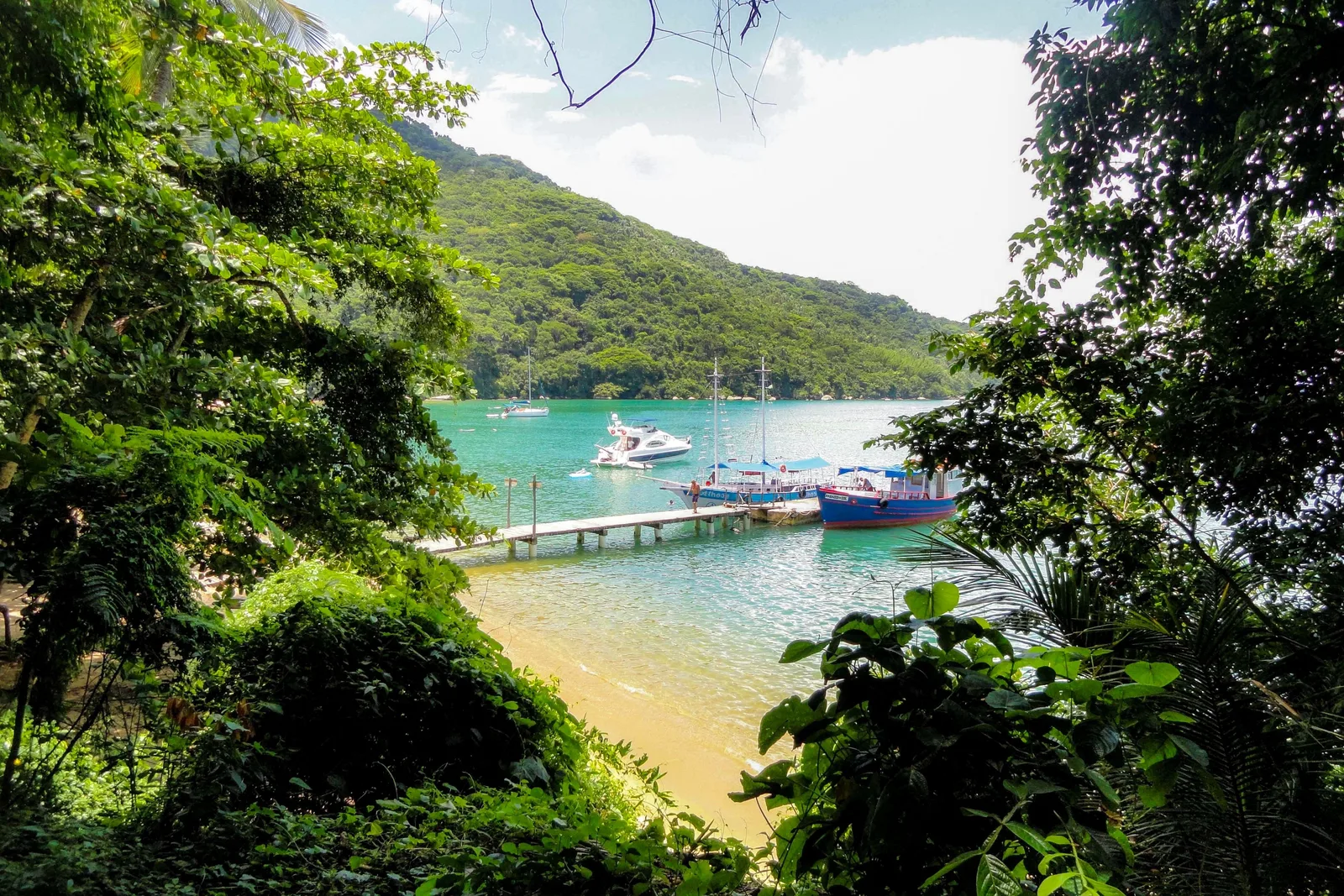
  • A jetty on Ilha Grande seen through the trees, boats moored off a small beach in clear turquoise water

    From Abraão · most of a day

    Boat to Lopes Mendes via Praia do Pouso

    The standard way to the island’s best beach, and worth doing as a boat rather than a walk if you want time on the sand at the other end. Shared boats leave Abraão through the morning, drop you at Praia do Pouso, and you cross the headland on the T11 in twenty to thirty minutes. Around R$70 return. Check the pickup time twice — the last boat back is not negotiable.

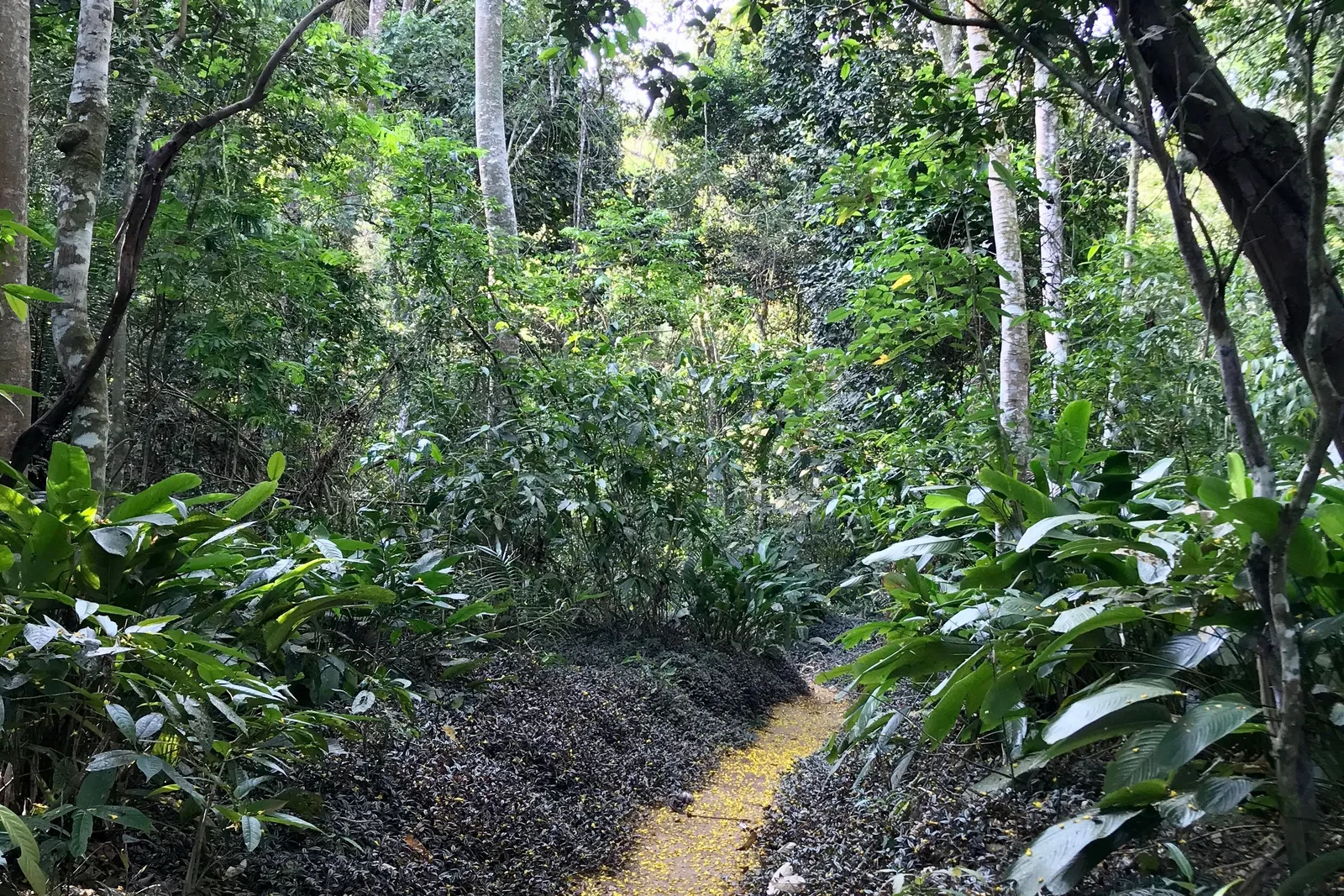
  • A narrow earth trail winding through dense Atlantic Forest on Ilha Grande, roots and undergrowth close on both sides

    From Abraão · 5–6 hours round trip

    Walking the T10 to Lopes Mendes

    The alternative to the boat, and a better day if you would rather earn the beach. About 6 km each way from Abraão through forest and out along the coast, passing Praia Grande das Palmas and Praia dos Mangues, with enough climbing to be a proper walk. Start early, carry water, and consider walking one way and taking the boat back.

By Boat

  • A wide sheltered bay on Ilha Grande from above, boats moored close in and a village along the shore

    Western bay side · full day

    Swimming at Enseada de Araçatiba

    The second-largest settlement on the island, on the sheltered western coast facing the mainland: a long shallow bay, a fishing community, a handful of good pousadas and almost no day-trippers. The water barely moves. It is a genuine trip from Abraão by boat rather than a stop on a circuit, and it is what people mean when they say the island has quiet corners.

  • A jetty on Ilha Grande seen through the trees, boats moored off a small beach in clear turquoise water

    From Abraão · most of a day

    Boat to Lopes Mendes via Praia do Pouso

    The standard way to the island’s best beach, and worth doing as a boat rather than a walk if you want time on the sand at the other end. Shared boats leave Abraão through the morning, drop you at Praia do Pouso, and you cross the headland on the T11 in twenty to thirty minutes. Around R$70 return. Check the pickup time twice — the last boat back is not negotiable.

  • The clear turquoise shallows of the Lagoa Azul around a small rocky islet covered in forest

    From Abraão · about 6 hours

    Schooner day trip to the Lagoa Azul

    The island’s standard circuit, and cheap enough that almost everyone does it: a wooden schooner out to the Lagoa Azul, a shallow pool of turquoise between islets where the boat anchors and everyone snorkels among the fish, then lunch at Japariz and a stop or two along the sheltered north coast. Around R$100 a head, leaving late morning. Do it on a clear day or not at all — the color is the whole point.
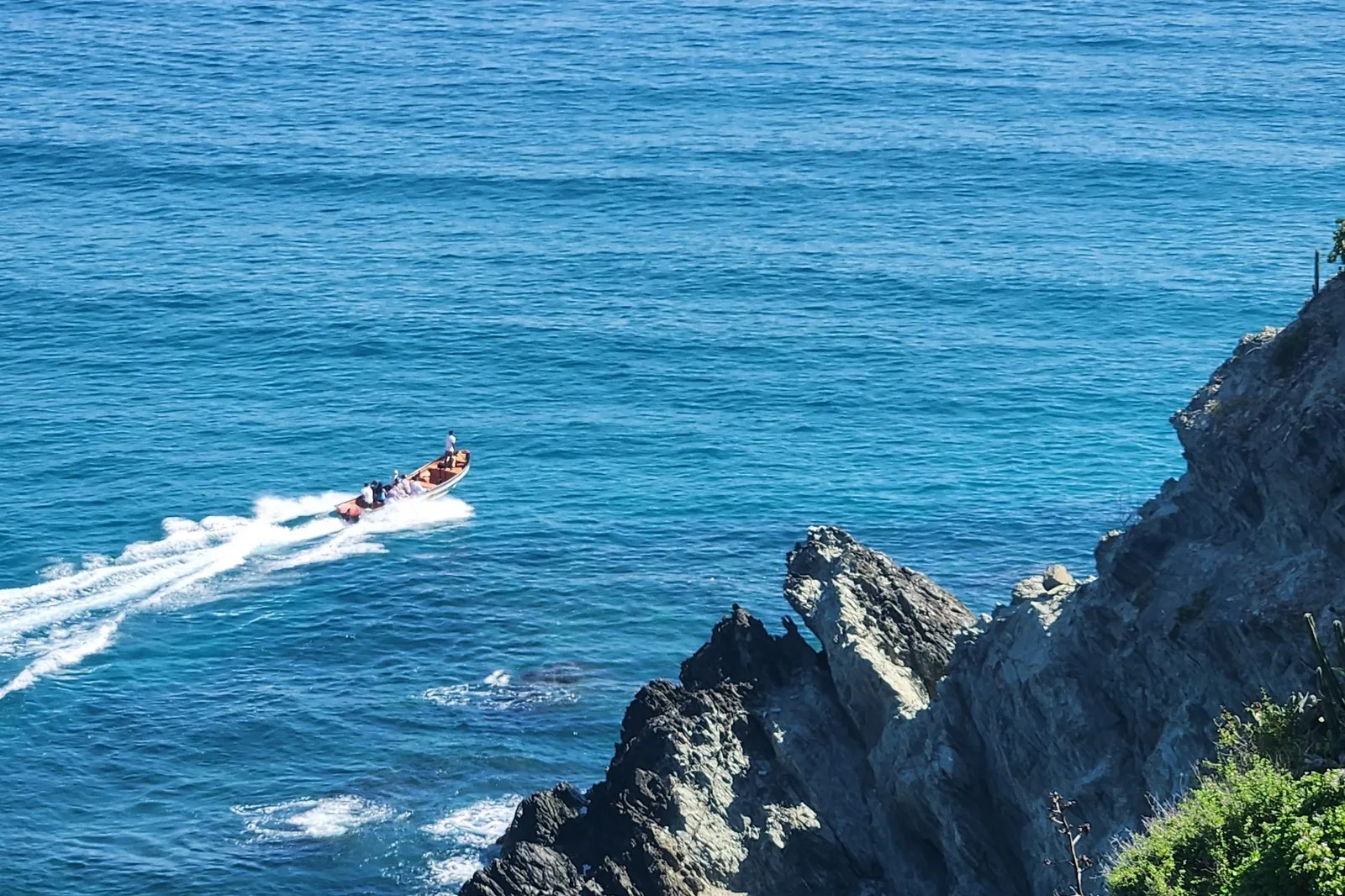
  • A fast open boat crossing clear blue water below a steep rock headland

    From Abraão · full day

    Circling the island by speedboat

    A full lap of Ilha Grande in a fast open boat, taking in the beaches on the ocean side that no schooner has time for — Aventureiro, Parnaioca, Caxadaço — and the sheltered coves on the way back. Around eight hours and roughly R$230 a head on a shared boat. It only runs when the sea on the southern side allows, which is not every day.

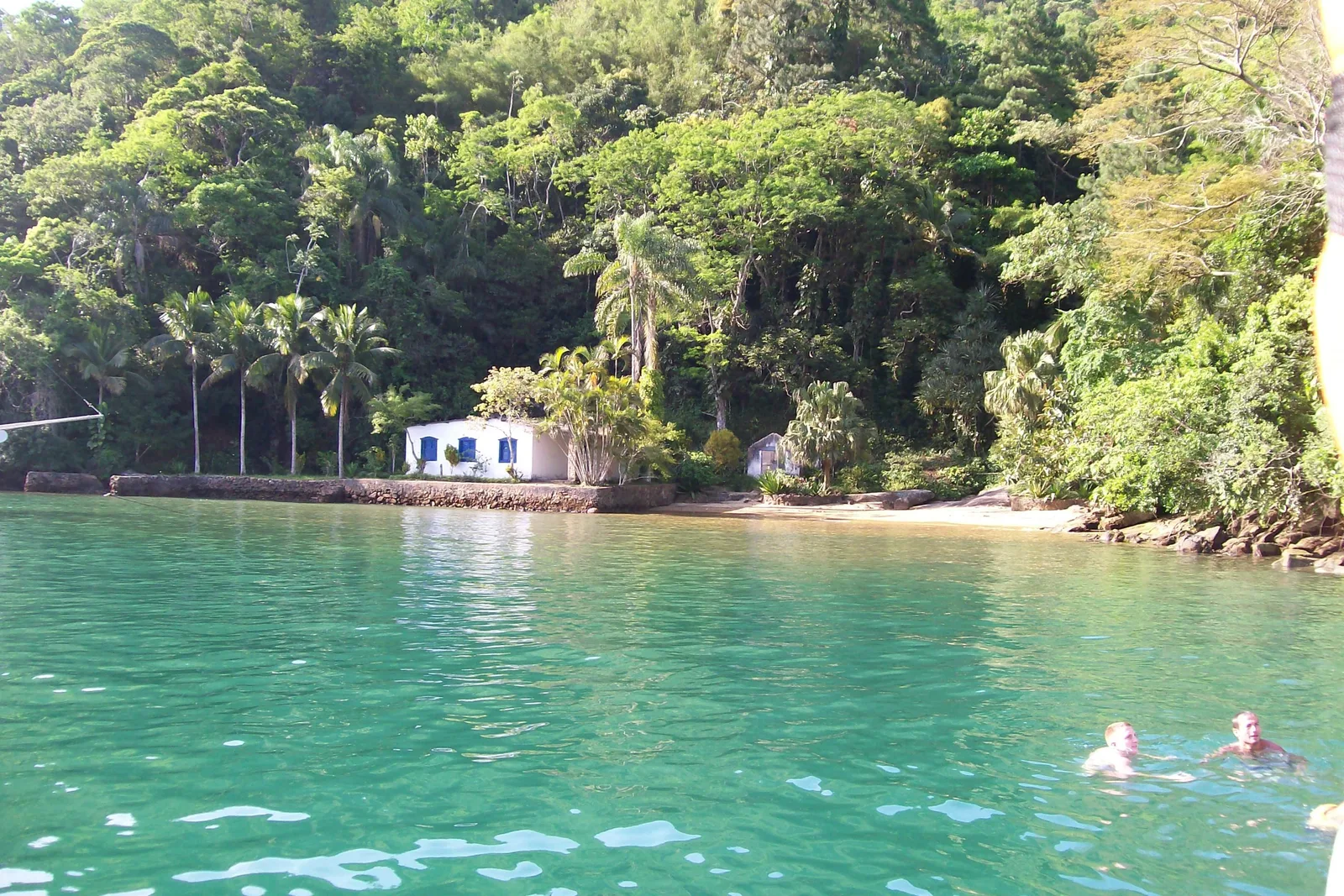
  • The almost-enclosed bay of the Saco do Céu, flat green water with forest running down to it and a house among the palms

    North coast · half day

    Kayaking in the Saco do Céu

    An almost enclosed bay on the north side whose name means “bag of sky”, and which earns it: the water is flat enough that on a still evening the hills and the clouds come back at you off the surface. It is a short boat ride from Abraão, and once you are there a kayak or a paddleboard is the right speed for it. Mangrove at the head of the bay, and nothing much built.

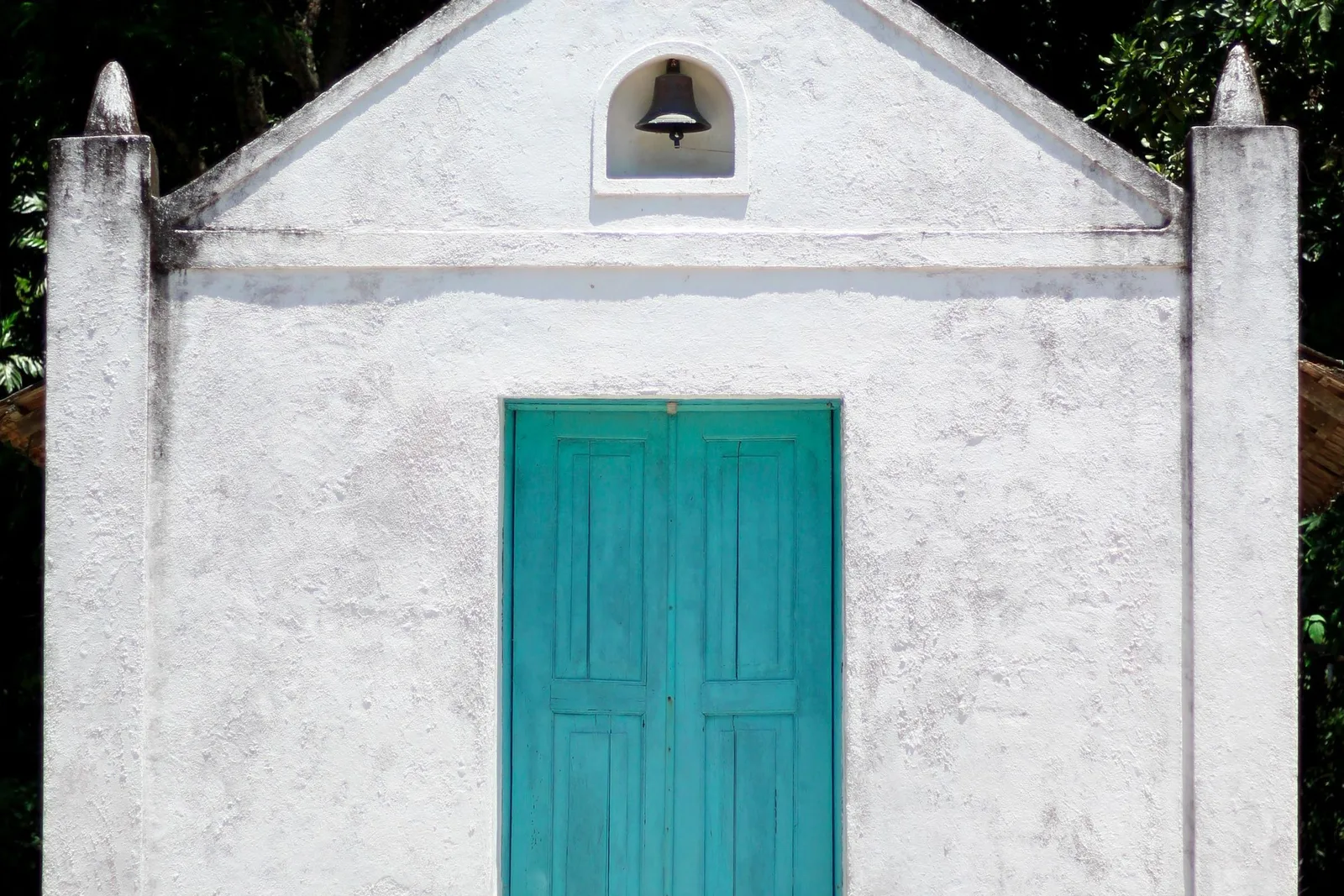
  • A small whitewashed island chapel with a turquoise door and a bell above the gable

    North coast · half day

    Taxi boat to Freguesia de Santana

    Where the settlement of Ilha Grande began, and still a handful of houses and a white church above a beach on the sheltered north coast. This was the island’s center in the eighteenth century, when the ground behind it was coffee, sugar and cane spirit; the church is the oldest and most important building on the island. Most schooner circuits pass it and some stop; a taxi boat gets you an hour there instead of fifteen minutes.

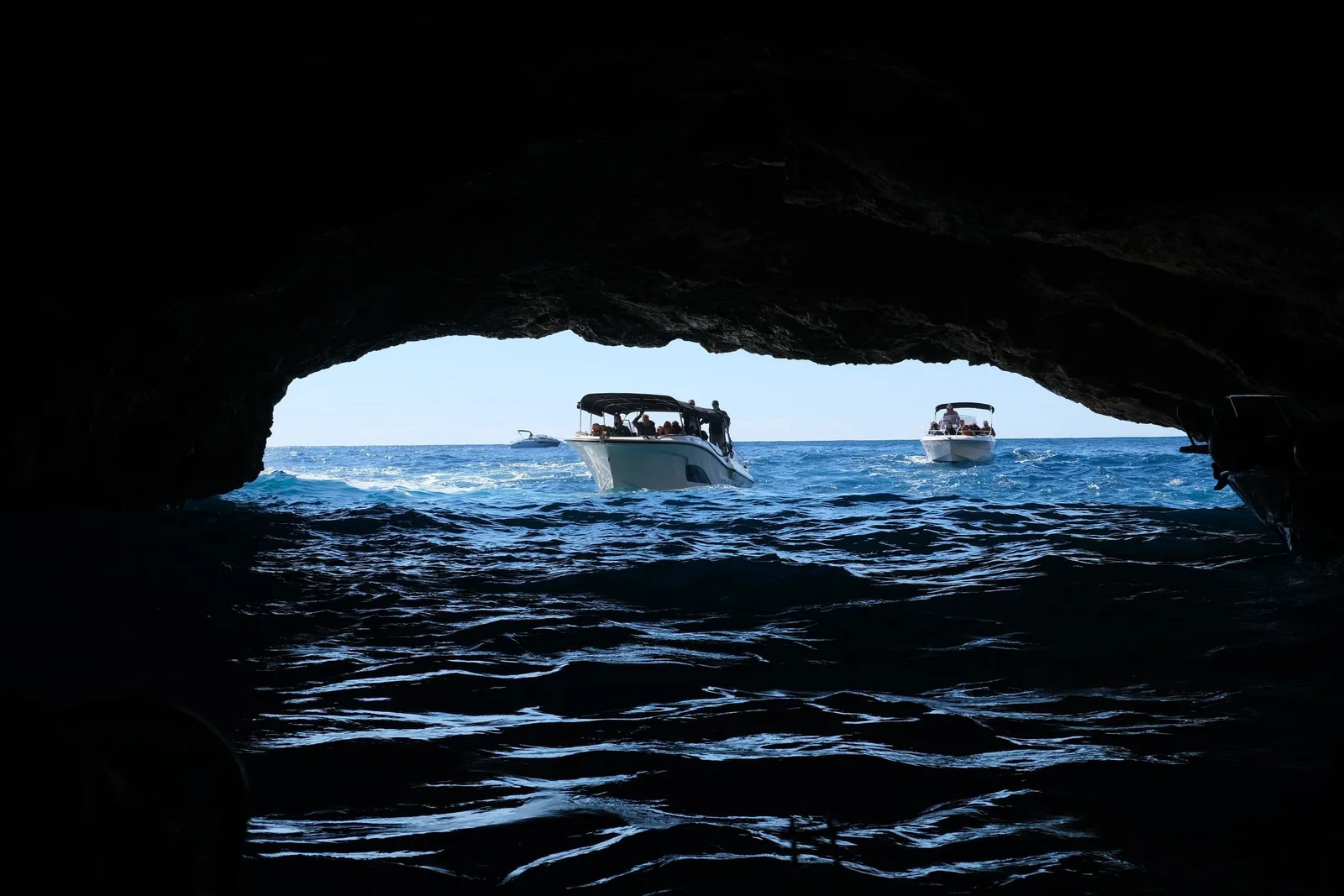
  • Small boats passing into a sea cave through a dark rock opening

    North coast · half day

    Diving at the Gruta do Acaiá

    A sea cave on the island’s north side, reached by boat and dived or snorkeled depending on conditions and how much you like enclosed spaces. The light coming through the entrance is the reason to go. Conditions here are gentler than on the ocean side, which is why almost all the island’s diving happens along this coast.

Trails

  • A forested headland running down to a wide curve of sand with surf breaking along it

    East of Abraão · half day

    Beach day at Praia Grande das Palmas

    The last easy stop on the walk out toward Lopes Mendes, and a good destination in its own right: a wide sheltered beach with a scatter of pousadas and a couple of kitchens behind it. It is calm enough to swim without thinking, which the ocean-side beaches are not, and it turns the T10 into a half day rather than a full one.

  • A narrow earth trail winding through dense Atlantic Forest on Ilha Grande, roots and undergrowth close on both sides

    From Abraão · 5–6 hours round trip

    Walking the T10 to Lopes Mendes

    The alternative to the boat, and a better day if you would rather earn the beach. About 6 km each way from Abraão through forest and out along the coast, passing Praia Grande das Palmas and Praia dos Mangues, with enough climbing to be a proper walk. Start early, carry water, and consider walking one way and taking the boat back.

  • The broad earth road to Dois Rios running through forest, a walker on it and dense green closing in on both sides

    From Abraão · 5 hours round trip

    Walking the old prison road to Dois Rios

    The island crossing: six or seven kilometers from Abraão over the central ridge and down to the ocean on the far side, on the graded road that was built to serve the prison. Steady rather than steep, about two and a half hours each way, and the only walk here that ends at a museum. Take the whole day and swim at the bottom before you turn around.

  • The long stone remains of the Lazareto quarantine station on Ilha Grande, forest growing over the walls

    Vila do Abraão · 3 hours

    Walking the Circuito do Abraão

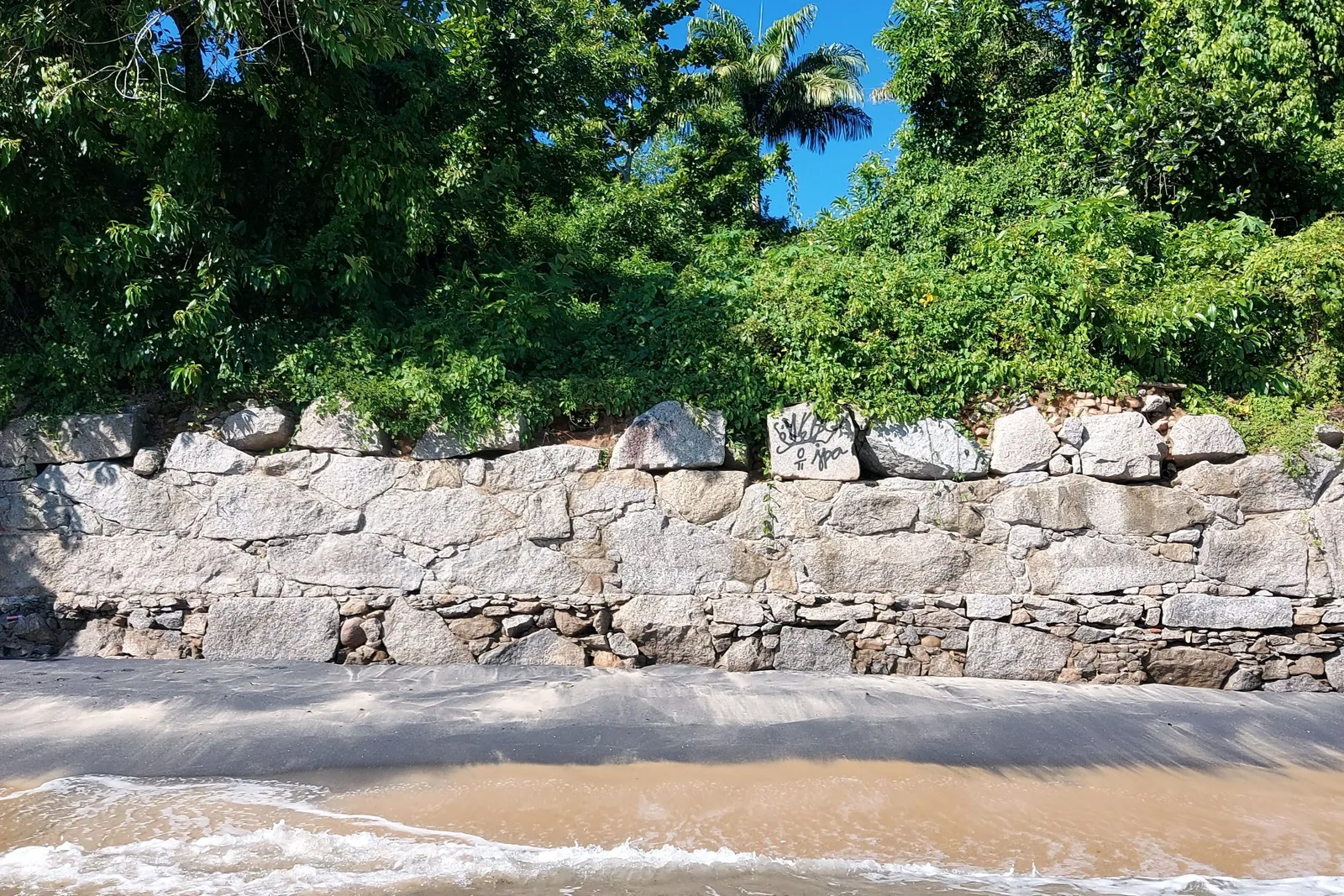
    The short loop out of the village, and the right thing to do on your first afternoon: the dark sand of Praia Preta, the arched ruins of the old Lazareto quarantine station in the trees behind it, and the aqueduct and reservoir that served it. It is flat, it is signed, and it explains more about the island in three hours than any of the beaches will.

  • A waterfall dropping down a rock face into a pool at the foot of it, forest closing in on all sides

    West of Abraão · half day

    Hiking to the Cachoeira da Feiticeira

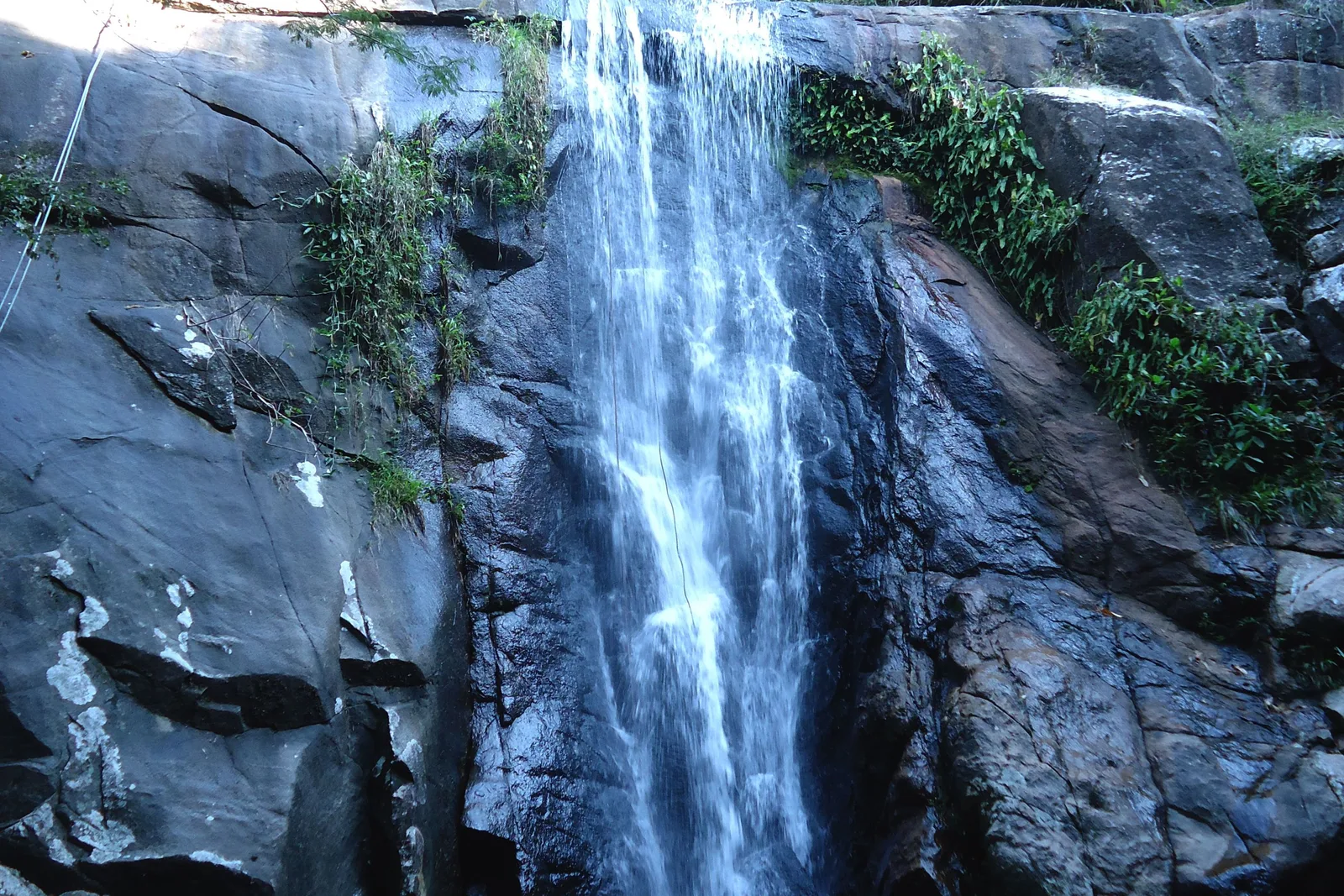
    A waterfall in the forest about an hour and a half west of the village, with a pool at the bottom deep enough to swim in. Most people walk one way and come back by taxi boat from the beach below it, which turns a there-and-back into a loop and gets you the coast from the water. Best after rain, and unremarkable in a dry spell.

  • A dark-sand beach on Ilha Grande with shallow water running up it and forested headlands closing the bay

    Vila do Abraão · 2 hours

    Visiting the Lazareto ruins at Praia Preta

    Twenty minutes west of the village, on a beach of dark sand, the remains of the quarantine station built in the 1880s to hold immigrants arriving from Europe during the cholera years — later a prison, and demolished in the 1950s. What is left is walls, arches and an aqueduct in the trees, with interpretation panels. It is the beginning of everything that happened here afterwards.

Underwater

  • A quiet cove on Ilha Grande’s sheltered side seen through the trees from the slope above it

    North coast · half day

    Swimming at Praia Vermelha

    Not the one in Rio — Ilha Grande has its own Praia Vermelha, a quiet reddish-sand cove on the sheltered north coast with a small community, a few pousadas and a dive center. Flat water, good visibility and a wreck offshore. It is one of the easier of the boat-in beaches to reach from Abraão and one of the least busy.

  • The clear turquoise shallows of the Lagoa Azul around a small rocky islet covered in forest

    From Abraão · about 6 hours

    Schooner day trip to the Lagoa Azul

    The island’s standard circuit, and cheap enough that almost everyone does it: a wooden schooner out to the Lagoa Azul, a shallow pool of turquoise between islets where the boat anchors and everyone snorkels among the fish, then lunch at Japariz and a stop or two along the sheltered north coast. Around R$100 a head, leaving late morning. Do it on a clear day or not at all — the color is the whole point.

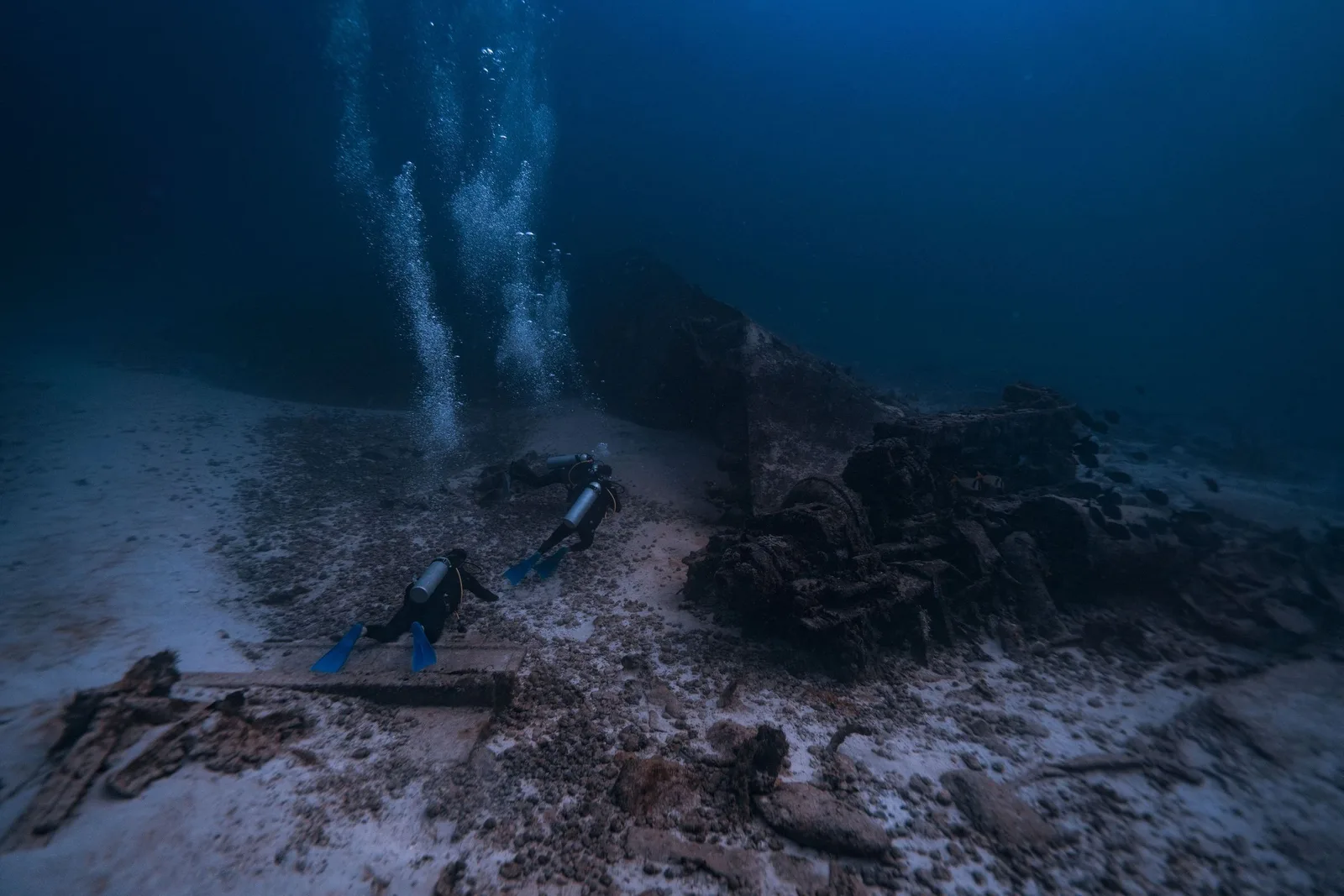
  • Two divers over the hull of a sunken wreck, light coming down through green water

    North coast · half day

    Diving the Pinguino wreck at Sítio Forte

    A fifty-meter ship that caught fire and went down in 1967, now sitting between seven and twenty meters and broken open enough to be interesting without being a penetration dive. It is the most-visited wreck in the Baía da Ilha Grande and shallow enough that the top of it is within reach of a first open-water dive.

  • Small boats passing into a sea cave through a dark rock opening

    North coast · half day

    Diving at the Gruta do Acaiá

    A sea cave on the island’s north side, reached by boat and dived or snorkeled depending on conditions and how much you like enclosed spaces. The light coming through the entrance is the reason to go. Conditions here are gentler than on the ocean side, which is why almost all the island’s diving happens along this coast.

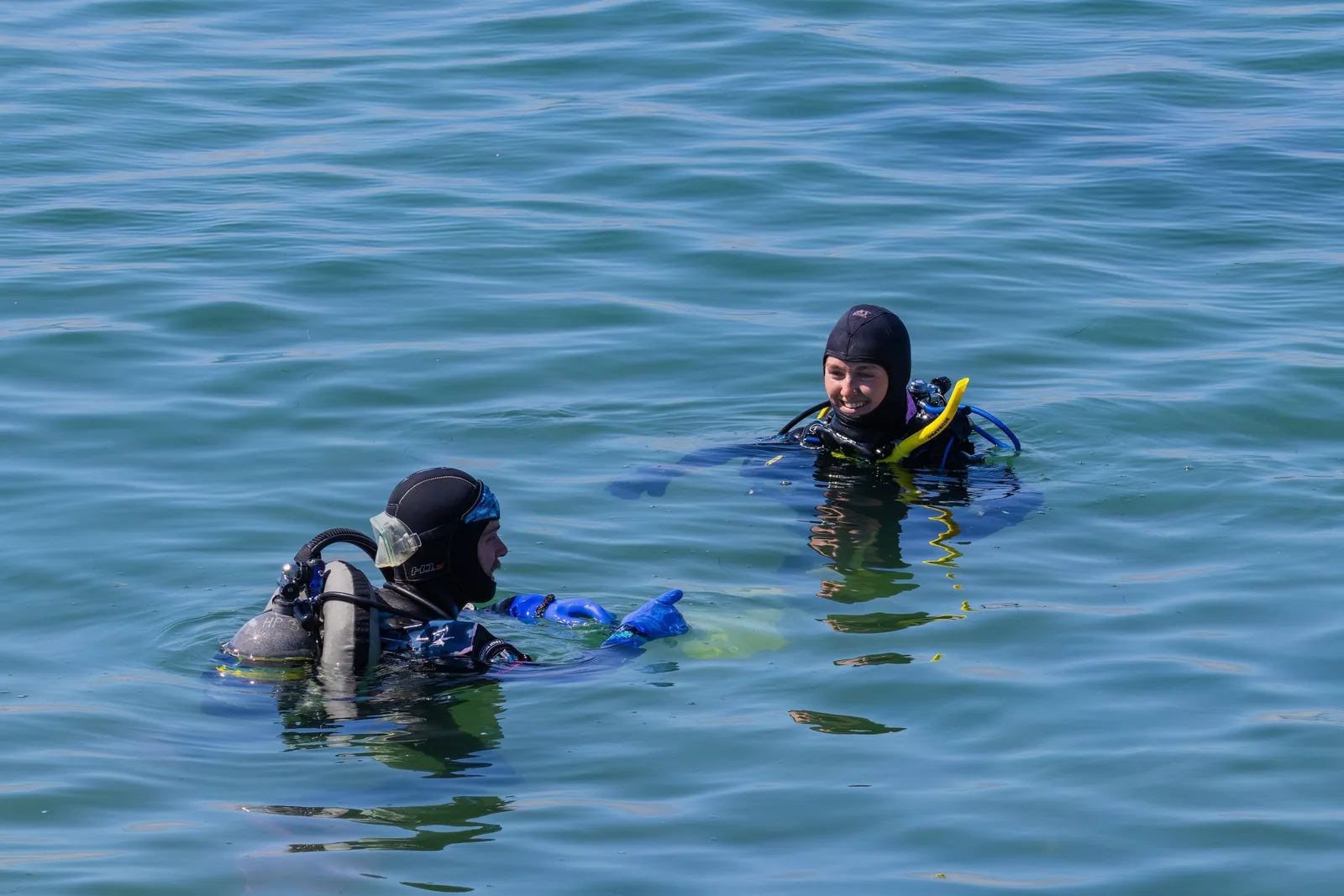
  • Two divers in wetsuits at the surface in clear shallow water

    Vila do Abraão · half day to four days

    Learning to dive in Vila do Abraão

    The sheltered bay, the shallow sites and the short boat rides make this an unusually easy place to start. Two operators work out of Abraão and others out of Bananal and Praia Vermelha, running everything from a first supervised dive in an afternoon to a full open-water certification over a few days. Visibility is better in the drier winter months than in the summer rains.

Village Life

  • A small whitewashed island chapel with a turquoise door and a bell above the gable

    North coast · half day

    Taxi boat to Freguesia de Santana

    Where the settlement of Ilha Grande began, and still a handful of houses and a white church above a beach on the sheltered north coast. This was the island’s center in the eighteenth century, when the ground behind it was coffee, sugar and cane spirit; the church is the oldest and most important building on the island. Most schooner circuits pass it and some stop; a taxi boat gets you an hour there instead of fifteen minutes.

  • The long stone remains of the Lazareto quarantine station on Ilha Grande, forest growing over the walls

    Vila do Abraão · 3 hours

    Walking the Circuito do Abraão

    The short loop out of the village, and the right thing to do on your first afternoon: the dark sand of Praia Preta, the arched ruins of the old Lazareto quarantine station in the trees behind it, and the aqueduct and reservoir that served it. It is flat, it is signed, and it explains more about the island in three hours than any of the beaches will.

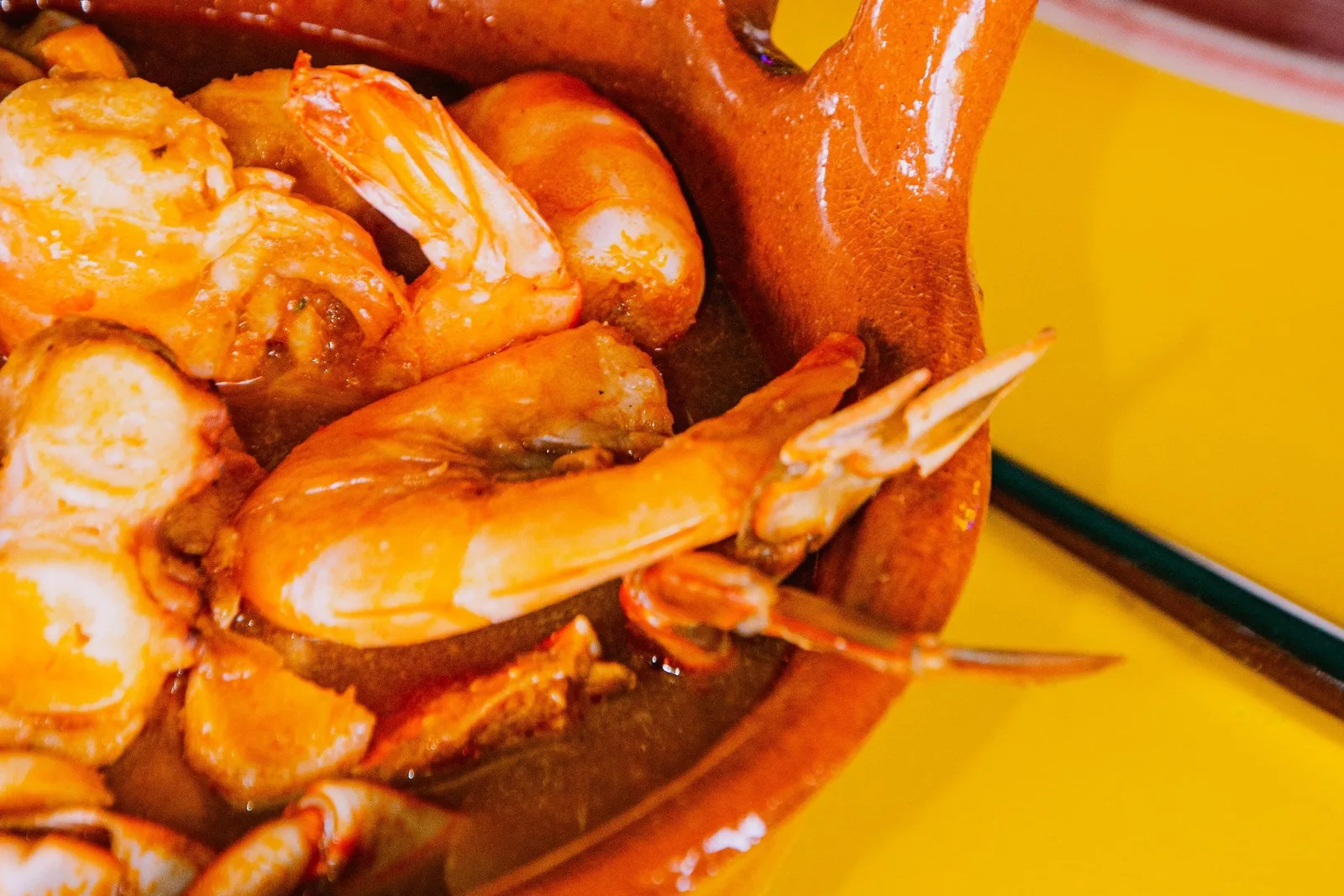
  • A clay pot of seafood stew set down on a table

    Vila do Abraão · an evening

    Eating seafood in Vila do Abraão

    The village kitchens run on what the boats brought in: grilled fish, prawns, the local squid, and moqueca in a clay pot for two. Prices are higher than the mainland because everything crossed the same water you did. The strip along the beachfront is where the tourists eat; the streets a block back are where the prices come down.

  • A dark-sand beach on Ilha Grande with shallow water running up it and forested headlands closing the bay

    Vila do Abraão · 2 hours

    Visiting the Lazareto ruins at Praia Preta

    Twenty minutes west of the village, on a beach of dark sand, the remains of the quarantine station built in the 1880s to hold immigrants arriving from Europe during the cholera years — later a prison, and demolished in the 1950s. What is left is walls, arches and an aqueduct in the trees, with interpretation panels. It is the beginning of everything that happened here afterwards.

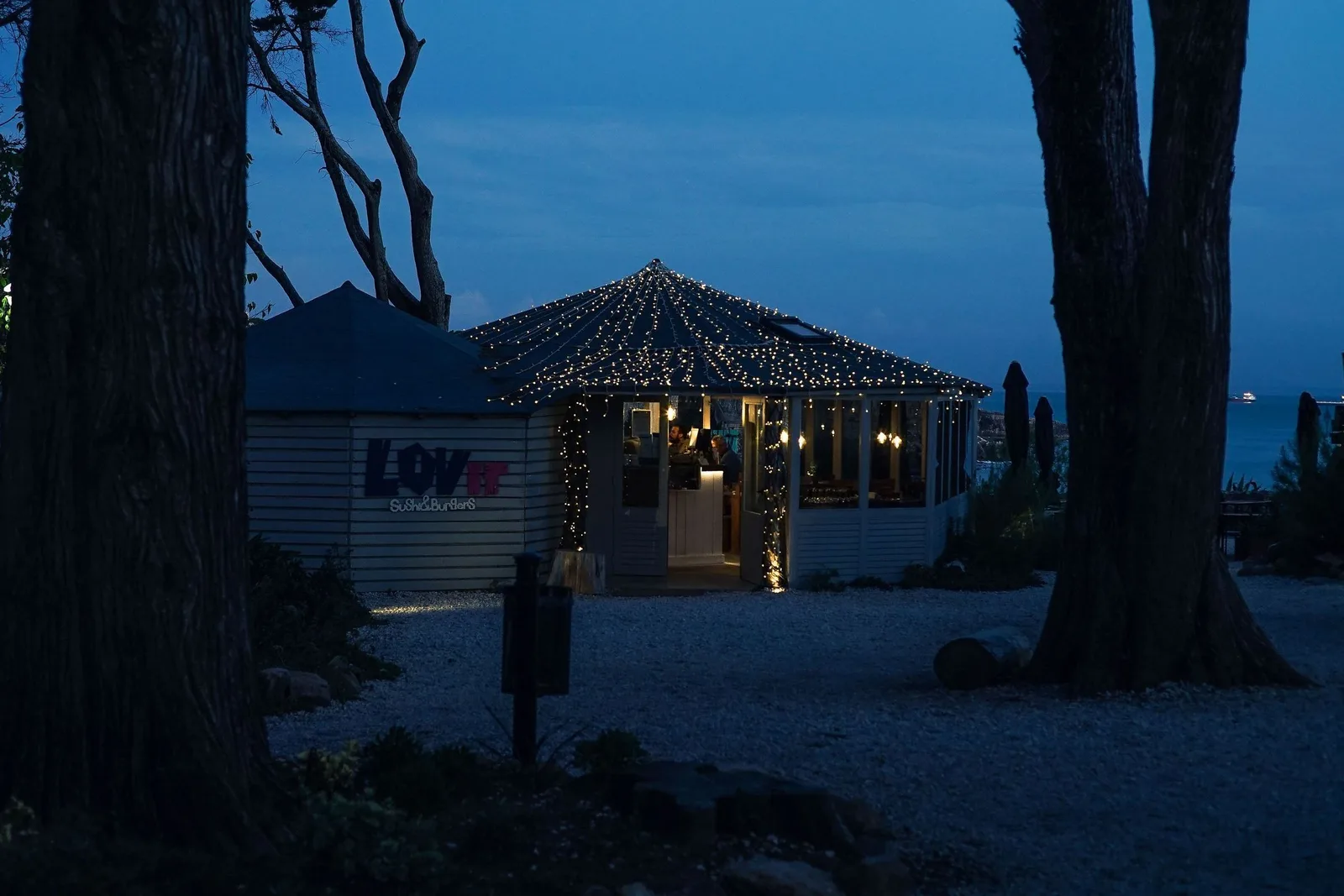
  • A seaside restaurant strung with lights after dark, tables set out under them

    Vila do Abraão · an evening

    Drinking on Rua da Praia

    This is the extent of the island’s nightlife and it is better for it: a row of low bars along the beachfront street, tables out on the sand, live music on the weekend in season, and everything winding down not long after midnight. No cars means no noise, and the walk home is along the beach.

Where to stay

The village, or a cove with a boat to it.

The real decision here is not which pousada — it is whether you want to be somewhere you can walk out of. Vila do Abraão is where the boats land and where everything is; everywhere else on this island is reached by water, on someone else’s timetable. Aventureiro, out at the protected southwestern end, is not on this list because it is camping and rooms in people’s houses under a daily visitor cap rather than somewhere you book a hotel.

Drag and zoom to explore.

Tap an area to open it and see it on the map

  • Our pick

    Best for: A first visit, and anything under a week

    Boats moored off Vila do Abraão with the village low along the shore and forested peaks rising behind it

    The island’s only real village, and where every boat from the mainland lands. Almost all the accommodation, every restaurant, the dive shops, the tour desks, the health post and the trailheads for Lopes Mendes, Dois Rios and Pico do Papagaio are inside a fifteen-minute walk. It is the busiest place on the island, which on Ilha Grande still means sand streets and no cars.

    • Vila do Abraão
    • Praia Preta
    • Abraãozinho
    • Praia Julia
  • Best for: Quiet, with Abraão still reachable

    Dense forest running right down to clear turquoise water on the island’s sheltered side, boulders along the shoreline

    The sheltered coves along the north coast west of the village — Enseada das Estrelas, Saco do Céu, Bananal, Praia Vermelha, Sítio Forte — where a handful of small pousadas sit on their own water with a jetty and nothing else. Flat swimming, the best diving on the island, and a boat ride of ten to thirty minutes back to the village when you want a restaurant. Many quote half board because there is nowhere else to eat.

    • Saco do Céu
    • Enseada das Estrelas
    • Bananal
    • Praia Vermelha
    • Sítio Forte
  • Best for: Doing very little, for several days

    A wooden jetty running out from the beach at Araçatiba at sunset, people silhouetted along it

    The western end of the sheltered coast, and the island’s second community: a long shallow bay at Araçatiba with fishing boats on it, a few good pousadas, and Freguesia de Santana and Japariz along the way. It is a proper trip from Abraão rather than a hop, there is very little to buy, and the day trips do not come this far. That is the whole appeal.

    • Araçatiba
    • Praia da Longa
    • Freguesia de Santana
    • Japariz
    • Provetá
  • Best for: Waking up next to Lopes Mendes

    A wide beach on the island’s ocean side seen from the air, forested headlands closing it at both ends

    The scatter of pousadas along the island’s eastern arm — Praia Grande das Palmas, Mangues, Pouso, Santo Antônio — which exist mainly because Lopes Mendes is over the hill from them. You can walk to the best beach on the island before the boats arrive and have it more or less to yourself. In exchange: no village, little choice of food, and the T10 or a boat every time you want anything else.

    • Praia Grande das Palmas
    • Praia dos Mangues
    • Praia do Pouso
    • Santo Antônio

A working plan

Four days, and the weather gets a vote.

Three nights on the island and the crossings either side. Built so the days that need a flat sea and a clear sky sit in the middle, where they can trade places with each other if a front comes through.

  1. 01
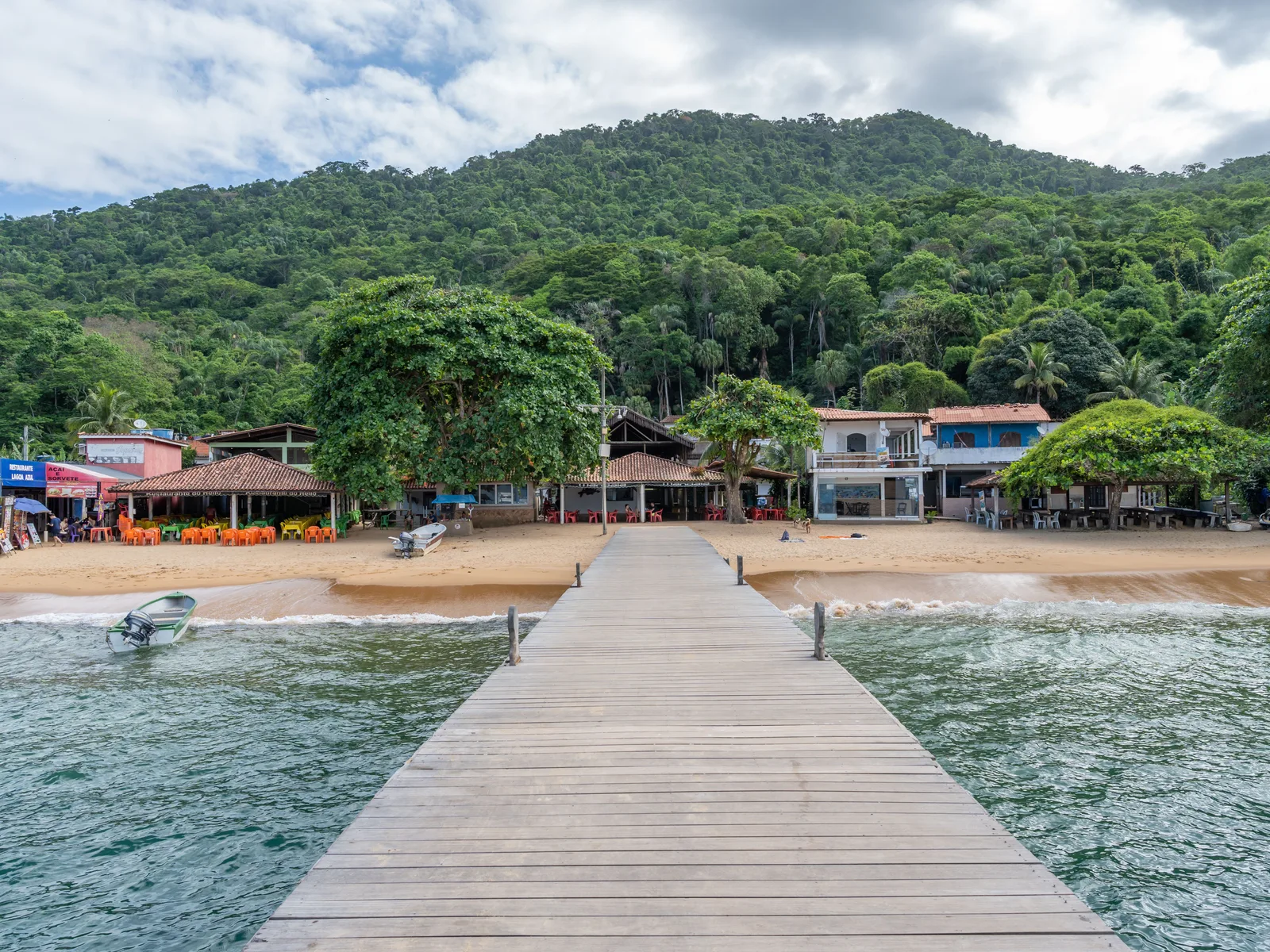
    A wooden jetty running out to a beach on Ilha Grande, low buildings and forested hills behind it

    Vila do Abraão

    Cross over, and walk the village out

    Land at Abraão, drop your bags and do the short loop west: the dark sand of Praia Preta and the Lazareto ruins in the trees behind it. Dinner a block back from the beachfront.

  2. 02
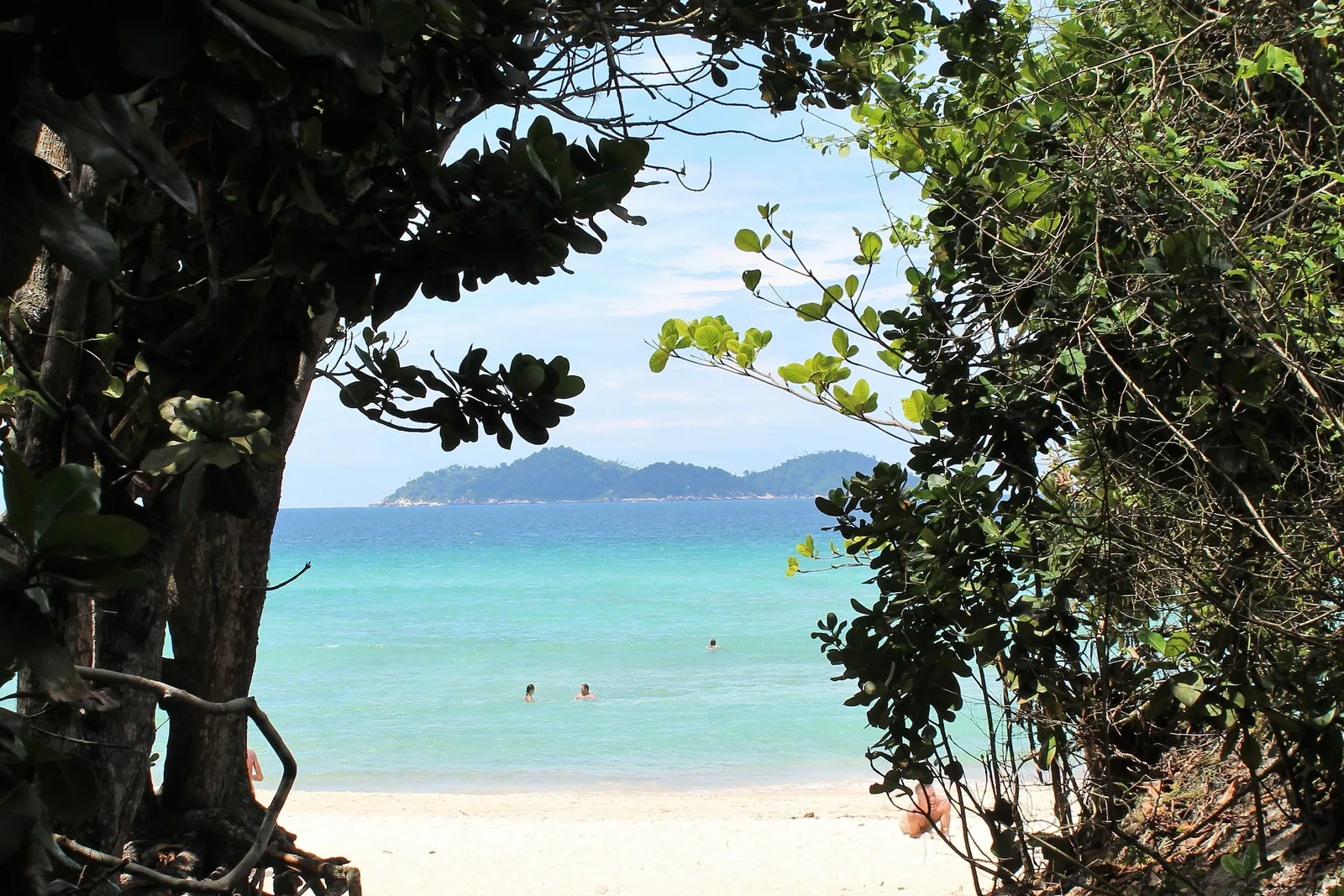
    Lopes Mendes framed through the trees at the end of the trail, pale sand and turquoise shallows beyond

    Lopes Mendes & the east

    The beach everyone comes for

    Boat to Praia do Pouso and over the headland on the T11, or walk the whole T10 if you would rather earn it. Take food and water — there is nothing on that beach at all.

  3. 03
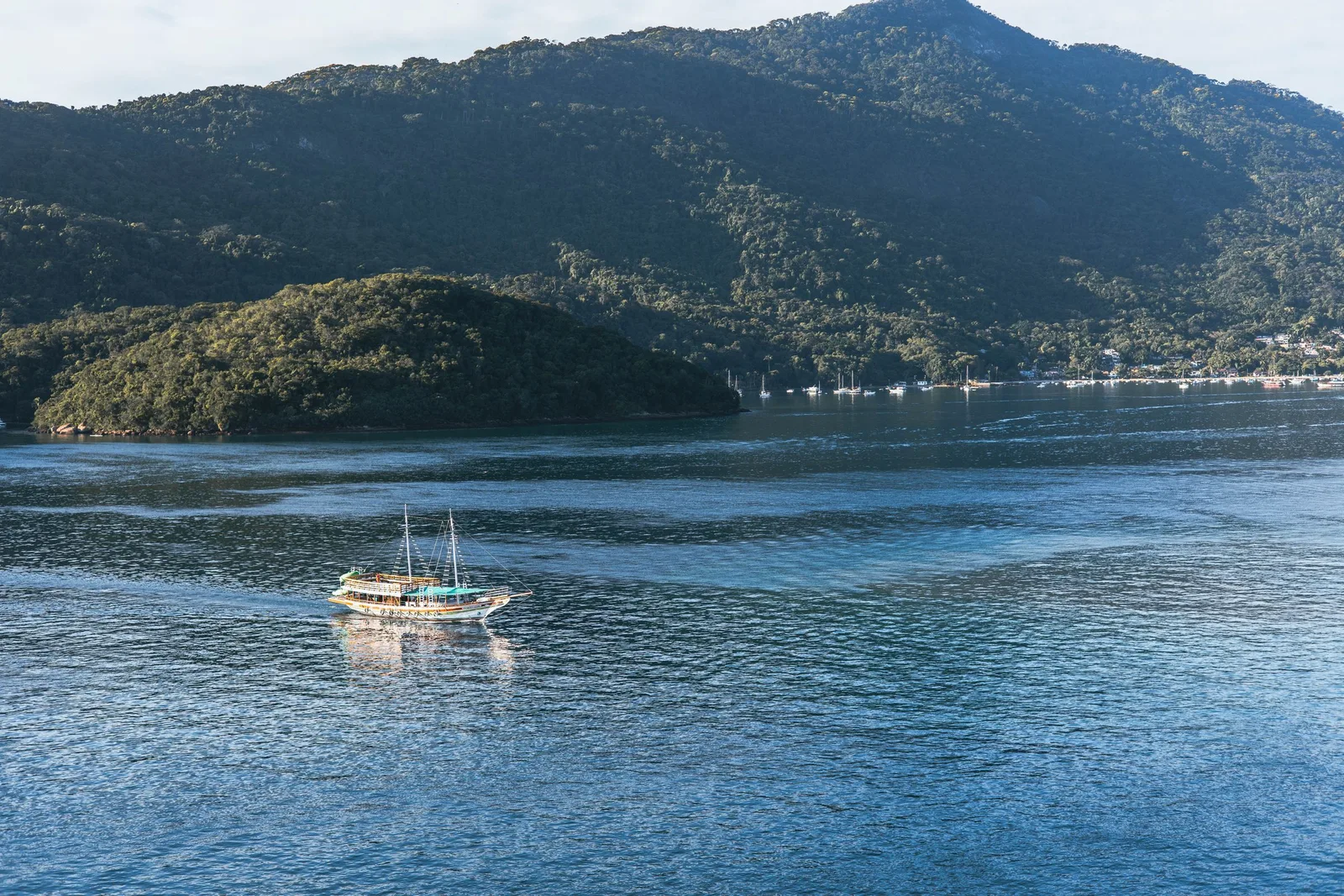
    A boat under sail on flat blue water with the island’s forested hills behind

    North coast

    The sheltered side, by boat

    The schooner circuit: snorkeling at the Lagoa Azul, lunch at Japariz, the church at Freguesia de Santana and the flat water of the Saco do Céu on the way back.

  4. 04
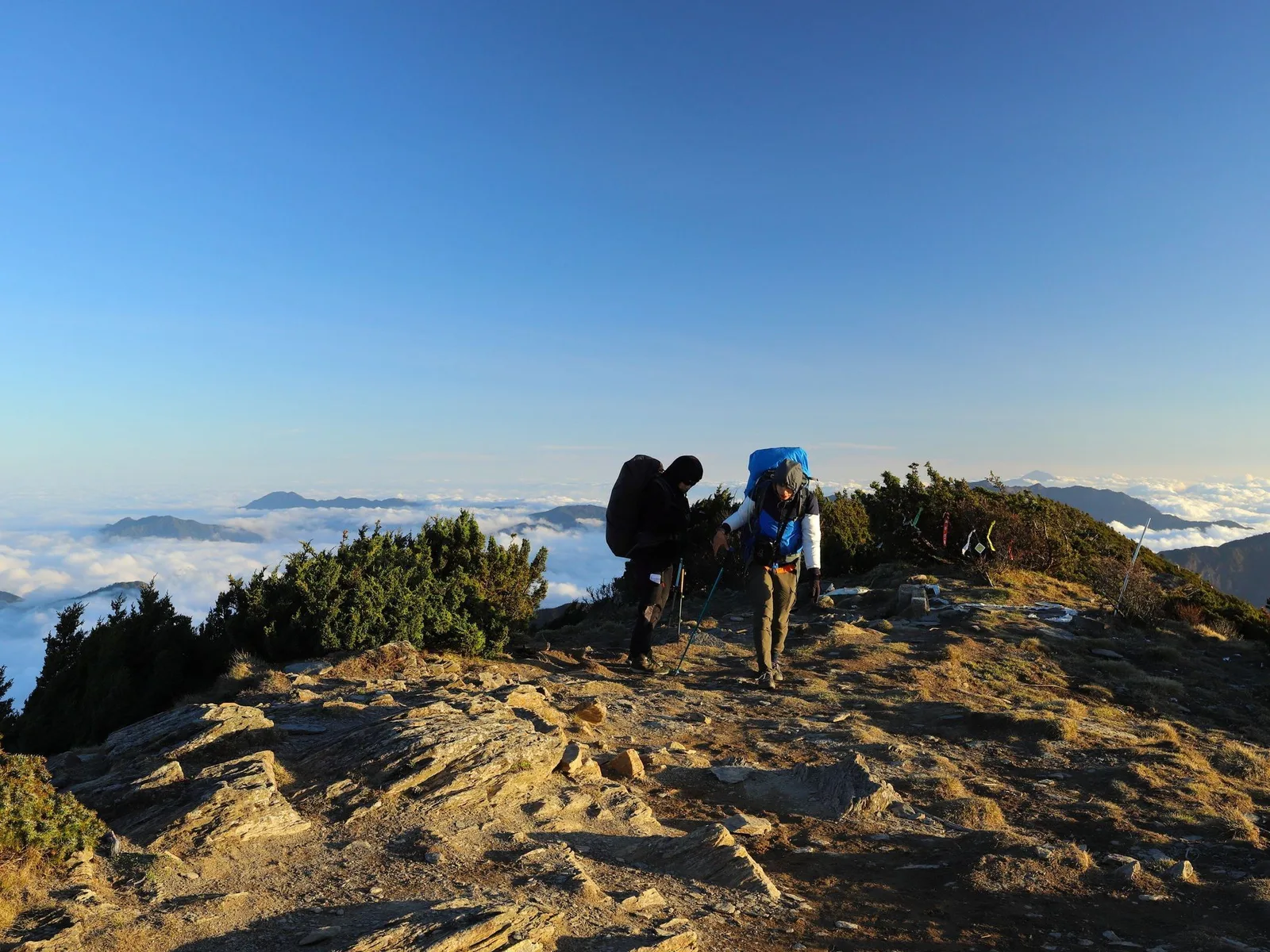
    Two walkers on a ridge path in early morning light with cloud lying in the valley below

    Dois Rios or Pico do Papagaio

    Cross the island, or climb it

    The flexible day. Walk the old prison road over the ridge to Dois Rios and the Museu do Cárcere, or leave in the dark with a guide for sunrise on Pico do Papagaio.

This is a starting shape, not a fixed departure — we rearrange it around your dates. Have it built for you

Timing

The dry half of the year is the better half.

Ilha Grande is warm enough to swim in every month of the year, so the calendar here is really about rain and crowds rather than temperature. Winter — roughly June to September — is drier, clearer, quieter and much better for walking. Summer is hotter, wetter, far busier and the only time the water is genuinely warm.

How wet and how warm each month is on Ilha Grande. Choose a month for its average air and sea temperatures and what the island is like then.

January

Trade-offs
Air
23–30°C 73–86°F
Sea
27°C 81°F
UV
10 Very high
Rain
14 days 236 mm / 9.3 in

Hot, humid and the second-wettest month. Warm sea, full pousadas, and the island at its busiest after New Year.

February

Trade-offs
Air
23–30°C 73–86°F
Sea
27°C 81°F
UV
11 Extreme
Rain
11 days 189 mm / 7.4 in

The hottest month, and usually Carnaval. Wet, crowded, and the warmest water of the year.

March

Good
Air
23–29°C 73–84°F
Sea
27°C 81°F
UV
9 Very high
Rain
12 days 206 mm / 8.1 in

Still summer-warm and still wet, but the holiday crowds thin out and the prices follow them down.

April

Good
Air
21–28°C 70–82°F
Sea
26°C 79°F
UV
7 High
Rain
10 days 167 mm / 6.6 in

Warm sea, drying air, far fewer people. One of the best months for doing both the beaches and the trails.

May

Good
Air
19–26°C 66–79°F
Sea
24°C 75°F
UV
5 Moderate
Rain
9 days 114 mm / 4.5 in

The rain drops away properly and the island empties out. Comfortable walking weather.

June

Good
Air
18–25°C 64–77°F
Sea
23°C 73°F
UV
5 Moderate
Rain
7 days 72 mm / 2.8 in

Winter begins: dry, mild and very quiet. Good for the long trails and for diving visibility.

July

Trade-offs
Air
17–24°C 63–75°F
Sea
22°C 72°F
UV
4 Moderate
Rain
8 days 90 mm / 3.5 in

The coolest month and reliably clear, but the Brazilian winter holidays fill the boats and the beds.

August

Best
Air
17–24°C 63–75°F
Sea
22°C 72°F
UV
6 High
Rain
7 days 54 mm / 2.1 in

The driest month of the year, the clearest skies, and the holiday crowds gone. The best hiking window.

September

Good
Air
18–25°C 64–77°F
Sea
22°C 72°F
UV
7 High
Rain
12 days 121 mm / 4.8 in

Warming up with the rain starting to return, and shoulder-season prices still holding.

October

Good
Air
19–25°C 66–77°F
Sea
23°C 73°F
UV
8 Very high
Rain
13 days 142 mm / 5.6 in

Moderate rain and a warming sea. A good balance, and still well short of summer prices.

November

Good
Air
21–27°C 70–81°F
Sea
24°C 75°F
UV
9 Very high
Rain
12 days 149 mm / 5.9 in

Warm with the rain building, and the last quiet month before the December rush starts.

December

Trade-offs
Air
22–28°C 72–82°F
Sea
25°C 77°F
UV
9 Very high
Rain
15 days 258 mm / 10.2 in

The wettest month of the year. Quiet and hot until about the 20th, then the island fills completely.

  • Best The one or two peak months
  • Good A real recommendation
  • Trade-offs Workable, with a catch
See Ilha Grande on the Brazil calendar

UV is the monthly average of the daily peak, 2022 to 2025, calculated from Copernicus Atmosphere Monitoring Service data. Weather data by Open-Meteo.com, CC BY 4.0.

For the island at its best

August

The driest month of the year at 54 mm across seven wet days, about a fifth of December’s 258. Clear light, and the trails dry underfoot.

For warm water

March–April

The sea is still 25 to 26 degrees, the summer rain and the summer crowds have both eased, and prices come back down. The best compromise on the calendar.

Book far ahead for

Christmas to Carnaval, and July

Rooms and boats both sell out, and a small island has a hard ceiling on how many of either exist. July is dry and lovely and full of Brazilian families.

About the rain

The wet season here is real and it is concentrated: December averages 258 mm across fifteen wet days and January is not far behind, and most of it arrives as heavy afternoon storms that clear again. Days are rarely lost outright, but trails turn to mud, the visibility underwater drops, and a low gray sky takes the color out of the Lagoa Azul, which is the one thing that trip is for.

Winter is genuinely dry. August averages 54 mm across seven wet days and June is barely wetter, with air in the low twenties and a sea that only falls to about 22 degrees — cooler than you might like for lying in, still perfectly swimmable. If you came to walk, dive or photograph rather than sunbathe, the June-to-September half of the year is the better one by a distance.

The dates worth planning around

Wooden fishing boats decorated with flags and bunting, moored close together

Festa de São Sebastião

January 20, with a novena from the 10th

Vila do Abraão’s patron saint, and the biggest date in the village’s own calendar rather than the tourist one. The build-up runs for ten days; on the day itself the community is woken at 6:00am by fireworks and a brass band, and there is a solemn mass, a procession through the sand streets and a maritime procession of decorated boats around the bay. It runs alongside the busiest fortnight of the summer, so book well ahead.

A crowd at an open-air concert at night, hands up in front of a lit stage

Festival de Música e Ecologia da Ilha Grande

Early July — the 23rd edition ran July 3–5, 2026

A free three-day music festival in Vila do Abraão, run by the Angra dos Reis city government, built around a national songwriting competition with an ecology category alongside the open one. Recent editions have brought genuinely well-known Brazilian acts to a village square with no road to it, and the program runs alongside a week of beach cleanups, workshops and environmental education.

Men carrying an ornate religious statue through a street during a saint’s day procession

Festa de Sant’Ana

Late July, at Freguesia de Santana

The older of the island’s two patronal feasts, at the settlement where Ilha Grande’s history starts. Sant’Ana was patron of the whole island in the nineteenth century before São Sebastião took over, and the community at Freguesia has kept the day: bells and fireworks at 6:00am, mass at 10:00am, a procession behind the images of Sant’Ana and São Joaquim with a brass band, then a fair that runs until fireworks close it at dusk. It is small, local and entirely unstaged.

Good to know

Before you come

How do you get to Ilha Grande from Rio de Janeiro? +

Road to a pier, then a boat — there is no other way in. Three piers serve the island. Conceição de Jacareí is the closest and the one most visitors use: about two to two and a half hours from Rio by road, then a speedboat of 15 to 25 minutes for roughly R$75 to R$120. Angra dos Reis is about three hours from Rio and six from São Paulo, with speedboats of 30 to 40 minutes from the Cais de Santa Luzia. The cheap option from either is the CCR Barcas public ferry at about R$20.50, which takes an hour and forty and sails once a day. Buses run to all three piers from Rio’s Novo Rio terminal for around R$57; door-to-pier transfers with the boat included cost more and take the connection risk off you. Every boat lands at Vila do Abraão, and the last speedboats leave the mainland around 6:00pm.

How many days do you need on Ilha Grande? +

Four days and three nights is the honest minimum, which is why the itinerary above is built that way. Getting here eats most of an arrival day and part of a departure one, so a two-night stay leaves you a single full day and no slack at all — and on an island where the weather decides whether the boats run, no slack is a bad plan. Three nights gives you Lopes Mendes, one boat circuit and one long walk, with room to swap two of them around. Five or six nights is where the island opens up: the far beaches, Aventureiro, a couple of dives, and the days where you do not leave the sand.

Can you visit Ilha Grande as a day trip from Rio? +

You can, and it is a poor use of a day. Operators sell it and the arithmetic is brutal: four to five hours in a vehicle and a boat each way for perhaps three hours on the island, most of which is spent on a schooner rather than on it. The things that make Ilha Grande worth the trip — Lopes Mendes, the trails, the village after the day boats have gone — are all out of reach on that timetable. If you only have one day, spend it on the Costa Verde beaches around Angra or Paraty instead, and come back to the island when you can give it three nights.

Where should you stay on Ilha Grande? +

Vila do Abraão for a first visit, unless you have a specific reason not to. It is where the boats land and it is the only place on the island where you can walk out of your door to a restaurant, a dive shop, a trailhead and a tour desk — which on an island with no roads matters more than the room. The alternative is one of the boat-in coves along the sheltered north coast, Saco do Céu and Praia Vermelha among them, where a handful of pousadas sit alone on their own water and often quote half board because there is nowhere else to eat. Araçatiba, at the western end, is quieter again and a real journey from Abraão. The eastern beaches — Palmas, Mangues, Pouso — put you within a walk of Lopes Mendes and a long way from everything else.

Is there an entry fee, and do you need cash? +

Yes to the first, and yes to some of the second. Since 1 June 2026 Angra dos Reis has charged a flat Sustainable Tourism Tax of R$50 per person, valid for 30 days, which you register and pay on the city’s Viva Angra site (vivaangra.com.br) before you travel, or at the control points such as the Santa Luzia boat station. Residents, children under 12 and adults over 60 are exempt. As for money on the island — there is no bank in Vila do Abraão and you should not rely on finding a working ATM. Cards and Pix are accepted in most restaurants, pousadas and tour agencies, but taxi boats, small kitchens and the remoter villages are a different matter, so draw cash on the mainland before you get on the boat.

Keep going

Where Ilha Grande fits in a bigger trip.

The island is a stop on the Costa Verde rather than a destination on its own, and the two places either side of it are the obvious other halves of the trip. The third is here on merit rather than geography.

Free · 29 pages

Free guide

Beginner's Guide to Brazil

A free 29-page guide to everything a first-time visitor should know before landing: visas, safety, money, getting around, where to go, and what to eat.

We'll email you a link to confirm your address. Click it and the guide opens right away.

See what's inside
Sunset over a forested tropical island, palms silhouetted against the light and the sea going gold

Skip the planning

Get the boats right, and the island does the rest.

Tell us your dates, how much walking you actually want, and whether you would rather be in the village or on a jetty of your own. We will shape a private Costa Verde itinerary around it — the right pier, the crossings booked, the weather-dependent days placed where they can move, and somewhere to sleep that matches the trip you are describing.

  • One person, living in Brazil, replying to you directly
  • A reply within one business day — no call center, no bots
  • No cost to plan, and no obligation to book
  • Built around your dates, not a fixed departure